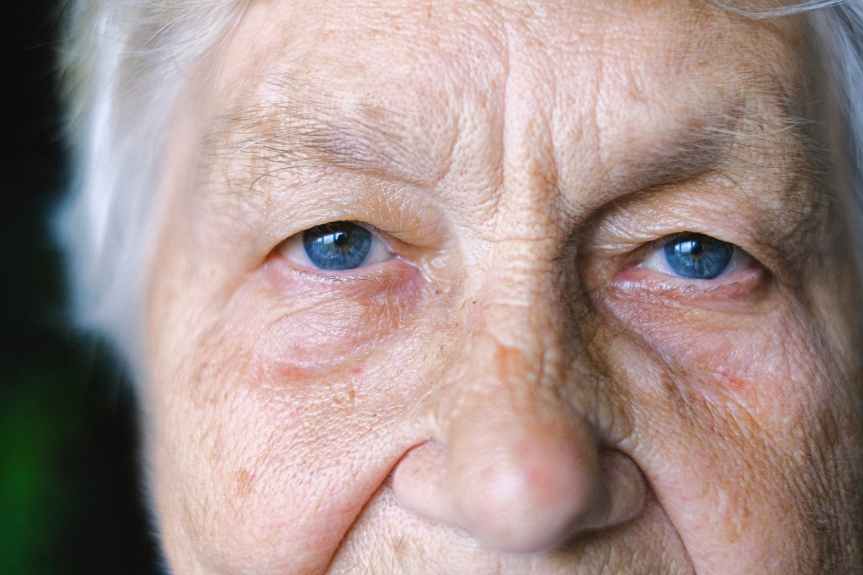
Caring for the Caregiver: The Vital Role of Respite Care in Supporting Aging Loved Ones

By Roz Jones

As the sands of time gently shape our lives, the role of a caregiver becomes both a privilege and a profound responsibility. The journey of providing unwavering care and support to aging loved ones is a labor of love, woven with compassion and dedication. However, amidst this noble endeavor, itโ€™s easy to overlook a crucial element – the well-being of the caregiver themselves. This is where the concept of respite care steps in, offering a lifeline that ensures caregivers can find the rest and rejuvenation they rightfully deserve 

A Breath of Relief – The Gift of Respite Care

At its core, respite care is a compassionate offering, designed to provide caregivers with a temporary break from their responsibilities. Itโ€™s a window of opportunity to recharge, refuel, and replenish oneโ€™s physical, emotional, and mental reserves. As caregivers devote themselves wholeheartedly to the needs of their aging loved ones, respite care becomes a crucial tool that prevents burnout, preserves well-being, and fosters a healthier caregiving journey. 

Nurturing the Caregiver-Care Receiver Bond

Respite care isnโ€™t just about the caregiverโ€™s well-being; itโ€™s a strategy that nourishes the entire caregiving ecosystem. By engaging with respite care services, caregivers can experience a newfound sense of balance and self-care, enabling them to continue providing top-notch care to their loved ones. This temporary relief doesnโ€™t weaken the bond between caregiver and care receiver; instead, it strengthens it by ensuring that caregivers can offer their best selves, both physically and emotionally. 

The Many Faces of Respite Care

Respite care encompasses a diverse range of options, each tailored to cater to the unique needs of caregivers and their aging loved ones:

  • In-Home Respite Care: Trained professionals or volunteers provide care in the caregiverโ€™s home, offering assistance with daily tasks and companionship to the care receiver. 
  • Adult Day Care: Care receivers spend time in a specialized facility, engaging in social activities and receiving care while caregivers take a break. 
  • Residential Respite Care: Care receivers temporarily stay in a care facility, allowing caregivers to have a brief period of respite, 
  • Informal Respite: Family members, friends, or neighbors provide caregiving support, allowing the primary caregiver some time off. 
  • Professional Services: Hiring a professional caregiver, either on a temporary basis or for a specific duration, to provide care while the primary caregiver takes a break. 

The decision to embrace respite care is not a sign of relinquishing responsibility, but rather a testament to the caregiverโ€™s commitment to providing the best possible care. Itโ€™s an acknowledgement that self-care is an essential component of caregiving, and a recognition of the importance of nurturing oneโ€™s own well-being. On this journey of caregiving, remember that seeking respite care is not a sign of weakness; itโ€™s a demonstration of strength and wisdom By prioritizing your own well-being, you ensure that the care and love you extend to your aging loved ones remain sustainable and unwavering.

Planning a Summer Vacation with an Aging Loved One? Download the FREE Checklist!

Are you embarking on a summer vacation adventure with a loved one in need of care? Whether youโ€™re a caregiver or know someone who is, we understand the unique challenges and considerations that come with vacationing while ensuring your loved one is safe..

Make your vacation experience stress-free and enjoyable for both you and your loved one, weโ€™re excited to offer you a free downloadable checklist!

Stay Ahead of the Storm: Download Your Free Expert Storm Guide Now!

Photo by ALTEREDSNAPS on Pexels.com

As we know, June โ€“ November is Hurricane Season. As a family caregiver, there are many ways to prepare your loved ones for it. Early preparation helps reduce opportunities for stress and anxiety as storms approach.

One of the best ways to prepare is allowing your loved on to assist in packing their travel bag, checking their contact list and ensuring there are adequate emergency supplies.

Participationโ€ฆ not isolationโ€ฆ go a long way when preparing for major storms. This Seniors Storm Guide gives essential information to refer to again and again!



Stay Connected!

Nurturing Mental Health in Minority Caregiving: A Guide to Supporting Aging Loved Ones

By Roz Jones

As we enter National Minority Mental Health Awareness Month, it’s crucial to shed light on the significance of promoting mental health awareness and support within minority communities. In this blog series, we will delve into the specific challenges faced by caregivers who are caring for aging loved ones in minority populations and explore strategies to support their own well-being as they care for their aging loved ones. 

Understanding the Importance of Mental Health Awareness for Minority Populations

Mental health awareness holds great significance within minority populations, as cultural beliefs, historical factors, and systemic barriers contribute to disparities in mental health access and care. Minority communities often face unique challenges when it comes to seeking help for mental health concerns. Cultural beliefs and norms surrounding mental health can create stigma and misunderstanding, leading individuals to hesitate in seeking support or openly discussing their struggles. Historical factors such as systemic oppression, discrimination, and intergenerational trauma can also have a profound impact on the mental well-being of individuals within minority communities.

To address these disparities, it is essential to promote mental health awareness that is sensitive to the cultural context of minority populations. This involves challenging stigmatizing beliefs and providing education about mental health conditions, available treatments, and resources. By creating safe spaces for open discussions and fostering culturally competent mental health services, caregivers can play a crucial role in promoting mental well-being within their communities. They can advocate for accessible and equitable mental health care, challenge societal prejudices, and provide support to their aging loved ones by encouraging help-seeking behaviors and offering understanding and empathy.

Exploring the Unique Challenges Faced by Caregivers of Aging Loved Ones

Caregiving is a demanding role, and when caring for aging loved ones within minority populations, caregivers face additional challenges. Language barriers can hinder effective communication with healthcare providers, making it difficult to access mental health support and navigate the complex healthcare system. Cultural expectations also come into play, as certain communities may have specific norms and beliefs about caregiving roles, which can create added pressure and influence the caregiver’s sense of duty and responsibility.

Moreover, minority communities often experience limited resources when it comes to mental health services and support. Caregivers may struggle to find culturally appropriate resources or face financial constraints that limit their access to necessary care. This, coupled with the expectation to balance caregiving responsibilities with other aspects of life, such as work or personal commitments, can lead to caregiver burnout and negatively impact their mental well-being.

To navigate these challenges effectively, caregivers can seek support from community organizations, support groups, or online forums that cater specifically to their cultural background and caregiving experiences. They can also explore language interpretation services or bilingual healthcare providers to bridge the communication gap and ensure effective conversations about mental health. Caregivers must prioritize self-care by setting boundaries, seeking respite care when needed, and seeking professional counseling or therapy to manage the emotional toll of their caregiving responsibilities.

Identifying the Impact of Cultural Factors on Mental Health and Caregiving

Culture plays a significant role in shaping mental health perceptions and caregiving practices within minority communities. Cultural factors encompass beliefs, traditions, values, and social norms that influence how mental health issues are perceived, diagnosed, and treated. It is crucial for caregivers to recognize and understand these cultural factors to provide effective care for their aging loved ones’ mental health.

Cultural beliefs may contribute to the stigma surrounding mental health and create barriers to seeking help. Caregivers should engage in open conversations with their loved ones, promoting understanding, and challenging any negative beliefs or misconceptions. They can explore culturally specific coping mechanisms, healing practices, or spiritual rituals that may support mental well-being. By integrating cultural practices into the caregiving journey, caregivers can help their loved ones feel seen, validated, and supported.

In addition, cultural expectations around family dynamics and caregiving roles may influence the caregiver’s responsibilities and choices. Caregivers must strike a balance between cultural expectations and their own well-being, seeking support from extended family members, friends, or community resources to share the caregiving load. Understanding cultural nuances allows caregivers to tailor their approach, providing care that is sensitive to their loved ones’ cultural backgrounds and values.

By identifying and addressing the impact of cultural factors on mental health and caregiving, caregivers can create an environment that promotes mental well-being and supports their aging loved ones in a holistic manner. It is essential to foster open communication, embrace cultural diversity, and seek culturally competent mental health services to ensure the best possible care for their loved ones.

As we celebrate National Minority Mental Health Awareness Month, letโ€™s commit to fostering a society where mental health is prioritized and embraced within minority communities. Together, we can break down barriers, challenge stigma, and ensure that caregivers have the knowledge, resources, and support they need to provide the best possible care for their aging loved ones. By promoting mental health awareness and support, we can create a brighter and more inclusive future for us all.

Resources

  1. National Alliance on Mental Illness (NAMI) Multicultural Action Center: NAMI offers a Multicultural Action Center that provides resources, information, and support specifically tailored to minority communities. Their website offers educational materials, webinars, and helpline services to assist caregivers in accessing culturally competent mental health support. Visit their website at: www.nami.org/multicultural
  1. Black Mental Health Alliance (BMHA) Caregiver Support Resources: BMHA offers resources and support for Black caregivers, addressing mental health concerns within the Black community and providing tools for self-care and well-being. Website: https://blackmentalhealth.com/call-to-healing-summit/
  2. Mental Health America (MHA) Minority Mental Health Resources: MHA provides a range of resources to promote mental health awareness and support within minority communities, including articles, screening tools, and educational materials. Website: https://mhanational.org/bipoc/mental-health-month

Planning a Summer Vacation with an Aging Loved One? Download the FREE Checklist!

Are you embarking on a summer vacation adventure with a loved one in need of care? Whether youโ€™re a caregiver or know someone who is, we understand the unique challenges and considerations that come with vacationing while ensuring your loved one is safe..

Make your vacation experience stress-free and enjoyable for both you and your loved one, weโ€™re excited to offer you a free downloadable checklist!

Stay Ahead of the Storm: Download Your Free Expert Storm Guide Now!

Photo by ALTEREDSNAPS on Pexels.com

As we know, June โ€“ November is Hurricane Season. As a family caregiver, there are many ways to prepare your loved ones for it. Early preparation helps reduce opportunities for stress and anxiety as storms approach.

One of the best ways to prepare is allowing your loved on to assist in packing their travel bag, checking their contact list and ensuring there are adequate emergency supplies.

Participationโ€ฆ not isolationโ€ฆ go a long way when preparing for major storms. This Seniors Storm Guide gives essential information to refer to again and again!


Stay Connected!

How to Fueling Your Body and Mind

By Roz Jones

As a male caregiver, taking care of your loved ones often becomes your top priority. However, it’s important not to neglect your own health, especially when it comes to nutrition. A well-balanced diet plays a crucial role in providing the energy and nutrients needed to navigate the demands of caregiving. In this blog, we will explore the importance of healthy eating and nutrition for male caregivers. We will provide guidance on adopting a balanced diet, managing dietary restrictions, and incorporating nutritious meals and snacks into your routine. By nourishing your body with proper nutrition, you can maintain energy levels, promote overall well-being, and better manage the challenges of caregiving.

1. Adopting a Balanced Diet:

A balanced diet is essential for optimal health. Encourage male caregivers to focus on consuming a variety of nutrient-rich foods from different food groups, including fruits, vegetables, whole grains, lean proteins, and healthy fats. Emphasize the importance of portion control and moderation to maintain a healthy weight and manage chronic conditions. Diet also plays a major role in cardiovascular health.

2. Managing Dietary Restrictions:

Some male caregivers may have specific dietary restrictions due to health conditions or personal preferences. It’s important to work with a healthcare provider or registered dietitian to develop a meal plan that meets your individual needs. They can provide guidance on managing conditions such as diabetes, high blood pressure, or food allergies while ensuring adequate nutrition.

3. Meal Planning and Preparation:

Busy caregiving schedules can make it challenging to prioritize healthy eating. Encourage male caregivers to engage in meal planning and preparation to ensure nutritious meals are readily available. Set aside time each week to plan meals, create a shopping list, and prepare meals in advance whenever possible. This approach can help caregivers save time, reduce stress, and ensure they have nourishing meals throughout the week.

4. Smart Snacking:

Snacking can be an opportunity to incorporate additional nutrients into your diet. Encourage male caregivers to choose healthy snacks such as fresh fruits, and vegetables with hummus, yogurt, nuts, or whole-grain crackers. These options provide essential vitamins, minerals, and fiber, and can help maintain energy levels throughout the day.

5. Hydration:

Proper hydration is often overlooked but is crucial for overall health. Remind male caregivers to drink an adequate amount of water throughout the day. Encourage them to limit sugary drinks and opt for water, herbal tea, or infused water as healthier alternatives. Combine hydration with physical exercise and your body will thank you.

6. Mindful Eating:

Practicing mindful eating can help caregivers develop a healthier relationship with food. Encourage male caregivers to slow down during meals, savor each bite, and pay attention to their body’s hunger and fullness cues. This approach promotes the enjoyment of food and prevents overeating.

As a male caregiver, nourishing your body with proper nutrition is essential for maintaining energy levels, promoting overall well-being, and managing the demands of caregiving. By adopting a balanced diet, managing dietary restrictions, engaging in meal planning and preparation, incorporating smart snacking, and practicing mindful eating, you can prioritize your own health and better fulfill your caregiving responsibilities. Remember, taking care of yourself through healthy eating and nutrition not only benefits you but also enhances your ability to provide quality care to your loved ones.

Stay Ahead of the Storm: Download Your Free Expert Storm Guide Now!

Photo by ALTEREDSNAPS on Pexels.com

As we know, June โ€“ November is Hurricane Season. As a family caregiver, there are many ways to prepare your loved ones for it. Early preparation helps reduce opportunities for stress and anxiety as storms approach.

One of the best ways to prepare is allowing your loved on to assist in packing their travel bag, checking their contact list and ensuring there are adequate emergency supplies.

Participationโ€ฆ not isolationโ€ฆ go a long way when preparing for major storms. This Seniors Storm Guide gives essential information to refer to again and again!


Stay Connected!

Are You Positioned to Care? Nurturing Your Own Health

By Roz Jones

As a male caregiver, it’s easy to prioritize the health and well-being of your loved ones while neglecting your own. However, taking care of your own health is crucial not only for your own well-being but also to ensure you can provide the best care for your aging loved one. In this blog, we will emphasize the significance of preventive care for male caregivers. We will cover topics such as regular check-ups, preventive screenings, and disease prevention strategies. By prioritizing your own health and seeking preventive care, you can detect and address health issues early on, ensuring you remain in optimal health while caregiving for your loved ones.

1. Regular Check-ups: Investing in Your Health

Regular check-ups with healthcare providers are essential for maintaining good health. Encourage male caregivers to schedule routine visits with their primary care physician, who can monitor overall health, discuss any concerns, and provide guidance on preventive measures. Regular check-ups allow for early detection of potential health issues and provide an opportunity to address them promptly.

2. Preventive Screenings: Detecting Problems Early

Preventive screenings are vital for identifying and detecting potential health conditions before they progress. Encourage male caregivers to discuss with their healthcare provider which screenings are appropriate based on their age, family history, and other risk factors. Common preventive screenings for men may include blood pressure checks, cholesterol levels, diabetes screenings, prostate cancer screenings, and colorectal cancer screenings. By participating in these screenings, caregivers can catch any potential health issues in their early stages when treatment is often more effective.

3. Disease Prevention Strategies: Proactive Steps for Health

Prevention is key when it comes to maintaining good health. Encourage male caregivers to adopt healthy lifestyle habits, such as regular exercise, a balanced diet, maintaining a healthy weight, and avoiding smoking and excessive alcohol consumption. These proactive steps can significantly reduce the risk of developing chronic conditions such as heart disease, diabetes, and certain cancers. Caregivers should also ensure they are up to date with immunizations and follow any recommended guidelines for health screenings and vaccinations.

4. Self-Awareness and Early Warning Signs:

Being aware of your body and recognizing early warning signs is crucial for preventive care. Encourage male caregivers to pay attention to any changes in their physical or mental well-being, such as persistent fatigue, changes in appetite or weight, unexplained pain, or mood swings. Promptly reporting any concerning symptoms to healthcare providers can lead to early diagnosis and intervention, if needed.

As a male caregiver, prioritizing your own health through preventive care is essential for your overall well-being and your ability to provide the best care for your loved ones. Regular check-ups, preventive screenings, and adopting disease prevention strategies are proactive steps that can help you detect and address health issues early on. Remember, by investing in your own health, you are ensuring you have the energy, strength, and resilience to continue providing quality care to your aging loved ones. Take charge of your health, and make preventive care a priority in your caregiving journey.

Stay Ahead of the Storm: Download Your Free Expert Storm Guide Now!

Photo by ALTEREDSNAPS on Pexels.com

As we know, June โ€“ November is Hurricane Season. As a family caregiver, there are many ways to prepare your loved ones for it. Early preparation helps reduce opportunities for stress and anxiety as storms approach.

One of the best ways to prepare is by allowing your loved one to assist in packing their travel bag, checking their contact list, and ensuring there are adequate emergency supplies.

Participationโ€ฆ not isolationโ€ฆ goes a long way when preparing for major storms. This Seniors Storm Guide gives essential information to refer to again and again!


Stay Connected!

Managing Stress and Burnout: Self-Care for Caregivers

By Roz Jones

Being a caregiver for an aging loved one can be rewarding, but it also comes with its share of challenges and stress. Male caregivers, in particular, often face unique pressures and responsibilities. This blog is dedicated to highlighting the importance of managing stress and preventing burnout among male caregivers. By implementing practical self-care strategies, such as exercise, relaxation techniques, and seeking support from others, male caregivers can reduce stress levels, improve their mental and physical well-being, and continue to provide quality care for their loved ones.

1. Recognizing the Impact of Stress and Burnout:

Caregiving can take a toll on a person’s physical, mental, and emotional health. Male caregivers may experience added stress due to societal expectations, financial concerns, and balancing multiple roles. It is crucial to recognize the signs of stress and burnout, which can include fatigue, irritability, sleep disturbances, and a decreased sense of personal well-being. By acknowledging these symptoms, caregivers can take proactive steps toward self-care.

2. Prioritizing Self-Care:

Self-care is not a luxury; it is a necessity, especially for male caregivers. Taking care of oneself enables caregivers to better care for their loved ones. Encourage male caregivers to prioritize their own needs and set aside dedicated time for self-care activities. This can include engaging in hobbies, exercising, reading, or simply relaxing. By carving out moments for themselves, caregivers can recharge and replenish their physical and emotional reserves.

3. Exercise and Physical Activity:

Regular exercise has numerous benefits for both physical and mental well-being. Encourage male caregivers to engage in physical activities that they enjoy, such as walking, cycling, swimming, or participating in sports. Exercise helps reduce stress, boosts mood, increases energy levels, and improves overall physical health. Even small amounts of exercise throughout the day can make a significant difference.

4. Relaxation Techniques and Mindfulness:

Practicing relaxation techniques and mindfulness can help caregivers manage stress and promote a sense of calm. Encourage male caregivers to explore techniques such as deep breathing exercises, meditation, yoga, or engaging in hobbies that promote relaxation. These practices can help reduce anxiety, improve sleep quality, and enhance overall well-being.

5. Seeking Support:

Caregiving can sometimes feel overwhelming, and it’s important for male caregivers to know that they don’t have to face it alone. Encourage them to seek support from friends, family members, support groups, or professional counselors. Sharing their experiences, concerns, and emotions with others who understand can provide validation, advice, and much-needed emotional support.

As male caregivers, it is crucial to prioritize self-care to manage stress and prevent burnout. By recognizing the impact of stress, prioritizing self-care activities, engaging in regular exercise, practicing relaxation techniques, and seeking support from others, male caregivers can enhance their well-being and continue providing quality care for their loved ones. Remember, taking care of yourself is not selfish but rather a necessary step towards maintaining your own health and ensuring you have the capacity to care for others. By practicing self-care, male caregivers can find renewed energy, resilience, and fulfillment in their caregiving journey.

Stay Ahead of the Storm: Download Your Free Expert Storm Guide Now!

Photo by ALTEREDSNAPS on Pexels.com

As we know, June โ€“ November is Hurricane Season. As a family caregiver, there are many ways to prepare your loved ones for it. Early preparation helps reduce opportunities for stress and anxiety as storms approach.

One of the best ways to prepare is allowing your loved on to assist in packing their travel bag, checking their contact list and ensuring there are adequate emergency supplies.

Participationโ€ฆ not isolationโ€ฆ go a long way when preparing for major storms. This Seniors Storm Guide gives essential information to refer to again and again!


Stay Connected!