How to Ensure a Stress-Free Vacation with Elderly Parents

By Roz Jones

Taking a vacation is an opportunity to unwind, recharge, and create lasting memories. However, for caregivers who are responsible for aging loved ones, planning a vacation can often feel overwhelming and stressful. Balancing the needs and well-being of elderly parents with the desire for a worry-free getaway can be challenging. In this blog, we will provide practical tips and strategies to help caregivers ensure a stress-free vacation while caring for their elderly parents. By implementing these suggestions, caregivers can enjoy their time away while ensuring the comfort, safety, and happiness of their aging loved ones.

Plan Ahead and Communicate:
The key to a stress-free vacation with elderly parents is careful planning and open communication. Start by discussing the vacation plans with your loved ones well in advance. Engage them in the decision-making process and take into consideration their preferences, health conditions, and limitations. Consult with their healthcare provider if necessary to ensure that they are fit for travel and that any required medical arrangements are in place. Additionally, inform other family members or close friends about your vacation plans, so they can provide assistance or support if needed during your absence.

Research and Choose Suitable Accommodations:
When selecting accommodations for your vacation, consider the specific needs of your elderly parents. Look for hotels, resorts, or vacation rentals that are senior-friendly, accessible, and equipped with necessary amenities such as handrails, wheelchair accessibility, and medical support if required. Consider the proximity of medical facilities and pharmacies in case of emergencies. If traveling by air, notify the airline in advance about any special assistance or accommodations needed for your parents. By choosing accommodations that cater to their needs, you can ensure their comfort and minimize any potential challenges.

Arrange for Caregiver Support:
Depending on the needs of your elderly parents, it may be necessary to arrange for caregiver support while you are on vacation. This could involve hiring a professional caregiver, reaching out to other family members, or enlisting the help of trusted friends or neighbors. Ensure that the caregiver is familiar with your parents’ routines, medications, and any specific care instructions. Provide them with emergency contact information and detailed instructions for handling various situations that may arise. Regularly communicate with the caregiver during your vacation to stay informed and address any concerns promptly.

Stay Connected and Provide Reassurance:
Maintaining open lines of communication with your elderly parents during your vacation is essential for their peace of mind and your own. Schedule regular check-ins via phone calls, video chats, or messaging apps to provide reassurance and support. Discuss their well-being, address any concerns they may have, and remind them of the caregiver’s presence or any emergency contacts. This regular connection will help alleviate any anxiety they may feel during your absence and allow you to stay updated on their condition.

Take Care of Yourself:
Lastly, remember that your own self-care is equally important. Prioritize moments of relaxation and enjoyment during your vacation. Allow yourself to recharge and unwind, knowing that you have taken the necessary steps to ensure your elderly parents are well cared for. Engage in activities that bring you joy and help you destress, whether it’s reading a book, practicing meditation, or simply taking a walk in nature. By taking care of yourself, you will return from your vacation rejuvenated and better able to continue providing care for your aging loved ones.

Taking a stress-free vacation with elderly parents requires thoughtful planning, effective communication, and support from caregivers. By planning ahead, choosing suitable accommodations, arranging caregiver support, staying connected, and prioritizing self-care, caregivers can enjoy a worry-free getaway while ensuring the well-being and comfort of their aging loved ones. Remember that vacations are a time to recharge and rejuvenate, so embrace the opportunity to create cherished memories with your loved ones while also nurturing your own well-being.

Planning a Summer Vacation with an Aging Loved One? Download the FREE Checklist!

Are you embarking on a summer vacation adventure with a loved one in need of care? Whether you’re a caregiver or know someone who is, we understand the unique challenges and considerations that come with vacationing while ensuring your loved one is safe..

Make your vacation experience stress-free and enjoyable for both you and your loved one, we’re excited to offer you a free downloadable checklist!

Stay Ahead of the Storm: Download Your Free Expert Storm Guide Now!

Photo by ALTEREDSNAPS on Pexels.com

As we know, June โ€“ November is Hurricane Season. As a family caregiver, there are many ways to prepare your loved ones for it. Early preparation helps reduce opportunities for stress and anxiety as storms approach.

One of the best ways to prepare is allowing your loved on to assist in packing their travel bag, checking their contact list and ensuring there are adequate emergency supplies.

Participationโ€ฆ not isolationโ€ฆ go a long way when preparing for major storms. This Seniors Storm Guide gives essential information to refer to again and again!


Shop The Caregiver Cafe E-Commerce Store!

We founded The Caregiver Cafe Shopify Store with one simple goal: to help you experiment with your passion while at the same time providing amazing prices. We were tired of cookie-cutter stores with lackluster selections, and boring gifts. Instead of offering a huge unoriginal collection, we carefully curate just a few unique pieces perfectly suited for people the taste buds like you.

We focus on items that get you excited about shopping again, as we believe buying online should always be fun!


Subscribe to The Caregiver Cafe Weekly Newsletter!

Caregiving can be a roller coaster of ups and downs. The information that you will receive from The Caregiver Cafe Weekly Specials Newsletter will support you as a caregiver. Remember…

1. YOU ARE NOT ALONE: The problems you face as a caregiver are experienced by other caregivers. Knowing that you’re not alone can be comforting. 

2. Tools and Resources:  Find caregiver stress management tools and gain perspective from other caregivers’ experiences.

3. LEARN TO: Ask for help, accept help when it is offered, and acknowledge yourself on this caregiving journey. Hear from experts on how to balance caregiving responsibilities by taking care of your needs and involving others to help manage the natural stress and isolation of being a caregiver. 

The Ball is In Your Court: Unveiling the Secrets of Testicular and Prostate Health

By Roz Jones

Gentlemen, letโ€™s bounce and break the silence and prioritize your testicular and prostate health. In this blog, we’ll dive deep into these vital aspects of men’s well-being. We’ll discuss the importance of regular screenings, the frequency at which you should undergo them, what the screenings entail, preventive measures to maintain optimal health, and address common concerns and frequently asked questions surrounding testicular and prostate screenings. Let’s unlock the secrets and empower you to take control of your health journey.

The Importance of Regular Screenings:

Regular screenings are paramount to safeguarding your testicular and prostate health. For most men, every two to three years is enough, depending on the results of your initial prostate-specific antigen (PSA) blood test your doctor may recommend you get screened less or more frequently. These screenings are crucial in detecting potential issues at an early stage, allowing for timely interventions and ensuring better outcomes for your long-term well-being.

Understanding Testicular and Prostate Screenings:

During a testicular screening, your healthcare provider will guide you through self-examination to help identify any abnormalities or changes in your testicles. For prostate screenings, a prostate-specific antigen (PSA) blood test and a digital rectal examination (DRE) may be conducted. We’ll delve into what these procedures involve, debunk any misconceptions, and address any concerns you may have.

Testicular Screenings: 

During a testicular screening, your healthcare provider will guide you through a process that involves a self-examination of your testicles. They will demonstrate and explain the steps to ensure you can perform the examination correctly on your own. This typically includes gently palpating each testicle between your thumb and fingers to feel for any lumps, swelling, or changes in texture. Your provider may also check the epididymis, which is a coiled tube located behind the testicles, for any abnormalities.

Prostate Screenings: 

For prostate screening, there are two common procedures: the prostate-specific antigen (PSA) blood test and the digital rectal examination (DRE). The PSA blood test measures the levels of PSA, a protein produced by the prostate gland, in your blood. Elevated PSA levels can indicate potential issues with the prostate. The DRE involves your healthcare provider inserting a lubricated, gloved finger into the rectum to feel the size, shape, and texture of your prostate gland. This examination helps identify any irregularities or abnormalities that may require further investigation.

It’s important to note that both testicular and prostate screenings are generally painless and relatively quick. Your healthcare provider will prioritize your comfort and privacy throughout the process, ensuring that you have a clear understanding of what to expect and address any concerns or questions you may have.

Preventing Testicular and Prostate Health Problems:

To maintain optimal testicular and prostate health, there are several preventive measures men can adopt. Leading a healthy lifestyle is key, which includes engaging in regular exercise to promote overall well-being and reduce the risk of certain health issues. Incorporating a balanced diet rich in fruits, vegetables, whole grains, and lean proteins can provide essential nutrients and support prostate health. It’s also important to manage stress effectively, as chronic stress can negatively impact both physical and mental health. Engaging in stress-reducing activities such as meditation, yoga, or hobbies can be beneficial. Additionally, maintaining a healthy weight, avoiding tobacco and excessive alcohol consumption, and staying hydrated are all important factors in promoting testicular and prostate health. Regularly scheduling and attending screenings as recommended by healthcare professionals is crucial to catch any potential issues early on. By adopting these actionable tips, men can reduce the risk of encountering health problems and promote their long-term well-being.

Addressing Common Concerns:

When it comes to testicular and prostate screenings, men often have common concerns and frequently asked questions. Some of these include:

  • Discomfort: Men may worry about experiencing discomfort or pain during the screenings however itโ€™s important to remember that healthcare professionals are trained to perform these procedures with care and sensitivity, prioritizing your comfort throughout the process.
  • Accuracy of Test Results: Men may worry about the accuracy of the test results and whether abnormalities can be missed. Itโ€™s important to understand that screenings are designed to detect potential issues, but further diagnostic tests may be required to confirm any abnormalities found during the screening. Regular screenings increase the likelihood of detecting problems early, improving the chances of successful treatment.
  • Embarrassment/Anxiety: Some men may feel embarrassed or anxious about discussing or exposing their private areas during the screening. It’s important to remember that healthcare professionals are experienced in conducting these examinations and maintain a respectful and non-judgmental approach. They understand the sensitive nature of the screenings and prioritize your comfort and privacy.
  • Potential Side Effects: Men may inquire about potential side effects or complications associated with the screenings. Generally, screenings for testicular and prostate health are non-invasive and do not cause significant side effects. However, it’s important to discuss any concerns with your healthcare provider, who can provide you with detailed information based on your specific situation.

Remember, open communication with your healthcare provider is key. Don’t hesitate to share your concerns, ask questions, and seek clarification during your appointment. They are there to provide guidance and support and address any uncertainties you may have about testicular and prostate screenings.

Empowering You for a Healthy Future:

Our ultimate goal is to empower you to take charge of your testicular and prostate health. By promoting regular screenings, emphasizing prevention strategies, and addressing concerns and questions, we aim to equip you with the knowledge and tools to make informed decisions about your well-being. Together, let’s break the silence surrounding these important aspects of men’s health and unlock the secrets to a healthier future.

It’s time to shatter the silence surrounding testicular and prostate health. By promoting awareness, embracing regular screenings, and addressing common concerns, we can ensure a future filled with vitality and longevity. Together, let’s embark on this journey of self-care, open conversations, and a vibrant life that celebrates the true essence of manhood. Stick around for more caregiving insights from The Caregiver Cafe!


Stay Ahead of the Storm: Download Your Free Expert Storm Guide Now!

Photo by ALTEREDSNAPS on Pexels.com

As we know, June – November is Hurricane Season. As a family caregiver, there are many ways to prepare your loved ones for it. Early preparation helps reduce opportunities for stress and anxiety as storms approach.

One of the best ways to prepare is by allowing your loved one to assist in packing their travel bag, checking their contact list, and ensuring there are adequate emergency supplies.

Participation… not isolation… go a long way when preparing for major storms. This Seniors Storm Guide gives essential information to refer to again and again!


Shop The Caregiver Cafe E-Commerce Store!

We founded The Caregiver Cafe Shopify Store with one simple goal: to help you experiment with your passion while at the same time providing amazing prices. We were tired of cookie-cutter stores with lackluster selections, and boring gifts. Instead of offering a huge unoriginal collection, we carefully curate just a few unique pieces perfectly suited for people the taste buds like you.

We focus on items that get you excited about shopping again, as we believe buying online should always be fun!


Unlock the Secrets of Life Transformation: Discover How Recognizing Patterns Can Unlock a Longer, More Fulfilling Life in Part 2’s Conversation with Dr. Jacob Kendall!

Patterns have a great influence on the life you live and if you are keen to recognize your patterns you can increase your life expectancy and change your life.

In this episode, I talk to Dr. Jacob and patterns and their influence on how long and short we live.

Press play to listen in.

Subscribe to The Caregiver Cafe Weekly Newsletter!

Caregiving can be a roller coaster of ups and downs. The information that you will receive from The Caregiver Cafe Weekly Specials Newsletter will support you as a caregiver. Remember…

1. YOU ARE NOT ALONE: The problems you face as a caregiver are experienced by other caregivers. Knowing that you’re not alone can be comforting. 

2. Tools and Resources:  Find caregiver stress management tools and gain perspective from other caregiver’s experiences.

3. LEARN TO: Ask for help, accept help when it is offered, and acknowledge yourself on this caregiving journey. Hear from experts on how to balance caregiving responsibilities by taking care of your needs and involving others to help manage the natural stress and isolation of being a caregiver. 

Mental Health, Caregiving and the Workplace: Balancing Responsibilities

By Roz Jones

As the population ages, more and more people are finding themselves in the role of caregiver for an aging or ill loved one. Balancing the demands of caregiving with work responsibilities can be challenging, and can take a toll on one’s mental health. In this blog, we will discuss the relationship between mental health, caregiving, and the workplace, and provide tips and resources for maintaining good mental health while juggling multiple responsibilities.

The Impact of Caregiving on Mental Health and Work Performance

Caregiving can be a stressful and emotional experience, which can have an impact on one’s mental health. According to a study by the National Alliance for Caregiving and AARP, caregivers are more likely to experience depression and anxiety, and are more likely to report poor physical health than non-caregivers. Caregivers may also face financial strain due to the cost of caregiving expenses.

The demands of caregiving can also affect work performance. Caregivers may need to take time off work to provide care or attend medical appointments, which can lead to missed deadlines or decreased productivity. In addition, the stress of caregiving can spill over into the workplace, leading to conflict with coworkers or difficulty concentrating on tasks.

Tips for Maintaining Good Mental Health and Balancing Responsibilities

To maintain good mental health while balancing caregiving and work responsibilities, it’s important to prioritize self-care. This can include seeking support from family and friends, utilizing employee assistance programs, or seeking professional counseling. It’s also important to communicate with employers about caregiving responsibilities and to explore flexible work options, such as telecommuting or flexible hours.

Another tip is to create a caregiving plan and schedule, and to involve other family members or support systems whenever possible. This can help to reduce stress and anxiety by creating a sense of predictability and structure in the caregiving role. It’s also important to set boundaries and communicate clearly with loved ones and coworkers about what you are and are not able to provide in terms of care or work responsibilities.

Resources for Caregivers in the Workplace

There are a variety of resources available to support caregivers in the workplace. Many employers offer employee assistance programs, which can provide counseling, legal and financial assistance, and caregiver support. The Family and Medical Leave Act (FMLA) provides eligible employees with up to 12 weeks of unpaid leave for caregiving purposes, without fear of job loss.

Balancing the demands of caregiving and work responsibilities can be challenging, but it’s important to prioritize self-care and utilize resources for support. By communicating with employers and creating a caregiving plan, caregivers can maintain good mental health and provide effective care for their loved ones, while still meeting work responsibilities.


Unlock Your Mental Well-being: Take the First Step with a Mental Health Screening

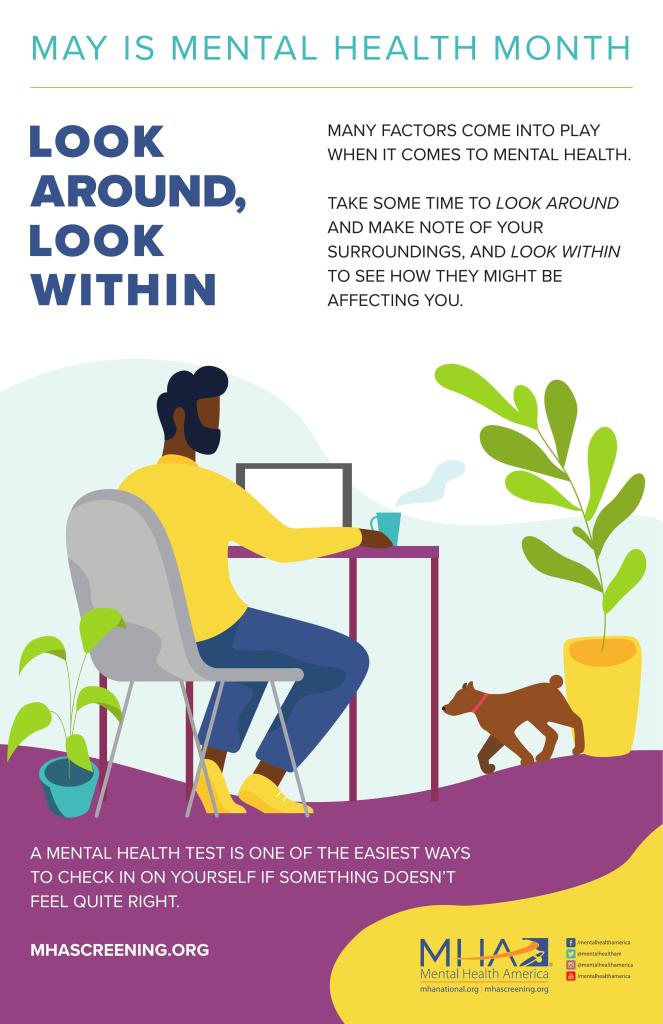
Unlock the potential for a healthier and happier you this Mental Health Awareness Month. Start your journey towards emotional well-being by taking a decisive step with a mental health screening at MHAScreening.org. Much like a regular physical check-up, a mental health screening provides an invaluable opportunity to assess and address any underlying concerns. Don’t ignore that nagging feeling that something isn’t quite rightโ€”take action and prioritize your mental health today.

This mental health screening covers a wide range of important topics, including stress management, anxiety, depression, and more. Whether you’ve been experiencing persistent feelings of unease or simply want to gain a deeper understanding of your emotions, this screening is a vital tool to help you regain control of your mental health. Don’t let concerns go unaddressed or escalate into something more challenging to manage. Visit MHAScreening.org now, and unlock the power of self-awareness and proactive well-being. Together, let’s break down the barriers surrounding mental health and embark on a transformative journey toward a brighter future.


Stay Connected!

Balancing Caregiving for a Former Spouse with Other Responsibilities

By Roz Jones

Being a caregiver for a former spouse is a unique situation that comes with its own set of challenges. One of the biggest challenges is balancing caregiving with other responsibilities, such as work, family, and personal commitments. In this blog, we will discuss some of the challenges of balancing caregiving for a former spouse with other responsibilities and provide tips for managing competing responsibilities.

Challenges of Balancing Caregiving with Other Responsibilities:

One of the biggest challenges of caregiving for a former spouse is finding the time and energy to balance caregiving with other responsibilities. Many caregivers also have jobs, children, and other commitments that require their time and attention. This can lead to feelings of guilt and overwhelm, as caregivers struggle to prioritize their responsibilities.

Tips for Prioritizing Caregiving and Managing Competing Responsibilities:

  • Set realistic expectations: Caregivers need to set realistic expectations for themselves and their loved ones. This means recognizing that they cannot do everything and that it is okay to ask for help when needed.
  • Create a schedule: Caregivers can create a schedule that includes caregiving tasks as well as other responsibilities. This can help them prioritize their time and ensure that they have time for everything they need to do.
  • Take care of yourself: It is important for caregivers to take care of themselves so that they have the energy and stamina to care for their loved ones. This means eating well, exercising, and getting enough rest.
  • Communicate with others: Caregivers should communicate with their loved ones, employers, and other important people in their lives about their caregiving responsibilities. This can help them manage expectations and get the support they need.

Resources for Balancing Caregiving with Other Responsibilities:

  1. Family and Medical Leave Act (FMLA): FMLA provides eligible employees with up to 12 weeks of unpaid leave per year for caregiving or other family-related issues.
  2. Employee Assistance Programs (EAPs): Many employers offer EAPs that provide counseling, referrals, and other support services to employees and their families.
  3. Caregiver support groups: Caregiver support groups can provide caregivers with emotional support, practical advice, and a sense of community.

Balancing caregiving for a former spouse with other responsibilities can be challenging, but with the right tools and resources, it is possible to manage competing demands. Caregivers should set realistic expectations, create a schedule, take care of themselves, and communicate with others about their caregiving responsibilities. There are also many resources available, such as FMLA, EAPs, and caregiver support groups, that can provide additional support and assistance.


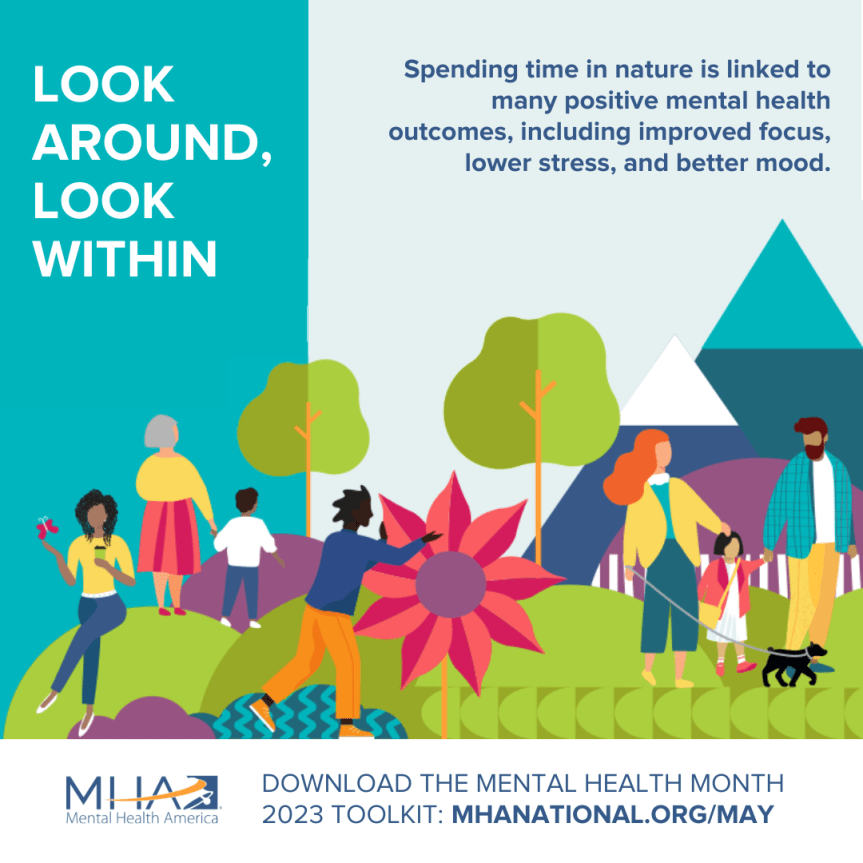
Discover the Power of Nature for Your Mental Health!

Unlock the positive impact of nature on your mental well-being with Mental Health of America’s fact sheet.

Learn how spending time in green and blue spaces can lower stress, boost mood, and improve focus. Download now to embrace the benefits of nature in your everyday life!


Stay Connected!

Legal and Financial Considerations for Caregiving for a Former Spouse

By Roz Jones

When taking on the role of caregiver for a former spouse, there are a variety of legal and financial considerations to keep in mind. In this blog, we will provide an overview of these considerations and offer resources for navigating any potential legal or financial challenges that may arise.

Overview of the Legal and Financial Considerations When Caregiving for a Former Spouse

First and foremost, it’s important to establish legal authority for making decisions on behalf of your former spouse. If your former spouse is unable to make decisions for themselves, you may need to obtain legal guardianship or power of attorney. This can ensure that you have the legal authority to make medical and financial decisions.

Another legal consideration is the division of assets and property. If you and your former spouse are divorced, you may have a divorce decree that outlines how assets should be divided. However, if you are providing care for your former spouse, there may be financial implications to consider. It’s important to consult with a legal professional to ensure that you are not inadvertently putting your own financial well-being at risk.

Financial considerations can also include the cost of care and potential reimbursement for caregiving services. If your former spouse has long-term care insurance, they may be able to receive reimbursement for your services. Additionally, some states offer programs that provide financial assistance for caregiving.

Resources for Navigating Legal and Financial Challenges

To navigate these legal and financial challenges, it can be helpful to consult with a lawyer or financial advisor. Additionally, there are resources available such as the Veterans Affairs (VA) National Caregiver Support Line at 1-855-260-3274, which offers assistance with legal and financial matters related to caregiving.

Caregiving for a former spouse can come with a variety of legal and financial considerations. By seeking guidance and support from legal and financial professionals, it is possible to navigate these challenges and provide effective care for your former spouse.


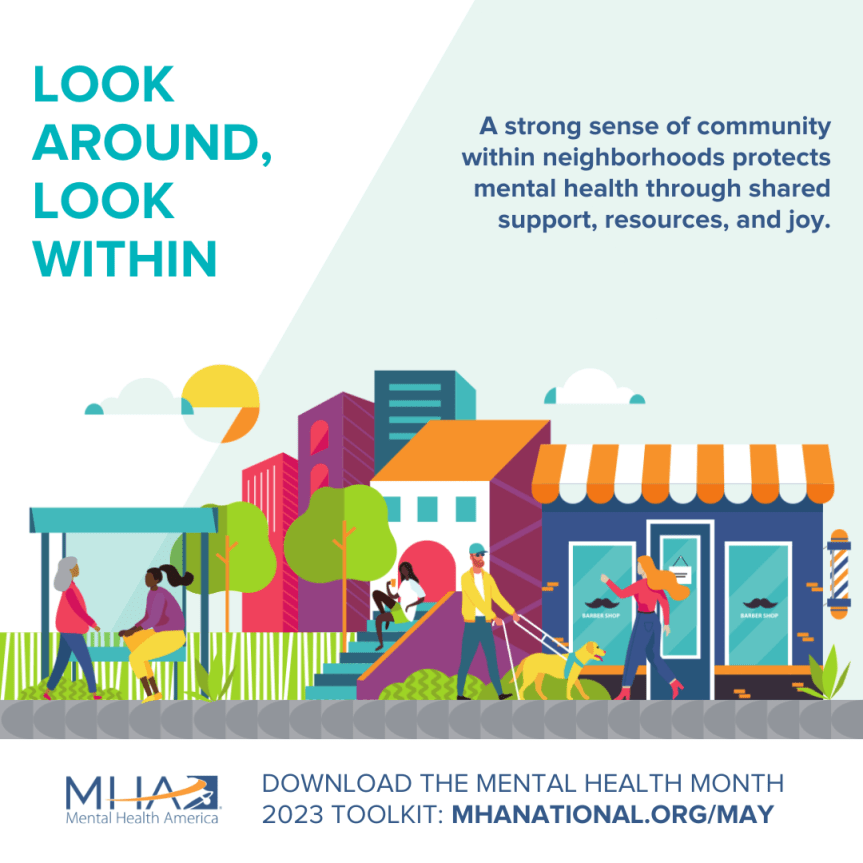
Unlock Your Community’s Mental Health: Download Mental Health America’s Healthy Neighborhoods & Communities Document Today!

Are you aware that where you live can impact your mental health? In fact, up to 60% of your overall health is determined by your ZIP code. If you’re looking for ways to support your mental health and well-being, then the Mental Health of America Toolkit is the perfect resource for you.

This toolkit provides valuable information and resources to help you access the services and support you need in your neighborhood and town. With the Mental Health of America Toolkit, you can take control of your mental health and prioritize your well-being. Don’t wait any longer – download the Mental Health of America Toolkit today!


Stay Connected!