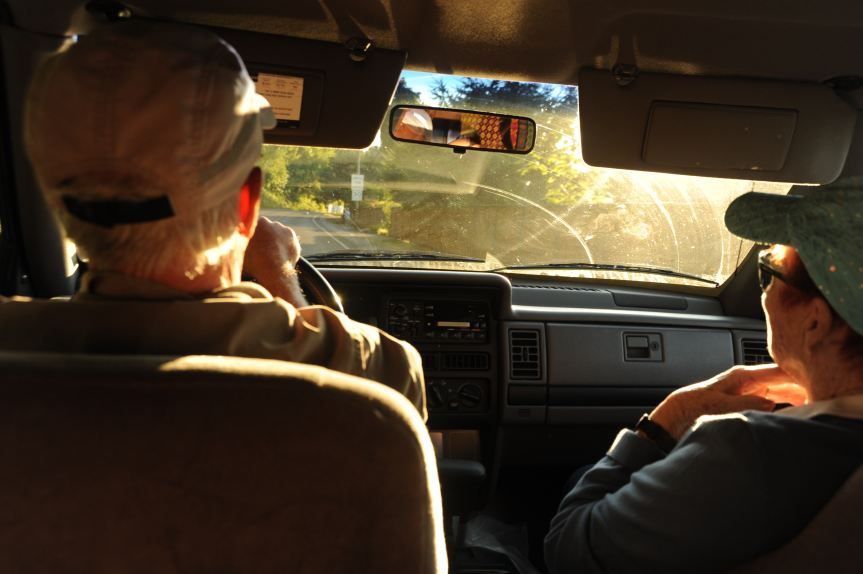
Navigating the Driver’s License Test

By Roz Jones

Driving represents freedom, independence, and a sense of control, especially for our aging loved ones. However, as they reach a certain stage in life, the question of whether they should continue driving becomes increasingly important. For caregivers, this phase can be challenging, but with thoughtful strategies and support, it can be managed effectively.

Preparing for the Driver’s License Test

Practice, practice, practice! Regular driving sessions can help boost confidence and sharpen driving skills. Consider scheduling practice drives at different times of the day and in various traffic conditions to ensure readiness for the test. Familiarizing your loved one with the test route, common road signs, and essential driving scenarios can also help alleviate anxiety.

Ensuring Readiness

Assessing your loved one’s comfort level behind the wheel is crucial. Evaluate their ability to handle different driving conditions and judge distances accurately. Look for signs of confusion or hesitancy while driving, which could indicate areas that need improvement or consideration.

Making the Transition Smoother

Accompany your loved one to the test to provide support and reassurance. Emphasize their strengths and encourage a positive mindset. Stay calm and patient during the test, offering guidance if necessary. Regardless of the test outcome, celebrate their effort and courage. Remember, the goal is to ensure their safety and confidence on the road.

Strategies for Caregivers

As a caregiver, your support during this process is paramount. Maintain open communication, highlighting the importance of the test without adding undue pressure. Celebrate milestones achieved during practice sessions, regardless of the final test result. Be prepared for potential emotional responses, offering understanding and encouragement.

Remember, the driver’s license test is a significant step for your aging loved one. Approach this phase with encouragement, support, and a focus on their safety and confidence behind the wheel.


Stay Connected!

Before the Bell Rings: Preparing Your Children for School While Caring for Aging Loved Ones

By Roz Jones

As summer comes to a close, the return to school is an exciting and sometimes overwhelming time for families. For caregivers of aging loved ones with children in the home, the back-to-school season can present unique challenges. Balancing the responsibilities of caring for older family members while ensuring your children are prepared for school requires careful planning and organization. In this blog, we will explore some practical tips and activities to help caregivers navigate this busy period and get their children ready for the upcoming school year.

1. Create a Back-to-School Routine:

Establishing a daily routine can provide stability for both your aging loved ones and your children. Plan a schedule that accommodates your caregiving duties and includes time for your children’s school-related activities, such as homework, extracurriculars, and study sessions. A consistent routine can help reduce stress and ensure that everyone’s needs are met.

2. Involve Your Children in Caregiving:

Encourage your children to participate in age-appropriate caregiving tasks for their grandparents or elderly relatives. Simple activities like setting the table, reading to them, or helping with light chores can foster a sense of responsibility and empathy in your kids. This involvement can also strengthen the bond between the generations and help your aging loved ones feel more connected to the family.

3. Organize School Supplies and Workspace:

Before the school year begins, dedicate time to organize your children’s school supplies and create a designated study area at home. Involve your kids in the process, allowing them to choose their supplies and decorate their study space. An organized and personalized workspace can inspire productivity and make the transition back to school smoother.

4. Re-establish Sleep Routine:

Adjusting to a school sleep schedule after a relaxed summer can be challenging for children and caregivers alike. Start gradually transitioning to an earlier bedtime a week or two before school starts. Adequate sleep is essential for both children’s academic performance and the well-being of aging loved ones.

5. Plan Family Outings:

Take advantage of the remaining summer days to plan family outings that involve both your children and aging relatives. These outings can be a great opportunity to create lasting memories and strengthen family bonds. Whether it’s a picnic in the park, a visit to a museum, or a simple game night at home, spending quality time together can uplift everyone’s spirits before school begins.

6. Encourage Open Communication:

During this busy time, it’s crucial to maintain open communication with your children. Listen to their concerns, fears, or excitement about returning to school and address any questions they may have about the caregiving situation. Being understanding and supportive can alleviate anxiety and help your children feel more secure as they face new challenges.

7. Seek Support Networks:

As a caregiver managing multiple responsibilities, it’s essential to build a support network. Reach out to friends, family members, or support groups who can offer assistance when needed. Don’t hesitate to ask for help, as having a reliable support system can make a significant difference in reducing stress and allowing you to focus on your children’s needs and preparation for school.

Preparing children for the back-to-school season while caregiving for aging loved ones requires thoughtful planning and a compassionate approach. By establishing routines, involving children in caregiving, organizing study spaces, and maintaining open communication, you can ease the transition and make this time enjoyable and manageable for everyone involved. Remember, a well-prepared and happy family can navigate through any challenges that come their way, ensuring a successful start to the new school year.

Planning a Summer Vacation with an Aging Loved One? Download the FREE Checklist!

Are you embarking on a summer vacation adventure with a loved one in need of care? Whether you’re a caregiver or know someone who is, we understand the unique challenges and considerations that come with vacationing while ensuring your loved one is safe..

Make your vacation experience stress-free and enjoyable for both you and your loved one, we’re excited to offer you a free downloadable checklist!

Stay Ahead of the Storm: Download Your Free Expert Storm Guide Now!

Photo by ALTEREDSNAPS on Pexels.com

As we know, June โ€“ November is Hurricane Season. As a family caregiver, there are many ways to prepare your loved ones for it. Early preparation helps reduce opportunities for stress and anxiety as storms approach.

One of the best ways to prepare is allowing your loved on to assist in packing their travel bag, checking their contact list and ensuring there are adequate emergency supplies.

Participationโ€ฆ not isolationโ€ฆ go a long way when preparing for major storms. This Seniors Storm Guide gives essential information to refer to again and again!


Shop The Caregiver Cafe E-Commerce Store!

We founded The Caregiver Cafe Shopify Store with one simple goal: to help you experiment with your passion while at the same time providing amazing prices. We were tired of cookie-cutter stores with lackluster selections, and boring gifts. Instead of offering a huge unoriginal collection, we carefully curate just a few unique pieces perfectly suited for people the taste buds like you.

We focus on items that get you excited about shopping again, as we believe buying online should always be fun!


Subscribe to The Caregiver Cafe Weekly Newsletter!

Caregiving can be a roller coaster of ups and downs. The information that you will receive from The Caregiver Cafe Weekly Specials Newsletter will support you as a caregiver. Remember…

1. YOU ARE NOT ALONE: The problems you face as a caregiver are experienced by other caregivers. Knowing that you’re not alone can be comforting. 

2. Tools and Resources:  Find caregiver stress management tools and gain perspective from other caregivers’ experiences.

3. LEARN TO: Ask for help, accept help when it is offered, and acknowledge yourself on this caregiving journey. Hear from experts on how to balance caregiving responsibilities by taking care of your needs and involving others to help manage the natural stress and isolation of being a caregiver. 

Essential Tips for Caregivers Traveling with Aging Loved Ones: Managing Medications and Health Needs While On Vacation

By Roz Jones

Traveling with an aging loved one can be a rewarding experience, but it also comes with unique challenges for caregivers. Ensuring their health and managing medications while on the go requires careful planning and preparation. In this blog, we provide essential tips and strategies specifically targeted towards caregivers traveling with their aging loved ones. Learn how to effectively manage medications and address health needs, making your trip enjoyable and stress-free for both you and your loved one.

Plan Ahead to Ensure a Smooth Journey:
a. Consult with Healthcare Professionals: Schedule an appointment with your loved one’s healthcare provider to discuss the trip. They can offer specific advice, review medications, and provide necessary prescriptions.
b. Medication Management: Create a detailed list of medications, including dosages and schedules. Pack an ample supply of medications, keeping them in their original containers. Utilize pill organizers or medication management apps to help you stay organized during the trip.
c. Research Destination: Familiarize yourself with local medical facilities, pharmacies, and healthcare resources at your vacation destination. This knowledge will be valuable in case of emergencies or the need for medical assistance.

Pack Thoughtfully for Health and Safety:
a. Medication Accessibility: Pack medications in a carry-on bag to ensure they are easily accessible during travel. Keep them in their original packaging, and carry a copy of prescriptions or a letter from the healthcare provider explaining the need for the medications.
b. Medical Information: Bring a written document containing your loved one’s medical history, allergies, and emergency contact information. Include copies of insurance cards and any necessary medical documents.
c. Comfort and Safety Items: Pack any necessary medical equipment, such as walkers or canes, along with comfort items like extra blankets, pillows, or assistive devices that your loved one may need.

Communication and Documentation:
a. Inform Travel Companions: If traveling with others, ensure they are aware of your loved one’s health needs and any emergency protocols. Share important information about medications, allergies, and necessary precautions.
b. Notify Transportation Providers: Inform the airline, cruise line, or transportation company about any specific health requirements or special assistance needed during travel. They may be able to accommodate your needs and provide additional support.

Prioritize Health and Well-being:
a. Medication Adherence: Maintain your loved one’s regular medication schedule as much as possible during the trip. Set reminders on your phone or utilize medication management apps to avoid missed doses.
b. Hydration and Nutrition: Encourage your loved one to drink plenty of water and consume nutritious meals during the trip. Proper hydration and a balanced diet are vital for maintaining overall health.
c. Rest and Breaks: Plan for rest periods throughout the day to prevent fatigue and provide your loved one with time to relax.

Seek Support and Enjoy the Journey:
a. Enlist Help: Consider enlisting the support of family members, friends, or professional caregivers to share the responsibilities and provide you with occasional respite. Having extra hands can make the trip more manageable.
b. Flexibility and Adaptability: Remember that travel plans may not always go as expected. Stay flexible and adapt to any changes while prioritizing your loved one’s health and well-being.

Traveling with an aging loved one as a caregiver requires careful planning, communication, and prioritization of health needs. By following these essential tips, you can ensure a smooth and enjoyable trip, creating lasting memories while effectively managing medications and addressing health concerns. Embrace the journey, seek support when needed, and cherish the time spent with your loved one during this special travel experience.


Planning a Summer Vacation with an Aging Loved One? Download the FREE Checklist!

Are you embarking on a summer vacation adventure with a loved one in need of care? Whether youโ€™re a caregiver or know someone who is, we understand the unique challenges and considerations that come with vacationing while ensuring your loved one is safe..

Make your vacation experience stress-free and enjoyable for both you and your loved one, weโ€™re excited to offer you a free downloadable checklist!

Stay Ahead of the Storm: Download Your Free Expert Storm Guide Now!

Photo by ALTEREDSNAPS on Pexels.com

As we know, June – November is Hurricane Season. As a family caregiver, there are many ways to prepare your loved ones for it. Early preparation helps reduce opportunities for stress and anxiety as storms approach.

One of the best ways to prepare is allowing your loved on to assist in packing their travel bag, checking their contact list and ensuring there are adequate emergency supplies.

Participation… not isolation… go a long way when preparing for major storms. This Seniors Storm Guide gives essential information to refer to again and again!


Shop The Caregiver Cafe E-Commerce Store!

We founded The Caregiver Cafe Shopify Store with one simple goal: to help you experiment with your passion while at the same time providing amazing prices. We were tired of cookie-cutter stores with lackluster selections, and boring gifts. Instead of offering a huge unoriginal collection, we carefully curate just a few unique pieces perfectly suited for people the taste buds like you.

We focus on items that get you excited about shopping again, as we believe buying online should always be fun!


Managing Moving Your Loved Ones From Their Home

Managing the responsibilities of caregiving can be overwhelming, especially if you have other commitments such as work and family.

Transitioning your parents to a more supportive environment, like an assisted living facility or your home can help alleviate some of the caregiving burden and ensure they receive the care they need.

In this episode, we get down to how to handle such a major shift in both you and your parents’ life.

Press play to listen in.

Subscribe to The Caregiver Cafe Weekly Newsletter!

Caregiving can be a roller coaster of ups and downs. The information that you will receive from The Caregiver Cafe Weekly Specials Newsletter will support you as a caregiver. Remember…

1. YOU ARE NOT ALONE: The problems you face as a caregiver are experienced by other caregivers. Knowing that you’re not alone can be comforting. 

2. Tools and Resources:  Find caregiver stress management tools and gain perspective from other caregiver’s experiences.

3. LEARN TO: Ask for help, accept help when it is offered, and acknowledge yourself on this caregiving journey. Hear from experts on how to balance caregiving responsibilities by taking care of your needs and involving others to help manage the natural stress and isolation of being a caregiver. 

Nurturing Mental Health in Minority Caregiving: A Guide to Supporting Aging Loved Ones

By Roz Jones

As we enter National Minority Mental Health Awareness Month, it’s crucial to shed light on the significance of promoting mental health awareness and support within minority communities. In this blog series, we will delve into the specific challenges faced by caregivers who are caring for aging loved ones in minority populations and explore strategies to support their own well-being as they care for their aging loved ones. 

Understanding the Importance of Mental Health Awareness for Minority Populations

Mental health awareness holds great significance within minority populations, as cultural beliefs, historical factors, and systemic barriers contribute to disparities in mental health access and care. Minority communities often face unique challenges when it comes to seeking help for mental health concerns. Cultural beliefs and norms surrounding mental health can create stigma and misunderstanding, leading individuals to hesitate in seeking support or openly discussing their struggles. Historical factors such as systemic oppression, discrimination, and intergenerational trauma can also have a profound impact on the mental well-being of individuals within minority communities.

To address these disparities, it is essential to promote mental health awareness that is sensitive to the cultural context of minority populations. This involves challenging stigmatizing beliefs and providing education about mental health conditions, available treatments, and resources. By creating safe spaces for open discussions and fostering culturally competent mental health services, caregivers can play a crucial role in promoting mental well-being within their communities. They can advocate for accessible and equitable mental health care, challenge societal prejudices, and provide support to their aging loved ones by encouraging help-seeking behaviors and offering understanding and empathy.

Exploring the Unique Challenges Faced by Caregivers of Aging Loved Ones

Caregiving is a demanding role, and when caring for aging loved ones within minority populations, caregivers face additional challenges. Language barriers can hinder effective communication with healthcare providers, making it difficult to access mental health support and navigate the complex healthcare system. Cultural expectations also come into play, as certain communities may have specific norms and beliefs about caregiving roles, which can create added pressure and influence the caregiver’s sense of duty and responsibility.

Moreover, minority communities often experience limited resources when it comes to mental health services and support. Caregivers may struggle to find culturally appropriate resources or face financial constraints that limit their access to necessary care. This, coupled with the expectation to balance caregiving responsibilities with other aspects of life, such as work or personal commitments, can lead to caregiver burnout and negatively impact their mental well-being.

To navigate these challenges effectively, caregivers can seek support from community organizations, support groups, or online forums that cater specifically to their cultural background and caregiving experiences. They can also explore language interpretation services or bilingual healthcare providers to bridge the communication gap and ensure effective conversations about mental health. Caregivers must prioritize self-care by setting boundaries, seeking respite care when needed, and seeking professional counseling or therapy to manage the emotional toll of their caregiving responsibilities.

Identifying the Impact of Cultural Factors on Mental Health and Caregiving

Culture plays a significant role in shaping mental health perceptions and caregiving practices within minority communities. Cultural factors encompass beliefs, traditions, values, and social norms that influence how mental health issues are perceived, diagnosed, and treated. It is crucial for caregivers to recognize and understand these cultural factors to provide effective care for their aging loved ones’ mental health.

Cultural beliefs may contribute to the stigma surrounding mental health and create barriers to seeking help. Caregivers should engage in open conversations with their loved ones, promoting understanding, and challenging any negative beliefs or misconceptions. They can explore culturally specific coping mechanisms, healing practices, or spiritual rituals that may support mental well-being. By integrating cultural practices into the caregiving journey, caregivers can help their loved ones feel seen, validated, and supported.

In addition, cultural expectations around family dynamics and caregiving roles may influence the caregiver’s responsibilities and choices. Caregivers must strike a balance between cultural expectations and their own well-being, seeking support from extended family members, friends, or community resources to share the caregiving load. Understanding cultural nuances allows caregivers to tailor their approach, providing care that is sensitive to their loved ones’ cultural backgrounds and values.

By identifying and addressing the impact of cultural factors on mental health and caregiving, caregivers can create an environment that promotes mental well-being and supports their aging loved ones in a holistic manner. It is essential to foster open communication, embrace cultural diversity, and seek culturally competent mental health services to ensure the best possible care for their loved ones.

As we celebrate National Minority Mental Health Awareness Month, letโ€™s commit to fostering a society where mental health is prioritized and embraced within minority communities. Together, we can break down barriers, challenge stigma, and ensure that caregivers have the knowledge, resources, and support they need to provide the best possible care for their aging loved ones. By promoting mental health awareness and support, we can create a brighter and more inclusive future for us all.

Resources

  1. National Alliance on Mental Illness (NAMI) Multicultural Action Center: NAMI offers a Multicultural Action Center that provides resources, information, and support specifically tailored to minority communities. Their website offers educational materials, webinars, and helpline services to assist caregivers in accessing culturally competent mental health support. Visit their website at: www.nami.org/multicultural
  1. Black Mental Health Alliance (BMHA) Caregiver Support Resources: BMHA offers resources and support for Black caregivers, addressing mental health concerns within the Black community and providing tools for self-care and well-being. Website: https://blackmentalhealth.com/call-to-healing-summit/
  2. Mental Health America (MHA) Minority Mental Health Resources: MHA provides a range of resources to promote mental health awareness and support within minority communities, including articles, screening tools, and educational materials. Website: https://mhanational.org/bipoc/mental-health-month

Planning a Summer Vacation with an Aging Loved One? Download the FREE Checklist!

Are you embarking on a summer vacation adventure with a loved one in need of care? Whether youโ€™re a caregiver or know someone who is, we understand the unique challenges and considerations that come with vacationing while ensuring your loved one is safe..

Make your vacation experience stress-free and enjoyable for both you and your loved one, weโ€™re excited to offer you a free downloadable checklist!

Stay Ahead of the Storm: Download Your Free Expert Storm Guide Now!

Photo by ALTEREDSNAPS on Pexels.com

As we know, June โ€“ November is Hurricane Season. As a family caregiver, there are many ways to prepare your loved ones for it. Early preparation helps reduce opportunities for stress and anxiety as storms approach.

One of the best ways to prepare is allowing your loved on to assist in packing their travel bag, checking their contact list and ensuring there are adequate emergency supplies.

Participationโ€ฆ not isolationโ€ฆ go a long way when preparing for major storms. This Seniors Storm Guide gives essential information to refer to again and again!


Stay Connected!

Managing Stress and Burnout: Self-Care for Caregivers

By Roz Jones

Being a caregiver for an aging loved one can be rewarding, but it also comes with its share of challenges and stress. Male caregivers, in particular, often face unique pressures and responsibilities. This blog is dedicated to highlighting the importance of managing stress and preventing burnout among male caregivers. By implementing practical self-care strategies, such as exercise, relaxation techniques, and seeking support from others, male caregivers can reduce stress levels, improve their mental and physical well-being, and continue to provide quality care for their loved ones.

1. Recognizing the Impact of Stress and Burnout:

Caregiving can take a toll on a person’s physical, mental, and emotional health. Male caregivers may experience added stress due to societal expectations, financial concerns, and balancing multiple roles. It is crucial to recognize the signs of stress and burnout, which can include fatigue, irritability, sleep disturbances, and a decreased sense of personal well-being. By acknowledging these symptoms, caregivers can take proactive steps toward self-care.

2. Prioritizing Self-Care:

Self-care is not a luxury; it is a necessity, especially for male caregivers. Taking care of oneself enables caregivers to better care for their loved ones. Encourage male caregivers to prioritize their own needs and set aside dedicated time for self-care activities. This can include engaging in hobbies, exercising, reading, or simply relaxing. By carving out moments for themselves, caregivers can recharge and replenish their physical and emotional reserves.

3. Exercise and Physical Activity:

Regular exercise has numerous benefits for both physical and mental well-being. Encourage male caregivers to engage in physical activities that they enjoy, such as walking, cycling, swimming, or participating in sports. Exercise helps reduce stress, boosts mood, increases energy levels, and improves overall physical health. Even small amounts of exercise throughout the day can make a significant difference.

4. Relaxation Techniques and Mindfulness:

Practicing relaxation techniques and mindfulness can help caregivers manage stress and promote a sense of calm. Encourage male caregivers to explore techniques such as deep breathing exercises, meditation, yoga, or engaging in hobbies that promote relaxation. These practices can help reduce anxiety, improve sleep quality, and enhance overall well-being.

5. Seeking Support:

Caregiving can sometimes feel overwhelming, and it’s important for male caregivers to know that they don’t have to face it alone. Encourage them to seek support from friends, family members, support groups, or professional counselors. Sharing their experiences, concerns, and emotions with others who understand can provide validation, advice, and much-needed emotional support.

As male caregivers, it is crucial to prioritize self-care to manage stress and prevent burnout. By recognizing the impact of stress, prioritizing self-care activities, engaging in regular exercise, practicing relaxation techniques, and seeking support from others, male caregivers can enhance their well-being and continue providing quality care for their loved ones. Remember, taking care of yourself is not selfish but rather a necessary step towards maintaining your own health and ensuring you have the capacity to care for others. By practicing self-care, male caregivers can find renewed energy, resilience, and fulfillment in their caregiving journey.

Stay Ahead of the Storm: Download Your Free Expert Storm Guide Now!

Photo by ALTEREDSNAPS on Pexels.com

As we know, June โ€“ November is Hurricane Season. As a family caregiver, there are many ways to prepare your loved ones for it. Early preparation helps reduce opportunities for stress and anxiety as storms approach.

One of the best ways to prepare is allowing your loved on to assist in packing their travel bag, checking their contact list and ensuring there are adequate emergency supplies.

Participationโ€ฆ not isolationโ€ฆ go a long way when preparing for major storms. This Seniors Storm Guide gives essential information to refer to again and again!


Stay Connected!