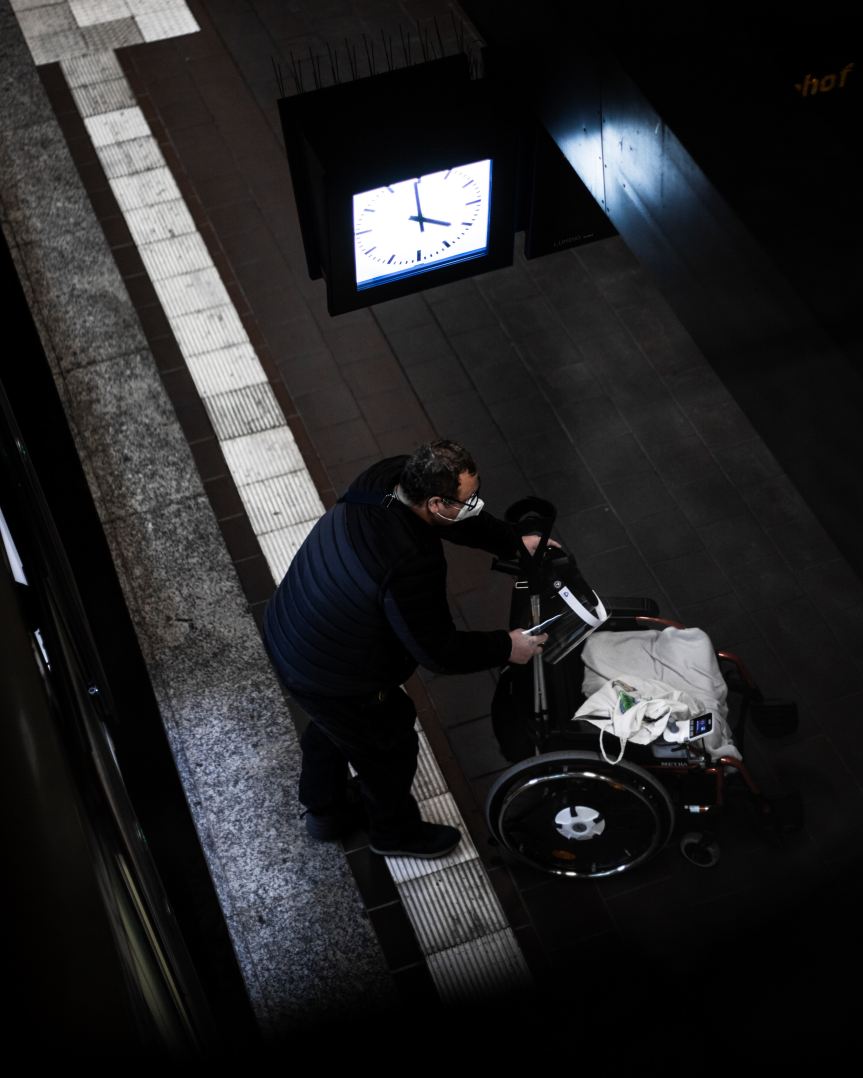
Unwrapping Serenity: 5 Tips for Caregivers to Conquer Holiday Stress

By Roz Jones

Welcome back to our series on managing holiday stress for caregivers of aging loved ones. If you’ve been following along, you know that we’ve already covered 10 valuable tips in the previous two articles. Today, we’re diving into the next set of five tips to help you navigate the holiday season with less stress and more joy.

1. Embrace Technology:

Use technology to your advantage. Video calls and social media platforms can help you stay connected with family and friends who may be far away. You can also research apps and devices that offer assistance with caregiving tasks, making your responsibilities more manageable.

2. Plan for Respite:

Respite care is essential during the holidays. Make a plan to take a break and recharge. Whether it’s a few hours to yourself or a day off, respite care services can provide temporary relief, allowing you to rest and regroup.

3. Mindful Breathing:

Practice mindful breathing techniques to reduce stress. Take a moment each day to focus on your breath, inhaling deeply and exhaling slowly. This simple practice can help calm your mind and restore your energy.

4. Create New Traditions:

Don’t be afraid to create new holiday traditions that suit your caregiving situation. It’s okay to adapt and change traditions to fit your current circumstances. Involve your loved one in the decision-making process to make it meaningful for both of you.

5. Stay Informed:

Stay informed about available resources and support groups in your community. Local organizations often host events or offer services to help caregivers during the holidays. Being aware of these resources can be a valuable lifeline. Remember, the holidays should be a time of joy and togetherness, not overwhelming stress. By implementing these tips and the ones from the previous articles, you’ll be better equipped to manage holiday stress while providing the best care for your aging loved one.

Stay Ahead of the Storm: Download Your Free Expert Storm Guide Now!

Photo by ALTEREDSNAPS on Pexels.com

As we know, June โ€“ November is Hurricane Season. As a family caregiver, there are many ways to prepare your loved ones for it. Early preparation helps reduce opportunities for stress and anxiety as storms approach.

One of the best ways to prepare is allowing your loved on to assist in packing their travel bag, checking their contact list and ensuring there are adequate emergency supplies.

Participationโ€ฆ not isolationโ€ฆ go a long way when preparing for major storms. This Seniors Storm Guide gives essential information to refer to again and again!


Shop The Caregiver Cafe E-Commerce Store!

We founded The Caregiver Cafe Shopify Store with one simple goal: to help you experiment with your passion while at the same time providing amazing prices. We were tired of cookie-cutter stores with lackluster selections, and boring gifts. Instead of offering a huge unoriginal collection, we carefully curate just a few unique pieces perfectly suited for people the taste buds like you.

We focus on items that get you excited about shopping again, as we believe buying online should always be fun!


Subscribe to The Caregiver Cafe Weekly Newsletter!

Caregiving can be a roller coaster of ups and downs. The information that you will receive from The Caregiver Cafe Weekly Specials Newsletter will support you as a caregiver. Remember…

1. YOU ARE NOT ALONE: The problems you face as a caregiver are experienced by other caregivers. Knowing that you’re not alone can be comforting. 

2. Tools and Resources:  Find caregiver stress management tools and gain perspective from other caregivers’ experiences.

3. LEARN TO: Ask for help, accept help when it is offered, and acknowledge yourself on this caregiving journey. Hear from experts on how to balance caregiving responsibilities by taking care of your needs and involving others to help manage the natural stress and isolation of being a caregiver. 

Nurturing Mental Health and Empowering Minority Caregivers: Culturally Sensitive Caregiving Approaches

By Roz Jones

Caring for aging loved ones can be a challenging task, particularly when it comes to ensuring their mental well-being. In minority communities, where cultural nuances and unique experiences shape individuals’ lives, it becomes crucial to approach caregiving with cultural sensitivity. By understanding and embracing cultural diversity, minority caregivers can create an environment that nurtures the mental health of their aging loved ones. In this blog, we will explore the importance of culturally sensitive caregiving approaches and provide practical tips and guidance for implementing them effectively.

Understanding the role of cultural competence in caregiving:
Cultural competence is the ability to understand, respect, and respond to the cultural needs of individuals. In caregiving, cultural competence plays a pivotal role in promoting mental health. It involves recognizing the influence of culture on beliefs, values, and behaviors and adapting caregiving approaches accordingly. By understanding the unique cultural background of aging loved ones, caregivers can provide care that is respectful, meaningful, and tailored to their specific needs.

Promoting effective communication and understanding across cultural barriers:
Communication is the key to building strong relationships and fostering mental well-being. However, cultural differences can create barriers to effective communication. Caregivers must strive to bridge these gaps by adopting culturally sensitive communication strategies. This includes active listening, using culturally appropriate language, and being open to different perspectives. By creating an environment of trust and understanding, caregivers can promote mental wellness in minority communities.

Highlighting community resources and support networks for minority caregivers:
Minority caregivers often face unique challenges due to factors such as language barriers, limited access to resources, and cultural stigmas. However, various community resources and support networks are available to assist and empower them. This section will highlight organizations, online forums, and local support groups that cater specifically to the needs of minority caregivers. By connecting with these resources, caregivers can gain valuable insights, share experiences, and access support tailored to their cultural background.

Self-care for minority caregivers:
Caregiving can be physically and emotionally demanding, and minority caregivers are not exempt from these challenges. It is essential for caregivers to prioritize their own well-being to provide effective care. This section will provide self-care tips specifically tailored to the experiences of minority caregivers. From seeking respite care to engaging in cultural activities that bring joy and relaxation, these suggestions will help caregivers maintain their own mental health while caring for their loved ones.

Culturally sensitive caregiving is a powerful tool in nurturing the mental health of aging loved ones in minority communities. By embracing cultural diversity, promoting effective communication, accessing community resources, and prioritizing self-care, caregivers can create a supportive environment that enhances the well-being of their loved ones and themselves. Together, we can build a future where minority caregivers receive the recognition, support, and empowerment they deserve in their caregiving journeys.

Planning a Summer Vacation with an Aging Loved One? Download the FREE Checklist!

Are you embarking on a summer vacation adventure with a loved one in need of care? Whether youโ€™re a caregiver or know someone who is, we understand the unique challenges and considerations that come with vacationing while ensuring your loved one is safe..

Make your vacation experience stress-free and enjoyable for both you and your loved one, weโ€™re excited to offer you a free downloadable checklist!

Stay Ahead of the Storm: Download Your Free Expert Storm Guide Now!

Photo by ALTEREDSNAPS on Pexels.com

As we know, June โ€“ November is Hurricane Season. As a family caregiver, there are many ways to prepare your loved ones for it. Early preparation helps reduce opportunities for stress and anxiety as storms approach.

One of the best ways to prepare is allowing your loved on to assist in packing their travel bag, checking their contact list and ensuring there are adequate emergency supplies.

Participationโ€ฆ not isolationโ€ฆ go a long way when preparing for major storms. This Seniors Storm Guide gives essential information to refer to again and again!


Stay Connected!

Building a Support Network While Vacationing: Relying on Others for Assistance

By Roz Jones

Caring for aging parents while on vacation requires a strong support system. In this four-part blog series, we are exploring strategies to help caregivers plan for and ensure peace of mind while caring for their aging parents during their vacation. In this second blog, we will delve into the importance of building a support network and relying on others for assistance. We will explore various options, such as family members, friends, and professional caregivers, and provide tips on how to communicate effectively with them. By enlisting the help of others, caregivers can ensure that their aging parents receive the necessary support and care while they enjoy their well-deserved vacation.

Family Members:

Reach out to other family members, such as siblings, adult children, or extended relatives and discuss your vacation plans. Identify individuals who are willing and able to assist with caregiving responsibilities during your absence. Distribute tasks and create a schedule to ensure that all aspects of your aging loved oneโ€™s care are covered. Regular communication and coordination will be key to a successful caregiving arrangement.

Friends and Neighbors:

Engage with trusted friends and neighbors who are familiar with your parents and their routines. Seek their support in checking on your parents, providing companionship, or assisting with daily tasks. Establish open lines of communication and provide them with necessary information about your parents’ care needs and emergency contacts. Express your gratitude for their assistance and maintain regular updates on your parents’ well-being.

Professional Caregivers:

Consider hiring professional caregivers to provide additional support and assistance while you are on vacation. Research reputable home care agencies or individual caregivers who specialize in elder care. Conduct thorough interviews, background checks, and request references to ensure that you find a trustworthy and qualified caregiver. Provide detailed instructions and schedules to ensure continuity of care.

Community Resources:

Explore local community resources that offer support services for seniors. Contact local senior centers, faith-based organizations, or community programs to inquire about respite care options or volunteer companionship programs. These resources can provide a much-needed break for both caregivers and aging parents, ensuring that they have meaningful social interactions and engagement in enjoyable activities.

Effective Communication:

Establish clear lines of communication with all individuals involved in caring for your aging parents. Provide written instructions and guidelines that detail your parents’ routines, medication schedules, emergency contacts, and any specific instructions. Utilize technology, such as video calls or messaging apps, to maintain regular communication and receive updates on your parents’ well-being. Express your appreciation for their support and offer to reciprocate when they are in need.

Building a strong support network and relying on others for assistance is crucial when caring for aging parents while on vacation. By reaching out to family members, friends, and professional caregivers, and utilizing community resources, caregivers can ensure that their loved ones receive the necessary care and support during their absence. Effective communication and coordination are essential for a successful caregiving arrangement. In the next blog of this series, we will explore practical tips for preparing the home environment to ensure safety and comfort for aging parents while caregivers are on vacation. Stay tuned for more valuable insights and strategies to ensure a smooth and worry-free vacation experience for both caregivers and their loved ones.

Planning a Summer Vacation with an Aging Loved One? Download the FREE Checklist!

Are you embarking on a summer vacation adventure with a loved one in need of care? Whether you’re a caregiver or know someone who is, we understand the unique challenges and considerations that come with vacationing while ensuring your loved one is safe..

Make your vacation experience stress-free and enjoyable for both you and your loved one, we’re excited to offer you a free downloadable checklist!

Stay Ahead of the Storm: Download Your Free Expert Storm Guide Now!

Photo by ALTEREDSNAPS on Pexels.com

As we know, June โ€“ November is Hurricane Season. As a family caregiver, there are many ways to prepare your loved ones for it. Early preparation helps reduce opportunities for stress and anxiety as storms approach.

One of the best ways to prepare is allowing your loved on to assist in packing their travel bag, checking their contact list and ensuring there are adequate emergency supplies.

Participationโ€ฆ not isolationโ€ฆ go a long way when preparing for major storms. This Seniors Storm Guide gives essential information to refer to again and again!


Caring for Aging Loved Ones with Special Needs During a Hurricane

By Roz Jones

As caregivers of aging loved ones with special needs, it’s essential to take extra precautions and make specific preparations to ensure their safety and well-being during a hurricane. Special needs can include mobility issues, cognitive impairments, chronic health conditions, or other unique challenges that require additional attention and care. In this blog, we will discuss the considerations and preparations necessary to meet the specific needs of aging loved ones with special requirements during a hurricane. By addressing these additional factors, caregivers can provide the support and assistance necessary to keep their loved ones safe and comfortable during this challenging time.

Assessing Special Needs:

The first step in caring for aging loved ones with special needs during a hurricane is to assess their specific requirements. Consider the following factors:

  1. Mobility: Determine the level of mobility your loved one has and whether they require assistive devices, such as wheelchairs, walkers, or canes. Identify any barriers that may hinder their movement during an evacuation or while sheltering in place.
  2. Cognitive Abilities: Evaluate your loved one’s cognitive abilities and determine their understanding of emergency situations. This assessment will help you provide the appropriate level of guidance and support.
  3. Chronic Health Conditions: Identify any chronic health conditions your loved one may have, such as diabetes, heart disease, or respiratory issues. These conditions may require special attention and medication management during a hurricane.

Specialized Equipment and Supplies:

Caregivers of aging loved ones with special needs should ensure they have access to the necessary specialized equipment and supplies. Consider the following:

  1. Medical Equipment: Identify any medical equipment your loved one requires, such as oxygen tanks, nebulizers, or feeding tubes. Make sure you have a sufficient supply of backup batteries or alternative power sources.
  2. Prescription Medications: Ensure you have an ample supply of your loved one’s prescription medications, including any specific instructions for administering them during a hurricane. Keep medications properly labeled and organized for easy access.
  3. Communication Tools: Consider the communication needs of your loved one. If they have hearing or speech impairments, ensure they have appropriate tools or devices to facilitate effective communication during an emergency.

Access to Necessary Services:

During a hurricane, access to necessary services may be limited. Caregivers should plan ahead to ensure their loved ones with special needs have access to essential services. Consider the following:

  1. Medical Services: Coordinate with your loved one’s healthcare providers to ensure access to medical services during and after a hurricane. Inquire about alternative locations or emergency clinics that may be available.
  2. Personal Care Assistance: If your loved one requires personal care assistance, such as bathing, dressing, or medication administration, make arrangements for professional caregivers who can provide these services during an emergency.
  3. Community Resources: Research local community resources that offer support and assistance to individuals with special needs during emergencies. These resources may include special needs shelters, transportation services, or organizations that can provide additional assistance.

Caring for aging loved ones with special needs during a hurricane requires careful planning, consideration, and preparation. By assessing their specific requirements, ensuring access to specialized equipment and supplies, and coordinating with necessary services, caregivers can provide the support and assistance necessary to keep their loved ones safe and comfortable during this challenging time. Remember to review and update your emergency plan regularly, taking into account any changes in your loved one’s condition or needs. By being proactive and prepared, caregivers can navigate the hurricane season with confidence, knowing they have taken steps to address the unique needs of their aging loved ones with special requirements.

Stay Ahead of the Storm: Download Your Free Expert Storm Guide Now!

Photo by ALTEREDSNAPS on Pexels.com

As we know, June โ€“ November is Hurricane Season. As a family caregiver, there are many ways to prepare your loved ones for it. Early preparation helps reduce opportunities for stress and anxiety as storms approach.

One of the best ways to prepare is allowing your loved on to assist in packing their travel bag, checking their contact list and ensuring there are adequate emergency supplies.

Participationโ€ฆ not isolationโ€ฆ go a long way when preparing for major storms. This Seniors Storm Guide gives essential information to refer to again and again!


Stay Connected!

Are You Blocking or Building Strong Relationships as a Caregiver?

By Roz Jones

Happy Father’s Day to all of the male caregivers! Being a male caregiver comes with its unique challenges and responsibilities. However, you don’t have to navigate the caregiving journey alone. Building a support network is crucial for male caregivers to find emotional support, share insights, and alleviate feelings of isolation. In this blog, we will highlight the significance of building a support network for male caregivers. We will discuss the benefits of connecting with other caregivers, joining support groups, and seeking professional help when needed. By fostering connections with others who understand their experiences, male caregivers can enhance their well-being, gain valuable insights, and find the support they need.

1. Connecting with Other Caregivers:

Connecting with other caregivers who share similar experiences can be tremendously beneficial. Caregiver support groups, either in-person or online, are available where male caregivers can connect with others facing similar challenges. These groups provide a safe space to share experiences, exchange advice, and offer emotional support. Connecting with others who understand the unique aspects of caregiving can alleviate feelings of isolation and provide a sense of belonging.

2. Joining Support Groups:

Support groups specifically designed for male caregivers can offer a unique perspective and support system. Male caregivers may find comfort in connecting with other men who can relate to their experiences and challenges. Encourage caregivers to research local support groups or online communities geared towards male caregivers. These groups provide an opportunity to discuss concerns, learn from one another, and develop friendships with others facing similar situations.

3. Seeking Professional Help:

Sometimes, caregiving can become overwhelming, and it’s important for male caregivers to know that seeking professional help is a sign of strength, not weakness. Encourage caregivers to consider therapy or counseling to address any emotional or mental health challenges they may be facing. Professional therapists can provide a safe and confidential space for caregivers to express their feelings, develop coping strategies, and gain valuable insights into managing their roles as caregivers.

4. Engaging in Respite Care:

Respite care offers caregivers a much-needed break from their caregiving responsibilities. Encourage male caregivers to explore respite care options, such as hiring a professional caregiver or seeking assistance from family and friends. Taking regular breaks allows caregivers to recharge, focus on their own needs, and prevent burnout.

5. Connecting with Community Resources:

Many communities offer resources and services specifically for caregivers. Encourage male caregivers to explore these resources, such as caregiver support organizations, local community centers, or senior centers that offer programs and workshops for caregivers. These resources can provide valuable information, educational opportunities, and additional support.

Building a support network is essential for male caregivers. By connecting with other caregivers, joining support groups, seeking professional help when needed, and engaging in respite care, male caregivers can find the emotional support and practical advice they need to navigate the challenges of caregiving. Remember, reaching out for support is not a sign of weakness but a strength that enables caregivers to continue providing the best care for their loved ones while also prioritizing their own well-being. Together, through connections and support, male caregivers can find comfort, understanding, and strength in their caregiving journey.

Stay Ahead of the Storm: Download Your Free Expert Storm Guide Now!

Photo by ALTEREDSNAPS on Pexels.com

As we know, June โ€“ November is Hurricane Season. As a family caregiver, there are many ways to prepare your loved ones for it. Early preparation helps reduce opportunities for stress and anxiety as storms approach.

One of the best ways to prepare is by allowing your loved one to assist in packing their travel bag, checking their contact list, and ensuring there are adequate emergency supplies.

Participationโ€ฆ not isolationโ€ฆ goes a long way when preparing for major storms. This Seniors Storm Guide gives essential information to refer to again and again!


Stay Connected!