Jimmy Carter’s Long Goodbye – A Lesson on Life

By Roz Jones

Today, I want to talk about an inspiring story that challenges the common perception of hospice care. We’re going to discuss none other than our former President Jimmy Carter and his remarkable journey in hospice. 

When the news broke that the 98-year-old Carter had entered hospice care, many assumed it was a sign of his imminent passing. However, as time has progressed, Carter has defied expectations and celebrated his first anniversary in hospice care just last month. This remarkable feat serves as a powerful reminder that hospice is not necessarily a one-way ticket to the great beyond. 

In the past, hospice was often seen as a place where people went to die. But times have changed, and hospice care has evolved to become a compassionate approach that prioritizes quality of life for those facing terminal illnesses. The goal is to provide comfort, support, and dignity during this challenging time, whether the patient has weeks, months, or even years left. 

And that’s precisely what Jimmy Carter’s experience has demonstrated. Despite his advanced age and health challenges, he has continued to thrive in hospice care, surrounded by his loved ones and receiving the support he needs to make the most of his remaining time. 

Now, I know what you might be thinking: “But Roz, how is that possible? Isn’t hospice care only for people who are actively dying?” Well, let me break it down for you. 

Hospice care is designed to provide holistic support for individuals facing life-limiting illnesses, but it doesn’t necessarily mean that death is imminent. It’s about managing symptoms, alleviating pain, and ensuring that the patient’s physical, emotional, and spiritual needs are met. 

In Carter’s case, his decision to enter hospice care was based on his desire to receive high-quality care while spending quality time with his family. And boy, has he made the most of it! Despite his advanced age and health challenges, he has continued to be active and engaged and even welcomed his first great-grandchild into the world during his time in hospice. 


So, for all you caregivers out there who might be hesitant about hospice care for your aging loved ones, let Jimmy Carter’s story be an inspiration. Hospice care is not a death sentence; it’s a compassionate approach that can enhance the quality of life and provide support during challenging times. 

Remember, every situation is unique, and it’s essential to have open and honest conversations with your loved ones and their healthcare providers to determine the best course of action. But don’t let preconceived notions about hospice care hold you back from exploring this valuable resource. 

Embrace the possibilities, my friends, and know that with the right support, your aging loved ones can continue to live their lives to the fullest, even in the face of terminal illnesses. Jimmy Carter is living proof of that!

Shop The Caregiver Cafe E-Commerce Store!

We founded The Caregiver Cafe Shopify Store with one simple goal: to help you experiment with your passion while at the same time providing amazing prices. We were tired of cookie-cutter stores with lackluster selections, and boring gifts. Instead of offering a huge unoriginal collection, we carefully curate just a few unique pieces perfectly suited for people the taste buds like you.

We focus on items that get you excited about shopping again, as we believe buying online should always be fun!


How to Avoid Hospital Re-admission for Your Loved Ones
As a caregiver, you don’t want your loved one to be re-admitted to the hospital. Re-admission can take a toll on you both.
So how do you avoid a trip to the hospital?
In this episode, we address the necessary tips you need to go through so your loved one can stay out of the hospital and obtain the homecare they need.

Subscribe to The Caregiver Cafe Weekly Newsletter!

Caregiving can be a roller coaster of ups and downs. The information that you will receive from The Caregiver Cafe Weekly Specials Newsletter will support you as a caregiver. Remember…

1. YOU ARE NOT ALONE: The problems you face as a caregiver are experienced by other caregivers. Knowing that you’re not alone can be comforting. 

2. Tools and Resources:  Find caregiver stress management tools and gain perspective from other caregiver’s experiences.

3. LEARN TO: Ask for help, accept help when it is offered, and acknowledge yourself on this caregiving journey. Hear from experts on how to balance caregiving responsibilities by taking care of your needs and involving others to help manage the natural stress and isolation of being a caregiver. 

Navigating the Conversation When It’s Time for a New Chapter in Care

By Roz Jones

Caring for aging loved ones is a profound and often challenging journey. It’s a path filled with moments of joy, memories cherished, and the satisfaction of providing support to those who once cared for us. However, it also presents us with complex and sensitive challenges, one of the most delicate being when it’s time to have the conversation about your elderly loved one no longer living alone. In this three-part blog series, we’ll guide you through this emotional journey, offering insights and strategies to approach the conversation with empathy and clarity.

Recognizing the Signs: The First Step

As caregivers, we become intimately familiar with our loved ones’ needs and routines. This deep connection places us in a unique position to notice subtle changes that may signify a need for a change in their living situation. Here are some key signs to watch for:

  1. Safety Concerns: Frequent falls, difficulty managing daily tasks, or unattended hazards at home. Safety is paramount, and these issues can pose a significant risk to their well-being.
  2. Memory Issues: Forgetfulness, missed medications, or confusion about time and place. Cognitive decline can affect their ability to live independently safely.
  3. Decline in Hygiene and Nutrition: Poor personal care, weight loss, or a noticeable change in eating habits. These changes may indicate their inability to care for themselves adequately.
  4. Social Isolation: Withdrawal from social activities, hobbies, and interactions with friends. Loneliness can lead to depression and negatively impact their overall health.
  5. Neglected Finances: Unpaid bills, confusion about financial matters, or unusual spending patterns. Financial mismanagement can have serious consequences for their future security.
  6. Unkempt Home: A significant change in housekeeping standards might indicate difficulties in maintaining the home. This can lead to an unsafe living environment.

The first step in this journey is acknowledging the changes you’ve noticed. Approach the conversation with empathy, love, and respect. Remember, your goal is to ensure their safety and wellbeing. Stay tuned for the second part of our series, where we’ll explore strategies for initiating this essential conversation.

Stay Ahead of the Storm: Download Your Free Expert Storm Guide Now!

Photo by ALTEREDSNAPS on Pexels.com

As we know, June – November is Hurricane Season. As a family caregiver, there are many ways to prepare your loved ones for it. Early preparation helps reduce opportunities for stress and anxiety as storms approach.

One of the best ways to prepare is allowing your loved on to assist in packing their travel bag, checking their contact list and ensuring there are adequate emergency supplies.

Participation… not isolation… go a long way when preparing for major storms. This Seniors Storm Guide gives essential information to refer to again and again!


Shop The Caregiver Cafe E-Commerce Store!

We founded The Caregiver Cafe Shopify Store with one simple goal: to help you experiment with your passion while at the same time providing amazing prices. We were tired of cookie-cutter stores with lackluster selections, and boring gifts. Instead of offering a huge unoriginal collection, we carefully curate just a few unique pieces perfectly suited for people the taste buds like you.

We focus on items that get you excited about shopping again, as we believe buying online should always be fun!


Subscribe to The Caregiver Cafe Weekly Newsletter!

Caregiving can be a roller coaster of ups and downs. The information that you will receive from The Caregiver Cafe Weekly Specials Newsletter will support you as a caregiver. Remember…

1. YOU ARE NOT ALONE: The problems you face as a caregiver are experienced by other caregivers. Knowing that you’re not alone can be comforting. 

2. Tools and Resources:  Find caregiver stress management tools and gain perspective from other caregivers’ experiences.

3. LEARN TO: Ask for help, accept help when it is offered, and acknowledge yourself on this caregiving journey. Hear from experts on how to balance caregiving responsibilities by taking care of your needs and involving others to help manage the natural stress and isolation of being a caregiver. 

Caregiving & The Impact of Mental Health on Family Dynamics

By Roz Jones

Caregiving can be a challenging and rewarding experience, but it can also take a significant toll on the mental health of caregivers. The responsibilities of caring for a loved one, whether it be a parent, spouse, or child, can create stress, anxiety, and depression. This stress can also impact the family dynamics of the caregiver’s immediate family. In this blog, we will discuss the impact of mental health on family dynamics when caregiving is involved.

One of the most significant impacts of caregiving on family dynamics is the potential for tension and conflict. Family members may have different ideas about how to care for the loved one, leading to disagreements and misunderstandings. This can be especially challenging when the caregiver’s mental health is already compromised, as it can make it harder to handle disagreements in a constructive and healthy manner.

In addition, the caregiver may become overwhelmed and feel as though they are shouldering the burden alone. This can lead to feelings of isolation and loneliness, even when surrounded by loved ones. These feelings can create a sense of distance between the caregiver and their family members, leading to strained relationships and a breakdown in communication.

Furthermore, caregiving can also impact the mental health of family members who are not providing direct care. For example, a spouse may become worried and stressed about their partner’s caregiving responsibilities, leading to their own mental health challenges. Similarly, children may feel anxious or overwhelmed by the changes in their family dynamics and their parents’ stress levels.

It is essential to acknowledge the impact of caregiving on family dynamics and take steps to address it. Communication is key in maintaining healthy relationships and reducing tension and conflict. Caregivers should openly communicate their needs, feelings, and limitations to their family members. It’s also important for family members to express their support and offer to help in any way they can.

Taking care of one’s mental health is also crucial for caregivers and their family members. Seeking professional help, such as therapy or counseling, can provide valuable support and tools for coping with the challenges of caregiving. Additionally, self-care practices, such as exercise, meditation, and hobbies, can help caregivers manage stress and maintain a positive outlook.

The impact of mental health on family dynamics when caregiving is involved is significant. It’s essential to acknowledge the challenges and take steps to address them through open communication, seeking professional help, and prioritizing self-care. By working together, caregivers and their family members can maintain healthy relationships and provide the best care possible for their loved one.


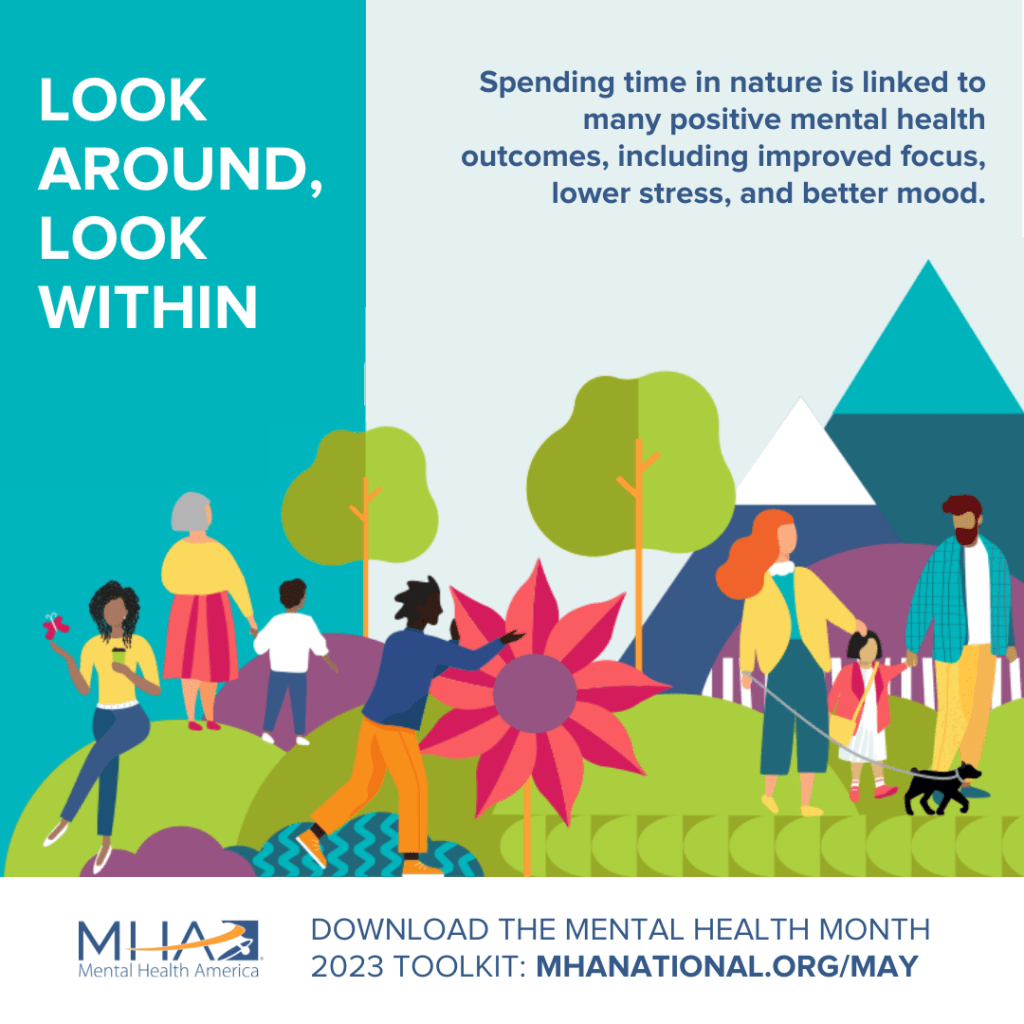
Unlock the Power of Nature: Elevate Your Mental Health with Mental Health America’s Exclusive Worksheet

Discover the transformative benefits of embracing the great outdoors and prioritize your mental health this Mental Health Awareness Month. Mental Health America’s exclusive worksheet, “Opening Your Mind to the Outdoors,” will guide you through powerful techniques to overcome motivational barriers and connect your goals to positive emotions.

Unleash the motivation within and unlock a path toward well-being. Download this worksheet now and embark on a journey of self-discovery and mental rejuvenation. Don’t miss out on this incredible opportunity to enhance your mental health and thrive in harmony with nature.


Stay Connected!