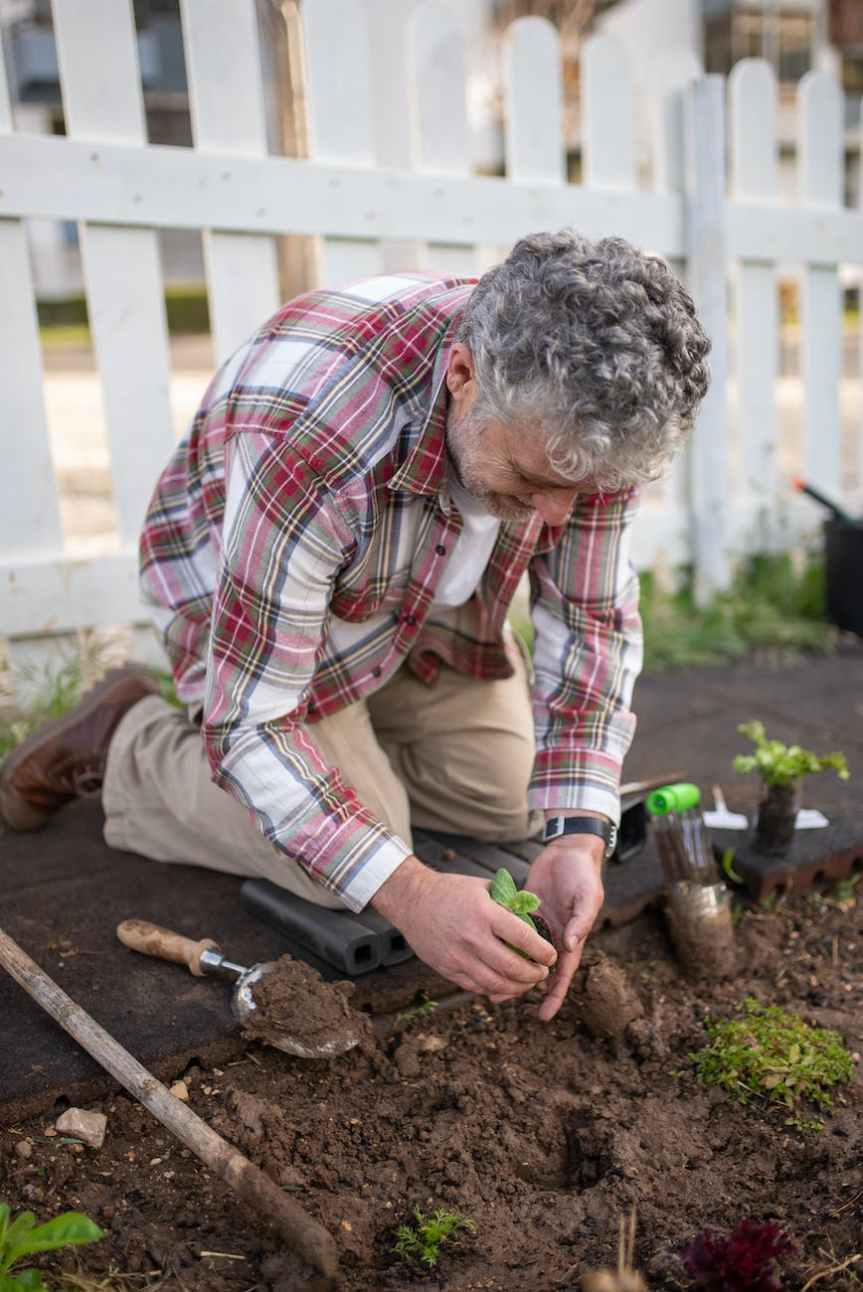
Thriving Alone While Aging with Grace and Independence

By Roz Jones

Are you or a loved one considering the journey of solo aging? In an era where personal choice is paramount, many seniors are embracing solo aging as a means of maintaining control and independence in their golden years. This path brings with it unique considerations, challenges, and opportunities, inviting individuals to chart a course towards dignified and resilient aging.

Embracing the Freedom of Solo Aging

Solo aging offers a canvas of freedom and self-determination. It liberates individuals from the expectations of communal living, allowing autonomy over daily choices and routines. This independence is a cornerstone, while the ability to seek support when needed fosters a sense of empowerment and self-reliance.

Addressing the Realities of Solo Aging

While solo aging empowers individuals, it does pose certain challenges. The absence of immediate social support can lead to feelings of isolation or loneliness. Managing health needs, appointments, and daily tasks without assistance or accessible transportation may require proactive planning. Additionally, ensuring adequate care, akin to institutional settings, can present hurdles.

Preparing Strategically for Solo Aging

Preparing for solo aging involves careful planning, proactive decision-making, and establishing a supportive network to navigate this phase of life confidently. Each step taken towards preparedness contributes significantly to a fulfilling and empowered journey of aging alone here are a few practical strategies to help your aging loved one feel better prepared for the solo aging journey.

  1. Create a Comprehensive Support Network: Besides family and friends, consider joining local community groups, senior centers, or online forums geared toward solo agers. These networks can provide companionship, valuable advice, and a sense of community.
  2. Explore Technology and Telehealth: Embrace technology to stay connected with loved ones and access telehealth services. Familiarize yourself or your loved one with video calling apps, telemedicine platforms, and wearable health devices for monitoring vital signs.
  3. Advance Care Planning: Prepare advanced directives and a durable power of attorney for healthcare, outlining preferences for medical care and appointing someone trusted to make decisions if needed. Ensure these documents are legally binding and accessible when required.
  4. Home Safety Modifications: Assess and modify the living environment for safety and convenience. Consider installing grab bars, ramps, adequate lighting, and other necessary adaptations to ensure a comfortable and secure home.
  5. Financial Planning and Legal Affairs: Seek advice from financial advisors or elder law attorneys to organize finances, set up trusts, update wills, and address estate planning matters. Plan for long-term care insurance or explore Medicaid eligibility if applicable.
  6. Emergency Preparedness: Create an emergency plan that includes contacts, medical information, and essential supplies in case of unexpected situations. Keep a readily accessible emergency kit with necessary medications, documents, and contact information.

By following these tips and strategies, individuals can navigate solo aging with resilience, independence, and a strong foundation for the future. 

Embracing Solo Aging with Confidence

Solo aging embodies the spirit of independence and choice. While it may entail certain challenges, meticulous planning and foresight can ensure a journey marked by dignity, strength, and self-sufficiency. Approach solo aging with confidence, knowing that with adequate preparation, you can navigate this path gracefully, preserving autonomy while availing yourself of necessary assistance.

Choosing solo aging is a decision that requires careful contemplation and proactive preparation. With the right approach, anyone can embrace this phase of life with grace, dignity, and a steadfast commitment to self-determination.


Click here to revisit the previous blog and further explore the nuances of solo aging.


Shop The Caregiver Cafe E-Commerce Store!

We founded The Caregiver Cafe Shopify Store with one simple goal: to help you experiment with your passion while at the same time providing amazing prices. We were tired of cookie-cutter stores with lackluster selections, and boring gifts. Instead of offering a huge unoriginal collection, we carefully curate just a few unique pieces perfectly suited for people the taste buds like you.

We focus on items that get you excited about shopping again, as we believe buying online should always be fun!


The Impact of Caregiving On Employment

Caregiving can impact employment by reducing work hours, causing career disruptions, and leading to financial strain. 

Caregivers may face discrimination, struggle with work-life balance, and experience health issues. 

Supportive measures are needed to help caregivers manage their responsibilities while maintaining their employment and well-being.

In this episode, I get into how juggling caregiving and employment can have a toll on caregivers. 

Subscribe to The Caregiver Cafe Weekly Newsletter!

Caregiving can be a roller coaster of ups and downs. The information that you will receive from The Caregiver Cafe Weekly Specials Newsletter will support you as a caregiver. Remember…

1. YOU ARE NOT ALONE: The problems you face as a caregiver are experienced by other caregivers. Knowing that you’re not alone can be comforting. 

2. Tools and Resources:  Find caregiver stress management tools and gain perspective from other caregiver’s experiences.

3. LEARN TO: Ask for help, accept help when it is offered, and acknowledge yourself on this caregiving journey. Hear from experts on how to balance caregiving responsibilities by taking care of your needs and involving others to help manage the natural stress and isolation of being a caregiver. 
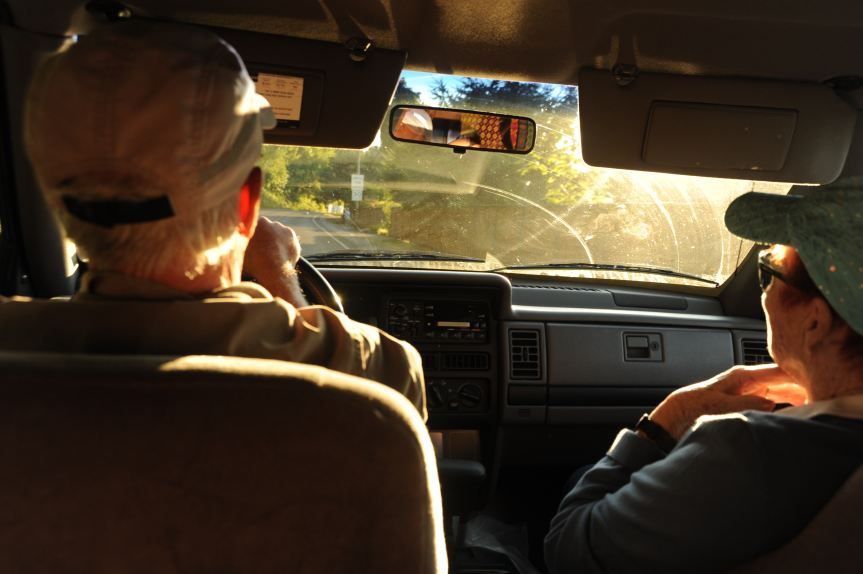
Navigating the Driver’s License Test

By Roz Jones

Driving represents freedom, independence, and a sense of control, especially for our aging loved ones. However, as they reach a certain stage in life, the question of whether they should continue driving becomes increasingly important. For caregivers, this phase can be challenging, but with thoughtful strategies and support, it can be managed effectively.

Preparing for the Driver’s License Test

Practice, practice, practice! Regular driving sessions can help boost confidence and sharpen driving skills. Consider scheduling practice drives at different times of the day and in various traffic conditions to ensure readiness for the test. Familiarizing your loved one with the test route, common road signs, and essential driving scenarios can also help alleviate anxiety.

Ensuring Readiness

Assessing your loved one’s comfort level behind the wheel is crucial. Evaluate their ability to handle different driving conditions and judge distances accurately. Look for signs of confusion or hesitancy while driving, which could indicate areas that need improvement or consideration.

Making the Transition Smoother

Accompany your loved one to the test to provide support and reassurance. Emphasize their strengths and encourage a positive mindset. Stay calm and patient during the test, offering guidance if necessary. Regardless of the test outcome, celebrate their effort and courage. Remember, the goal is to ensure their safety and confidence on the road.

Strategies for Caregivers

As a caregiver, your support during this process is paramount. Maintain open communication, highlighting the importance of the test without adding undue pressure. Celebrate milestones achieved during practice sessions, regardless of the final test result. Be prepared for potential emotional responses, offering understanding and encouragement.

Remember, the driver’s license test is a significant step for your aging loved one. Approach this phase with encouragement, support, and a focus on their safety and confidence behind the wheel.


Stay Connected!

Conquering the Flu Season

By Roz Jones

Flu season can be particularly challenging, especially for aging loved ones whose immune systems may not be as robust. It’s a period when the flu virus becomes more prevalent, posing a higher risk of infection, complications, and hospitalizations, especially among older adults. As caregivers, being proactive and well-prepared is crucial to mitigate these risks and ensure the well-being of our seniors.

Going Beyond the Checklist: Comprehensive Preparation

While maintaining flu shot records and health information is pivotal, let’s expand our preparation checklist. Consider factors such as ensuring a sufficient stock of over-the-counter flu medications at home, having emergency contact information readily available, and understanding the nearest medical facilities in case of urgent needs.

Supporting Mental and Emotional Health

Flu season can also impact mental and emotional well-being. Anxiety and fear of illness might be heightened for aging loved ones. It’s crucial to offer emotional support, reassurance, and a sense of safety during this time. Encourage open communication about any concerns they might have and remind them that their health is a priority.

Strengthening the Caregiver Network

Collaborating with fellow caregivers and healthcare professionals amplifies our impact. Hosting educational sessions or participating in support groups dedicated to flu prevention and caregiver support not only disseminates crucial information but also creates a supportive community network.

Importance of Flu Vaccination: Leading by Example

Encouraging flu vaccination isn’t just a suggestion; it’s a powerful preventive measure. Lead by example and ensure both you and your aging loved ones are up-to-date with flu shots. Stress the importance of vaccination not only for their well-being but also for the overall health of the community.

Adapting Strategies for Individual Needs

Every senior under our care is unique. Tailor your strategies and support to suit their specific health conditions and needs. Some might require additional precautions due to underlying health issues, while others may need extra encouragement to adhere to preventive measures.

Continuous Monitoring and Adaptation

Stay vigilant throughout flu season. Keep an eye on any signs or symptoms of illness, and seek medical advice promptly if any concerns arise. Be flexible and adaptive in your approach, adjusting your caregiving strategies as needed based on the evolving situation. Together, Let’s Navigate Flu Season with Resilience and Care! Flu season presents its challenges, but with our collective knowledge, preparation, and unwavering dedication, we can empower each other to safeguard the health and well-being of our aging loved ones. Let’s stand together, support one another, and ensure a healthier, safer flu season for all!

Stay Ahead of the Storm: Download Your Free Expert Storm Guide Now!

Photo by ALTEREDSNAPS on Pexels.com

As we know, June โ€“ November is Hurricane Season. As a family caregiver, there are many ways to prepare your loved ones for it. Early preparation helps reduce opportunities for stress and anxiety as storms approach.

One of the best ways to prepare is allowing your loved on to assist in packing their travel bag, checking their contact list and ensuring there are adequate emergency supplies.

Participationโ€ฆ not isolationโ€ฆ go a long way when preparing for major storms. This Seniors Storm Guide gives essential information to refer to again and again!


Unveiling the Medicare Enrollment Period: Your Guide to Getting Started

By Roz Jones

As the leaves begin to change and the air turns crisp, itโ€™s not just autum that arrives; itโ€™s also the Medicare enrollment period which stretches from September to December. Medicare is a vital lifeline for many, ensuring access to essential health care services. The enrollment period is your window of opportunity to make changes to your aging loved ones Medicare coverage. Whether they are new to Medicare or simply looking to make adjustments to their existing plan, understanding the basics of this enrollment period is the first step toward securing the coverage that best suits your loved oneโ€™s needs. 

The Key Dates to Remember

The Medicare enrollment period, also known as the Annual Enrollment Period (AEP), takes place from October 15th to December 7th. During this time, you have the flexibility to:

  • Enroll in Medicare: If your aging loved one is turning 65 or just now becoming eligible for Medicare for the first time, this is their chance to enroll. Make sure you understand the different parts of Medicareโ€”Part A, Part B, Part C (Medicare Advantage), and Part D (prescription drug coverage).
  • Switch Plans: If your aging loved one is already enrolled in Medicare but wants to explore different options, AEP is when changes can be made. This includes switching from Original Medicare to Medicare Advantage or changing your Medicare Advantage or Part D plan.
  • Review Your Coverage: Even if your loved one is satisfied with their current plan, it’s a good practice to review it annually. Their health needs may have evolved, and plans can change too. Ensure their plan still meets their requirements for the upcoming year.

Making Informed Choices

Navigating Medicare plans can be complex, but it’s worth the effort to find the coverage that aligns with your aging loved oneโ€™s healthcare needs and budget. Here are a few steps to consider:

  • Assess Your Loved Oneโ€™s Healthcare Needs: Take stock of your aging loved oneโ€™s health requirements, including prescription medications, doctors’ visits, and potential procedures. This will help with choosing a plan that provides adequate coverage.
  • Compare Plans: Use online tools and resources to compare different Medicare Advantage and Part D plans available in your aging loved oneโ€™s area. Look at costs, coverage, and network providers to determine which plan suits your loved one best.
  • Seek Guidance: If the choices feel overwhelming, don’t hesitate to seek guidance. Reach out to Medicare counselors, insurance agents, or even friends and family who are experienced with Medicare.

The Medicare enrollment period is an opportunity to ensure your loved one has the right coverage in place for the upcoming year. Take advantage of this time to evaluate their options and make informed decisions about their healthcare needs.

Planning a Summer Vacation with an Aging Loved One? Download the FREE Checklist!

Are you embarking on a summer vacation adventure with a loved one in need of care? Whether you’re a caregiver or know someone who is, we understand the unique challenges and considerations that come with vacationing while ensuring your loved one is safe..

Make your vacation experience stress-free and enjoyable for both you and your loved one, we’re excited to offer you a free downloadable checklist!

Stay Ahead of the Storm: Download Your Free Expert Storm Guide Now!

Photo by ALTEREDSNAPS on Pexels.com

As we know, June โ€“ November is Hurricane Season. As a family caregiver, there are many ways to prepare your loved ones for it. Early preparation helps reduce opportunities for stress and anxiety as storms approach.

One of the best ways to prepare is allowing your loved on to assist in packing their travel bag, checking their contact list and ensuring there are adequate emergency supplies.

Participationโ€ฆ not isolationโ€ฆ go a long way when preparing for major storms. This Seniors Storm Guide gives essential information to refer to again and again!


Shop The Caregiver Cafe E-Commerce Store!

We founded The Caregiver Cafe Shopify Store with one simple goal: to help you experiment with your passion while at the same time providing amazing prices. We were tired of cookie-cutter stores with lackluster selections, and boring gifts. Instead of offering a huge unoriginal collection, we carefully curate just a few unique pieces perfectly suited for people the taste buds like you.

We focus on items that get you excited about shopping again, as we believe buying online should always be fun!


Subscribe to The Caregiver Cafe Weekly Newsletter!

Caregiving can be a roller coaster of ups and downs. The information that you will receive from The Caregiver Cafe Weekly Specials Newsletter will support you as a caregiver. Remember…

1. YOU ARE NOT ALONE: The problems you face as a caregiver are experienced by other caregivers. Knowing that you’re not alone can be comforting. 

2. Tools and Resources:  Find caregiver stress management tools and gain perspective from other caregivers’ experiences.

3. LEARN TO: Ask for help, accept help when it is offered, and acknowledge yourself on this caregiving journey. Hear from experts on how to balance caregiving responsibilities by taking care of your needs and involving others to help manage the natural stress and isolation of being a caregiver. 

Rediscovering the Joy of Reading and Gardening: Activities for Caregivers and Aging Loved Ones

By Roz Jones

As a caregiver for an aging loved one, finding activities that promote their mental stimulation and enjoyment is essential. In today’s blog post, we will explore two engaging activities that can bring a sense of fulfillment and joy to your caregiving routine: reading and gardening. These activities provide opportunities for intellectual growth, creativity, and connection with nature. So, let’s delve into the world of books and gardens and discover how they can enrich the lives of your aging loved ones.

Activity 1: Reading

Reading is a wonderful activity that can transport us to different worlds, expand our knowledge, and ignite our imagination. For aging loved ones who may face physical limitations, reading offers a gateway to new experiences and intellectual stimulation. It also provides a platform for shared moments of connection and conversation between you and your loved one.

Select books that align with your loved one’s interests and preferences, whether it’s fiction, non-fiction, biographies, or even poetry. Consider reading aloud to your loved one, taking turns reading chapters, or discussing the books together. If possible, create a cozy reading nook with comfortable seating, good lighting, and a collection of their favorite books. Encourage discussions, share insights, and allow the magic of storytelling to unfold.

Activity 2: Gardening

Gardening is a therapeutic and rewarding activity that can benefit both physical and mental well-being. Engaging in gardening with your aging loved one provides an opportunity to connect with nature, enjoy fresh air, and witness the beauty of growth and nurturing.

Start small by creating a container garden or tending to a few potted plants. Even if you have limited space, a windowsill or balcony can serve as a green oasis. Involve your loved one in selecting plants, planting seeds, or tending to existing plants. Gardening promotes physical movement, sensory stimulation, and a sense of accomplishment as they witness the fruits of their labor.

Encourage conversations about favorite plants, childhood memories related to gardening, and the joy of being surrounded by nature. This shared experience can deepen your bond and provide moments of tranquility and reflection.

Incorporating activities like reading and gardening into your caregiving routine can have a profound impact on the well-being and quality of life for your aging loved one. These activities offer mental stimulation, creativity, and opportunities for connection and shared experiences. Remember to tailor the activities to their interests and abilities, creating a comfortable and inviting space for reading and gardening sessions.

By embracing the joy of reading and the wonders of gardening, you are creating moments of fulfillment and happiness for your loved one. Stay tuned for our final blog post in this series, where we will explore more activities to enhance the lives of aging parents and caregivers.
Remember to check out our previous blog post on activities for elderly parents for additional inspiration and ideas. Together, let’s continue to create meaningful and enriching experiences for our aging loved ones.

Planning a Summer Vacation with an Aging Loved One? Download the FREE Checklist!

Are you embarking on a summer vacation adventure with a loved one in need of care? Whether you’re a caregiver or know someone who is, we understand the unique challenges and considerations that come with vacationing while ensuring your loved one is safe..

Make your vacation experience stress-free and enjoyable for both you and your loved one, we’re excited to offer you a free downloadable checklist!

Stay Ahead of the Storm: Download Your Free Expert Storm Guide Now!

Photo by ALTEREDSNAPS on Pexels.com

As we know, June โ€“ November is Hurricane Season. As a family caregiver, there are many ways to prepare your loved ones for it. Early preparation helps reduce opportunities for stress and anxiety as storms approach.

One of the best ways to prepare is allowing your loved on to assist in packing their travel bag, checking their contact list and ensuring there are adequate emergency supplies.

Participationโ€ฆ not isolationโ€ฆ go a long way when preparing for major storms. This Seniors Storm Guide gives essential information to refer to again and again!