Digital Decluttering: Simplifying Your Digital Life for Caregivers

By Roz Jones

As a caregiver, you’re likely juggling a lot of responsibilities, from managing medications to keeping track of appointments and communicating with doctors. In addition, you may also be managing your own personal and work-related tasks, both of which can add up to a significant amount of digital clutter.

Digital clutter can make it difficult to find important files or emails when you need them, and it can also impact your mental well-being. Here are some tips for simplifying your digital life and reducing clutter:

  1. Start with a plan: Before you dive into decluttering your digital life, take some time to think about what you want to achieve. What areas do you want to focus on? For example, do you want to streamline your email inbox, organize your digital photos, or consolidate your passwords?
  1. Delete unnecessary files and apps: Take some time to go through your files and delete anything you no longer need. The same goes for apps on your phone or tablet. Consider deleting any apps that you haven’t used in the last six months.
  1. Streamline your email inbox: If you’re like most people, your email inbox is probably overflowing with messages. Set aside some time to go through your inbox and delete any emails that you don’t need. You can also create folders to help you organize important emails and make them easier to find in the future.
  1. Consolidate your passwords: It’s easy to accumulate a lot of different passwords for various accounts, which can be overwhelming. Consider using a password manager or a spreadsheet to keep track of all your passwords in one secure location.
  1. Organize your digital photos: If you have a lot of digital photos, it’s easy for them to become disorganized. Take some time to go through your photos and delete any duplicates or blurry shots. You can also organize your photos into folders based on events or dates.
  1. Backup important files: It’s important to back up any important files, such as photos or important documents, in case your computer crashes or your phone is lost or stolen. Consider using a cloud-based backup service or an external hard drive to keep your files safe.

By simplifying your digital life, you can reduce stress and improve your mental well-being as a caregiver. Take some time to declutter your digital space and enjoy the benefits of a more streamlined and organized life.


Discover the Power of Nature for Your Mental Health!
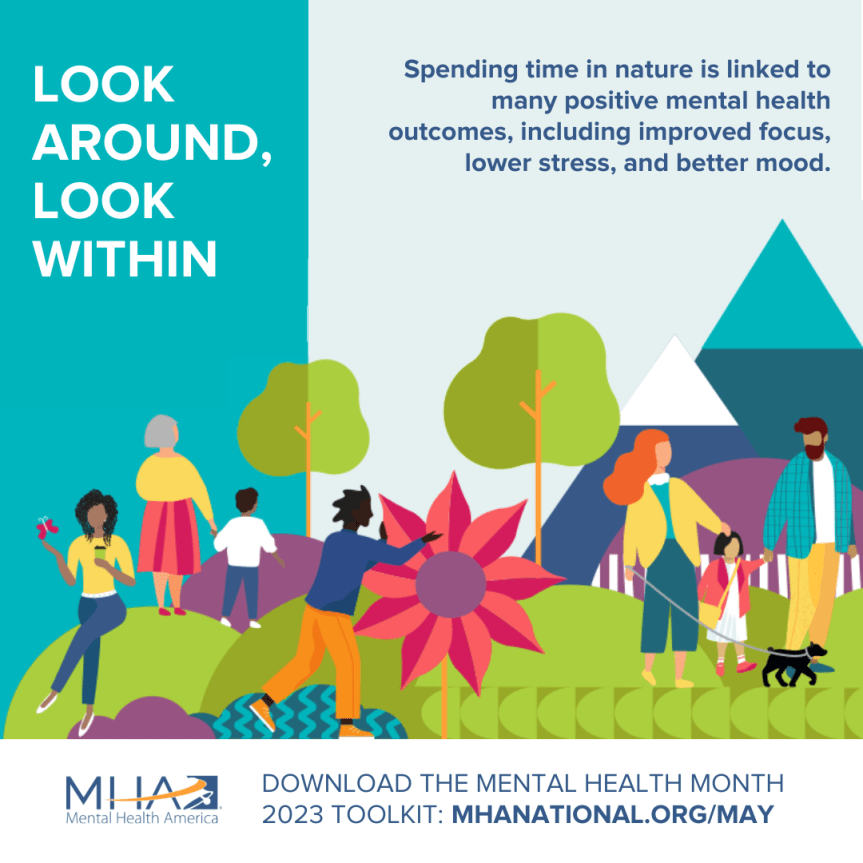
Unlock the positive impact of nature on your mental well-being with Mental Health of America’s fact sheet.

Learn how spending time in green and blue spaces can lower stress, boost mood, and improve focus. Download now to embrace the benefits of nature in your everyday life!


Shop The Caregiver Cafe E-Commerce Store!

We founded The Caregiver Cafe Shopify Store with one simple goal: to help you experiment with your passion while at the same time providing amazing prices. We were tired of cookie-cutter stores with lackluster selections, and boring gifts. Instead of offering a huge unoriginal collection, we carefully curate just a few unique pieces perfectly suited for people the taste buds like you.

We focus on items that get you excited about shopping again, as we believe buying online should always be fun!


Subscribe to The Caregiver Cafe Weekly Newsletter!

Caregiving can be a roller coaster of ups and downs. The information that you will receive from The Caregiver Cafe Weekly Specials Newsletter will support you as a caregiver. Remember…

1. YOU ARE NOT ALONE: The problems you face as a caregiver are experienced by other caregivers. Knowing that you’re not alone can be comforting. 

2. Tools and Resources:  Find caregiver stress management tools and gain perspective from other caregivers’ experiences.

3. LEARN TO: Ask for help, accept help when it is offered, and acknowledge yourself on this caregiving journey. Hear from experts on how to balance caregiving responsibilities by taking care of your needs and involving others to help manage the natural stress and isolation of being a caregiver. 

Balancing Caregiving for a Former Spouse with Other Responsibilities

By Roz Jones

Being a caregiver for a former spouse is a unique situation that comes with its own set of challenges. One of the biggest challenges is balancing caregiving with other responsibilities, such as work, family, and personal commitments. In this blog, we will discuss some of the challenges of balancing caregiving for a former spouse with other responsibilities and provide tips for managing competing responsibilities.

Challenges of Balancing Caregiving with Other Responsibilities:

One of the biggest challenges of caregiving for a former spouse is finding the time and energy to balance caregiving with other responsibilities. Many caregivers also have jobs, children, and other commitments that require their time and attention. This can lead to feelings of guilt and overwhelm, as caregivers struggle to prioritize their responsibilities.

Tips for Prioritizing Caregiving and Managing Competing Responsibilities:

  • Set realistic expectations: Caregivers need to set realistic expectations for themselves and their loved ones. This means recognizing that they cannot do everything and that it is okay to ask for help when needed.
  • Create a schedule: Caregivers can create a schedule that includes caregiving tasks as well as other responsibilities. This can help them prioritize their time and ensure that they have time for everything they need to do.
  • Take care of yourself: It is important for caregivers to take care of themselves so that they have the energy and stamina to care for their loved ones. This means eating well, exercising, and getting enough rest.
  • Communicate with others: Caregivers should communicate with their loved ones, employers, and other important people in their lives about their caregiving responsibilities. This can help them manage expectations and get the support they need.

Resources for Balancing Caregiving with Other Responsibilities:

  1. Family and Medical Leave Act (FMLA): FMLA provides eligible employees with up to 12 weeks of unpaid leave per year for caregiving or other family-related issues.
  2. Employee Assistance Programs (EAPs): Many employers offer EAPs that provide counseling, referrals, and other support services to employees and their families.
  3. Caregiver support groups: Caregiver support groups can provide caregivers with emotional support, practical advice, and a sense of community.

Balancing caregiving for a former spouse with other responsibilities can be challenging, but with the right tools and resources, it is possible to manage competing demands. Caregivers should set realistic expectations, create a schedule, take care of themselves, and communicate with others about their caregiving responsibilities. There are also many resources available, such as FMLA, EAPs, and caregiver support groups, that can provide additional support and assistance.


Discover the Power of Nature for Your Mental Health!

Unlock the positive impact of nature on your mental well-being with Mental Health of America’s fact sheet.

Learn how spending time in green and blue spaces can lower stress, boost mood, and improve focus. Download now to embrace the benefits of nature in your everyday life!


Stay Connected!

Tech-Essentials: Must-Have Technology for Aging Loved Ones

By Roz Jones

As our loved ones age, they may need additional support and assistance to maintain their independence and stay connected with family and friends. Fortunately, advancements in technology have made it easier than ever to provide that support and help our aging loved ones stay connected. Here are some examples of technology an aging loved one may need as they age:

  1. Smartphones: Smartphones are incredibly versatile tools that can help seniors stay connected with family and friends, access important information, and even monitor their health. Many smartphones now offer larger screens and easy-to-use interfaces that are specifically designed for seniors.
  1. Tablets: Tablets are another great option for seniors who want to stay connected and informed. They offer larger screens than smartphones, making it easier to read and watch videos, and can be used for activities like video chatting with family and friends.
  1. Wearables: Wearables like smartwatches and fitness trackers can help seniors monitor their health and stay active. These devices can track steps taken, heart rate, sleep patterns, and more, providing seniors with valuable information about their health.
  1. Home assistants: Smart home assistants like Amazon Alexa or Google Home can be a great asset for seniors who may have difficulty with mobility or performing certain tasks. These devices can be used to control lights, adjust the thermostat, and even make phone calls or send messages.
  1. Medication reminders: As seniors age, they may need to take more medications to manage their health. Medication reminder apps or devices can help ensure that they take the correct dosage at the right time.
  1. Emergency response systems: Emergency response systems like medical alert bracelets or necklaces can be lifesaving for seniors who may need help in an emergency. These devices can be used to call for help at the touch of a button.
  1. Video conferencing tools: Video conferencing tools like Zoom or Skype can be a great way for seniors to stay connected with family and friends who may live far away. These tools can help reduce feelings of isolation and loneliness.

As our loved ones age, it’s important to remember that technology can be a powerful tool for helping them stay independent, connected, and informed. By providing them with the right tools and support, we can help ensure that they can continue to enjoy a high quality of life as they age.


Discover the Power of Natural for Your Mental Health!

Unlock the positive impact of nature on your mental well-being with Mental Health of America’s fact sheet.

Learn how spending time in green and blue spaces can lower stress, boost mood, and improve focus. Download now to embrace the benefits of nature in your everyday life!


Shop The Caregiver Cafe E-Commerce Store!

We founded The Caregiver Cafe Shopify Store with one simple goal: to help you experiment with your passion while at the same time providing amazing prices. We were tired of cookie-cutter stores with lackluster selections, and boring gifts. Instead of offering a huge unoriginal collection, we carefully curate just a few unique pieces perfectly suited for people the taste buds like you.

We focus on items that get you excited about shopping again, as we believe buying online should always be fun!


Join us at The Caregiver Cafe Podcast as we delve into the emotional journey of moving your loved ones out of their homes. Discover expert advice on approaching the situation with empathy, involving your loved ones in the decision-making process, and finding the right balance between their desires and safety. Tune in to this episode to gain valuable insights and make the transition smoother for your parents or loved ones!

When considering moving your parents or loved ones out of their homes, it’s important to approach the situation with empathy and understanding.

Communicate openly, involve them in the decision-making process, and explore alternatives that balance their desires with their safety and well-being.

Due to the emotional attachment, your parents or loved ones have towards their home, this move can affect them more than you expect.

In this episode, I share how one can make it easy for their parents/loved ones when moving them out of their home.

Press play to listen in.

Subscribe to The Caregiver Cafe Weekly Newsletter!

Caregiving can be a roller coaster of ups and downs. The information that you will receive from The Caregiver Cafe Weekly Specials Newsletter will support you as a caregiver. Remember…

1. YOU ARE NOT ALONE: The problems you face as a caregiver are experienced by other caregivers. Knowing that you’re not alone can be comforting. 

2. Tools and Resources:  Find caregiver stress management tools and gain perspective from other caregiver’s experiences.

3. LEARN TO: Ask for help, accept help when it is offered, and acknowledge yourself on this caregiving journey. Hear from experts on how to balance caregiving responsibilities by taking care of your needs and involving others to help manage the natural stress and isolation of being a caregiver. 

Caregiving & The Impact of Mental Health on Family Dynamics

By Roz Jones

Caregiving can be a challenging and rewarding experience, but it can also take a significant toll on the mental health of caregivers. The responsibilities of caring for a loved one, whether it be a parent, spouse, or child, can create stress, anxiety, and depression. This stress can also impact the family dynamics of the caregiver’s immediate family. In this blog, we will discuss the impact of mental health on family dynamics when caregiving is involved.

One of the most significant impacts of caregiving on family dynamics is the potential for tension and conflict. Family members may have different ideas about how to care for the loved one, leading to disagreements and misunderstandings. This can be especially challenging when the caregiver’s mental health is already compromised, as it can make it harder to handle disagreements in a constructive and healthy manner.

In addition, the caregiver may become overwhelmed and feel as though they are shouldering the burden alone. This can lead to feelings of isolation and loneliness, even when surrounded by loved ones. These feelings can create a sense of distance between the caregiver and their family members, leading to strained relationships and a breakdown in communication.

Furthermore, caregiving can also impact the mental health of family members who are not providing direct care. For example, a spouse may become worried and stressed about their partner’s caregiving responsibilities, leading to their own mental health challenges. Similarly, children may feel anxious or overwhelmed by the changes in their family dynamics and their parents’ stress levels.

It is essential to acknowledge the impact of caregiving on family dynamics and take steps to address it. Communication is key in maintaining healthy relationships and reducing tension and conflict. Caregivers should openly communicate their needs, feelings, and limitations to their family members. It’s also important for family members to express their support and offer to help in any way they can.

Taking care of one’s mental health is also crucial for caregivers and their family members. Seeking professional help, such as therapy or counseling, can provide valuable support and tools for coping with the challenges of caregiving. Additionally, self-care practices, such as exercise, meditation, and hobbies, can help caregivers manage stress and maintain a positive outlook.

The impact of mental health on family dynamics when caregiving is involved is significant. It’s essential to acknowledge the challenges and take steps to address them through open communication, seeking professional help, and prioritizing self-care. By working together, caregivers and their family members can maintain healthy relationships and provide the best care possible for their loved one.


Unlock the Power of Nature: Elevate Your Mental Health with Mental Health America’s Exclusive Worksheet

Discover the transformative benefits of embracing the great outdoors and prioritize your mental health this Mental Health Awareness Month. Mental Health America’s exclusive worksheet, “Opening Your Mind to the Outdoors,” will guide you through powerful techniques to overcome motivational barriers and connect your goals to positive emotions.

Unleash the motivation within and unlock a path toward well-being. Download this worksheet now and embark on a journey of self-discovery and mental rejuvenation. Don’t miss out on this incredible opportunity to enhance your mental health and thrive in harmony with nature.


Stay Connected!

Breaking the Stigma: Addressing Mental Health in Caregiving

By Roz Jones

Caring for a loved one with a chronic illness or disability can be both rewarding and challenging. While caregiving can bring a sense of purpose and fulfillment, it can also have negative impacts on mental health. Unfortunately, there is often a stigma attached to discussing mental health in caregiving, which can prevent caregivers from seeking the help they need. In this blog, we will discuss the importance of addressing mental health in caregiving and breaking the stigma.

The Impact of Caregiving on Mental Health

The demands of caregiving can take a toll on mental health, particularly when the caregiver is providing care for an extended period. Caregivers often experience high levels of stress, anxiety, and depression. They may also feel isolated and overwhelmed, especially if they lack support from friends, family, or healthcare providers.

Furthermore, caregiving can disrupt daily routines and social activities, leading to a loss of identity and purpose. It can also affect the caregiver’s physical health, as they may neglect their own health needs while caring for their loved one.

Breaking the Stigma

Despite the significant impact that caregiving can have on mental health, there is still a stigma attached to discussing mental health in this context. Caregivers may feel ashamed or embarrassed to admit that they are struggling or need help. They may fear being judged or seen as weak or selfish for prioritizing their own needs.

Breaking the stigma around mental health in caregiving is essential to ensure that caregivers get the support they need. This can involve raising awareness about the impact of caregiving on mental health, educating caregivers about the importance of self-care, and providing access to mental health resources and support.

Addressing Mental Health in Caregiving

Caregivers can take several steps to address their mental health needs while caring for their loved ones. These include:

  1. Seeking support: Caregivers should reach out to friends, family, and healthcare providers for support. This can include asking for help with caregiving tasks, seeking emotional support, and attending support groups.
  1. Practicing self-care: Caregivers should prioritize their own physical and emotional health by getting enough sleep, eating a healthy diet, and engaging in activities they enjoy.
  1. Taking breaks: Caregivers should take regular breaks from caregiving to recharge and relax. This can involve engaging in a hobby, spending time with friends, or simply taking a nap.
  1. Seeking professional help: Caregivers should not hesitate to seek professional help if they are experiencing symptoms of depression, anxiety, or other mental health issues. This can involve talking to a therapist, psychiatrist, or other mental health professional.

Caregiving can have a significant impact on mental health, but it’s essential to break the stigma and address this issue. Caregivers should prioritize their own mental health needs by seeking support, practicing self-care, taking breaks, and seeking professional help when necessary. By breaking the stigma around mental health in caregiving, we can ensure that caregivers get the support they need to provide the best care for their loved ones.


Unlock the Power of Nature: Elevate Your Mental Health with Mental Health America’s Exclusive Worksheet

Discover the transformative benefits of embracing the great outdoors and prioritize your mental health this Mental Health Awareness Month. Mental Health America’s exclusive worksheet, “Opening Your Mind to the Outdoors,” will guide you through powerful techniques to overcome motivational barriers and connect your goals to positive emotions.

Unleash the motivation within and unlock a path toward well-being. Download this worksheet now and embark on a journey of self-discovery and mental rejuvenation. Don’t miss out on this incredible opportunity to enhance your mental health and thrive in harmony with nature.


Stay Connected!