
Aging in Place: What Families Need to Know Before Saying “We’ll Make It Work”

By Roz Jones

In my previous blog, Gen X Is Caring for Everyone: The Real Weight of Supporting Aging Loved Ones Right Now, I talked about the emotional and practical weight many caregivers are carrying right now. One that reality is named, the next question often comes quickly: Can my loved one stay at home, and what will it really take to make that work well?

That is where the conversation around aging in place begins. 

For many older adults, staying in their own home feels deeply important. Home is familiar. Home feels personal. Home can represent comfort, routine, independence, and dignity. It is no surprise that many aging loved ones want to remain there as long as possible. 

And for families, that desire can feel easy to agree with at first. 

Of course we want to support what feels most comfortable.
Of course we want to honor what matters to them.
Of course we want to believe we can make it work.

But before families make that promise, there are a few things worth slowing down to think through.

Wanting To Stay Home and Being Able To Stay Home Are Not Always the Same

This is one of the most important truths in caregiving.

Wanting to age in place is understandable. But making it work safely and sustainably is a different conversation.

Aging in place is not just about where someone sleeps at night. It is about whether daily life in that home is still manageable. It is about whether support needs are being met consistently. It is about whether the home is helping your loved one live with dignity or quietly becoming harder to navigate.

That is why families have to look beyond the wish and pay attention to the reality.

Start With the Day-to-Day, Not the Big Promise

Before saying, “We’ll make it work,” it helps to look closely at what everyday life actually requires right now.

Can your loved one safely move through the house?
Are they keeping up with meals?
Are medications being taken correctly?
Is bathing or dressing getting harder?
Are memory changes affecting routines?
Can they respond if something goes wrong?
Is someone available to help if their needs increase?

These are not worst-case-scenario questions. These are the questions that help families build a realistic plan instead of relying on hope alone.

The Home Has To Support the Goal

Sometimes families focus so much on keeping a loved one at home that they forget to ask whether the home is still working for them.

Aging in place may require:

  • better lighting
  • grab bars in bathrooms
  • fewer tripping hazards
  • stair support
  • simpler layouts
  • medication organization
  • emergency plans
  • outside help coming into the home

The goal is not just to keep someone in the same space. The goal is to make that space safer and more supportive as their needs change.

Sometimes small changes are enough.
Sometimes bigger changes are needed.

What matters is being honest early.

Support Still Counts Even When Someone Stays Home

One of the biggest misunderstandings about aging in place is the idea that staying home means someone is fully independent and does not need much help.

That is often not true.

In many families, aging in place only works because support is built around the older adult in a consistent way. That support might come from adult children, friends, neighbors, home care aides, transportation services, housekeeping help, meal support, or medical professionals.

Staying at home can still require a lot of care.

The question is not whether help is needed. The question is whether the right help is actually in place.

Families Have To Be Honest About Capacity

This is where a lot of families get stuck.

A loved one may want to remain at home.
You may genuinely want to make that possible.
But the family also has to tell the truth about what everyone can realistically carry.

Who is taking them to appointments?
Who is helping with groceries?
Who is managing medications?
Who is checking in regularly?
Who responds in an emergency?
Who is already doing too much?

These questions matter because aging in place often works best when support is shared, realistic, and sustainable, not built on one exhausted person trying to hold everything together.

The Goal Is Not Just Staying Home. It Is Living Well

This is the part I always want families to remember.

Remaining at home is not the only measure of success.

The real goal is helping your loved one stay as safe, supported, respected, and connected as possible. Sometimes that does mean aging in place with the right systems in place. Sometimes it means recognizing that more support is needed than the family can provide alone.

Either way, that decision should be rooted in honesty, not guilt.

A Thoughtful Plan Protects Everyone

Aging in place can absolutely be a meaningful and beautiful option.

But it works best when families think beyond the first emotional response and take time to plan carefully. That means looking at safety, support, caregiver capacity, daily routines, and what happens if needs grow.

Saying “we’ll make it work” feels loving.

But building a plan that truly supports your loved one and the people caring for them? That is what makes it sustainable.

Schedule a Family Care Planning Session

Roz Jones is a dedicated caretaker turned CEO with over a decade of experience in helping families care for and make decisions for loved ones and their legacies.Roz is a compassionate, innovative healthcare industry leader.

If your family is trying to figure out whether aging in place is the right next step, or what kind of support would make it more realistic, book a session with me at the link below.

Purchase the Caregiving & Advance Health Directives Checklist!
Roz Jones Enterprises Caregiving & Advance Health Directives Checklist.

When creating an Advance Directive with your aging loved one, it’s important for them to identify the treatments they want and don’t want when it comes to hospice or end-of-life care. In order to begin this process, you will need to complete state-specific forms. This checklist can prepare you for those decisions you’re going to make on those forms, and for conversations you need to have with family and doctors.

Subscribe to The Caregiver Cafe Weekly Newsletter!

Caregiving can be a roller coaster of ups and downs. The information that you will receive from The Caregiver Cafe Weekly Specials Newsletter will support you as a caregiver. Remember…

1. YOU ARE NOT ALONE: The problems you face as a caregiver are experienced by other caregivers. Knowing that you’re not alone can be comforting. 

2. Tools and Resources:  Find caregiver stress management tools and gain perspective from other caregiver’s experiences.

3. LEARN TO: Ask for help, accept help when it is offered, and acknowledge yourself on this caregiving journey. Hear from experts on how to balance caregiving responsibilities by taking care of your needs and involving others to help manage the natural stress and isolation of being a caregiver. 
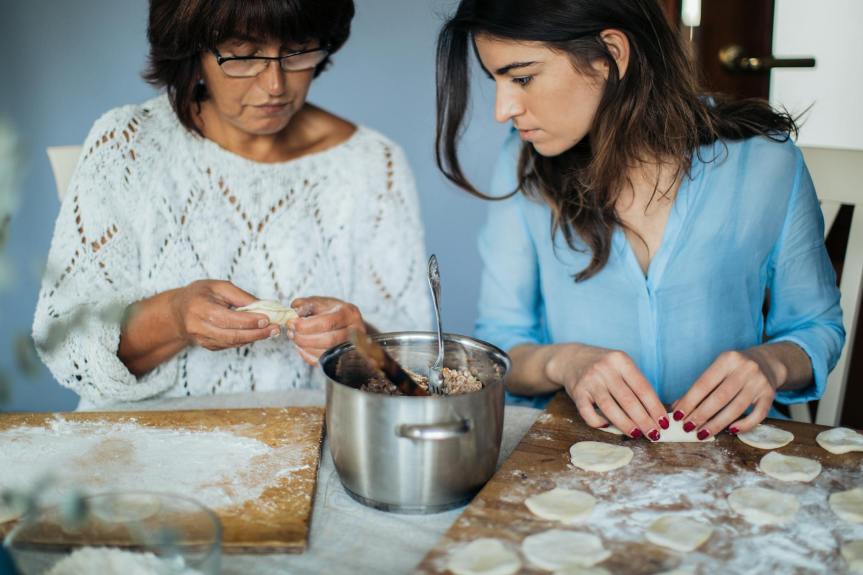
Supporting Your Aging Loved One Without Taking Over: What Dignity Looks Like in Caregiving

By Roz Jones


One of the hardest parts of caregiving is this:

How do you help your aging loved one without making them feel powerless?

How do you step in without taking over?

How do you protect their safety without slowly erasing their voice?

These are real questions, and more families are wrestling with them now as loved ones age, health needs change, and adult children find themselves in more active caregiving roles.

Help Does Not Have to Mean Control

A lot of families move into “fix it” mode out of love and fear.

You see your loved one forgetting things, struggling with mobility, skipping meals, falling behind on bills, or resisting support, and your instinct is to step in fast.

That instinct makes sense.

But when every conversation becomes instruction, correction, or management, your loved one may stop feeling cared for and start feeling handled.

That is where tension grows.

Support lands differently when your aging loved one still feels included in the process.

That can sound like:
“What feels hardest for you right now?”
“What kind of help feels okay to you?”
“What do you want to keep doing on your own?”
“How can we make this easier together?”

That shift matters.

Independence Still Matters, Even When More Help Is Needed

Independence is not always about doing everything alone.

Sometimes independence means having a say in how support happens.

The National Institute on Aging notes that many older adults want to age in place, meaning they want to remain in their own homes and maintain independence as long as possible.

Pew Research also found recently that 93% of adults 65 and older say they currently live in their own home or apartment, which shows just how important home, routine, and familiarity are to many older adults.

So when families assume that more help automatically means less choice, conflict often follows.

Sometimes the better question is not, “Should they still be independent?”

It is, “How do we support their independence safely?”

That might look like home modifications, transportation support, meal help, medication organization, or outside services that reduce risk without removing voice and choice.

Respect Changes the Tone of Care

The way we speak to aging loved ones matters.

Nobody wants to feel talked down to.
Nobody wants to feel like a burden.
Nobody wants to feel like every decision is being made for them.

And yet that is exactly how many older adults begin to feel when care conversations are rushed, fear-driven, or overly controlling.

Dignity sounds like respect.

It sounds like slowing down.
It sounds like asking instead of assuming.
It sounds like explaining instead of commanding.
It sounds like listening without immediately correcting.

Your tone cannot solve every challenge, but it can protect trust.

Care Is More Than Appointments and Safety Plans

Your aging loved one does not only need tasks handled.

They still need connection.

They still want to be included.
They still want meaningful conversation.
They still want companionship, humor, attention, and moments that do not feel clinical.

That part matters more than families sometimes realize.

Practical support keeps life moving. Emotional connection helps life still feel like life.

Safety and Dignity Have to Work Together

There will absolutely be moments when caregivers need to have hard conversations about falls, driving, medications, memory issues, finances, or what is no longer safe.

Those conversations matter.

But firmness and dignity can exist together.

You can say:
“I want to support you, not take over.”
“I know this is hard.”
“I want us to make choices that keep you safe and respected.”
“We are on the same side.”

That language protects the relationship while still making room for truth.

You Do Not Have to Navigate This Alone

Caregiving decisions can feel deeply personal, emotionally loaded, and hard to untangle, especially when you are trying to balance safety, respect, family dynamics, and your own exhaustion all at once.

That is why support matters.

You deserve space to think clearly, talk honestly, and figure out what care can look like without losing yourself in the process.


Schedule a Family Care Planning Session

Roz Jones is a dedicated caretaker turned CEO with over a decade of experience in helping families care for and make decisions for loved ones and their legacies.Roz is a compassionate, innovative healthcare industry leader.

If you need support navigating care conversations, boundaries, next steps, or the emotional weight of caring for an aging loved one, book a session with me at the link below.

You don’t have to carry every question by yourself.

Purchase the Caregiving & Advance Health Directives Checklist!

Roz Jones Enterprises Caregiving & Advance Health Directives Checklist.

When creating an Advance Directive with your aging loved one, it’s important for them to identify the treatments they want and don’t want when it comes to hospice or end-of-life care. In order to begin this process, you will need to complete state-specific forms. This checklist can prepare you for those decisions you’re going to make on those forms, and for conversations you need to have with family and doctors.

Subscribe to The Caregiver Cafe Weekly Newsletter!

Caregiving can be a roller coaster of ups and downs. The information that you will receive from The Caregiver Cafe Weekly Specials Newsletter will support you as a caregiver. Remember…

1. YOU ARE NOT ALONE: The problems you face as a caregiver are experienced by other caregivers. Knowing that you’re not alone can be comforting. 

2. Tools and Resources:  Find caregiver stress management tools and gain perspective from other caregiver’s experiences.

3. LEARN TO: Ask for help, accept help when it is offered, and acknowledge yourself on this caregiving journey. Hear from experts on how to balance caregiving responsibilities by taking care of your needs and involving others to help manage the natural stress and isolation of being a caregiver. 

Gen X Is Caring for Everyone: The Real Weight of Supporting Aging Loved Ones Right Now

By Roz Jones


For a whole lot of Gen X adults, this season is not just busy. It is packed from edge to edge. You may be working full-time, helping your kids or young adults figure out their next steps, trying to hold your household together, and somewhere in the middle of all that, caring for an aging loved one whose needs are growing.

This is not a small role.

This is emotional labor, logistical labor, financial labor, and often invisible labor too.

Many Gen X caregivers did not step into this role with a big family meeting and a clear plan. It happened slowly. A few more check-in calls. A few more errands. More help with paperwork. More reminders. More concern. Then one day, you realize you are not just “helping out.” You are managing a whole part of someone else’s life while still trying to manage your own.

That reality is becoming more common across the country, especially as more families care for aging loved ones while also juggling work and other family responsibilities. 

When “Helping Out” Becomes a Second Job

A lot of Gen X caregivers are doing more than keeping an eye on things.

You are scheduling appointments.
You are tracking medications.
You are checking in after work.
You are helping with bills.
You are watching for memory changes.
You are making sure food is in the house.
You are trying to notice what is not being said.

And because so much of this happens quietly, other people may not realize how much you are carrying.

That can make this role feel lonely.

Even when you love your aging loved one deeply, it can still feel overwhelming to be the one everyone calls. The one who remembers. The one who notices. The one who stays calm when something changes. The one who keeps going because there is no other option.

The Emotional Side of Caregiving Is Heavy Too

Caregiving is not just about tasks. It is also about grief.

Sometimes it is grief over what has changed.
Sometimes it is grief over who your aging loved one used to be.
Sometimes it is grief over how your relationship has shifted.
Sometimes it is grief over how much of yourself you have had to put on hold.

And then there is the guilt.

Guilt for being tired.
Guilt for being frustrated.
Guilt for needing space.
Guilt for not doing more.
Guilt for wondering how long you can keep doing this.

Being stretched thin does not mean you do not love your loved one.

It means you are human.

Why This Season Hits Gen X So Hard

Gen X caregivers are often in the middle of everything.

You are old enough to carry serious responsibility, but young enough that the world still expects you to keep producing at full speed. Work does not pause because your aging loved one fell. Bills do not pause because you spent the morning in a waiting room. Your own needs do not disappear, but they often get pushed to the back.

That is why so many caregivers are exhausted before they ever ask for help.

And caregiver stress is not something to brush off. National public health research has found that caregivers report worse mental health and other health burdens more often than noncaregivers. 

You Were Never Meant to Carry This Alone

One of the biggest mistakes caregivers make is thinking love means doing everything themselves.

It does not.

Love can also look like asking for help.
Love can look like building a plan.
Love can look like bringing in support before you are completely burned out.

That may mean asking siblings for a specific responsibility, using home support services, creating a shared calendar, bringing in respite care, or having harder conversations sooner instead of later.

There are also more resources than many families realize for older adults who want to remain at home with support. The National Institute on Aging notes that many older adults want to stay in their homes and maintain independence as they age, often with help from family, friends, and services in the home.

Caregivers Need Support Too

You do not have to wait until you are in crisis to get support.

You do not have to prove how strong you are by running on empty.

And you do not have to figure out every next step by yourself.

Sometimes what caregivers need most is a place to process the stress, the pressure, the guilt, and the decisions with someone who understands the realities of this season.


Schedule a Family Care Planning Session

Roz Jones is a dedicated caretaker turned CEO with over a decade of experience in helping families care for and make decisions for loved ones and their legacies.Roz is a compassionate, innovative healthcare industry leader.

If you are feeling stretched thin while caring for an aging loved one, book a session with me so I can help you navigate this season of your life with clarity, compassion, and practical support.

Purchase the Caregiving & Advance Health Directives Checklist!

Roz Jones Enterprises Caregiving & Advance Health Directives Checklist.

When creating an Advance Directive with your aging loved one, it’s important for them to identify the treatments they want and don’t want when it comes to hospice or end-of-life care. In order to begin this process, you will need to complete state-specific forms. This checklist can prepare you for those decisions you’re going to make on those forms, and for conversations you need to have with family and doctors.

Subscribe to The Caregiver Cafe Weekly Newsletter!

Caregiving can be a roller coaster of ups and downs. The information that you will receive from The Caregiver Cafe Weekly Specials Newsletter will support you as a caregiver. Remember…

1. YOU ARE NOT ALONE: The problems you face as a caregiver are experienced by other caregivers. Knowing that you’re not alone can be comforting. 

2. Tools and Resources:  Find caregiver stress management tools and gain perspective from other caregiver’s experiences.

3. LEARN TO: Ask for help, accept help when it is offered, and acknowledge yourself on this caregiving journey. Hear from experts on how to balance caregiving responsibilities by taking care of your needs and involving others to help manage the natural stress and isolation of being a caregiver. 

Thriving Alone While Aging with Grace and Independence

By Roz Jones

Are you or a loved one considering the journey of solo aging? In an era where personal choice is paramount, many seniors are embracing solo aging as a means of maintaining control and independence in their golden years. This path brings with it unique considerations, challenges, and opportunities, inviting individuals to chart a course towards dignified and resilient aging.

Embracing the Freedom of Solo Aging

Solo aging offers a canvas of freedom and self-determination. It liberates individuals from the expectations of communal living, allowing autonomy over daily choices and routines. This independence is a cornerstone, while the ability to seek support when needed fosters a sense of empowerment and self-reliance.

Addressing the Realities of Solo Aging

While solo aging empowers individuals, it does pose certain challenges. The absence of immediate social support can lead to feelings of isolation or loneliness. Managing health needs, appointments, and daily tasks without assistance or accessible transportation may require proactive planning. Additionally, ensuring adequate care, akin to institutional settings, can present hurdles.

Preparing Strategically for Solo Aging

Preparing for solo aging involves careful planning, proactive decision-making, and establishing a supportive network to navigate this phase of life confidently. Each step taken towards preparedness contributes significantly to a fulfilling and empowered journey of aging alone here are a few practical strategies to help your aging loved one feel better prepared for the solo aging journey.

  1. Create a Comprehensive Support Network: Besides family and friends, consider joining local community groups, senior centers, or online forums geared toward solo agers. These networks can provide companionship, valuable advice, and a sense of community.
  2. Explore Technology and Telehealth: Embrace technology to stay connected with loved ones and access telehealth services. Familiarize yourself or your loved one with video calling apps, telemedicine platforms, and wearable health devices for monitoring vital signs.
  3. Advance Care Planning: Prepare advanced directives and a durable power of attorney for healthcare, outlining preferences for medical care and appointing someone trusted to make decisions if needed. Ensure these documents are legally binding and accessible when required.
  4. Home Safety Modifications: Assess and modify the living environment for safety and convenience. Consider installing grab bars, ramps, adequate lighting, and other necessary adaptations to ensure a comfortable and secure home.
  5. Financial Planning and Legal Affairs: Seek advice from financial advisors or elder law attorneys to organize finances, set up trusts, update wills, and address estate planning matters. Plan for long-term care insurance or explore Medicaid eligibility if applicable.
  6. Emergency Preparedness: Create an emergency plan that includes contacts, medical information, and essential supplies in case of unexpected situations. Keep a readily accessible emergency kit with necessary medications, documents, and contact information.

By following these tips and strategies, individuals can navigate solo aging with resilience, independence, and a strong foundation for the future. 

Embracing Solo Aging with Confidence

Solo aging embodies the spirit of independence and choice. While it may entail certain challenges, meticulous planning and foresight can ensure a journey marked by dignity, strength, and self-sufficiency. Approach solo aging with confidence, knowing that with adequate preparation, you can navigate this path gracefully, preserving autonomy while availing yourself of necessary assistance.

Choosing solo aging is a decision that requires careful contemplation and proactive preparation. With the right approach, anyone can embrace this phase of life with grace, dignity, and a steadfast commitment to self-determination.


Click here to revisit the previous blog and further explore the nuances of solo aging.


Shop The Caregiver Cafe E-Commerce Store!

We founded The Caregiver Cafe Shopify Store with one simple goal: to help you experiment with your passion while at the same time providing amazing prices. We were tired of cookie-cutter stores with lackluster selections, and boring gifts. Instead of offering a huge unoriginal collection, we carefully curate just a few unique pieces perfectly suited for people the taste buds like you.

We focus on items that get you excited about shopping again, as we believe buying online should always be fun!


The Impact of Caregiving On Employment

Caregiving can impact employment by reducing work hours, causing career disruptions, and leading to financial strain. 

Caregivers may face discrimination, struggle with work-life balance, and experience health issues. 

Supportive measures are needed to help caregivers manage their responsibilities while maintaining their employment and well-being.

In this episode, I get into how juggling caregiving and employment can have a toll on caregivers. 

Subscribe to The Caregiver Cafe Weekly Newsletter!

Caregiving can be a roller coaster of ups and downs. The information that you will receive from The Caregiver Cafe Weekly Specials Newsletter will support you as a caregiver. Remember…

1. YOU ARE NOT ALONE: The problems you face as a caregiver are experienced by other caregivers. Knowing that you’re not alone can be comforting. 

2. Tools and Resources:  Find caregiver stress management tools and gain perspective from other caregiver’s experiences.

3. LEARN TO: Ask for help, accept help when it is offered, and acknowledge yourself on this caregiving journey. Hear from experts on how to balance caregiving responsibilities by taking care of your needs and involving others to help manage the natural stress and isolation of being a caregiver. 

Navigating Life Alone: Seeking a Caregiver

By Roz Jones

Today, I want to address a situation that’s becoming increasingly common: the need for caregiving when you don’t have children to rely on. While children often step into caregiving roles for their parents, not everyone has that option. Whether your aging loved one is managing a chronic illness, recovering from surgery, or simply seeking assistance with daily tasks as they grow older, a caregiver can play a pivotal role in ensuring your well-being and comfort. This blog will explore the importance of caregivers for individuals without children and provide essential questions to ask when considering hiring a caregiver.

The Growing Need for Caregivers

Traditionally, adult children have often assumed the caregiving responsibilities for their aging parents. However, societal changes, such as delayed childbearing and an increase in childless households, have led to a shifting caregiving landscape. Today, more individuals find themselves in situations where they must seek professional caregivers or assistance from other sources.

Four Critical Questions to Ask When Hiring a Caregiver

Do They Have Experience?

One of the first and most crucial questions to ask when hiring a caregiver is whether they have relevant experience. This may seem obvious, but it’s essential to ensure that the caregiver’s background matches your specific needs. If your aging loved one requires assistance with daily tasks and companionship, extensive medical training may not be necessary. However, for more complex health issues, hiring someone with medical expertise becomes imperative.

Are They Licensed and Insured?

Safety is of utmost importance when inviting someone into your home to provide care. This is particularly true when considering in-home health care providers. Verifying the caregiver’s licensing and insurance ensures that you are protected in case of unforeseen incidents during their service.

What Are Their Availability and Hours?

Caregiving is a demanding role that often requires flexibility. It’s crucial to discuss the caregiver’s availability and working hours upfront to avoid any misunderstandings later on. Make sure the caregiver can commit the time and energy required to meet your needs adequately.

What Are Their Rates?

Finally, it’s crucial to address the financial aspect of caregiving upfront. Caregiving can be a significant expense, and it’s essential to ensure that the rates are within your budget before moving forward. Open and honest communication about rates helps you make an informed decision without encountering unexpected financial surprises.

In the absence of children, the need for caregiving doesn’t diminish; it merely evolves. Roz Jones’ insightful blog reminds us that hiring a caregiver can be a lifesaver when dealing with health issues, surgeries, or the challenges of aging. However, to ensure a successful caregiving relationship, it’s vital to ask potential caregivers about their experience, licensing and insurance information, availability, and rates. By diligently conducting your research and asking the right questions, you can move forward with confidence, knowing that you’ve found the right caregiver to meet your unique needs. Read my previous blog here.

Stay Ahead of the Storm: Download Your Free Expert Storm Guide Now!

Photo by ALTEREDSNAPS on Pexels.com

As we know, June – November is Hurricane Season. As a family caregiver, there are many ways to prepare your loved ones for it. Early preparation helps reduce opportunities for stress and anxiety as storms approach.

One of the best ways to prepare is allowing your loved on to assist in packing their travel bag, checking their contact list and ensuring there are adequate emergency supplies.

Participation… not isolation… go a long way when preparing for major storms. This Seniors Storm Guide gives essential information to refer to again and again!


Shop The Caregiver Cafe E-Commerce Store!

We founded The Caregiver Cafe Shopify Store with one simple goal: to help you experiment with your passion while at the same time providing amazing prices. We were tired of cookie-cutter stores with lackluster selections, and boring gifts. Instead of offering a huge unoriginal collection, we carefully curate just a few unique pieces perfectly suited for people the taste buds like you.

We focus on items that get you excited about shopping again, as we believe buying online should always be fun!


The Impact of Caregiving on Employment

Caregiving requires one to be present and because of this, it can be extremely overwhelming for a caregiver who has a job to show up to.

In this episode, we delve into the often overlooked but critically important topic of how caregiving responsibilities can significantly impact one’s employment and career trajectory.

Subscribe to The Caregiver Cafe Weekly Newsletter!

Caregiving can be a roller coaster of ups and downs. The information that you will receive from The Caregiver Cafe Weekly Specials Newsletter will support you as a caregiver. Remember…

1. YOU ARE NOT ALONE: The problems you face as a caregiver are experienced by other caregivers. Knowing that you’re not alone can be comforting. 

2. Tools and Resources:  Find caregiver stress management tools and gain perspective from other caregiver’s experiences.

3. LEARN TO: Ask for help, accept help when it is offered, and acknowledge yourself on this caregiving journey. Hear from experts on how to balance caregiving responsibilities by taking care of your needs and involving others to help manage the natural stress and isolation of being a caregiver.