
Protecting Caregiver Wellness During the School Year

By Roz Jones

The beginning of a new school year can bring significant changes to a household. Transportation schedules shift, extracurricular activities return, morning routines become more structured, and family calendars begin filling with commitments. For caregivers who are also supporting an aging loved one, these seasonal changes can create additional pressure within an already demanding care routine.

Caregiving responsibilities do not decrease simply because another part of family life becomes busier. Medical appointments still need to be managed, medications still need to be organized, meals must be prepared, transportation may be required, and an aging loved one may need assistance throughout the day. At the same time, caregivers may also be helping children adjust to school schedules, managing their own employment, maintaining the household, and trying to meet personal responsibilities.

During these periods of transition, caregiver wellness requires more than occasional moments of relaxation. It requires creating routines that protect the caregiver’s physical and emotional capacity while ensuring an aging loved one continues receiving appropriate care.

Recognizing the Impact of Competing Responsibilities

Caregiving frequently exists alongside other family and professional responsibilities. A caregiver may be caring for an aging parent while raising children, supporting grandchildren, maintaining a career, managing a household, or attending to their own health needs.

When the school year begins, additional responsibilities can create new conflicts. A medical appointment may overlap with school pickup. An aging loved one may need transportation on the same morning a child needs to arrive early for an activity. An unexpected illness may disrupt a schedule that was already difficult to manage.

These conflicts are not always preventable, but recognizing them early can make them easier to address.

Caregivers can review upcoming medical appointments, school schedules, transportation needs, work commitments, and recurring household responsibilities together rather than treating each calendar separately. Looking at the full picture can help identify where additional support may be needed before the schedule becomes overwhelming.

Current federal caregiving resources continue to emphasize the importance of supporting family caregivers as they care for older adults in their homes. In 2026, the Administration for Community Living’s National Family Caregiver Support Program continues to fund services such as caregiver information, counseling, training, respite care, and assistance accessing community resources.

Building Self-Care Into the Routine

Self-care is often postponed until caregivers believe they have enough time for it. During busy seasons, that time may never appear.

A more sustainable approach is to include caregiver wellness within the routine itself.

Eating regular meals, maintaining medical appointments, getting adequate sleep, incorporating movement, and creating opportunities for rest can easily be pushed aside when another person’s needs feel more urgent. Over time, repeatedly neglecting these needs can affect the caregiver’s ability to continue providing care.

The National Institute on Aging continues to encourage caregivers to pay attention to their own health by staying active, eating well, prioritizing sleep, maintaining connections with others, and seeking assistance when caregiving becomes overwhelming.

Self-care during the school year may therefore look different from traditional ideas about relaxation. It may mean protecting a regular bedtime instead of finishing another household task. It may mean scheduling a personal medical appointment before the calendar becomes full. It may mean asking another family member to prepare dinner one evening each week or arranging assistance with transportation.

These actions may appear small, but they reduce the number of responsibilities concentrated on one person.

Creating Predictability Where Possible

Caregiving will always include unexpected situations, particularly when an aging loved one is managing chronic illness, mobility changes, cognitive decline, or other health concerns. A predictable household structure can help make those unexpected moments easier to manage.

Creating consistent routines around meals, medications, appointments, school transportation, and household responsibilities can reduce the number of decisions caregivers must make throughout the day.

Shared calendars can also help families understand where responsibilities overlap. Important information about an aging loved one’s care can be maintained in a central location so another trusted person can step in when necessary.

The goal is not to create a schedule that controls every minute of the day. The purpose is to provide enough structure that everyday responsibilities do not have to be reorganized repeatedly.

The National Institute on Aging’s updated 2026 Caregiving Toolkit continues to provide families with resources related to caregiving, planning, health, and support.

Sharing Responsibilities Before the Schedule Becomes Overwhelming

Family support is most effective when responsibilities are clearly defined.

General offers to help can leave the primary caregiver responsible for determining what needs to be done, contacting people, assigning tasks, and following up. That still requires the caregiver to manage the entire system.

Specific responsibilities can provide more meaningful relief.

One family member may handle prescription pickups. Another may provide transportation to a recurring appointment. Someone else may prepare meals, spend time with the aging loved one, manage grocery shopping, or assist with household responsibilities.

When responsibilities are divided before a crisis occurs, support becomes part of the care plan rather than something families attempt to organize after the caregiver becomes exhausted.

For some families, community-based assistance may also be appropriate. The National Family Caregiver Support Program continues to support respite care and other services designed to help family and informal caregivers maintain older adults in their homes.

Protecting the Caregiver’s Health Appointments

One of the easiest responsibilities for caregivers to postpone is their own healthcare.

An aging loved one may have several specialists, frequent appointments, laboratory testing, therapy, or ongoing medical needs. When those responsibilities are added to the school calendar and work schedule, the caregiver’s appointments may be treated as the easiest ones to cancel.

That pattern can become harmful over time.

Caregiver health should remain part of the household care plan because the caregiver’s ability to continue providing assistance depends partly on their own physical and emotional well-being.

Routine medical care, dental appointments, prescription management, mental health support, exercise, sleep, and nutrition should not consistently disappear from the calendar simply because another person requires care.

Caregivers cannot control every demand placed on their time, but protecting essential health needs can help prevent their own well-being from becoming secondary indefinitely.

Allowing the Aging Loved One to Maintain a Routine

Changes in the family schedule can also affect the aging loved one.

The house may become quieter during school hours and busier in the afternoon. Meal times may shift. Transportation arrangements may change. Children or grandchildren who spent more time at home during summer may suddenly have school, homework, activities, and earlier bedtimes.

For some older adults, particularly those experiencing cognitive changes, significant changes in household routines may require adjustment.

Maintaining consistency where possible can help preserve familiarity. Meals can remain at approximately the same times, regular activities can continue, and important caregiving routines can remain predictable even while the school schedule changes around them.

The caregiver does not have to reorganize every aspect of the aging loved one’s life simply because school has resumed.

Instead, the household can determine which routines need to change and which should remain stable.

Making Room for Support Outside the Family

Family members are not always able to provide all of the assistance a caregiver needs.

Geographic distance, employment, health concerns, strained relationships, or other responsibilities may limit the amount of help available within the family. Community resources can become an important part of the care plan when informal support is limited.

Depending on eligibility and location, families may have access to respite care, transportation programs, home-delivered meals, adult day services, caregiver training, counseling, support groups, or other community-based assistance.

The Administration for Community Living continues to support caregiving and respite programs nationally in 2026. In June 2026, the agency also announced new funding through the Lifespan Respite Care Program to strengthen respite systems for family caregivers across the country.

Seeking these resources before the caregiver reaches exhaustion allows families to understand their options and prepare for future changes in care.

Creating a Sustainable Rhythm for the School Year

In Nurturing the Caregiver’s Soul: Self-Care Rituals Amidst the School Year Hustle, we explored ways caregivers could create moments of calm through music, mindfulness, nourishing meals, reduced screen time, connection, and other restorative activities.

Those practices can continue to provide meaningful opportunities for self-care.

As caregiving responsibilities become more complex, however, maintaining wellness also requires examining the structure surrounding the caregiver. Household routines, family responsibilities, transportation, medical appointments, school schedules, respite, and outside support all influence how much capacity a caregiver has available.

A sustainable caregiving routine does not require every day to go according to plan. It requires enough support and flexibility to respond when plans change.

The school year will bring busy mornings, schedule changes, unexpected appointments, illnesses, and responsibilities that compete for attention. Preparing for those realities can reduce some of the pressure placed on the primary caregiver.

Caregiver wellness should not be treated as something that can only happen once everyone else has been cared for.

It belongs within the care plan from the beginning.

Prepare for Your Next Trip

Planning to travel with an aging loved one? Download the free Vacationing with an Aging Loved One Checklist to help you prepare for medications, mobility needs, comfort, safety, and unexpected changes.

Tune in to The Caregiver Café Podcast

Coping Tips For the Overwhelmed Caregiver

In this episode of The Caregiver Café with Roz Jones, Roz is talking about something many caregivers know all too well: feeling overwhelmed while caring for an aging loved one.

Caregiving can be an all-consuming and demanding role. Between doctor’s appointments, medications, meals, daily routines, work responsibilities, and trying to care for yourself, it can start to feel like too much. But Roz reminds caregivers that overwhelm does not always mean you are failing. Sometimes it means you need a better system, more support, and a little more preparation.

Roz breaks down practical coping tips caregivers can use to reduce stress and create more breathing room in their day. She talks about the power of routines, using a calendar or planner, writing down appointments, preparing in advance, and building in extra time so caregivers are not always rushing from one thing to the next.

Give Yourself a Moment of Grace

Caregiving includes demanding days, unexpected changes, and moments of connection that may be easy to overlook. Moments of Grace offers encouragement to caregivers who need a reminder to pause and recognize the meaningful moments along the journey.

Preparing for hurricane season?
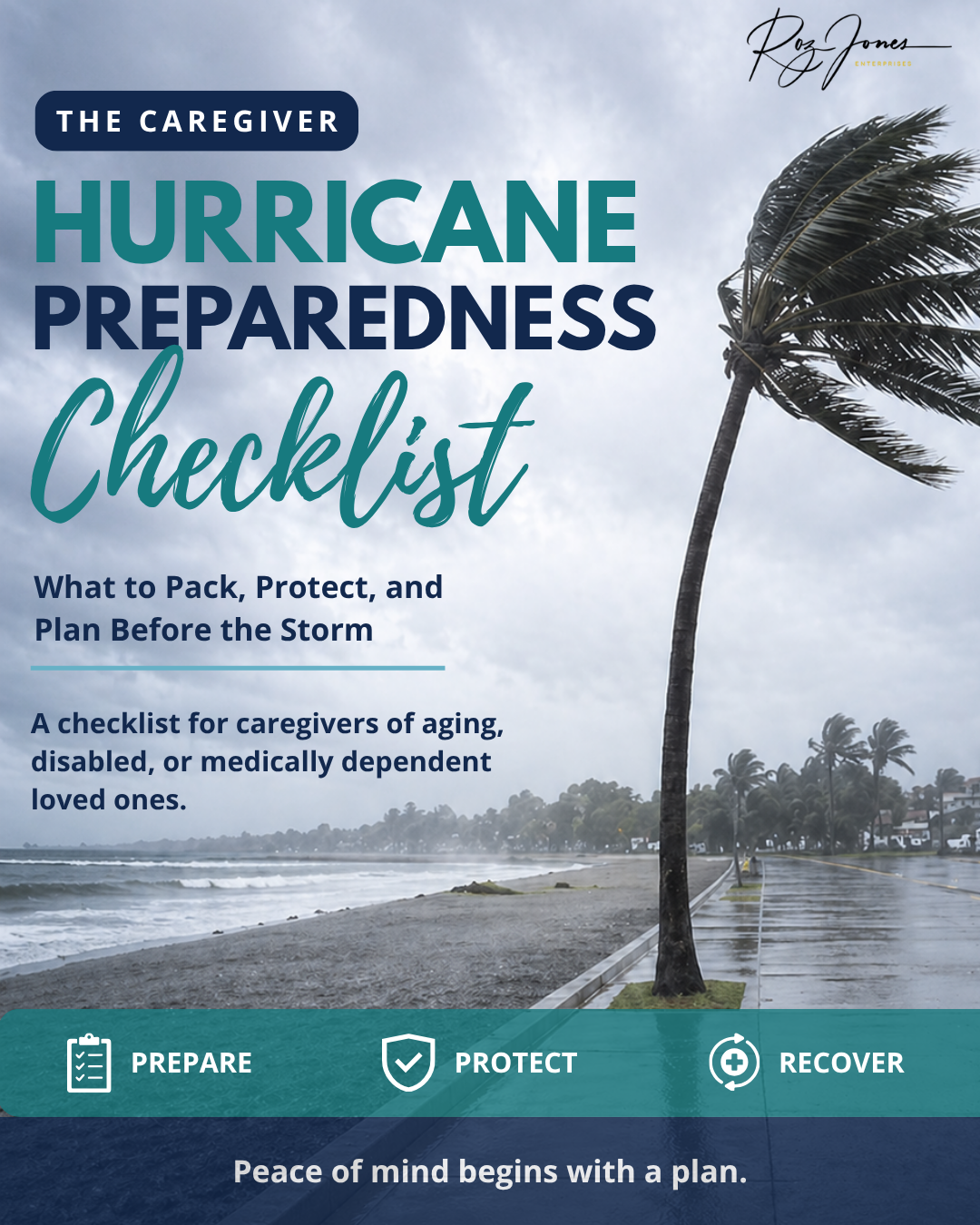
The Caregiver Hurricane Preparedness Checklist.

Are you preparing for hurricane season? Purchase the Caregiver Hurricane Preparedness Checklist to organize the information and supplies your family may need before severe weather arrives.

Subscribe to The Caregiver Cafe Weekly Newsletter!

Caregiving can be a roller coaster of ups and downs. The information that you will receive from The Caregiver Cafe Weekly Specials Newsletter will support you as a caregiver. Remember…

1. YOU ARE NOT ALONE: The problems you face as a caregiver are experienced by other caregivers. Knowing that you’re not alone can be comforting. 

2. Tools and Resources:  Find caregiver stress management tools and gain perspective from other caregiver’s experiences.

3. LEARN TO: Ask for help, accept help when it is offered, and acknowledge yourself on this caregiving journey. Hear from experts on how to balance caregiving responsibilities by taking care of your needs and involving others to help manage the natural stress and isolation of being a caregiver. 

Redefining Self-Care for Aging Loved Ones

By Roz Jones

Self-care remains important at every stage of life, but the way it is practiced often changes with age. For aging loved ones, wellness may no longer be centered around long days filled with activities, extensive exercise routines, or elaborate plans. Instead, self-care may involve protecting energy, maintaining meaningful connections, supporting physical abilities, getting adequate rest, and continuing to participate in the parts of life that provide comfort and purpose.

Relaxation can certainly include peaceful activities, but supporting well-being also requires attention to sleep, movement, social connection, independence, and the changing needs that often accompany aging.

Healthy aging is not about maintaining the exact routines or abilities a person had years ago. It is about creating opportunities for older adults to continue supporting their physical, mental, and social well-being in ways that reflect their health and abilities today. The Centers for Disease Control and Prevention continues to define healthy aging as maintaining physical, mental, and social health and well-being as people grow older.

Making Rest Part of Healthy Aging

Rest is sometimes treated as something that must be earned after everything else has been completed. For aging adults, however, adequate rest should be considered part of maintaining health rather than an interruption to productivity.

Changes in sleep patterns are common with age, but poor sleep should not automatically be dismissed as a normal part of getting older. Sleep supports physical recovery, cognitive functioning, mood, and overall health. Current CDC guidance recommends that adults age 65 and older generally receive seven to eight hours of sleep each day.

New CDC data released in April 2026 also showed that sleep challenges remain common among American adults. About three in ten adults reported sleeping fewer than seven hours, while approximately one in six reported difficulty falling asleep and one in five reported difficulty staying asleep.

For aging loved ones, persistent changes in sleep may deserve attention, particularly when they are accompanied by daytime fatigue, changes in mood, confusion, pain, frequent nighttime waking, or changes in medication. Caregivers can help by noticing patterns and sharing concerns with the appropriate healthcare professional rather than assuming sleep difficulties must simply be accepted.

A calm evening routine, comfortable sleeping environment, consistent schedule, and opportunities to wind down can become simple but meaningful parts of an older adult’s self-care routine.

Supporting Movement Without Creating Pressure

Physical activity continues to play an important role in healthy aging. It can support strength, balance, mobility, independence, sleep, and overall well-being. The National Institute on Aging notes that older adults can benefit from aerobic activity, muscle-strengthening exercises, and activities that improve balance.

Self-care through movement, however, should reflect the aging loved one’s abilities.

A person who once enjoyed long walks may now benefit from shorter walks throughout the day. Someone who cannot comfortably walk long distances may be able to participate in chair exercises, stretching, or another form of movement recommended by their healthcare team. Gardening, dancing, household activities, and other everyday movement may also contribute to an active lifestyle.

The emphasis should remain on maintaining function and enjoyment rather than meeting an unrealistic expectation.

Caregivers should also remain attentive to changes that affect safe movement. Arthritis, balance concerns, shortness of breath, dizziness, pain, medication changes, or recovery from illness may all influence what an aging loved one can safely do. Movement can remain part of self-care without becoming another area where an older adult feels pressured to perform.

Protecting Social and Emotional Well-Being

Self-care is not limited to what someone does alone.

Relationships, companionship, community involvement, and a sense of belonging remain important parts of well-being throughout aging. Yet older adults can become increasingly vulnerable to social isolation because of retirement, loss of a spouse or friends, health concerns, transportation limitations, hearing loss, decreased mobility, or living far from family.

The National Institute on Aging continues to warn that loneliness and social isolation can affect the physical, mental, cognitive, and emotional health of older adults. In June 2026, the agency released an updated outreach toolkit specifically designed to help older adults, caregivers, and healthcare professionals address these concerns.

Research supported by the National Institute on Aging has also strengthened concerns about the relationship between loneliness and cognitive health. A large analysis reported in 2025 found that feeling lonely was associated with a 31 percent increased risk of developing dementia.

Supporting social well-being does not require filling every day with activities. Regular conversations with family, visits with friends, participation in faith communities, senior programs, hobbies, volunteer opportunities, or simply spending time with familiar people can help an aging loved one remain connected.

The quality of the connection matters more than creating a busy social calendar.

Preserving Independence as Part of Self-Care

As caregiving responsibilities increase, families may begin doing more for an aging loved one. Some assistance becomes necessary for safety, health, or daily functioning, but providing care should not automatically mean removing every opportunity for independence.

Being able to make choices can remain an important part of an older adult’s dignity and emotional well-being.

Self-care may include choosing what to wear, deciding what meal sounds appealing, selecting an activity, helping prepare part of a meal, participating in household routines, or deciding how to spend an afternoon.

The level of participation will naturally vary depending on physical and cognitive abilities. What matters is continuing to include the aging loved one in decisions whenever possible.

Caregiving should provide assistance where it is needed without unnecessarily taking over the areas where the person can still participate.

Self-Care Should Reflect the Individual

There is no universal self-care routine for aging adults.

Some people enjoy quiet mornings.

Others feel most energized when surrounded by family.

Some enjoy music, gardening, prayer, reading, exercise, or creative activities. Others may simply appreciate sitting outdoors or enjoying a familiar television program.

Health conditions also influence what relaxation and self-care look like. Someone living with dementia may respond well to familiar music and routines. A person with limited mobility may need activities that can be enjoyed while seated. Someone managing chronic pain may need more rest between activities. An aging loved one recovering from hospitalization may have entirely different needs than they had several months earlier.

Self-care is most effective when it is responsive rather than prescribed.

Families can pay attention to what leaves their loved one feeling comfortable, connected, interested, or refreshed and build from there.

Supporting Wellness Without Taking Over

Caregivers can play an important role in encouraging healthy habits, but aging loved ones should remain active participants in their own well-being whenever possible.

Instead of creating an entire self-care schedule for someone, families can provide choices and remove barriers that make participation difficult. Transportation may make it possible to attend a favorite activity. An accessible chair may make sitting outdoors more comfortable. A phone or tablet may make it easier to communicate with distant relatives. Assistance preparing a meal may allow an aging loved one to continue participating in a familiar family tradition.

These adjustments allow support to complement independence rather than replace it.

They also recognize that well-being is not simply something caregivers provide to an aging loved one. It is something families can help make possible.

Allowing Self-Care to Evolve With Age

In Nurturing Self-Care Elegance for Our Aging Loved Ones on National Relaxation Day, we explored activities such as enjoying peaceful mornings, spending time in nature, journaling, listening to music, and incorporating gentle movement into the day.

Those activities can continue to provide meaningful opportunities for relaxation.

What becomes increasingly important as loved ones age is allowing those practices to evolve.

The morning walk may become time sitting outdoors. Journaling may become recording memories or telling stories to a family member. Exercise may become a gentle movement based on current abilities. A favorite social activity may require transportation or additional assistance.

The form may change while the purpose remains the same.

Self-care for aging loved ones is ultimately about supporting quality of life. Rest, movement, social connection, independence, emotional well-being, and meaningful activities all contribute to a broader understanding of wellness.

As care needs evolve, families can continue creating opportunities for their aging loved ones to rest, participate, connect, and experience the parts of life that continue to bring comfort and meaning.

Prepare for Your Next Trip

Planning to travel with an aging loved one? Download the free Vacationing with an Aging Loved One Checklist to help you prepare for medications, mobility needs, comfort, safety, and unexpected changes.

Tune in to The Caregiver Café Podcast

Coping Tips For the Overwhelmed Caregiver

In this episode of The Caregiver Café with Roz Jones, Roz is talking about something many caregivers know all too well: feeling overwhelmed while caring for an aging loved one.

Caregiving can be an all-consuming and demanding role. Between doctor’s appointments, medications, meals, daily routines, work responsibilities, and trying to care for yourself, it can start to feel like too much. But Roz reminds caregivers that overwhelm does not always mean you are failing. Sometimes it means you need a better system, more support, and a little more preparation.

Roz breaks down practical coping tips caregivers can use to reduce stress and create more breathing room in their day. She talks about the power of routines, using a calendar or planner, writing down appointments, preparing in advance, and building in extra time so caregivers are not always rushing from one thing to the next.

Give Yourself a Moment of Grace

Caregiving includes demanding days, unexpected changes, and moments of connection that may be easy to overlook. Moments of Grace offers encouragement to caregivers who need a reminder to pause and recognize the meaningful moments along the journey.

Preparing for hurricane season?

The Caregiver Hurricane Preparedness Checklist.

Are you preparing for hurricane season? Purchase the Caregiver Hurricane Preparedness Checklist to organize the information and supplies your family may need before severe weather arrives.

Subscribe to The Caregiver Cafe Weekly Newsletter!

Caregiving can be a roller coaster of ups and downs. The information that you will receive from The Caregiver Cafe Weekly Specials Newsletter will support you as a caregiver. Remember…

1. YOU ARE NOT ALONE: The problems you face as a caregiver are experienced by other caregivers. Knowing that you’re not alone can be comforting. 

2. Tools and Resources:  Find caregiver stress management tools and gain perspective from other caregiver’s experiences.

3. LEARN TO: Ask for help, accept help when it is offered, and acknowledge yourself on this caregiving journey. Hear from experts on how to balance caregiving responsibilities by taking care of your needs and involving others to help manage the natural stress and isolation of being a caregiver. 

Rest Can Look Different as Care Needs Change

By Roz Jones

Relaxation can become increasingly difficult to define as caregiving responsibilities change. Activities that once felt restorative may no longer fit an aging loved one’s physical abilities, energy level, health needs, or daily routine. At the same time, caregivers may discover that their own opportunities for rest have become more limited as the level of assistance they provide increases.

For caregivers and aging loved ones, maintaining well-being often requires adjusting expectations around what relaxation should look like. A meaningful experience does not have to involve a full day away from home, an elaborate activity, or a carefully planned outing. Relaxation can be incorporated into everyday life in ways that consider current abilities, preferences, health concerns, and the caregiver’s capacity.

As aging changes the caregiving relationship, relaxation can change with it.

Adapting Activities to Changing Abilities

Many older adults experience changes in strength, mobility, balance, endurance, hearing, vision, or cognition over time. These changes can affect how comfortably they participate in activities that were once part of their regular routine.

A long walk through a park may eventually require a shorter route with accessible seating. An afternoon outing may work better when scheduled earlier in the day, when energy levels are higher. Large family gatherings may become tiring, making smaller visits more enjoyable. Even familiar activities may need modifications as health conditions or physical limitations develop.

Adapting an activity does not reduce its value. In many cases, those adjustments allow an aging loved one to continue participating in experiences they enjoy without creating unnecessary physical strain.

Physical activity can remain an important part of healthy aging when it is appropriate for the individual. Current public health guidance continues to emphasize aerobic activity, muscle strengthening, and activities that support balance for adults age 65 and older. However, health conditions and individual abilities should always be considered when determining what type and level of activity are appropriate.

The purpose of movement should not be to force an aging loved one to maintain the abilities they had years ago. It should support mobility, independence, comfort, and quality of life at the level that is appropriate now.

Finding Rest in Familiar Activities

Relaxation is often associated with vacations, spa days, meditation, or other activities intentionally set aside for rest. While these experiences can be beneficial, they are not the only ways caregivers and aging loved ones can create restorative moments.

Familiar activities can provide comfort without requiring extensive preparation. Listening to favorite music, watching a familiar television program, sitting outdoors, completing a puzzle, looking through family photographs, tending to plants, or preparing a simple meal can offer opportunities for enjoyment and connection.

These quieter activities can become especially valuable when leaving home requires significant preparation or when an aging loved one tires easily.

Familiarity can also provide emotional comfort as other parts of life change. Favorite routines, foods, music, photographs, and traditions can preserve a sense of continuity when health concerns or caregiving needs begin changing the structure of everyday life.

For individuals living with dementia or other forms of cognitive decline, familiar experiences may also provide opportunities for engagement without requiring them to recall specific information or complete complicated tasks.

Preserving Social Connection During Aging

Changes in health and independence can gradually affect an aging loved one’s social life. Retirement, loss of friends or a spouse, transportation difficulties, chronic illness, hearing or vision changes, and decreased mobility can all reduce opportunities for regular interaction with other people.

Social connection remains an important part of healthy aging. The National Institute on Aging continues to identify loneliness and social isolation among older adults as health concerns associated with increased risks for conditions including depression, heart disease, and cognitive decline.

Maintaining connection does not require a crowded social calendar. Small and familiar interactions may be more comfortable for an aging loved one who tires easily or becomes overwhelmed in large groups.

Visits with family members, conversations with friends, activities through a faith community, senior programs, adult day services, or other community-based opportunities can help older adults remain connected. Phone calls and video conversations may also provide additional connection for individuals who cannot easily leave home.

Social activities are most beneficial when they reflect the aging loved one’s interests, personality, and comfort level rather than becoming another responsibility added to the caregiving schedule.

Making Room for the Relationship Beyond Caregiving

As an aging loved one begins requiring more assistance, the relationship between caregiver and care recipient can gradually become centered around tasks.

Conversations may revolve around medications, appointments, meals, transportation, symptoms, and upcoming responsibilities. Time together can begin to feel structured around what needs to be completed rather than the relationship that existed before caregiving became necessary.

Shared relaxation can create opportunities to reconnect outside of those responsibilities.

Watching a favorite movie together, preparing a family recipe, sitting outdoors, listening to music, or looking through photographs can provide moments when the caregiver is not simply providing care and the aging loved one is not simply receiving it.

Those moments can help preserve parts of the relationship that caregiving responsibilities may otherwise overshadow.

A caregiver may still be a daughter, son, spouse, sibling, grandchild, or friend. An aging loved one remains more than the collection of health concerns that now require assistance.

Creating room for enjoyable experiences can help both people remember that.

Recognizing the Caregiver’s Need for Restoration

Caregiver wellness must remain part of the conversation about relaxation.

Family caregivers frequently manage responsibilities beyond hands-on care. Medical appointments, medication management, transportation, household responsibilities, meals, finances, family communication, and coordination with healthcare providers can all become part of the caregiving workload.

Adding elaborate activities intended to promote relaxation can sometimes create another responsibility rather than relieve one.

Caregivers do not need to create the perfect experience for an aging loved one every time they spend time together. Relaxation should not become another caregiving standard that must be met.

There may be days when a simple activity at home is enough. There may be days when an aging loved one prefers to rest rather than participate in an outing. There may also be times when the caregiver needs another person to provide companionship or supervision so they can step away.

Respite care, adult day programs, family assistance, community services, and other forms of caregiver support can provide opportunities for caregivers to restore their own energy while ensuring their loved one continues receiving appropriate care.

The National Family Caregiver Support Program continues to support services for family caregivers in 2026, including respite care, counseling, caregiver education, information, and assistance accessing available resources. Local aging agencies and Aging and Disability Resource Centers can also help families identify programs available within their communities.

Rest should not be reserved for the point when a caregiver has nothing left to give.

Letting Relaxation Reflect the Present

One of the more difficult adjustments in caregiving can be accepting that an aging loved one may no longer be able to participate in activities exactly as they once did.

Families may remember vacations they enjoyed together, long afternoons shopping, favorite restaurants, community events, or traditions that once required little planning. Changes in mobility, stamina, cognition, or health can make those same experiences more difficult.

Continuing to pursue meaningful experiences does not require recreating the past.

A favorite restaurant meal can become takeout at home. A long afternoon outdoors can become an hour on the porch or in a nearby park. A family celebration can become a smaller gathering. Travel can become a local day trip. Activities can become shorter, simpler, and more accessible while still preserving the parts that matter most.

Allowing relaxation to evolve helps families focus on what remains possible instead of measuring every experience against what an aging loved one used to be able to do.

Creating Meaningful Rest in Every Season of Care

In Embracing Elegance and Ease: Unwind with Graceful Relaxation Ideas for Caregivers and Aging Loved Ones, we explored shared activities such as mindfulness, meals, time outdoors, creative expression, and other ways caregivers and aging loved ones can make room for relaxation.

Those ideas can continue to support connection and well-being, but they may need to change as the caregiving journey progresses.

Meaningful relaxation is not determined by how elaborate an activity is or how closely it resembles what a family enjoyed in the past. It is determined by whether the experience supports the aging loved one’s current abilities, provides genuine enjoyment or comfort, and fits within the caregiver’s capacity.

Caregiving changes with time. Health changes. Energy changes. Independence changes. Family routines change.

Rest can change too.

Creating space for relaxation means allowing those moments to reflect the life, abilities, and needs that exist now while continuing to preserve connection, dignity, and quality of life for both the caregiver and the aging loved one.

Prepare for Your Next Trip

Planning to travel with an aging loved one? Download the free Vacationing with an Aging Loved One Checklist to help you prepare for medications, mobility needs, comfort, safety, and unexpected changes.

Tune in to The Caregiver Café Podcast

Coping Tips For the Overwhelmed Caregiver

In this episode of The Caregiver Café with Roz Jones, Roz is talking about something many caregivers know all too well: feeling overwhelmed while caring for an aging loved one.

Caregiving can be an all-consuming and demanding role. Between doctor’s appointments, medications, meals, daily routines, work responsibilities, and trying to care for yourself, it can start to feel like too much. But Roz reminds caregivers that overwhelm does not always mean you are failing. Sometimes it means you need a better system, more support, and a little more preparation.

Roz breaks down practical coping tips caregivers can use to reduce stress and create more breathing room in their day. She talks about the power of routines, using a calendar or planner, writing down appointments, preparing in advance, and building in extra time so caregivers are not always rushing from one thing to the next.

Give Yourself a Moment of Grace

Caregiving includes demanding days, unexpected changes, and moments of connection that may be easy to overlook. Moments of Grace offers encouragement to caregivers who need a reminder to pause and recognize the meaningful moments along the journey.

Preparing for hurricane season?

The Caregiver Hurricane Preparedness Checklist.

Are you preparing for hurricane season? Purchase the Caregiver Hurricane Preparedness Checklist to organize the information and supplies your family may need before severe weather arrives.

Subscribe to The Caregiver Cafe Weekly Newsletter!

Caregiving can be a roller coaster of ups and downs. The information that you will receive from The Caregiver Cafe Weekly Specials Newsletter will support you as a caregiver. Remember…

1. YOU ARE NOT ALONE: The problems you face as a caregiver are experienced by other caregivers. Knowing that you’re not alone can be comforting. 

2. Tools and Resources:  Find caregiver stress management tools and gain perspective from other caregiver’s experiences.

3. LEARN TO: Ask for help, accept help when it is offered, and acknowledge yourself on this caregiving journey. Hear from experts on how to balance caregiving responsibilities by taking care of your needs and involving others to help manage the natural stress and isolation of being a caregiver. 

Creating Calm in a Caregiving Home

By Roz Jones

Creating a peaceful caregiving environment involves more than finding time for meditation, relaxation, or an occasional break. The physical environment itself can have a significant impact on how caregivers and aging loved ones move through their daily routines. When a home becomes crowded with medical supplies, paperwork, mobility equipment, medications, household responsibilities, and reminders of everything that still needs to be completed, that environment can contribute to an already demanding caregiving experience.

For caregivers of aging loved ones, reducing household chaos is not about maintaining a perfectly organized home. It is about creating an environment that supports safety, accessibility, comfort, and more manageable caregiving routines. As an aging loved one’s needs change, the home may need to change with them.

Creating a Safer Environment for Aging Loved Ones

Clutter can become more than an organizational concern when an aging loved one experiences changes in mobility, balance, vision, strength, or cognition. Items that were once easy to navigate around may eventually become obstacles that increase the risk of falls or injury.

The National Institute on Aging recommends evaluating the homes of older adults for safety and accessibility, particularly for those who plan to remain at home as they age. Loose rugs, electrical cords, unnecessary furniture, poor lighting, and crowded pathways are among the household concerns families may need to address.

These changes do not always require major renovations. Creating wider pathways between furniture, keeping frequently traveled areas clear, improving lighting, and relocating objects that create tripping hazards can make everyday movement easier and safer.

Caregivers should periodically reassess the home as their loved one’s abilities change. A room arrangement that worked several years ago may no longer support someone who now uses a walker, wheelchair, or other mobility device.

Organizing the Information That Comes With Caregiving

Caregiving often generates an enormous amount of information. Medication lists, insurance documents, medical records, appointment instructions, emergency contacts, care plans, and information from multiple healthcare providers can quickly become scattered throughout the home.

Creating a consistent system for caregiving information can make daily responsibilities easier to manage. Important documents can be stored in one designated location, while frequently used medical or personal care supplies can be organized where they are easily accessible to the people providing care.

This becomes particularly important when caregiving responsibilities are shared. A family member, respite caregiver, home health aide, or other support person should be able to locate essential information without depending entirely on the primary caregiver.

Medication organization also deserves careful attention. Aging loved ones experiencing dementia or other cognitive changes may require additional safeguards around medications and potentially dangerous household items. As abilities change, storage systems may need to change as well.

An organized caregiving system does not need to be elaborate. It needs to be consistent, understandable, and easy for the people involved in the care plan to use.

Reducing Clutter Without Removing Familiarity

Decluttering the home of an aging loved one requires sensitivity.

A home is more than a collection of furniture and belongings. Photographs, artwork, books, decorations, and keepsakes often hold decades of memories. Removing too much in the name of organization can leave an aging loved one feeling as though control over their own environment is disappearing.

The goal should be to reduce unnecessary clutter while preserving the familiar items that provide comfort and connection.

Frequently used areas can remain functional without becoming sterile. Dining tables can be kept clear enough for meals and medication routines while still displaying meaningful items. Glasses, hearing aids, mobility devices, keys, and other frequently used belongings can be assigned consistent locations to reduce unnecessary searching.

Consistency can become especially valuable for aging loved ones experiencing memory changes. Familiar surroundings and predictable locations for everyday items may help reduce confusion while allowing the home to continue feeling personal.

Household Chaos Can Include the Calendar

Physical clutter is only one form of chaos caregivers manage.

Medical appointments, prescription refills, grocery shopping, transportation, meal preparation, household maintenance, family communication, and personal responsibilities can create a caregiving calendar that feels just as crowded as the home.

Caregivers may also be balancing employment, parenting, their own medical needs, relationships, or responsibilities for more than one aging loved one. The Centers for Disease Control and Prevention continues to recognize that caregiving can affect physical, emotional, psychological, and financial well-being.

Reducing this type of chaos may require examining which responsibilities can be combined, delegated, rescheduled, or removed altogether.

Medical appointments might be coordinated when possible. Another family member may be able to handle transportation or prescription pickups. Grocery delivery or meal preparation assistance may reduce another recurring responsibility. Family updates can be shared through one designated person or communication system rather than requiring the primary caregiver to repeatedly provide the same information.

A calmer caregiving routine is often created by simplifying what must be managed rather than becoming more efficient at managing an unreasonable number of responsibilities.

Protecting Space for the Caregiver

When caregiving takes place at home, the boundaries between caregiving and personal life can gradually disappear. Medical supplies may occupy one room, paperwork another, and reminders of upcoming responsibilities may be visible throughout the house.

Creating even a small area that is not centered around caregiving can provide an important separation.

This does not require a dedicated room. A comfortable chair, a corner of a bedroom, a porch, or another small area can become a space where caregiving paperwork and supplies are intentionally kept away.

Having a place to read, pray, journal, listen to music, enjoy a cup of coffee, or simply sit without completing another caregiving task can help the home continue to serve the caregiver as well as the person receiving care.

Rest should not always require leaving the house.

Sharing Household Responsibilities Is Caregiver Support

Household tasks are often treated as separate from caregiving, but they directly affect caregiver capacity.

Laundry, cleaning, meals, grocery shopping, errands, and household maintenance require time and energy. When the primary caregiver becomes responsible for all of those tasks in addition to providing hands-on care, the workload can become increasingly difficult to sustain.

Family members and other supporters do not necessarily need caregiving experience to provide meaningful help. Preparing meals, handling laundry, purchasing groceries, organizing supplies, completing errands, or spending time with an aging loved one can remove responsibilities from the primary caregiver’s workload.

Community resources can also become part of the support plan. Depending on eligibility and location, caregivers may have access to respite services, adult day programs, aging services, home care programs, transportation resources, caregiver education, or support groups.

Veterans and their caregivers may also have access to additional assistance through the Department of Veterans Affairs. In 2026, the VA Caregiver Support Program continues to provide services that can include caregiver education, coaching, peer support, referrals, and respite-related resources for eligible veterans and families.

Maintaining the Aging Loved One’s Role in the Home

Creating a safer and more organized caregiving environment should not mean taking control of the home away from the aging loved one.

Whenever possible, changes should include their participation.

Decisions about removing belongings, rearranging furniture, organizing personal items, or changing familiar routines should consider both safety and personal preference. An aging loved one may agree that a walkway needs to be cleared while still wanting certain photographs, furniture, or meaningful belongings nearby.

Those preferences matter.

A caregiving environment can become safer without becoming clinical. It can become more organized without losing its warmth. Most importantly, an aging loved one should still be able to recognize the space as their home.

Creating Calm Through the Caregiving Environment

In Calm & Chaos: Cleaning up Chaos to Induce Calm, we explored activities caregivers and aging loved ones can share to encourage relaxation, including meditation, nature walks, creative expression, gentle movement, storytelling, and intentional moments of rest.

Those activities can continue to play an important role in caregiver wellness.

Creating calm, however, also requires looking at the environment and systems surrounding caregiving. A safer walkway, an organized location for medications and paperwork, a more manageable schedule, clearly divided household responsibilities, and space for the caregiver to rest can reduce some of the unnecessary pressure surrounding everyday care.

Caregiving will always include responsibilities that cannot simply be organized away. Aging brings changes that families cannot always predict or control.

What families can do is create an environment that responds to those changes with greater intention.

Reducing chaos is not about creating the perfect home or the perfect caregiving routine. It is about removing unnecessary barriers so that the home continues to support the aging loved one’s safety and dignity while also protecting the caregiver’s ability to provide care.

Prepare for Your Next Trip

Planning to travel with an aging loved one? Download the free Vacationing with an Aging Loved One Checklist to help you prepare for medications, mobility needs, comfort, safety, and unexpected changes.

Tune in to The Caregiver Café Podcast

Coping Tips for the Overwhelmed Caregiver

In this episode of The Caregiver Café with Roz Jones, Roz is talking about something many caregivers know all too well: feeling overwhelmed while caring for an aging loved one.

Caregiving can be an all-consuming and demanding role. Between doctor’s appointments, medications, meals, daily routines, work responsibilities, and trying to care for yourself, it can start to feel like too much. But Roz reminds caregivers that overwhelm does not always mean you are failing. Sometimes it means you need a better system, more support, and a little more preparation.

Roz breaks down practical coping tips caregivers can use to reduce stress and create more breathing room in their day. She talks about the power of routines, using a calendar or planner, writing down appointments, preparing in advance, and building in extra time so caregivers are not always rushing from one thing to the next.

Give Yourself a Moment of Grace

Caregiving includes demanding days, unexpected changes, and moments of connection that may be easy to overlook. Moments of Grace offers encouragement to caregivers who need a reminder to pause and recognize the meaningful moments along the journey.

Preparing for hurricane season?

The Caregiver Hurricane Preparedness Checklist.

Are you preparing for hurricane season? Purchase the Caregiver Hurricane Preparedness Checklist to organize the information and supplies your family may need before severe weather arrives.

Subscribe to The Caregiver Cafe Weekly Newsletter!

Caregiving can be a roller coaster of ups and downs. The information that you will receive from The Caregiver Cafe Weekly Specials Newsletter will support you as a caregiver. Remember…

1. YOU ARE NOT ALONE: The problems you face as a caregiver are experienced by other caregivers. Knowing that you’re not alone can be comforting. 

2. Tools and Resources:  Find caregiver stress management tools and gain perspective from other caregiver’s experiences.

3. LEARN TO: Ask for help, accept help when it is offered, and acknowledge yourself on this caregiving journey. Hear from experts on how to balance caregiving responsibilities by taking care of your needs and involving others to help manage the natural stress and isolation of being a caregiver. 

VA Respite Care Options Aging Veteran Caregivers Should Know About

By Roz Jones

Caring for an aging veteran often becomes more complex as health, mobility, memory, and daily living needs change. What may have started as helping with transportation or managing appointments can gradually expand into assistance with medications, bathing, dressing, meals, mobility, supervision, and other responsibilities.

For family caregivers, those changes can make it increasingly difficult to step away from caregiving, even for a few hours.

Respite care remains one of the resources available through the Department of Veterans Affairs to help eligible veterans receive short-term support while their family caregiver takes a needed break. In 2026, VA respite care is not limited to a hospital or nursing facility. Depending on eligibility, clinical need, local availability, and the services offered through the veteran’s VA health care system, respite may take place in the veteran’s home, through an adult day health care program, or in a nursing home setting.

Understanding these options can help families build respite into the care plan before caregiver exhaustion makes temporary relief an urgent need.

Respite Care Can Follow the Veteran’s Changing Needs

Aging does not look the same for every veteran.

One veteran may remain largely independent but need supervision because of memory loss. Another may need help with bathing, dressing, preparing meals, or safely moving throughout the home. Some families may be managing several chronic conditions at the same time.

VA respite care is intended for veterans whose care needs make additional support necessary, including veterans who need assistance with activities of daily living, experience isolation, or have caregivers experiencing significant caregiver burden. VA also allows respite care to be used alongside other home and community-based services.

This is important for caregivers of aging loved ones because respite does not have to replace the existing care plan.

It can become one part of it.

A veteran may already receive home health services, attend an adult day program, or receive other support through the VA. Respite care may provide another layer of assistance when the primary caregiver needs time away.

Home Respite Care Can Help Veterans Remain in Familiar Surroundings

For some aging veterans, remaining at home during a caregiver’s absence may be the most comfortable option.

VA home respite care may allow a paid home health aide to come into the veteran’s home while the caregiver attends appointments, handles errands, spends time with family, or simply takes time away from caregiving responsibilities. Another option may be for the veteran to attend an adult day health care program while the caregiver has time away from the home.

For veterans living with dementia, mobility limitations, or other conditions that can make unfamiliar environments difficult, having care provided in or near familiar surroundings may help reduce disruption.

Adult Day Health Care can also provide more than supervision. VA describes these programs as offering social activities, companionship, recreation, care, and support during the day.

For an aging loved one who has become increasingly isolated at home, that additional social connection may become an important part of maintaining quality of life.

Nursing Home Respite Can Support Longer Caregiver Breaks

There are times when several hours of respite are not enough.

A caregiver may need to travel.

They may need surgery or medical treatment of their own.

A family emergency may require them to leave town.

They may simply need several consecutive days to recover from the physical and emotional demands of caregiving.

Nursing home respite care allows an eligible veteran to temporarily stay in a VA Community Living Center or participating community nursing home while the caregiver is away. VA recommends scheduling this type of respite in advance, and availability can vary depending on location.

As of 2026, VA nursing home respite care is available for a maximum of 30 days per calendar year for veterans who meet the requirements for the service.

That does not mean every caregiver has to use those days at one time.

Families can work with the veteran’s VA care team to better understand how available respite services may fit their particular situation.

VA Respite Care Is Based on More Than Veteran Status

One important distinction for caregivers is that being a veteran does not automatically guarantee access to every respite option.

According to the VA, enrolled veterans may be eligible for respite care when they meet the clinical criteria for the service and the service is available in their area. When respite is provided through a community agency, adult day health care center, or community nursing home, the veteran must also meet VA community care eligibility requirements.

This makes communication with the veteran’s VA social worker, case manager, primary care team, or Caregiver Support Team especially important.

A caregiver should be prepared to discuss what assistance their aging loved one currently requires, how much care they are providing, whether the veteran can safely remain alone, and where caregiver strain is beginning to affect the household.

Those conversations help the VA care team determine what services may be appropriate.

The Program of Comprehensive Assistance for Family Caregivers Remains Important in 2026

Families caring for veterans with substantial personal care needs should also understand the Program of Comprehensive Assistance for Family Caregivers, commonly known as PCAFC.

In 2026, qualifying veterans must generally be enrolled in VA health care, have a VA disability rating of at least 70%, and require at least six months of continuous, in-person personal care services. Those services may involve everyday needs such as feeding, bathing, dressing, safety, protection, or instruction within the veteran’s daily environment.

Eligible veterans may designate one Primary Family Caregiver and up to two Secondary Family Caregivers.

Primary Family Caregivers may receive additional support through the program, including a monthly stipend, certain health care benefits, mental health support, legal and financial planning assistance related to the veteran’s needs, and at least 30 days of respite care each year.

Families who do not qualify for PCAFC should not assume that all caregiver support is unavailable. VA also offers the Program of General Caregiver Support Services and other resources for caregivers of veterans enrolled in VA health care.

Caregivers Should Also Ask About the Cost

Respite care through the VA is not always automatically free.

In 2026, the VA states that geriatric and extended care services generally do not require a copay for the first 21 days of care within a 12-month period. Beginning with the 22nd day, costs may depend on the type of care provided and financial information submitted through VA Form 10-10EC.

The current maximum copay listed by the VA is up to $97 per day for certain inpatient extended care services, which include overnight respite care, and up to $15 per day for certain outpatient services, including daily respite care. Actual costs depend on the veteran’s circumstances.

Before scheduling care, families should ask whether a copay will apply so there are no unexpected financial surprises.

Respite Should Become Part of Long-Term Care Planning

Many families begin exploring respite only after caregiving has become overwhelming.

For caregivers of aging veterans, it is better to begin the conversation earlier.

An aging loved one who currently needs only occasional assistance may require considerably more care later. Falls, cognitive decline, hospitalization, medication changes, loss of mobility, or progression of a chronic condition can quickly change what is manageable at home.

VA currently offers several home and community-based services that may support aging veterans, including Homemaker and Home Health Aide services, Adult Day Health Care, Home-Based Primary Care, skilled home health care, respite care, and other long-term care options.

Families do not have to wait until one caregiver can no longer meet every need before learning what is available.

That preparation is part of caregiving too.

In Understanding VA Benefits: Respite Care Eligibility for Veterans at Hospitals, we introduced respite care and the VA resources caregivers may be able to access. As veterans age and care needs become more complex, the next step is understanding how those benefits can fit into a broader plan for care at home, in the community, and during periods when the primary caregiver needs relief.

Respite care cannot remove every responsibility that comes with caring for an aging veteran.

What it can do is make sure one person is not expected to carry those responsibilities without relief.

Aging veterans deserve care that adapts as their needs change.

Their caregivers deserve a care plan that adapts too.

Prepare for Your Next Trip

Planning to travel with an aging loved one? Download the free Vacationing with an Aging Loved One Checklist to help you prepare for medications, mobility needs, comfort, safety, and unexpected changes.

Tune in to The Caregiver Café Podcast

Coping Tips for the Overwhelmed Caregiver

In this episode of The Caregiver Café with Roz Jones, Roz is talking about something many caregivers know all too well: feeling overwhelmed while caring for an aging loved one.

Caregiving can be an all-consuming and demanding role. Between doctor’s appointments, medications, meals, daily routines, work responsibilities, and trying to care for yourself, it can start to feel like too much. But Roz reminds caregivers that overwhelm does not always mean you are failing. Sometimes it means you need a better system, more support, and a little more preparation.

Roz breaks down practical coping tips caregivers can use to reduce stress and create more breathing room in their day. She talks about the power of routines, using a calendar or planner, writing down appointments, preparing in advance, and building in extra time so caregivers are not always rushing from one thing to the next.

Give Yourself a Moment of Grace

Caregiving includes demanding days, unexpected changes, and moments of connection that may be easy to overlook. Moments of Grace offers encouragement to caregivers who need a reminder to pause and recognize the meaningful moments along the journey.

Preparing for hurricane season?

The Caregiver Hurricane Preparedness Checklist.

Are you preparing for hurricane season? Purchase the Caregiver Hurricane Preparedness Checklist to organize the information and supplies your family may need before severe weather arrives.

Subscribe to The Caregiver Cafe Weekly Newsletter!

Caregiving can be a roller coaster of ups and downs. The information that you will receive from The Caregiver Cafe Weekly Specials Newsletter will support you as a caregiver. Remember…

1. YOU ARE NOT ALONE: The problems you face as a caregiver are experienced by other caregivers. Knowing that you’re not alone can be comforting. 

2. Tools and Resources:  Find caregiver stress management tools and gain perspective from other caregiver’s experiences.

3. LEARN TO: Ask for help, accept help when it is offered, and acknowledge yourself on this caregiving journey. Hear from experts on how to balance caregiving responsibilities by taking care of your needs and involving others to help manage the natural stress and isolation of being a caregiver.