Getting Started with Decluttering: Tips for Caregivers

By Roz Jones

As a caregiver, decluttering may seem like an overwhelming task. However, the benefits of a decluttered space can greatly improve your mental health and overall well-being. Here are some tips to help you get started:

  1. Start small: Begin by decluttering one small area at a time. This can be a drawer, a closet, or a shelf. This will help you feel less overwhelmed and will give you a sense of accomplishment as you complete each area.
  1. Create a plan: Make a plan of action for what you want to accomplish and how you will tackle each area. Write down your plan and set achievable goals for each day.
  1. Sort items: Sort items into piles of what you want to keep, donate, sell, or throw away. Be honest with yourself about what you truly need and what you can let go of.
  1. Use the “One In, One Out” rule: For every new item that enters your home, try to get rid of one item. This will help you maintain a clutter-free space and prevent future accumulation of items.
  1. Get help: Enlist the help of family members, friends, or a professional organizer to help you with the decluttering process. Having someone to hold you accountable and provide support can make the process much easier.

Remember, decluttering is not just about creating a clean space. It can greatly improve your mental health and overall well-being as a caregiver. So, take some time to declutter and enjoy the benefits of a clutter-free home!


“Transform Your Home Into a Sanctuary of Calm: Download Mental Health America’s ‘Healthy Home Environments’ Document Today!”
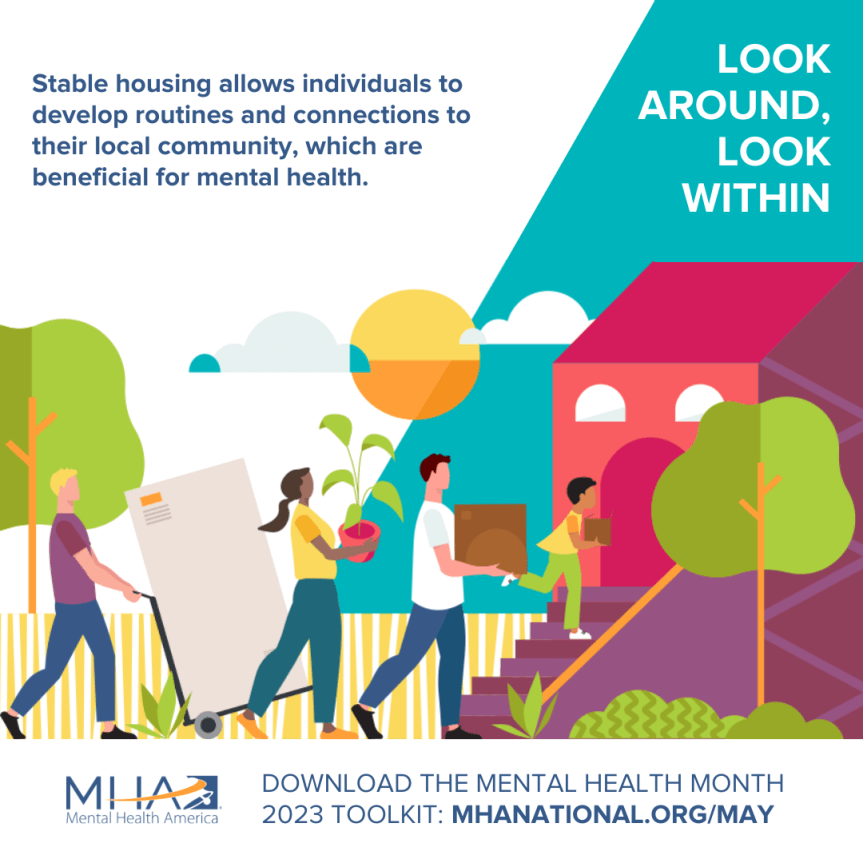
Are you looking for ways to improve your mental health and well-being? If so, we have just the thing for you! Mental Health America’s new document ‘Healthy Home Environments,” provides valuable insights into how you can optimize your living space to promote better mental health.

Whether you are living with a mental health condition or just looking for ways to enhance your overall well-being, this document offers practical tips and strategies that anyone can benefit from. From decluttering your space to incorporating natural elements, this document is packed with actionable steps you can take to transform your home into a sanctuary of calm and tranquility. Don’t miss out on this opportunity to improve your mental health and download “Healthy Home Environments” today!


Shop The Caregiver Cafe E-Commerce Store!

We founded The Caregiver Cafe Shopify Store with one simple goal: to help you experiment with your passion while at the same time providing amazing prices. We were tired of cookie-cutter stores with lackluster selections, and boring gifts. Instead of offering a huge unoriginal collection, we carefully curate just a few unique pieces perfectly suited for people the taste buds like you.

We focus on items that get you excited about shopping again, as we believe buying online should always be fun!


Subscribe to The Caregiver Cafe Weekly Newsletter!

Caregiving can be a roller coaster of ups and downs. The information that you will receive from The Caregiver Cafe Weekly Specials Newsletter will support you as a caregiver. Remember…

1. YOU ARE NOT ALONE: The problems you face as a caregiver are experienced by other caregivers. Knowing that you’re not alone can be comforting. 

2. Tools and Resources:  Find caregiver stress management tools and gain perspective from other caregivers’ experiences.

3. LEARN TO: Ask for help, accept help when it is offered, and acknowledge yourself on this caregiving journey. Hear from experts on how to balance caregiving responsibilities by taking care of your needs and involving others to help manage the natural stress and isolation of being a caregiver. 

The Benefits of Decluttering for Caregivers’ Mental Health

By Roz Jones

As a caregiver, your day-to-day life can be filled with numerous responsibilities, from taking care of your loved one to managing their finances and medication. With so much on your plate, it’s easy for clutter to accumulate, both physically and mentally. However, decluttering your space and your mind can have a significant impact on your overall mental health and well-being.

Here are some benefits of decluttering for caregivers:

  1. Reduces stress and anxiety: Clutter in your environment can make you feel overwhelmed and anxious. Removing unnecessary items from your surroundings can create a sense of calm and peace, allowing you to focus on your caregiving responsibilities with a clear mind.
  1. Increases productivity: A clutter-free environment can improve your focus and boost productivity. You’ll be able to find things easily, and won’t waste time searching for misplaced items.
  1. Improves physical health: A clutter-free space can also improve your physical health by reducing allergens and dust. It can also make it easier to maintain a clean and healthy living environment for your loved one.
  1. Creates a sense of accomplishment: Decluttering can be a challenging task, but completing it can provide a sense of accomplishment and boost your self-esteem. It can also give you a sense of control in a situation where you may feel overwhelmed.
  1. Improves mood and overall well-being: A clean and organized environment can have a positive impact on your mood and overall well-being. It can also improve your loved one’s mood, making it a win-win situation.

Decluttering is an essential aspect of self-care for caregivers. By taking the time to declutter your space and your mind, you can improve your mental health, increase productivity, and create a sense of calm in your caregiving journey.


May is Mental Health Month: Take Control of Your Mental Health with 31 Daily Tips

Mental Health America is proud to announce May as Mental Health Month, a time to prioritize and take control of your well-being. This year’s theme is Take Some Time To Look Around, Look Within emphasizing the importance of creating a supportive and uplifting environment for yourself and those around you. To help you achieve this goal, MHA has created a daily calendar with 31 tips for improving your mental health for the month.

Whether you’re struggling with anxiety, depression, stress, or simply looking for ways to maintain a healthy mindset the Mental Health Calendar has something for everyone with each day featuring a different tip or activity to promote self-care, resilience, and positive thinking.

Download the Mental Health Calendar now to learn how to cultivate a more supportive and nurturing environment for yourself and your aging loved one, while also building stronger relationships with those around you!


Shop The Caregiver Cafe E-Commerce Store!

We founded The Caregiver Cafe Shopify Store with one simple goal: to help you experiment with your passion while at the same time providing amazing prices. We were tired of cookie-cutter stores with lackluster selections, and boring gifts. Instead of offering a huge unoriginal collection, we carefully curate just a few unique pieces perfectly suited for people the taste buds like you.

We focus on items that get you excited about shopping again, as we believe buying online should always be fun!


Subscribe to The Caregiver Cafe Weekly Newsletter!

Caregiving can be a roller coaster of ups and downs. The information that you will receive from The Caregiver Cafe Weekly Specials Newsletter will support you as a caregiver. Remember…

1. YOU ARE NOT ALONE: The problems you face as a caregiver are experienced by other caregivers. Knowing that you’re not alone can be comforting. 

2. Tools and Resources:  Find caregiver stress management tools and gain perspective from other caregivers’ experiences.

3. LEARN TO: Ask for help, accept help when it is offered, and acknowledge yourself on this caregiving journey. Hear from experts on how to balance caregiving responsibilities by taking care of your needs and involving others to help manage the natural stress and isolation of being a caregiver. 
A Caregiver’s Guide to Telehealth: Tips & Limitations of Telehealth for Your Clients & Loved Ones – Part 2

By Roz Jones


ATTENTION: MY INSTAGRAM ACCOUNT HAS BEEN HACKED!!!


I hate to inform you, however, my Instagram page, @rozjonesenterprises, has been hacked! These hackers have also created a FAKE duplicate Instagram Page, @rozjonesenterprise. If you receive or have received a message from either of these accounts, PLEASE DO NOT CLICK THE LINK provided nor engage with them! I kindly request for you to report the @rozjonesenterprise fake account.  I am in the process of working towards rectifying this situation, once it has been rectified I will be sure to let you know. I apologize, in advance, for any inconvenience it may cause you.


Telehealth has grown almost sevenfold since COVID-19 began to spread. While virtual doctor visits and remote monitoring devices could make medical care more convenient and accessible for any patient, your clients or Loved Ones may have the most to gain.

In March 2020, Medicare temporarily expanded coverage of telehealth services for most beneficiaries for office visits, preventive health screenings, and mental health services. At least some of these provisions may become permanent thanks to proposed legislation.

Find out how telehealth can help you, as a Caregiver, assist your clients or Loved Ones to maintain their independence and take care of their mental and physical health. Study this quick guide for those who want to see a doctor without leaving home.

Tips for Using Telehealth:

  1. Master technology. Virtual visits can be as simple as using the phone. Your client or Loved One may need some additional devices and apps. However, if they need help with the necessary technology, and you are unable to assist, ask the local senior center for assistance.
  2. Book an appointment. Maybe your client or Loved One already has scheduled visits through the patient portal at their doctor’s office or local hospital. If you need instructions, visit their website or call for assistance. Then, your client or Loved One just needs to log into the system a few minutes before their appointment starts.
  3. Provide information. Their doctor needs their input whether they see them online or face-to-face. Your client or Loved One may have to fill out forms and describe their symptoms. They may also be asked to send a picture of their rash or stick out their tongue on a video call.
  4. Ask their insurer. Medicare and private insurance have increased coverage for telehealth procedures. Still, it’s wise to double-check their insurance coverage first to avoid any unpleasant surprises.

Limitations on Telehealth:

  1. Maintain continuity. You may have heard the term continuity of care, which refers to your client or Loved One’s relationship with their health provider. Experts recommend that your client or Loved One consider telehealth a supplement rather than a replacement for conventional visits.
  2. Report unusual symptoms. New and sudden symptoms are another reason to call the doctor. Early diagnosis will help your client or Loved One to receive the correct treatment and increase their chances for recovery.
  3. Seek urgent care. Call 911 or go to the nearest emergency room when your client or Loved One needs immediate attention. That would include any signs of a heart attack or stroke.
  4. Prevent fraud. Telehealth can be safe and effective, but the usual rules for online safety apply. Guard your passwords and use secure internet connections.

Telehealth can help your client or Loved One to continue social distancing while receiving the medical care they need. Ask your client or Loved One’s doctor about which options are appropriate for them.

A Caregiver’s Guide to Telehealth: Benefits of Telehealth for Your Clients & Loved Ones – Part 1

By Roz Jones

Telehealth has grown almost sevenfold since COVID-19 began to spread. While virtual doctor visits and remote monitoring devices could make medical care more convenient and accessible for any patient, your clients or Loved Ones may have the most to gain.

In March 2020, Medicare temporarily expanded coverage of telehealth services for most beneficiaries for office visits, preventive health screenings, and mental health services. At least some of these provisions may become permanent thanks to proposed legislation.

Find out how telehealth can help you, as a Caregiver, assist your clients or Loved Ones to maintain their independence and take care of their mental and physical health. Study this quick guide for those who want to see a doctor without leaving home.

Benefits of Telehealth for Your Clients/Loved Ones:

  1. Enjoy more convenience. How far do you have to drive to the doctor’s office for your client/Loved One? With a virtual visit, you can forget about traffic and parking. Plus, if the doctor is busy, you can entertain yourself and your clientor Loved One at home instead of being stuck in the waiting room.
  2. Treat chronic conditions. Almost 80% of seniors have at least one chronic condition, according to the National Council on Aging. Telehealth is ideal for the ongoing care needed to manage the typical symptoms of diabetes, cancer, and other chronic issues.
  3. Access specialists. Depending on where your client or Loved One lives, they may be in for a long wait when a specialist is needed. Online care is more efficient, so it may speed up the process.
  4. Support caregivers. Telehealth is great for caregivers and can also assist you with daily needs. Monitoring devices can free up your time by performing some routine tasks, and counseling services can help reduce stress.
  5. Be proactive. Virtual care also empowers your clients or Loved Ones to play a greater role in staying healthy. For example, your client or Loved One has the ability to take their own blood pressure daily and upload the results.

Telehealth can help your client or Loved One to continue social distancing while receiving the medical care they need. Ask your client or Loved One’s doctor about which options are appropriate for them.

5 Ways Caregivers Can Use Technology to Protect Finances

By Roz Jones

If you’re a Caregiver, it’s important to stay aware of any actions that occur on your financial accounts. Technology can be a useful part of your plan to keep your money safe!

Use these strategies to take advantage of technology to protect your accounts:  

  1. Change your personal account passwords. If someone knows your passwords, it’s essential that you change them immediately.  
  1. Monitor accounts with online tools. Does your bank or other financial service offer apps and online tools to help you monitor accounts? These tools can send you automatic alerts about deposits, withdrawals, and other actions.
  • If someone makes a transaction that goes against your contract/client agreement, these tools will give you a record and help you keep track of it. You can use this information to inform your employer, lawyer, and judge.
  • These tools can also help you manage your own personal finances as well. Use them to keep a close watch on direct deposits, automatic withdrawals, and your balance.
  1. Monitor social media activity. In most cases, lawyers and judges are now using social media activity to make decisions about financial matters.  
  • Be careful about what you post on social media, particularly posts that have anything to do with money, your job, your clients, or any other personal information. Once you post something, it can always be copied and saved, so deleting it may not be enough to protect you. 
  1. Figure out how to handle joint accounts. Joint accounts are sometimes necessary for regular caregiving expenses including housekeeping and home care. It’s important for you and your client/Loved One to agree on how you’ll handle the joint account,  and how to use it during the duration of the contract/client agreement. For example, if your client needs immediate payment for medical care, you can use the joint account so you have immediate access to funds. 
  • For this joint account, you both may need online access to them.
  • Use the technology that your bank offers to monitor these joint accounts closely.
  1. Be aware of tracking software and tools available. For caregivers who are using joint accounts, it may be necessary to resort to using tracking software and tools. These tools can enable you and/or your client/Loved One to see and monitor financial activities. This includes financial activities that occur online or on your phone.
  • These technology tools can show up on your devices.
  • If you’re considering this option for your client or Loved One, it’s smart to consult your employer, or lawyer and check the local laws first. 
  • Be sure to keep track of all the software and programs you find on your devices. 

Being a Caregiver or being cared for can be a difficult time for both parties. It’s important to be proactive about protecting finances as you continue to provide care to your client or Loved One. Follow these tips and you’ll feel more secure about your finances!