Advanced Planning and Staying Connected to an Aging Loved One During a Hurricane

By Roz Jones

As caregivers of aging loved ones, it is crucial to have a well-thought-out emergency communication plan in place, especially during hurricane season. When severe weather strikes, staying connected with your aging loved ones becomes paramount. Whether your loved ones are evacuated or secured at home, or in a shelter, it is vital to be in communication with them. In this blog, we will discuss the importance of developing an emergency communication plan and provide practical guidance on creating a contact list, designating primary and secondary points of contact, utilizing technology for communication, and establishing a reliable communication system. By implementing these strategies, you can ensure the safety and well-being of your aging loved ones during a hurricane.

1. Create a Contact List:

Begin by compiling a comprehensive contact list that includes important phone numbers and addresses. Include the contact information for your aging loved ones, their healthcare providers, neighbors, close friends, and other family members. Ensure that this list is easily accessible and kept in both digital and physical formats.

2. Designate Primary and Secondary Points of Contact:

Identify individuals who will serve as primary and secondary points of contact during a hurricane. Discuss this with your aging loved ones and make sure they are aware of who to contact and in what order. Consider choosing individuals who are geographically distant from your location to minimize the risk of them being affected by the same weather event.

3. Utilize Technology for Communication:

Take advantage of technology to stay connected with your aging loved ones. Make sure you have their phone numbers saved on your mobile devices and enable emergency notifications. Explore the use of messaging apps, video calls, and social media platforms that can provide real-time updates and facilitate communication during an emergency. Also, consider investing in a backup power source, such as portable chargers or battery-powered devices, to ensure you can communicate even in the event of a power outage.

4. Establish a Reliable Communication System:

Set up regular check-in times with your aging loved ones before, during, and after a hurricane. Establish a communication routine that allows you to receive updates on their well-being and address any immediate concerns. Ensure that they know how to reach you and encourage them to communicate with you regularly, especially if they require assistance or encounter any emergencies.

5. Communicate with Local Authorities and Support Networks:

Stay informed about local emergency protocols and resources available in your area. Register your aging loved ones with local authorities, such as the Office of Emergency Management or a local senior services agency, to receive necessary assistance and support during a hurricane. Connect with local support networks, such as community organizations or caregiver support groups, to stay updated on available resources and receive additional guidance during emergencies.

Developing an emergency communication plan is vital for caregivers of aging loved ones. By creating a contact list, designating primary and secondary points of contact, utilizing technology, and establishing a reliable communication system, you can stay connected with your aging loved ones during a hurricane. Remember to stay informed about local emergency protocols and connect with local authorities and support networks for additional assistance. Being prepared and maintaining open lines of communication will contribute to the safety and well-being of your aging loved ones during challenging times.

Stay Ahead of the Storm: Download Your Free Expert Storm Guide Now!

Photo by ALTEREDSNAPS on Pexels.com

As we know, June โ€“ November is Hurricane Season. As a family caregiver, there are many ways to prepare your loved ones for it. Early preparation helps reduce opportunities for stress and anxiety as storms approach.

One of the best ways to prepare is by allowing your loved one to assist in packing their travel bag, checking their contact list, and ensuring there are adequate emergency supplies.

Participationโ€ฆ not isolationโ€ฆ goes a long way when preparing for major storms. This Seniors Storm Guide gives essential information to refer to again and again!


Stay Connected!

Do You Have a Family Emergency Plan? part 2

By Roz Jones

Continued from part one here!

Step 3 โ€“ Declare A Safe Meeting Spot Should You Be Required To Leave

Some natural disasters and man-made emergencies will require you to evacuate. Itโ€™s a good idea to come up with safe meeting spots well ahead of time. Meeting up with a relative who lives further inland for example is a good plan when a hurricane is approaching. 

Decide on a meeting spot and make sure each family member, including your children, knows where to meet up. You never know when disaster will strike and who may be where. If your kids are staying over at a friendโ€™s house or are at school, you want to make sure they know where to meet up with you if there is no way of getting them before you leave. 

Step 4 โ€“ Keep Emergency Contact Info On You At All Times 

Speaking of getting separated in an emergency, you never know what may happen, so itโ€™s a good idea to keep contact info on you at all times. This should include any and all cell phone numbers of immediate family, along with landline numbers for friends or relatives who live further away and who may be able to act as intermediaries. 

Itโ€™s also a good idea to exchange email addresses. Make sure you use web based emails that can be accessed from anywhere. During the hours after 9/11 it was almost impossible to make a phone call. Email became a way to communicate with phone lines overloaded. Text messaging may be another option when calls donโ€™t go through. 

Step 5 โ€“ Food, Water, And Medical Provisions 

Last but not least itโ€™s good to have some emergency rations on hand. Keep enough clean water, food and any medication you may need around to last for a few days. By then emergency personnel should hopefully have gotten to you. Again, the types of supplies and how long you should provision for will vary from family to family and emergency to emergency. Do what you can to be prepared. 

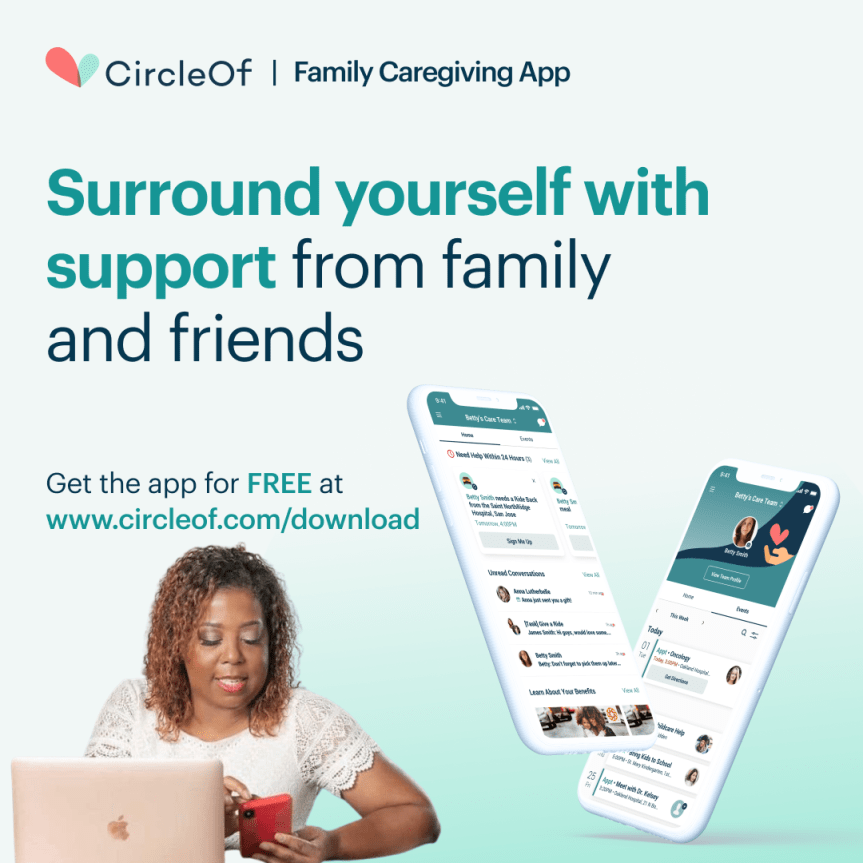
Itโ€™s here, I am so excited to share a new caregiver app called CircleOfโ€ฆ.This app will allow you to surround yourself with resources and experts from your community including ME!!!! As you are looking through the app, you will see my familiar face. Iโ€™m excited about this partnership and new ways to support you as you support your loved one. Hereโ€™s the link so you can explore the app. I would love your feedback and spread the word by sharing the link to family and friends.

Medicare Open Enrollment starts October 15th!

Navigating the Medicare Open Enrollment process can be confusing and difficult your first time, and I want to help out! For caregivers and their loved ones who are in need of advice and help planning their Medicare enrollment, Iโ€™m offering a discounted counseling session for just $97! Go to https://rozjonesent.com to sign up!

Interested in making your own contribution to the Caregiver Cafe? There are guest blog spots open for November and December. Email assistrozjones@gmail.com for more info!

Visit http://www.rozjonesent.com for more information on addressing mental health as a caregiver and check out my upcoming book!

Do You Have a Family Emergency Plan?

By Roz Jones

We have seen and heard about a lot of natural and man-made disasters recently. Some of them were on the news, while others may have hit a little closer to home. If you havenโ€™t already done so, now is a great time, as the weather gets colder and we are spending more time with family over the holidays, to come up with a family emergency plan. If you already have one in place, take a few minutes to review it and make sure everything is still up to date and ready to use. 

Step 1 โ€“ Be Aware Of The Emergencies You May Be Facing 

Start by figuring out and making a list of the natural emergencies and disasters you may be facing in your area. Preparing for a tornado is very different from preparing for a hurricane, an earthquake or a major snow storm. Be aware of the types of emergencies you may encounter and then read up on how to best prepare for each of them. This information will become the basis for your family emergency plan. 

Step 2 โ€“ Find A Safe Spot In The House 

If you are going to wait out a disaster or emergency in your home, itโ€™s a good time to find a designated safe spot. When the unexpected hits, you donโ€™t want to get overwhelmed and make a bad decision under stress. Think about the safest place now and make sure everyone in your household is aware of what and where that safe spot is. You can even stash a little emergency kit with a flashlight, emergency radio, and a bit of food and water on the spot just in case. How and where that place is will vary from home to home and emergency to emergency. Refer to your list and research from step one to make an educated decision. 

Look out for part two coming later this week!

Itโ€™s here, I am so excited to share a new caregiver app called Circleofโ€ฆ.This app will allow you to surround yourself with resources and experts from your community including ME!!!! As you are looking through the app, you will see my familiar face. Iโ€™m excited about this partnership and new ways to support you as you support your loved one. Hereโ€™s the link so you can explore the app. I would love your feedback and spread the word by sharing the link to family and friends.

Medicare Open Enrollment starts October 15th!

Navigating the Medicare Open Enrollment process can be confusing and difficult your first time, and I want to help out! For caregivers and their loved ones who are in need of advice and help planning their Medicare enrollment, Iโ€™m offering a discounted counseling session for just $97! Go to https://rozjonesent.com to sign up!

Interested in making your own contribution to the Caregiver Cafe? There are guest blog spots open for November and December. Email assistrozjones@gmail.com for more info!

Visit http://www.rozjonesent.com for more information on addressing mental health as a caregiver and check out my upcoming book!

Be Tough, Guard The Fruits Of Your Hard Labor

By Roz Jones

How many times have you thought โ€œWhere did all my money goโ€ after working hard on that project and making great profits? Probably countless times. A lot of people work extra hard, make sacrifices, and put in extra hours at work, only to fail to use their money wisely. They fail to manage their finances well and end up right where they began.

Recognize that managing your finances wisely is as important as waking up earlier than everyone else, putting in extra hours, and working hard to reach your money goals and guard the fruits of your hard work. 

Guarding and protecting your earnings ensures you continue reaching your aims and moving forward. So, donโ€™t neglect it.

5 Steps to Take to Ensure Your Hard-Earned Money Does Not Go to Waste.

  1. Plan ahead. 

   The most effective way of guarding your money and ensuring your hard work does not go to waste is planning. So, what do you intend to do with your earnings? How are you planning to save, spend, or invest? Having a plan in place while working toward your goals will make it easier for you to spend your money right. This is because when you know you are going to do ABC with what you make and save such and such an amount, your profits wonโ€™t go to waste. Therefore, come up with a plan, implement it, and stick to it when the money comes. 

  1. Plan to save. 

   Another smart way of protecting the fruits of your hard work is saving what you earn. So, before spending or thinking about how you are going to spend your money, know how much you can save. Make it a point to set aside a certain amount of what you earn weekly or monthly. Avoid withdrawing from your savings account when โ€œan emergencyโ€ comes. Be tough on yourself and only use that money when real emergencies come and you genuinely donโ€™t have another option. 

  1. Have a budget and stick to it.

   You will only effectively guard and enjoy the fruits of your labor by having a budget and sticking to it. So, avoid purchasing everything that catches your eye or spending money just because you can afford to. Remember how hard you worked to be where you are and keep an eye on your spending habits. Avoid impulse buying by tracking your finances and having a monthly budget. A budget will keep you on track and ensure you donโ€™t overspend or throw money down the drain.

Check back later this week for the last few steps in guarding the fruits of your labor!

Itโ€™s here, I am so excited to share a new caregiver app called Circleofโ€ฆ.This app will allow you to surround yourself with resources and experts from your community including ME!!!! As you are looking through the app, you will see my familiar face. Iโ€™m excited about this partnership and new ways to support you as you support your loved one. Hereโ€™s the link so you can explore the app. I would love your feedback and spread the word by sharing the link to family and friends.

Medicare Open Enrollment starts October 15th!

Navigating the Medicare Open Enrollment process can be confusing and difficult your first time, and I want to help out! For caregivers and their loved ones who are in need of advice and help planning their Medicare enrollment, Iโ€™m offering a discounted counseling session for just $97 through the end of October! Go to https://rozjonesent.com to sign up!

Interested in making your own contribution to the Caregiver Cafe? There are guest blog spots open for October, November, and December. Email assistrozjones@gmail.com for more info!

Visit http://www.rozjonesent.com for more information on addressing mental health as a caregiver and check out my upcoming book!

2 Legal Documents Everyone Needs Before They get Sick

By Roz Jones

Being ill is no fun. Neither is being unable to participate in making personal medical decisions. If you are unconscious or unable to articulate your consent for treatment, a medical provider or next of kin may have to make them for you. Preserving life is always the plan, but sometimes, believe it or not, you may not want that to be the plan. It is often easy to become overwhelmed and emotional when taking care of a loved one. Don’t let that stop you from preparing for the next steps. As a caregiver it’s important that we plan ahead for all circumstances.

Here are a few scenarios where life-saving measures might not be your first choice:

Scenario #1. A terminally ill patient with a disease like Parkinsonโ€™s or Alzheimerโ€™s may not want to be fed through a tube or given antibiotics after a certain stage of their disease.

Scenario #2. A brain-damaged individual who will have to live indefinitely outside of their home in a facility may not want to be on a breathing tube or dialysis or other artificial life-saving machines.

Scenario #3. Someone with a pacemaker or other device may want it removed if their condition worsens to a certain point.

Under certain circumstances, life-saving measures make perfect sense. When recovery is likely and quality of life is high, it is worth the effort and time it takes to recover or endure life-saving measures. However, there may be times or circumstances where a caregiver needs to draw a line in the medical sand.

There are two legal documents that will make it clear to providers and your family that you do not want measures taken and if you do, what they are and when they stop.

An Advance Directive
A Do Not Resuscitate
(DNR)

An Advance Directive: An Advance Directive is a tool used to make end-of-life decisions ahead of time, alleviating medical staff and your family from having to make them. Your Advance Directive is a legal document that you can add to your will or trust so it is easily accessible if it needs to be enforced.

A DNR: A document that denies life-saving measures if your heart stops beating or you are unable to breath on your own.

These documents will help caregivers prevent life-saving measures that might prolong suffering or low-quality living. Consult your primary care physician to learn more and make the decisions that are right for you.

To get more information on end of life planning, be sure to purchase your copy of my upcoming book, Lifted. Enjoy!