You’re Never Too Young or Too Old to Make End-of-Life Plans

By Roz Jones

“The idea is to die young as late as possible”- Ashley Montagu

Most people do not think about end-of-life planning unless they are forced to. It seems so far away when you’re young and vital and unless there is a grim reminder, it feels unnecessary. It sort of feels like something you do when you are older but each day you grow older you just don’t seem to feel old… yet.

You are never too young or too old to make end of life plans. Your planning may vary or change in depth over time, but it’s never too early or too late to talk about such things. Generally, something triggers a chat about end of life. 

  • An accident in your community
  • A loved one dies suddenly
  • Someone you know has a terminal diagnosis 

Things like this spark conversations because they are close to home. It’s a reminder – gentle or shocking – that we are not immortal. 

Here are some pro-tips for talking about end of life planning no matter what your age. 

Pro-tip: Talking with children- Children pass away. It’s an undeniable yet grim fact. Your child may have been touched directly by the passing of a friend or classmate or your child may have been given a diagnosis that could result in their death. Under the right circumstances, having a conversation about end of life plans may be right for your child. 

Ask open-ended questions that get your child thinking. You can ask about mature-themed issues in a way that is child-friendly and age-appropriate. It’s alright to ask about how your child would want to be buried or remembered during a memorial. Use this time to educate your child about the realities that everyone dies and that it is a natural part of living. 

Pro-tip: Talking with teens- Chances are greater your teen will know someone who has passed unexpectedly. Teens can be emotional about death, especially of friends their age. The developmental stage of tween and teen life can elevate emotions and intensify reactions to death. This shouldn’t diminish the importance of tackling the issue head-on. 

Be open and honest with your teen about your feelings about dying, death, and what your perspectives are. Ask for their thoughts and compare and contrast your beliefs. Seek to understand and come to conclusions about what your teen wants and how they feel about important issues like organ donation, life support, and what quality of life means to them. 

Pro-tip: Talking with adults- From your spouse or siblings to your aging parents, there is a wide range of ages in adulthood. Talking about end-of-life plans will vary based on who you are engaging and what role they play. Everyone is different and some people are more resistant to talking about end of life plans. Regardless, there are decisions that need to be made. 

Don’t blindside anyone with a talk about tough issues. Prep and plan to have a discussion. Do your best to decide what medical consents your family member agrees to and who will make decisions if they can’t. Make decisions about the types of burial or cremation they consent to and talk frankly about costs and how they will be met. 

Part of what makes talking about death scary is your attitude about it. The easier you approach the subject, the easier it is to talk about it. You are never too young to begin thinking about how you want to be supported medically and cared for when you die.   

Protecting Yourself Legally, Financially, and Medically for the Future

By Roz Jones

Thinking about end-of-life matters generally brings to mind thoughts about funerals and final resting places. That’s certainly part of the equation but outside of sudden death, there’s probably going to be more to face before you die. Preparing for your end-of-life needs happens long before you are sick or have an accident. 

In the same way that you value having medical insurance and retirement plans, you should also value things like: 

A will or trust

Life insurance

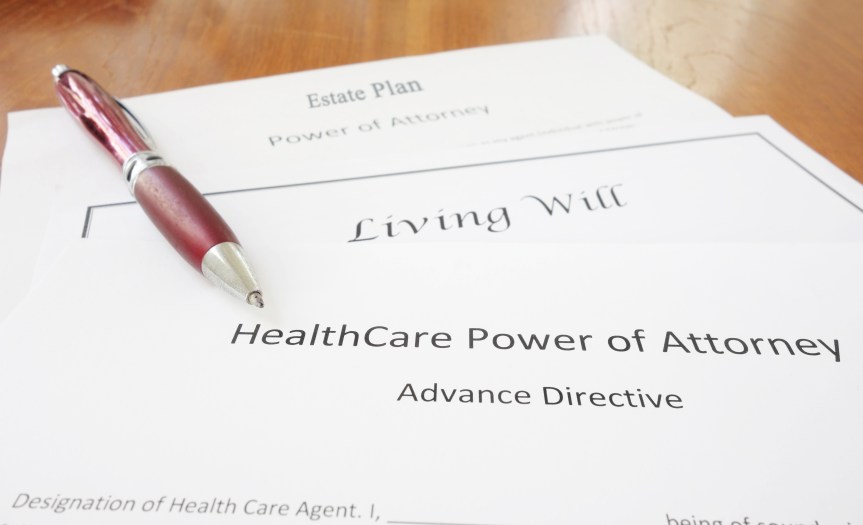
An advance directive 

A designated medical decision-maker

Additional income sources outside of retirement

Successor guardians for dependents 

These are simply a few of the important safeguards that should be in place to protect you and your loved ones if something happens to you and you can’t care for them.

Protecting yourself legally, financially, and medically is an important step towards making sure things are in order and you benefit from your pre-planning. How? 

  • By avoiding burdening your family with making difficult decisions for you
  • By preventing your estate from going into probate
  • By securing care and comfort for an illness, accident, or hospice
  • By ensuring your children or dependents are protected and provided for if you die
  • By providing income to your family for their wellbeing
  • By making sure someone you trust manages your health care if you are injured or sick

This is not an exhaustive list of benefits that planning provides but it does give a healthy snapshot of how many things you can protect and provide by taking time to do some planning.  

You don’t have to make these decisions alone 

While these are personal and important decisions that you must ultimately make, you don’t have to make them alone. There are professionals whose job it is to help you make and solidify your decisions as well as legally bind them so you are sure to be protected if/when you need them. 

Here’s an idea of who can help: 

Generally, you can make a lot of decisions on your own but you may want some advice from a professional before making a final decision. 

Legal help: 

Will and probate attorneys

Trust attorneys

Financial help:

Retirement planners

Investment planners

Insurance agents

Medical help: 

Primary care physician 

Funeral/Burial planning professionals

These providers can help you sort through the choices available to you for your legal, financial, and medical needs. From preparing for retirement and earning and saving money to cover care and end-of-life expenses to making sure your wishes are carried out and your estate and your healthcare are managed in the way you desire. Each of these issues can be managed and coordinated with the help of a professional.

Get Comfortable Talking About Uncomfortable Things

By Roz Jones

There are things you generally don’t talk about in polite company- politics and religion top the list. Being considerate about tricky topics is a good thing. Avoiding uncomfortable things helps people feel at ease but sometimes you have to get comfortable talking about uncomfortable things. 

Talking about death, dying, and making plans might feel morbid but it is a necessary part of living. Being able to share your thoughts about things like: 

  • What sort of care you consent to in the event of an accident or injury
  • If you want to be revived or kept on life support
  • Where you want to live in the event you can’t live at home
  • Who should make medical or other decisions on your behalf if you are unable
  • Your thoughts on funeral planning and burial options
  • And more 

One of the reasons it’s so hard to talk about uncomfortable things is the feeling there is little control. The truth is, if you do not have plans in place, you’ll have very little control but if you do have plans in place, much of your care and aftercare is well within your control. All the more reason to have tough talks!  

Here are some tips for getting comfortable talking about uncomfortable things

Tip #1. Do your homework- The more you know about a subject, the less uncomfortable it is. There’s nothing you can’t learn about any subject connected to the legal, financial, and medical aspects of end-of-life care. Educate yourself and you will be well equipped to have intelligent and easier talks about the subjects. 

Tip #2. Prepare your audience- If you are going to have an uncomfortable discussion, prepare your family or friends beforehand. Don’t blindside someone with a tough talk they may not be emotionally ready for. Instead, give them time to get ready and be mentally prepared to absorb what you need to share. 

Tip #3. Practice- The more often you talk about uncomfortable things, the easier it will be. Start with professionals like clergy, medical staff, or attorneys before chatting with family or friends. Practicing your conversation will help you find the best words to use as well as become more comfortable speaking them. 

Some conversations are going to be tough no matter what. Being able to speak about uncomfortable things more comfortably helps those who depend on you feel safer and more prepared to help when the time comes. Get comfortable by doing your homework, prepping your audience, and practicing your conversation beforehand. 

End-of-Life Planning – Why Does It Matter?

By Roz Jones

Thinking of end-of-life matters can feel uncomfortable and cause some anxiety. It isn’t common to think about the end of life when it seems so far off. Planning for retirement might feel more comfortable because the thought of spending time doing the things you love – rather than working towards retiring – is exciting and rewarding after a long career; however, it’s just as important to think about and plan for the inevitable winding down of life. 

There’s no easy way to think about death or even an illness or accident. It’s much easier to think about being vital and healthy. Focusing on health is important. Doing the things you can to stay healthy – like eating right, exercising, and keeping a healthy mindset – is sure to help keep you fit and focused on a great life. Not thinking about end-of-life matters won’t make the inevitable any easier or make it go away. One thing we all have in common is we are going to pass away – we just don’t know when or how. It’s life’s biggest personal mystery. 

End-of-life planning matters because there are many things you can do to make things easier for yourself and your family. There are steps you can take to be ready if/when you face an accident, an illness, or your life ends. Many people are afraid to “tempt fate” or “bring about what you think about.” These are immature ways of looking at a very mature subject. 

End-of-life planning isn’t just about your funeral. It’s about important aspects of living such as: 

  • Protecting your assets
  • Having important medical documents if you are unable to communicate
  • Having income for retirement, illness, or long-term care
  • Communicating your wishes with others

And

  • Pre-need funeral planning 

It might feel strange thinking about or taking action regarding end-of-life matters but, like anything else, the more you engage in the tasks, the easier and more natural they will feel. Before you know it, speaking to professionals about your needs and sharing the information with your family will feel a lot less odd and a lot more responsible – something to be proud of. 

Don’t let the fear of the unknown and the morbid aspects of end of life planning scare you. Be brave and do what it takes to plan ahead so you and your family are prepared and ready when your start to face end-of-life issues.