
The Quiet Truth: Why Aging Loved Ones Still Want Connection

By Roz Jones

Let’s settle into this gently, because today we’re talking about something that sits deep in the heart, something many caregivers feel but rarely say out loud. 

The Desire to Be Wanted Doesn’t Age Out

Your aging loved one still wants to feel wanted. 

They still want to be held.

They still want to laugh with someone.

They still want to feel attractive, valued, and alive. 

That longing doesn’t disappear because someone turned 70, 80, or 90. It doesn’t disappear because they’ve lost their spouse. It doesn’t disappear because their body has changed or their health has shifted. 

The need for connection is one of the last things to fade, if it fades at all. 

Loss Doesn’t Turn Off the Heart

When your aging loved one loses a spouse, the world often expects them to “close that chapter.” But grief doesn’t work like that. The heart doesn’t work like that. 

Losing a partner doesn’t turn off the part of the heart that longs for closeness. 

If anything, it can make that longing stronger. 

Loneliness becomes louder. 

Silence becomes heavier. 

And the desire for companionship, not replacement, but companionship, becomes more real. 

Why Caregivers Misunderstand This

Caregivers, especially family caregivers, often struggle here. Not because they’re judgmental, but because they’re protective. They’re grieving too. They’re trying to honor the memory of the person who passed. 

So they think:

“They’re too old for that.”

“They should still be grieving.”

“It’s disrespectful to their late spouse.”

But let me tell you something from years of caregiving and sitting with families in their most tender moments: 

Grief and desire can live in the same house.

Missing someone and wanting companionship again are not opposites. 

They’re both expressions of being human.

Your loved one can honor the past and still want connection in the present. 

They can miss their spouse deeply and still crave touch, laughter, or closeness. 

They can carry love for someone who’s gone and still open their heart to someone new. 

That’s not betrayal. 

That’s survival.

What’s Really Underneath the Behavior

As caregivers, we have to shift our thinking from

“Why are they doing this?” to “What need is underneath this?”

Because the need is almost always simple and deeply human. 

Maybe they want connection. 

Maybe they want comfort.

Maybe they want companionship.

Maybe they want reassurance.

Maybe they want to feel like they still belong to someone, or that someone belongs to them. 

These needs don’t retire. 

They don’t age out.
They don’t disappear because life has changed.

If this topic is stirring something in you, confusion, concern, or even relief, that’s completely normal. These conversations are tender, layered, and emotional. 

If you want help navigating intimacy, privacy, dating or boundaries with your aging loved one, I’m here to support you.


Schedule a Family Care Planning Session

Roz Jones is a dedicated caretaker turned CEO with over a decade of experience in helping families care for and make decisions for loved ones and their legacies.Roz is a compassionate, innovative healthcare industry leader.

Schedule a Family Care Planning Session with me, and let’s create a compassionate, clear plan that honors your loved one’s dignity and gives you peace of mind.


Subscribe to The Caregiver Cafe Weekly Newsletter!

Caregiving can be a roller coaster of ups and downs. The information that you will receive from The Caregiver Cafe Weekly Specials Newsletter will support you as a caregiver. Remember…

1. YOU ARE NOT ALONE: The problems you face as a caregiver are experienced by other caregivers. Knowing that you’re not alone can be comforting. 

2. Tools and Resources:  Find caregiver stress management tools and gain perspective from other caregiver’s experiences.

3. LEARN TO: Ask for help, accept help when it is offered, and acknowledge yourself on this caregiving journey. Hear from experts on how to balance caregiving responsibilities by taking care of your needs and involving others to help manage the natural stress and isolation of being a caregiver. 

When Love Doesn’t End, But Life Changes: Understanding Intimacy After Loss

By Roz Jones

Let me ease you into this gently, because I know this topic can make even the most seasoned caregiver shift in their seat.

When your aging loved one loses a spouse or long‑time partner, their capacity for love, touch, and connection doesn’t disappear.  

It doesn’t evaporate with age.

It doesn’t fade because of grief.

It doesn’t shut down just because life took a painful turn.

Love doesn’t end.

Life just changes.

And for caregivers, especially family caregivers, this can feel like stepping into emotional quicksand. You want to be respectful. You want to be supportive. But you also don’t want to overstep, offend, or make your loved one feel like a child.

So you freeze.

You avoid the topic.

You hope it doesn’t come up.

And when it does, you’re thinking:

  • “Is this normal?”
  • “Is this okay at their age?”
  • “Should I be worried?”
  • “How do I even bring this up without sounding disrespectful?”

Let me tell you something from years of caregiving, coaching families, and sitting with people in their most vulnerable moments:

It is normal. It is human. And it deserves respect.

Your loved one may be lonely.

They may miss the warmth of someone sitting beside them.

They may crave companionship – not to replace the person they lost, but to feel alive again.

They may want to date.

They may want privacy.

They may want independence.

They may simply want to feel like themselves again.

And none of that makes them “inappropriate,” “too old,” or “moving on too fast.”

It makes them human.

As caregivers, our role is not to judge or control.

Our role is to understand, support, and protect  without shaming, without assuming, and without stripping away dignity.

Because here’s what I know:

When caregivers shut down conversations about intimacy, the person on the receiving end doesn’t stop wanting connection. They just stop trusting you with their truth.

And we don’t want that.

A Personal Note from Roz

If this topic is stirring something in you, confusion, concern, relief, or even a little fear, that’s okay. Caregiving asks you to hold a lot. You don’t have to hold this part by yourself. 

If your family is navigating intimacy, privacy, dating, or boundaries after the loss of a partner, I can help you. Together, we will create a plan that feels respectful, realistic, and peaceful for everyone involved. When love changes shape, caregivers need support too. I’m here when you’re ready.


Schedule a Family Care Planning Session

Roz Jones is a dedicated caretaker turned CEO with over a decade of experience in helping families care for and make decisions for loved ones and their legacies.Roz is a compassionate, innovative healthcare industry leader.

Schedule a Family Care Planning Session with me, and let’s walk through this together.


Subscribe to The Caregiver Cafe Weekly Newsletter!

Caregiving can be a roller coaster of ups and downs. The information that you will receive from The Caregiver Cafe Weekly Specials Newsletter will support you as a caregiver. Remember…

1. YOU ARE NOT ALONE: The problems you face as a caregiver are experienced by other caregivers. Knowing that you’re not alone can be comforting. 

2. Tools and Resources:  Find caregiver stress management tools and gain perspective from other caregiver’s experiences.

3. LEARN TO: Ask for help, accept help when it is offered, and acknowledge yourself on this caregiving journey. Hear from experts on how to balance caregiving responsibilities by taking care of your needs and involving others to help manage the natural stress and isolation of being a caregiver. 
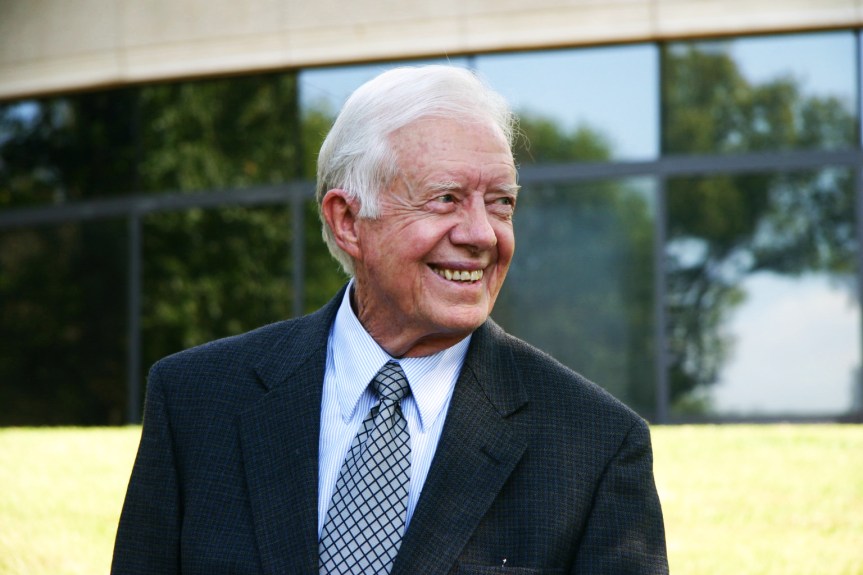
Memories and Milestones of President Jimmy Carter: A Gentle Goodbye — Lessons from Hospice Care

By Roz Jones

As we conclude our series on the extraordinary life of President Jimmy Carter, I want to reflect on his final chapter—a journey through hospice care that was marked by grace, dignity, and love.

When President Carter entered hospice in February 2023, it was a decision that spoke volumes about his character. True to form, he approached end-of-life care as he did everything else: with thoughtfulness and humility. For nearly a year, he remained in the care of his loved ones, supported by a compassionate hospice team that honored his wishes to remain at home.

Hospice care is often misunderstood, but President Carter’s experience highlighted its profound value. It’s not about giving up; it’s about creating a space where life’s final moments can be meaningful and peaceful. With hospice, President Carter was able to spend time with Rosalynn, his family, and close friends—sharing stories, reminiscing, and simply being present.

As caregivers, many of us have walked this road ourselves. It’s never easy, but it’s also a time of connection and reflection that can leave lasting memories. President Carter’s hospice journey reminds us to approach these moments with an open heart, focusing on the quality of life rather than the length of time left.

The Carter family’s decision to be transparent about his care also opened the door for important conversations about end-of-life planning. It’s a reminder for all of us to have those discussions early, ensuring that our loved ones’ wishes are honored.

President Jimmy Carter’s legacy isn’t just in the policies he created or the homes he built—it’s also in the example he set for living and dying with purpose. His life was a testament to the power of love, service, and faith.

As we say goodbye, let’s carry his lessons with us: to serve others, to love deeply, and to approach caregiving with the same compassion he showed in every aspect of his life. Thank you for joining me for this series. I’m here to support you in your caregiving journey, just as President Jimmy Carter inspired us to support one another. Book a consultation with me at the link.

Subscribe to The Caregiver Cafe Weekly Newsletter!

Caregiving can be a roller coaster of ups and downs. The information that you will receive from The Caregiver Cafe Weekly Specials Newsletter will support you as a caregiver. Remember…

1. YOU ARE NOT ALONE: The problems you face as a caregiver are experienced by other caregivers. Knowing that you’re not alone can be comforting. 

2. Tools and Resources:  Find caregiver stress management tools and gain perspective from other caregiver’s experiences.

3. LEARN TO: Ask for help, accept help when it is offered, and acknowledge yourself on this caregiving journey. Hear from experts on how to balance caregiving responsibilities by taking care of your needs and involving others to help manage the natural stress and isolation of being a caregiver. 
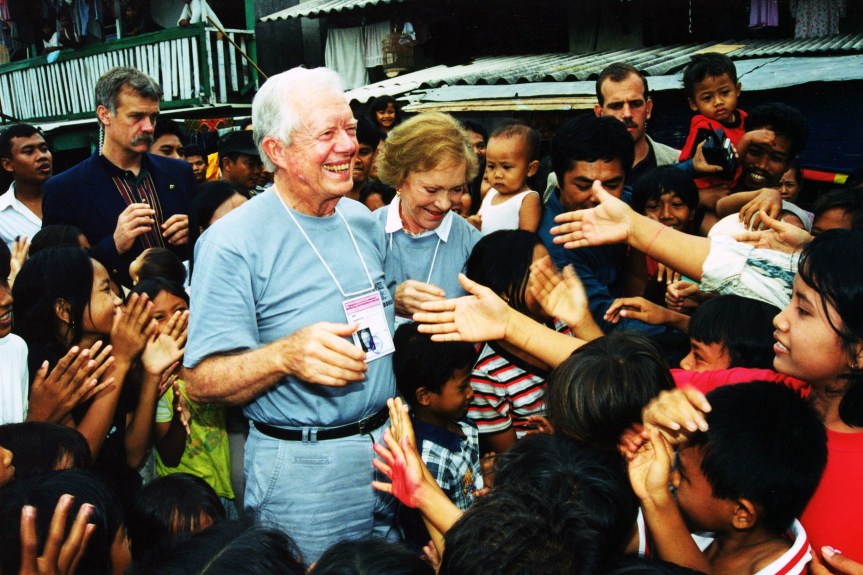
Memories and Milestones: The Carter Legacy of Caregiving

By Roz Jones

When I think about President Jimmy Carter and Rosalynn Carter, I’m reminded of the true meaning of partnership. Together, they spent decades not just as husband and wife, but as advocates for one of the most vital and often overlooked roles in society—caregiving.

As caregivers, we know the challenges that come with supporting our loved ones. It’s not just about tending to physical needs but also about creating an environment of dignity and compassion. That’s what the Carters worked tirelessly to promote through the Rosalynn Carter Institute for Caregivers (RCI).

Founded in 1987, RCI became a beacon of hope and advocacy for caregivers. Rosalynn, with President Jimmy Carter always by her side, championed the importance of providing resources, training, and emotional support for those caring for aging loved ones, individuals with disabilities, or those facing chronic illness.

The Carters believed caregiving was not just a personal responsibility but a societal one. Through their work, they raised awareness of the emotional and financial toll caregiving takes, while also pushing for systemic changes to support caregivers.

What stands out most to me is how they lived what they preached. Even in their later years, as Rosalynn began facing her own health challenges, President Jimmy Carter became her advocate and caregiver, embodying the same values they had championed for decades.

Their story resonates deeply with those of us in The Caregiver Cafe community. Whether you’re caring for a parent, spouse, or friend, the Carters remind us that caregiving is an act of love, one that has the power to transform both the giver and the receiver.

As we move toward the conclusion of this series, we’ll reflect on President Jimmy Carter’s graceful transition through hospice care and the lessons we can learn from his journey. Stay tuned for the final blog of the Memories and Milestones of President Jimmy Carter series, where we’ll explore the role of hospice in his life and what it can teach us about end-of-life care.

Subscribe to The Caregiver Cafe Weekly Newsletter!

Caregiving can be a roller coaster of ups and downs. The information that you will receive from The Caregiver Cafe Weekly Specials Newsletter will support you as a caregiver. Remember…

1. YOU ARE NOT ALONE: The problems you face as a caregiver are experienced by other caregivers. Knowing that you’re not alone can be comforting. 

2. Tools and Resources:  Find caregiver stress management tools and gain perspective from other caregiver’s experiences.

3. LEARN TO: Ask for help, accept help when it is offered, and acknowledge yourself on this caregiving journey. Hear from experts on how to balance caregiving responsibilities by taking care of your needs and involving others to help manage the natural stress and isolation of being a caregiver. 

Memories and Milestones of President Jimmy Carter: Building Homes and Hope with Habitat for Humanity

By Roz Jones

After leaving the White House, President Jimmy Carter could have chosen a quiet retirement. But instead, he rolled up his sleeves—literally—and dedicated the next chapter of his life to serving others in a deeply personal and hands-on way.

When I think about his work with Habitat for Humanity, I’m reminded of how caregiving often calls us to action in the same way. It’s about stepping up, no matter how big or small the task, and giving with your whole heart. That’s exactly what Carter did.

Habitat for Humanity became a natural extension of his values: faith, humility, and service. For decades, President Carter and his wife Rosalynn worked tirelessly to build and restore homes, traveling across the U.S. and even internationally. Together, they helped provide safe and affordable housing to those in need, putting their beliefs into action.

I remember watching news segments showing President Jimmy Carter, hammer in hand, wearing a hard hat and flashing his warm, familiar smile. He wasn’t just a figurehead for the organization—he was actively on the ground, building homes and forging connections.

President Carter’s involvement also helped bring global attention to the housing crisis. Thanks to his efforts, Habitat for Humanity became a household name, inspiring countless volunteers and donors to join the cause.

As caregivers, many of us know the importance of creating a safe and supportive environment. President Carter’s work reminds us that the spaces we live in can deeply affect our well-being. His dedication to helping others find a place to call home reflects the same compassion we strive to bring into the lives of our loved ones.

Next, we’ll explore the incredible partnership President Jimmy Carter and Rosalynn shared, particularly their work as advocates for caregiving. Their commitment to each other and to caregiving is an inspiration for us all.Join me for the next blog in the Memories and Milestones of President Jimmy Carter series as we celebrate his advocacy for caregiving alongside Rosalynn Carter.

Subscribe to The Caregiver Cafe Weekly Newsletter!

Caregiving can be a roller coaster of ups and downs. The information that you will receive from The Caregiver Cafe Weekly Specials Newsletter will support you as a caregiver. Remember…

1. YOU ARE NOT ALONE: The problems you face as a caregiver are experienced by other caregivers. Knowing that you’re not alone can be comforting. 

2. Tools and Resources:  Find caregiver stress management tools and gain perspective from other caregiver’s experiences.

3. LEARN TO: Ask for help, accept help when it is offered, and acknowledge yourself on this caregiving journey. Hear from experts on how to balance caregiving responsibilities by taking care of your needs and involving others to help manage the natural stress and isolation of being a caregiver.