See a Resource, Share a Resource

By Roz Jones

In honor of mental health awareness month, I wanted to challenge my network of caregivers and medical professionals to share these life saving mental health resources listed below. Each time you see a mental health resource, share a mental health resource!

Don’t forget to tag us on social media when you share your resources!

#seearesourcesharearesouce #mentalhealthawarenessmonth

  • Crisis Text Line
    • Text HOME to 741741
  • National Suicide Prevention Lifeline
    • (800) 273-8255
  • The NAMI Helpline
    • (800) 950-NAMI
  • Postpartum Support Intl.
    • (800) 944-4773
  • National Hopeline Network
    • (800) 442-4673
  • Veterans Crisis Line
    • (800) 273-8255 and Press 1
  • Disaster Distress Helpline
    • Text MHA to 741741
  • US National Suicide Prevention Hotline
    • (800) 273-8255

Breaking the Social Stigma

By Roz Jones

Anxiety disorders are being diagnosed at an increasing rate, and the seriousness of such illnesses is slowly, but surely, being accepted by more people. Such is the novelty of this situation that there are still a number of people who consider such disorders to simply be part of life turned into an illness for the sake of keeping people in a job. Although these people are becoming fewer in number, they still exist in enough places to make anxiety disorders somewhat stigmatized. As caregivers, we must stand up to this stigma and share our truth.

There are two major paths of thought which ridicule the conditions described as “anxiety disorders”. The first attacks the very legitimacy of such conditions, saying that, as they were not diagnosed 20, 50 or 100 years ago, they must be the inventions of the psychiatric trade. The second paints sufferers as being “insane” or “mental”. The latter may be the worse of the two, because it takes an unsophisticated view of certain conditions and applies it to all mental illnesses. 

In general, people with anxiety disorders do notwalk around in an unhinged trance muttering to themselves, attack passers by, or attempt suicide at the drop of a hat. They write bestselling novels, fix cars, win Nobel prizes, attend parties, and are even caregivers like us. There is a lot of work to do in order to remind people that this is the case – but it does seem that the tide of momentum is with the sufferers and their advocates.  

My fellow caregivers, it is important to be able to speak with courage and without shame about an anxiety disorder. By doing so you can show people that you are “perfectly normal,” whatever that means.  I know, it should not be necessary, but some people still have to be reminded.

Be A Blessing To Others

When life changes impact someone’s life, show them their light in the midst of change.

One of the most difficult aspects of having a chronic illness can be a feeling that you no longer have anything to contribute. Maybe you once provided for your family through a job, but you can no longer do that job. Perhaps you kept the household running, and now you can barely get out of bed.

It’s hard to face the loss of abilities and skills as you get sick. But there are still ways that you can contribute and bless those you love. They can be small like an encouraging word, a pat on the shoulder, or even a simple note tucked in a lunchbox.

You still have value and you still have plenty to offer others. Each day you wake up, aim to bless one person. It’s a simple goal and it’s a wonderful way to feel like you’re making a difference.

As a caregiver to someone with a chronic illness makes sure to highlight the things that they are still able to do. This will not only bless them, but bless others. We value ourselves from the aspect of who we were, but know you are still beautifully and wonderfully made now with the changes in your body. You still have value, and you are still a wonderful light to this world!

Traits of Self-Disciplined People

By: Roz Jones

Whether you’re looking for a metric of how self-disciplined you are or you’re looking for some habits that you should form to be more self-disciplined, you should know that self-disciplined people have certain traits in common.

Not all self-disciplined people are the same and there are other traits that it wouldn’t hurt you to develop as you work toward your own self-discipline. Still, here are five of the most important traits of self-disciplined people.

  1. They Respect And Chase Their Passions

Self-discipline can be, well, a discipline. It doesn’t have to be, however. If you have something that you’re truly passionate about, you won’t have to push yourself to do it because you’ll want to do it and do it well.

If you have trouble keeping yourself working, it could just be that you aren’t truly passionate about what you’re doing. It could help to take a second look at what you’re doing. It must be important to someone, so maybe it can be important to you. Alternatively, it may just be time to keep your eyes open for opportunities to do something that you care more about.

  1. They Power Through

Even if you do something that you are passionate about, sometimes you just don’t feel productive. This is when better self-discipline can come in handy.

Another trait of self-disciplined people is that they are able to remain at work when they don’t feel productive. This may sound like all of self-discipline but it’s really just one aspect of it.

If you can’t work when you don’t feel productive, it can be hard to train yourself to it. Try to find things that make time more bearable for you, like focusing on what you’re doing instead of how long you’ve been doing it or have left to do it. Or, look at time in smaller blocks like working from now until your next break instead of from now until the end of the day. Having a cup of tea is a healthy snack or listening to music while you work can also help the time go by more pleasantly.

  1. They Manage Their Emotions

Self-discipline isn’t just about working, it’s also about how you carry yourself around others. If you think of someone who has no self-discipline, perhaps a spoiled child or an unruly rock star, you don’t think about how little they work, you think about how they behave.

Self-discipline is very much about not “acting out” your emotions. This can be important to prevent you from snapping at people you are mad at, but it can also prevent you from snapping out at people you aren’t mad at just because you’re mad.

Doing this can mean learning how to calm yourself down, learning how to vent your emotions in healthy ways, or at least learning how to communicate to people when you are in a bad mood so that they understand that you aren’t mad at them.

  1. They Understand Their Emotions

On that note, self-discipline is also very much about self-knowledge and self-control. In order to maintain your self-discipline, you need to understand how you act when you aren’t watching – so to speak.

For this reason, mindfulness meditation can be very helpful for self-disciplined people because it increases self-awareness by helping you to understand your feelings and thought processes.

  1. They Understand Their Environment

Finally, self-disciplined people are usually also very aware of those around them. Self-discipline is a very personal thing, but it is also very much about the way in which you interact with your environment. As a result, understanding and appreciating your environment can help you to practice self-discipline. If you don’t understand or care about your environment, why should you bother monitoring how you impact it?

Self-discipline is a scary term because we think of “discipline” as punishment. This is unfortunate because self-discipline doesn’t have to be painful and is more about awareness than it is about austerity. It’s also about developing your passion so that you are more excited to do your part.


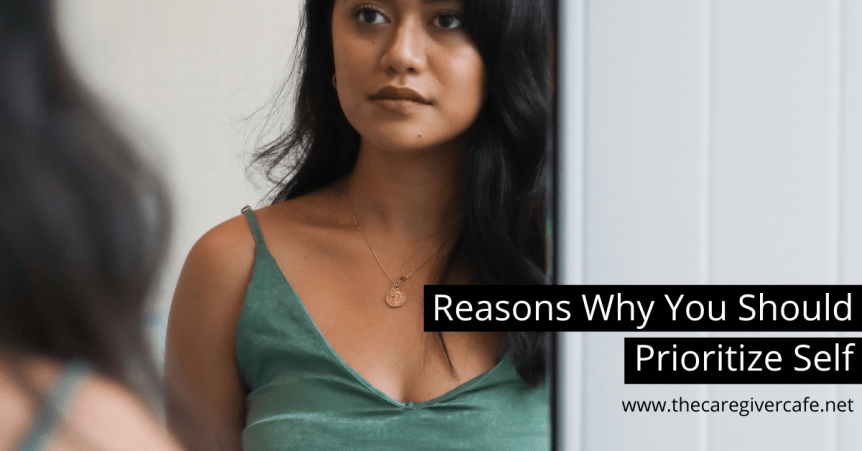
Reasons Why You Should Prioritize Self-Care

By: Roz Jones

Self-care refers to any activity that we engage in to maintain and nourish our health, including mental, physical and emotional wellbeing. While it may seem like an obvious concept, self-care often gets cast aside for more pressing priorities such as work, family and the everyday pressures of life. There are many reasons why you should prioritize self-care and we’ve listed six of the most important below.

1. Improves mood

Investing time in your own care can have a major impact on your mood, leading to greater optimism and positivity. It will help you to feel happier, more satisfied and better able to cope with the challenges that life throws you way. Even taking a small amount of time per week to nurture your physical, emotional and mental health can be hugely beneficial on your mood.

2. Helps relationships

Self-care helps you to be the best person you can be, which in turn as a positive impact on your relationships. Taking regular time to invest in your personal health allows you to be happier and more stable as an individual. This has a flow on effect as it allows you to be more patient and accommodating with others and therefore have better relationships.

3. Decreases risk of burnout

We all lead busy lives and regular investment in self-care is necessary to avoid burnout. Find a form of self-care that works for you, whether that be taking a walk, spending time with family or getting a massage, and commit to engaging in it regularly. It will help to manage your stress and prevent burnout.

4. Makes you become more present

Spending time managing yourself allows you to become more present and engaged with your surroundings. You are likely to have a better understanding of what it takes to maintain your mental, physical and emotional health, thus resulting in you having a greater focus on your current mood and trigger that have the potential to impact your health.

5. Better performance

Self-care is often seen as indulgent, when in actual fact it can have a much broader impact. Looking after yourself helps to maintain your health, which in turn allows you to perform better in all aspects of your life: work, family, sport.

6. Increases quality of life

The overarching benefit of self-care is that it increases the quality of your life. By helping you to be healthier, have better relationships and be more present, self-care allows you to live a more fulfilling life.