Setting Boundaries and Navigating Time with Confidence

By Roz Jones

As caregivers, we’re often navigating a labyrinth of responsibilities and obligations, and establishing boundaries becomes our beacon of self-care amidst this journey. Saying “no” isn’t merely declining; it’s a powerful act of preserving our well-being while delivering exceptional care to our aging loved ones. Let’s unravel the interconnection between setting boundaries, saying no when necessary, and effective time management.

Understanding the Essence of Boundaries

Boundaries aren’t barriers; they are protective shields that safeguard our mental, emotional, and physical health. By setting clear boundaries, we honor our commitments without compromising our well-being. Let’s explore how establishing boundaries acts as a foundation for efficient time management in caregiving.

The Power of Saying ‘No’

Saying “no” isn’t selfish; it’s an act of self-preservation. As caregivers, our inclination to help often leads to overcommitment, draining our energy and time. Learning to say “no” respectfully and assertively is a vital skill that allows us to prioritize tasks effectively, ensuring that we allocate our time and resources where they are most needed.

Strategies for Setting Boundaries and Saying ‘No’

  • Clarify Your Priorities: Identify your core caregiving responsibilities and personal needs. Prioritize tasks based on urgency and importance.
  • Practice Assertiveness: Learn to say “no” firmly yet respectfully when necessary. Offer alternatives or compromises if possible to maintain goodwill while upholding your boundaries.
  • Set Realistic Expectations: Understand your limitations and avoid overcommitting. Communicate boundaries and expectations clearly to others involved in caregiving.
  • Allocate Time Intentionally: Schedule time for caregiving tasks, self-care, and other personal responsibilities. Establishing a routine helps manage time effectively.

Integrating Boundaries with Time Management

Setting boundaries and saying “no” are integral aspects of effective time management in caregiving. They allow us to allocate our time and energy efficiently, ensuring that we meet our caregiving responsibilities without neglecting our personal well-being. When we honor our boundaries, we create a conducive environment for maintaining a healthy work-life balance.

As we navigate this intricate journey of caregiving, let’s remember that setting boundaries isn’t a sign of weakness; it’s a demonstration of self-respect and self-care. By embracing these practices, we empower ourselves to manage our time effectively, providing exceptional care while preserving our own well-being.


Stay Connected!

Mastering Time: A Caregiverโ€™s Secret Weapon

By Roz Jones

Today, let’s embark on a transformative journey exploring the critical aspects of time management and boundary setting in our noble role of caregiving. As we navigate the labyrinth of responsibilities and care for our aging loved ones, the ability to master time emerges as our superhero skill. Let’s uncover together the paramount significance of effective time management, a skill that empowers us to deliver exceptional care while safeguarding our own well-being. So, let’s roll up our sleeves and delve into the essentials that will truly elevate your caregiving prowess!

Let’s talk about timeโ€”our most precious resource in the caregiving world. In this whirlwind of duties and responsibilities, managing time effectively isn’t just beneficial; it’s an absolute game-changer. When we harness the power of time, we’re not merely juggling tasks; we’re crafting an environment that ensures our aging loved ones receive the care they deserve while preserving our own mental, emotional, and physical health.

And let’s not overlook the significance of boundaries. It’s not about being selfish; it’s about self-preservation. Boundaries are the invisible shields that protect us, ensuring we’re not spread too thin, enabling us to provide compassionate care without compromising our own well-being. By understanding and implementing boundaries, we honor our commitments while prioritizing self-careโ€”an essential aspect often overlooked in the caregiving journey.

Letโ€™s discuss some effective tips and strategies to assist you in mastering time while providing exceptional care:

  • Prioritize Tasks: Start each day by listing tasks based on urgency and importance. Prioritize essential activities related to your loved one’s care while allocating time for personal needs.
  • Create a Schedule: Develop a daily or weekly schedule outlining caregiving tasks, appointments, and personal activities. Utilize planners or smartphone apps to organize and track your responsibilities.
  • Set Realistic Expectations & Delegate Responsibilities: Recognize your limitations and avoid overcommitting. Set realistic goals for the day, understanding that unforeseen circumstances may arise in caregiving. Don’t hesitate to delegate tasks when possible. Seek assistance from family members, friends, or professional caregivers to share the workload and free up some time for yourself.
  • Time Blocking: Allocate specific time blocks for different caregiving duties. For instance, designate mornings for personal care, afternoons for appointments, and evenings for leisure or self-care.
  • Time for Self-Care: Allocate time for your own well-being. Schedule breaks, indulge in hobbies, practice relaxation techniques, or engage in physical activities to rejuvenate.

Remember, mastering time in caregiving involves finding a balance between meeting the needs of your loved one and caring for yourself. Implementing these tips, while adapting them to suit your unique circumstances, can significantly enhance your ability to manage time efficiently as a caregiver.

Stay tuned as I uncover the keys to time mastery and boundary setting, empowering us to not just survive but thrive as caregivers. Let’s embrace this journey together and discover the art of managing time effectively while honoring our own needs in the beautiful act of caregiving.

Shop The Caregiver Cafe E-Commerce Store!

We founded The Caregiver Cafe Shopify Store with one simple goal: to help you experiment with your passion while at the same time providing amazing prices. We were tired of cookie-cutter stores with lackluster selections, and boring gifts. Instead of offering a huge unoriginal collection, we carefully curate just a few unique pieces perfectly suited for people the taste buds like you.

We focus on items that get you excited about shopping again, as we believe buying online should always be fun!


It Takes Two

Each of our aging parents is unique.

Some people age so well that they need little help until they are well into their eighties, while others need hands-on care as early as their fifties or sixties.

Adult children are often faced with the task of caring for both parents and this was the case for Christine Psalms.

She shares her story with us in this episode and how she became a caregiver for both her parents.

Subscribe to The Caregiver Cafe Weekly Newsletter!

Caregiving can be a roller coaster of ups and downs. The information that you will receive from The Caregiver Cafe Weekly Specials Newsletter will support you as a caregiver. Remember…

1. YOU ARE NOT ALONE: The problems you face as a caregiver are experienced by other caregivers. Knowing that you’re not alone can be comforting. 

2. Tools and Resources:  Find caregiver stress management tools and gain perspective from other caregiver’s experiences.

3. LEARN TO: Ask for help, accept help when it is offered, and acknowledge yourself on this caregiving journey. Hear from experts on how to balance caregiving responsibilities by taking care of your needs and involving others to help manage the natural stress and isolation of being a caregiver. 

The Emotional Challenges of Caregiving for a Former Spouse or Baby Daddy

By Roz Jones

When a former spouse or baby daddy becomes ill or disabled, it can be a difficult and emotional time. Suddenly, you may find yourself in the role of caregiver for someone who was once your partner. This can bring up a variety of unique emotional challenges that can be difficult to navigate. In this blog, we will discuss the emotional challenges of caregiving for a former spouse and provide tips for managing emotions and maintaining boundaries.

Introduction to the Emotional Challenges of Caregiving for a Former Spouse

One of the main emotional challenges of caregiving for a former spouse is the history and baggage that may come with the relationship. Past hurts, resentments and unresolved issues can all resurface during this time. It’s important to acknowledge and process these emotions in order to move forward and provide effective care.

Another emotional challenge is the shift in roles and dynamics. The caregiving relationship can blur the lines between caregiver and partner, leading to confusion and discomfort. Additionally, there may be feelings of guilt or obligation to provide care, even if the relationship ended poorly.

Tips for Managing Emotions and Maintaining Boundaries

To manage these emotions, it’s important to prioritize self-care. This can include seeking support from friends and family, joining a support group, or seeking professional counseling. It’s also important to forgive yourself if you wronged them as you also forgive them if they wronged you. You must also set boundaries. You also want to communicate clearly with your former spouse about what you are and are not able to provide in terms of care.

Caregiving for a former spouse can bring up a variety of emotional challenges. By prioritizing self-care and setting clear boundaries, it is possible to provide effective care while maintaining your own emotional well-being. Remember, it’s okay to seek support and resources to help navigate this difficult time.


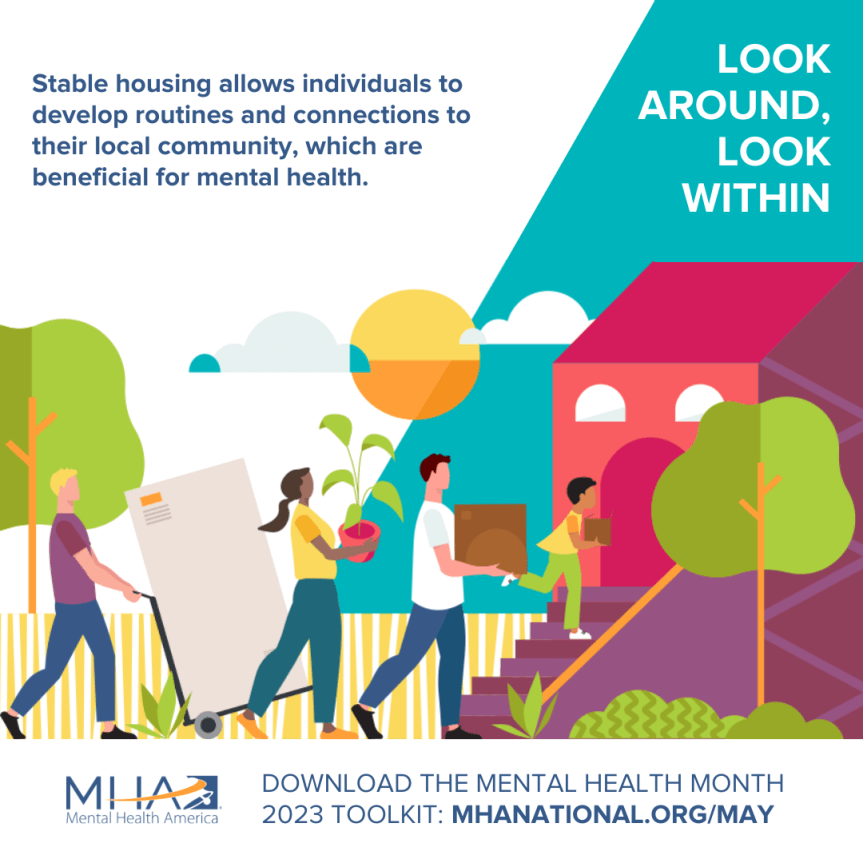
Transform Your Home Into a Sanctuary of Calm: Download Mental Health America’s Healthy Home Environments Document Today!

Are you looking for ways to improve your mental health and well-being? If so, we have just the thing for you! Mental Health Americaโ€™s new document โ€˜Healthy Home Environments,โ€ provides valuable insights into how you can optimize your living space to promote better mental health.

Whether you are living with a mental health condition or just looking for ways to enhance your overall well-being, this document offers practical tips and strategies that anyone can benefit from. From decluttering your space to incorporating natural elements, this document is packed with actionable steps you can take to transform your home into a sanctuary of calm and tranquility. Donโ€™t miss out on this opportunity to improve your mental health and download โ€œHealthy Home Environmentsโ€ today!


Stay Connected!