Access is Not Always Accessible for the Elderly When Traveling

By Roz Jones

Traveling is an enriching experience that should be accessible to everyone, regardless of age or physical ability. For aging loved ones, having access to convenient and suitable transportation options is crucial to ensure a smooth and enjoyable journey. In this blog, we will explore accessible transportation options specifically tailored for aging loved ones who are traveling, providing valuable information and tips to make travel easier and more inclusive for seniors.

Public Transportation:

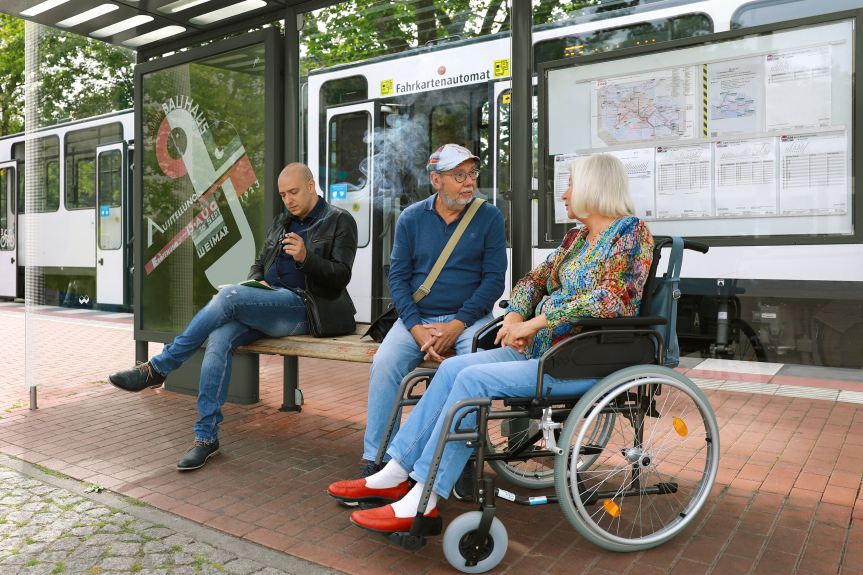
Public transportation systems in many cities offer accessible options to accommodate the needs of elderly travelers. Buses, trams, and trains often have designated seating areas for individuals with mobility challenges, as well as ramps or lifts for easy boarding. Many public transportation agencies also provide reduced fares or special passes for seniors. Research the accessibility features of public transportation at your destination, including schedules, routes, and any additional services provided for elderly passengers.

Wheelchair-accessible Taxis and Ride-Sharing Services:

Wheelchair-accessible taxis and ride-sharing services have become increasingly available in many cities worldwide. These services offer convenient door-to-door transportation for elderly travelers with mobility challenges. Make sure to research and pre-book accessible taxis or ride-sharing services that provide vehicles equipped with wheelchair ramps or lifts. These services often require advanced booking, so plan accordingly to ensure a seamless travel experience.

Accessible Rental Vehicles:

If you prefer to have the flexibility of driving during your trip, consider renting an accessible vehicle. Many rental companies offer vehicles equipped with ramps or lifts, allowing for easy wheelchair access. It is advisable to book these vehicles well in advance, as they may be in high demand. Ensure that the rental vehicle meets your specific needs and familiarize yourself with any operational instructions or safety features before hitting the road.

Senior Transportation Programs:

Various senior transportation programs are available in different communities to cater to the specific needs of elderly travelers. These programs often provide door-to-door transportation services for seniors, especially for medical appointments, grocery shopping, or social outings. Research local senior centers, community organizations, or non-profit agencies that offer transportation services and inquire about their eligibility requirements and availability.

Cruises and Guided Tours:

Cruises and guided tours can be excellent travel options for elderly individuals, as they provide comprehensive transportation services and accessibility features. Many cruise lines offer accessible cabins, wheelchair-accessible facilities, and on-board transportation assistance. Similarly, guided tours often prioritize accessibility, providing transportation that accommodates elderly travelers with mobility challenges. Research and choose reputable cruise lines or tour operators that have a strong commitment to accessibility and inclusive travel experiences.

Air Travel Assistance:

Airports have special services and assistance programs to support elderly travelers with mobility challenges. Airlines provide wheelchair assistance upon request, both within the airport terminals and during boarding and disembarking. It is advisable to inform the airline about any specific needs or requirements in advance to ensure a smooth and comfortable journey. Many airports also offer accessible transportation options within the terminals, such as shuttle services or electric carts.

Ensuring accessible transportation options for elderly travelers is essential to promote inclusive and enjoyable travel experiences. By researching public transportation accessibility, utilizing wheelchair-accessible taxis or ride-sharing services, considering accessible rental vehicles, exploring senior transportation programs, choosing cruise lines or guided tours with a focus on accessibility, and taking advantage of air travel assistance, caregivers can help make travel easier and more accessible for their aging loved ones. Remember to plan ahead, communicate specific needs, and prioritize the comfort and well-being of elderly travelers throughout their journey. With the right transportation options in place, seniors can embark on memorable adventures with ease and confidence.

Planning a Summer Vacation with an Aging Loved One? Download the FREE Checklist!

Are you embarking on a summer vacation adventure with a loved one in need of care? Whether you’re a caregiver or know someone who is, we understand the unique challenges and considerations that come with vacationing while ensuring your loved one is safe.

Make your vacation experience stress-free and enjoyable for both you and your loved one, we’re excited to offer you a free downloadable checklist!

Stay Ahead of the Storm: Download Your Free Expert Storm Guide Now!

Photo by ALTEREDSNAPS on Pexels.com

As we know, June โ€“ November is Hurricane Season. As a family caregiver, there are many ways to prepare your loved ones for it. Early preparation helps reduce opportunities for stress and anxiety as storms approach.

One of the best ways to prepare is allowing your loved on to assist in packing their travel bag, checking their contact list and ensuring there are adequate emergency supplies.

Participationโ€ฆ not isolationโ€ฆ go a long way when preparing for major storms. This Seniors Storm Guide gives essential information to refer to again and again!



Budget-Friendly Family Fun: Unlocking the Magic of a Summer Staycation

By Roz Jones

As summer arrives, families eagerly anticipate the opportunity to create lasting memories and embark on exciting adventures. However, the costs associated with traditional vacations can often be a deterrent. Fortunately, there is a budget-friendly alternative that promises just as much fun and relaxation: the summer staycation. In this blog, we will explore the magic of a summer staycation and provide practical tips on how to make the most of this affordable and memorable experience for caregivers and their aging loved ones.

Unlocking the Magic of a Summer Staycation

  • Embrace the Spirit of Adventure: A staycation encourages families to view their local surroundings through a new lens. Take time to research and explore nearby parks, nature trails, and recreational areas. Plan picnics, go hiking or biking, have a family camping night in the backyard, or discover hidden gems within your community. By adopting an adventurous mindset, you can uncover the magic that lies right outside your doorstep.
  • Create a Vacation Vibe at Home: Transform your living space into a vacation paradise by adding small touches that evoke a sense of relaxation and fun. Set up a backyard oasis with comfortable seating, colorful decorations, and outdoor games. Prepare special meals or themed dinner nights that transport you to different cuisines or cultures. Engage in activities that create a sense of escape, such as setting up a DIY movie theater or having a family game tournament.
  • Tap into Local Offerings: Check out free or low-cost activities and events in your area during the summer months. Many communities organize concerts, outdoor movie screenings, festivals, or art exhibitions that provide entertainment and cultural enrichment. Take advantage of these opportunities to experience new things, support local businesses, and engage with your community.
  • Make Time for Relaxation: A staycation is a perfect opportunity to unwind and recharge. Create a dedicated relaxation space at home, whether it’s a cozy reading nook or a hammock in the backyard. Encourage your aging loved ones to take part in activities that promote relaxation, such as gentle yoga, meditation, or enjoying a favorite hobby. By incorporating relaxation into your staycation, you can create a well-rounded experience that nurtures both the body and mind.

To read the full blog post “Enjoy Family Fun for Free with a Summer Staycation,” please visit the link here.

A summer staycation is not only a cost-effective alternative to traditional vacations but also an opportunity to reconnect with loved ones and create beautiful memories. By embracing the spirit of adventure, tapping into local offerings, and prioritizing relaxation, caregivers can provide their aging loved ones with a delightful and budget-friendly vacation experience. So, let the magic of a summer staycation unfold, and enjoy the moments of joy, togetherness, and discovery that await.

Planning a Summer Vacation with an Aging Loved One? Download the FREE Checklist!

Are you embarking on a summer vacation adventure with a loved one in need of care? Whether you’re a caregiver or know someone who is, we understand the unique challenges and considerations that come with vacationing while ensuring your loved one is safe..

Make your vacation experience stress-free and enjoyable for both you and your loved one, we’re excited to offer you a free downloadable checklist!

Stay Ahead of the Storm: Download Your Free Expert Storm Guide Now!

Photo by ALTEREDSNAPS on Pexels.com

As we know, June โ€“ November is Hurricane Season. As a family caregiver, there are many ways to prepare your loved ones for it. Early preparation helps reduce opportunities for stress and anxiety as storms approach.

One of the best ways to prepare is allowing your loved on to assist in packing their travel bag, checking their contact list and ensuring there are adequate emergency supplies.

Participationโ€ฆ not isolationโ€ฆ go a long way when preparing for major storms. This Seniors Storm Guide gives essential information to refer to again and again!


Embracing the Benefits of Summer Staycations: Creating Lasting Memories at Home

By Roz Jones

In our fast-paced lives, taking the time to slow down and reconnect with our loved ones is invaluable. While vacations are often associated with traveling to new destinations, there is something magical about embracing the concept of a staycation. A staycation allows us to enjoy the comforts of home while exploring our local surroundings and creating lasting memories with our families. In this blog, we will delve into the benefits of a summer staycation and share practical tips on how to make the most of this budget-friendly and family-oriented experience.

Benefits of a Summer Staycation

  • Cost-Effective: One of the primary advantages of a staycation is its affordability. By eliminating the expenses associated with travel, accommodations, and dining out, families can enjoy a memorable vacation without breaking the bank. This is particularly beneficial for caregivers who may be managing tight budgets while providing for their aging loved ones’ needs.
  • Flexibility and Convenience: Staycations offer the flexibility to tailor activities and schedules to suit the unique preferences and abilities of family members. Whether it’s planning day trips to local attractions, organizing game nights, or simply spending quality time together at home, a staycation allows caregivers to create a vacation experience that is convenient and accommodating for their aging loved ones.
  • Discovering Local Gems: Sometimes, we overlook the treasures in our own backyards. A staycation provides an opportunity to explore the local community, visit nearby parks, museums, or historical sites, and uncover hidden gems that we may have never discovered otherwise. This can lead to a renewed appreciation for our surroundings and a deeper connection to the community we call home.

Tips for a Memorable Summer Staycation

  • Plan Ahead: Treat your staycation like a regular vacation by setting aside dedicated time and creating an itinerary of activities and outings. Research local attractions, events, and free community programs to incorporate into your staycation schedule. By planning ahead, you can ensure a well-rounded and exciting experience for your family.
  • Unplug and Disconnect: Embrace the true essence of a vacation by disconnecting from technology and focusing on quality time with your loved ones. Encourage everyone to put away their devices and engage in meaningful conversations, play board games, embark on outdoor adventures, or enjoy shared hobbies. This intentional time away from screens fosters deeper connections and allows for genuine moments of bonding.
  • Get Creative: Engage your aging loved ones in creative projects and activities that stimulate their minds and promote self-expression. This could involve gardening, arts and crafts, cooking together, or even organizing a family talent show. Encourage everyone to share their skills and passions, creating an atmosphere of joy and collaboration.
  • Relax and Recharge: Remember, a staycation is also an opportunity for relaxation and rejuvenation. Schedule downtime for self-care activities such as reading, taking walks, practicing mindfulness, or enjoying a spa day at home. By prioritizing self-care, caregivers can replenish their energy and better support their loved one’s well-being.

To read the previous blog post “Enjoy Family Fun for Free with a Summer Staycation,” please visit the link here.

A summer staycation is a remarkable way to create cherished memories, strengthen family bonds, and appreciate the joys of home. By embracing the benefits of a staycation, caregivers can provide their aging loved ones with a meaningful and enjoyable vacation experience without the stress or expense of travel. So, gather your family, embark on local adventures, and savor the moments of togetherness that a staycation offers.

Planning a Summer Vacation with an Aging Loved One? Download the FREE Checklist!

Are you embarking on a summer vacation adventure with a loved one in need of care? Whether you’re a caregiver or know someone who is, we understand the unique challenges and considerations that come with vacationing while ensuring your loved one is safe..

Make your vacation experience stress-free and enjoyable for both you and your loved one, we’re excited to offer you a free downloadable checklist!

Stay Ahead of the Storm: Download Your Free Expert Storm Guide Now!

Photo by ALTEREDSNAPS on Pexels.com

As we know, June โ€“ November is Hurricane Season. As a family caregiver, there are many ways to prepare your loved ones for it. Early preparation helps reduce opportunities for stress and anxiety as storms approach.

One of the best ways to prepare is allowing your loved on to assist in packing their travel bag, checking their contact list and ensuring there are adequate emergency supplies.

Participationโ€ฆ not isolationโ€ฆ go a long way when preparing for major storms. This Seniors Storm Guide gives essential information to refer to again and again!


Balancing Caregiving for a Former Spouse with Other Responsibilities

By Roz Jones

Being a caregiver for a former spouse is a unique situation that comes with its own set of challenges. One of the biggest challenges is balancing caregiving with other responsibilities, such as work, family, and personal commitments. In this blog, we will discuss some of the challenges of balancing caregiving for a former spouse with other responsibilities and provide tips for managing competing responsibilities.

Challenges of Balancing Caregiving with Other Responsibilities:

One of the biggest challenges of caregiving for a former spouse is finding the time and energy to balance caregiving with other responsibilities. Many caregivers also have jobs, children, and other commitments that require their time and attention. This can lead to feelings of guilt and overwhelm, as caregivers struggle to prioritize their responsibilities.

Tips for Prioritizing Caregiving and Managing Competing Responsibilities:

  • Set realistic expectations: Caregivers need to set realistic expectations for themselves and their loved ones. This means recognizing that they cannot do everything and that it is okay to ask for help when needed.
  • Create a schedule: Caregivers can create a schedule that includes caregiving tasks as well as other responsibilities. This can help them prioritize their time and ensure that they have time for everything they need to do.
  • Take care of yourself: It is important for caregivers to take care of themselves so that they have the energy and stamina to care for their loved ones. This means eating well, exercising, and getting enough rest.
  • Communicate with others: Caregivers should communicate with their loved ones, employers, and other important people in their lives about their caregiving responsibilities. This can help them manage expectations and get the support they need.

Resources for Balancing Caregiving with Other Responsibilities:

  1. Family and Medical Leave Act (FMLA): FMLA provides eligible employees with up to 12 weeks of unpaid leave per year for caregiving or other family-related issues.
  2. Employee Assistance Programs (EAPs): Many employers offer EAPs that provide counseling, referrals, and other support services to employees and their families.
  3. Caregiver support groups: Caregiver support groups can provide caregivers with emotional support, practical advice, and a sense of community.

Balancing caregiving for a former spouse with other responsibilities can be challenging, but with the right tools and resources, it is possible to manage competing demands. Caregivers should set realistic expectations, create a schedule, take care of themselves, and communicate with others about their caregiving responsibilities. There are also many resources available, such as FMLA, EAPs, and caregiver support groups, that can provide additional support and assistance.


Discover the Power of Nature for Your Mental Health!

Unlock the positive impact of nature on your mental well-being with Mental Health of America’s fact sheet.

Learn how spending time in green and blue spaces can lower stress, boost mood, and improve focus. Download now to embrace the benefits of nature in your everyday life!


Stay Connected!

Legal and Financial Considerations for Caregiving for a Former Spouse

By Roz Jones

When taking on the role of caregiver for a former spouse, there are a variety of legal and financial considerations to keep in mind. In this blog, we will provide an overview of these considerations and offer resources for navigating any potential legal or financial challenges that may arise.

Overview of the Legal and Financial Considerations When Caregiving for a Former Spouse

First and foremost, it’s important to establish legal authority for making decisions on behalf of your former spouse. If your former spouse is unable to make decisions for themselves, you may need to obtain legal guardianship or power of attorney. This can ensure that you have the legal authority to make medical and financial decisions.

Another legal consideration is the division of assets and property. If you and your former spouse are divorced, you may have a divorce decree that outlines how assets should be divided. However, if you are providing care for your former spouse, there may be financial implications to consider. It’s important to consult with a legal professional to ensure that you are not inadvertently putting your own financial well-being at risk.

Financial considerations can also include the cost of care and potential reimbursement for caregiving services. If your former spouse has long-term care insurance, they may be able to receive reimbursement for your services. Additionally, some states offer programs that provide financial assistance for caregiving.

Resources for Navigating Legal and Financial Challenges

To navigate these legal and financial challenges, it can be helpful to consult with a lawyer or financial advisor. Additionally, there are resources available such as the Veterans Affairs (VA) National Caregiver Support Line at 1-855-260-3274, which offers assistance with legal and financial matters related to caregiving.

Caregiving for a former spouse can come with a variety of legal and financial considerations. By seeking guidance and support from legal and financial professionals, it is possible to navigate these challenges and provide effective care for your former spouse.


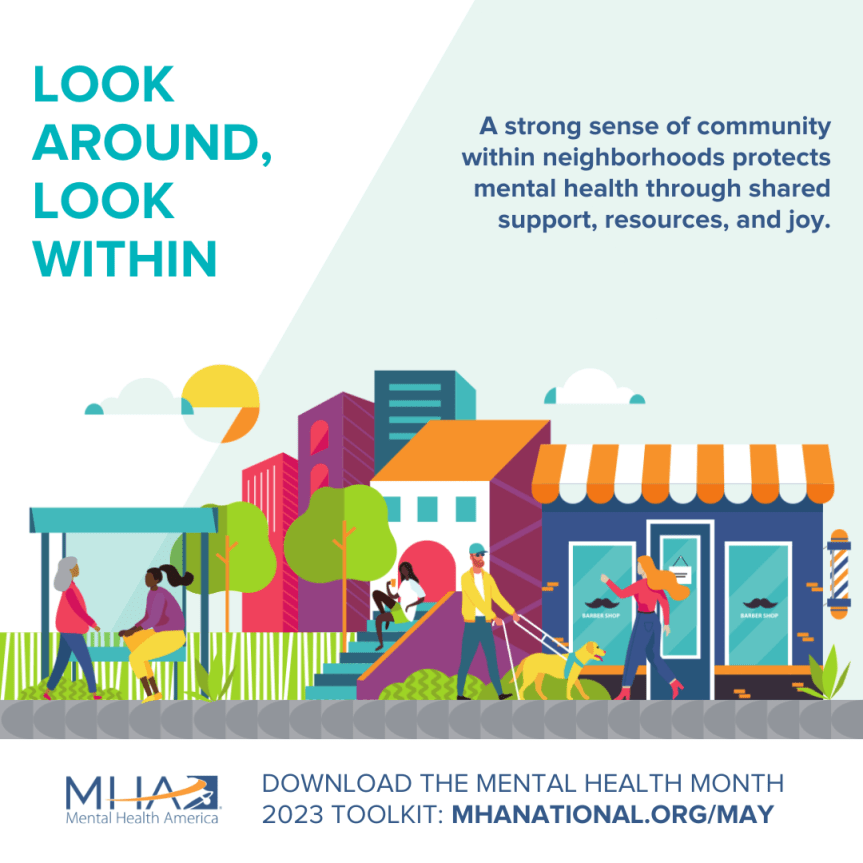
Unlock Your Community’s Mental Health: Download Mental Health America’s Healthy Neighborhoods & Communities Document Today!

Are you aware that where you live can impact your mental health? In fact, up to 60% of your overall health is determined by your ZIP code. If you’re looking for ways to support your mental health and well-being, then the Mental Health of America Toolkit is the perfect resource for you.

This toolkit provides valuable information and resources to help you access the services and support you need in your neighborhood and town. With the Mental Health of America Toolkit, you can take control of your mental health and prioritize your well-being. Don’t wait any longer – download the Mental Health of America Toolkit today!


Stay Connected!