Access is Not Always Accessible for the Elderly When Traveling

By Roz Jones

Traveling is an enriching experience that should be accessible to everyone, regardless of age or physical ability. For aging loved ones, having access to convenient and suitable transportation options is crucial to ensure a smooth and enjoyable journey. In this blog, we will explore accessible transportation options specifically tailored for aging loved ones who are traveling, providing valuable information and tips to make travel easier and more inclusive for seniors.

Public Transportation:

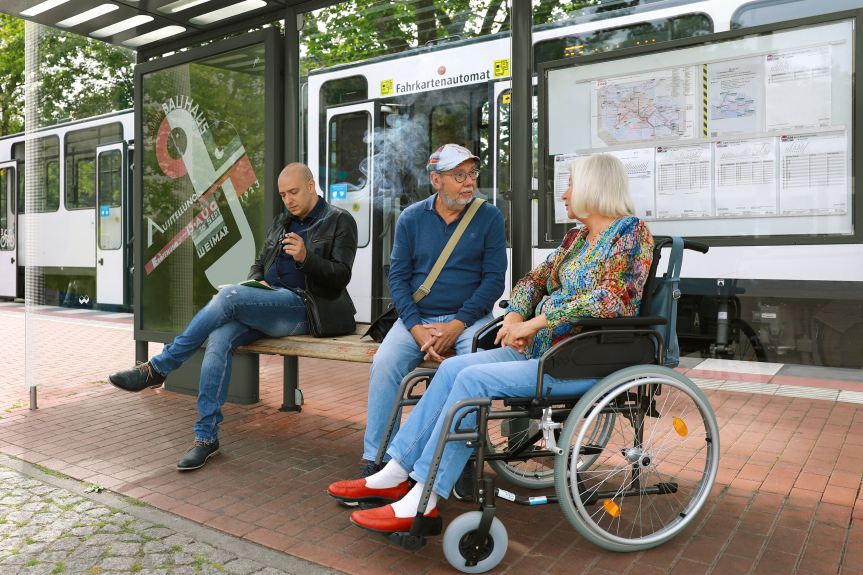
Public transportation systems in many cities offer accessible options to accommodate the needs of elderly travelers. Buses, trams, and trains often have designated seating areas for individuals with mobility challenges, as well as ramps or lifts for easy boarding. Many public transportation agencies also provide reduced fares or special passes for seniors. Research the accessibility features of public transportation at your destination, including schedules, routes, and any additional services provided for elderly passengers.

Wheelchair-accessible Taxis and Ride-Sharing Services:

Wheelchair-accessible taxis and ride-sharing services have become increasingly available in many cities worldwide. These services offer convenient door-to-door transportation for elderly travelers with mobility challenges. Make sure to research and pre-book accessible taxis or ride-sharing services that provide vehicles equipped with wheelchair ramps or lifts. These services often require advanced booking, so plan accordingly to ensure a seamless travel experience.

Accessible Rental Vehicles:

If you prefer to have the flexibility of driving during your trip, consider renting an accessible vehicle. Many rental companies offer vehicles equipped with ramps or lifts, allowing for easy wheelchair access. It is advisable to book these vehicles well in advance, as they may be in high demand. Ensure that the rental vehicle meets your specific needs and familiarize yourself with any operational instructions or safety features before hitting the road.

Senior Transportation Programs:

Various senior transportation programs are available in different communities to cater to the specific needs of elderly travelers. These programs often provide door-to-door transportation services for seniors, especially for medical appointments, grocery shopping, or social outings. Research local senior centers, community organizations, or non-profit agencies that offer transportation services and inquire about their eligibility requirements and availability.

Cruises and Guided Tours:

Cruises and guided tours can be excellent travel options for elderly individuals, as they provide comprehensive transportation services and accessibility features. Many cruise lines offer accessible cabins, wheelchair-accessible facilities, and on-board transportation assistance. Similarly, guided tours often prioritize accessibility, providing transportation that accommodates elderly travelers with mobility challenges. Research and choose reputable cruise lines or tour operators that have a strong commitment to accessibility and inclusive travel experiences.

Air Travel Assistance:

Airports have special services and assistance programs to support elderly travelers with mobility challenges. Airlines provide wheelchair assistance upon request, both within the airport terminals and during boarding and disembarking. It is advisable to inform the airline about any specific needs or requirements in advance to ensure a smooth and comfortable journey. Many airports also offer accessible transportation options within the terminals, such as shuttle services or electric carts.

Ensuring accessible transportation options for elderly travelers is essential to promote inclusive and enjoyable travel experiences. By researching public transportation accessibility, utilizing wheelchair-accessible taxis or ride-sharing services, considering accessible rental vehicles, exploring senior transportation programs, choosing cruise lines or guided tours with a focus on accessibility, and taking advantage of air travel assistance, caregivers can help make travel easier and more accessible for their aging loved ones. Remember to plan ahead, communicate specific needs, and prioritize the comfort and well-being of elderly travelers throughout their journey. With the right transportation options in place, seniors can embark on memorable adventures with ease and confidence.

Planning a Summer Vacation with an Aging Loved One? Download the FREE Checklist!

Are you embarking on a summer vacation adventure with a loved one in need of care? Whether you’re a caregiver or know someone who is, we understand the unique challenges and considerations that come with vacationing while ensuring your loved one is safe.

Make your vacation experience stress-free and enjoyable for both you and your loved one, we’re excited to offer you a free downloadable checklist!

Stay Ahead of the Storm: Download Your Free Expert Storm Guide Now!

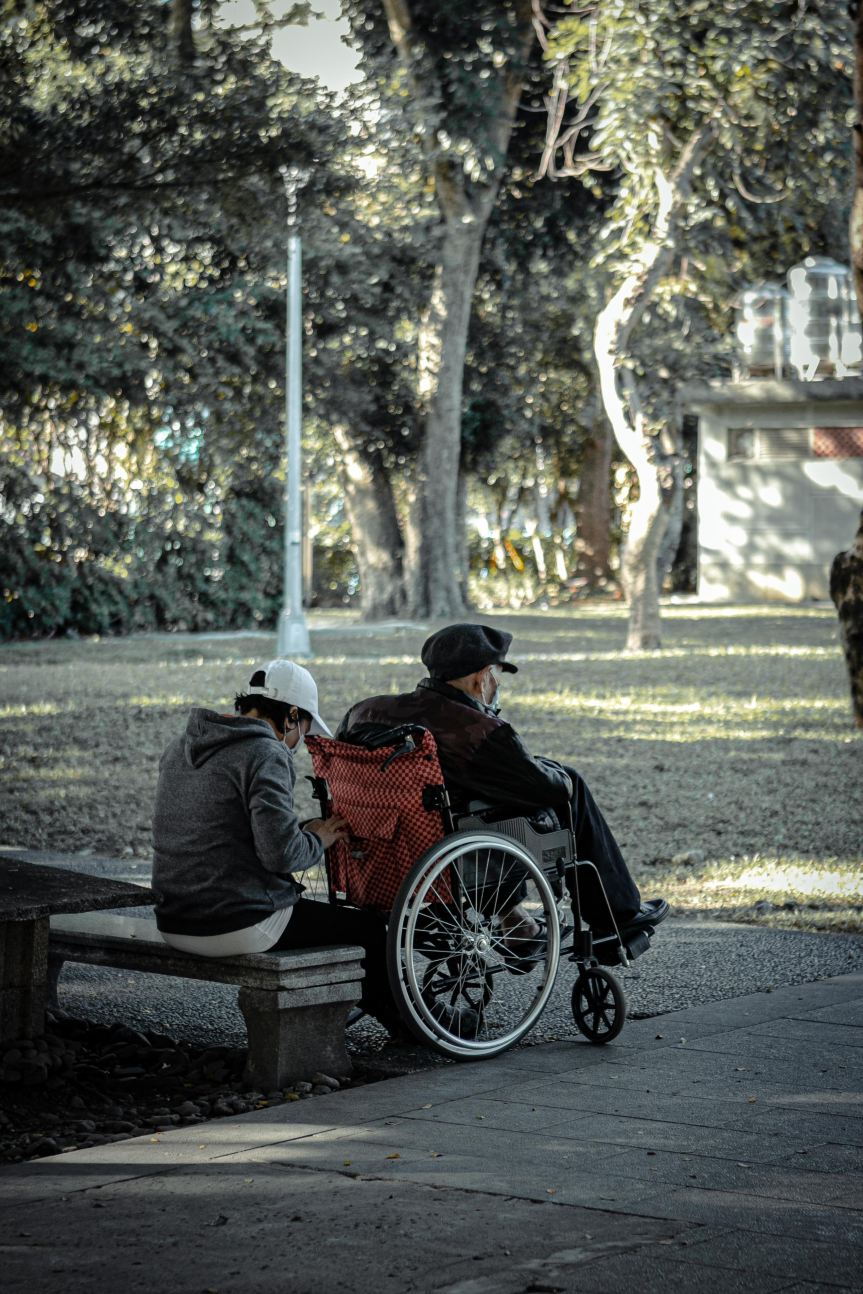
Photo by ALTEREDSNAPS on Pexels.com

As we know, June โ€“ November is Hurricane Season. As a family caregiver, there are many ways to prepare your loved ones for it. Early preparation helps reduce opportunities for stress and anxiety as storms approach.

One of the best ways to prepare is allowing your loved on to assist in packing their travel bag, checking their contact list and ensuring there are adequate emergency supplies.

Participationโ€ฆ not isolationโ€ฆ go a long way when preparing for major storms. This Seniors Storm Guide gives essential information to refer to again and again!

Traveling with a Loved One with Mobility Challenges: Essential Tips and Resources

By Roz Jones

Traveling can be an enriching experience for your aging loved one with mobility challenges, as well as their caregivers. However, it requires careful planning and consideration to ensure a smooth and enjoyable trip. In this blog, we will provide essential tips and highlight valuable resources to help caregivers navigate the unique challenges of traveling with a loved one who has mobility limitations. By following these guidelines and utilizing available resources, you can create memorable and accessible travel experiences for everyone involved.

Plan and research accessible destinations:

When planning a trip, it is essential to choose destinations that are accessible and accommodating for individuals with mobility challenges. Research accessible attractions, hotels, restaurants, and transportation options in advance. Look for destinations that offer wheelchair accessibility, accessible restrooms, and smooth pathways. Accessible travel websites, forums, and guidebooks can be valuable resources for finding suitable destinations.

Communicate with transportation providers:

Whether you’re traveling by plane, train, or bus, it’s crucial to communicate your loved one’s specific mobility needs to transportation providers. Notify the airline, train company, or bus company about any assistance or accommodations required, such as wheelchair access, boarding assistance, or extra legroom. Requesting these services ahead of time will ensure a more comfortable journey for your loved one.

Arrange accessible accommodations:

When booking accommodations, ensure that they offer accessible rooms or facilities that cater to your loved one’s specific mobility needs. Inquire about accessible bathrooms, roll-in showers, grab bars, and wheelchair accessibility throughout the premises. Reading reviews from other travelers with mobility challenges can provide valuable insights into the accessibility and suitability of different accommodations.

Pack essential mobility aids and accessories:

Pack all necessary mobility aids and accessories to ensure a smooth and comfortable travel experience. This may include wheelchairs, walkers, canes, or any other assistive devices that your loved one requires. Carry extra batteries, chargers, and any repair tools for these devices. Additionally, consider bringing portable ramps, travel-sized shower chairs, or other aids that can enhance accessibility during your trip.

Utilize local accessibility resources:

Research and utilize local accessibility resources available at your travel destination. Many cities offer accessible transportation options, accessible tours, and attractions that cater specifically to individuals with mobility challenges. Local tourism boards or visitor centers can provide valuable information about these resources. Additionally, mobile apps and websites dedicated to accessibility can help you find accessible restaurants, attractions, and amenities in the area.

Take care of your own well-being:

Remember to prioritize your own well-being as a caregiver during the trip. Traveling with a loved one who has mobility challenges can be physically and emotionally demanding. Take breaks, seek support from family or friends, and practice self-care to avoid caregiver burnout. Take advantage of respite care services or local support groups at your destination, if available.

Traveling with a loved one who has mobility challenges requires careful planning, research, and utilization of available resources. By choosing accessible destinations, communicating with transportation providers, arranging accessible accommodations, packing essential mobility aids, utilizing local accessibility resources, and prioritizing your own well-being, you can ensure a smooth and enjoyable travel experience for both you and your loved one. Remember that with proper preparation, accessible travel is not only possible but can also create lasting memories and enriching experiences.

Planning a Summer Vacation with an Aging Loved One? Download the FREE Checklist!

Are you embarking on a summer vacation adventure with a loved one in need of care? Whether you’re a caregiver or know someone who is, we understand the unique challenges and considerations that come with vacationing while ensuring your loved one is safe..

Make your vacation experience stress-free and enjoyable for both you and your loved one, we’re excited to offer you a free downloadable checklist!

Stay Ahead of the Storm: Download Your Free Expert Storm Guide Now!

Photo by ALTEREDSNAPS on Pexels.com

As we know, June โ€“ November is Hurricane Season. As a family caregiver, there are many ways to prepare your loved ones for it. Early preparation helps reduce opportunities for stress and anxiety as storms approach.

One of the best ways to prepare is allowing your loved on to assist in packing their travel bag, checking their contact list and ensuring there are adequate emergency supplies.

Participationโ€ฆ not isolationโ€ฆ go a long way when preparing for major storms. This Seniors Storm Guide gives essential information to refer to again and again!


Traveling with Dementia: Strategies for a Positive Vacation Experience

By Roz Jones

Traveling with a loved one who has dementia requires careful planning and consideration. However, with the right strategies in place, it is possible to create a positive and enjoyable vacation experience for both the caregiver and your aging loved one. In this blog, we will explore practical tips and strategies to help caregivers navigate the challenges of traveling with someone living with dementia, ensuring a safe and memorable trip for everyone involved.

Choose the right destination and mode of transportation:

When planning a vacation with someone with dementia, it’s crucial to choose a destination and mode of transportation that aligns with their abilities and comfort level. Opt for familiar destinations or places that hold significant meaning for them. Consider the length of the journey and select a mode of transportation that is less stressful, such as traveling by car or choosing direct flights. Minimizing travel time and disruptions can help reduce anxiety and confusion.

Plan a familiar and structured itinerary:

Maintaining familiarity and structure can provide a sense of comfort and security for individuals with dementia. Plan activities and outings that are familiar and enjoyable to them. Incorporate familiar routines into the daily itinerary to provide a sense of continuity. Avoid overcrowded or noisy places that may overwhelm or agitate your loved one. By creating a familiar and structured itinerary, you can help reduce anxiety and increase the chances of a positive experience.

Pack essentials and necessary documents:

When traveling with someone with dementia, it’s important to pack essential items and necessary documents. Include their prescribed medications, a list of emergency contact numbers, identification cards, and medical records. Pack comfort items such as favorite blankets, pillows, or personal items that can provide a sense of familiarity and security. Keep these items easily accessible throughout the trip.

Maintain a familiar routine and familiarize with the surroundings:

Even in a new environment, maintaining a familiar routine can be beneficial for someone with dementia. Try to incorporate familiar activities and mealtimes into the daily schedule. Take time to familiarize yourself and your loved one with the surroundings, such as the layout of the accommodation, nearby facilities, and emergency exits. This can help reduce confusion and increase feelings of safety and familiarity.

Seek support and respite:

Traveling can be physically and emotionally demanding for caregivers. It’s important to seek support and respite whenever possible. Consider involving other family members or friends who can assist with caregiving responsibilities during the trip. Take breaks and allow yourself time for self-care. Utilize local support services or respite care options to ensure you have time to recharge and relax.

Traveling with someone with dementia requires careful planning, patience, and flexibility. By choosing the right destination, maintaining a familiar routine, packing essentials, and seeking support, caregivers can create a positive vacation experience for their loved ones. Remember to prioritize their comfort, safety, and enjoyment throughout the journey. With proper preparation and a person-centered approach, traveling with dementia can become a meaningful and cherished experience for both the caregiver and the person with dementia.

Planning a Summer Vacation with an Aging Loved One? Download the FREE Checklist!

Are you embarking on a summer vacation adventure with a loved one in need of care? Whether you’re a caregiver or know someone who is, we understand the unique challenges and considerations that come with vacationing while ensuring your loved one is safe..

Make your vacation experience stress-free and enjoyable for both you and your loved one, we’re excited to offer you a free downloadable checklist!

Stay Ahead of the Storm: Download Your Free Expert Storm Guide Now!

Photo by ALTEREDSNAPS on Pexels.com

As we know, June โ€“ November is Hurricane Season. As a family caregiver, there are many ways to prepare your loved ones for it. Early preparation helps reduce opportunities for stress and anxiety as storms approach.

One of the best ways to prepare is allowing your loved on to assist in packing their travel bag, checking their contact list and ensuring there are adequate emergency supplies.

Participationโ€ฆ not isolationโ€ฆ go a long way when preparing for major storms. This Seniors Storm Guide gives essential information to refer to again and again!


Creating a Detailed Care Plan: Ensuring Continuity of Care

By Roz Jones

When caregivers go on vacation, ensuring the continuity of care for their aging parents is of utmost importance. In this four-part blog series, we have been exploring strategies to help caregivers plan for and ensure peace of mind while caring for their aging parents during their vacation. In this third blog, we will focus on creating a detailed care plan that encompasses all the necessary information to ensure the well-being and comfort of aging parents. By having a comprehensive care plan in place, caregivers can have confidence that their loved ones will continue to receive the care they need even in their absence.

Assessing Care Needs:

Start by assessing the specific care needs of your aging parents. Consider their medical conditions, medications, daily routines, dietary restrictions, and any specialized care they require. This assessment will form the foundation of your care plan and help you address their unique needs effectively.

Daily Routines:

Outline the daily routines and activities that your aging parents are accustomed to. Include information about meal times, medication schedules, personal care routines, exercise or mobility routines, and any other activities that are important for their well-being. Ensure that the care plan reflects their preferences and habits as closely as possible to provide a sense of familiarity and comfort.

Medication Management:

Carefully document the medication schedule, dosage instructions, and any special considerations for each medication. Include information about medication allergies, potential side effects, and emergency procedures in case of medication-related issues. It’s crucial to share this information with designated caregivers or healthcare professionals who will be assisting with medication administration.

Emergency Procedures:

Incorporate detailed emergency procedures into the care plan to ensure preparedness in case of unforeseen situations. Include emergency contact numbers for healthcare providers, family members, neighbors, and any other relevant individuals. Provide clear instructions on what to do in case of medical emergencies, power outages, natural disasters, or any other emergencies that may arise.

Communication and Contact Information:

Include a list of important contact information, such as primary healthcare providers, specialists, pharmacies, and medical insurance details. Additionally, provide contact information for the designated caregivers who will be taking care of your aging parents during your vacation. Ensure that all parties involved have each other’s contact information and are aware of the care plan.

Creating a detailed care plan is crucial for ensuring the continuity of care for aging parents while caregivers are on vacation. By assessing care needs, outlining daily routines, managing medications, preparing for emergencies, and sharing contact information, caregivers can provide comprehensive guidance to designated caregivers and healthcare professionals. A well-prepared care plan will ensure that aging parents receive the support and assistance they need, giving caregivers peace of mind to enjoy their vacation. In the next blog, we will discuss the importance of effective communication and regular check-ins during the vacation period to maintain a strong connection with aging parents.

Planning a Summer Vacation with an Aging Loved One? Download the FREE Checklist!

Are you embarking on a summer vacation adventure with a loved one in need of care? Whether you’re a caregiver or know someone who is, we understand the unique challenges and considerations that come with vacationing while ensuring your loved one is safe..

Make your vacation experience stress-free and enjoyable for both you and your loved one, we’re excited to offer you a free downloadable checklist!

Stay Ahead of the Storm: Download Your Free Expert Storm Guide Now!

Photo by ALTEREDSNAPS on Pexels.com

As we know, June โ€“ November is Hurricane Season. As a family caregiver, there are many ways to prepare your loved ones for it. Early preparation helps reduce opportunities for stress and anxiety as storms approach.

One of the best ways to prepare is allowing your loved on to assist in packing their travel bag, checking their contact list and ensuring there are adequate emergency supplies.

Participationโ€ฆ not isolationโ€ฆ go a long way when preparing for major storms. This Seniors Storm Guide gives essential information to refer to again and again!


Assessing the Needs of Aging Loved Ones: A Pre-Vacation Checklist

By Roz Jones

Taking a well-deserved vacation is crucial for caregivers, but it can also bring about concerns when it comes to leaving aging parents behind. In this four-part blog series, we will explore effective strategies to help caregivers plan for and ensure peace of mind while caring for their aging parents during their vacation. In this first blog, we will discuss the importance of assessing the needs of aging parents and provide a pre-vacation checklist to help caregivers prepare effectively. By taking these essential steps, caregivers can feel confident that their loved ones are well-supported and cared for in their absence.

Evaluate the Care Requirements:

The first step in preparing for a vacation while caring for aging parents is to assess their specific care needs. Consider their physical health, mobility, cognitive abilities, and any medical conditions they may have. Take note of their daily routines, medications, dietary restrictions, and any special instructions or precautions. This evaluation will provide a solid foundation for developing a comprehensive care plan.

Identify Potential Challenges:

Anticipate and identify any potential challenges that may arise during your absence. This may include issues such as mobility limitations, memory loss, medication management, or emergencies. By recognizing these challenges in advance, you can proactively address them and ensure a smoother caregiving experience for both your aging parents and the designated caregivers.

Communicate with Healthcare Professionals:

Reach out to your parents’ healthcare professionals to gain insights into their current health status. Discuss any concerns or adjustments needed during your vacation and ensure that all necessary medical supplies and prescriptions are readily available. Inform the healthcare professionals of the designated caregivers and provide them with consent to share medical information, if necessary.

Engage in Open Communication:

Maintain open and honest communication with your aging parents about your vacation plans. Discuss the arrangements you have made for their care and involve them in decision-making processes as much as possible. Address any worries or anxieties they may have, and reassure them that their needs will be met by trusted individuals in your absence.

Create a Comprehensive Care Plan:

Develop a detailed care plan that outlines all aspects of your parents’ daily routines, including meals, medication schedules, personal care, and recreational activities. Include emergency contact information, medical history, and any specific instructions for the designated caregivers. Make sure the care plan is easily accessible and provide copies to all involved parties.

Assessing the needs of aging parents and creating a pre-vacation checklist is a crucial first step in ensuring their well-being and your peace of mind while on vacation. By evaluating their care requirements, identifying potential challenges, communicating with healthcare professionals, and creating a comprehensive care plan, caregivers can prepare effectively and confidently leave their aging parents in the care of trusted individuals. In the next blog of this series, we will explore the importance of building a support network and relying on others for assistance in caring for aging parents while on vacation. Stay tuned for more valuable insights and strategies to ensure a smooth and worry-free vacation experience for both caregivers and their loved ones.

Planning a Summer Vacation with an Aging Loved One? Download the FREE Checklist!

Are you embarking on a summer vacation adventure with a loved one in need of care? Whether you’re a caregiver or know someone who is, we understand the unique challenges and considerations that come with vacationing while ensuring your loved one is safe..

Make your vacation experience stress-free and enjoyable for both you and your loved one, we’re excited to offer you a free downloadable checklist!

Stay Ahead of the Storm: Download Your Free Expert Storm Guide Now!

Photo by ALTEREDSNAPS on Pexels.com

As we know, June โ€“ November is Hurricane Season. As a family caregiver, there are many ways to prepare your loved ones for it. Early preparation helps reduce opportunities for stress and anxiety as storms approach.

One of the best ways to prepare is allowing your loved on to assist in packing their travel bag, checking their contact list and ensuring there are adequate emergency supplies.

Participationโ€ฆ not isolationโ€ฆ go a long way when preparing for major storms. This Seniors Storm Guide gives essential information to refer to again and again!