As your loved ones step onto the natural course of aging, equipping yourself with knowledge, empathy, and compassion becomes a priceless gift. Aging, as inevitable as the changing seasons, presents a profound art of transformations. Let’s set the stage with some statistics:
In 2019, there were 703 million people aged 65 years or over globally. By 2050, this number is projected to nearly double to 1.5 billion. The 65 and above age group is the fastest-growing segment of the world’s population. Every day, approximately 10,000 Baby Boomers in the United States turn 65.
Aging is a symphony of biological, psychological, and social factors. Within its intricate notes, some changes are the echoes of time itself, while others can be influenced by the care and support you provide. The understanding of these dynamics becomes the foundation of exceptional caregiving.
Embracing Physical Changes
In this journey, the body plays its own song of transformation. Vision may soften, and the melodies of hearing may evolve. Mobility and energy levels dance to a new rhythm. These shifts, though sometimes challenging, create a unique mosaic that colors daily life.
Traversing Cognitive Changes
Memory, once a steadfast companion, may start to waltz in new patterns. Decision-making abilities may weave intricate designs. Navigating these cognitive changes requires your patient presence, nurturing empathy, and unwavering support.
Nurturing Emotional Wellbeing
Aging is a kaleidoscope of emotions, from the warm hues of contentment to the cool shades of uncertainty. Anxiety and moments of introspection might knock on the door of your loved one’s heart. Your role in nurturing emotional wellbeing becomes a refuge of comfort and understanding.
Fostering Social Dynamics
As life’s chapters turn, social landscapes transform too. Friends and family members take different paths, leading to both enriching connections and quiet moments of solitude. Your nurturing spirit creates bridges of companionship and understanding.
With knowledge as your compass and empathy as your guide, you stand poised to journey alongside your aging loved ones. This blog will serve as clarity, illuminating pathways to understanding emotional wellbeing, navigating cognitive changes, and nurturing the spirit of resilience. As we peel back the layers of aging’s intricacies, remember that your role as a caregiver is a steady lighthouse in the storm. Join us in the next part of our series as we delve into the heart of emotional support.
Planning a Summer Vacation with an Aging Loved One? Download the FREE Checklist!
Are you embarking on a summer vacation adventure with a loved one in need of care? Whether you’re a caregiver or know someone who is, we understand the unique challenges and considerations that come with vacationing while ensuring your loved one is safe..
Make your vacation experience stress-free and enjoyable for both you and your loved one, we’re excited to offer you a free downloadable checklist!
As we know, June – November is Hurricane Season. As a family caregiver, there are many ways to prepare your loved ones for it. Early preparation helps reduce opportunities for stress and anxiety as storms approach.
One of the best ways to prepare is allowing your loved on to assist in packing their travel bag, checking their contact list and ensuring there are adequate emergency supplies.
Participation… not isolation… go a long way when preparing for major storms. This Seniors Storm Guide gives essential information to refer to again and again!
In the noble role of caregiving, you dedicate your days to nurturing, comforting, and supporting your aging loved one. While this journey is filled with profound meaning, it can also lead to the gradual fading of your own needs and sense of self. Enter respite care – a beacon of light that offers you the chance to rekindle your spirit, rediscover your passions, and put the ‘me’ back in caregiver.
Respite care is not merely a pause in your caregiving journey; it’s a lifeline that reconnects you with your own essence. This invaluable break grants you the freedom to temporarily step away from your caregiving duties, allowing you to recharge and return to your role with newfound vitality.
Embracing Respite Care: A Catalyst for Transformation
As you explore the realms of respite care, consider the transformative benefits it offers:
Revitalizing Activities: With your aging loved one receiving care during this break, you have the opportunity to engage in activities that rekindle your spirit. Pursue hobbies, exercise routines, or creative pursuits that you’ve set aside. The revitalization you experience will infuse renewed energy into your caregiving journey.
Reconnecting with Loved Ones: Utilize this time to strengthen your relationships with friends and family. Arrange coffee dates, video calls, or outings that enrich your connections and offer moments of shared joy.
Self-Care Retreat: Design your own self-care retreat during this break. Unwind with soothing baths, meditation, or journaling. The time is yours to nurture your body, mind, and soul.
Exploring Interests: Rekindle your curiosity and explore new interests. Sign up for workshops, join local clubs, or delve into books that intrigue you. This is your time to embrace personal growth and exploration.
Rest and Recharge: Embrace the luxury of sleep and relaxation. Allow yourself to rejuvenate physically and mentally, laying the foundation for a more balanced caregiving journey.
Respite care isn’t just a break; it’s an essential component of your caregiving toolkit. By prioritizing your own well-being, you’re reinforcing your capacity to offer compassionate care. As you explore ways to use this respite time, remember that nurturing yourself ultimately benefits your aging loved one too.
Seize the opportunity of respite care to rekindle your essence, ignite your passions, and forge a deeper connection with yourself. It’s through self-care and self-discovery that you become an even more profound source of support and comfort.
Planning a Summer Vacation with an Aging Loved One? Download the FREE Checklist!
Are you embarking on a summer vacation adventure with a loved one in need of care? Whether you’re a caregiver or know someone who is, we understand the unique challenges and considerations that come with vacationing while ensuring your loved one is safe..
Make your vacation experience stress-free and enjoyable for both you and your loved one, we’re excited to offer you a free downloadable checklist!
As we know, June – November is Hurricane Season. As a family caregiver, there are many ways to prepare your loved ones for it. Early preparation helps reduce opportunities for stress and anxiety as storms approach.
One of the best ways to prepare is allowing your loved on to assist in packing their travel bag, checking their contact list and ensuring there are adequate emergency supplies.
Participation… not isolation… go a long way when preparing for major storms. This Seniors Storm Guide gives essential information to refer to again and again!
Traveling is an enriching experience that should be accessible to everyone, regardless of age or physical ability. For aging loved ones, having access to convenient and suitable transportation options is crucial to ensure a smooth and enjoyable journey. In this blog, we will explore accessible transportation options specifically tailored for aging loved ones who are traveling, providing valuable information and tips to make travel easier and more inclusive for seniors.
Public Transportation:
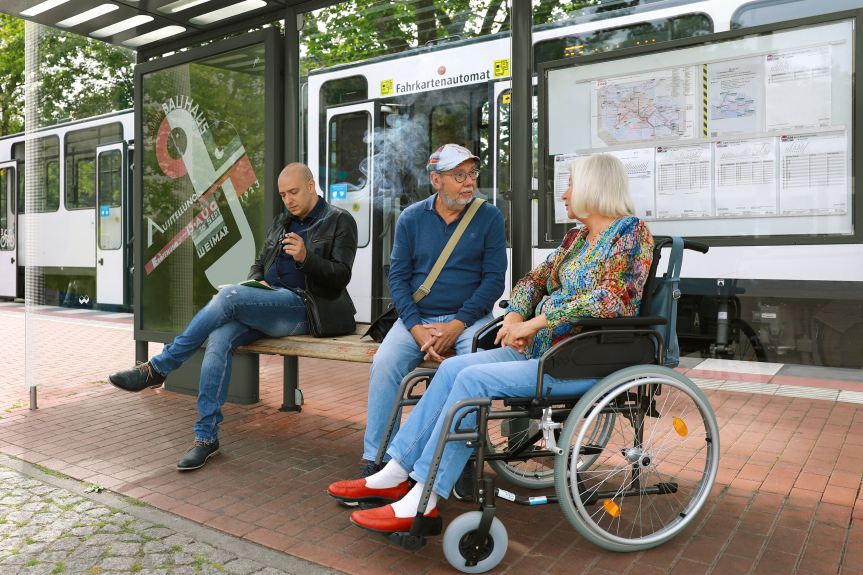
Public transportation systems in many cities offer accessible options to accommodate the needs of elderly travelers. Buses, trams, and trains often have designated seating areas for individuals with mobility challenges, as well as ramps or lifts for easy boarding. Many public transportation agencies also provide reduced fares or special passes for seniors. Research the accessibility features of public transportation at your destination, including schedules, routes, and any additional services provided for elderly passengers.
Wheelchair-accessible Taxis and Ride-Sharing Services:
Wheelchair-accessible taxis and ride-sharing services have become increasingly available in many cities worldwide. These services offer convenient door-to-door transportation for elderly travelers with mobility challenges. Make sure to research and pre-book accessible taxis or ride-sharing services that provide vehicles equipped with wheelchair ramps or lifts. These services often require advanced booking, so plan accordingly to ensure a seamless travel experience.
Accessible Rental Vehicles:
If you prefer to have the flexibility of driving during your trip, consider renting an accessible vehicle. Many rental companies offer vehicles equipped with ramps or lifts, allowing for easy wheelchair access. It is advisable to book these vehicles well in advance, as they may be in high demand. Ensure that the rental vehicle meets your specific needs and familiarize yourself with any operational instructions or safety features before hitting the road.
Senior Transportation Programs:
Various senior transportation programs are available in different communities to cater to the specific needs of elderly travelers. These programs often provide door-to-door transportation services for seniors, especially for medical appointments, grocery shopping, or social outings. Research local senior centers, community organizations, or non-profit agencies that offer transportation services and inquire about their eligibility requirements and availability.
Cruises and Guided Tours:
Cruises and guided tours can be excellent travel options for elderly individuals, as they provide comprehensive transportation services and accessibility features. Many cruise lines offer accessible cabins, wheelchair-accessible facilities, and on-board transportation assistance. Similarly, guided tours often prioritize accessibility, providing transportation that accommodates elderly travelers with mobility challenges. Research and choose reputable cruise lines or tour operators that have a strong commitment to accessibility and inclusive travel experiences.
Air Travel Assistance:
Airports have special services and assistance programs to support elderly travelers with mobility challenges. Airlines provide wheelchair assistance upon request, both within the airport terminals and during boarding and disembarking. It is advisable to inform the airline about any specific needs or requirements in advance to ensure a smooth and comfortable journey. Many airports also offer accessible transportation options within the terminals, such as shuttle services or electric carts.
Ensuring accessible transportation options for elderly travelers is essential to promote inclusive and enjoyable travel experiences. By researching public transportation accessibility, utilizing wheelchair-accessible taxis or ride-sharing services, considering accessible rental vehicles, exploring senior transportation programs, choosing cruise lines or guided tours with a focus on accessibility, and taking advantage of air travel assistance, caregivers can help make travel easier and more accessible for their aging loved ones. Remember to plan ahead, communicate specific needs, and prioritize the comfort and well-being of elderly travelers throughout their journey. With the right transportation options in place, seniors can embark on memorable adventures with ease and confidence.
Planning a Summer Vacation with an Aging Loved One? Download the FREE Checklist!
Are you embarking on a summer vacation adventure with a loved one in need of care? Whether you’re a caregiver or know someone who is, we understand the unique challenges and considerations that come with vacationing while ensuring your loved one is safe.
Make your vacation experience stress-free and enjoyable for both you and your loved one, we’re excited to offer you a free downloadable checklist!
As we know, June – November is Hurricane Season. As a family caregiver, there are many ways to prepare your loved ones for it. Early preparation helps reduce opportunities for stress and anxiety as storms approach.
One of the best ways to prepare is allowing your loved on to assist in packing their travel bag, checking their contact list and ensuring there are adequate emergency supplies.
Participation… not isolation… go a long way when preparing for major storms. This Seniors Storm Guide gives essential information to refer to again and again!
As our loved ones age, ensuring their comfort and safety becomes a top priority, even during vacation getaways. One way to provide a seamless and enjoyable travel experience for aging family members is by opting for a vacation rental that is specifically designed with their needs in mind. In this blog, we will explore practical tips and considerations for creating a safe and accessible vacation rental, allowing your loved ones to relax and make lasting memories with peace of mind.
Prioritize Safety Features:
a. Install grab bars in the bathroom to provide support and stability.
b. Ensure that pathways and common areas are well-lit to prevent falls.
c. Remove tripping hazards such as rugs or clutter.
d. Consider adding handrails on staircases or ramps for easier mobility.
Enhance Accessibility:
a. Choose a vacation rental with accessible entryways, doorways, and hallways.
b. Opt for a property that offers a ground-floor bedroom and bathroom to avoid stairs.
c. Provide mobility aids such as walkers or shower chairs if needed.
d. Ensure that essential areas like the kitchen and living room are easily reachable.
Create a Comfortable Bedroom:
a. Invest in an adjustable bed that accommodates different sleeping positions.
b. Provide extra pillows and blankets for added comfort and support.
c. Ensure that the bed is at an appropriate height for easy entry and exit.
d. Install adequate lighting and bedside tables for convenience.
Adapt the Bathroom:
a. Install a walk-in shower or a shower seat with grab bars for added safety.
b. Consider adding non-slip mats or strips to prevent accidents.
c. Provide easy-to-reach toiletries and a magnifying mirror for convenience.
d. Install a raised toilet seat or grab bars near the toilet if necessary.
Include Assistive Devices:
a. Offer a hearing-impaired doorbell or phone for better communication.
b. Provide a landline or ensure that cell phone reception is reliable.
c. Include a well-labeled emergency contact list with important numbers.
d. Consider installing a personal emergency response system for added security.
Creating a safe and accessible vacation rental for aging family members demonstrates your commitment to their well-being and allows them to enjoy a worry-free vacation experience. By prioritizing safety features, enhancing accessibility, and considering their specific needs, you can provide a comfortable and enjoyable environment that promotes relaxation and independence. Remember, a well-prepared vacation rental ensures that your loved ones can focus on creating cherished memories during their getaway.
Planning a Summer Vacation with an Aging Loved One? Download the FREE Checklist!
Are you embarking on a summer vacation adventure with a loved one in need of care? Whether you’re a caregiver or know someone who is, we understand the unique challenges and considerations that come with vacationing while ensuring your loved one is safe..
Make your vacation experience stress-free and enjoyable for both you and your loved one, we’re excited to offer you a free downloadable checklist!
As we know, June – November is Hurricane Season. As a family caregiver, there are many ways to prepare your loved ones for it. Early preparation helps reduce opportunities for stress and anxiety as storms approach.
One of the best ways to prepare is allowing your loved on to assist in packing their travel bag, checking their contact list and ensuring there are adequate emergency supplies.
Participation… not isolation… go a long way when preparing for major storms. This Seniors Storm Guide gives essential information to refer to again and again!
We founded The Caregiver Cafe Shopify Store with one simple goal: to help you experiment with your passion while at the same time providing amazing prices. We were tired of cookie-cutter stores with lackluster selections, and boring gifts. Instead of offering a huge unoriginal collection, we carefully curate just a few unique pieces perfectly suited for people the taste buds like you.
We focus on items that get you excited about shopping again, as we believe buying online should always be fun!
Subscribe to The Caregiver Cafe Weekly Newsletter!
Caregiving can be a roller coaster of ups and downs. The information that you will receive from The Caregiver Cafe Weekly Specials Newsletter will support you as a caregiver. Remember…
1. YOU ARE NOT ALONE: The problems you face as a caregiver are experienced by other caregivers. Knowing that you’re not alone can be comforting.
2. Tools and Resources: Find caregiver stress management tools and gain perspective from other caregiver’s experiences.
3. LEARN TO: Ask for help, accept help when it is offered, and acknowledge yourself on this caregiving journey. Hear from experts on how to balance caregiving responsibilities by taking care of your needs and involving others to help manage the natural stress and isolation of being a caregiver.
As a caregiver responsible for aging loved ones, planning a vacation can be both exciting and challenging. While you may have carefully planned every detail, it’s essential to recognize the importance of having a backup plan in case unexpected situations arise. In this blog, we will discuss the significance of having a vacation backup plan and provide practical tips to help caregivers prepare for the unexpected. By taking proactive measures, you can ensure the well-being of your aging loved ones while enjoying a well-deserved break.
Assess Potential Risks and Anticipate Scenarios:
Before embarking on your vacation, take the time to assess potential risks and anticipate various scenarios that could occur in your absence. Consider the health conditions, mobility limitations, or specific needs of your aging loved ones. Reflect on potential emergencies, such as sudden illness or accidents, and think about any challenges they may encounter. By understanding the possible risks, you can better prepare and create a backup plan tailored to address those specific scenarios.
Identify Trusted Emergency Contacts:
One of the key elements of a vacation backup plan is establishing trusted emergency contacts. Identify family members, friends, or neighbors who can be relied upon in case of an emergency. Share essential contact information, medical details, and any specific instructions for the well-being of your loved ones. Ensure that these emergency contacts are aware of their role and willing to assist if needed. Maintain open lines of communication with them during your vacation and provide updates on your whereabouts and any changes in plans.
Collaborate with a Respite Care Provider:
Respite care can be a valuable resource for caregivers who need temporary support during their vacation. Research and identify reputable respite care providers in your area. These professionals can step in to provide care and support for your aging loved ones while you are away. It’s important to establish a rapport with the respite care provider in advance, ensuring they have all the necessary information about your loved ones’ routines, medication schedules, dietary needs, and preferences. This collaboration will give you peace of mind knowing that your loved ones are in capable hands.
Document and Share Important Information:
Creating a comprehensive document with all the important information pertaining to your aging loved ones is crucial for a smooth vacation backup plan. Include details such as medical history, current medications, allergies, insurance information, and healthcare provider contacts. Make sure to update this document regularly and share it with the designated emergency contacts, respite care provider, and any other relevant individuals involved in your loved ones’ care. Having access to this information will facilitate better decision-making and prompt assistance, should the need arise.
Stay Connected and Set Communication Expectations:
Maintaining regular communication during your vacation is vital for both your peace of mind and the well-being of your aging loved ones. Establish a communication plan that works for everyone involved, whether it’s daily check-ins, video calls, or updates via a designated family member. Clarify expectations and provide reassurance to your loved ones, letting them know how and when you will be available to address any concerns. Regular communication helps maintain a sense of connection, alleviates anxiety, and ensures that you can promptly respond to any unexpected situations that may arise.
Having a vacation backup plan is crucial for caregivers of aging loved ones. By assessing potential risks, identifying emergency contacts, collaborating with respite care providers, documenting important information, and staying connected, caregivers can prepare for the unexpected and enjoy their vacation with peace of mind. Remember, a well-prepared backup plan allows you to take care of yourself while ensuring that your loved ones receive the support they need in your absence. With proper planning and organization, you can embark on your vacation knowing that you have proactively addressed any unforeseen circumstances, allowing for a stress-free and rejuvenating experience.
Planning a Summer Vacation with an Aging Loved One? Download the FREE Checklist!
Are you embarking on a summer vacation adventure with a loved one in need of care? Whether you’re a caregiver or know someone who is, we understand the unique challenges and considerations that come with vacationing while ensuring your loved one is safe..
Make your vacation experience stress-free and enjoyable for both you and your loved one, we’re excited to offer you a free downloadable checklist!
As we know, June – November is Hurricane Season. As a family caregiver, there are many ways to prepare your loved ones for it. Early preparation helps reduce opportunities for stress and anxiety as storms approach.
One of the best ways to prepare is allowing your loved on to assist in packing their travel bag, checking their contact list and ensuring there are adequate emergency supplies.
Participation… not isolation… go a long way when preparing for major storms. This Seniors Storm Guide gives essential information to refer to again and again!
We founded The Caregiver Cafe Shopify Store with one simple goal: to help you experiment with your passion while at the same time providing amazing prices. We were tired of cookie-cutter stores with lackluster selections, and boring gifts. Instead of offering a huge unoriginal collection, we carefully curate just a few unique pieces perfectly suited for people the taste buds like you.
We focus on items that get you excited about shopping again, as we believe buying online should always be fun!
Navigating Care for an Ex-Partner: Balancing Boundaries and Personal Growth
Taking care of an ex-partner is complex due to emotional baggage, difficulty in establishing boundaries and managing expectations, hindering personal growth and moving on, communication challenges, interference with new boundaries and relationships, and potential harm to personal well-being. It’s crucial to assess one’s emotional capacity and boundaries while considering the well-being of both individuals involved. In this episode, we continue our discussion on how you can show care for an ex-partner without losing yourself in the process. Listen in for all the gems!
Subscribe to The Caregiver Cafe Weekly Newsletter!
Caregiving can be a roller coaster of ups and downs. The information that you will receive from The Caregiver Cafe Weekly Specials Newsletter will support you as a caregiver. Remember…
1. YOU ARE NOT ALONE: The problems you face as a caregiver are experienced by other caregivers. Knowing that you’re not alone can be comforting.
2. Tools and Resources: Find caregiver stress management tools and gain perspective from other caregiver’s experiences.
3. LEARN TO: Ask for help, accept help when it is offered, and acknowledge yourself on this caregiving journey. Hear from experts on how to balance caregiving responsibilities by taking care of your needs and involving others to help manage the natural stress and isolation of being a caregiver.













 The Caregiver Cafe