
A Compassionate Guide for Caregivers on Nurturing Heart Health in Aging Loved Ones

By Roz Jones

As we journey through February, dedicated to matters of the heart, I find immense joy in welcoming you to this special series. It is both an honor and a privilege to guide you through the intricacies of Heart Month, a journey that holds profound significance for those entrusted with the care of aging loved ones.

Why Heart Month Matters:

Heart Month, observed annually in February, serves as a poignant reminder of the critical role heart health plays in the overall well-being of our aging community. It is a time when we come together to raise awareness, share knowledge, and foster a sense of collective responsibility toward cardiovascular health.

Heartfelt Insights and Experiences:

Allow me to share a bit of my own journey. As a caregiver and advocate for the well-being of aging individuals, I’ve witnessed the profound impact that heart health can have on the quality of life. Through the highs and lows, the triumphs, and the challenges, my experiences have shaped my commitment to empowering caregivers like you.

Navigating the Complexities of Heart Health:

The heart, a resilient organ that symbolizes life and love, becomes even more precious as our loved ones age. In this series, we will delve into the intricacies of heart health, exploring its nuances and understanding how we, as caregivers, can play a pivotal role in ensuring the well-being of those we hold dear.

Emphasis on Aging Loved Ones:

Aging brings with it a set of unique considerations, and the health of the heart becomes a focal point in the journey of caregiving. Heart Month is an opportune time to reflect on the specific needs of our aging loved ones, offering insights and practical advice to navigate the path ahead with confidence and compassion.

Join me in this exploration of Heart Month—a month not only to educate but also to celebrate the resilience of the heart and the dedication of caregivers. May this series serve as a source of inspiration, knowledge, and a reminder that the work you do is invaluable.

Shop The Caregiver Cafe E-Commerce Store!

We founded The Caregiver Cafe Shopify Store with one simple goal: to help you experiment with your passion while at the same time providing amazing prices. We were tired of cookie-cutter stores with lackluster selections, and boring gifts. Instead of offering a huge unoriginal collection, we carefully curate just a few unique pieces perfectly suited for people the taste buds like you.

We focus on items that get you excited about shopping again, as we believe buying online should always be fun!


Pros and Cons of Telehealth

Telehealth is the provision of healthcare remotely by means of telecommunications technology and with the pandemic, we have seen a rise in telehealth.

In this episode, I share:
The pros and cons of telehealth 
How it is applicable in the realm of senior care.

Subscribe to The Caregiver Cafe Weekly Newsletter!

Caregiving can be a roller coaster of ups and downs. The information that you will receive from The Caregiver Cafe Weekly Specials Newsletter will support you as a caregiver. Remember…

1. YOU ARE NOT ALONE: The problems you face as a caregiver are experienced by other caregivers. Knowing that you’re not alone can be comforting. 

2. Tools and Resources:  Find caregiver stress management tools and gain perspective from other caregiver’s experiences.

3. LEARN TO: Ask for help, accept help when it is offered, and acknowledge yourself on this caregiving journey. Hear from experts on how to balance caregiving responsibilities by taking care of your needs and involving others to help manage the natural stress and isolation of being a caregiver. 
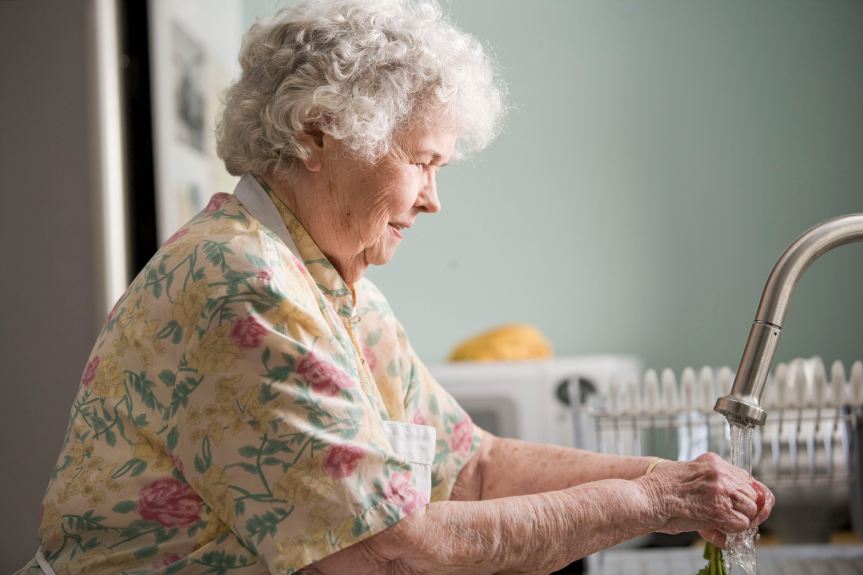
Nurturing Routine and Managing Overstimulation in Loved Ones with Alzheimer’s

By Roz Jones

As caregivers, we understand the challenges that come with caring for someone living with Alzheimer’s. The unpredictability, the emotional rollercoaster, and the ever-changing nature of the disease can be overwhelming. But fear not, because I’m here to share some valuable insights and strategies to help you navigate through these challenges.

Nurturing Routine

Establishing and maintaining a routine is fundamental when caring for individuals with Alzheimer’s. Predictability can provide a sense of security and comfort, even amidst the confusion and uncertainty caused by the disease. Here’s how you can build and maintain a routine:

  • Consistent Schedule: Establish a daily routine for meals, activities, and bedtime. Consistency helps in reducing anxiety and confusion for your loved one.
  • Visual Aids: Use visual cues like calendars, clocks, or whiteboards to help your loved one understand the daily schedule. Highlight important events or activities to reinforce the routine.
  • Simple and Familiar Tasks: Encourage participation in simple tasks or activities that they’re familiar with. It could be folding laundry, gardening, or listening to favorite music. These tasks can boost their confidence and sense of accomplishment.
  • Flexibility within Structure: While a routine is crucial, allow some flexibility. Be adaptable and understanding of changes that might occur due to their condition.
  • Patience and Encouragement: It’s essential to be patient and offer positive reinforcement. Celebrate small victories and reassure your loved one if they struggle with a task.

Remember, a routine can provide a sense of stability, but it’s equally important to approach it with flexibility and understanding.

Managing Overstimulation

Alzheimer’s can make individuals more sensitive to their surroundings, leading to overstimulation. Here’s how you can manage situations when your loved one feels overwhelmed:

  • Recognize Triggers: Be observant and identify triggers that cause distress. It could be loud noises, crowded places, or certain activities. Minimize exposure to these triggers whenever possible.
  • Create Calm Environments: Keep surroundings calm and organized. Reduce noise levels, avoid clutter, and ensure adequate lighting. Creating a peaceful atmosphere can help in managing overstimulation.
  • Offer Breaks and Distractions: When you notice signs of agitation, encourage breaks in a quieter space. Provide activities like reading, gentle walks, or soothing music to divert their attention.
  • Stay Attuned to Body Language: Pay attention to non-verbal cues. If you notice signs of agitation or discomfort, try to address the situation promptly.
  • Practice Relaxation Techniques: Consider incorporating relaxation techniques such as deep breathing exercises or gentle massages to help them relax when feeling overwhelmed.

Remember, every individual with Alzheimer’s is unique, and what works for one person may not work for another. It’s crucial to observe, adapt, and respond to their specific needs and preferences. As caregivers, your dedication and love make a significant difference in the lives of your loved ones. Take care of yourself too—seek support, take breaks, and don’t hesitate to ask for help when needed.

Stay strong, stay compassionate, and remember, you’re making an incredible difference in their lives every single day.


Shop The Caregiver Cafe E-Commerce Store!

We founded The Caregiver Cafe Shopify Store with one simple goal: to help you experiment with your passion while at the same time providing amazing prices. We were tired of cookie-cutter stores with lackluster selections, and boring gifts. Instead of offering a huge unoriginal collection, we carefully curate just a few unique pieces perfectly suited for people the taste buds like you.

We focus on items that get you excited about shopping again, as we believe buying online should always be fun!


Subscribe to The Caregiver Cafe Weekly Newsletter!

Caregiving can be a roller coaster of ups and downs. The information that you will receive from The Caregiver Cafe Weekly Specials Newsletter will support you as a caregiver. Remember…

1. YOU ARE NOT ALONE: The problems you face as a caregiver are experienced by other caregivers. Knowing that you’re not alone can be comforting. 

2. Tools and Resources:  Find caregiver stress management tools and gain perspective from other caregivers’ experiences.

3. LEARN TO: Ask for help, accept help when it is offered, and acknowledge yourself on this caregiving journey. Hear from experts on how to balance caregiving responsibilities by taking care of your needs and involving others to help manage the natural stress and isolation of being a caregiver. 

Managing Holiday Stress: A Caregiver’s Guide – Part 1

By Roz Jones

The holiday season is a time of joy, love, and celebration. It’s a time for family gatherings, festive decorations, and sharing precious moments with loved ones. However, for caregivers responsible for aging parents or loved ones, the holidays can bring an added layer of stress to an already demanding role. If you find yourself overwhelmed at the prospect of managing caregiving duties alongside holiday preparations, take a moment to breathe—because you’re not alone.

According to a survey by Home Instead Senior Care®, 64 percent of caregivers report experiencing increased stress during the holiday season. In this series, we’ll provide you with a comprehensive guide to help you navigate the holidays as a caregiver while preserving your well-being and ensuring a memorable season for your loved ones.

1. Start Early:

One of the most effective ways to reduce holiday stress is to begin your preparations early. Starting ahead of time allows you to pace yourself and complete tasks without feeling rushed or overwhelmed. Create a holiday to-do list, and allocate specific days or weeks for each task. Whether it’s shopping, decorating, or meal planning, early preparation can make a world of difference.

2. Delegate:

As a caregiver, it’s essential to remember that you don’t have to shoulder all the responsibilities on your own. Reach out to family members, friends, or neighbors for support. Delegate tasks such as shopping, decorating, or cooking. This not only lightens your load but also fosters a sense of togetherness among your loved ones. Embrace the spirit of collaboration, and you’ll find that the holiday season becomes more enjoyable and less overwhelming.

3. Simplify:

In the hustle and bustle of the holidays, it’s easy to get caught up in the pursuit of perfection. However, it’s crucial to remember that the holidays don’t have to be extravagant to be meaningful. Embrace simplicity by focusing on what truly matters—quality time spent with your loved ones. Simplify your holiday plans, opt for easy-to-prepare meals, and choose decorations that bring joy without excessive effort.

4. Set Realistic Expectations:

The pressure to create a perfect holiday can be overwhelming. Caregivers often strive for an idealized image of the season, which can lead to disappointment and increased stress. Instead, set realistic expectations for yourself and your loved ones. Understand that the holidays may not look the same as they once did, but that doesn’t diminish their value. Embrace the imperfections and cherish the moments you share.

5. Take Breaks:

Caring for a loved one is a noble but demanding role. It’s essential to prioritize self-care during the holiday season. Don’t hesitate to take breaks when you need them. Utilize respite care services or ask trusted family and friends for assistance, even if it’s just for a few hours. Taking time for yourself is not a luxury—it’s a necessity for maintaining your physical and emotional well-being.


The holiday season can be challenging for caregivers, but remember that you’re not alone in this journey. According to Home Instead Senior Care®, many caregivers experience increased stress during this time. By implementing these tips, you can proactively manage holiday stress and ensure a more peaceful and enjoyable season for both you and your loved ones. Visit my previous article 5 Tips for Caregivers to Help Manage Holiday Stress – Part 1 and make this holiday season one you won’t forget.

Stay Ahead of the Storm: Download Your Free Expert Storm Guide Now!

Photo by ALTEREDSNAPS on Pexels.com

As we know, June – November is Hurricane Season. As a family caregiver, there are many ways to prepare your loved ones for it. Early preparation helps reduce opportunities for stress and anxiety as storms approach.

One of the best ways to prepare is allowing your loved on to assist in packing their travel bag, checking their contact list and ensuring there are adequate emergency supplies.

Participation… not isolation… go a long way when preparing for major storms. This Seniors Storm Guide gives essential information to refer to again and again!


Shop The Caregiver Cafe E-Commerce Store!

We founded The Caregiver Cafe Shopify Store with one simple goal: to help you experiment with your passion while at the same time providing amazing prices. We were tired of cookie-cutter stores with lackluster selections, and boring gifts. Instead of offering a huge unoriginal collection, we carefully curate just a few unique pieces perfectly suited for people the taste buds like you.

We focus on items that get you excited about shopping again, as we believe buying online should always be fun!


The Physical Toll of Caregiving

The physical demands of caregiving are not to be underestimated. Lifting, bathing, and assisting with mobility are just a few of the physically taxing tasks that caregivers routinely perform.

These actions can lead to strained muscles, back problems, and joint pain. Over time, the repetitive nature of caregiving tasks can contribute to chronic pain and even serious injuries.

Caregivers often prioritize the well-being of their loved ones over their own, neglecting proper body mechanics and self-care practices that can prevent these physical issues.

In this episode, I get down to how a caregiver can ensure they are managing the physical toll of caregiving.

Subscribe to The Caregiver Cafe Weekly Newsletter!

Caregiving can be a roller coaster of ups and downs. The information that you will receive from The Caregiver Cafe Weekly Specials Newsletter will support you as a caregiver. Remember…

1. YOU ARE NOT ALONE: The problems you face as a caregiver are experienced by other caregivers. Knowing that you’re not alone can be comforting. 

2. Tools and Resources:  Find caregiver stress management tools and gain perspective from other caregiver’s experiences.

3. LEARN TO: Ask for help, accept help when it is offered, and acknowledge yourself on this caregiving journey. Hear from experts on how to balance caregiving responsibilities by taking care of your needs and involving others to help manage the natural stress and isolation of being a caregiver. 

Celebrating Success: A Story of Triumph and Inspiration

By Roz Jones

In this edition, we’re celebrating the resilience and success of caregivers who have worked tirelessly with aging loved ones facing disabilities. These stories serve as a reminder that the human spirit is boundless and that with determination and unwavering support, we can achieve remarkable things.

A Story of Triumph: Jane and Her Mother

Meet Jane, a dedicated caregiver who embarked on a life-altering journey when her mother, Sarah, was diagnosed with a debilitating neurological disorder. Sarah’s condition left her unable to perform even the most basic daily tasks. It was a trying time for Jane, who made the difficult decision to leave her job to become her mother’s full-time caregiver.

For years, Jane selflessly devoted herself to her mother’s care, learning the ins and outs of the healthcare system, administering medications, and providing emotional support. Though it was a challenging role, Jane’s determination never wavered.

One day, while at a caregiver support group, Jane discovered a program that offered training for caregivers to become certified home health aides. This opportunity was a glimmer of hope for Jane, a chance to not only enhance her caregiving skills but also regain her financial independence.

Jane enrolled in the program and, with incredible dedication and hard work, completed her training and earned her certification. With her newfound skills, Jane not only continued to provide exceptional care to her mother but also started working as a professional home health aide.

Sarah’s condition slowly improved with Jane’s unwavering support, and she celebrated small victories along the way. Jane’s journey from full-time caregiver to certified professional was a testament to her determination and her commitment to providing the best care for her mother.

Inspirational Insights:

  • Resilience Beyond Boundaries: Jane’s story reminds us that caregivers often face unexpected challenges, but with resilience, they can overcome them and find new paths to success.
  • Pursuing Personal Goals: Caregivers often put their lives on hold to care for loved ones. It’s essential to explore opportunities for self-improvement and personal growth, as Jane did.
  • Small Wins Matter: Sarah’s gradual improvement showcases that in caregiving, even the smallest victories are worth celebrating. They keep us going during challenging times.
  • The Power of Education: Seeking education and training can be a lifeline for caregivers, allowing them to build their skills and potentially find employment while still providing quality care for their loved ones.
  • Support Systems Are Vital: Jane’s participation in a caregiver support group led her to her new path. Connecting with others who understand the caregiving journey can provide valuable insights and opportunities.

Stories of triumph and inspiration like these within the caregiving community serve as beacons of hope for us all. They remind us that no matter the hurdles we face, we have the strength and resilience to overcome them. By celebrating these successes, we hope to inspire caregivers and their loved ones to chase their dreams and achieve their employment goals, all while providing the love and support that makes caregiving so extraordinary. Let this be a source of motivation and empowerment for all of us.

Stay Ahead of the Storm: Download Your Free Expert Storm Guide Now!

Photo by ALTEREDSNAPS on Pexels.com

As we know, June – November is Hurricane Season. As a family caregiver, there are many ways to prepare your loved ones for it. Early preparation helps reduce opportunities for stress and anxiety as storms approach.

One of the best ways to prepare is allowing your loved on to assist in packing their travel bag, checking their contact list and ensuring there are adequate emergency supplies.

Participation… not isolation… go a long way when preparing for major storms. This Seniors Storm Guide gives essential information to refer to again and again!


Shop The Caregiver Cafe E-Commerce Store!

We founded The Caregiver Cafe Shopify Store with one simple goal: to help you experiment with your passion while at the same time providing amazing prices. We were tired of cookie-cutter stores with lackluster selections, and boring gifts. Instead of offering a huge unoriginal collection, we carefully curate just a few unique pieces perfectly suited for people the taste buds like you.

We focus on items that get you excited about shopping again, as we believe buying online should always be fun!


Subscribe to The Caregiver Cafe Weekly Newsletter!

Caregiving can be a roller coaster of ups and downs. The information that you will receive from The Caregiver Cafe Weekly Specials Newsletter will support you as a caregiver. Remember…

1. YOU ARE NOT ALONE: The problems you face as a caregiver are experienced by other caregivers. Knowing that you’re not alone can be comforting. 

2. Tools and Resources:  Find caregiver stress management tools and gain perspective from other caregivers’ experiences.

3. LEARN TO: Ask for help, accept help when it is offered, and acknowledge yourself on this caregiving journey. Hear from experts on how to balance caregiving responsibilities by taking care of your needs and involving others to help manage the natural stress and isolation of being a caregiver. 

Empowering Yourself and Your Aging Parent

By Roz Jones

Caring for an aging parent can be a deeply rewarding yet challenging experience. When you find yourself in the role of caregiver, it may feel as though you are parenting your parent. This role reversal can be emotionally taxing, but with patience and understanding, it’s possible to build a strong relationship with your aging loved one while ensuring they receive the care they need. In this discussion, we will explore valuable strategies and insights to empower yourself as a caregiver and provide the best possible support to your aging parent during this important phase of life.

Educate Yourself for Informed Care

One of the most effective ways to excel in your caregiver role is through education. Understanding the aging process, common senior health issues, and available resources will better equip you to provide the best care for your parent. Familiarize yourself with conditions such as Alzheimer’s, dementia, arthritis, and diabetes, which are prevalent among seniors. Knowing the symptoms, treatment options, and potential challenges associated with these conditions can help you anticipate your parent’s needs.

Additionally, become well-versed in your parent’s medications and their potential side effects. Regularly attend medical appointments with healthcare providers and specialists. By being informed, you can make decisions that are in your parent’s best interest and advocate effectively for their health.

Establish a Robust Support Network

Caring for an aging parent is a journey that often necessitates a strong support system. Don’t hesitate to lean on family members, friends, or caregiver support groups who understand the complexities of your role. Sharing your experiences, feelings, and triumphs with individuals who offer both emotional support and practical advice can be immensely beneficial.

Caregiver support groups, in particular, provide a valuable space to connect with others facing similar challenges. These groups offer insights, coping strategies, and a sense of camaraderie that can help you maintain resilience throughout your caregiving journey.

Prioritize Self-Care

Amidst the responsibilities of caregiving, it’s essential to prioritize self-care. Burnout is a genuine concern for caregivers, and neglecting your own well-being can hinder your ability to provide effective care. Dedicate time to activities that rejuvenate you, whether it’s reading, exercise, or spending quality time with friends.

Consider involving other family members or hiring professional caregivers to provide you with breaks and opportunities to recharge. Recognize that prioritizing your physical and mental health is not selfish but a fundamental aspect of providing the best care for your parent.

Plan for the Future Together

As a caregiver, planning for the future is crucial for both you and your aging parent. Engage in discussions about long-term care options, legal matters, and financial planning while your parent is still capable of actively participating in these decisions. By addressing these topics early, you can ensure that your parent’s wishes are honored and that any transitions in their care or living arrangements are as smooth as possible.

Consulting with an attorney who specializes in elder law can assist you in navigating legal matters and establishing essential documents, such as powers of attorney or healthcare proxies.
Caregiving in a role-reversed situation may present unique challenges, but it also offers an opportunity to strengthen your bond with your aging parent and provide meaningful support. Through education, a robust support network, self-care, and proactive planning, you can navigate this journey with confidence, compassion, and grace. If you missed my previous blog ‘How to Parent Your Parent – When Roles Are Reversed’ I hope these insights and strategies will help you on your caregiving journey.

Stay Ahead of the Storm: Download Your Free Expert Storm Guide Now!

Photo by ALTEREDSNAPS on Pexels.com

As we know, June – November is Hurricane Season. As a family caregiver, there are many ways to prepare your loved ones for it. Early preparation helps reduce opportunities for stress and anxiety as storms approach.

One of the best ways to prepare is allowing your loved on to assist in packing their travel bag, checking their contact list and ensuring there are adequate emergency supplies.

Participation… not isolation… go a long way when preparing for major storms. This Seniors Storm Guide gives essential information to refer to again and again!


Shop The Caregiver Cafe E-Commerce Store!

We founded The Caregiver Cafe Shopify Store with one simple goal: to help you experiment with your passion while at the same time providing amazing prices. We were tired of cookie-cutter stores with lackluster selections, and boring gifts. Instead of offering a huge unoriginal collection, we carefully curate just a few unique pieces perfectly suited for people the taste buds like you.

We focus on items that get you excited about shopping again, as we believe buying online should always be fun!


Creating A Supportive Environment for Caregivers

In today’s episode, we’ll be diving deep into the importance of creating a supportive environment for caregivers.

Caregivers play a crucial role in our society, devoting their time, energy, and love to those in need. However, this selfless responsibility can often lead to burnout and emotional strain.

So how can one create a supportive environment for caregivers? Find out in this episode.

Subscribe to The Caregiver Cafe Weekly Newsletter!

Caregiving can be a roller coaster of ups and downs. The information that you will receive from The Caregiver Cafe Weekly Specials Newsletter will support you as a caregiver. Remember…

1. YOU ARE NOT ALONE: The problems you face as a caregiver are experienced by other caregivers. Knowing that you’re not alone can be comforting. 

2. Tools and Resources:  Find caregiver stress management tools and gain perspective from other caregiver’s experiences.

3. LEARN TO: Ask for help, accept help when it is offered, and acknowledge yourself on this caregiving journey. Hear from experts on how to balance caregiving responsibilities by taking care of your needs and involving others to help manage the natural stress and isolation of being a caregiver.