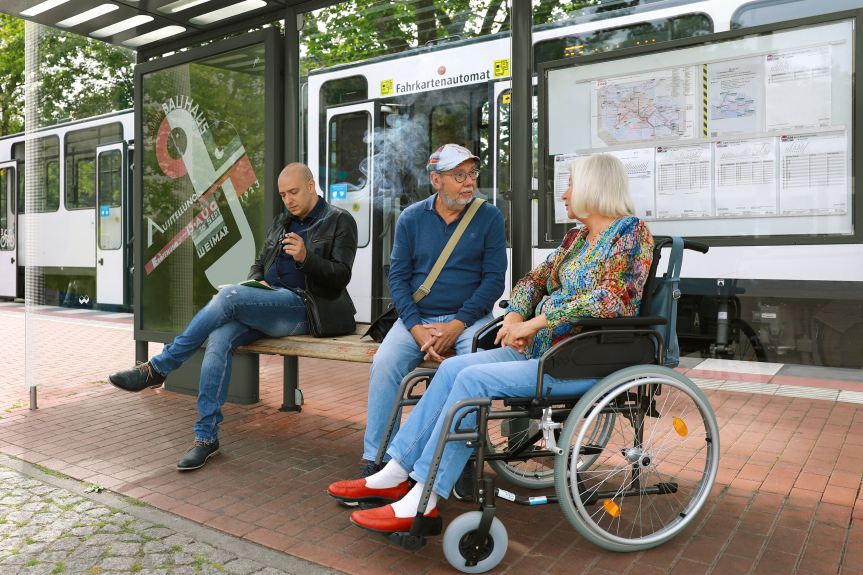
Access is Not Always Accessible for the Elderly When Traveling

By Roz Jones

Traveling is an enriching experience that should be accessible to everyone, regardless of age or physical ability. For aging loved ones, having access to convenient and suitable transportation options is crucial to ensure a smooth and enjoyable journey. In this blog, we will explore accessible transportation options specifically tailored for aging loved ones who are traveling, providing valuable information and tips to make travel easier and more inclusive for seniors.

Public Transportation:

Public transportation systems in many cities offer accessible options to accommodate the needs of elderly travelers. Buses, trams, and trains often have designated seating areas for individuals with mobility challenges, as well as ramps or lifts for easy boarding. Many public transportation agencies also provide reduced fares or special passes for seniors. Research the accessibility features of public transportation at your destination, including schedules, routes, and any additional services provided for elderly passengers.

Wheelchair-accessible Taxis and Ride-Sharing Services:

Wheelchair-accessible taxis and ride-sharing services have become increasingly available in many cities worldwide. These services offer convenient door-to-door transportation for elderly travelers with mobility challenges. Make sure to research and pre-book accessible taxis or ride-sharing services that provide vehicles equipped with wheelchair ramps or lifts. These services often require advanced booking, so plan accordingly to ensure a seamless travel experience.

Accessible Rental Vehicles:

If you prefer to have the flexibility of driving during your trip, consider renting an accessible vehicle. Many rental companies offer vehicles equipped with ramps or lifts, allowing for easy wheelchair access. It is advisable to book these vehicles well in advance, as they may be in high demand. Ensure that the rental vehicle meets your specific needs and familiarize yourself with any operational instructions or safety features before hitting the road.

Senior Transportation Programs:

Various senior transportation programs are available in different communities to cater to the specific needs of elderly travelers. These programs often provide door-to-door transportation services for seniors, especially for medical appointments, grocery shopping, or social outings. Research local senior centers, community organizations, or non-profit agencies that offer transportation services and inquire about their eligibility requirements and availability.

Cruises and Guided Tours:

Cruises and guided tours can be excellent travel options for elderly individuals, as they provide comprehensive transportation services and accessibility features. Many cruise lines offer accessible cabins, wheelchair-accessible facilities, and on-board transportation assistance. Similarly, guided tours often prioritize accessibility, providing transportation that accommodates elderly travelers with mobility challenges. Research and choose reputable cruise lines or tour operators that have a strong commitment to accessibility and inclusive travel experiences.

Air Travel Assistance:

Airports have special services and assistance programs to support elderly travelers with mobility challenges. Airlines provide wheelchair assistance upon request, both within the airport terminals and during boarding and disembarking. It is advisable to inform the airline about any specific needs or requirements in advance to ensure a smooth and comfortable journey. Many airports also offer accessible transportation options within the terminals, such as shuttle services or electric carts.

Ensuring accessible transportation options for elderly travelers is essential to promote inclusive and enjoyable travel experiences. By researching public transportation accessibility, utilizing wheelchair-accessible taxis or ride-sharing services, considering accessible rental vehicles, exploring senior transportation programs, choosing cruise lines or guided tours with a focus on accessibility, and taking advantage of air travel assistance, caregivers can help make travel easier and more accessible for their aging loved ones. Remember to plan ahead, communicate specific needs, and prioritize the comfort and well-being of elderly travelers throughout their journey. With the right transportation options in place, seniors can embark on memorable adventures with ease and confidence.

Planning a Summer Vacation with an Aging Loved One? Download the FREE Checklist!

Are you embarking on a summer vacation adventure with a loved one in need of care? Whether you’re a caregiver or know someone who is, we understand the unique challenges and considerations that come with vacationing while ensuring your loved one is safe.

Make your vacation experience stress-free and enjoyable for both you and your loved one, we’re excited to offer you a free downloadable checklist!

Stay Ahead of the Storm: Download Your Free Expert Storm Guide Now!

Photo by ALTEREDSNAPS on Pexels.com

As we know, June – November is Hurricane Season. As a family caregiver, there are many ways to prepare your loved ones for it. Early preparation helps reduce opportunities for stress and anxiety as storms approach.

One of the best ways to prepare is allowing your loved on to assist in packing their travel bag, checking their contact list and ensuring there are adequate emergency supplies.

Participation… not isolation… go a long way when preparing for major storms. This Seniors Storm Guide gives essential information to refer to again and again!



Promoting Well-being Through Outdoor Walks and Board Games: A Guide for Caregivers

By Roz Jones

As a caregiver of an aging loved one, you understand the importance of providing engaging activities that promote their well-being and overall quality of life. In this blog post, we will explore two activities that can bring joy and stimulation to your elderly parent’s routine: outdoor walks and board games. These activities not only provide physical and mental benefits but also create opportunities for connection and shared experiences. So, let’s dive in and discover how you can incorporate these activities into your caregiving journey.

Activity 1: Outdoor Walks

Outdoor walks offer numerous health benefits for elderly individuals and can be a delightful activity to enjoy with your aging loved one. Walking provides a gentle form of exercise, improves cardiovascular health, and promotes joint flexibility. Additionally, being in nature and breathing fresh air can have a positive impact on mental well-being.

To get started, choose a safe and accessible walking route that suits your loved one’s mobility level. Remember to consider their pace and comfort, and encourage breaks when needed. During your walks, engage in conversations, point out interesting sights, or simply enjoy the peaceful surroundings together.

Activity 2: Board Games

Board games are an excellent way to stimulate the mind and provide hours of entertainment for both you and your loved one. They encourage cognitive abilities, enhance memory, and promote social interaction. Whether you’re revisiting classic games or exploring new ones, board games offer a chance to engage in friendly competition and create lasting memories.

Choose games that are easy to understand and adapt the rules if necessary. Create a comfortable and inviting space for game sessions, ensuring proper lighting and seating. As you play together, cherish the moments of laughter, strategizing, and bonding that board games can provide.

Incorporating outdoor walks and board games into your caregiving routine can have a positive impact on the well-being of your aging loved one. These activities not only offer physical and mental benefits but also create opportunities for meaningful connections and shared experiences. Remember to adapt the activities to your loved one’s abilities and preferences, ensuring their comfort and enjoyment.


For further inspiration and a comprehensive guide to activities for elderly parents, be sure to check out our previous blog post on “What Activities Can an Elderly Parent Participate In?” By incorporating a variety of engaging activities into your caregiving journey, you can enhance the well-being and quality of life for both you and your loved one.

Planning a Summer Vacation with an Aging Loved One? Download the FREE Checklist!

Are you embarking on a summer vacation adventure with a loved one in need of care? Whether you’re a caregiver or know someone who is, we understand the unique challenges and considerations that come with vacationing while ensuring your loved one is safe..

Make your vacation experience stress-free and enjoyable for both you and your loved one, we’re excited to offer you a free downloadable checklist!

Stay Ahead of the Storm: Download Your Free Expert Storm Guide Now!

Photo by ALTEREDSNAPS on Pexels.com

As we know, June – November is Hurricane Season. As a family caregiver, there are many ways to prepare your loved ones for it. Early preparation helps reduce opportunities for stress and anxiety as storms approach.

One of the best ways to prepare is allowing your loved on to assist in packing their travel bag, checking their contact list and ensuring there are adequate emergency supplies.

Participation… not isolation… go a long way when preparing for major storms. This Seniors Storm Guide gives essential information to refer to again and again!


Tech-Essentials: Must-Have Technology for Aging Loved Ones

By Roz Jones

As our loved ones age, they may need additional support and assistance to maintain their independence and stay connected with family and friends. Fortunately, advancements in technology have made it easier than ever to provide that support and help our aging loved ones stay connected. Here are some examples of technology an aging loved one may need as they age:

  1. Smartphones: Smartphones are incredibly versatile tools that can help seniors stay connected with family and friends, access important information, and even monitor their health. Many smartphones now offer larger screens and easy-to-use interfaces that are specifically designed for seniors.
  1. Tablets: Tablets are another great option for seniors who want to stay connected and informed. They offer larger screens than smartphones, making it easier to read and watch videos, and can be used for activities like video chatting with family and friends.
  1. Wearables: Wearables like smartwatches and fitness trackers can help seniors monitor their health and stay active. These devices can track steps taken, heart rate, sleep patterns, and more, providing seniors with valuable information about their health.
  1. Home assistants: Smart home assistants like Amazon Alexa or Google Home can be a great asset for seniors who may have difficulty with mobility or performing certain tasks. These devices can be used to control lights, adjust the thermostat, and even make phone calls or send messages.
  1. Medication reminders: As seniors age, they may need to take more medications to manage their health. Medication reminder apps or devices can help ensure that they take the correct dosage at the right time.
  1. Emergency response systems: Emergency response systems like medical alert bracelets or necklaces can be lifesaving for seniors who may need help in an emergency. These devices can be used to call for help at the touch of a button.
  1. Video conferencing tools: Video conferencing tools like Zoom or Skype can be a great way for seniors to stay connected with family and friends who may live far away. These tools can help reduce feelings of isolation and loneliness.

As our loved ones age, it’s important to remember that technology can be a powerful tool for helping them stay independent, connected, and informed. By providing them with the right tools and support, we can help ensure that they can continue to enjoy a high quality of life as they age.


Discover the Power of Natural for Your Mental Health!

Unlock the positive impact of nature on your mental well-being with Mental Health of America’s fact sheet.

Learn how spending time in green and blue spaces can lower stress, boost mood, and improve focus. Download now to embrace the benefits of nature in your everyday life!


Shop The Caregiver Cafe E-Commerce Store!

We founded The Caregiver Cafe Shopify Store with one simple goal: to help you experiment with your passion while at the same time providing amazing prices. We were tired of cookie-cutter stores with lackluster selections, and boring gifts. Instead of offering a huge unoriginal collection, we carefully curate just a few unique pieces perfectly suited for people the taste buds like you.

We focus on items that get you excited about shopping again, as we believe buying online should always be fun!


Join us at The Caregiver Cafe Podcast as we delve into the emotional journey of moving your loved ones out of their homes. Discover expert advice on approaching the situation with empathy, involving your loved ones in the decision-making process, and finding the right balance between their desires and safety. Tune in to this episode to gain valuable insights and make the transition smoother for your parents or loved ones!

When considering moving your parents or loved ones out of their homes, it’s important to approach the situation with empathy and understanding.

Communicate openly, involve them in the decision-making process, and explore alternatives that balance their desires with their safety and well-being.

Due to the emotional attachment, your parents or loved ones have towards their home, this move can affect them more than you expect.

In this episode, I share how one can make it easy for their parents/loved ones when moving them out of their home.

Press play to listen in.

Subscribe to The Caregiver Cafe Weekly Newsletter!

Caregiving can be a roller coaster of ups and downs. The information that you will receive from The Caregiver Cafe Weekly Specials Newsletter will support you as a caregiver. Remember…

1. YOU ARE NOT ALONE: The problems you face as a caregiver are experienced by other caregivers. Knowing that you’re not alone can be comforting. 

2. Tools and Resources:  Find caregiver stress management tools and gain perspective from other caregiver’s experiences.

3. LEARN TO: Ask for help, accept help when it is offered, and acknowledge yourself on this caregiving journey. Hear from experts on how to balance caregiving responsibilities by taking care of your needs and involving others to help manage the natural stress and isolation of being a caregiver.