Safety First: Preparing for Emergencies While on Vacation with Your Aging Loved One

By Roz Jones

Going on vacation is a time to relax, unwind, and create lasting memories. However, as a caregiver, it’s essential to prioritize safety and be prepared for emergencies, even when you’re away from home. By taking proactive steps and planning ahead, you can ensure the well-being of your loved ones and have peace of mind during your vacation. In this blog, we will explore key strategies and practical tips for caregivers to prepare for emergencies while enjoying their well-deserved time off.

Conduct a thorough pre-vacation assessment:
Before you embark on your vacation, conduct a comprehensive assessment of your loved one’s health and safety needs. Review their medical conditions, medications, and any specific care requirements. Discuss their needs with their healthcare provider, and ensure you have updated copies of their medical records and emergency contact information. This assessment will help you anticipate potential emergencies and plan accordingly.

Create an emergency plan:
Developing a clear and concise emergency plan is crucial, both for your peace of mind and the well-being of your loved one. Discuss emergency protocols with family members, friends, or neighbors who can assist in case of an emergency. Ensure they are familiar with your loved one’s medical conditions, medications, and any necessary procedures. Provide them with a list of emergency contact numbers and detailed instructions on how to handle specific situations.

Pack a well-stocked emergency kit:
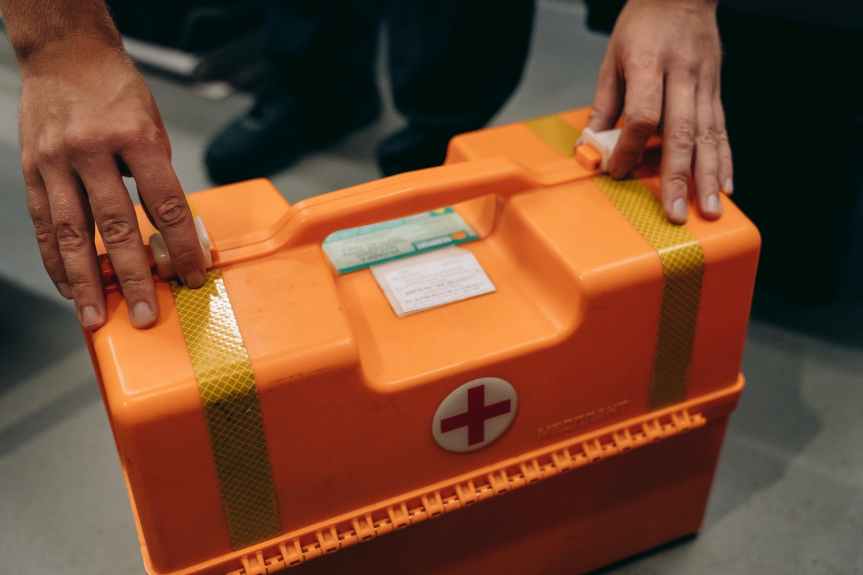
When you’re on vacation, having a well-stocked emergency kit can be a lifesaver. Include essential items such as prescribed medications, first aid supplies, important documents (health insurance cards, identification), a list of emergency contacts, and any medical equipment or assistive devices your loved one requires. Keep the kit easily accessible and make sure others are aware of its location in case they need to access it quickly.

Research local healthcare facilities:
Before you travel, research and identify healthcare facilities in the destination area. Find out where the nearest hospitals, urgent care centers, and pharmacies are located. Make a note of their contact information and their accessibility for individuals with specific needs. Having this information readily available will save precious time in case of a medical emergency.

Consider travel insurance options:
Travel insurance can provide added security and peace of mind for both you and your loved one. Look into travel insurance plans that offer coverage for medical emergencies, trip cancellations, and interruptions. Read the fine print and ensure that the policy covers any pre-existing medical conditions. Having the right travel insurance can provide financial protection and assistance in case of unexpected situations.

As a caregiver, prioritizing safety and preparing for emergencies while on vacation is essential. By conducting a pre-vacation assessment, creating an emergency plan, packing a well-stocked emergency kit, researching local healthcare facilities, and considering travel insurance options, you can ensure the well-being of your loved one and enjoy your vacation with peace of mind. Remember, with proper preparation and a proactive approach, you can navigate potential emergencies confidently and create beautiful memories while keeping safety first.

Planning a Summer Vacation with an Aging Loved One? Download the FREE Checklist!

Are you embarking on a summer vacation adventure with a loved one in need of care? Whether you’re a caregiver or know someone who is, we understand the unique challenges and considerations that come with vacationing while ensuring your loved one is safe..

Make your vacation experience stress-free and enjoyable for both you and your loved one, we’re excited to offer you a free downloadable checklist!

Stay Ahead of the Storm: Download Your Free Expert Storm Guide Now!

Photo by ALTEREDSNAPS on Pexels.com

As we know, June โ€“ November is Hurricane Season. As a family caregiver, there are many ways to prepare your loved ones for it. Early preparation helps reduce opportunities for stress and anxiety as storms approach.

One of the best ways to prepare is allowing your loved on to assist in packing their travel bag, checking their contact list and ensuring there are adequate emergency supplies.

Participationโ€ฆ not isolationโ€ฆ go a long way when preparing for major storms. This Seniors Storm Guide gives essential information to refer to again and again!


Shop The Caregiver Cafe E-Commerce Store!

We founded The Caregiver Cafe Shopify Store with one simple goal: to help you experiment with your passion while at the same time providing amazing prices. We were tired of cookie-cutter stores with lackluster selections, and boring gifts. Instead of offering a huge unoriginal collection, we carefully curate just a few unique pieces perfectly suited for people the taste buds like you.

We focus on items that get you excited about shopping again, as we believe buying online should always be fun!


Subscribe to The Caregiver Cafe Weekly Newsletter!

Caregiving can be a roller coaster of ups and downs. The information that you will receive from The Caregiver Cafe Weekly Specials Newsletter will support you as a caregiver. Remember…

1. YOU ARE NOT ALONE: The problems you face as a caregiver are experienced by other caregivers. Knowing that you’re not alone can be comforting. 

2. Tools and Resources:  Find caregiver stress management tools and gain perspective from other caregivers’ experiences.

3. LEARN TO: Ask for help, accept help when it is offered, and acknowledge yourself on this caregiving journey. Hear from experts on how to balance caregiving responsibilities by taking care of your needs and involving others to help manage the natural stress and isolation of being a caregiver. 

Preparing for the Unexpected: Importance of Having a Vacation Backup Plan

By Roz Jones

As a caregiver responsible for aging loved ones, planning a vacation can be both exciting and challenging. While you may have carefully planned every detail, it’s essential to recognize the importance of having a backup plan in case unexpected situations arise. In this blog, we will discuss the significance of having a vacation backup plan and provide practical tips to help caregivers prepare for the unexpected. By taking proactive measures, you can ensure the well-being of your aging loved ones while enjoying a well-deserved break.

Assess Potential Risks and Anticipate Scenarios:

Before embarking on your vacation, take the time to assess potential risks and anticipate various scenarios that could occur in your absence. Consider the health conditions, mobility limitations, or specific needs of your aging loved ones. Reflect on potential emergencies, such as sudden illness or accidents, and think about any challenges they may encounter. By understanding the possible risks, you can better prepare and create a backup plan tailored to address those specific scenarios.

Identify Trusted Emergency Contacts:

One of the key elements of a vacation backup plan is establishing trusted emergency contacts. Identify family members, friends, or neighbors who can be relied upon in case of an emergency. Share essential contact information, medical details, and any specific instructions for the well-being of your loved ones. Ensure that these emergency contacts are aware of their role and willing to assist if needed. Maintain open lines of communication with them during your vacation and provide updates on your whereabouts and any changes in plans.

Collaborate with a Respite Care Provider:

Respite care can be a valuable resource for caregivers who need temporary support during their vacation. Research and identify reputable respite care providers in your area. These professionals can step in to provide care and support for your aging loved ones while you are away. It’s important to establish a rapport with the respite care provider in advance, ensuring they have all the necessary information about your loved ones’ routines, medication schedules, dietary needs, and preferences. This collaboration will give you peace of mind knowing that your loved ones are in capable hands.

Document and Share Important Information:

Creating a comprehensive document with all the important information pertaining to your aging loved ones is crucial for a smooth vacation backup plan. Include details such as medical history, current medications, allergies, insurance information, and healthcare provider contacts. Make sure to update this document regularly and share it with the designated emergency contacts, respite care provider, and any other relevant individuals involved in your loved ones’ care. Having access to this information will facilitate better decision-making and prompt assistance, should the need arise.

Stay Connected and Set Communication Expectations:

Maintaining regular communication during your vacation is vital for both your peace of mind and the well-being of your aging loved ones. Establish a communication plan that works for everyone involved, whether it’s daily check-ins, video calls, or updates via a designated family member. Clarify expectations and provide reassurance to your loved ones, letting them know how and when you will be available to address any concerns. Regular communication helps maintain a sense of connection, alleviates anxiety, and ensures that you can promptly respond to any unexpected situations that may arise.

Having a vacation backup plan is crucial for caregivers of aging loved ones. By assessing potential risks, identifying emergency contacts, collaborating with respite care providers, documenting important information, and staying connected, caregivers can prepare for the unexpected and enjoy their vacation with peace of mind. Remember, a well-prepared backup plan allows you to take care of yourself while ensuring that your loved ones receive the support they need in your absence. With proper planning and organization, you can embark on your vacation knowing that you have proactively addressed any unforeseen circumstances, allowing for a stress-free and rejuvenating experience.


Planning a Summer Vacation with an Aging Loved One? Download the FREE Checklist!

Are you embarking on a summer vacation adventure with a loved one in need of care? Whether youโ€™re a caregiver or know someone who is, we understand the unique challenges and considerations that come with vacationing while ensuring your loved one is safe..

Make your vacation experience stress-free and enjoyable for both you and your loved one, weโ€™re excited to offer you a free downloadable checklist!

Stay Ahead of the Storm: Download Your Free Expert Storm Guide Now!

Photo by ALTEREDSNAPS on Pexels.com

As we know, June – November is Hurricane Season. As a family caregiver, there are many ways to prepare your loved ones for it. Early preparation helps reduce opportunities for stress and anxiety as storms approach.

One of the best ways to prepare is allowing your loved on to assist in packing their travel bag, checking their contact list and ensuring there are adequate emergency supplies.

Participation… not isolation… go a long way when preparing for major storms. This Seniors Storm Guide gives essential information to refer to again and again!


Shop The Caregiver Cafe E-Commerce Store!

We founded The Caregiver Cafe Shopify Store with one simple goal: to help you experiment with your passion while at the same time providing amazing prices. We were tired of cookie-cutter stores with lackluster selections, and boring gifts. Instead of offering a huge unoriginal collection, we carefully curate just a few unique pieces perfectly suited for people the taste buds like you.

We focus on items that get you excited about shopping again, as we believe buying online should always be fun!


Navigating Care for an Ex-Partner: Balancing Boundaries and Personal Growth

Taking care of an ex-partner is complex due to emotional baggage, difficulty in establishing boundaries and managing expectations, hindering personal growth and moving on, communication challenges, interference with new boundaries and relationships, and potential harm to personal well-being. It’s crucial to assess one’s emotional capacity and boundaries while considering the well-being of both individuals involved. In this episode, we continue our discussion on how you can show care for an ex-partner without losing yourself in the process. Listen in for all the gems!

Subscribe to The Caregiver Cafe Weekly Newsletter!

Caregiving can be a roller coaster of ups and downs. The information that you will receive from The Caregiver Cafe Weekly Specials Newsletter will support you as a caregiver. Remember…

1. YOU ARE NOT ALONE: The problems you face as a caregiver are experienced by other caregivers. Knowing that you’re not alone can be comforting. 

2. Tools and Resources:  Find caregiver stress management tools and gain perspective from other caregiver’s experiences.

3. LEARN TO: Ask for help, accept help when it is offered, and acknowledge yourself on this caregiving journey. Hear from experts on how to balance caregiving responsibilities by taking care of your needs and involving others to help manage the natural stress and isolation of being a caregiver. 

Emergency Preparedness for Medications: Ensuring a Continuous Supply

By Roz Jones

During a hurricane or severe weather event, it’s crucial for caregivers of aging loved ones to ensure a continuous supply of medications. Disruptions in access to healthcare facilities, pharmacies, and transportation can make it challenging to obtain essential medications during emergencies. However, with proper planning and preparation, caregivers can proactively manage medication needs and ensure their loved ones receive the necessary treatments even in the midst of challenging circumstances. In this blog, we will discuss the importance of emergency preparedness for medications and provide strategies for stocking up, organizing, and managing medication schedules during emergency situations.

Stocking Up on Medications:

When preparing for a hurricane, it’s essential to stock up on a 90-day supply of medications and supplies for your aging loved ones. Consider the following strategies:

1. Refill Prescriptions in Advance: Contact your loved ones’ healthcare providers and pharmacies to refill prescriptions ahead of time. Aim to have at least a two-week supply on hand.

2. Create a Medication Inventory: Take inventory of all medications your loved ones are currently taking. Make note of prescription medications, over-the-counter drugs, and any supplements they may be using.

3. Store Medications Safely: Ensure medications are stored in a cool, dry place away from direct sunlight and out of reach of children. Check expiration dates regularly and discard any expired medications.

Organizing and Labeling Medication Containers:

Proper organization and labeling of medication containers are crucial for easy access and administration during emergency situations. Consider the following tips:

1. Use Clear and Labeled Containers: Transfer medications from their original packaging to clear, labeled containers. Clearly mark each container with the medication name, dosage instructions, and any other relevant information.

2. Create a Medication Schedule: Develop a medication schedule or chart that outlines the specific times and dosages for each medication. This will help caregivers and other family members administer medications correctly and ensure no doses are missed.

3. Include Special Instructions: If there are any special instructions for taking certain medications, such as taking with food or avoiding certain activities, make sure to note them clearly on the medication containers or the medication schedule.

Managing Medication Schedules:

During a hurricane or emergency situation, maintaining medication schedules can be challenging. However, with careful planning and organization, caregivers can ensure their loved ones stay on track with their medication regimen. Consider the following strategies:

1. Create a Backup Plan: Develop a contingency plan for medication administration in case power outages or other disruptions occur. This may involve having a backup power source for medical devices or coordinating with healthcare professionals for alternative medication administration methods.

2. Notify Healthcare Providers: Inform your loved ones’ healthcare providers about the emergency situation and seek their guidance on managing medications during this time. They may provide valuable advice or alternative solutions.

3. Seek Support from Local Resources: Research local resources, such as emergency response agencies or community organizations, that may provide assistance with medication management during emergencies. Some areas have programs in place specifically designed to support medication needs during disasters.

Oh by the way, here are some supplies you may want to consider when you are planning for hurricane season. 

  • Adult Wipes
  • Pull-ups
  • Bed Pads
  • Butt Paste
  • Lotion
  • Toothpaste & Toothbrush
  • Insect Spray

Ensuring a continuous supply of medications for aging loved ones during a hurricane is crucial for their health and well-being. By stocking up on medications, organizing and labeling medication containers, and establishing a system for managing medication schedules, caregivers can proactively address medication needs even in challenging circumstances. Remember to regularly review and update your emergency medication plan to reflect any changes in your loved ones’ prescriptions or health conditions. By being prepared, caregivers can help ensure their aging loved ones receive the necessary treatments and maintain their health during emergency situations.

Stay Ahead of the Storm: Download Your Free Expert Storm Guide Now!

Photo by ALTEREDSNAPS on Pexels.com

As we know, June โ€“ November is Hurricane Season. As a family caregiver, there are many ways to prepare your loved ones for it. Early preparation helps reduce opportunities for stress and anxiety as storms approach.

One of the best ways to prepare is allowing your loved on to assist in packing their travel bag, checking their contact list and ensuring there are adequate emergency supplies.

Participationโ€ฆ not isolationโ€ฆ go a long way when preparing for major storms. This Seniors Storm Guide gives essential information to refer to again and again!


Stay Connected!

Hurricane Evacuation and Shelter Options for Aging Loved Ones

By Roz Jones

During a hurricane, it’s crucial for caregivers of aging loved ones to be well-prepared for potential evacuation or sheltering. Ensuring the safety and comfort of your aging loved ones is paramount in these situations. Evacuation is your best option when dealing with hurricanes. Only secure your home when that option is not on the table. In this blog, we will discuss the importance of staying informed about evacuation orders, identifying local shelters that can accommodate the needs of seniors, making necessary arrangements in advance, and packing essential items for your loved ones’ safety and comfort. By being prepared, you can ensure the well-being of your aging loved ones during a hurricane.

1. Stay Informed about Evacuation Orders:

Keep a close eye on local news and weather updates to stay informed about evacuation orders in your area. Familiarize yourself with the different levels of evacuation and understand the guidelines provided by local authorities. Make a plan in advance for when and how you will evacuate if necessary.

2. Identify Local Shelters for Seniors:

Research and identify local shelters that can accommodate the needs of seniors. Some shelters may have specific provisions for older adults, such as medical services, mobility assistance, and specialized care. Contact your local emergency management agency or senior services agency to obtain information about designated shelters for seniors in your area.

3. Make Necessary Arrangements in Advance:

If evacuation becomes necessary, make necessary arrangements in advance to ensure a smooth transition for your aging loved ones. Prepare an evacuation kit with essential documents, medications, medical equipment, important contact information, and personal items. Consider transportation options and plan for any specific needs your loved ones may have, such as mobility aids or dietary restrictions. Reach out to family members, friends, or caregivers in advance to discuss potential evacuation plans and support.

4. Pack Essential Items for Safety and Comfort:

When packing for evacuation, ensure you include essential items for the safety and comfort of your aging loved ones. This may include medications, medical supplies, extra clothing, personal hygiene items, comfort items, and any necessary mobility aids. It’s also important to pack non-perishable food, bottled water, and any special dietary items they may require. Don’t forget to bring important documents such as identification, insurance information, and medical records.

5. Maintain Open Communication:

During the evacuation process, maintain open communication with your aging loved ones. Keep them informed about the situation and provide reassurance. Make sure they have a way to contact you or the designated points of contact established in your emergency communication plan. Regularly check in with them to address any concerns or needs they may have.

Being prepared for potential evacuation or sheltering is vital for caregivers of aging loved ones during a hurricane. Stay informed about evacuation orders, identify local shelters for seniors, make necessary arrangements in advance, and pack essential items for their safety and comfort. By taking these measures, you can ensure the well-being of your aging loved ones and navigate the challenges of a hurricane with confidence. Remember to maintain open communication and provide reassurance throughout the process.

Stay Ahead of the Storm: Download Your Free Expert Storm Guide Now!

Photo by ALTEREDSNAPS on Pexels.com

As we know, June โ€“ November is Hurricane Season. As a family caregiver, there are many ways to prepare your loved ones for it. Early preparation helps reduce opportunities for stress and anxiety as storms approach.

One of the best ways to prepare is allowing your loved on to assist in packing their travel bag, checking their contact list and ensuring there are adequate emergency supplies.

Participationโ€ฆ not isolationโ€ฆ go a long way when preparing for major storms. This Seniors Storm Guide gives essential information to refer to again and again!


Stay Connected!

Advanced Planning and Staying Connected to an Aging Loved One During a Hurricane

By Roz Jones

As caregivers of aging loved ones, it is crucial to have a well-thought-out emergency communication plan in place, especially during hurricane season. When severe weather strikes, staying connected with your aging loved ones becomes paramount. Whether your loved ones are evacuated or secured at home, or in a shelter, it is vital to be in communication with them. In this blog, we will discuss the importance of developing an emergency communication plan and provide practical guidance on creating a contact list, designating primary and secondary points of contact, utilizing technology for communication, and establishing a reliable communication system. By implementing these strategies, you can ensure the safety and well-being of your aging loved ones during a hurricane.

1. Create a Contact List:

Begin by compiling a comprehensive contact list that includes important phone numbers and addresses. Include the contact information for your aging loved ones, their healthcare providers, neighbors, close friends, and other family members. Ensure that this list is easily accessible and kept in both digital and physical formats.

2. Designate Primary and Secondary Points of Contact:

Identify individuals who will serve as primary and secondary points of contact during a hurricane. Discuss this with your aging loved ones and make sure they are aware of who to contact and in what order. Consider choosing individuals who are geographically distant from your location to minimize the risk of them being affected by the same weather event.

3. Utilize Technology for Communication:

Take advantage of technology to stay connected with your aging loved ones. Make sure you have their phone numbers saved on your mobile devices and enable emergency notifications. Explore the use of messaging apps, video calls, and social media platforms that can provide real-time updates and facilitate communication during an emergency. Also, consider investing in a backup power source, such as portable chargers or battery-powered devices, to ensure you can communicate even in the event of a power outage.

4. Establish a Reliable Communication System:

Set up regular check-in times with your aging loved ones before, during, and after a hurricane. Establish a communication routine that allows you to receive updates on their well-being and address any immediate concerns. Ensure that they know how to reach you and encourage them to communicate with you regularly, especially if they require assistance or encounter any emergencies.

5. Communicate with Local Authorities and Support Networks:

Stay informed about local emergency protocols and resources available in your area. Register your aging loved ones with local authorities, such as the Office of Emergency Management or a local senior services agency, to receive necessary assistance and support during a hurricane. Connect with local support networks, such as community organizations or caregiver support groups, to stay updated on available resources and receive additional guidance during emergencies.

Developing an emergency communication plan is vital for caregivers of aging loved ones. By creating a contact list, designating primary and secondary points of contact, utilizing technology, and establishing a reliable communication system, you can stay connected with your aging loved ones during a hurricane. Remember to stay informed about local emergency protocols and connect with local authorities and support networks for additional assistance. Being prepared and maintaining open lines of communication will contribute to the safety and well-being of your aging loved ones during challenging times.

Stay Ahead of the Storm: Download Your Free Expert Storm Guide Now!

Photo by ALTEREDSNAPS on Pexels.com

As we know, June โ€“ November is Hurricane Season. As a family caregiver, there are many ways to prepare your loved ones for it. Early preparation helps reduce opportunities for stress and anxiety as storms approach.

One of the best ways to prepare is by allowing your loved one to assist in packing their travel bag, checking their contact list, and ensuring there are adequate emergency supplies.

Participationโ€ฆ not isolationโ€ฆ goes a long way when preparing for major storms. This Seniors Storm Guide gives essential information to refer to again and again!


Stay Connected!