A Caregiver’s Guide to Riding the Waves of Grief

By Roz Jones

Today, I want to address a crucial topic that affects many in our community: managing grief while caring for an aging loved one. As caregivers you face unique challenges when dealing with loss, and understanding this process can be instrumental in your journey.

Letโ€™s explore the stages of grief and how they may manifest in a caregiving context:

  1. Denial: This is usually where initial shock and disbelief. Acknowledge your feelings without judgment. This phase is a natural protective mechanism. Create a daily journal to document your thoughts and feelings. This practice helps acknowledge your emotions without judgment and provides a tangible record of your journey through grief.
  2. Anger: Implement a 5-minute rule for venting. Set a timer and allow yourself to express anger fully for five minutes, then switch to problem-solving mode. Channel this energy into researching new treatments or connecting with advocacy groups for your loved oneโ€™s condition.ย 
  3. Bargaining: Develop a detailed care plan with weekly achievable goals. Break your larger tasks into smaller, more manageable steps. Use a checklist system to track progress and maintain a sense of control over the caregiving process.
  4. Depression: Establish a support network with scheduled check-ins. Set up weekly video calls with fellow caregivers or a therapist. Create a self-care toolkit with items that bring comfort (e.g., favorite tea, calming music, stress ball) and use it daily.
  5. Acceptance: Implement a โ€œVictory logโ€ where you record three small wins each day, no matter how minor. Start a gratitude practice, noting one thing youโ€™re thankful for in your caregiving role daily. This will help shift focus to positive aspects while acknowledging the ongoing challenges.

It’s important to note that these stages are not linear and may overlap or recur. Each individual’s grief journey is unique.

For caregivers navigating this complex emotional landscape, consider the following strategies:

  • Self-Care: Implement regular self-care routines to maintain your physical and emotional well-being.
  • Establish Boundaries: Set clear limits to protect your energy and maintain a sustainable caregiving approach.
  • Emotional Validation: Acknowledge all your emotions as valid and important parts of your experience.
  • Professional Support: Don’t hesitate to seek help from mental health professionals specializing in grief and caregiver support.
  • Meaningful Rituals: Develop personal rituals to honor your loved one and process your grief constructively.

Remember, grief is a testament to the depth of your commitment and compassion. It’s a challenging but natural part of the caregiving experience.

Do you have any professional insights or experiences in managing grief while caregiving? Share some of your tips for the collective!

Thank you for your dedication to caregiving. Your work is invaluable, and your well-being is crucial. If you need additional support or resources, please don’t hesitate to reach out to our professional support network. Embrace the possibilities, my friends, and know that with the right support, your aging loved ones can continue to live their lives to the fullest, even in the face of terminal illnesses. Jimmy Carter is living proof of that!


How to Avoid Hospital Re-admission for Your Loved Ones

As a caregiver, you don’t want your loved one to be re-admitted to the hospital. Re-admission can take a toll on you both.
So how do you avoid a trip to the hospital?
In this episode, we address the necessary tips you need to go through so your loved one can stay out of the hospital and obtain the homecare they need.

Subscribe to The Caregiver Cafe Weekly Newsletter!

Caregiving can be a roller coaster of ups and downs. The information that you will receive from The Caregiver Cafe Weekly Specials Newsletter will support you as a caregiver. Remember…

1. YOU ARE NOT ALONE: The problems you face as a caregiver are experienced by other caregivers. Knowing that you’re not alone can be comforting. 

2. Tools and Resources:  Find caregiver stress management tools and gain perspective from other caregiver’s experiences.

3. LEARN TO: Ask for help, accept help when it is offered, and acknowledge yourself on this caregiving journey. Hear from experts on how to balance caregiving responsibilities by taking care of your needs and involving others to help manage the natural stress and isolation of being a caregiver. 

Empowering Caregivers to Find Hope and Help

By Roz Jones

In the culmination of this series, I dive deeper into the importance of finding hope and accessing the support needed during National Suicide Prevention Week. As caregivers, your role is pivotal in ensuring the emotional well-being of your aging loved ones. In this final part, I’ll explore the organizations and professionals dedicated to providing the help that can make all the difference.

National Suicide Prevention Lifeline: A 24/7 Lifeline of Support

When facing the emotional challenges of your aging loved ones, you don’t have to navigate this journey alone. The National Suicide Prevention Lifeline is a beacon of hope and help, always available when you need it most. Dial 1-800-273-8255, and you’ll connect with compassionate and trained professionals who are ready to provide immediate assistance and guidance.

This lifeline is not just for those in crisis; it’s also a valuable resource for caregivers who may need advice on how to support their loved ones during difficult times. It’s a lifeline that extends beyond crisis management, offering valuable insights and strategies for those who seek them.

Local Crisis Lines: Community Support in Your Area

Many communities have local crisis hotlines that can provide assistance tailored to your specific area. These lines are staffed by individuals who are intimately familiar with the local resources and can offer guidance and support that aligns with your loved one’s unique needs.

Don’t hesitate to reach out to these local resources when you need help or when you’re seeking information about local support groups, counseling services, or other valuable resources that can aid in your caregiving journey.

Geriatric Psychiatrists: Specialists in Aging and Mental Health

For a more specialized approach to addressing the emotional well-being of your aging loved ones, consider seeking out geriatric psychiatrists. These mental health professionals have expertise in addressing the unique needs of elderly individuals. They understand the complexities of aging, including the challenges, transitions, and emotional struggles that can arise.

Working with a geriatric psychiatrist can provide targeted and effective care that takes into account your loved one’s age-related concerns. These professionals can offer valuable insights into treatment options, medication management, and therapeutic strategies tailored to the elderly population.

Empowering Caregivers for Hope and Healing

This blog series has aimed to raise awareness about the mental health challenges that our aging loved ones may face and to equip caregivers with the knowledge and resources to support them effectively. Remember, your role as a caregiver is pivotal in helping your loved ones find hope and healing during difficult times. National Suicide Prevention Week is a reminder that we all have a part to play in supporting those in need. By reaching out, seeking help, and being proactive in addressing emotional well-being, we can create a safer and more compassionate world for our aging loved ones. Together, we can extend a lifeline of hope and help that brightens their path toward a brighter future.

Suicide resources for aging loved ones are crucial for providing support and assistance when needed. Here is a list of resources that can be helpful:

  • National Suicide Prevention Lifeline: The Lifeline provides 24/7 confidential support to individuals in distress. You can call 1-800-273-TALK (1-800-273-8255) to speak with a trained counselor. For Spanish speakers, there’s a dedicated line at 1-888-628-9454.
  • Crisis Text Line: This service offers support via text messaging. Text “HELLO” to 741741 to connect with a crisis counselor for help with emotional issues, including suicidal thoughts.
  • Elder Helpline: Many areas have helplines or hotlines specifically for seniors. These helplines can provide information on local resources and assistance. Check with your local senior services agency or government office to find the appropriate helpline for your region.
  • Veterans Crisis Line: If your aging loved one is a veteran, they can reach out to the Veterans Crisis Line at 1-800-273-8255 and press 1, or text 838255 for confidential support.

Stay Ahead of the Storm: Download Your Free Expert Storm Guide Now!

Photo by ALTEREDSNAPS on Pexels.com

As we know, June โ€“ November is Hurricane Season. As a family caregiver, there are many ways to prepare your loved ones for it. Early preparation helps reduce opportunities for stress and anxiety as storms approach.

One of the best ways to prepare is allowing your loved on to assist in packing their travel bag, checking their contact list and ensuring there are adequate emergency supplies.

Participationโ€ฆ not isolationโ€ฆ go a long way when preparing for major storms. This Seniors Storm Guide gives essential information to refer to again and again!


Recognizing the Warning Signs and Navigating Your Loved One Emotional Well-being

By Roz Jones

As caregivers, staying vigilant about the mental health of our aging loved ones is essential. In this second part of our series for National Suice Prevention Week, we will dive deeper into recognizing the warning signs that may indicate they are struggling with thoughts of suicide or severe depression.

Verbal Clues
One of the most direct ways our loved ones may communicate their emotional distress is through verbal clues. It’s essential to pay close attention to their words and expressions. Be concerned if they make statements like:

“I wish I were dead.”
“I don’t see the point in living anymore.”
“Life isn’t worth it.”

These statements may be subtle cries for help, and they should never be dismissed lightly. While it’s not uncommon for older individuals to express frustration or sadness, these phrases can signify a deeper emotional struggle that warrants attention and support.

Social Isolation

Isolation is another red flag for caregivers to watch out for. If your aging loved one starts withdrawing from social activities and avoids spending time with friends and family, it could be a sign of depression. Loneliness and a sense of isolation can exacerbate feelings of hopelessness and contribute to deteriorating mental health.

Encouraging social interaction and providing opportunities for your loved one to connect with others can be crucial in combating these feelings of isolation. Simple gestures like inviting them to family gatherings, connecting them with community groups, or arranging regular visits from friends can make a significant difference in their emotional well-being.

Sudden Mood Changes

Drastic shifts in mood can be particularly concerning, especially if they go from being visibly sad to suddenly appearing calm or even cheerful. Sometimes, individuals who have made a decision to end their lives experience a sense of relief and peace, which can manifest as an abrupt change in mood.

Be attentive to these mood swings, and don’t hesitate to engage in open conversations about how they’re feeling. Remember, your active and non-judgmental listening can create a safe space for them to share their emotions and concerns.

Giving Away Possessions

One of the more tangible signs of potential suicidal thoughts is when your loved one starts giving away their belongings or making arrangements for the future. This act can sometimes be a way of tidying up affairs before what they perceive as the inevitable.

If you notice such behavior, it’s essential to address it promptly. Engage in a compassionate conversation to understand their motivations and feelings. Ensure they understand that you are there to support them and that there are alternatives to addressing their emotional struggles.

Recognizing these signs and being proactive in addressing them is paramount in ensuring the emotional well-being of our aging loved ones. In the next part of our series, we’ll explore how to approach these conversations with empathy and provide guidance on seeking professional help when needed. Remember, your role as a caregiver is vital in ensuring your loved ones receive the support they require during this challenging time.

Suicide resources for aging loved ones are crucial for providing support and assistance when needed. Here is a list of resources that can be helpful:

  1. National Suicide Prevention Lifeline: The Lifeline provides 24/7 confidential support to individuals in distress. You can call 1-800-273-TALK (1-800-273-8255) to speak with a trained counselor. For Spanish speakers, there’s a dedicated line at 1-888-628-9454.
  2. Crisis Text Line: This service offers support via text messaging. Text “HELLO” to 741741 to connect with a crisis counselor for help with emotional issues, including suicidal thoughts.
  3. Elder Helpline: Many areas have helplines or hotlines specifically for seniors. These helplines can provide information on local resources and assistance. Check with your local senior services agency or government office to find the appropriate helpline for your region.
  4. Veterans Crisis Line: If your aging loved one is a veteran, they can reach out to the Veterans Crisis Line at 1-800-273-8255 and press 1, or text 838255 for confidential support.

Stay Ahead of the Storm: Download Your Free Expert Storm Guide Now!

Photo by ALTEREDSNAPS on Pexels.com

As we know, June โ€“ November is Hurricane Season. As a family caregiver, there are many ways to prepare your loved ones for it. Early preparation helps reduce opportunities for stress and anxiety as storms approach.

One of the best ways to prepare is allowing your loved on to assist in packing their travel bag, checking their contact list and ensuring there are adequate emergency supplies.

Participationโ€ฆ not isolationโ€ฆ go a long way when preparing for major storms. This Seniors Storm Guide gives essential information to refer to again and again!


Empowering Minority Caregivers: Advocacy for Mental Health and Support

By Roz Jones

As Minority Caregiver Awareness Month comes to a close, it is vital to emphasize the importance of advocacy and empowerment for minority caregivers. These unsung heroes play a crucial role in caring for their loved ones’ mental health while facing unique challenges. In this blog, we will discuss the significance of advocacy and empowerment for minority caregivers, highlighting actionable steps they can take to promote mental well-being and access the support they deserve.

Encouraging minority caregivers to seek help and support:

Minority caregivers often shoulder their responsibilities alone due to cultural stigmas or lack of awareness about available resources. However, seeking help and support is essential for their well-being as well as that of their loved ones. This section will emphasize the importance of reaching out for assistance, whether through support groups, counseling services, or community organizations. By seeking help, caregivers can access guidance, share experiences, and find emotional support in their caregiving journey.

Empowering caregivers to navigate the healthcare system and access resources:

Navigating the complex healthcare system can be overwhelming for anyone, but it can be particularly challenging for minority caregivers who may face language barriers, cultural differences, or limited access to information. Empowering caregivers to navigate these systems is crucial for accessing the resources and services needed for their loved ones’ mental health. This section will provide practical tips and guidance on understanding healthcare options, finding culturally competent providers, and advocating for appropriate care.

Inspiring caregivers to become advocates for mental health within their communities:

Minority caregivers possess unique insights and experiences that can positively impact their communities. By sharing their stories and knowledge, they can become advocates for mental health, raising awareness and reducing the stigma surrounding caregiving. This section will explore strategies for caregivers to raise their voices, engage in community dialogues, and promote cultural sensitivity within healthcare and support systems. Empowered caregivers can inspire change, influence policies, and create a more inclusive and supportive environment for all.

Empowering minority caregivers through advocacy and support is crucial for their own well-being and that of their loved ones. By encouraging caregivers to seek help, navigate the healthcare system, and become advocates within their communities, we can create a society where minority caregivers are recognized, supported, and empowered. As Minority Caregiver Awareness Month concludes, let us continue to amplify their voices, celebrate their resilience, and work towards a future where every caregiver feels valued and empowered on their caregiving journey.

Planning a Summer Vacation with an Aging Loved One? Download the FREE Checklist!

Are you embarking on a summer vacation adventure with a loved one in need of care? Whether youโ€™re a caregiver or know someone who is, we understand the unique challenges and considerations that come with vacationing while ensuring your loved one is safe..

Make your vacation experience stress-free and enjoyable for both you and your loved one, weโ€™re excited to offer you a free downloadable checklist!

Stay Ahead of the Storm: Download Your Free Expert Storm Guide Now!

Photo by ALTEREDSNAPS on Pexels.com

As we know, June โ€“ November is Hurricane Season. As a family caregiver, there are many ways to prepare your loved ones for it. Early preparation helps reduce opportunities for stress and anxiety as storms approach.

One of the best ways to prepare is allowing your loved on to assist in packing their travel bag, checking their contact list and ensuring there are adequate emergency supplies.

Participationโ€ฆ not isolationโ€ฆ go a long way when preparing for major storms. This Seniors Storm Guide gives essential information to refer to again and again!


Stay Connected!

Caregiving & The Impact of Mental Health on Family Dynamics

By Roz Jones

Caregiving can be a challenging and rewarding experience, but it can also take a significant toll on the mental health of caregivers. The responsibilities of caring for a loved one, whether it be a parent, spouse, or child, can create stress, anxiety, and depression. This stress can also impact the family dynamics of the caregiver’s immediate family. In this blog, we will discuss the impact of mental health on family dynamics when caregiving is involved.

One of the most significant impacts of caregiving on family dynamics is the potential for tension and conflict. Family members may have different ideas about how to care for the loved one, leading to disagreements and misunderstandings. This can be especially challenging when the caregiver’s mental health is already compromised, as it can make it harder to handle disagreements in a constructive and healthy manner.

In addition, the caregiver may become overwhelmed and feel as though they are shouldering the burden alone. This can lead to feelings of isolation and loneliness, even when surrounded by loved ones. These feelings can create a sense of distance between the caregiver and their family members, leading to strained relationships and a breakdown in communication.

Furthermore, caregiving can also impact the mental health of family members who are not providing direct care. For example, a spouse may become worried and stressed about their partner’s caregiving responsibilities, leading to their own mental health challenges. Similarly, children may feel anxious or overwhelmed by the changes in their family dynamics and their parents’ stress levels.

It is essential to acknowledge the impact of caregiving on family dynamics and take steps to address it. Communication is key in maintaining healthy relationships and reducing tension and conflict. Caregivers should openly communicate their needs, feelings, and limitations to their family members. It’s also important for family members to express their support and offer to help in any way they can.

Taking care of one’s mental health is also crucial for caregivers and their family members. Seeking professional help, such as therapy or counseling, can provide valuable support and tools for coping with the challenges of caregiving. Additionally, self-care practices, such as exercise, meditation, and hobbies, can help caregivers manage stress and maintain a positive outlook.

The impact of mental health on family dynamics when caregiving is involved is significant. It’s essential to acknowledge the challenges and take steps to address them through open communication, seeking professional help, and prioritizing self-care. By working together, caregivers and their family members can maintain healthy relationships and provide the best care possible for their loved one.


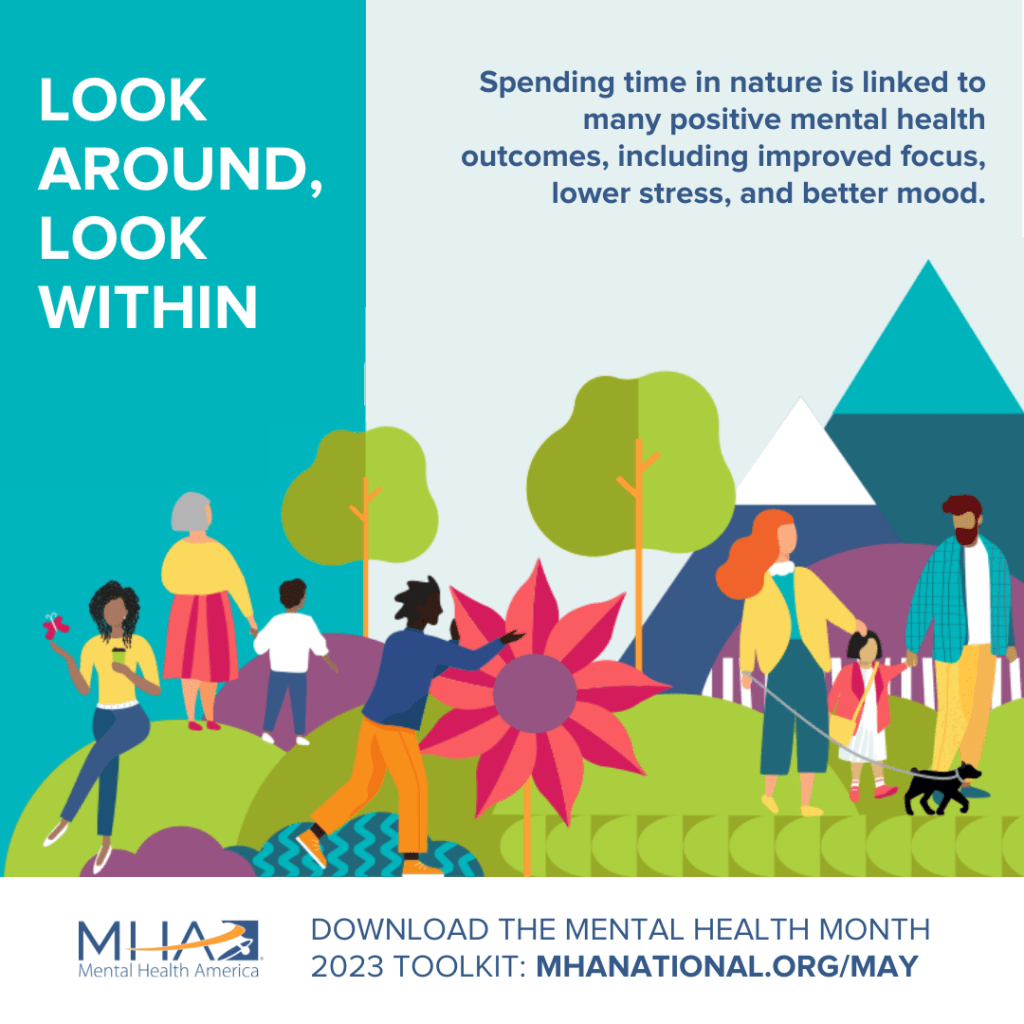
Unlock the Power of Nature: Elevate Your Mental Health with Mental Health America’s Exclusive Worksheet

Discover the transformative benefits of embracing the great outdoors and prioritize your mental health this Mental Health Awareness Month. Mental Health America’s exclusive worksheet, “Opening Your Mind to the Outdoors,” will guide you through powerful techniques to overcome motivational barriers and connect your goals to positive emotions.

Unleash the motivation within and unlock a path toward well-being. Download this worksheet now and embark on a journey of self-discovery and mental rejuvenation. Don’t miss out on this incredible opportunity to enhance your mental health and thrive in harmony with nature.


Stay Connected!