Finding Balance Before Your Break for National Respite Care Month

By Roz Jones

Caregiving is a noble journey filled with love and dedication, but it’s essential to remember that taking care of yourself is just as crucial as caring for your loved ones. That’s why we’re shining a spotlight on National Respite Care Month—an entire month dedicated to acknowledging your efforts and emphasizing the importance of finding balance and renewed energy in your caregiving journey.

The Heart of Caregiving

Caregiving is a labor of love, an expression of compassion that touches lives in profound ways. However, it’s also a role that demands tremendous physical, emotional, and mental energy. As caregivers, it’s easy to get caught up in the daily responsibilities and forget that your well-being matters too. National Respite Care Month serves as a gentle reminder that taking breaks and prioritizing your own health is not a luxury but a necessity.

Understanding Respite Care

Respite care is a lifeline for caregivers—a way to step back, recharge, and regain your balance. It involves arranging for temporary caregiving support, allowing you to take a breather and tend to your own needs without worrying about your loved ones’ well-being. Whether it’s a few hours, a day, or even a weekend, respite care offers you the opportunity to rest, renew your energy, and return to caregiving with a refreshed spirit.

The Gift of Self-Care

Self-care is more than just a buzzword; it’s an essential aspect of caregiving. National Respite Care Month encourages you to embrace self-care as an act of love towards yourself and your loved ones. Use your respite time to indulge in activities that nourish your soul—whether it’s reading a book, taking a leisurely walk, enjoying a spa day, or simply having a moment of quiet reflection. Remember that caring for yourself empowers you to care for others more effectively.

How to Embrace Respite Care

  1. Plan Ahead: Schedule regular respite breaks in your caregiving routine. This could involve asking a family member or friend for help or exploring professional respite care services.
  2. Communicate: Talk openly with your loved ones about the importance of respite care. Assure them that their well-being is your priority, and respite care allows you to provide the best care possible.
  3. Find Support: Connect with caregiver support groups or online communities. Sharing your experiences and learning from others can offer valuable insights and encouragement.
  4. Enjoy Your Time: When you take a break, immerse yourself in activities that bring you joy. Use this time to re-energize and focus on your own needs.
  5. Seek Professional Help: If necessary, explore professional respite care providers who are trained to care for your loved ones while you take a well-deserved break.

National Respite Care Month is a celebration of you—the caregivers who pour their hearts into their roles every day. It’s a reminder that finding balance and renewing your energy is not only beneficial but essential for your well-being and the quality of care you provide. Remember that taking care of yourself is not a sign of weakness; it’s a testament to your strength and dedication. As you navigate the caregiving journey, embrace respite care as a gift to yourself—a chance to find harmony, recharge, and continue spreading love in the most meaningful ways.

Planning a Summer Vacation with an Aging Loved One? Download the FREE Checklist!

Are you embarking on a summer vacation adventure with a loved one in need of care? Whether you’re a caregiver or know someone who is, we understand the unique challenges and considerations that come with vacationing while ensuring your loved one is safe..

Make your vacation experience stress-free and enjoyable for both you and your loved one, we’re excited to offer you a free downloadable checklist!

Stay Ahead of the Storm: Download Your Free Expert Storm Guide Now!

Photo by ALTEREDSNAPS on Pexels.com

As we know, June – November is Hurricane Season. As a family caregiver, there are many ways to prepare your loved ones for it. Early preparation helps reduce opportunities for stress and anxiety as storms approach.

One of the best ways to prepare is allowing your loved on to assist in packing their travel bag, checking their contact list and ensuring there are adequate emergency supplies.

Participation… not isolation… go a long way when preparing for major storms. This Seniors Storm Guide gives essential information to refer to again and again!


Stay Connected!

Nurturing Mental Health and Empowering Minority Caregivers: Culturally Sensitive Caregiving Approaches

By Roz Jones

Caring for aging loved ones can be a challenging task, particularly when it comes to ensuring their mental well-being. In minority communities, where cultural nuances and unique experiences shape individuals’ lives, it becomes crucial to approach caregiving with cultural sensitivity. By understanding and embracing cultural diversity, minority caregivers can create an environment that nurtures the mental health of their aging loved ones. In this blog, we will explore the importance of culturally sensitive caregiving approaches and provide practical tips and guidance for implementing them effectively.

Understanding the role of cultural competence in caregiving:
Cultural competence is the ability to understand, respect, and respond to the cultural needs of individuals. In caregiving, cultural competence plays a pivotal role in promoting mental health. It involves recognizing the influence of culture on beliefs, values, and behaviors and adapting caregiving approaches accordingly. By understanding the unique cultural background of aging loved ones, caregivers can provide care that is respectful, meaningful, and tailored to their specific needs.

Promoting effective communication and understanding across cultural barriers:
Communication is the key to building strong relationships and fostering mental well-being. However, cultural differences can create barriers to effective communication. Caregivers must strive to bridge these gaps by adopting culturally sensitive communication strategies. This includes active listening, using culturally appropriate language, and being open to different perspectives. By creating an environment of trust and understanding, caregivers can promote mental wellness in minority communities.

Highlighting community resources and support networks for minority caregivers:
Minority caregivers often face unique challenges due to factors such as language barriers, limited access to resources, and cultural stigmas. However, various community resources and support networks are available to assist and empower them. This section will highlight organizations, online forums, and local support groups that cater specifically to the needs of minority caregivers. By connecting with these resources, caregivers can gain valuable insights, share experiences, and access support tailored to their cultural background.

Self-care for minority caregivers:
Caregiving can be physically and emotionally demanding, and minority caregivers are not exempt from these challenges. It is essential for caregivers to prioritize their own well-being to provide effective care. This section will provide self-care tips specifically tailored to the experiences of minority caregivers. From seeking respite care to engaging in cultural activities that bring joy and relaxation, these suggestions will help caregivers maintain their own mental health while caring for their loved ones.

Culturally sensitive caregiving is a powerful tool in nurturing the mental health of aging loved ones in minority communities. By embracing cultural diversity, promoting effective communication, accessing community resources, and prioritizing self-care, caregivers can create a supportive environment that enhances the well-being of their loved ones and themselves. Together, we can build a future where minority caregivers receive the recognition, support, and empowerment they deserve in their caregiving journeys.

Planning a Summer Vacation with an Aging Loved One? Download the FREE Checklist!

Are you embarking on a summer vacation adventure with a loved one in need of care? Whether you’re a caregiver or know someone who is, we understand the unique challenges and considerations that come with vacationing while ensuring your loved one is safe..

Make your vacation experience stress-free and enjoyable for both you and your loved one, we’re excited to offer you a free downloadable checklist!

Stay Ahead of the Storm: Download Your Free Expert Storm Guide Now!

Photo by ALTEREDSNAPS on Pexels.com

As we know, June – November is Hurricane Season. As a family caregiver, there are many ways to prepare your loved ones for it. Early preparation helps reduce opportunities for stress and anxiety as storms approach.

One of the best ways to prepare is allowing your loved on to assist in packing their travel bag, checking their contact list and ensuring there are adequate emergency supplies.

Participation… not isolation… go a long way when preparing for major storms. This Seniors Storm Guide gives essential information to refer to again and again!


Stay Connected!

Help! I Don’t Feel Like Caregiving: 5 Simple Self-Care Practices for Caregivers to Recharge and Refresh

By Roz Jones

Being a caregiver can be an incredibly rewarding experience, but it can also be a challenging and emotionally draining one. There are some days when you may feel overwhelmed, frustrated, or just plain exhausted from the demands of caring for a loved one. On those days, it can be tempting to step back and take a break from your caregiving duties, but what do you do when you can’t?

It’s important to recognize that it’s okay to have days when you don’t want to be bothered with caregiving. Feeling burnt out or emotionally drained is a normal part of the caregiving experience, and it’s essential to prioritize your own mental and physical health. However, it’s also important to remember that caregiving is a responsibility that can’t be ignored or put off indefinitely.

Here are some tips for coping with those days when you don’t want to be bothered with caregiving:

  1. Take a mental health day: Just like any other job, it’s okay to take a day off from caregiving to focus on your own well-being. Use this time to rest, recharge, and engage in activities that bring you joy and relaxation.
  2. Reach out for support: Don’t be afraid to ask for help from friends, family, or community resources. Enlisting the support of others can help alleviate some of the stress and responsibilities of caregiving, and provide you with the opportunity to take a break.
  3. Practice self-care: Prioritizing your own self-care is essential to maintaining your mental and physical health. Engage in activities that make you feel good, such as exercise, meditation, or spending time with loved ones.
  4. Consider professional caregiving assistance: Professional caregivers can offer support and assistance with the daily tasks of caregiving, allowing you to take a step back and focus on your own well-being.
  5. Seek counseling: Talking to a therapist or counselor can provide you with the tools and strategies to cope with the emotional challenges of caregiving, and offer a safe space to express your feelings and concerns.

Remember, there will be days when you don’t want to be bothered with caregiving, and that’s okay. Prioritizing your own mental and physical health is essential to being an effective and compassionate caregiver. By taking care of yourself, you’ll be better equipped to care for your loved one in the long run.


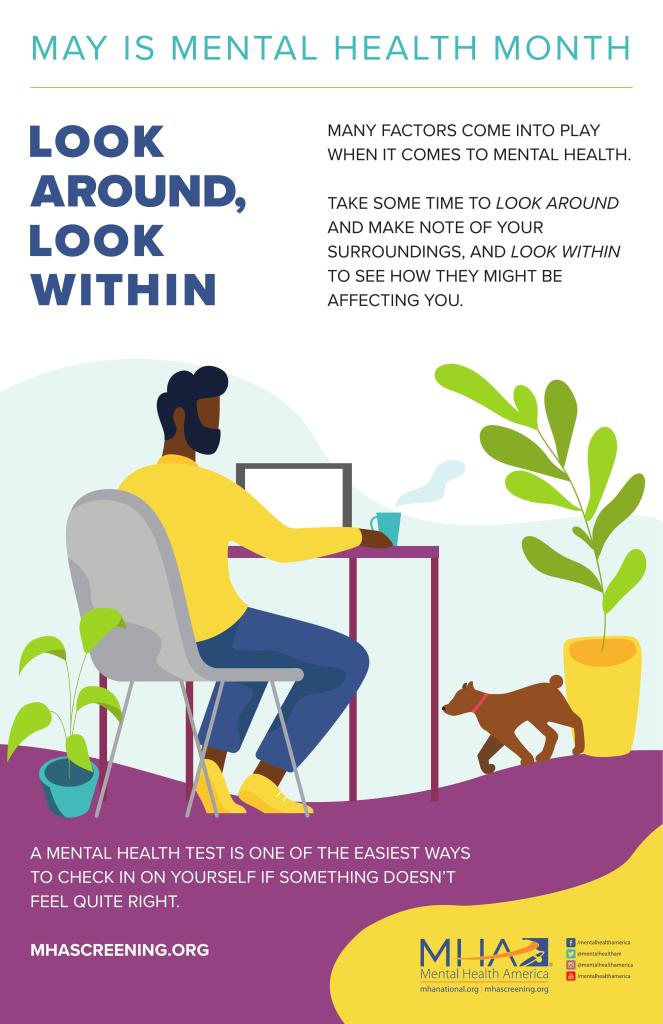
Unlock Your Mental Well-being: Take the First Step with a Mental Health Screening

Unlock the potential for a healthier and happier you this Mental Health Awareness Month. Start your journey towards emotional well-being by taking a decisive step with a mental health screening at MHAScreening.org. Much like a regular physical check-up, a mental health screening provides an invaluable opportunity to assess and address any underlying concerns. Don’t ignore that nagging feeling that something isn’t quite right—take action and prioritize your mental health today.

This mental health screening covers a wide range of important topics, including stress management, anxiety, depression, and more. Whether you’ve been experiencing persistent feelings of unease or simply want to gain a deeper understanding of your emotions, this screening is a vital tool to help you regain control of your mental health. Don’t let concerns go unaddressed or escalate into something more challenging to manage. Visit MHAScreening.org now, and unlock the power of self-awareness and proactive well-being. Together, let’s break down the barriers surrounding mental health and embark on a transformative journey toward a brighter future.


Stay Connected!

Mental Health, Caregiving and the Workplace: Balancing Responsibilities

By Roz Jones

As the population ages, more and more people are finding themselves in the role of caregiver for an aging or ill loved one. Balancing the demands of caregiving with work responsibilities can be challenging, and can take a toll on one’s mental health. In this blog, we will discuss the relationship between mental health, caregiving, and the workplace, and provide tips and resources for maintaining good mental health while juggling multiple responsibilities.

The Impact of Caregiving on Mental Health and Work Performance

Caregiving can be a stressful and emotional experience, which can have an impact on one’s mental health. According to a study by the National Alliance for Caregiving and AARP, caregivers are more likely to experience depression and anxiety, and are more likely to report poor physical health than non-caregivers. Caregivers may also face financial strain due to the cost of caregiving expenses.

The demands of caregiving can also affect work performance. Caregivers may need to take time off work to provide care or attend medical appointments, which can lead to missed deadlines or decreased productivity. In addition, the stress of caregiving can spill over into the workplace, leading to conflict with coworkers or difficulty concentrating on tasks.

Tips for Maintaining Good Mental Health and Balancing Responsibilities

To maintain good mental health while balancing caregiving and work responsibilities, it’s important to prioritize self-care. This can include seeking support from family and friends, utilizing employee assistance programs, or seeking professional counseling. It’s also important to communicate with employers about caregiving responsibilities and to explore flexible work options, such as telecommuting or flexible hours.

Another tip is to create a caregiving plan and schedule, and to involve other family members or support systems whenever possible. This can help to reduce stress and anxiety by creating a sense of predictability and structure in the caregiving role. It’s also important to set boundaries and communicate clearly with loved ones and coworkers about what you are and are not able to provide in terms of care or work responsibilities.

Resources for Caregivers in the Workplace

There are a variety of resources available to support caregivers in the workplace. Many employers offer employee assistance programs, which can provide counseling, legal and financial assistance, and caregiver support. The Family and Medical Leave Act (FMLA) provides eligible employees with up to 12 weeks of unpaid leave for caregiving purposes, without fear of job loss.

Balancing the demands of caregiving and work responsibilities can be challenging, but it’s important to prioritize self-care and utilize resources for support. By communicating with employers and creating a caregiving plan, caregivers can maintain good mental health and provide effective care for their loved ones, while still meeting work responsibilities.


Unlock Your Mental Well-being: Take the First Step with a Mental Health Screening

Unlock the potential for a healthier and happier you this Mental Health Awareness Month. Start your journey towards emotional well-being by taking a decisive step with a mental health screening at MHAScreening.org. Much like a regular physical check-up, a mental health screening provides an invaluable opportunity to assess and address any underlying concerns. Don’t ignore that nagging feeling that something isn’t quite right—take action and prioritize your mental health today.

This mental health screening covers a wide range of important topics, including stress management, anxiety, depression, and more. Whether you’ve been experiencing persistent feelings of unease or simply want to gain a deeper understanding of your emotions, this screening is a vital tool to help you regain control of your mental health. Don’t let concerns go unaddressed or escalate into something more challenging to manage. Visit MHAScreening.org now, and unlock the power of self-awareness and proactive well-being. Together, let’s break down the barriers surrounding mental health and embark on a transformative journey toward a brighter future.


Stay Connected!

Caregiving & The Impact of Mental Health on Family Dynamics

By Roz Jones

Caregiving can be a challenging and rewarding experience, but it can also take a significant toll on the mental health of caregivers. The responsibilities of caring for a loved one, whether it be a parent, spouse, or child, can create stress, anxiety, and depression. This stress can also impact the family dynamics of the caregiver’s immediate family. In this blog, we will discuss the impact of mental health on family dynamics when caregiving is involved.

One of the most significant impacts of caregiving on family dynamics is the potential for tension and conflict. Family members may have different ideas about how to care for the loved one, leading to disagreements and misunderstandings. This can be especially challenging when the caregiver’s mental health is already compromised, as it can make it harder to handle disagreements in a constructive and healthy manner.

In addition, the caregiver may become overwhelmed and feel as though they are shouldering the burden alone. This can lead to feelings of isolation and loneliness, even when surrounded by loved ones. These feelings can create a sense of distance between the caregiver and their family members, leading to strained relationships and a breakdown in communication.

Furthermore, caregiving can also impact the mental health of family members who are not providing direct care. For example, a spouse may become worried and stressed about their partner’s caregiving responsibilities, leading to their own mental health challenges. Similarly, children may feel anxious or overwhelmed by the changes in their family dynamics and their parents’ stress levels.

It is essential to acknowledge the impact of caregiving on family dynamics and take steps to address it. Communication is key in maintaining healthy relationships and reducing tension and conflict. Caregivers should openly communicate their needs, feelings, and limitations to their family members. It’s also important for family members to express their support and offer to help in any way they can.

Taking care of one’s mental health is also crucial for caregivers and their family members. Seeking professional help, such as therapy or counseling, can provide valuable support and tools for coping with the challenges of caregiving. Additionally, self-care practices, such as exercise, meditation, and hobbies, can help caregivers manage stress and maintain a positive outlook.

The impact of mental health on family dynamics when caregiving is involved is significant. It’s essential to acknowledge the challenges and take steps to address them through open communication, seeking professional help, and prioritizing self-care. By working together, caregivers and their family members can maintain healthy relationships and provide the best care possible for their loved one.


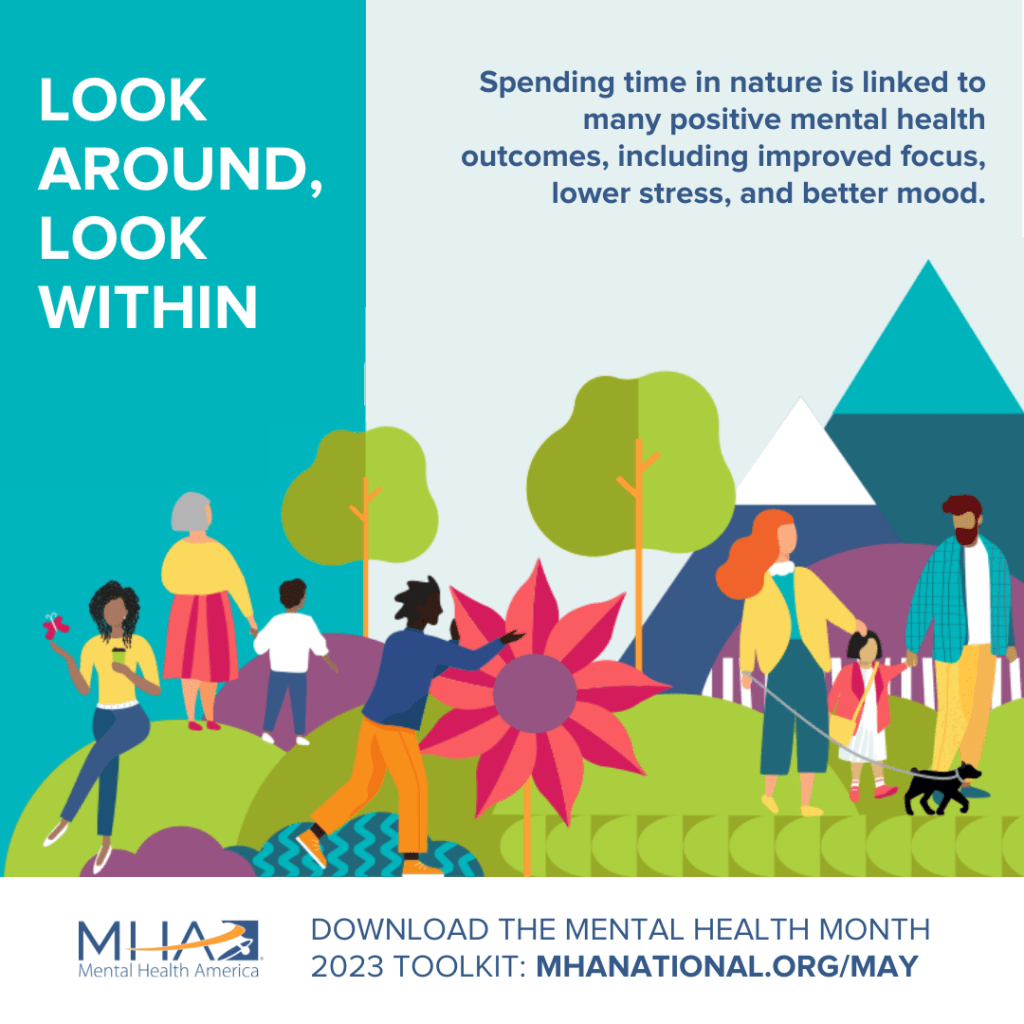
Unlock the Power of Nature: Elevate Your Mental Health with Mental Health America’s Exclusive Worksheet

Discover the transformative benefits of embracing the great outdoors and prioritize your mental health this Mental Health Awareness Month. Mental Health America’s exclusive worksheet, “Opening Your Mind to the Outdoors,” will guide you through powerful techniques to overcome motivational barriers and connect your goals to positive emotions.

Unleash the motivation within and unlock a path toward well-being. Download this worksheet now and embark on a journey of self-discovery and mental rejuvenation. Don’t miss out on this incredible opportunity to enhance your mental health and thrive in harmony with nature.


Stay Connected!