Thriving Alone While Aging with Grace and Independence

By Roz Jones

Are you or a loved one considering the journey of solo aging? In an era where personal choice is paramount, many seniors are embracing solo aging as a means of maintaining control and independence in their golden years. This path brings with it unique considerations, challenges, and opportunities, inviting individuals to chart a course towards dignified and resilient aging.

Embracing the Freedom of Solo Aging

Solo aging offers a canvas of freedom and self-determination. It liberates individuals from the expectations of communal living, allowing autonomy over daily choices and routines. This independence is a cornerstone, while the ability to seek support when needed fosters a sense of empowerment and self-reliance.

Addressing the Realities of Solo Aging

While solo aging empowers individuals, it does pose certain challenges. The absence of immediate social support can lead to feelings of isolation or loneliness. Managing health needs, appointments, and daily tasks without assistance or accessible transportation may require proactive planning. Additionally, ensuring adequate care, akin to institutional settings, can present hurdles.

Preparing Strategically for Solo Aging

Preparing for solo aging involves careful planning, proactive decision-making, and establishing a supportive network to navigate this phase of life confidently. Each step taken towards preparedness contributes significantly to a fulfilling and empowered journey of aging alone here are a few practical strategies to help your aging loved one feel better prepared for the solo aging journey.

  1. Create a Comprehensive Support Network: Besides family and friends, consider joining local community groups, senior centers, or online forums geared toward solo agers. These networks can provide companionship, valuable advice, and a sense of community.
  2. Explore Technology and Telehealth: Embrace technology to stay connected with loved ones and access telehealth services. Familiarize yourself or your loved one with video calling apps, telemedicine platforms, and wearable health devices for monitoring vital signs.
  3. Advance Care Planning: Prepare advanced directives and a durable power of attorney for healthcare, outlining preferences for medical care and appointing someone trusted to make decisions if needed. Ensure these documents are legally binding and accessible when required.
  4. Home Safety Modifications: Assess and modify the living environment for safety and convenience. Consider installing grab bars, ramps, adequate lighting, and other necessary adaptations to ensure a comfortable and secure home.
  5. Financial Planning and Legal Affairs: Seek advice from financial advisors or elder law attorneys to organize finances, set up trusts, update wills, and address estate planning matters. Plan for long-term care insurance or explore Medicaid eligibility if applicable.
  6. Emergency Preparedness: Create an emergency plan that includes contacts, medical information, and essential supplies in case of unexpected situations. Keep a readily accessible emergency kit with necessary medications, documents, and contact information.

By following these tips and strategies, individuals can navigate solo aging with resilience, independence, and a strong foundation for the future. 

Embracing Solo Aging with Confidence

Solo aging embodies the spirit of independence and choice. While it may entail certain challenges, meticulous planning and foresight can ensure a journey marked by dignity, strength, and self-sufficiency. Approach solo aging with confidence, knowing that with adequate preparation, you can navigate this path gracefully, preserving autonomy while availing yourself of necessary assistance.

Choosing solo aging is a decision that requires careful contemplation and proactive preparation. With the right approach, anyone can embrace this phase of life with grace, dignity, and a steadfast commitment to self-determination.


Click here to revisit the previous blog and further explore the nuances of solo aging.


Shop The Caregiver Cafe E-Commerce Store!

We founded The Caregiver Cafe Shopify Store with one simple goal: to help you experiment with your passion while at the same time providing amazing prices. We were tired of cookie-cutter stores with lackluster selections, and boring gifts. Instead of offering a huge unoriginal collection, we carefully curate just a few unique pieces perfectly suited for people the taste buds like you.

We focus on items that get you excited about shopping again, as we believe buying online should always be fun!


The Impact of Caregiving On Employment
Caregiving can impact employment by reducing work hours, causing career disruptions, and leading to financial strain. 

Caregivers may face discrimination, struggle with work-life balance, and experience health issues. 

Supportive measures are needed to help caregivers manage their responsibilities while maintaining their employment and well-being.

In this episode, I get into how juggling caregiving and employment can have a toll on caregivers. 

Subscribe to The Caregiver Cafe Weekly Newsletter!

Caregiving can be a roller coaster of ups and downs. The information that you will receive from The Caregiver Cafe Weekly Specials Newsletter will support you as a caregiver. Remember…

1. YOU ARE NOT ALONE: The problems you face as a caregiver are experienced by other caregivers. Knowing that you’re not alone can be comforting. 

2. Tools and Resources:  Find caregiver stress management tools and gain perspective from other caregiver’s experiences.

3. LEARN TO: Ask for help, accept help when it is offered, and acknowledge yourself on this caregiving journey. Hear from experts on how to balance caregiving responsibilities by taking care of your needs and involving others to help manage the natural stress and isolation of being a caregiver. 

Balancing Caregiving for a Former Spouse with Other Responsibilities

By Roz Jones

Being a caregiver for a former spouse is a unique situation that comes with its own set of challenges. One of the biggest challenges is balancing caregiving with other responsibilities, such as work, family, and personal commitments. In this blog, we will discuss some of the challenges of balancing caregiving for a former spouse with other responsibilities and provide tips for managing competing responsibilities.

Challenges of Balancing Caregiving with Other Responsibilities:

One of the biggest challenges of caregiving for a former spouse is finding the time and energy to balance caregiving with other responsibilities. Many caregivers also have jobs, children, and other commitments that require their time and attention. This can lead to feelings of guilt and overwhelm, as caregivers struggle to prioritize their responsibilities.

Tips for Prioritizing Caregiving and Managing Competing Responsibilities:

  • Set realistic expectations: Caregivers need to set realistic expectations for themselves and their loved ones. This means recognizing that they cannot do everything and that it is okay to ask for help when needed.
  • Create a schedule: Caregivers can create a schedule that includes caregiving tasks as well as other responsibilities. This can help them prioritize their time and ensure that they have time for everything they need to do.
  • Take care of yourself: It is important for caregivers to take care of themselves so that they have the energy and stamina to care for their loved ones. This means eating well, exercising, and getting enough rest.
  • Communicate with others: Caregivers should communicate with their loved ones, employers, and other important people in their lives about their caregiving responsibilities. This can help them manage expectations and get the support they need.

Resources for Balancing Caregiving with Other Responsibilities:

  1. Family and Medical Leave Act (FMLA): FMLA provides eligible employees with up to 12 weeks of unpaid leave per year for caregiving or other family-related issues.
  2. Employee Assistance Programs (EAPs): Many employers offer EAPs that provide counseling, referrals, and other support services to employees and their families.
  3. Caregiver support groups: Caregiver support groups can provide caregivers with emotional support, practical advice, and a sense of community.

Balancing caregiving for a former spouse with other responsibilities can be challenging, but with the right tools and resources, it is possible to manage competing demands. Caregivers should set realistic expectations, create a schedule, take care of themselves, and communicate with others about their caregiving responsibilities. There are also many resources available, such as FMLA, EAPs, and caregiver support groups, that can provide additional support and assistance.


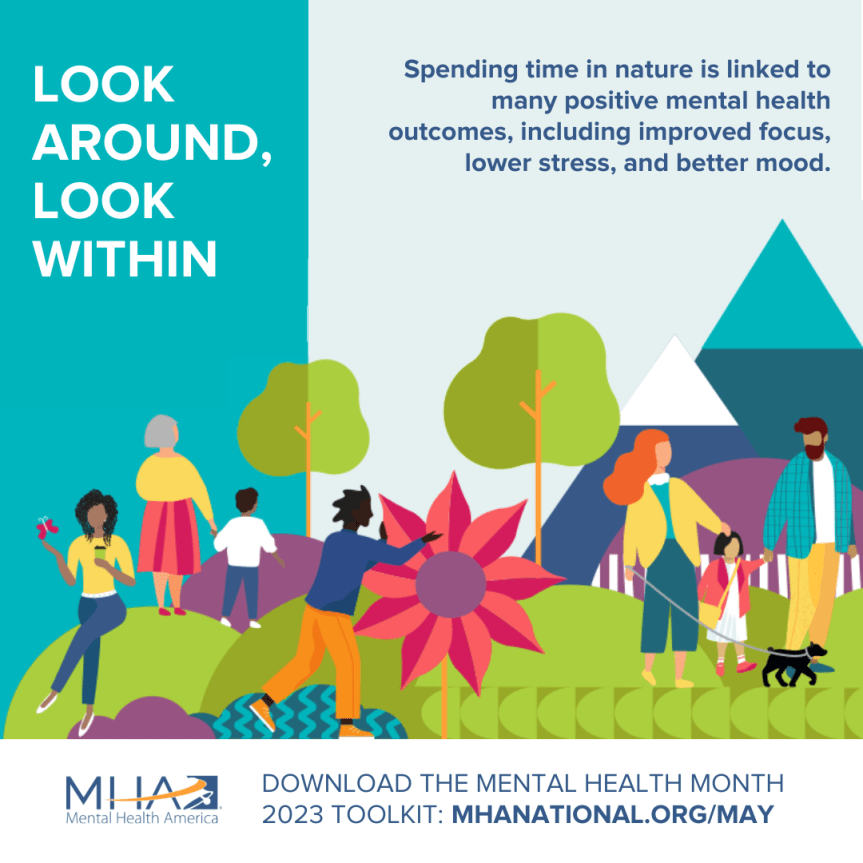
Discover the Power of Nature for Your Mental Health!

Unlock the positive impact of nature on your mental well-being with Mental Health of America’s fact sheet.

Learn how spending time in green and blue spaces can lower stress, boost mood, and improve focus. Download now to embrace the benefits of nature in your everyday life!


Stay Connected!

Legal and Financial Considerations for Caregiving for a Former Spouse

By Roz Jones

When taking on the role of caregiver for a former spouse, there are a variety of legal and financial considerations to keep in mind. In this blog, we will provide an overview of these considerations and offer resources for navigating any potential legal or financial challenges that may arise.

Overview of the Legal and Financial Considerations When Caregiving for a Former Spouse

First and foremost, it’s important to establish legal authority for making decisions on behalf of your former spouse. If your former spouse is unable to make decisions for themselves, you may need to obtain legal guardianship or power of attorney. This can ensure that you have the legal authority to make medical and financial decisions.

Another legal consideration is the division of assets and property. If you and your former spouse are divorced, you may have a divorce decree that outlines how assets should be divided. However, if you are providing care for your former spouse, there may be financial implications to consider. It’s important to consult with a legal professional to ensure that you are not inadvertently putting your own financial well-being at risk.

Financial considerations can also include the cost of care and potential reimbursement for caregiving services. If your former spouse has long-term care insurance, they may be able to receive reimbursement for your services. Additionally, some states offer programs that provide financial assistance for caregiving.

Resources for Navigating Legal and Financial Challenges

To navigate these legal and financial challenges, it can be helpful to consult with a lawyer or financial advisor. Additionally, there are resources available such as the Veterans Affairs (VA) National Caregiver Support Line at 1-855-260-3274, which offers assistance with legal and financial matters related to caregiving.

Caregiving for a former spouse can come with a variety of legal and financial considerations. By seeking guidance and support from legal and financial professionals, it is possible to navigate these challenges and provide effective care for your former spouse.


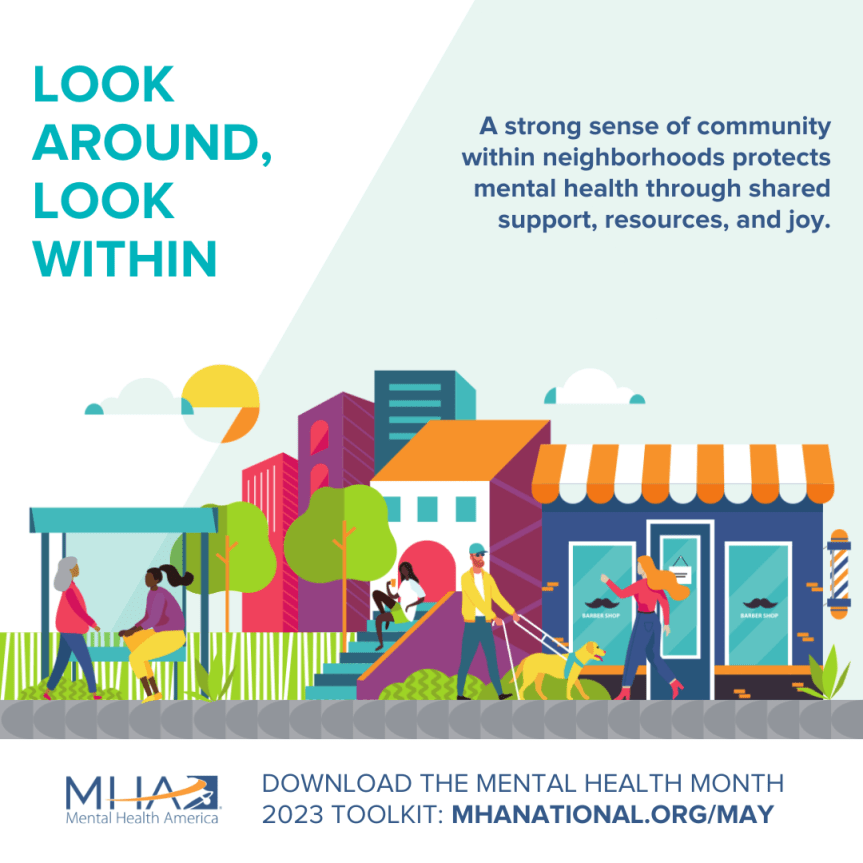
Unlock Your Community’s Mental Health: Download Mental Health America’s Healthy Neighborhoods & Communities Document Today!

Are you aware that where you live can impact your mental health? In fact, up to 60% of your overall health is determined by your ZIP code. If you’re looking for ways to support your mental health and well-being, then the Mental Health of America Toolkit is the perfect resource for you.

This toolkit provides valuable information and resources to help you access the services and support you need in your neighborhood and town. With the Mental Health of America Toolkit, you can take control of your mental health and prioritize your well-being. Don’t wait any longer – download the Mental Health of America Toolkit today!


Stay Connected!

The Emotional Challenges of Caregiving for a Former Spouse or Baby Daddy

By Roz Jones

When a former spouse or baby daddy becomes ill or disabled, it can be a difficult and emotional time. Suddenly, you may find yourself in the role of caregiver for someone who was once your partner. This can bring up a variety of unique emotional challenges that can be difficult to navigate. In this blog, we will discuss the emotional challenges of caregiving for a former spouse and provide tips for managing emotions and maintaining boundaries.

Introduction to the Emotional Challenges of Caregiving for a Former Spouse

One of the main emotional challenges of caregiving for a former spouse is the history and baggage that may come with the relationship. Past hurts, resentments and unresolved issues can all resurface during this time. It’s important to acknowledge and process these emotions in order to move forward and provide effective care.

Another emotional challenge is the shift in roles and dynamics. The caregiving relationship can blur the lines between caregiver and partner, leading to confusion and discomfort. Additionally, there may be feelings of guilt or obligation to provide care, even if the relationship ended poorly.

Tips for Managing Emotions and Maintaining Boundaries

To manage these emotions, it’s important to prioritize self-care. This can include seeking support from friends and family, joining a support group, or seeking professional counseling. It’s also important to forgive yourself if you wronged them as you also forgive them if they wronged you. You must also set boundaries. You also want to communicate clearly with your former spouse about what you are and are not able to provide in terms of care.

Caregiving for a former spouse can bring up a variety of emotional challenges. By prioritizing self-care and setting clear boundaries, it is possible to provide effective care while maintaining your own emotional well-being. Remember, it’s okay to seek support and resources to help navigate this difficult time.


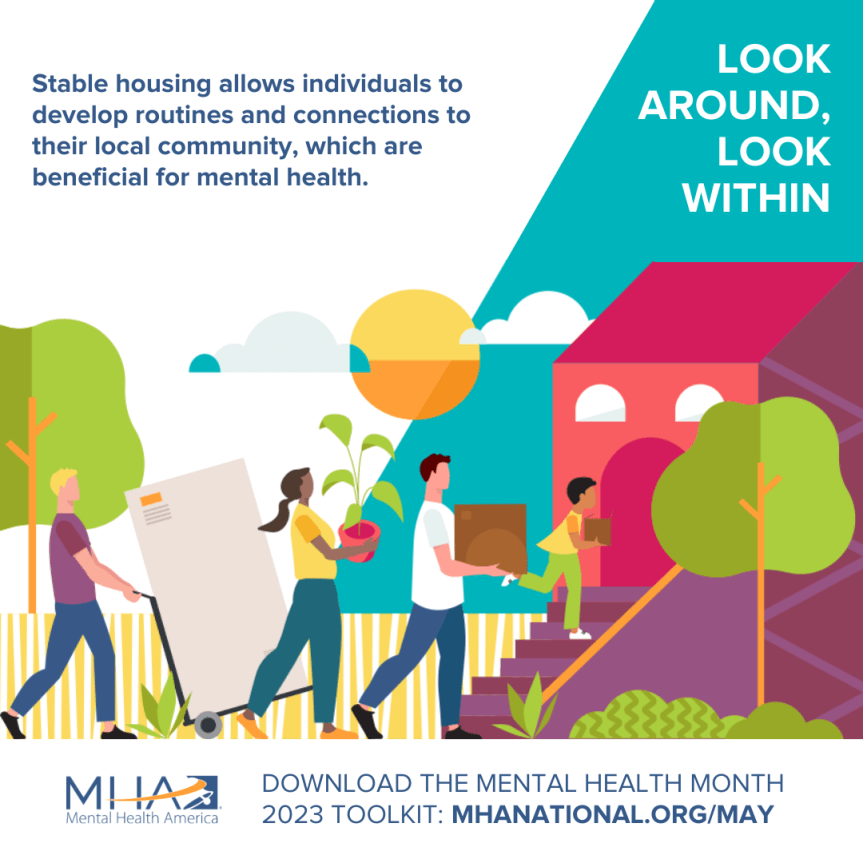
Transform Your Home Into a Sanctuary of Calm: Download Mental Health America’s Healthy Home Environments Document Today!

Are you looking for ways to improve your mental health and well-being? If so, we have just the thing for you! Mental Health Americaโ€™s new document โ€˜Healthy Home Environments,โ€ provides valuable insights into how you can optimize your living space to promote better mental health.

Whether you are living with a mental health condition or just looking for ways to enhance your overall well-being, this document offers practical tips and strategies that anyone can benefit from. From decluttering your space to incorporating natural elements, this document is packed with actionable steps you can take to transform your home into a sanctuary of calm and tranquility. Donโ€™t miss out on this opportunity to improve your mental health and download โ€œHealthy Home Environmentsโ€ today!


Stay Connected!

Coping with Caregiver Guilt When Choosing Adult Daycare for Your Aging Loved One

By Roz Jones

As a caregiver for an aging loved one, it’s natural to feel a sense of responsibility for their well-being. You want to make sure they receive the best possible care and support. However, when the time comes to consider adult daycare as an option, many caregivers can experience feelings of guilt and uncertainty. You may feel like you’re abandoning your loved one or failing as a caregiver.

It’s important to remember that choosing adult daycare is a positive and necessary decision for both you and your loved one. Adult daycare provides a safe and stimulating environment for your loved one, where they can socialize with others, engage in activities, and receive professional care and support.

To cope with caregiver guilt, it’s important to seek support. Talk to other caregivers, friends, or family members who can offer empathy and understanding. Joining a support group can also be helpful in connecting with others who are going through similar experiences.

Practicing self-care is another important coping strategy. Caregiving can be stressful, and it’s easy to neglect your own needs. Make sure to take breaks and prioritize activities that bring you joy and relaxation.

Staying involved in your loved one’s care can also help alleviate feelings of guilt. Attend their adult daycare program with them, participate in their activities, and stay informed about their care plan. This will help you feel connected and reassured that your loved one is receiving the best possible care.

It’s important to remember that choosing adult daycare is a positive and necessary decision for both you and your loved one. Adult daycare provides a safe and supportive environment for your loved one, and it allows you to maintain your own well-being as a caregiver. Explaining the benefits and factors that led to your choice of an adult care home will provide the logical basis for your decision. This goes a long way to helping you overcome undue guilt. Coping with caregiver guilt takes time and effort, but with the right support and self-care strategies, you can overcome these feelings and focus on providing the best possible care for your loved one.


May is Mental Health Month: Take Control of Your Mental Health with 31 Daily Tips

Mental Health America is proud to announce May as Mental Health Month, a time to prioritize and take control of your well-being. This year’s theme is Take Some Time To Look Around, Look Within emphasizing the importance of creating a supportive and uplifting environment for yourself and those around you. To help you achieve this goal, MHA has created a daily calendar with 31 tips for improving your mental health for the month.

Whether you’re struggling with anxiety, depression, stress, or simply looking for ways to maintain a healthy mindset the Mental Health Calendar has something for everyone with each day featuring a different tip or activity to promote self-care, resilience, and positive thinking.

Download the Mental Health Calendar now to learn how to cultivate a more supportive and nurturing environment for yourself and your aging loved one, while also building stronger relationships with those around you!


Stay Connected!