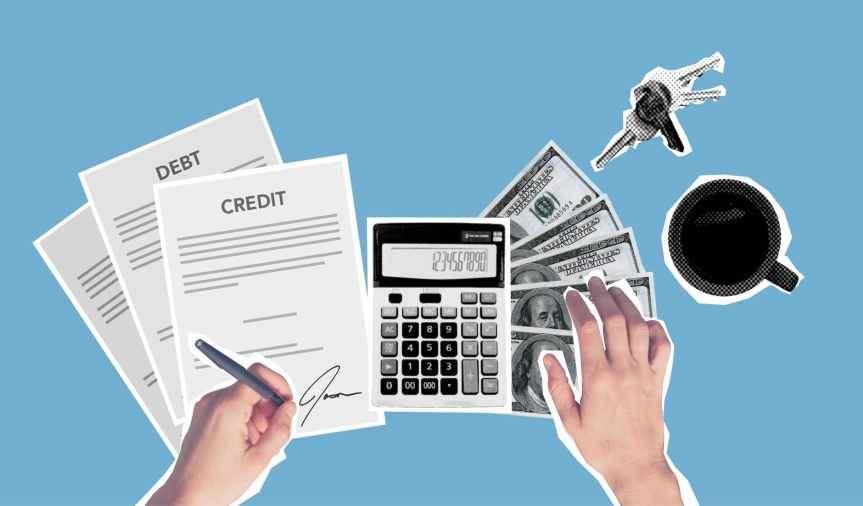
Legal and Financial Considerations for Caregiving for a Former Spouse

By Roz Jones

When taking on the role of caregiver for a former spouse, there are a variety of legal and financial considerations to keep in mind. In this blog, we will provide an overview of these considerations and offer resources for navigating any potential legal or financial challenges that may arise.

Overview of the Legal and Financial Considerations When Caregiving for a Former Spouse

First and foremost, it’s important to establish legal authority for making decisions on behalf of your former spouse. If your former spouse is unable to make decisions for themselves, you may need to obtain legal guardianship or power of attorney. This can ensure that you have the legal authority to make medical and financial decisions.

Another legal consideration is the division of assets and property. If you and your former spouse are divorced, you may have a divorce decree that outlines how assets should be divided. However, if you are providing care for your former spouse, there may be financial implications to consider. It’s important to consult with a legal professional to ensure that you are not inadvertently putting your own financial well-being at risk.

Financial considerations can also include the cost of care and potential reimbursement for caregiving services. If your former spouse has long-term care insurance, they may be able to receive reimbursement for your services. Additionally, some states offer programs that provide financial assistance for caregiving.

Resources for Navigating Legal and Financial Challenges

To navigate these legal and financial challenges, it can be helpful to consult with a lawyer or financial advisor. Additionally, there are resources available such as the Veterans Affairs (VA) National Caregiver Support Line at 1-855-260-3274, which offers assistance with legal and financial matters related to caregiving.

Caregiving for a former spouse can come with a variety of legal and financial considerations. By seeking guidance and support from legal and financial professionals, it is possible to navigate these challenges and provide effective care for your former spouse.


Unlock Your Community’s Mental Health: Download Mental Health America’s Healthy Neighborhoods & Communities Document Today!
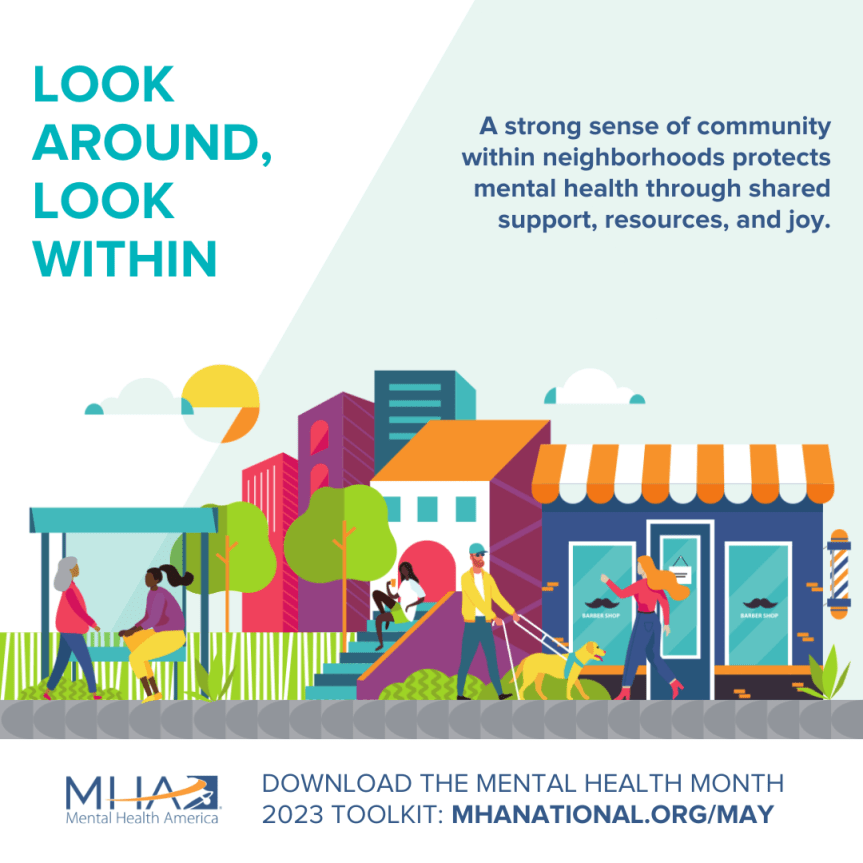
Are you aware that where you live can impact your mental health? In fact, up to 60% of your overall health is determined by your ZIP code. If you’re looking for ways to support your mental health and well-being, then the Mental Health of America Toolkit is the perfect resource for you.

This toolkit provides valuable information and resources to help you access the services and support you need in your neighborhood and town. With the Mental Health of America Toolkit, you can take control of your mental health and prioritize your well-being. Don’t wait any longer – download the Mental Health of America Toolkit today!


Stay Connected!

Data Backup and Storage Solutions for Caregivers

By Roz Jones

As a caregiver, you are responsible not only for the health and well-being of your aging loved one but also for their financial and personal information. In today’s digital age, it’s important to have a plan in place for backing up and storing this information securely.

Here are five data backup and storage solutions that caregivers can use to protect their aging loved ones’ information:

  1. Cloud storage options: Cloud storage services such as Google Drive, Dropbox, and iCloud provide secure, remote storage for important files and documents. These services allow you to access files from anywhere with an internet connection and can be set up to automatically back up files from your devices. It’s important to choose a reputable provider and use strong, unique passwords to protect the account.
  1. External hard drives: External hard drives are a physical backup option that can be used to store important files and documents. They can be easily transported and can be set up to automatically back up files from your devices. It’s important to keep the hard drive in a safe place and to make sure that it’s password-protected to prevent unauthorized access.
  1. Password-protected USB drives: USB drives are a convenient and portable backup option. They can be password-protected to prevent unauthorized access and can be easily transported. However, USB drives can be lost or stolen, so it’s important to keep them in a safe place and make sure that they’re backed up elsewhere.
  1. Online backup services: Online backup services such as Carbonite and Backblaze provide secure, remote backup options for important files and documents. These services can be set up to automatically back up files from your devices and provide easy access to your data from anywhere with an internet connection. It’s important to choose a reputable provider and to use strong, unique passwords to protect the account.
  1. Backup and recovery software: Backup and recovery software such as Acronis and EaseUS provide comprehensive backup and recovery options for your devices. These tools allow you to create full system backups, clone hard drives, and recover lost or deleted files. It’s important to use strong, unique passwords to protect the software and to regularly test your backups to ensure that they’re working correctly.

It’s important for caregivers to have a plan in place for backing up and storing their aging loved ones’ information securely. By using a combination of these data backup and storage solutions, you can ensure that important files and documents are protected from loss, theft, and unauthorized access. You can also protect yourself financially by utilizing these solutions. Secure communication systems and data storage are very important to every good caregiver.


Unlock Your Community’s Mental Health: Download Mental Health America’s Healthy Neighborhoods & Communities Document

Are you aware that where you live can impact your mental health? In fact, up to 60% of your overall health is determined by your ZIP code. If you’re looking for ways to support your mental health and well-being, then the Mental Health of America Toolkit is the perfect resource for you.

This toolkit provides valuable information and resources to help you access the services and support you need in your neighborhood and town. With the Mental Health of America Toolkit, you can take control of your mental health and prioritize your well-being. Don’t wait any longer – download the Mental Health of America Toolkit today!


Shop The Caregiver Cafe E-Commerce Store!

We founded The Caregiver Cafe Shopify Store with one simple goal: to help you experiment with your passion while at the same time providing amazing prices. We were tired of cookie-cutter stores with lackluster selections, and boring gifts. Instead of offering a huge unoriginal collection, we carefully curate just a few unique pieces perfectly suited for people the taste buds like you.

We focus on items that get you excited about shopping again, as we believe buying online should always be fun!


Are you struggling to take care of an ex-partner? It can be emotionally challenging and hinder personal growth. But there are ways to show care without losing yourself in the process. In this episode, we discuss the complexities of taking care of an ex-partner, from setting boundaries and managing expectations to communication challenges and potential harm to personal well-being. Listen in to learn how to assess your emotional capacity and boundaries while still considering the well-being of your former spouse. Don’t miss out on these valuable insights!

Taking care of an ex-partner is complex due to emotional baggage, difficulty in establishing boundaries and managing expectations, hindering personal growth and moving on, communication challenges, interference with new boundaries and relationships, and potential harm to personal well-being. 

It’s crucial to assess one’s emotional capacity and boundaries while considering the well-being of both individuals involved.

In this episode, we continue our discussion on how you can show care for an ex-partner without losing yourself in the process.

Listen in for all the gems!

Subscribe to The Caregiver Cafe Weekly Newsletter!

Caregiving can be a roller coaster of ups and downs. The information that you will receive from The Caregiver Cafe Weekly Specials Newsletter will support you as a caregiver. Remember…

1. YOU ARE NOT ALONE: The problems you face as a caregiver are experienced by other caregivers. Knowing that you’re not alone can be comforting. 

2. Tools and Resources:  Find caregiver stress management tools and gain perspective from other caregiver’s experiences.

3. LEARN TO: Ask for help, accept help when it is offered, and acknowledge yourself on this caregiving journey. Hear from experts on how to balance caregiving responsibilities by taking care of your needs and involving others to help manage the natural stress and isolation of being a caregiver. 

Resources for Disaster Preparedness and Planning

By Roz Jones

Preparing for a disaster can be overwhelming, but there are many resources available to help make the process more manageable. In this blog, we’ll provide you with a list of resources for disaster preparedness and planning, so you can ensure that you and your loved ones are ready for any emergency.

  1. Ready.gov: Ready.gov is a comprehensive resource provided by the Department of Homeland Security that offers information on how to prepare for all types of emergencies, including natural disasters and terrorist attacks.
  1. FEMA: The Federal Emergency Management Agency (FEMA) provides information and resources on disaster preparedness and response, including information on evacuation routes and emergency shelters.
  1. American Red Cross: The American Red Cross offers a wide range of resources for disaster preparedness and response, including information on first aid, CPR, and emergency shelter.
  1. Centers for Disease Control and Prevention (CDC): The CDC offers resources and information on how to prepare for and respond to emergencies, including natural disasters, pandemics, and other public health emergencies.
  1. Elder Care Locator: The Elder Care Locator is a public service provided by the U.S. Administration on Aging that helps connect older adults and their families with resources in their community, including disaster preparedness and response resources.
  1. National Institute on Aging: The National Institute on Aging offers information and resources on disaster preparedness and response for older adults, including tips on how to prepare for emergencies and stay safe during and after a disaster.
  1. AARP: AARP offers a wide range of resources for older adults, including information on disaster preparedness and response, as well as resources on healthcare, finances, and caregiving.
  1. State and local emergency management agencies: Check your state and local emergency management agencies for information on disaster preparedness and response, including local evacuation routes and emergency shelters.
  1. Emergency alert systems: Sign up for emergency alert systems in your area, such as Wireless Emergency Alerts and the Emergency Alert System, to stay informed about emergencies and receive important safety information.
  1. Community emergency response teams (CERT): CERT programs provide training and resources for community members to help prepare for and respond to emergencies.

By utilizing these resources, you can ensure that you and your loved ones are prepared for any emergency. Remember to stay informed, stay prepared, and stay safe.

Seniors Storm Guide: Essential Tips for Caregivers to Prepare Loved Ones for the Hurrican Season

As a caregiver, your loved one’s safety is a top priority, especially during hurricane season. The key to reducing stress and anxiety is early preparation. Our Seniors Storm Guide is a free resource that offers essential information to help you prepare your loved one for potential storms. From packing a travel bag to checking their contact list and ensuring there are adequate emergency supplies, this guide provides tips that your loved one can actively participate in. Participation, not isolation, is key when preparing for major storms. Our Seniors Storm Guide will serve as a valuable resource that you can refer to again and again. Download it today and be prepared for anything that comes your way this hurricane season.


Stay Connected!

What to Pack for Your Aging Loved One in the Event of a Disaster

By Roz Jones

When disaster strikes, having an emergency kit prepared for your aging loved one can make all the difference in ensuring their safety and well-being. But what should you pack? In this blog, we’ll provide you with a comprehensive list of items to consider when packing for your aging loved one’s emergency kit.

  1. Medications: Pack a sufficient supply of your aging loved one’s medications, including any prescription and over-the-counter medications they may require.
  1. Medical equipment: If your aging loved one requires medical equipment, such as a nebulizer or oxygen tank, make sure to include it in their emergency kit.
  1. Personal care items: Pack personal care items such as toothbrushes, toothpaste, denture cleaner, and any other items your aging loved one may need to maintain their personal hygiene.
  1. Clothing: Pack enough clothing for your aging loved one, including underwear, socks, and comfortable, weather-appropriate clothing.
  1. Comfort items: Consider packing comfort items such as a favorite blanket, stuffed animal, or family photo to help your aging loved one feel more at ease during an emergency.
  1. Mobility aids: If your aging loved one uses a mobility aid, such as a cane, walker, or wheelchair, make sure to include it in their emergency kit.
  1. Glasses and hearing aids: Pack an extra set of glasses or hearing aids, along with any batteries or chargers needed.
  1. Important documents: Keep copies of important documents such as identification cards, medical records, and insurance policies in a waterproof container or a safe deposit box.
  1. Emergency contact information: Write down emergency contact information for your aging loved one, including their doctor’s name and phone number, and keep it in their emergency kit.
  1. Snacks and water: Pack non-perishable snacks and water for your aging loved one, along with any dietary restrictions or preferences they may have.

By packing these essential items, you can help ensure that your aging loved one is prepared for an emergency. Don’t forget to update their emergency kit regularly to ensure that their supplies and information are up-to-date and ready when needed.

Seniors Storm Guide: Essential Tips for Caregivers to Prepare Loved Ones for the Hurrican Season

As a caregiver, your loved one’s safety is a top priority, especially during hurricane season. The key to reducing stress and anxiety is early preparation. Our Seniors Storm Guide is a free resource that offers essential information to help you prepare your loved one for potential storms. From packing a travel bag to checking their contact list and ensuring there are adequate emergency supplies, this guide provides tips that your loved one can actively participate in. Participation, not isolation, is key when preparing for major storms. Our Seniors Storm Guide will serve as a valuable resource that you can refer to again and again. Download it today and be prepared for anything that comes your way this hurricane season.


Stay Connected!

Creating a Disaster Preparedness Checklist for You and Your Aging Loved One

By Roz Jones

Disasters can happen at any time and in any place, and being prepared for them can make all the difference in ensuring your safety and that of your loved ones. If you have an aging loved one, it’s important to create a disaster preparedness checklist that takes into account their specific needs and requirements. In this blog, we’ll provide you with a comprehensive list of items to consider when preparing for an emergency.

  1. Water: Plan for at least one gallon of water per person per day for at least three days, and don’t forget to include enough water for your aging loved one’s specific needs, such as drinking water or water needed for medical equipment.
  1. Non-perishable food: Prepare at least a three-day supply of non-perishable food that doesn’t require cooking, such as canned goods, energy bars, and dried fruits.
  1. Medications: Ensure that you have a sufficient supply of your aging loved one’s medications, as well as any medical supplies that they may require, such as a nebulizer or oxygen tank.
  1. First aid kit: Prepare a first aid kit that includes basic supplies like bandages, gauze, antiseptic wipes, and over-the-counter pain relievers.
  1. Personal documents: Keep copies of important documents like insurance policies, medical records, and identification cards in a waterproof container or a safe deposit box.
  1. Emergency cash: Keep some cash on hand in case ATMs and credit card systems are down.
  1. Flashlights and batteries: Ensure that you have enough flashlights and extra batteries for all members of your household, including your aging loved one.
  1. Blankets and warm clothing: Prepare warm clothing and blankets to help protect against the cold and wet weather conditions that can accompany many disasters.
  1. Communication devices: Consider having a battery-powered radio or a charged cell phone on hand to stay informed about emergency alerts and updates.
  1. Additional items for aging loved ones: Additional items to consider for your aging loved one’s emergency kit include hearing aids and batteries, glasses, mobility aids like a cane or walker, and comfort items like a favorite blanket or photo album.

By creating a disaster preparedness checklist for you and your aging loved one, you can take steps to ensure that you are both prepared for an emergency. Don’t forget to check and update your checklist regularly to ensure that your supplies and information are up-to-date and ready when needed.


Seniors Storm Guide: Essential Tips for Caregivers to Prepare Loved Ones for the Hurrican Season

As a caregiver, your loved one’s safety is a top priority, especially during hurricane season. The key to reducing stress and anxiety is early preparation. Our Seniors Storm Guide is a free resource that offers essential information to help you prepare your loved one for potential storms. From packing a travel bag to checking their contact list and ensuring there are adequate emergency supplies, this guide provides tips that your loved one can actively participate in. Participation, not isolation, is key when preparing for major storms. Our Seniors Storm Guide will serve as a valuable resource that you can refer to again and again. Download it today and be prepared for anything that comes your way this hurricane season.


Stay Connected!