What is hospice care and how does it differ from other types of medical care?

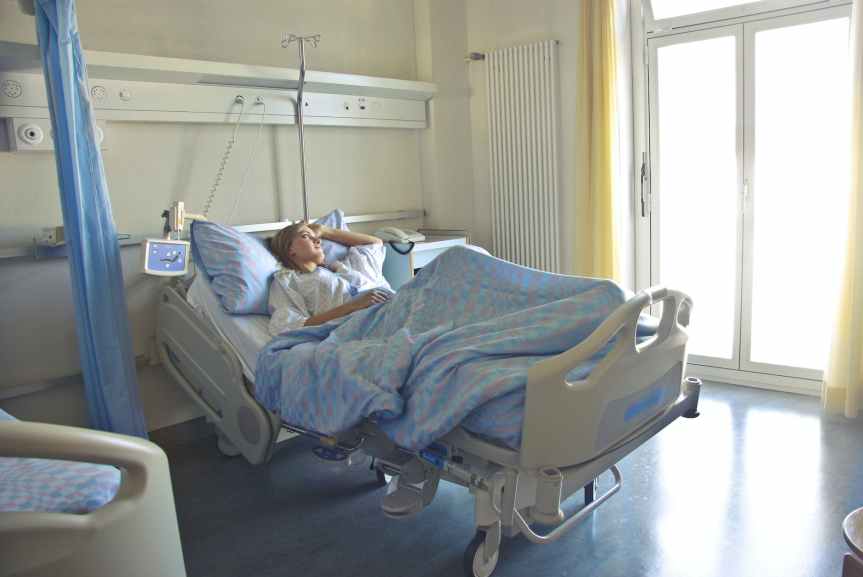
Hospice care is a special type of medical care for individuals who are facing a terminal illness or who are in the end stages of a chronic condition. It is designed to provide comfort and support to those individuals and their families, rather than attempting to cure the illness.

It is different from other forms of medical care in that it focuses on providing quality of life and comfort instead of attempting to cure the illness. In this blog post, we will explore what hospice care is and how it differs from other forms of medical care.

With advance directives, your patient or loved one can have a say on how they want their hospice care to be.

The Purpose and Philosophy of Hospice Care

Hospice care is a specialized form of medical care that focuses on providing comfort and support for those who are terminally ill. Unlike other types of medical care, hospice care does not focus on trying to cure the illness but instead on providing compassionate care and support. The goal of hospice care is to help patients and their families make the most of the time they have left together and to provide comfort and dignity in the face of a terminal illness.

It’s provided by a team of professionals, including doctors, nurses, social workers, and counselors, who work together to address the physical, emotional, and spiritual needs of patients and their families. This includes the kind of funerals they intend to have. Hospice care is provided in the patient’s home or in a hospice facility and is tailored to meet the patient’s individual needs.

How Does Hospice Care Differ from Other Types of Medical Care?

Hospice care is a specialized type of medical care focused on providing comfort and quality of life for those with a terminal illness and a life expectancy of six months or less. Unlike other types of medical care that focus on treating or curing the underlying illness, hospice care focuses on providing comfort and pain relief to the patient and their loved ones.

Patients of any age can undergo hospice care and it is provided in the patientโ€™s home or in a hospice facility by a team of medical professionals and volunteers.

Hospice care includes physical, emotional, social, and spiritual support for the patient and their family, as well as grief and bereavement counseling. The goal of hospice care is not to prolong life, but to make the patient as comfortable as possible in their remaining time. Hospice care provides the patient and their loved ones the opportunity to enjoy their remaining time together, free from pain and suffering.

The Services Offered in Hospice Care

Because hospice care focuses on treating the whole person, not just their illness its services include providing physical, emotional, and spiritual support to the patient and their family. It also includes services such as pain and symptom management, respite care, end-of-life counseling, and bereavement support. Hospice care is available to individuals of all ages, regardless of their ability to pay. It is covered by Medicare, Medicaid, and many private insurance plans.

Hospice care is an important option for those facing a terminal illness and their families. It emphasizes quality of life and provides comfort and support during a difficult time. By understanding what hospice care is and how it differs from other types of medical care, individuals and their families can make informed decisions about their care and treatment.

While hospice care shares some similarities with other types of medical care, there are distinct differences that set it apart:

1. Focus on Comfort and Quality of Life

Unlike curative or rehabilitative care, hospice care prioritizes comfort and quality of life over curative measures. The emphasis is on managing symptoms, controlling pain, and providing emotional support to enhance the patient’s well-being.

2. End-of-Life Planning

Hospice care places significant importance on end-of-life planning. The interdisciplinary team helps patients and their families make informed decisions about advance directives, such as living wills and healthcare proxies, ensuring that their wishes are respected and followed.

3. Emotional and Spiritual Support

While other medical care settings also recognize the importance of emotional support, hospice care places a particular emphasis on addressing the emotional and spiritual needs of patients and their families. It offers dedicated counseling and spiritual guidance to foster peace and acceptance. Hospice care is very taxing and require mental health care for everyone involved.

4. Caregiver Support

Hospice care recognizes the vital role of caregivers and provides extensive support to family members and loved ones. This support includes counseling, respite care, and bereavement services to help them cope with the challenges they face.

5. Home-Based Care

Unlike hospital or nursing home care, hospice care often takes place in the patient’s home. This environment allows individuals to remain in familiar surroundings, surrounded by their loved ones, providing a sense of comfort and security.

The Multidisciplinary Hospice Care Team

For hospice care, a multidisciplinary team of healthcare professionals, including a doctor, nurse, social worker, chaplain, and other professionals, work together to provide comprehensive care. The focus of hospice care is on providing comfort and quality of life, not on curing or prolonging life.

1. Physicians

Hospice physicians specialize in end-of-life care and are responsible for coordinating the patient’s medical treatment plan. They work closely with other healthcare providers to ensure that pain and symptoms are properly managed.

2. Nurses

Hospice nurses are highly skilled professionals who provide round-the-clock care. They administer medication, monitor vital signs, and offer emotional support to patients and their families. Nurses play a crucial role in managing pain and ensuring the patient’s comfort.

3. Certified Nursing Assistants (CNAs)

CNAs assist with activities of daily living (ADLs), such as bathing, dressing, and personal hygiene. They provide essential support to patients, allowing them to maintain their dignity and independence.

4. Social Workers

Social workers offer emotional and practical assistance to patients and their families. They provide counseling, help with end-of-life planning, and connect individuals with community resources and support networks.

5. Chaplains or Spiritual Counselors

Chaplains or spiritual counselors provide spiritual support based on the patient’s beliefs and values. They offer guidance, perform religious rituals if desired, and help patients and families find solace and meaning during their final journey.

6. Bereavement Counselors

Bereavement counselors offer support to families and loved ones after the patient’s passing. They assist with the grieving process and provide resources for coping with loss and adjusting to life without their loved ones.

Frequently Asked Questions

FAQ 1: What conditions qualify for hospice care?

Patients with various life-limiting conditions may qualify for hospice care. Some common conditions include cancer, heart disease, chronic obstructive pulmonary disease (COPD), Alzheimer’s disease, and end-stage renal disease.

FAQ 2: How is hospice care funded?

Hospice care is typically covered by Medicare, Medicaid, and most private insurance plans. In certain cases, charitable organizations and community resources may provide financial assistance to individuals who do not have coverage.

FAQ 3: Can hospice care be provided at home?

Yes, hospice care can be provided in the comfort of the patient’s own home. This allows them to remain in a familiar environment surrounded by their loved ones.

FAQ 4: Is hospice care only for the elderly?

No, hospice care is not limited to the elderly. Individuals of all ages who have a terminal illness and a prognosis of six months or less to live can benefit from hospice care.

FAQ 5: Can patients receive curative treatments while in hospice care?

In general, the focus of hospice care is on comfort and quality of life rather than curative treatments. However, patients can choose to discontinue hospice care and pursue curative treatments if their condition improves or if they decide to change their care plan.

FAQ 6: What happens after a patient’s passing in hospice care?

After a patient’s passing, hospice care extends its support to the patient’s family members. Bereavement services, counseling, and resources are provided to help loved ones cope with their loss.


Unleash Your Heart’s Potential: Mastering Cardiovascular Health for Men

By Roz Jones

Gentlemen, it’s time to shatter the stereotypes and unlock the true potential of your heart health. In this blog, we delve into the captivating world of cardiovascular health, exploring the risks, prevention strategies, and lifestyle changes that can empower you to maintain a healthy heart and reduce the prevalence of cardiovascular diseases. Join us on this transformative journey as we unveil the secrets to unleashing your heart’s potential and embracing a life filled with vitality and longevity.

Understanding the Risks:

Cardiovascular diseases pose a significant threat to men’s health, but understanding the risks is the first step toward prevention. Several factors contribute to heart disease in men. Understanding these risks can help in taking proactive steps to prevent cardiovascular problems. Here are some key factors: High Blood Pressure, High Cholesterol, Smoking, Obesity, Physical Inactivity, Diabetes, Unhealthy Diet, Family History and Stress are all factors that increase the likelihood of heart disease. By recognizing these risks, we can take proactive measures to safeguard our cardiovascular well-being.

Prevention Strategies:

Prevention is the foundation of a healthy heart. There are several strategies and lifestyle changes that men can adopt to significantly reduce their risk of cardiovascular disease. Some key recommendations include:

  • Maintain a healthy diet: Opt for a balanced diet that includes a variety of fruits, vegetables, whole grains, lean proteins (such as fish, poultry, and legumes), and healthy fats (like avocados, nuts, and olive oil). Limit the consumption of saturated and trans fats, cholesterol, sodium, and added sugars.
  • Engage in regular physical activity: Aim for at least 150 minutes of moderate-intensity aerobic exercise or 75 minutes of vigorous-intensity aerobic exercise every week. Additionally, incorporate strength training exercises at least two days a week. Find activities you enjoy and make exercise a regular part of your routine.
  • Quit smoking and avoid exposure to secondhand smoke: If you smoke, quitting is one of the most important steps you can take to improve your cardiovascular health. Seek support from healthcare professionals or smoking cessation programs to help you quit successfully. Additionally, avoid exposure to secondhand smoke, as it also poses significant risks.
  • Maintain a healthy weight: If overweight or obese, losing even a small amount of weight can have significant health benefits. Adopt a combination of healthy eating habits and regular physical activity to achieve and maintain a healthy weight.
  • Manage stress: Chronic stress can contribute to the development of cardiovascular disease. Find healthy ways to manage stress, such as engaging in relaxation techniques (deep breathing, meditation, yoga), participating in enjoyable activities, seeking social support, and maintaining a good work-life balance.

Seeking Support and Professional Guidance:

Maintaining a healthy heart is a journey that can be enhanced with support and guidance. We’ll discuss the importance of regular check-ups, screenings, and consultations with healthcare professionals. By forging a partnership with your healthcare team, you can navigate your heart health journey with confidence and access the resources and expertise needed for optimal cardiovascular well-being.

Gentlemen, it’s time to unlock the full potential of your heart’s health and defy the stereotypes that surround cardiovascular well-being. By understanding the risks, embracing prevention strategies, making lifestyle changes, dispelling myths, and seeking professional guidance, you can unleash the power of your heart and pave the way for a vibrant and fulfilling life. Together, let’s embark on this transformative journey toward mastering cardiovascular health and rewriting the narrative of men’s heart well-being.

Stay Ahead of the Storm: Download Your Free Expert Storm Guide Now!

Photo by ALTEREDSNAPS on Pexels.com

As we know, June โ€“ November is Hurricane Season. As a family caregiver, there are many ways to prepare your loved ones for it. Early preparation helps reduce opportunities for stress and anxiety as storms approach.

One of the best ways to prepare is allowing your loved on to assist in packing their travel bag, checking their contact list and ensuring there are adequate emergency supplies.

Participationโ€ฆ not isolationโ€ฆ go a long way when preparing for major storms. This Seniors Storm Guide gives essential information to refer to again and again!


Shop The Caregiver Cafe E-Commerce Store!

We founded The Caregiver Cafe Shopify Store with one simple goal: to help you experiment with your passion while at the same time providing amazing prices. We were tired of cookie-cutter stores with lackluster selections, and boring gifts. Instead of offering a huge unoriginal collection, we carefully curate just a few unique pieces perfectly suited for people the taste buds like you.

We focus on items that get you excited about shopping again, as we believe buying online should always be fun!


Subscribe to The Caregiver Cafe Weekly Newsletter!

Caregiving can be a roller coaster of ups and downs. The information that you will receive from The Caregiver Cafe Weekly Specials Newsletter will support you as a caregiver. Remember…

1. YOU ARE NOT ALONE: The problems you face as a caregiver are experienced by other caregivers. Knowing that you’re not alone can be comforting. 

2. Tools and Resources:  Find caregiver stress management tools and gain perspective from other caregivers’ experiences.

3. LEARN TO: Ask for help, accept help when it is offered, and acknowledge yourself on this caregiving journey. Hear from experts on how to balance caregiving responsibilities by taking care of your needs and involving others to help manage the natural stress and isolation of being a caregiver. 

The Power of Connection, Community, and Conversation for Alzheimer’s Caregivers

By Roz Jones

Caring for someone with Alzheimer’s disease can be an incredibly challenging and emotionally demanding journey. Effective communication is one of the most powerful tools that caregivers have at their disposal. Establishing a strong connection with their loved ones can significantly enhance their quality of life, reduce anxiety, and foster a sense of trust. In this blog, we will delve into the importance of communication in Alzheimer’s caregiving and provide practical strategies to navigate this role with compassion and support. Additionally, we will discuss the latest news about Rosalynn Carter’s diagnosis of dementia, further emphasizing the need for awareness and support.

Understanding Communication Challenges:

Alzheimer’s disease progressively impairs cognitive abilities, including language, comprehension, and memory. This results in difficulties expressing thoughts and emotions, as well as understanding others. Recognizing these challenges is crucial for effective communication. It’s important to remember that behavior and communication skills may change over time, requiring adaptability and patience from caregivers. Recent news about Rosalynn Carter’s diagnosis of dementia highlights the importance of understanding these challenges and seeking appropriate support.

Non-Verbal Communication:

When verbal communication becomes challenging, non-verbal cues become invaluable in bridging the communication gap. Facial expressions, touch, and body language can convey love, comfort, and reassurance. Maintaining eye contact, using gentle gestures, and employing a calm and soothing tone of voice can help individuals with Alzheimer’s feel understood and valued, even if they struggle to find the right words. These techniques remain crucial in light of the recent news about Rosalynn Carter, as they emphasize the significance of alternative communication methods.

Simplify and Clarify:

As Alzheimer’s progresses, using simple and concise language becomes essential. Speaking slowly and clearly, allowing ample time for processing and response, is crucial. Visual aids, such as pictures or written cues, can enhance comprehension. Breaking down tasks and instructions into manageable steps, focusing on one concept at a time, helps simplify communication and encourages participation while reducing frustration. These strategies remain relevant in light of the recent news about Rosalynn Carter, as they remind us of the importance of adapting communication techniques to meet individuals’ evolving needs.

Active Listening and Validation:

Active listening and validating emotions are powerful ways to connect with individuals with Alzheimer’s. Showing genuine interest through eye contact and nodding in acknowledgment, and responding with empathy and understanding, holds tremendous value, even if their words seem confused or disconnected. Recent news about Rosalynn Carter’s diagnosis underscores the significance of active listening and validation, as they demonstrate the importance of empathetic responses to individuals living with dementia.

Seek Support and Education:

Being a caregiver is not a journey meant to be tackled alone. Seeking support from Alzheimer’s associations, local support groups, or online communities is crucial. These resources provide valuable advice, emotional support, and a safe space to share experiences with others who understand the challenges caregivers face. Educating oneself about the disease, its progression, and available resources empowers caregivers to provide better care. The news about Rosalynn Carter serves as a reminder that seeking support and education is essential for caregivers, regardless of their personal experiences.

Effective communication is a powerful tool for Alzheimer’s caregivers. Understanding the unique communication challenges that arise with the disease, employing non-verbal cues, simplifying language, actively listening, and seeking support are all crucial steps in enhancing the connection with loved ones and providing them with the care, comfort, and understanding they need. The recent news about Rosalynn Carter’s diagnosis further emphasizes the importance of awareness, support, and ongoing research in the field of dementia. By nurturing meaningful connections, caregivers can make a profound difference in the lives of those living with Alzheimer’s.

Stay Ahead of the Storm: Download Your Free Expert Storm Guide Now!

Photo by ALTEREDSNAPS on Pexels.com

As we know, June โ€“ November is Hurricane Season. As a family caregiver, there are many ways to prepare your loved ones for it. Early preparation helps reduce opportunities for stress and anxiety as storms approach.

One of the best ways to prepare is allowing your loved on to assist in packing their travel bag, checking their contact list and ensuring there are adequate emergency supplies.

Participationโ€ฆ not isolationโ€ฆ go a long way when preparing for major storms. This Seniors Storm Guide gives essential information to refer to again and again!


Stay Connected!

The Ball is In Your Court: Unveiling the Secrets of Testicular and Prostate Health

By Roz Jones

Gentlemen, letโ€™s bounce and break the silence and prioritize your testicular and prostate health. In this blog, we’ll dive deep into these vital aspects of men’s well-being. We’ll discuss the importance of regular screenings, the frequency at which you should undergo them, what the screenings entail, preventive measures to maintain optimal health, and address common concerns and frequently asked questions surrounding testicular and prostate screenings. Let’s unlock the secrets and empower you to take control of your health journey.

The Importance of Regular Screenings:

Regular screenings are paramount to safeguarding your testicular and prostate health. For most men, every two to three years is enough, depending on the results of your initial prostate-specific antigen (PSA) blood test your doctor may recommend you get screened less or more frequently. These screenings are crucial in detecting potential issues at an early stage, allowing for timely interventions and ensuring better outcomes for your long-term well-being.

Understanding Testicular and Prostate Screenings:

During a testicular screening, your healthcare provider will guide you through self-examination to help identify any abnormalities or changes in your testicles. For prostate screenings, a prostate-specific antigen (PSA) blood test and a digital rectal examination (DRE) may be conducted. We’ll delve into what these procedures involve, debunk any misconceptions, and address any concerns you may have.

Testicular Screenings: 

During a testicular screening, your healthcare provider will guide you through a process that involves a self-examination of your testicles. They will demonstrate and explain the steps to ensure you can perform the examination correctly on your own. This typically includes gently palpating each testicle between your thumb and fingers to feel for any lumps, swelling, or changes in texture. Your provider may also check the epididymis, which is a coiled tube located behind the testicles, for any abnormalities.

Prostate Screenings: 

For prostate screening, there are two common procedures: the prostate-specific antigen (PSA) blood test and the digital rectal examination (DRE). The PSA blood test measures the levels of PSA, a protein produced by the prostate gland, in your blood. Elevated PSA levels can indicate potential issues with the prostate. The DRE involves your healthcare provider inserting a lubricated, gloved finger into the rectum to feel the size, shape, and texture of your prostate gland. This examination helps identify any irregularities or abnormalities that may require further investigation.

It’s important to note that both testicular and prostate screenings are generally painless and relatively quick. Your healthcare provider will prioritize your comfort and privacy throughout the process, ensuring that you have a clear understanding of what to expect and address any concerns or questions you may have.

Preventing Testicular and Prostate Health Problems:

To maintain optimal testicular and prostate health, there are several preventive measures men can adopt. Leading a healthy lifestyle is key, which includes engaging in regular exercise to promote overall well-being and reduce the risk of certain health issues. Incorporating a balanced diet rich in fruits, vegetables, whole grains, and lean proteins can provide essential nutrients and support prostate health. It’s also important to manage stress effectively, as chronic stress can negatively impact both physical and mental health. Engaging in stress-reducing activities such as meditation, yoga, or hobbies can be beneficial. Additionally, maintaining a healthy weight, avoiding tobacco and excessive alcohol consumption, and staying hydrated are all important factors in promoting testicular and prostate health. Regularly scheduling and attending screenings as recommended by healthcare professionals is crucial to catch any potential issues early on. By adopting these actionable tips, men can reduce the risk of encountering health problems and promote their long-term well-being.

Addressing Common Concerns:

When it comes to testicular and prostate screenings, men often have common concerns and frequently asked questions. Some of these include:

  • Discomfort: Men may worry about experiencing discomfort or pain during the screenings however itโ€™s important to remember that healthcare professionals are trained to perform these procedures with care and sensitivity, prioritizing your comfort throughout the process.
  • Accuracy of Test Results: Men may worry about the accuracy of the test results and whether abnormalities can be missed. Itโ€™s important to understand that screenings are designed to detect potential issues, but further diagnostic tests may be required to confirm any abnormalities found during the screening. Regular screenings increase the likelihood of detecting problems early, improving the chances of successful treatment.
  • Embarrassment/Anxiety: Some men may feel embarrassed or anxious about discussing or exposing their private areas during the screening. It’s important to remember that healthcare professionals are experienced in conducting these examinations and maintain a respectful and non-judgmental approach. They understand the sensitive nature of the screenings and prioritize your comfort and privacy.
  • Potential Side Effects: Men may inquire about potential side effects or complications associated with the screenings. Generally, screenings for testicular and prostate health are non-invasive and do not cause significant side effects. However, it’s important to discuss any concerns with your healthcare provider, who can provide you with detailed information based on your specific situation.

Remember, open communication with your healthcare provider is key. Don’t hesitate to share your concerns, ask questions, and seek clarification during your appointment. They are there to provide guidance and support and address any uncertainties you may have about testicular and prostate screenings.

Empowering You for a Healthy Future:

Our ultimate goal is to empower you to take charge of your testicular and prostate health. By promoting regular screenings, emphasizing prevention strategies, and addressing concerns and questions, we aim to equip you with the knowledge and tools to make informed decisions about your well-being. Together, let’s break the silence surrounding these important aspects of men’s health and unlock the secrets to a healthier future.

It’s time to shatter the silence surrounding testicular and prostate health. By promoting awareness, embracing regular screenings, and addressing common concerns, we can ensure a future filled with vitality and longevity. Together, let’s embark on this journey of self-care, open conversations, and a vibrant life that celebrates the true essence of manhood. Stick around for more caregiving insights from The Caregiver Cafe!


Stay Ahead of the Storm: Download Your Free Expert Storm Guide Now!

Photo by ALTEREDSNAPS on Pexels.com

As we know, June – November is Hurricane Season. As a family caregiver, there are many ways to prepare your loved ones for it. Early preparation helps reduce opportunities for stress and anxiety as storms approach.

One of the best ways to prepare is by allowing your loved one to assist in packing their travel bag, checking their contact list, and ensuring there are adequate emergency supplies.

Participation… not isolation… go a long way when preparing for major storms. This Seniors Storm Guide gives essential information to refer to again and again!


Shop The Caregiver Cafe E-Commerce Store!

We founded The Caregiver Cafe Shopify Store with one simple goal: to help you experiment with your passion while at the same time providing amazing prices. We were tired of cookie-cutter stores with lackluster selections, and boring gifts. Instead of offering a huge unoriginal collection, we carefully curate just a few unique pieces perfectly suited for people the taste buds like you.

We focus on items that get you excited about shopping again, as we believe buying online should always be fun!


Unlock the Secrets of Life Transformation: Discover How Recognizing Patterns Can Unlock a Longer, More Fulfilling Life in Part 2’s Conversation with Dr. Jacob Kendall!

Patterns have a great influence on the life you live and if you are keen to recognize your patterns you can increase your life expectancy and change your life.

In this episode, I talk to Dr. Jacob and patterns and their influence on how long and short we live.

Press play to listen in.

Subscribe to The Caregiver Cafe Weekly Newsletter!

Caregiving can be a roller coaster of ups and downs. The information that you will receive from The Caregiver Cafe Weekly Specials Newsletter will support you as a caregiver. Remember…

1. YOU ARE NOT ALONE: The problems you face as a caregiver are experienced by other caregivers. Knowing that you’re not alone can be comforting. 

2. Tools and Resources:  Find caregiver stress management tools and gain perspective from other caregiver’s experiences.

3. LEARN TO: Ask for help, accept help when it is offered, and acknowledge yourself on this caregiving journey. Hear from experts on how to balance caregiving responsibilities by taking care of your needs and involving others to help manage the natural stress and isolation of being a caregiver. 

Unleashing the Lifesaving Potential: AEDs for Empowered Caregivers

By Roz Jones

In moments of cardiac emergencies, every second counts. As a caregiver, being equipped with the knowledge and skills to use an Automated External Defibrillator (AED) can greatly increase the chances of saving a life. AEDs are portable, easy-to-use devices that deliver electric shocks to restore normal heart rhythm in individuals experiencing sudden cardiac arrest. In this blog, we will explore the purpose and functionality of AEDs, guide caregivers on how to use them effectively during emergencies, provide information on AED availability and accessibility in various settings, and raise awareness about the importance of AED maintenance and regular training for caregivers. By understanding and embracing the power of AEDs, caregivers can become vital links in the chain of survival.

The Purpose and Functionality of AEDs:

AEDs are designed to be user-friendly, allowing caregivers to quickly respond in critical situations. We will delve into the purpose and functionality of AEDs, explaining how they analyze the heart’s rhythm and determine if a shock is needed. Caregivers will gain an understanding of the essential components of an AED, such as the electrode pads and the prompts and instructions provided by the device. By familiarizing themselves with AEDs, caregivers can confidently utilize these lifesaving devices when every moment matters.

Using AEDs Effectively During Emergencies:

Knowing how to use an AED effectively can be a life-saving skill. We will provide caregivers with a step-by-step guide on using AEDs during emergencies. From assessing the situation and ensuring safety to applying the electrode pads correctly and following the device’s prompts, caregivers will learn the critical actions to take to deliver potentially life-saving shocks. By following these guidelines, caregivers can significantly contribute to improving the chances of survival for individuals in cardiac distress.

AED Availability and Accessibility:

AEDs are becoming increasingly available in various public settings, including schools, offices, shopping centers, and community spaces. We will highlight the importance of being aware of AED locations in the places caregivers frequent with their loved ones. Additionally, we will provide information on how caregivers can identify AEDs in their vicinity and advocate for their installation in areas that may currently lack this crucial equipment. By understanding the accessibility of AEDs, caregivers can be better prepared to act swiftly during emergencies.

Importance of AED Maintenance and Regular Training:

While AEDs are designed to be user-friendly, regular maintenance and training are essential. We will emphasize the significance of keeping AEDs properly maintained, including regular checks of battery life, pad expiration dates, and overall device functionality. Additionally, we will stress the importance of attending CPR and AED training courses to ensure caregivers remain confident and up-to-date with the latest techniques and guidelines. By prioritizing maintenance and ongoing training, caregivers can maximize the effectiveness of AEDs and their own preparedness to respond in critical situations.

AEDs are powerful tools that can save lives during cardiac emergencies. By understanding the purpose and functionality of AEDs, knowing how to use them effectively, being aware of AED availability in various settings, and prioritizing maintenance and regular training, caregivers can become confident in their ability to respond in moments of crisis. Remember, as a caregiver, you have the power to be a lifesaver. Embrace the potential of AEDs and let us strive to create a world where every caregiver is equipped with the knowledge and resources to make a difference when it matters most.

Stay Ahead of the Storm: Download Your Free Expert Storm Guide Now!

Photo by ALTEREDSNAPS on Pexels.com

As we know, June โ€“ November is Hurricane Season. As a family caregiver, there are many ways to prepare your loved ones for it. Early preparation helps reduce opportunities for stress and anxiety as storms approach.

One of the best ways to prepare is allowing your loved on to assist in packing their travel bag, checking their contact list and ensuring there are adequate emergency supplies.

Participationโ€ฆ not isolationโ€ฆ go a long way when preparing for major storms. This Seniors Storm Guide gives essential information to refer to again and again!


Stay Connected!