Find the AED Before a Situation Finds You

By Roz Jones

An AED can save a life, but only if people know where it is, trust how it works, and are prepared to use it.

For caregivers supporting aging loved ones, this matters. Cardiac emergencies can happen at home, in church, at the senior center, at a family gathering, in a grocery store, or during an ordinary afternoon when no one expected anything to go wrong. The goal is not to make families afraid. The goal is to help them become prepared enough to respond with clarity when every second matters.

An Automated External Defibrillator, often called an AED, is a portable medical device designed to help someone experiencing sudden cardiac arrest. The device analyzes the heartโ€™s rhythm and, when appropriate, delivers an electric shock to help restore a normal rhythm. The FDA describes AEDs as computerized defibrillators that automatically analyze the heart rhythm and deliver a shock when needed. AED systems include necessary accessories such as batteries and electrode pads.

That is important for caregivers to understand because AEDs are not only for medical professionals. Public access AEDs are intended for laypeople with minimal training and can be found in places such as airports, community centers, schools, government buildings, hospitals, and other public locations.

For families caring for aging loved ones, AED awareness needs to become part of the care conversation.

AEDs Are Made to Guide You

One reason caregivers hesitate around AEDs is fear.

Fear of doing it wrong.

Fear of hurting someone.

Fear of touching the device.

Fear of freezing in front of everyone.

But AEDs are designed to guide the user. The device gives instructions, often through voice prompts, and tells the person what to do next. During training, the American Red Cross AED trainer instructions include following voice prompts to attach pads, plug in the connector, push the shock button if prompted, and begin CPR if prompted.

That is why training helps. It allows caregivers to hear those prompts, practice the steps, and understand what the machine is asking them to do before a real emergency happens.

An AED is not asking the caregiver to diagnose the heart rhythm. The device analyzes the rhythm. The caregiverโ€™s role is to turn it on, follow the prompts, apply the pads correctly, and make sure no one is touching the person if a shock is advised.

That kind of preparation can turn fear into action.

Knowing Where the AED Is Matters

Many people walk past AEDs every day and never notice them.

They are mounted on walls in airports, recreation centers, schools, churches, gyms, senior centers, community buildings, and office spaces. But in a crisis, families cannot afford to start searching.

Caregivers should make AED awareness a habit. When visiting places their aging loved one frequents, they can ask simple questions:

Where is the AED located?

Is it easy to access?

Who on-site is trained to use it?

Is it checked regularly?

Is it available during all operating hours?

These questions are not excessive. They are wise.

If a loved one attends adult day programming, dialysis, church activities, physical therapy, a senior center, or community events, the family should know whether an AED is available and where it is located. This is especially important because emergencies often happen away from home, in familiar places where people assume someone else has a plan.

Assumption is not a plan.

Awareness is.

Caregivers Can Advocate for AED Access

Some buildings have AEDs. Some do not. Some have them but keep them in places that are difficult to find. Some people may not even know whether the device is still active, stocked, or ready.

That is where caregivers can advocate.

A caregiver may not be responsible for managing a church, senior center, workplace, or community space, but they can still ask the right questions. If aging adults gather there regularly, AED access should be part of the safety conversation.

Caregivers can ask leadership whether an AED is available. They can ask if staff members are trained. They can ask how often the device is inspected. They can ask whether emergency procedures are reviewed.

These conversations may feel uncomfortable at first, but they can protect a whole community. Caregivers are often the ones who notice what others overlook because they are already thinking about safety, mobility, medications, health changes, and what could happen next.

That awareness is valuable.

AED Readiness Requires Maintenance

Having an AED on the wall is not enough.

The device must be maintained. Batteries, pads, software, storage, and readiness indicators matter. The FDA notes that AED systems include accessories such as batteries and pad electrodes that are necessary for the device to detect and interpret the heart rhythm and deliver a shock if needed.

Pads and batteries do not last forever. They have expiration dates and replacement needs that depend on the device and manufacturer. AED readiness should include checking that the device is accessible, powered, stocked, and not past replacement dates for key supplies.

For caregivers, this matters in two ways.

First, if there is an AED in the home, someone must be responsible for checking it.

Second, if a loved one spends time in public or community settings, it is reasonable to ask whether the AED is maintained and who is responsible for that process.

A device that is present but not ready can create a false sense of security. Families deserve better than that.

Home AEDs May Be Worth Discussing

Some families caring for aging loved ones wonder whether they should purchase an AED for the home. This is a personal decision and one that should be discussed with a healthcare provider, especially if the loved one has a known heart condition or elevated risk for sudden cardiac arrest.

AEDs are not inexpensive, and owning one comes with responsibility. The family must understand how to use it, where to store it, how to check it, how to maintain it, and who else should be trained.

For some households, a home AED may bring peace of mind. For others, the more immediate need may be CPR/AED training, stronger communication with the medical team, or a clearer emergency plan.

The point is not to rush into buying equipment.

The point is to have the conversation.

Training Makes the Device Less Intimidating

AEDs are designed for laypeople, but training still matters.

Training helps caregivers understand how AEDs work, how pads are placed, what to do when the device is analyzing, when to stand clear, and how CPR and AED use work together. It also helps caregivers become more comfortable acting under stress.

The American Heart Associationโ€™s Chain of Survival explains that strong links can improve the chances of survival and recovery for people experiencing cardiac arrest. AED use is one of those links.

Caregivers should look for CPR/AED training through trusted organizations such as the American Heart Association, American Red Cross, local hospitals, fire departments, community centers, senior centers, workplaces, or healthcare organizations.

Training should not be limited to one person in the family. If several people help care for an aging loved one, several people should be encouraged to learn.

Preparedness works best when it is shared.

AED Awareness Belongs in the Care Plan

Family care planning is not only about who drives to appointments or who picks up medications.

It also includes safety.

It includes knowing the risks.

It includes understanding what equipment may be needed.

It includes deciding who should be trained.

It includes having honest conversations about what the family does and does not know.

AED awareness should be part of that larger plan. Families can review where AEDs are located in places their loved one visits often, whether anyone in the household has CPR/AED training, whether any community programs have emergency procedures, and whether the loved oneโ€™s doctor recommends additional planning.

This is not about becoming fearful.

This is about becoming organized.

And organization gives caregivers something fear cannot give them: direction.

Do Not Wait Until the Emergency

It is easy to say, โ€œI will figure it out if something happens.โ€

But emergencies are not the time to figure everything out.

The time to ask where the AED is located is before the church service starts.

The time to learn how the device works is before someone collapses.

The time to check the expiration date is before the device is needed.

The time to decide who else should be trained is before one caregiver is standing there alone.

Aging loved ones deserve thoughtful preparation. Caregivers deserve support. Families deserve a plan that does not rely on panic.

Empowered Caregiving Includes Lifesaving Readiness

An AED is more than a device on the wall. It is a tool that can help save a life when sudden cardiac arrest happens.

But the device is only one part of readiness.

The caregiver still needs awareness.

The family still needs training.

The community still needs access.

The equipment still needs maintenance.

The care plan still needs to be clear.

In the first blog, we talked about the purpose and use of AEDs and why caregivers should understand how these lifesaving devices work. This follow-up is a reminder that AED readiness does not stop with knowing what the device is. It means knowing where it is, whether it is ready, who is trained, and how it fits into the larger care plan.

If you missed the first blog, you can read it here: Unleashing the Lifesaving Potential: AEDs for Empowered Caregivers.

Caregivers do not have to live in fear of emergencies. But they do need to prepare with wisdom.

When the unexpected happens, preparation can help a caregiver move from panic to purpose.

Give Yourself a Moment of Grace
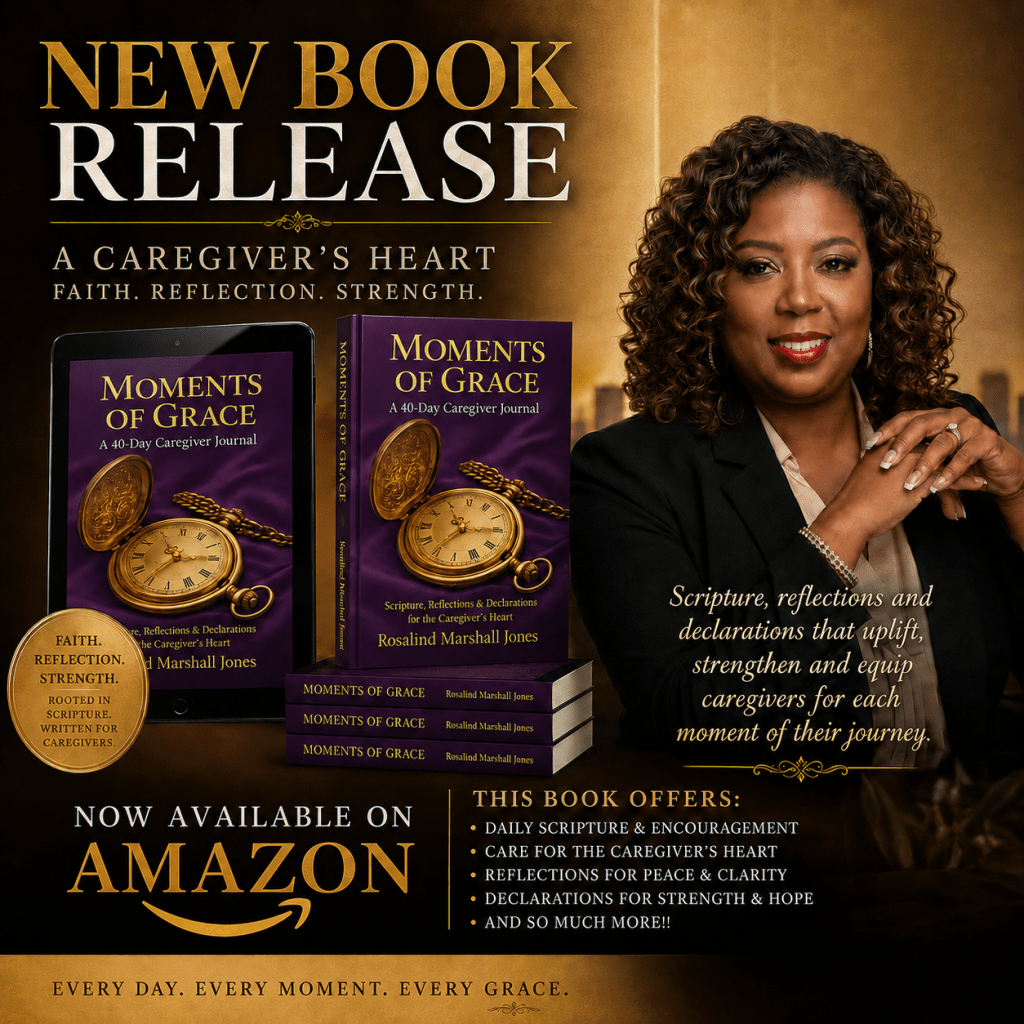
If your spirit needs encouragement along the way, purchase Moments of Grace: A 40-Day Caregiver Prayer Journal on Amazon.

This journal was created to help caregivers pause, breathe, reflect, and find strength in the middle of the caregiving journey.

Purchase Moments of Grace today and give yourself permission to breathe in the middle of the caregiving journey.

Prepare Before the Emergency Comes
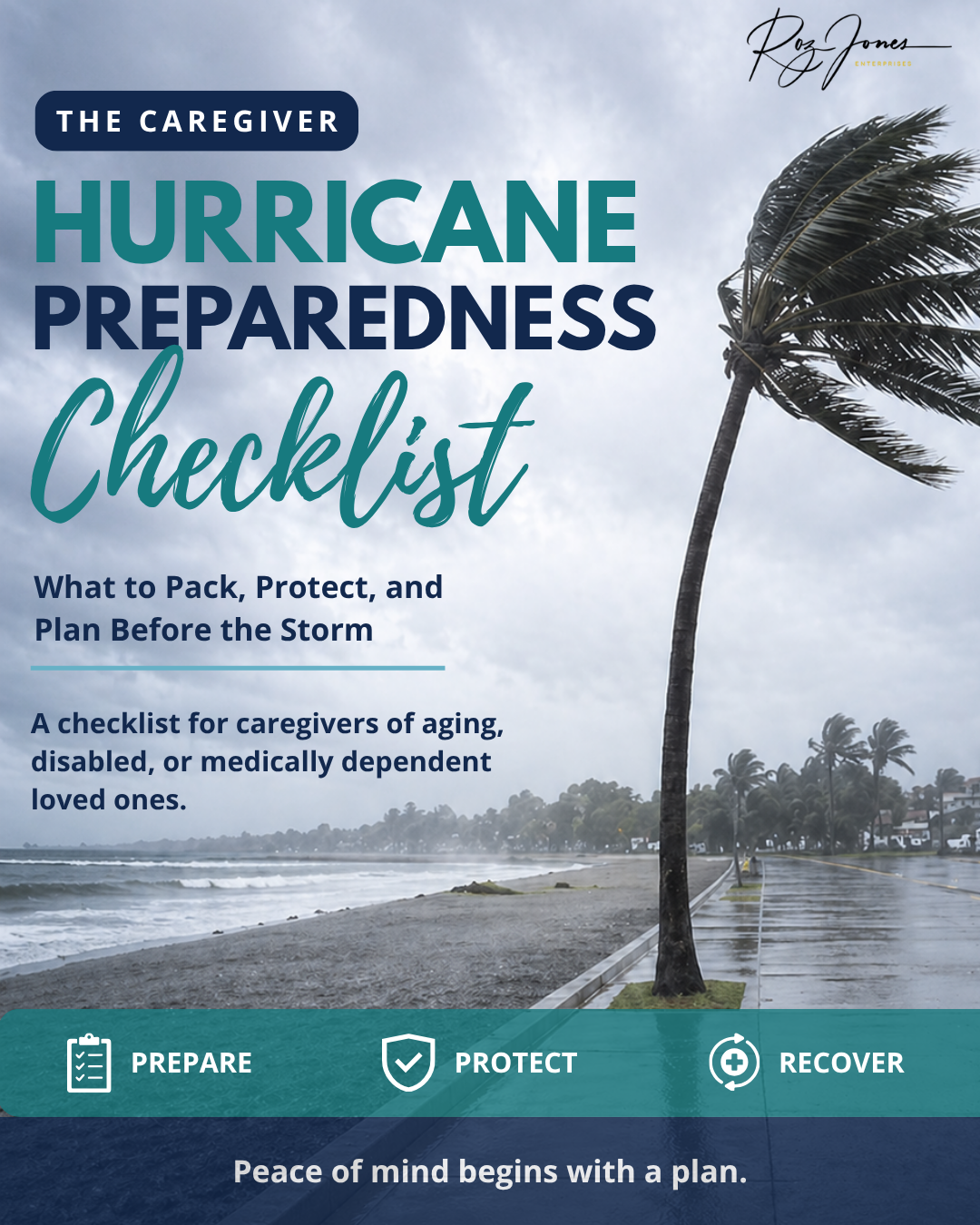
The Caregiver Hurricane Preparedness Checklist.

The Caregiver Hurricane Preparedness Checklist helps caregivers organize important documents, medications, emergency contacts, evacuation needs, medical equipment details, and care instructions before an emergency happens.

For only $1.99, this checklist gives you a simple starting point so you are not trying to gather everything during a storm, power outage, hospitalization, or sudden change in your loved oneโ€™s care.

Purchase the Caregiver Hurricane Preparedness Checklist for $1.99 today and take one more step toward peace of mind.

Need Help Sorting Through the Care Plan?

Roz Jones is a dedicated caretaker turned CEO with over a decade of experience in helping families care for and make decisions for loved ones and their legacies.Roz is a compassionate, innovative healthcare industry leader.

Book a Family Care Planning Session with Roz Jones and get support creating a caregiving plan that is clear, compassionate, and realistic.

Together, we can talk through what is working, what is becoming too heavy, and what boundaries need to be strengthened so you can continue to care without losing yourself in the process.

Subscribe to The Caregiver Cafe Weekly Newsletter!

Caregiving can be a roller coaster of ups and downs. The information that you will receive from The Caregiver Cafe Weekly Specials Newsletter will support you as a caregiver. Remember…

1. YOU ARE NOT ALONE: The problems you face as a caregiver are experienced by other caregivers. Knowing that you’re not alone can be comforting. 

2. Tools and Resources:  Find caregiver stress management tools and gain perspective from other caregiver’s experiences.

3. LEARN TO: Ask for help, accept help when it is offered, and acknowledge yourself on this caregiving journey. Hear from experts on how to balance caregiving responsibilities by taking care of your needs and involving others to help manage the natural stress and isolation of being a caregiver. 
Donโ€™t Just Learn CPR, Stay Ready

By Roz Jones

Learning CPR is one of the most important steps a caregiver can take. But learning it once is not enough. When you are caring for an aging loved one, lifesaving skills need to stay fresh, familiar, and ready to use.

Many families take a CPR class, receive the certificate, and move on. Life gets busy. Care needs change. Appointments, medications, meals, transportation, and family responsibilities take over. Before long, years may pass, and the caregiver who once felt prepared may no longer feel confident.

That is why CPR readiness must be treated as part of the care plan, not just a one-time class.

CPR Skills Can Fade Over Time

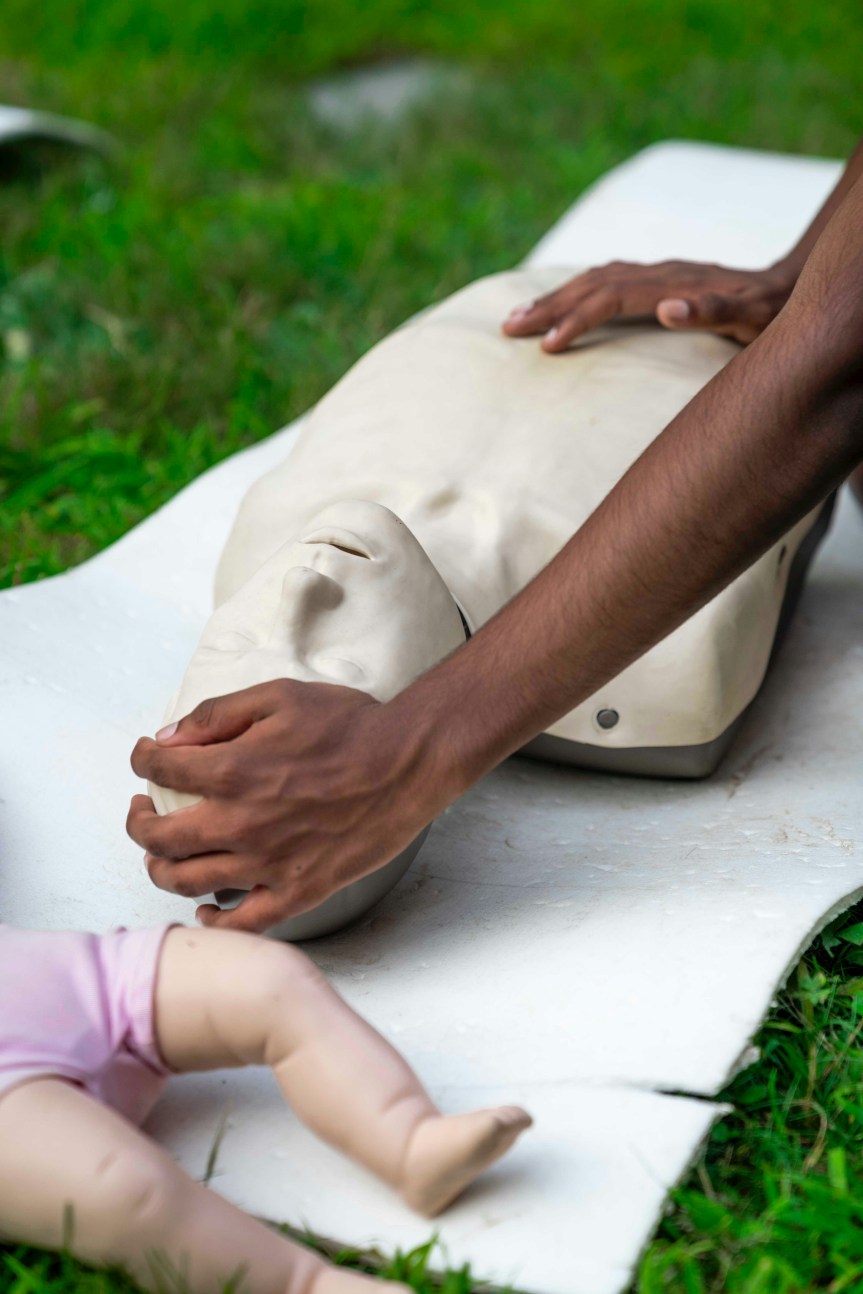
CPR is a hands-on skill. It requires rhythm, pressure, positioning, and focus. Like any skill, it can fade when it is not practiced.

The American Red Cross explains that CPR renewal courses help people refresh their memory, renew their skills, and stay up to date with current techniques. CPR renewal can also extend certification for an additional two years.

For caregivers, that matters. Two years can bring many changes.

An aging loved one may become weaker. A diagnosis may progress. New medications may be added. Mobility may decline. A person who was once independent may now need more supervision and support.

The care plan changes as the person changes. CPR readiness should change with it.

Confidence Comes From Practice

Reading about CPR can help. Watching a video can help. But hands-on training gives the body a chance to practice what the mind is learning.

In a CPR class, caregivers learn more than the steps. They learn what compressions feel like. They learn how tiring CPR can be. They learn how to position their body. They learn how to keep going when the situation feels overwhelming.

The American Heart Association says adult CPR chest compressions should be performed at a rate of 100 to 120 compressions per minute and at a depth of at least 2 inches for the average adult, while avoiding excessive depth.

Those details are important, but they are easier to understand when they are practiced. CPR is not just information. It is action.

And in an emergency, confidence matters.

Caregivers Should Not Carry This Alone

In many families, one person becomes the keeper of everything.

One person knows the schedule. One person knows the medications. One person knows the doctorโ€™s name. One person handles the calls, the appointments, the paperwork, and the hard conversations.

Too often, that same person is also expected to be the only one prepared for an emergency.

That is too much for one caregiver to carry.

CPR training should be a shared family responsibility. Adult children, spouses, siblings, trusted neighbors, church members, and anyone who spends regular time with an aging loved one should be encouraged to learn basic lifesaving skills.

This does not mean everyone will feel equally comfortable. It does mean the family is not depending on one person to know what to do.

A stronger care circle gives everyone more support.

Know Your Own Physical Limits

CPR can be physically demanding. Caregivers need to be honest about their own bodies too.

Some caregivers are managing arthritis, back pain, fatigue, heart concerns, mobility issues, or recovery from illness or surgery. Some are older adults themselves. Some are caring for a loved one who is much larger or heavier than they are.

These realities do not mean a caregiver cannot be prepared. They mean the plan needs to be realistic.

Hands-on CPR training can help caregivers understand what they are physically able to do and where backup support may be needed. It can also help families decide who else should be trained and available.

Caregiving should not be built on the idea that one person must do everything.

Make CPR Training Part of the Family Calendar

CPR training should not be treated as something to remember only after a crisis. Put it on the family calendar.

Schedule a refresher before certification expires. Invite another family member to attend. Ask a home care aide if they are current on CPR training. Check with local hospitals, fire departments, community centers, senior centers, churches, workplaces, the American Heart Association, or the American Red Cross for classes.

The American Red Cross offers CPR/AED recertification options, including blended learning with online coursework and an in-person skills session to help people keep their credentials current.

For caregivers of aging loved ones, hands-on practice is especially valuable. The goal is not just to know the information. The goal is to be able to respond when the moment calls for it.

Talk About CPR Before It Is Needed

CPR can be an uncomfortable topic for families. It brings up thoughts of medical emergencies, decline, and difficult decisions. But avoiding the conversation does not make the need disappear.

Families should understand whether their aging loved one has medical wishes, advance care instructions, or documents that guide emergency decisions. These conversations should happen before a crisis, when there is time to ask questions and get clarity from healthcare providers.

This is not about fear. It is about respect.

Caregivers need lifesaving skills. Families also need to understand the wishes of the person receiving care. Both are part of responsible planning.

Create a Small Training Circle

Every family caring for an aging loved one should consider creating a small training circle.

This may include the primary caregiver, one or two backup family members, a trusted neighbor, a close friend, a church support person, or a home care aide.

The group does not need to be large. It needs to be dependable.

Once or twice a year, review who has completed CPR training, who needs a refresher, and whether anything has changed in the loved oneโ€™s care needs. This kind of simple review helps families stay prepared without waiting until stress is high.

A trained circle is stronger than a single overwhelmed caregiver.

Preparation Is an Act of Care

Emergency preparation is not about expecting the worst. It is about loving someone enough to be ready.

For caregivers, preparation may look like signing up for a CPR class. It may mean refreshing an old certification. It may mean asking another family member to get trained. It may mean talking with a loved oneโ€™s doctor about emergency wishes. It may mean bringing the family together to decide who needs to know what.

Small steps matter.

A caregiver does not have to do everything in one day. But the family does need to start.

Keep the Skill Close

CPR is not just a certificate. It is not just a class. It is not just something for medical professionals.

It is a skill that can help caregivers respond when the unexpected happens.

In the first blog, we talked about mastering CPR techniques for different age groups and why those skills matter for caregivers. This follow-up is a reminder that learning CPR is only the beginning. Keeping those skills ready is part of the care plan too.

If you missed it, you can read it here: Hands-On: Mastering CPR Techniques for Caregivers.

When an aging loved one depends on you, readiness becomes part of love. Not panic. Not fear. Readiness.

Learn the skill. Refresh the skill. Share the responsibility.

That is how caregivers stay prepared.

Give Yourself a Moment of Grace

If your spirit needs encouragement along the way, purchase Moments of Grace: A 40-Day Caregiver Prayer Journal on Amazon.

This journal was created to help caregivers pause, breathe, reflect, and find strength in the middle of the caregiving journey.

Purchase Moments of Grace today and give yourself permission to breathe in the middle of the caregiving journey.

Prepare Before the Emergency Comes

The Caregiver Hurricane Preparedness Checklist.

The Caregiver Hurricane Preparedness Checklist helps caregivers organize important documents, medications, emergency contacts, evacuation needs, medical equipment details, and care instructions before an emergency happens.

For only $1.99, this checklist gives you a simple starting point so you are not trying to gather everything during a storm, power outage, hospitalization, or sudden change in your loved oneโ€™s care.

Purchase the Caregiver Hurricane Preparedness Checklist for $1.99 today and take one more step toward peace of mind.

Need Help Sorting Through the Care Plan?

Roz Jones is a dedicated caretaker turned CEO with over a decade of experience in helping families care for and make decisions for loved ones and their legacies.Roz is a compassionate, innovative healthcare industry leader.

Book a Family Care Planning Session with Roz Jones and get support creating a caregiving plan that is clear, compassionate, and realistic.

Together, we can talk through what is working, what is becoming too heavy, and what boundaries need to be strengthened so you can continue to care without losing yourself in the process.

Subscribe to The Caregiver Cafe Weekly Newsletter!

Caregiving can be a roller coaster of ups and downs. The information that you will receive from The Caregiver Cafe Weekly Specials Newsletter will support you as a caregiver. Remember…

1. YOU ARE NOT ALONE: The problems you face as a caregiver are experienced by other caregivers. Knowing that you’re not alone can be comforting. 

2. Tools and Resources:  Find caregiver stress management tools and gain perspective from other caregiver’s experiences.

3. LEARN TO: Ask for help, accept help when it is offered, and acknowledge yourself on this caregiving journey. Hear from experts on how to balance caregiving responsibilities by taking care of your needs and involving others to help manage the natural stress and isolation of being a caregiver. 

Unleashing the Lifesaving Potential: AEDs for Empowered Caregivers

By Roz Jones

In moments of cardiac emergencies, every second counts. As a caregiver, being equipped with the knowledge and skills to use an Automated External Defibrillator (AED) can greatly increase the chances of saving a life. AEDs are portable, easy-to-use devices that deliver electric shocks to restore normal heart rhythm in individuals experiencing sudden cardiac arrest. In this blog, we will explore the purpose and functionality of AEDs, guide caregivers on how to use them effectively during emergencies, provide information on AED availability and accessibility in various settings, and raise awareness about the importance of AED maintenance and regular training for caregivers. By understanding and embracing the power of AEDs, caregivers can become vital links in the chain of survival.

The Purpose and Functionality of AEDs:

AEDs are designed to be user-friendly, allowing caregivers to quickly respond in critical situations. We will delve into the purpose and functionality of AEDs, explaining how they analyze the heart’s rhythm and determine if a shock is needed. Caregivers will gain an understanding of the essential components of an AED, such as the electrode pads and the prompts and instructions provided by the device. By familiarizing themselves with AEDs, caregivers can confidently utilize these lifesaving devices when every moment matters.

Using AEDs Effectively During Emergencies:

Knowing how to use an AED effectively can be a life-saving skill. We will provide caregivers with a step-by-step guide on using AEDs during emergencies. From assessing the situation and ensuring safety to applying the electrode pads correctly and following the device’s prompts, caregivers will learn the critical actions to take to deliver potentially life-saving shocks. By following these guidelines, caregivers can significantly contribute to improving the chances of survival for individuals in cardiac distress.

AED Availability and Accessibility:

AEDs are becoming increasingly available in various public settings, including schools, offices, shopping centers, and community spaces. We will highlight the importance of being aware of AED locations in the places caregivers frequent with their loved ones. Additionally, we will provide information on how caregivers can identify AEDs in their vicinity and advocate for their installation in areas that may currently lack this crucial equipment. By understanding the accessibility of AEDs, caregivers can be better prepared to act swiftly during emergencies.

Importance of AED Maintenance and Regular Training:

While AEDs are designed to be user-friendly, regular maintenance and training are essential. We will emphasize the significance of keeping AEDs properly maintained, including regular checks of battery life, pad expiration dates, and overall device functionality. Additionally, we will stress the importance of attending CPR and AED training courses to ensure caregivers remain confident and up-to-date with the latest techniques and guidelines. By prioritizing maintenance and ongoing training, caregivers can maximize the effectiveness of AEDs and their own preparedness to respond in critical situations.

AEDs are powerful tools that can save lives during cardiac emergencies. By understanding the purpose and functionality of AEDs, knowing how to use them effectively, being aware of AED availability in various settings, and prioritizing maintenance and regular training, caregivers can become confident in their ability to respond in moments of crisis. Remember, as a caregiver, you have the power to be a lifesaver. Embrace the potential of AEDs and let us strive to create a world where every caregiver is equipped with the knowledge and resources to make a difference when it matters most.

Stay Ahead of the Storm: Download Your Free Expert Storm Guide Now!

Photo by ALTEREDSNAPS on Pexels.com

As we know, June โ€“ November is Hurricane Season. As a family caregiver, there are many ways to prepare your loved ones for it. Early preparation helps reduce opportunities for stress and anxiety as storms approach.

One of the best ways to prepare is allowing your loved on to assist in packing their travel bag, checking their contact list and ensuring there are adequate emergency supplies.

Participationโ€ฆ not isolationโ€ฆ go a long way when preparing for major storms. This Seniors Storm Guide gives essential information to refer to again and again!


Stay Connected!

Hands-On: Mastering CPR Techniques for Caregivers

By Roz Jones

As a caregiver, having the skills to perform CPR (Cardiopulmonary Resuscitation) can be the difference between life and death in an emergency. CPR is a critical intervention that helps maintain blood circulation and oxygen supply to the vital organs until professional medical help arrives. In this blog, we will provide caregivers with step-by-step instructions on performing CPR on adults, children, and infants. We will highlight the key differences in CPR techniques for different age groups and offer practical tips to enhance caregivers’ confidence and proficiency in CPR.

Mastering CPR Techniques for Different Age Groups:

Performing CPR varies slightly depending on the age group of the individual in need. Caregivers must be familiar with these differences to provide effective care. We will outline the specific steps for performing CPR on adults, including the correct hand placement, compression depth, and rescue breaths. For children, we will discuss the modifications required, such as adjusting hand position and the importance of delivering age-appropriate compression force. Lastly, we will address CPR techniques for infants, highlighting the significance of using two fingers for compressions and the gentle delivery of rescue breaths.

Practical Tips to Enhance Confidence and Proficiency:

Mastering CPR requires both knowledge and practice. Caregivers can take proactive steps to enhance their confidence and proficiency in performing CPR. We will share practical tips, such as regularly attending CPR training courses or refresher sessions, practicing on CPR mannequins, and engaging in scenario-based simulations to simulate real-life emergency situations. By honing their skills through practice and ongoing training, caregivers can build the confidence necessary to act swiftly and effectively during critical moments.

Mastering CPR techniques is a crucial skill for caregivers, as it equips them to respond effectively in emergency situations. By providing step-by-step instructions for performing CPR on different age groups, highlighting practical tips to enhance confidence and proficiency, and sharing inspiring success stories, we aim to empower caregivers with the knowledge and motivation to learn and master CPR. Remember, by taking the time to learn CPR and regularly practice the techniques, caregivers can be the difference between life and loss. Let us embrace our role as caregivers and be prepared to provide the lifesaving care that our loved ones may need in critical moments.

Stay Ahead of the Storm: Download Your Free Expert Storm Guide Now!

Photo by ALTEREDSNAPS on Pexels.com

As we know, June โ€“ November is Hurricane Season. As a family caregiver, there are many ways to prepare your loved ones for it. Early preparation helps reduce opportunities for stress and anxiety as storms approach.

One of the best ways to prepare is allowing your loved on to assist in packing their travel bag, checking their contact list and ensuring there are adequate emergency supplies.

Participationโ€ฆ not isolationโ€ฆ go a long way when preparing for major storms. This Seniors Storm Guide gives essential information to refer to again and again!


Stay Connected!

Stay One Step Ahead: Is Your Aging Loved One a Heartbeat Away from a Cardiac Emergency

By Roz Jones

As a caregiver, being equipped with the knowledge to recognize and respond to cardiac emergencies can be a lifesaving skill. Cardiac emergencies, such as heart attacks and cardiac arrests, require immediate action to maximize the chances of survival. In this blog, we will educate caregivers about the common signs and symptoms of cardiac emergencies, emphasize the importance of early recognition and immediate action, share essential tips on how caregivers can quickly assess and respond to cardiac emergencies, and provide valuable resources for further learning and staying updated on CPR and AED techniques.

Recognizing the Signs and Symptoms of Cardiac Emergencies:

Cardiac emergencies often exhibit distinct signs and symptoms that caregivers should be aware of. These can include chest pain or discomfort, shortness of breath, sudden dizziness or lightheadedness, nausea, cold sweats, and pain or discomfort in the arms, back, neck, or jaw. By familiarizing themselves with these indicators, caregivers can play a crucial role in early recognition and prompt action, potentially saving a life.

The Importance of Early Recognition and Immediate Action:

Time is of the essence when it comes to cardiac emergencies. Every minute counts and early recognition of the problem is vital for the best possible outcome. Caregivers who can swiftly identify the signs of a cardiac emergency can take immediate action, such as calling emergency services, initiating CPR, or utilizing an AED if available. Acting promptly can significantly increase the chances of survival and minimize potential damage to the heart.

Tips for Caregivers in Assessing and Responding to Cardiac Emergencies:

Caregivers can take proactive steps to ensure they are prepared to respond effectively in cardiac emergencies. It is crucial to remain calm and focused, quickly assess the situation, and prioritize safety for both the caregiver and the individual experiencing the emergency. Calling for professional help, starting CPR if necessary, and locating and using an AED, if accessible, are key actions that caregivers should be familiar with. Regular training and practice of these skills can enhance confidence and readiness in critical moments.

Resources for Further Learning and Staying Updated on CPR and AED Techniques:

Staying informed and up-to-date on CPR and AED techniques is essential for caregivers. There are various resources available that provide comprehensive training and knowledge on these lifesaving techniques. Local hospitals, community centers, and organizations like the American Heart Association offer CPR and AED certification courses specifically designed for caregivers. Online platforms, instructional videos, and mobile applications also provide valuable resources for learning and staying updated on the latest CPR and AED techniques.

Recognizing the signs and symptoms of cardiac emergencies and understanding the importance of early recognition and immediate action can make all the difference in saving a life. As caregivers, it is crucial to familiarize ourselves with the indicators of cardiac emergencies, stay calm in high-pressure situations, and respond promptly with the necessary skills and knowledge. By continually learning and staying updated on CPR and AED techniques through available resources, we can ensure our preparedness to act swiftly and confidently in cardiac emergencies. Together, let us prioritize the well-being of those under our care and be the lifeline that connects them to the critical help they need.

Stay Ahead of the Storm: Download Your Free Expert Storm Guide Now!

Photo by ALTEREDSNAPS on Pexels.com

As we know, June โ€“ November is Hurricane Season. As a family caregiver, there are many ways to prepare your loved ones for it. Early preparation helps reduce opportunities for stress and anxiety as storms approach.

One of the best ways to prepare is allowing your loved on to assist in packing their travel bag, checking their contact list and ensuring there are adequate emergency supplies.

Participationโ€ฆ not isolationโ€ฆ go a long way when preparing for major storms. This Seniors Storm Guide gives essential information to refer to again and again!


Stay Connected!