The Role of Compassion in Hospice Care: Reflections from the Life and Work of Jimmy Carter

Introduction

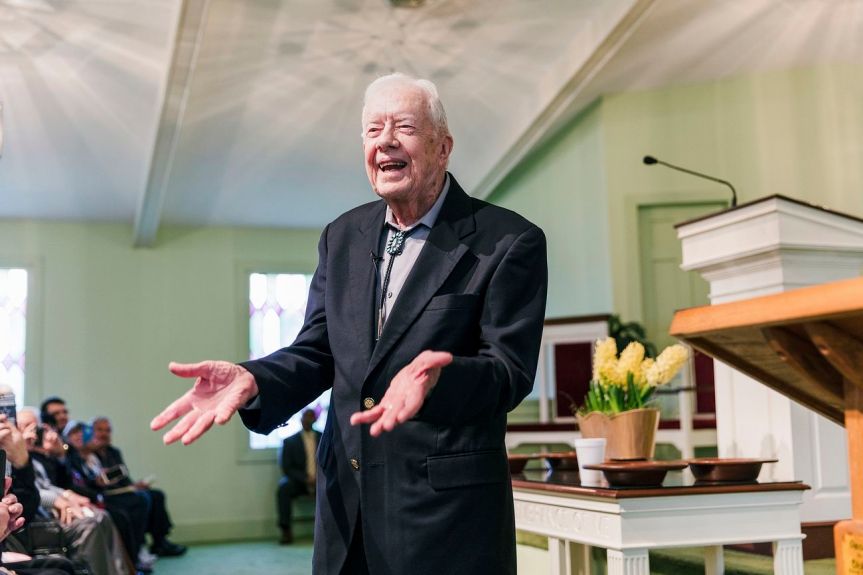
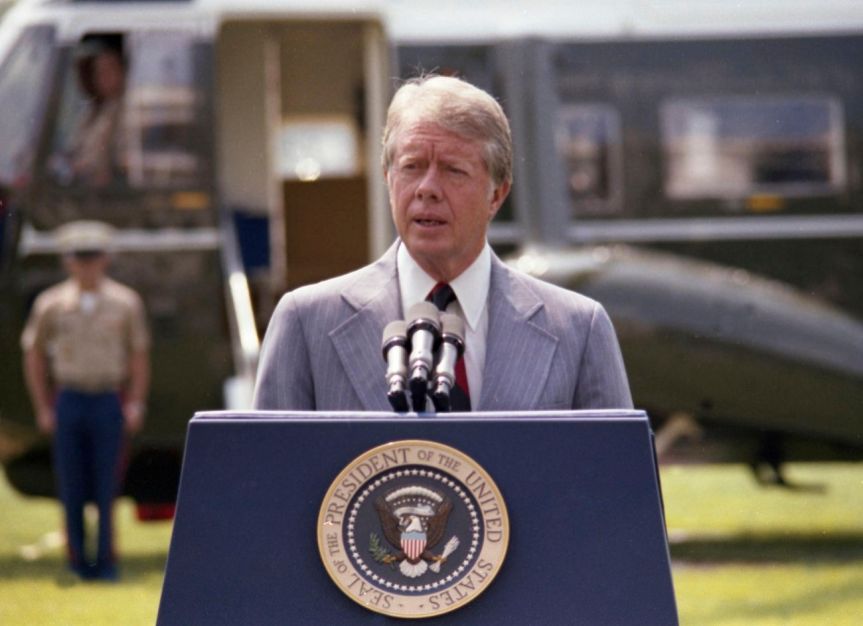
In the realm of hospice care, one quality that shines above all others is compassion. The ability to empathize with and provide comfort to individuals during their final stages of life is a fundamental aspect of end-of-life care. One individual who exemplifies the importance of compassion in hospice care is Jimmy Carter. Throughout his life and work, the former President of the United States has demonstrated unwavering compassion toward those in need. When his transition is complete he would have left us with a legacy we will always remember him for.

This article explores the role of compassion in hospice care and draws inspiration from the remarkable life and work of Jimmy Carter.

The Role of Compassion in Hospice Care

Compassion lies at the heart of hospice care, permeating every aspect of the patient’s experience. It involves a deep understanding of individuals’ physical, emotional, and spiritual pain during their end-of-life journey. By embodying compassion, caregivers can create an environment of comfort, support, and dignity for patients and their families.

The Essence of Compassion

Compassion in hospice care goes beyond mere sympathy or empathy. It encompasses a genuine desire to alleviate suffering and provide solace to those who are grappling with their mortality. It involves active listening, non-judgmental presence, and unconditional acceptance. Compassion allows caregivers to connect on a deep level, fostering trust and allowing patients to open up about their fears, regrets, and hopes.

The Impact of Compassion on Patients

When patients receive compassionate care, they experience a multitude of benefits. Compassion enhances their overall sense of well-being, reduces anxiety and depression, and improves their ability to cope with pain and discomfort. It instills a sense of security and reassurance, creating an environment where patients feel valued and respected. This, in turn, promotes a peaceful and dignified end-of-life experience.

Compassion and Family Support

Hospice care extends beyond the patient to encompass their loved ones as well. Families often face tremendous emotional and psychological challenges as they navigate the complex terrain of end-of-life care. Compassionate care not only addresses the needs of the patient but also provides support, guidance, and understanding to family members. It helps them find solace during a time of profound grief and facilitates a smoother transition for both the patient and their loved ones.

Reflections from the Life and Work of Jimmy Carter

Throughout his life, Jimmy Carter has consistently demonstrated the power of compassion in action. As a dedicated advocate for human rights, he has shown unwavering empathy toward the most vulnerable members of society. His work with the Carter Center and Habitat for Humanity exemplifies his commitment to improving the lives of those in need.

The Carter Center: A Beacon of Compassion

The Carter Center, founded by Jimmy and Rosalynn Carter, has made significant contributions to the fields of healthcare and humanitarian efforts. Through various initiatives, such as the Mental Health Program and the Guinea Worm Eradication Program, the Carter Center has shown a steadfast dedication to addressing the needs of marginalized communities around the world. Their approach emphasizes compassion, inclusivity, and sustainable solutions.

Habitat for Humanity: Building Homes, Building Hope

Another shining example of Jimmy Carter’s compassion is his involvement with Habitat for Humanity. This non-profit organization aims to eliminate poverty housing and homelessness by providing affordable housing solutions. Carter’s commitment to rolling up his sleeves and working alongside volunteers to build homes for those in need showcases his hands-on approach to making a difference. His compassion for humanity is evident in the positive impact Habitat for Humanity has had on countless lives.

Frequently Asked Questions (FAQs)

Q: What role does compassion play in hospice care?

A: Compassion is the cornerstone of hospice care. It ensures that patients receive the empathy, support, and comfort they need during their end-of-life journey.

Q: How does compassion benefit patients receiving hospice care?

A: Compassionate care enhances the overall well-being of patients, reduces anxiety and depression, and helps them cope with pain and discomfort. It fosters a sense of security and dignity, leading to a peaceful end-of-life experience.

Q: Why is compassion important for family members of hospice patients?

A: Compassion extends to the families of hospice patients, providing them with support, guidance, and understanding during a challenging time. It helps them navigate their own emotions and find solace in the face of grief.

Q: What is the Carter Center, and how does it promote compassion?

A: The Carter Center, founded by Jimmy Carter, is a humanitarian organization that addresses healthcare and human rights issues worldwide. It promotes compassion by advocating for the most vulnerable and working towards sustainable solutions.

Q: How does Habitat for Humanity demonstrate Jimmy Carter’s compassion?

A: Habitat for Humanity, an organization Jimmy Carter actively supports, builds affordable homes for those in need. Carter’s hands-on involvement showcases his compassion and dedication to improving the lives of others.

Q: What can we learn from Jimmy Carter’s life and work in relation to compassion?

A: Jimmy Carter’s life and work serve as an inspiring example of how compassion can create positive change in the world. His unwavering empathy and dedication to helping others highlight the transformative power of compassion.

Conclusion

Compassion is an indispensable element in the realm of hospice care. It shapes the experiences of both patients and their families, providing solace, support, and dignity during the end-of-life journey. Jimmy Carter’s life and work serve as a profound reflection of the transformative power of compassion. By embracing compassion in our own lives, we can contribute to creating a world where everyone receives the care and understanding they deserve.

Build Calluses In Your Mind And Withstand The Toughest Challenges

By Roz Jones

As a caregiver, you will face challenges, failures, setbacks, and disappointments. How you deal with these obstacles will determine the outcome. Mental toughness separates those who fail to meet challenges and quit from ones who don’t. If your mind is trained to withstand whatever test comes, nothing will be too hard to overcome. If you train your mind right, you will bounce back from every failure and withstand difficulties. Nothing will be strong enough to keep you down.

6 ways to build mental toughness and withstand the toughest challenges.

  1. Have a clearly defined life purpose.

   Knowing your purpose in life and staying true to it each day will help you to build mental toughness. It will give you the strength you need to withstand the toughest challenges because you know what you intend to accomplish. You know that problem you have, no matter how difficult, is just another bump on the road. 

When you work towards your main aim each day, you boost your self-confidence and renew your hope. You train your mind to remain focused because you know where you want to be. So, have a clearly defined life purpose and take action every day so you can build mental resilience and withstand every challenge.

  1. Continue to improve your skills.

  The best way to cultivate mental toughness is by improving your skills. When trials come and you feel there is no way out, don’t give up. Continue to live. Keep doing more of what you are good at. What you love. This will help your mind to focus more on the positive side of things and less on the negative. If you continue to work on your skills while going through challenges, you will be surprised how fast your mind heals, discovers solutions, and helps you to overcome. 

  1. Control your emotions and thoughts. 

   Get rid of “This is unbearable” “I don’t have enough strength to face this” and “I just don’t feel like fighting anymore” because entertaining such thoughts causes your brain to think there is no way out. You will not find the strength you need to endure because you believe and confess that you are not strong enough. So, control your emotions and thoughts. Have the right attitude amid your struggles. Say “This will pass” “I will win this fight” and “I have endured and overcome worse things in the past” because sometimes all you need to face your battles is the right attitude.

  1. Build meaningful relationships

   Building meaningful relationships and having a strong support system is the key to cultivating mental toughness. Therefore, surround yourself with the right people. Be around optimistic people and fighters. That way, you will have somewhere to lean on when you feel you can’t go on. You will view your situation differently and sooner or later realize that you can bear with anything. 

  1. Remain optimistic despite your present situation.

   One of the main things that make it seemingly impossible to withstand trying times, especially as caregivers, is the “This isn’t going to change”mentality. When you expect only the worst and believe that turning your situation around is impossible, you are not going to gain victory. So, be hopeful despite your present situation. Trust that things are going to get better. Believe that you have what it takes to face that challenge and win. 

“Things will get better with time” “This will someday change” “I can fight this“I can do this” and “I will win” can help you to endure the toughest challenges.

  1. Be prepared for any outcome. 

   Fear of uncertainty is one of the most powerful things that force you to quit fighting when going through challenges. You don’t know whether or not things are going to work out and grow faint at the sign of defeat. Understand that enduring tests and trials means being prepared for any outcome. If you expect anything to happen and prepare yourself for change, you will survive difficulties and go through them with an “I am ready for anything” mentality. That way, when things don’t turn out the way you want them to, you will keep fighting and moving forward.
Preparing for the difficult things in life is something we never want to do, but as caregivers it is a must. If you are struggling with how to plan for yours or a loved one’s end of life, you need to pre-order my new book, Lifted. It will include a workbook that will help you work through each step.

It’s Your Funeral: Why Not Plan It Properly?

By Roz Jones

Making plans for the future brings mixed feelings. It is right to concentrate on the good things, but sometimes there are things you would rather not think about. A funeral is one of those things. You may not have considered planning a funeral in advance, but there are several reasons why it can bring great peace of mind.

Bereavement usually brings with it emotional and financial burdens. However, you can spare your loved ones much of the burden of having to make difficult decisions at an upsetting time.

The cost of many funerals has more than doubled in the last 10 years, and prices are set to continue to increase in the future.

If you have savings set aside for your funeral, you can never be sure that there will be enough – or you may be setting aside more than you really need to. It makes good sense to guard against unknown price rises.

A prepaid funeral plan is the way to be absolutely certain that the services of the funeral director will be provided and there will be nothing more to pay for these services.

Bereaved relatives usually arrange a funeral and may be unsure what was actually wanted. It helps to do something at times of sadness, but it is not a good time to make important decisions – which, if wrong, cannot be put right later. Planning ahead for your funeral can be a great help in alleviating the emotional and financial burdens that naturally accompany bereavement and those who remain will remember your thoughtfulness.

There is also some quiet satisfaction to be gained from putting your affairs in order and reflecting on the most appropriate arrangements. People worry that their wishes will not be carried out. It is important to realize that any funeral wishes set out in your Will or other letters or documents are only requests. Your executors are under no obligation to carry out your wishes. However, if you own a prepaid funeral plan, your guarantee is with a funeral director and your wishes are set out in your guarantee certificate.

When you pre-arrange your funeral with your pre-paid funeral plan you can: 

  • Decide on your funeral service and select a suitable arrangement 
  • Settle on a method of payment to match your circumstances 
  • Select who benefits under the plan
  • Have comfort, reassurance and freedom from worry and stress  
  • Ensure no hidden extras are charged 

Why not give it some thought? Funerals are a touchy subject, but avoiding the issue won’t help you or your loved ones deal with bereavement.

Using Hospice Services for Dying at Home

Preparing for end of life means coming to terms with the fact that death is part of living. How you die may not be something you decide but sometimes where you die is in your control. Hospice services can help. 

Hospice Care is a type of health care that serves to relieve pain without treating the cause for the pain. The focus of a hospice team is to provide medical, emotional, and spiritual support to families with a terminal patient – generally in their own home. 

Some of the benefits of hospice care are:

  • Ability to die at home
  • Pain management 
  • Help with ancillary medical needs 
  • Provide education
  • Offer emotional support 

Being able to be at home during the final days of life can be a helpful and comfortable thing for entire families. Being in familiar surroundings with loved ones, pets, and personal belongings can make transitioning easier than being isolated in a sterile and noisy environment like a hospital. Most everyone prefers the idea of being home rather than away when they die.

If you or a loved one has a terminal diagnosis, you are likely a candidate for palliative care and eventually hospice. Your medical provider can help you connect with a hospice team where you will create a plan and set goals for your experience. This may include things like:

  • Comfort needs
  • Direct care needs
  • Choices during transition
  • Direct support for emotional and spiritual needs 

Hospice isn’t just about direct care when you are actively dying. It begins with a terminal diagnosis. Palliative care – while not considered hospice care – is a form of treating pain and making plans before hospice takes over providing final care. You do not have to be bed ridden to get support. Your medical team will include palliative care as part of your treatment plan.  

As things progress your hospice nurse will provide assistance to you and your family to help make things less scary and as comfortable as possible. Knowing someone is there who can help and that you can be at home at such an important time makes such big difference in your peace of mind and comfort during this process. Even after you pass, your hospice support team will help your family contact your mortuary and help ready your remains for your pre-planned funeral process.  

De-Clutter Your Life; Your Family Will Thank You

You’ve spent a lifetime gathering personal belongings and acquiring the things that make your house a home. It’s hard to imagine not using them or having access to them when you need them. How many of these things have gone unused and unnoticed for a while? 


As we get older, we move past the accumulation stage of life and simply settle into living with what we have. Eventually what we have may become more than we will ever need again. It might be time to de-clutter and downsize. The more you hold on to, the more you leave behind for those you love to deal with. That’s not a very smart move. 

Aside from heirlooms and assets of value, our homes are generally filled with things that no longer serve us or we simply don’t need. At some point it makes sense to clear things out and start to streamline. Here are some practical dos and don’ts for de-cluttering your life to make things easier for your family. 

Do- Keep things of value: Your antiques, art, and family heirlooms have value. Don’t discard or give away items that are worth something financially or emotionally. 


Do- Sort through closets, drawers, and storage: These spaces tend to become black holes that contain unused and unimportant items. Tackle these spaces and reduce, recycle, and donate items you are no longer using. 

Do- Enlist your family’s help: Ask your family to help you determine what is worth keeping and what is worth letting go of. You don’t have to accept every recommendation they have but their impartial advice might help you make decisions easier. 

Don’t- Overthink things: People hold onto things for a lot of weird reasons. Don’t overthink the usefulness of something you haven’t looked for in years. If you aren’t actively using an item, consider getting rid of it. 

Don’t- Forget others need donations: Many of the things you aren’t using could benefit someone else. From a homeless shelter to helping a woman back on her feet, your unused items could help give someone else a brand new start. Be willing to donate gently used items to make a difference. 


Don’t- Be afraid: De-cluttering isn’t about losing your things. It’s about taking responsible action to streamline your life and be aware of how much you own and if it serves you. Don’t be afraid of letting go and clearing up space for easier living and a clutter-free home. 

Part of prepping for the later part of life is clearing out the clutter. Making things easier for the people who will have to manage your space for you after you are gone is kind and responsible. Do your part to de-clutter and get rid of the items that no longer have value or serve your needs.