How to Juggle Caregiving and a 9-5 Job Successfully

Balancing a full-time job while managing the care of a loved one is a difficult task. It can be overwhelming to manage both obligations and still have time to dedicate to yourself. Both obligations are important as you need to earn a living while still taking care of your patient. At some point, you might even want to start your own business as a caregiver.

In this blog post, we will explore the struggle of juggling caregiving and a 9-5 job, and offer some tips and advice on how to manage both tasks. Whether you are caring for an elderly family member or a young child, it is important to take care of yourself while taking care of those who depend on you. This is especially important for the sandwich generation. These are usually people in their 30s or 40s taking care of their own children and aging parents. Maintaining a healthy work-life balance is crucial for your success in both.

What are the Biggest Challenges of Managing a 9-5 Job and Caregiving?

Being a caregiver and having a 9-5 job can be a difficult juggling act, with many people struggling to find the time, energy, and resources to manage both. Not only does this pose a challenge for time management, but it also takes a toll on mental, physical, and emotional health, leading to burnout, financial stress, guilt, and isolation.

Time management is one of the most difficult aspects of juggling caregiving and a 9-5 job. It can be hard to find the time to balance both responsibilities, and many people end up feeling overwhelmed and exhausted. Burnout is a common problem when trying to manage both responsibilities, as the stress of both can be too much to bear.

Caregiving alone is a duty that requires a heavy load of emotional investment. That’s because you cannot give the best level of care without empathy. Combining this with a 9-5 job means that you might not be there for your ill loved one or clients as much as you want. This alone can leave you emotionally drained. Sandwich generation folks can relate to this. Add the demands of your 9-5, then it becomes even more challenging. Also, it can be difficult to find the time to socialize, leading to feelings of isolation and loneliness.

Financially, it can be difficult to make ends meet when juggling both a 9-5 job and caregiving, leading to further stress and worry. If you care for a loved one you might need to get a relative to fill in for you. When that’s not possible, you might need to pay a professional to step in occasionally.

This means you need to find a trustworthy caregiver to attend to your loved one. Usually, a professional with clear records is most suitable. You can then act as a supervisor to this person.

Need a caregiver? Send me a mail.

It’s also common to feel guilty for not being able to give your all to both, leading to emotional stress and feelings of inadequacy.

In the struggle of juggling caregiving and a 9-5 job, remember that you are not alone. Seek out resources and support to help you manage both. Don’t be afraid to ask for help when you need it.

What Can I Do to Make Sure I Don’t Get Overwhelmed by the Demands of Both My Job and Caregiving?

For many individuals, the struggle of juggling caregiving and a 9-5 job can be tough. Managing two jobs can be overwhelming and can lead to burnout or exhaustion. It is important to prioritize and identify what is most important to you, and to break down tasks into smaller, manageable chunks. Creating a schedule and planning ahead are essential to ensure that you have enough time to complete all of your tasks. Your goal is to be productive in both regards.

Utilizing any resources or support systems that are available can help make the juggling act less overwhelming. Respite care, community organizations, and online support groups can provide you with the assistance you need. Additionally, it is important to make time for yourself and take regular breaks. Ask for help when needed and delegate any tasks that can be completed by someone else. Make the struggle of juggling caregiving and a 9-5 job easier by getting help.

Lastly, taking care of your physical and mental health is crucial. Seek psychiatric care when you start getting emotionally overwhelmed. Make sure you are getting enough rest and eating healthy meals. Incorporating stress management techniques such as meditation, yoga, or deep breathing can also be beneficial. By taking care of yourself and utilizing any available resources, you can make the balancing act of juggling caregiving and a 9-5 job more manageable. You can even retire early with the right plan.

9-5 Jobs That Are Great for Caregivers

Being a caregiver is a rewarding yet demanding job. It can be difficult to manage caregiving duties while also juggling a 9-5 job. However, there are many advantages to having a job with traditional hours. Here are some of the benefits that can help caregivers successfully manage both roles.

Flexible scheduling is an important advantage that many 9-5 jobs offer. Caregivers can often arrange their work hours around their caregiving duties, allowing them to perform both tasks with relative ease. Additionally, many 9-5 jobs involve shorter commute times, which can be especially helpful for caregivers who have limited transportation options.

Social interaction is another important advantage that comes with 9-5 jobs. Having the opportunity to collaborate and interact with colleagues helps to counterbalance the isolation that can come with caregiving. Another benefit of 9-5 jobs is the availability of benefits, such as health insurance, vacation time, and retirement savings plans. These benefits can be especially helpful for caregivers who are managing their own financial obligations. Having such nice benefits helps the struggle of juggling caregiving and a 9-5 job.

Finally, stability is another key advantage of 9-5 jobs. Caregivers who have a predictable work schedule and steady income can reduce the emotional stress that comes from financial uncertainty. Jobs with reasonable pay help in accommodating necessary expenses like medication.

In conclusion, 9-5 jobs offer many benefits that can help caregivers successfully manage both caregiving and working. With the right job, caregivers can enjoy the flexibility, social interaction, benefits, and stability needed to successfully juggle both roles.

Jobs That Have Options for Remote Work

For many people, the struggle of juggling caregiving and a 9-5 job can be overwhelming. With the rise of technology, however, more people are finding ways to manage both. Whether it’s working from home or having flexible hours, there are various options for those looking for a way to balance caregiving and a 9-5 job. This makes keeping appointments easier making you more productive.

One option for those who need to juggle a 9-5 job and caregiving is to become a virtual assistant. Virtual assistants provide a variety of services from home, such as secretarial, clerical, and administrative tasks. Scheduling appointments is also a key duty of virtual assistants. This type of job allows people to work flexible hours while still fulfilling their caregiving responsibilities. With more Americans needing this service to be productive, it is becoming a popular career path.

Another option is to become a graphic designer. Graphic designers can work from home to create and design logos, websites, and other visual materials for brands, businesses, and organizations. This type of job allows people to use their creative skills while still being able to take care of their families. There are a few categories, if any, that do not require graphics designs of some kind. There’s almost no business that doesn’t require employees to take care of their branding and image.

Those who are tech-savvy can also consider becoming a social media manager. Social media managers can work remotely to create and manage social media campaigns for their clients. This type of job provides an opportunity to work from home and be creative while still being able to care for their loved ones. This way you can post a content plan and thereafter administer medication.

Writers and bloggers can also work from home to create content for a variety of topics and platforms. This type of job allows those who are creative to write about topics that interest them while still being able to care for their family. You can do this by working remotely full-time. Writing like all the skills and jobs mentioned here can be learned. Join an online community to help build this important skill and earn.

Tutors can also work from home to provide assistance to students who need help with their studies. This type of job allows those who are passionate about teaching to use their skills while still being able to take care of their loved ones. Many tutors today work full-time from their homes through recorded or streamed content. Many Edutech startups are in demand of tutors of various subjects as part-time and full-time employees.

Online customer service representatives can provide assistance to customers via phone, email, and chat. This type of job provides an opportunity to work from home and help others while still being able to care for their family. Categories under this profession include full-time and part-time employees.

Finally, web developers can work remotely to build, maintain, and troubleshoot websites. This type of job allows those who are tech-savvy to use their skills while still being able to manage their caregiving responsibilities. As caregivers who are developers, you are usually accessed by meeting milestones. This gives you flexibility, but watch it so you can always deliver.

For those who need to juggle a 9-5 job and caregiving, there are various options available. Whether it’s becoming a virtual assistant, graphic designer, social media manager, writer/blogger, or tutor, seek remote work.

Jobs That Have Schedule Flexibility

As a caregiver, you already know the struggle of juggling caregiving and a 9-5 job. Fortunately, there are a few options available to help you manage this difficult juggling act.

One option is to take advantage of telecommuting. Many employers are now offering the option to work remotely, which can reduce the need to balance the demands of caregiving and the 9-to-5 job.

Another option is to take advantage of part-time schedules offered by some employers. This can give caregivers the flexibility to adjust their schedules to accommodate caregiving needs.

For those who prefer more flexibility, many employers are now offering freelance and contract work opportunities. This allows caregivers to choose the hours and workload that best fit their needs. Additionally, some employers are offering the option to work flexible hours, which can allow caregivers to work around the demands of their caregiving responsibilities. This alone can all but ensure the well-being of your ill loved one.

Finally, job sharing is an option that allows two people to share the responsibility of one job. This can reduce the stress of balancing caregiving and a 9-to-5 job.

No matter which option you choose, it is important to remember that you are not alone in the struggle of juggling caregiving and a 9-to-5 job. With the right resources and support, you can find a solution that works for you.

Improve Household Finances

The struggle of juggling caregiving and a 9-5 job can be overwhelming. It’s easy to feel like you will never be able to make either work. However, there are a few steps you can take to make the juggling act a little easier. Getting the right job can improve your well-being, part-time or full-time.

Creating and sticking to a budget is a great way to keep track of all your expenses. Take some time to go through your finances and see where your money is going. This will help you identify any unnecessary expenses that you can cut back on. Search for coupons or discounts that you can use to help save some money. Additionally, make sure to pay your bills on time to avoid any late fees or penalties.

If you have any loans, consider switching to a credit union or other bank with lower interest rates and better savings rates. Try to pay off debt as quickly as possible to avoid accumulating more. Setting aside some money each month into a savings account is also a great way to build up a financial cushion.

Getting insurance will also ensure that you are safeguarded from any risks that can take a toll on you financially. Property, life, and liability are the most bought insurance by Americans. Most smart employees ensure they take advantage of the perks available in their organizations. Find out the perks employees enjoy in your workplace and enjoy them.

You may also want to look into government assistance programs or other resources that can help with medical or caregiving expenses. Finally, consider talking to a financial advisor or counselor to help put together a plan for long-term financial stability.

The struggle of juggling caregiving and a 9-5 job can be a challenge. However, with careful budgeting and some wise financial decisions, you can make it a little easier. Part-time

Conclusion

As caregivers who want to work a 9-5, it can become overwhelming. Thankfully, with the guidance provided in this post, you can succeed. It is important to find a balance between the two and prioritize self-care to avoid burnout. Creating a plan and having a reliable support system in place can make the juggling act a little easier. Scheduling time to rest and recuperate is essential in managing the added responsibilities.

Knowing your own limits and not overextending yourself is the key to success. Having a plan and understanding when to take breaks can help to make the juggling act more manageable. With the right job and financial planning, you can even retire early.

The struggle of juggling caregiving and a 9-5 job can be difficult, but it is not impossible. It is important to remember to take care of yourself first in order to avoid burnout. Having a plan in place, a reliable support system or community, and knowing your own limits can be the key to making it all work. Scheduling time to rest and recuperate will help to manage the added responsibilities.

Finding a balance between caregiving and a 9-5 job can be a struggle, but understanding when to take breaks and focus on self-care can help to make the juggling act more manageable.


Why People Don’t Forgive

By Roz Jones

We’ve all been hurt by people we love and trust. Too often, we’re told to ‘forgive and forget.’

That’s easier said than done.

Things happen and it becomes more and more difficult to move on. This is either because of a certain pattern forcing us to stay stuck and not let go.

We gathered five reasons why people don’t forgive, and ways you can move forward. 

  1. They Don’t Know How to Forgive

Before we can forgive, we have to understand what forgiveness actually is. When you forgive someone, you don’t have to be okay with them as a person, nor do you have to sign off on what they did.

If you wait until you feel that way, you may never forgive the other party at all. What they did will always trigger negative emotions any time you recall.

The alternative is to look at forgiveness as a cancellation of debt. Forgiving someone is finally feeling like no one owes you anything.

You let them out of any obligation towards you, even an apology. It’s just taking a step towards freeing your heart from any responsibilities.

  1. They Find It Hard Letting Go of the Bitterness

If you’re feeling bitter and sad, it can be hard to forgive. You always feel stuck and powerless.

Plus, many times, it’s just easier to deal with the added benefits of having been wronged. We feel sorry for ourselves. Then, we talk and complain, and it makes people listen. That kind of attention can be addictive, even if it’s for all the wrong reasons. It makes us feel important and wanted.

Not only that, but not forgiving can also be because holding onto the bitterness is just simpler. Playing the victim becomes part of who we are. Soon, we lose sight of everything else, even the good things that make us interesting and fun.

One of our favorite quotes by Nelson Mandela is, “As I walked out the door toward the gate that would lead to my freedom, I knew if I didn’t leave my bitterness and hatred behind, I’d still be in prison.”

In a nutshell, you’re much more than one bad situation. You’re a beautiful individual deserving of living a fully engaging life.

  1. They Attach Present Losses with the Past

Any time someone abuses our trust, it can trigger past pains. If left unchecked, it can cause a snowball effect of deep, intense emotions. The worst part is when it becomes a pattern that keeps repeating itself whenever we’re hurt.

Forgiving something like that can be extremely difficult. Many times it’s only because what we end up facing is too overwhelming and big, so much so that we don’t even know where to start.

The only way out is to stop recreating those patterns of pain. Let go of the past and separate yourself from the cycle of hurt. Once you do that, you can stop putting yourself in a position of having to forgive people over and over again.

  1. They’re Not Being Honest with Themselves

When we’re hurt, the quickest and safest reaction is to cover it up. Or at least not be honest about the real reason why we’re upset.

Maybe you’re mad at your sister for not calling you back. But you’re actually secretly furious that she said something snarky about the state of your marriage.

So, the first step is to be honest with yourself about what’s really making you angry. Then, letting go and forgiving becomes easier.

  1. They Don’t Want to Be Vulnerable

Feeling mad and angry makes us feel in control and tough. It even acts as an armor to keep the hurt away.

At the same time, not forgiving someone keeps you stuck. It forces you to keep replaying that painful situation in your mind. It leaves you feeling weak, vulnerable, and lacking in self-confidence.

However, there’s power in forgiveness. By letting go of the resentment and pain, you actually have more control than you think.

You no longer feel anxious or threatened every time you see them. As a result, you take away whatever control they have over you.

So, what does that mean? It means that forgiving takes strength and willpower. As Mahatma Gandhi said, “The weak don’t forgive. Forgiveness is an attribute of the strong.”


EXCITING NEWS!!

I am excited and thrilled to share with you my new adventure, “The Caregiver Café Podcast”. This podcast tackles and highlights the daily situations caregivers face with their aging loved ones. We also empower you to navigate the care and challenges of your loved one with relevant topics and through the voices of your peers and their life experiences.

Monday April 4th we launched our first episode, and you can learn all about it at this link. 

Visit http://www.rozjonesent.com for more information on addressing issues that caregivers face on a daily basis, and check out my newly-published book!

9 Ways to Cut Prescription Costs, Part 2

By Roz Jones

For April, we’re covering spring cleaning – getting your ducks in a row in your physical home, as well as clearing your mental space by practicing forgiveness. We hope you’ll be ready to charge into May with a new spring in your step! 

This week, we’re continuing a two-part post on how you and your loved ones can save money on prescription costs. 

6. Find a new pharmacy. Pharmacies frequently offer gift cards as an incentive for transferring a prescription to their store. Of course, you’ll need to make sure you’re not going to pay a lot more for the prescription. Shop around and see what’s out there.

7. Get it online. There are many online pharmacies that tend to be significantly less expensive than local pharmacies. This makes sense, since they don’t have stores and all the related expenses that go along with them.

  • You may have heard about ordering from Canadian pharmacies, where prescriptions cost about 50% less. You should know that the FDA doesn’t approve of using this option, and it’s technically illegal to have pharmaceuticals shipped into the country.
  • The website www.legitscript.com can tell you if an online pharmacy meets the legal requirements of US law.

8. Ask for free samples. Pharmaceutical sales reps often provide free samples to physicians. In fact, some physicians refuse to talk to reps unless they provide free samples. It never hurts to ask.

9. Apply for free medications. Medications are frequently made available to those of lower income. You can find low-cost and no-cost prescriptions at www.needymeds.org. If you don’t have insurance, you’re likely to get at least some relief.

There are many options available to reduce your prescription expense. 

In many cases, prescriptions can be obtained for a greatly reduced cost compared to what you might be paying now. There is even the possibility of getting your meds for free if you can prove financial need. 

If you’re having a financial challenge with your meds, there are solutions. Use the above tips to lower your costs and keep more money in your bank account.


Congratulations, you want to start a business! Once you get over the initial excitement, it’s time to break down the process of launching your startup into manageable chunks. So do you feel overwhelmed with the items on your to-do list? Not to worry; I’ve divided this startup Essential Business Bundle Checklists into the primary tasks you need to do now, and those that you can defer until later. These documents will help you navigate, structure, and create systems specific to our business.

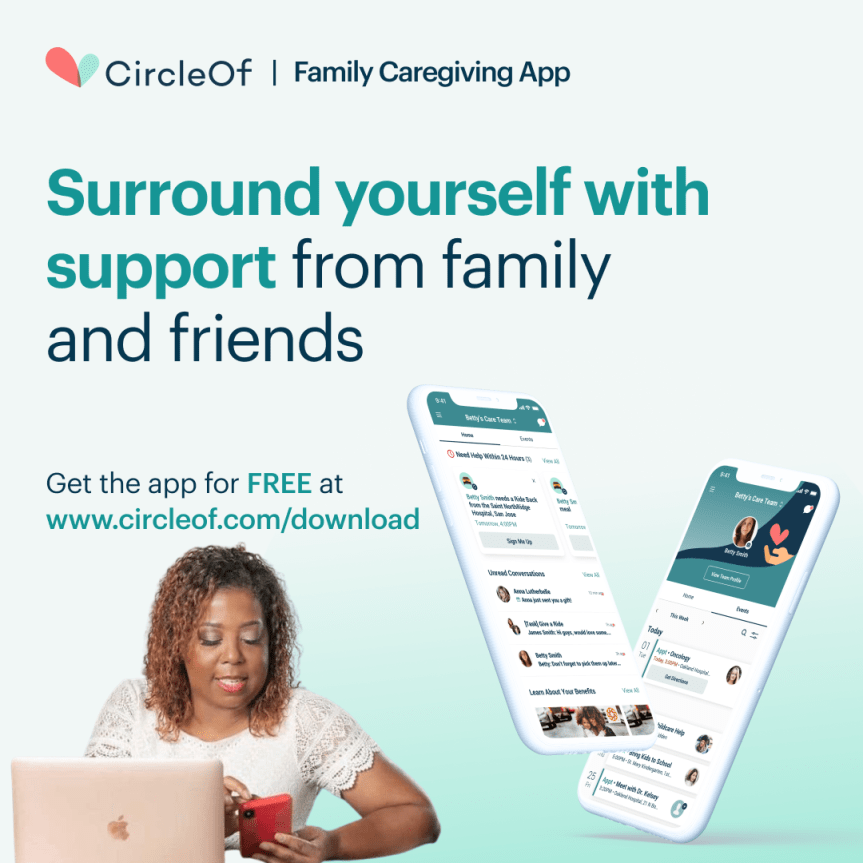
It’s here, I am so excited to share a new caregiver app called CircleOf….This app will allow you to surround yourself with resources and experts from your community including ME!!!! As you are looking through the app, you will see my familiar face. I’m excited about this partnership and new ways to support you as you support your loved one. Here’s the link so you can explore the app. I would love your feedback and spread the word by sharing the link to family and friends.

Visit http://www.rozjonesent.com for more information on addressing mental health as a caregiver and check out my upcoming book!

5 Reasons To Forgive Someone Who Has Wronged You

By Roz Jones

For April, we’re covering spring cleaning – getting your ducks in a row in your physical home, as well as clearing your mental space by practicing forgiveness. We hope you’ll be ready to charge into May with a new spring in your step! 

At some point in time, someone will wrong you. It might be big or it might be small. The likelihood of having your feathers ruffled is upped by close quarters and lots of time together, which can make the caregiver/patient relationship sticky. 

Whenever the offense happens, I can almost guarantee that you will have a choice to make. Will you choose to forgive them and move on with your life, or will you hold that grudge and those ugly emotions? 

Here are five reasons why you should choose to forgive the person who wrongs you.

1. It Helps Your Health

When you forgive someone, you are helping your own health. If you decide to not forgive someone, you end up harboring emotions like anger, frustration, disappointment, and more. They become constant stress on your heart and body but flare up when you think about that person or interact with them. This is not healthy for you. 

It is reasonable to hold this resentment for them for a little bit, but at some point, the best thing you can do is to let it go and move on with your life. It’s better for you to forgive. 

2. Take the High Road

Forgiving is the high road. It is the more morally correct path. By forgiving, you are being a better person and showing others in your life (and yourself!) that you can take the better route and be successful. 

You don’t want to become the person who holds every slight against them close to their heart and never forgives. That is a toxic attitude and one that will not be good for anyone involved. Take the higher road and be the better person. Forgive them. 

3. Everyone Makes Mistakes

They made a mistake. It might have been a giant one, but they still messed up. Something that everyone does. You mess up and I mess up. We all have failed and let people down in one way or another at some point in our lives. 

Forgiving someone who makes a mistake does not mean that you are forgetting about the mistake or that you are willing to let them do it again. It just means that you won’t carry it on your heart. 

4. Forgiving Helps You Move On

It is hard to move on from something if you don’t forgive. Forgiving is moving on. If you never stop blaming Jerry for eating your meatloaf, then you will never be able to move on from it. If you don’t forgive him, every time you see Jerry you will probably become angry because he ate your food. 

Maybe every time you see meatloaf you will be reminded of that time. You cannot move on from something if you don’t first forgive. Forgiveness allows for peace. Forgiveness helps take you from the past to enjoy your present. It is a calm to the chaos so that you can move on.

5. Inner Peace and Healing

Forgiving allows for healing. Perhaps healing for both parties, but most importantly it helps you find peace. At its root forgiveness is not about the other person especially when the transgression is egregious. What they did might have been awful, but when you forgive you do it for you.

You might feel like you benefit the least because you were the person harmed initially. This might be true, but you will not benefit at all by not forgiving. 

6. Forgiving Others Helps You Forgive Yourself

When you forgive others, it becomes easier to forgive yourself. Grace is contagious. Often when we identify and realize how resentment, anger, and grudges affect us when they are about other people, we can also see how those emotions affect us when they are about things we find difficult to forgive ourselves for. When you forgive other people, it becomes much easier to forgive yourself.


EXCITING NEWS!!

I am excited and thrilled to share with you my new adventure, “The Caregiver Café Podcast”. This podcast tackles and highlights the daily situations caregivers face with their aging loved ones. We also empower you to navigate the care and challenges of your loved one with relevant topics and through the voices of your peers and their life experiences.

Monday April 4th we launched our first episode, and you can learn all about it at this link. 

Visit http://www.rozjonesent.com for more information on addressing issues that caregivers face on a daily basis, and check out my newly-published book!

9 Ways to Cut Prescription Costs, Part 1

By Roz Jones

For April, we’re covering spring cleaning – getting your ducks in a row in your physical home, as well as clearing your mental space by practicing forgiveness. We hope you’ll be ready to charge into May with a new spring in your step! 

Everything related to medical care is expensive. 

Medical expenses are responsible for well over 60% of the bankruptcy filings in the United States. Prescriptions can be a significant expense with some pharmaceuticals can cost over $1,000 a week! 

If you don’t have comprehensive insurance, paying for your medications or the medications of a loved one can be a real challenge.

Use these strategies to reduce your prescription costs:

  1. Ask for the generic version. Anytime your doctor writes a prescription, ask if there is a generic equivalent. Generics can be much less expensive and some pharmacies will fill many generic prescriptions for $4! Most of us can afford $4.
  2. Ask for price matching. Sometimes your pharmacy will match the price at another pharmacy, even if that other pharmacy does business strictly via mail order. Pharmacies are competitive, just like any other business. It never hurts to ask.
  3. Get a phone app. There are phone apps that will compare the cost of your prescription at multiple pharmacies in your area. There are several, just do a search and find one that works for you.
  4. Split the pills. Many medications cost about the same, regardless of dosage. So you might be able to buy the prescription at double strength and split the tablets with a pill splitter. You just saved 50% on the cost of your medication.
  5. Cut coupons. There are also coupons for many medications. Check the magazines in your doctor’s waiting room. You can also look at these websites: www.internetdrugcoupons.com, www.optimizerx.com, and www.goodrx.com.

Check back in with us next Monday for part two!


EXCITING NEWS!!

I am excited and thrilled to share with you my new adventure, “The Caregiver Café Podcast”. This podcast tackles and highlights the daily situations caregivers face with their aging loved ones. We also empower you to navigate the care and challenges of your loved one with relevant topics and through the voices of your peers and their life experiences.

Monday April 4th we launched our first episode, and you can learn all about it at this link. 

Visit http://www.rozjonesent.com for more information on addressing issues that caregivers face on a daily basis, and check out my newly-published book!