
By Roz Jones
Thanksgiving is a time for family, familiar traditions, and the comfort of being surrounded by people we love. For families caring for aging loved ones, however, preparing for the holiday involves more than planning the meal and making sure everyone has a place at the table. It also means creating an environment where older family members can feel comfortable, move around safely, and participate in the celebration.
As we recognize National Family Caregivers Month, we must acknowledge the many responsibilities caregivers carry, including looking out for their loved one’s safety. From making sure walkways are clear to keeping track of medications and helping an older adult navigate a busy household, these details require time, attention, and preparation.
While we cannot prevent every unexpected situation, taking a few thoughtful precautions can help reduce risks and make Thanksgiving more enjoyable for everyone.
A Safe Environment Begins With Preparation
When families gather for Thanksgiving, the home may look different from what an aging loved one is accustomed to. Extra chairs, decorations, serving tables, purses, and electrical cords can create obstacles, particularly for someone who uses a walker, wheelchair, or other mobility aid.
Before guests arrive, take a walk through the areas your loved one will use. Make sure pathways are clear, rugs are secured or removed when necessary, and frequently used spaces are well-lit. Pay attention to entrances, hallways, bathrooms, and the route between the living area and the dining table.
If your loved one needs assistance standing or sitting, make sure their chair is stable and easy to access. Allow enough room for mobility aids, and avoid rearranging familiar furniture unnecessarily.
These preparations may seem small, but they can make a meaningful difference. They also help caregivers feel more confident knowing they have taken steps to create a safer environment before the celebration begins.
Remember That Safety Includes Comfort
Safety is not limited to preventing falls or avoiding household accidents. It also involves recognizing when an aging loved one needs rest, assistance, or a quieter environment.
Holiday gatherings can be busy. Multiple conversations, loud music, unfamiliar visitors, and a long day of activity may become overwhelming for someone who tires easily or experiences changes in hearing, memory, or cognition.
Consider creating a quiet place where your loved one can rest if needed. Keep essential items within reach, including glasses, hearing aids, mobility aids, and other items they regularly use. If your loved one needs help getting to the bathroom or moving between rooms, make sure someone is available to assist them.
It is also helpful to communicate with family members about your loved one’s needs before the gathering begins. This allows everyone to understand how they can contribute to a comfortable experience without placing the responsibility entirely on the primary caregiver.
Keep Medication and Emergency Plans in Mind
For many older adults, maintaining a regular medication schedule is an important part of daily life. Holiday activities can interrupt familiar routines, so caregivers should plan ahead to ensure medications are taken according to the prescribed schedule.
Keep medications properly stored and accessible to the person responsible for administering or managing them. Follow existing medication instructions, and avoid changing doses or schedules simply to accommodate holiday plans. If you have questions about timing or possible interactions, consult a pharmacist or healthcare professional.
It is equally important to know what to do if an emergency occurs. Make sure necessary contact information is available, and ensure that family members who are helping with care understand any important instructions relevant to their role.
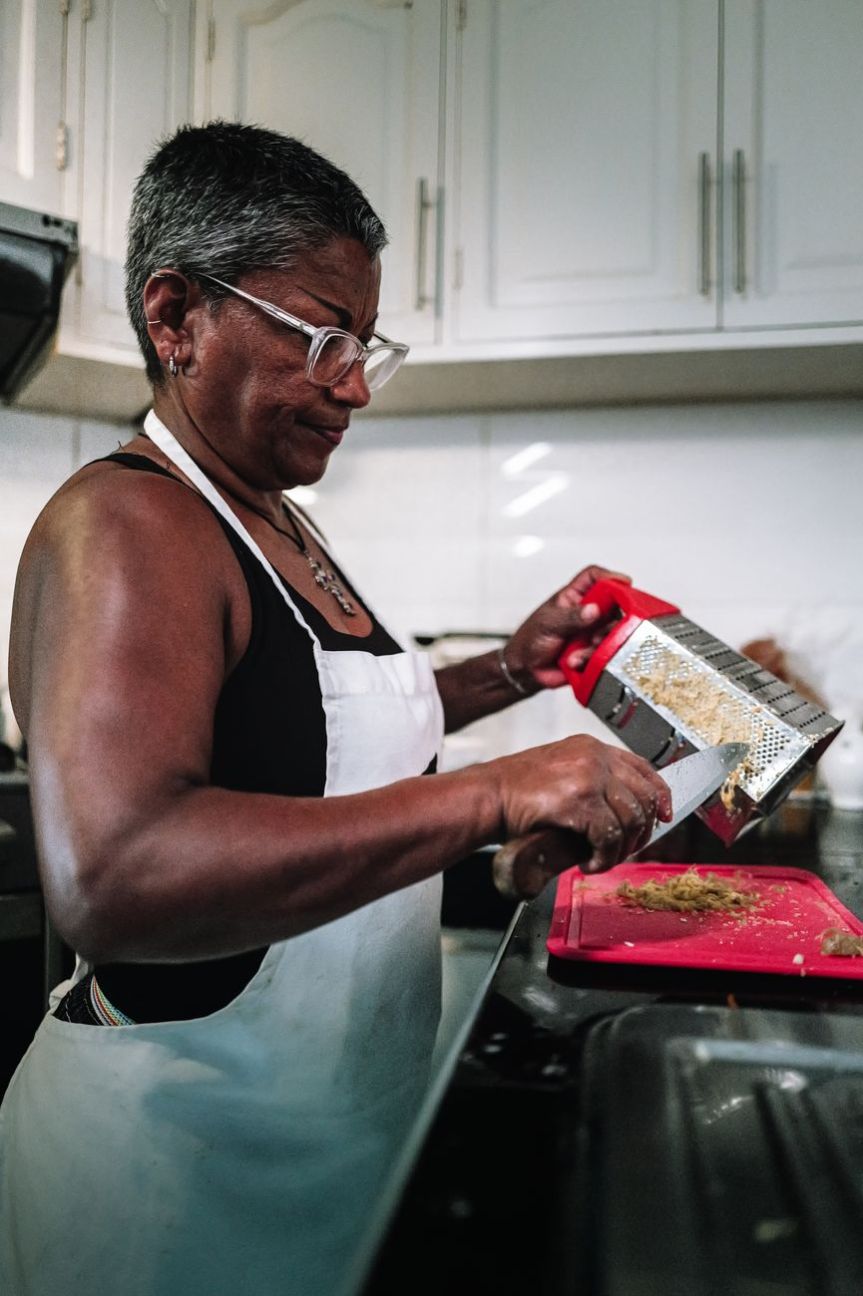
Kitchen safety deserves attention, too. Hot pans, crowded cooking areas, sharp utensils, and open flames can pose risks during a busy Thanksgiving meal. Keep walkways around the kitchen clear, avoid leaving cooking unattended, and make sure smoke alarms are working properly.
Planning for these possibilities does not mean expecting something to go wrong. It means being prepared so that the family can respond appropriately if something unexpected happens.
Caregivers Need Support to Maintain Safety
One of the most important things families can do during National Family Caregivers Month is recognize that keeping an aging loved one safe should not become the responsibility of one person alone.
When the primary caregiver is preparing food, welcoming guests, managing medications, and monitoring an older adult’s needs at the same time, it can be difficult to give each responsibility the attention it deserves. Fatigue and distraction can make an already demanding day even more challenging.
Family members can help by taking on specific responsibilities. One person might oversee the meal while another helps an aging loved one move safely around the home. Someone else could manage guest arrivals, keep pathways clear, or check in with the caregiver throughout the day.
If your loved one requires close supervision, make sure a designated person understands their needs and is prepared to provide appropriate assistance. Do not assume that someone is keeping watch simply because several people are present. A crowded house does not automatically mean a caregiver has support.
Sharing responsibilities allows the primary caregiver to take breaks, attend to other tasks, and participate in the celebration without feeling solely responsible for every detail.
Make Safety Part of the Celebration, Not a Source of Stress
As Thanksgiving approaches, remember that preparing a safe environment does not mean removing all the joy and spontaneity from the holiday. It means making thoughtful adjustments so your aging loved one can participate as comfortably as possible.
Your loved one may need additional time to move between rooms, a quieter place to rest, or help navigating unfamiliar surroundings. These accommodations are not inconveniences. They are ways of showing consideration and preserving their dignity.
This National Family Caregivers Month, let us recognize the work involved in protecting and supporting an aging loved one. Let us also remember that caregivers need support, rest, and reassurance that they do not have to manage every responsibility alone.
A meaningful Thanksgiving is one where family members look out for one another, older adults feel valued and included, and caregivers have the opportunity to enjoy the moments they have worked so hard to create.
Because keeping our loved ones safe is one way we show them how much they matter.
For additional ideas on preparing for a comfortable Thanksgiving celebration, revisit our earlier blog, Safe and Sound: A Thanksgiving of Security, for practical ways to reduce household hazards and help your aging loved ones enjoy the holiday with greater peace of mind.
Tune in to The Caregiver Café Podcast
Caregiving Is More than a One Child Affair

In this episode of The Caregiver Café with Roz Jones, Roz is joined again by Reverend Dr. Herbert A. Brisbon III for a conversation about why caregiving should be treated as a family affair instead of automatically becoming the responsibility of one child. When an aging loved one begins needing more support, families may assume everyone will contribute equally, but the reality is that each person brings different relationships, responsibilities, finances, locations, and emotional capacity to the caregiving table.
Give Yourself a Moment of Grace

For more encouragement through the emotional parts of the caregiving journey, Moments of Grace offers reflections for caregivers navigating responsibility, change, difficult days, and the moments of grace that can still be found along the way.
Subscribe to The Caregiver Cafe Weekly Newsletter!

1. YOU ARE NOT ALONE: The problems you face as a caregiver are experienced by other caregivers. Knowing that you’re not alone can be comforting.
2. Tools and Resources: Find caregiver stress management tools and gain perspective from other caregiver’s experiences.
3. LEARN TO: Ask for help, accept help when it is offered, and acknowledge yourself on this caregiving journey. Hear from experts on how to balance caregiving responsibilities by taking care of your needs and involving others to help manage the natural stress and isolation of being a caregiver.

