
A Compassionate Guide for Caregivers on Nurturing Heart Health in Aging Loved Ones

By Roz Jones

As we journey through February, dedicated to matters of the heart, I find immense joy in welcoming you to this special series. It is both an honor and a privilege to guide you through the intricacies of Heart Month, a journey that holds profound significance for those entrusted with the care of aging loved ones.

Why Heart Month Matters:

Heart Month, observed annually in February, serves as a poignant reminder of the critical role heart health plays in the overall well-being of our aging community. It is a time when we come together to raise awareness, share knowledge, and foster a sense of collective responsibility toward cardiovascular health.

Heartfelt Insights and Experiences:

Allow me to share a bit of my own journey. As a caregiver and advocate for the well-being of aging individuals, I’ve witnessed the profound impact that heart health can have on the quality of life. Through the highs and lows, the triumphs, and the challenges, my experiences have shaped my commitment to empowering caregivers like you.

Navigating the Complexities of Heart Health:

The heart, a resilient organ that symbolizes life and love, becomes even more precious as our loved ones age. In this series, we will delve into the intricacies of heart health, exploring its nuances and understanding how we, as caregivers, can play a pivotal role in ensuring the well-being of those we hold dear.

Emphasis on Aging Loved Ones:

Aging brings with it a set of unique considerations, and the health of the heart becomes a focal point in the journey of caregiving. Heart Month is an opportune time to reflect on the specific needs of our aging loved ones, offering insights and practical advice to navigate the path ahead with confidence and compassion.

Join me in this exploration of Heart Monthโ€”a month not only to educate but also to celebrate the resilience of the heart and the dedication of caregivers. May this series serve as a source of inspiration, knowledge, and a reminder that the work you do is invaluable.

Shop The Caregiver Cafe E-Commerce Store!

We founded The Caregiver Cafe Shopify Store with one simple goal: to help you experiment with your passion while at the same time providing amazing prices. We were tired of cookie-cutter stores with lackluster selections, and boring gifts. Instead of offering a huge unoriginal collection, we carefully curate just a few unique pieces perfectly suited for people the taste buds like you.

We focus on items that get you excited about shopping again, as we believe buying online should always be fun!


Pros and Cons of Telehealth
Telehealth is the provision of healthcare remotely by means of telecommunications technology and with the pandemic, we have seen a rise in telehealth.

In this episode, I share:
The pros and cons of telehealthย 
How it is applicable in the realm of senior care.

Subscribe to The Caregiver Cafe Weekly Newsletter!

Caregiving can be a roller coaster of ups and downs. The information that you will receive from The Caregiver Cafe Weekly Specials Newsletter will support you as a caregiver. Remember…

1. YOU ARE NOT ALONE: The problems you face as a caregiver are experienced by other caregivers. Knowing that you’re not alone can be comforting. 

2. Tools and Resources:  Find caregiver stress management tools and gain perspective from other caregiver’s experiences.

3. LEARN TO: Ask for help, accept help when it is offered, and acknowledge yourself on this caregiving journey. Hear from experts on how to balance caregiving responsibilities by taking care of your needs and involving others to help manage the natural stress and isolation of being a caregiver. 
Navigating the Driver’s License Test

By Roz Jones

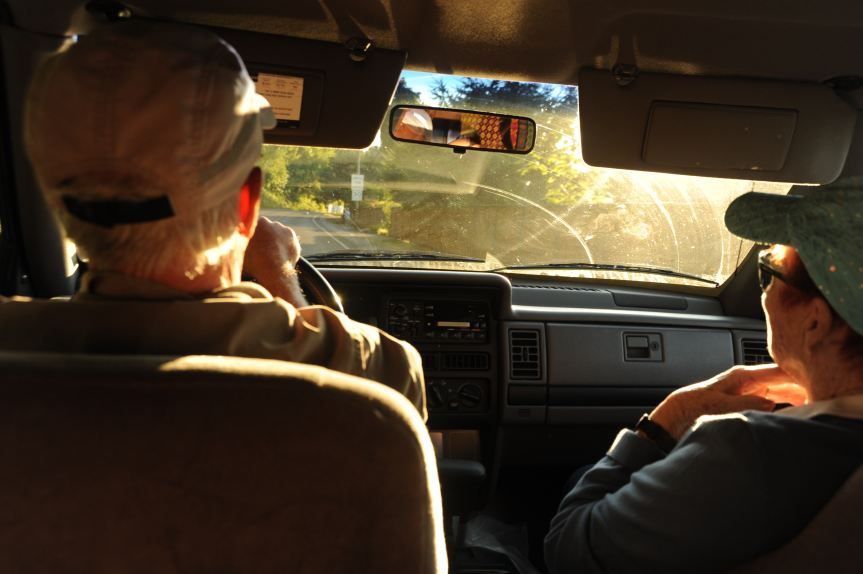
Driving represents freedom, independence, and a sense of control, especially for our aging loved ones. However, as they reach a certain stage in life, the question of whether they should continue driving becomes increasingly important. For caregivers, this phase can be challenging, but with thoughtful strategies and support, it can be managed effectively.

Preparing for the Driver’s License Test

Practice, practice, practice! Regular driving sessions can help boost confidence and sharpen driving skills. Consider scheduling practice drives at different times of the day and in various traffic conditions to ensure readiness for the test. Familiarizing your loved one with the test route, common road signs, and essential driving scenarios can also help alleviate anxiety.

Ensuring Readiness

Assessing your loved one’s comfort level behind the wheel is crucial. Evaluate their ability to handle different driving conditions and judge distances accurately. Look for signs of confusion or hesitancy while driving, which could indicate areas that need improvement or consideration.

Making the Transition Smoother

Accompany your loved one to the test to provide support and reassurance. Emphasize their strengths and encourage a positive mindset. Stay calm and patient during the test, offering guidance if necessary. Regardless of the test outcome, celebrate their effort and courage. Remember, the goal is to ensure their safety and confidence on the road.

Strategies for Caregivers

As a caregiver, your support during this process is paramount. Maintain open communication, highlighting the importance of the test without adding undue pressure. Celebrate milestones achieved during practice sessions, regardless of the final test result. Be prepared for potential emotional responses, offering understanding and encouragement.

Remember, the driver’s license test is a significant step for your aging loved one. Approach this phase with encouragement, support, and a focus on their safety and confidence behind the wheel.


Stay Connected!

The Power of Preventive Services in Medicare

By Roz Jones

As a caregiver for an aging loved one, you understand that proactive healthcare is essential to their well-being. While Medicare is often associated with covering medical treatments, did you know that it also offers a treasure trove of preventive services? In this first blog of our series, we invite you to explore the remarkable world of preventive care within Medicare. Discover how these services can help you proactively address your loved one’s health needs, ultimately saving both time and money. After all, when it comes to healthcare, prevention is truly the best medicine.

A Wealth of Preventive Services

Medicare offers a range of preventive services designed to detect and prevent health issues before they become serious. These services cover various aspects of health and well-being and are designed to help seniors maintain their vitality and independence. Some key preventive services include:

1. Welcome to Medicare Visit: This introductory visit is typically covered within the first 12 months after your loved one enrolls in Medicare Part B. It includes a comprehensive review of their medical history, measurements of vital signs, and education about preventive services.

2. Annual Wellness Visit: After the initial Welcome to Medicare Visit, your loved one is entitled to annual wellness visits, which provide an opportunity to discuss their health, create a personalized prevention plan, and assess their risk factors.

3. Vaccinations: Medicare covers essential vaccines, including the flu vaccine, pneumococcal vaccines, and hepatitis B vaccines. Keeping up with vaccinations can prevent potentially serious illnesses.

4. Cancer Screenings: Medicare offers various cancer screenings, such as mammograms for breast cancer, Pap smears and pelvic exams for cervical and vaginal cancers, and colonoscopies for colorectal cancer.

5. Cardiovascular Screenings: Services like blood pressure monitoring, cholesterol checks, and cardiovascular disease screenings help assess and manage heart health.

6. Bone Density Tests: Prevent osteoporosis-related fractures with bone density tests (DEXA scans).

7. Diabetes Screenings: Early detection of diabetes is crucial. Medicare covers screenings for those at risk.

8. Smoking Cessation Programs: If your loved one smokes, Medicare covers counseling and medications to help them quit.

9. Nutrition Services: Access to medical nutrition therapy for those with diabetes or kidney disease can promote healthier eating habits.

10. Depression Screening: Regular screenings help identify and address signs of depression, which is crucial for mental health.

The Benefits of Preventive Care

Proactive preventive care offers numerous benefits:

  • Early Detection: Detecting health issues in their early stages often results in more effective treatments and better outcomes.
  • Cost Savings: Preventive services are often covered at no cost to your loved one, eliminating financial barriers to better health.
  • Quality of Life: Preventing health problems and maintaining overall health can lead to a higher quality of life for your loved one.
  • Peace of Mind: Regular check-ups and screenings provide peace of mind for both you and your loved one.

As a caregiver, you play a crucial role in advocating for and coordinating your loved one’s healthcare. Take the initiative to schedule preventive services, remind your loved one about appointments, and keep a record of their screenings and vaccinations. Preventive care is a powerful tool in maintaining your aging loved one’s health and independence. Together, we’ll help your loved one lead a healthier, happier life.

Stay Ahead of the Storm: Download Your Free Expert Storm Guide Now!

Photo by ALTEREDSNAPS on Pexels.com

As we know, June โ€“ November is Hurricane Season. As a family caregiver, there are many ways to prepare your loved ones for it. Early preparation helps reduce opportunities for stress and anxiety as storms approach.

One of the best ways to prepare is allowing your loved on to assist in packing their travel bag, checking their contact list and ensuring there are adequate emergency supplies.

Participationโ€ฆ not isolationโ€ฆ go a long way when preparing for major storms. This Seniors Storm Guide gives essential information to refer to again and again!


Get the Stick So You Donโ€™t Get Sick: Having Conversations about Immunizations with Your Aging Loved One

By Roz Jones

In our journey of nurturing the well-being of our aging loved ones, conversations about health hold a special place. Today, we embark on a dialogue that’s crucial yet sensitive: discussing immunizations. As caregivers, we are the advocates of their comprehensive health, and navigating this topic requires a blend of compassion, understanding, and information. Join me as we explore strategies for initiating these conversations and fostering a proactive approach to immunizations.

Embrace Openness and Empathy

Starting the conversation about immunizations begins with an open heart and empathetic approach. Remember that your aging loved one’s concerns and feelings are valid. Begin by expressing your genuine care for their well-being and your commitment to keeping them healthy.

Share the Importance of Immunizations

Gently share the significance of immunizations, emphasizing that they serve as shields against preventable diseases. Mention how vaccines protect not only their individual health but also contribute to the health of the community, particularly during flu season or outbreaks.

Address Their Questions and Concerns

Be prepared for questions and concerns that might arise. Address these with patience and honesty. If they express worries, validate their feelings and offer factual information from reliable sources to dispel any myths or misconceptions.

Tailor the Information

Every individual is unique, and their health journey is no exception. Tailor the conversation to their specific health needs and any medical conditions they might have. For instance, if they have diabetes or are on certain medications, explain how immunizations can provide added protection.

Empower with Knowledge

Provide information about the specific vaccines recommended for their age and health condition. Offer insights into the vaccines’ benefits and potential side effects. Encourage them to ask questions and seek clarity if needed.

Address Fears

If your loved one has a fear of needles or vaccinations, acknowledge their feelings and explore coping strategies. Sometimes, knowing what to expect during the vaccination process can alleviate anxiety.

Partner with Healthcare Professionals

Involve their healthcare provider in the conversation. Schedule an appointment where they can discuss immunizations and any concerns directly with the provider. This collaborative approach can provide reassurance and clarity.

Highlight Positive Experiences

Share stories of others who have had positive experiences with immunizations. Hearing how vaccinations have protected and improved the lives of others can provide a sense of encouragement.

Offer Support

Let your aging loved one know that you’ll be there to support them throughout the process. Accompany them to appointments, offer transportation, and provide comfort before and after vaccinations.

Navigating conversations about immunizations with your aging loved one requires patience, sensitivity, and a commitment to their well-being. By fostering open dialogue and offering information, you’re empowering them to make informed decisions about their health. Remember, as caregivers, our role extends beyond daily tasks; it encompasses championing proactive health for our cherished loved ones.

Planning a Summer Vacation with an Aging Loved One? Download the FREE Checklist!

Are you embarking on a summer vacation adventure with a loved one in need of care? Whether you’re a caregiver or know someone who is, we understand the unique challenges and considerations that come with vacationing while ensuring your loved one is safe..

Make your vacation experience stress-free and enjoyable for both you and your loved one, we’re excited to offer you a free downloadable checklist!

Stay Ahead of the Storm: Download Your Free Expert Storm Guide Now!

Photo by ALTEREDSNAPS on Pexels.com

As we know, June โ€“ November is Hurricane Season. As a family caregiver, there are many ways to prepare your loved ones for it. Early preparation helps reduce opportunities for stress and anxiety as storms approach.

One of the best ways to prepare is allowing your loved on to assist in packing their travel bag, checking their contact list and ensuring there are adequate emergency supplies.

Participationโ€ฆ not isolationโ€ฆ go a long way when preparing for major storms. This Seniors Storm Guide gives essential information to refer to again and again!


Stick With Your Immunizations for National Immunization Awareness Month

By Roz Jones

The journey of caregiving involves a tapestry of responsibilities, and among them, ensuring our loved ones remain immunized stands as a cornerstone of proactive care. Immunization isn’t just a medical term; it’s a shield that safeguards the health and well-being of our cherished aging loved ones. These vaccinations are potent tools that protect against preventable diseases, helping our loved ones lead a life of vitality and comfort. As caregivers, our role extends beyond daily caregiving tasks; it encompasses embracing a proactive approach to health.

1. The Importance of Vaccinations: A Shield of Protection

Immunizations are a vital shield that protects our aging loved ones from a spectrum of preventable diseases. Beyond safeguarding their individual health, vaccinations contribute to the overall wellness of our communities by preventing the spread of contagious illnesses. By embracing vaccinations, we not only invest in their well-being but also play a crucial role in building a healthier future.

2. Essential Vaccines for Seniors: Guarding Against Threats

Exploring the landscape of recommended vaccines for seniors reveals protection. These include:

  • Flu Shots: An annual flu vaccine is crucial to shield against the ever-evolving influenza viruses that can pose serious risks for seniors.
  • Pneumonia Vaccines: Protect against pneumococcal disease, which can lead to pneumonia, meningitis, and bloodstream infections.
  • Shingles Vaccine: Prevents the painful and debilitating effects of shingles, particularly important for those over 60.
  • Tdap and Td Vaccines: Offering protection against tetanus, diphtheria, and whooping cough.

3. Navigating Vaccination Timelines

Understanding the recommended timelines for different vaccines empowers caregivers to ensure their loved one’s protection remains current. Regular check-ins with healthcare providers ensure that your loved one is up-to-date with vaccinations and shielded against potential health threats.

4. Dispelling Misconceptions

Misconceptions and concerns sometimes cloud the landscape of immunizations. By addressing common myths and fears, we empower ourselves to make informed decisions that prioritize health. Open communication with healthcare professionals and seeking reliable sources of information are key to dispelling these uncertainties.

National Immunization Awareness is a call to action that resonates deeply with caregivers. By embracing the essence of vaccinations, we champion the well-being of our aging loved ones and contribute to a healthier society. Together, let’s forge a path illuminated by knowledge, compassion, and a commitment to comprehensive care.

Planning a Summer Vacation with an Aging Loved One? Download the FREE Checklist!

Are you embarking on a summer vacation adventure with a loved one in need of care? Whether you’re a caregiver or know someone who is, we understand the unique challenges and considerations that come with vacationing while ensuring your loved one is safe..

Make your vacation experience stress-free and enjoyable for both you and your loved one, we’re excited to offer you a free downloadable checklist!

Stay Ahead of the Storm: Download Your Free Expert Storm Guide Now!

Photo by ALTEREDSNAPS on Pexels.com

As we know, June โ€“ November is Hurricane Season. As a family caregiver, there are many ways to prepare your loved ones for it. Early preparation helps reduce opportunities for stress and anxiety as storms approach.

One of the best ways to prepare is allowing your loved on to assist in packing their travel bag, checking their contact list and ensuring there are adequate emergency supplies.

Participationโ€ฆ not isolationโ€ฆ go a long way when preparing for major storms. This Seniors Storm Guide gives essential information to refer to again and again!