Balancing Care and Self-Care Strategically

By Roz Jones

Let’s dive deeper into the critical realm of time management and self-care for caregivers. Balancing the responsibilities of caregiving while nurturing our own well-being isn’t just important; it’s essential for sustaining our journey. Today, I’ll share comprehensive insights and actionable strategies to help us optimize our time effectively, ensuring we meet our caregiving duties without neglecting our personal needs.

Strategic Time Allocation

Time management isn’t merely about completing tasks; it’s about creating a supportive environment where both our loved ones’ needs and our self-care efforts harmoniously coexist. By strategically allocating our time, we can achieve this balance.

Prioritizing Care and Self-Care

Juggling caregiving tasks with self-care isn’t a luxury; it’s a necessity. By dedicating specific time slots for caregiving responsibilities and equally prioritizing self-nurturing practices, we create a balanced lifestyle where both aspects receive the attention they require.

Practical Strategies for Time Optimization

  • Establish a Structured Routine: Craft a daily or weekly schedule that incorporates dedicated time for caregiving tasks, personal activities, and self-care rituals. This structured routine serves as a blueprint for managing your time effectively.
  • Seek Support and Delegate Tasks: Don’t hesitate to lean on your support network. Enlist the help of family, friends, or professional caregivers to share responsibilities. Delegating tasks not only eases your workload but also allows you time for self-care.
  • Harness Technology Tools: Utilize technological aids such as scheduling apps, reminder tools, or task management apps to streamline your organizational process. These tools can significantly enhance efficiency and time management.
  • Mindful Task Prioritization: Identify the most critical caregiving duties and prioritize them. Be realistic about what you can achieve within a specific timeframe, preventing overwhelming stress and allowing you to focus on crucial tasks.

Nurturing Ourselves Through Strategic Time Management

Strategic time allocation is more than just a tool for managing tasks; it’s a pathway to self-nurturing for caregivers. It ensures that our caregiving responsibilities are met effectively while also allowing us to preserve our mental, physical, and emotional well-being.

By implementing these practical strategies into our daily lives, we empower ourselves to thrive as caregivers. Remember, allocating time for self-care isn’t selfishโ€”it’s a fundamental aspect of maintaining the resilience needed to provide sustainable care for our loved ones.

Shop The Caregiver Cafe E-Commerce Store!

We founded The Caregiver Cafe Shopify Store with one simple goal: to help you experiment with your passion while at the same time providing amazing prices. We were tired of cookie-cutter stores with lackluster selections, and boring gifts. Instead of offering a huge unoriginal collection, we carefully curate just a few unique pieces perfectly suited for people the taste buds like you.

We focus on items that get you excited about shopping again, as we believe buying online should always be fun!


Subscribe to The Caregiver Cafe Weekly Newsletter!

Caregiving can be a roller coaster of ups and downs. The information that you will receive from The Caregiver Cafe Weekly Specials Newsletter will support you as a caregiver. Remember…

1. YOU ARE NOT ALONE: The problems you face as a caregiver are experienced by other caregivers. Knowing that you’re not alone can be comforting. 

2. Tools and Resources:  Find caregiver stress management tools and gain perspective from other caregivers’ experiences.

3. LEARN TO: Ask for help, accept help when it is offered, and acknowledge yourself on this caregiving journey. Hear from experts on how to balance caregiving responsibilities by taking care of your needs and involving others to help manage the natural stress and isolation of being a caregiver. 

Mastering Time: A Caregiverโ€™s Secret Weapon

By Roz Jones

Today, let’s embark on a transformative journey exploring the critical aspects of time management and boundary setting in our noble role of caregiving. As we navigate the labyrinth of responsibilities and care for our aging loved ones, the ability to master time emerges as our superhero skill. Let’s uncover together the paramount significance of effective time management, a skill that empowers us to deliver exceptional care while safeguarding our own well-being. So, let’s roll up our sleeves and delve into the essentials that will truly elevate your caregiving prowess!

Let’s talk about timeโ€”our most precious resource in the caregiving world. In this whirlwind of duties and responsibilities, managing time effectively isn’t just beneficial; it’s an absolute game-changer. When we harness the power of time, we’re not merely juggling tasks; we’re crafting an environment that ensures our aging loved ones receive the care they deserve while preserving our own mental, emotional, and physical health.

And let’s not overlook the significance of boundaries. It’s not about being selfish; it’s about self-preservation. Boundaries are the invisible shields that protect us, ensuring we’re not spread too thin, enabling us to provide compassionate care without compromising our own well-being. By understanding and implementing boundaries, we honor our commitments while prioritizing self-careโ€”an essential aspect often overlooked in the caregiving journey.

Letโ€™s discuss some effective tips and strategies to assist you in mastering time while providing exceptional care:

  • Prioritize Tasks: Start each day by listing tasks based on urgency and importance. Prioritize essential activities related to your loved one’s care while allocating time for personal needs.
  • Create a Schedule: Develop a daily or weekly schedule outlining caregiving tasks, appointments, and personal activities. Utilize planners or smartphone apps to organize and track your responsibilities.
  • Set Realistic Expectations & Delegate Responsibilities: Recognize your limitations and avoid overcommitting. Set realistic goals for the day, understanding that unforeseen circumstances may arise in caregiving. Don’t hesitate to delegate tasks when possible. Seek assistance from family members, friends, or professional caregivers to share the workload and free up some time for yourself.
  • Time Blocking: Allocate specific time blocks for different caregiving duties. For instance, designate mornings for personal care, afternoons for appointments, and evenings for leisure or self-care.
  • Time for Self-Care: Allocate time for your own well-being. Schedule breaks, indulge in hobbies, practice relaxation techniques, or engage in physical activities to rejuvenate.

Remember, mastering time in caregiving involves finding a balance between meeting the needs of your loved one and caring for yourself. Implementing these tips, while adapting them to suit your unique circumstances, can significantly enhance your ability to manage time efficiently as a caregiver.

Stay tuned as I uncover the keys to time mastery and boundary setting, empowering us to not just survive but thrive as caregivers. Let’s embrace this journey together and discover the art of managing time effectively while honoring our own needs in the beautiful act of caregiving.

Shop The Caregiver Cafe E-Commerce Store!

We founded The Caregiver Cafe Shopify Store with one simple goal: to help you experiment with your passion while at the same time providing amazing prices. We were tired of cookie-cutter stores with lackluster selections, and boring gifts. Instead of offering a huge unoriginal collection, we carefully curate just a few unique pieces perfectly suited for people the taste buds like you.

We focus on items that get you excited about shopping again, as we believe buying online should always be fun!


It Takes Two

Each of our aging parents is unique.

Some people age so well that they need little help until they are well into their eighties, while others need hands-on care as early as their fifties or sixties.

Adult children are often faced with the task of caring for both parents and this was the case for Christine Psalms.

She shares her story with us in this episode and how she became a caregiver for both her parents.

Subscribe to The Caregiver Cafe Weekly Newsletter!

Caregiving can be a roller coaster of ups and downs. The information that you will receive from The Caregiver Cafe Weekly Specials Newsletter will support you as a caregiver. Remember…

1. YOU ARE NOT ALONE: The problems you face as a caregiver are experienced by other caregivers. Knowing that you’re not alone can be comforting. 

2. Tools and Resources:  Find caregiver stress management tools and gain perspective from other caregiver’s experiences.

3. LEARN TO: Ask for help, accept help when it is offered, and acknowledge yourself on this caregiving journey. Hear from experts on how to balance caregiving responsibilities by taking care of your needs and involving others to help manage the natural stress and isolation of being a caregiver. 

Before the Bell Rings: Preparing Your Children for School While Caring for Aging Loved Ones

By Roz Jones

As summer comes to a close, the return to school is an exciting and sometimes overwhelming time for families. For caregivers of aging loved ones with children in the home, the back-to-school season can present unique challenges. Balancing the responsibilities of caring for older family members while ensuring your children are prepared for school requires careful planning and organization. In this blog, we will explore some practical tips and activities to help caregivers navigate this busy period and get their children ready for the upcoming school year.

1. Create a Back-to-School Routine:

Establishing a daily routine can provide stability for both your aging loved ones and your children. Plan a schedule that accommodates your caregiving duties and includes time for your children’s school-related activities, such as homework, extracurriculars, and study sessions. A consistent routine can help reduce stress and ensure that everyone’s needs are met.

2. Involve Your Children in Caregiving:

Encourage your children to participate in age-appropriate caregiving tasks for their grandparents or elderly relatives. Simple activities like setting the table, reading to them, or helping with light chores can foster a sense of responsibility and empathy in your kids. This involvement can also strengthen the bond between the generations and help your aging loved ones feel more connected to the family.

3. Organize School Supplies and Workspace:

Before the school year begins, dedicate time to organize your children’s school supplies and create a designated study area at home. Involve your kids in the process, allowing them to choose their supplies and decorate their study space. An organized and personalized workspace can inspire productivity and make the transition back to school smoother.

4. Re-establish Sleep Routine:

Adjusting to a school sleep schedule after a relaxed summer can be challenging for children and caregivers alike. Start gradually transitioning to an earlier bedtime a week or two before school starts. Adequate sleep is essential for both children’s academic performance and the well-being of aging loved ones.

5. Plan Family Outings:

Take advantage of the remaining summer days to plan family outings that involve both your children and aging relatives. These outings can be a great opportunity to create lasting memories and strengthen family bonds. Whether it’s a picnic in the park, a visit to a museum, or a simple game night at home, spending quality time together can uplift everyone’s spirits before school begins.

6. Encourage Open Communication:

During this busy time, it’s crucial to maintain open communication with your children. Listen to their concerns, fears, or excitement about returning to school and address any questions they may have about the caregiving situation. Being understanding and supportive can alleviate anxiety and help your children feel more secure as they face new challenges.

7. Seek Support Networks:

As a caregiver managing multiple responsibilities, it’s essential to build a support network. Reach out to friends, family members, or support groups who can offer assistance when needed. Don’t hesitate to ask for help, as having a reliable support system can make a significant difference in reducing stress and allowing you to focus on your children’s needs and preparation for school.

Preparing children for the back-to-school season while caregiving for aging loved ones requires thoughtful planning and a compassionate approach. By establishing routines, involving children in caregiving, organizing study spaces, and maintaining open communication, you can ease the transition and make this time enjoyable and manageable for everyone involved. Remember, a well-prepared and happy family can navigate through any challenges that come their way, ensuring a successful start to the new school year.

Planning a Summer Vacation with an Aging Loved One? Download the FREE Checklist!

Are you embarking on a summer vacation adventure with a loved one in need of care? Whether you’re a caregiver or know someone who is, we understand the unique challenges and considerations that come with vacationing while ensuring your loved one is safe..

Make your vacation experience stress-free and enjoyable for both you and your loved one, we’re excited to offer you a free downloadable checklist!

Stay Ahead of the Storm: Download Your Free Expert Storm Guide Now!

Photo by ALTEREDSNAPS on Pexels.com

As we know, June โ€“ November is Hurricane Season. As a family caregiver, there are many ways to prepare your loved ones for it. Early preparation helps reduce opportunities for stress and anxiety as storms approach.

One of the best ways to prepare is allowing your loved on to assist in packing their travel bag, checking their contact list and ensuring there are adequate emergency supplies.

Participationโ€ฆ not isolationโ€ฆ go a long way when preparing for major storms. This Seniors Storm Guide gives essential information to refer to again and again!


Shop The Caregiver Cafe E-Commerce Store!

We founded The Caregiver Cafe Shopify Store with one simple goal: to help you experiment with your passion while at the same time providing amazing prices. We were tired of cookie-cutter stores with lackluster selections, and boring gifts. Instead of offering a huge unoriginal collection, we carefully curate just a few unique pieces perfectly suited for people the taste buds like you.

We focus on items that get you excited about shopping again, as we believe buying online should always be fun!


Subscribe to The Caregiver Cafe Weekly Newsletter!

Caregiving can be a roller coaster of ups and downs. The information that you will receive from The Caregiver Cafe Weekly Specials Newsletter will support you as a caregiver. Remember…

1. YOU ARE NOT ALONE: The problems you face as a caregiver are experienced by other caregivers. Knowing that you’re not alone can be comforting. 

2. Tools and Resources:  Find caregiver stress management tools and gain perspective from other caregivers’ experiences.

3. LEARN TO: Ask for help, accept help when it is offered, and acknowledge yourself on this caregiving journey. Hear from experts on how to balance caregiving responsibilities by taking care of your needs and involving others to help manage the natural stress and isolation of being a caregiver. 

Balancing Caregiving for a Former Spouse with Other Responsibilities

By Roz Jones

Being a caregiver for a former spouse is a unique situation that comes with its own set of challenges. One of the biggest challenges is balancing caregiving with other responsibilities, such as work, family, and personal commitments. In this blog, we will discuss some of the challenges of balancing caregiving for a former spouse with other responsibilities and provide tips for managing competing responsibilities.

Challenges of Balancing Caregiving with Other Responsibilities:

One of the biggest challenges of caregiving for a former spouse is finding the time and energy to balance caregiving with other responsibilities. Many caregivers also have jobs, children, and other commitments that require their time and attention. This can lead to feelings of guilt and overwhelm, as caregivers struggle to prioritize their responsibilities.

Tips for Prioritizing Caregiving and Managing Competing Responsibilities:

  • Set realistic expectations: Caregivers need to set realistic expectations for themselves and their loved ones. This means recognizing that they cannot do everything and that it is okay to ask for help when needed.
  • Create a schedule: Caregivers can create a schedule that includes caregiving tasks as well as other responsibilities. This can help them prioritize their time and ensure that they have time for everything they need to do.
  • Take care of yourself: It is important for caregivers to take care of themselves so that they have the energy and stamina to care for their loved ones. This means eating well, exercising, and getting enough rest.
  • Communicate with others: Caregivers should communicate with their loved ones, employers, and other important people in their lives about their caregiving responsibilities. This can help them manage expectations and get the support they need.

Resources for Balancing Caregiving with Other Responsibilities:

  1. Family and Medical Leave Act (FMLA): FMLA provides eligible employees with up to 12 weeks of unpaid leave per year for caregiving or other family-related issues.
  2. Employee Assistance Programs (EAPs): Many employers offer EAPs that provide counseling, referrals, and other support services to employees and their families.
  3. Caregiver support groups: Caregiver support groups can provide caregivers with emotional support, practical advice, and a sense of community.

Balancing caregiving for a former spouse with other responsibilities can be challenging, but with the right tools and resources, it is possible to manage competing demands. Caregivers should set realistic expectations, create a schedule, take care of themselves, and communicate with others about their caregiving responsibilities. There are also many resources available, such as FMLA, EAPs, and caregiver support groups, that can provide additional support and assistance.


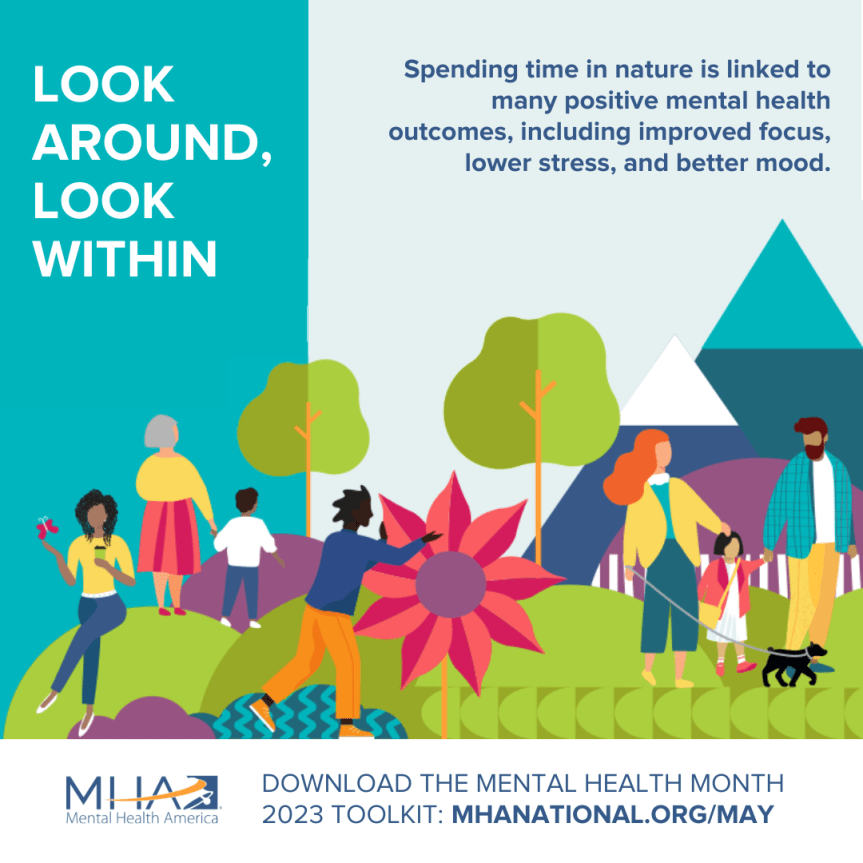
Discover the Power of Nature for Your Mental Health!

Unlock the positive impact of nature on your mental well-being with Mental Health of America’s fact sheet.

Learn how spending time in green and blue spaces can lower stress, boost mood, and improve focus. Download now to embrace the benefits of nature in your everyday life!


Stay Connected!