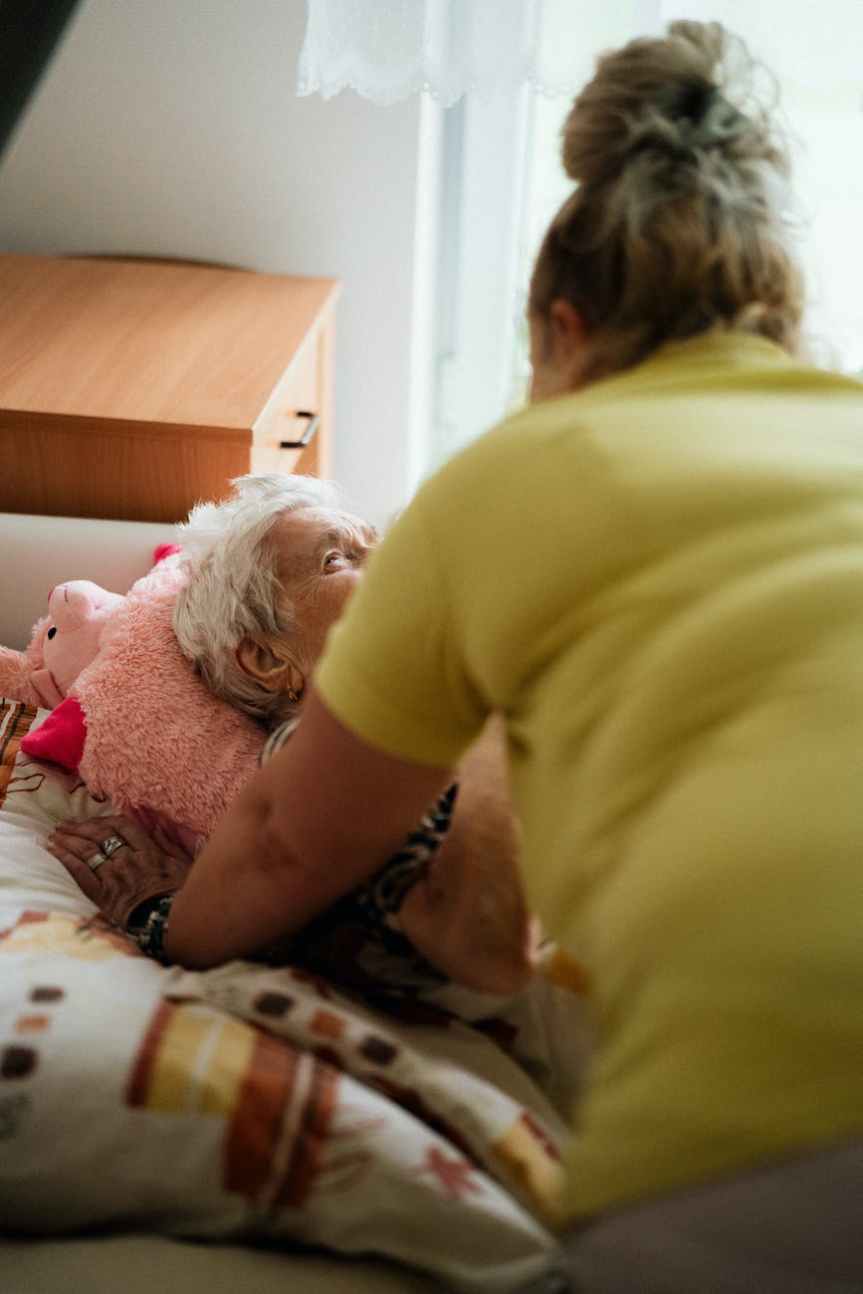
Gone But Not Forgotten: Creating a Memory Journal to Preserve Their Legacy

By Roz Jones

As we continue our Gone But Not Forgotten Blog Series, let’s explore a heartfelt way to keep your loved one’s memory alive: creating a memory journal. Writing down your thoughts, emotions, and cherished memories not only honors your loved one’s legacy but also provides a meaningful outlet for your grief.

A memory journal becomes a treasure trove of stories, keepsakes, and reflections that can be shared with family members, passed down through generations, or simply revisited when you need to feel close to your loved one.

Tips and Tricks for Creating a Memory Journal

  1. Choose a Special Journal
    Select a journal that feels significant to you—whether it’s a simple notebook or an intricately designed one. Personalize it by adding your loved one’s name, favorite colors, or a photo that reminds you of them.
  2. Invite Family Contributions
    Make the memory journal a family project. Ask relatives to contribute their favorite stories, special moments, or reflections about your loved one. This collective effort not only creates a richer memory book but also brings family members closer together.
  3. Add Meaningful Keepsakes
    Enhance your journal with mementos like photos, event tickets, or handwritten notes. These items add a tactile element to your memories, making them even more vivid and heartfelt.
  4. Make It a Holiday Tradition
    Dedicate time during the holidays to revisit the journal. Gather family members to read entries, share memories, or even add new reflections. This tradition can be a comforting way to feel connected and honor your loved one during special times.
  5. Write Freely and Authentically
    Let your thoughts flow without judgment. Include everything from happy memories to moments of sadness—every emotion is valid and part of your healing journey.

Why a Memory Journal Matters

Grief can feel overwhelming and isolating, but a memory journal offers a tangible way to process those emotions. It’s a space to:

  • Reflect on your loved one’s impact on your life.
  • Celebrate the joy they brought to you and others.
  • Capture the small details that might otherwise fade with time.

By documenting these memories, you create a living tribute that preserves their legacy and helps you—and your family—navigate the journey of healing.

A Lasting Legacy

A memory journal isn’t just for you; it’s a gift for future generations. Imagine your children or grandchildren reading about the loved one who shaped your life. Through your words, they’ll come to know the person you’ve lost and the love you’ve shared.

Start small, take it day by day, and remember—this journal is your space to honor, grieve, and heal. Let it be a source of comfort and connection as you move through the seasons of life.

Stay tuned for more tips in the Gone But Not Forgotten Blog Series as we continue exploring ways to cherish and celebrate our loved ones’ legacies.

Subscribe to The Caregiver Cafe Weekly Newsletter!

Caregiving can be a roller coaster of ups and downs. The information that you will receive from The Caregiver Cafe Weekly Specials Newsletter will support you as a caregiver. Remember…

1. YOU ARE NOT ALONE: The problems you face as a caregiver are experienced by other caregivers. Knowing that you’re not alone can be comforting. 

2. Tools and Resources:  Find caregiver stress management tools and gain perspective from other caregiver’s experiences.

3. LEARN TO: Ask for help, accept help when it is offered, and acknowledge yourself on this caregiving journey. Hear from experts on how to balance caregiving responsibilities by taking care of your needs and involving others to help manage the natural stress and isolation of being a caregiver. 

Gone But Not Forgotten: Cooking Your Loved Ones Favorite Dish

By Roz Jones

The holiday season can be a beautiful time of joy, love, and family—but it can also be a bittersweet reminder of the loved ones we’ve lost. If you’re grieving and navigating the holidays without someone you held dear, it’s important to find ways to honor their memory while still embracing the warmth of the season. This Gone but Not Forgotten blog series is designed specifically for caregivers who are experiencing the loss of a loved one and need guidance on how to honor their memory during this time.

Throughout this series, I’ll share tips, tricks, and practical ideas that will help you incorporate your loved one into family traditions, creating meaningful ways to honor them and bring healing to your heart. Let’s dive deeper into the activities I’ve shared in the first post, with actionable steps and creative ideas you can use to make them your own.

Food has a unique way of connecting us to the people we love, especially when it’s tied to special memories. Cooking a beloved dish from your loved one’s recipe box or preparing their favorite holiday meal is a way to keep their presence alive while celebrating family togetherness.

Tips and Tricks:

  • Make it a family event: Invite other family members to join in and help cook. You can take turns sharing stories about why that dish was special to your loved one. Cooking together creates a bonding experience while allowing everyone to feel connected to the memory.
  • Preserve their recipes: If your loved one had a signature dish or a recipe they often made during the holidays, keep that tradition alive by writing it down or preserving it in a family recipe book.
  • Recreate their style: If your loved one had a unique way of preparing a dish, try to recreate it as best as you can. You don’t have to get it perfect—what matters is the gesture and the act of remembering.
  • Try a “memory twist”: Add your own twist to their dish by incorporating a small change that makes it your own while still honoring the essence of what your loved one loved.

Cooking their favorite dish not only fills your home with the comforting smells of a cherished meal but also gives you and your family a chance to share in the warmth of their memory.

Subscribe to The Caregiver Cafe Weekly Newsletter!

Caregiving can be a roller coaster of ups and downs. The information that you will receive from The Caregiver Cafe Weekly Specials Newsletter will support you as a caregiver. Remember…

1. YOU ARE NOT ALONE: The problems you face as a caregiver are experienced by other caregivers. Knowing that you’re not alone can be comforting. 

2. Tools and Resources:  Find caregiver stress management tools and gain perspective from other caregiver’s experiences.

3. LEARN TO: Ask for help, accept help when it is offered, and acknowledge yourself on this caregiving journey. Hear from experts on how to balance caregiving responsibilities by taking care of your needs and involving others to help manage the natural stress and isolation of being a caregiver. 

Navigating Distractions for a Productive Day

By Roz Jones

Welcome, my fellow caregivers, to a crucial exploration of crafting your ideal workday, where habits and focus take center stage. In the realm of caregiving, maintaining productivity amidst distractions is an ongoing challenge. Let’s dive deep into the strategies that will empower you to conquer the pitfalls of habits and hone your focus, ensuring you can navigate the demands of your caregiving journey with grace and efficiency.

Navigating Distractions: The Caregiver’s Conundrum

As caregivers, we often find ourselves pulled in multiple directions, facing constant distractions that threaten to derail our focus. Whether it’s the incessant ringing of phones, the demands of household chores, or the emotional weight of our caregiving responsibilities, distractions can be overwhelming. The key lies in acknowledging these challenges and developing a proactive approach to manage them.

The Power of Habit Checks

Understanding our own habits is the first step towards reclaiming control over our workdays. Habit checks involve taking a moment to assess recurring patterns that might be hindering our productivity. Do you find yourself consistently reaching for your phone during work hours? Or perhaps engaging in activities that divert your attention? Identifying these habits is crucial for initiating positive change.

Strategies for Focus Adjustments

Once we’ve recognized our habits, the next step is to implement strategies for focus adjustments. Consider establishing designated times for specific tasks, incorporating short breaks to refresh your mind, and creating a dedicated workspace to minimize external disruptions. Small adjustments can yield significant improvements in concentration and overall efficiency.

Building Positive Habits: The Caregiver’s Arsenal

As caregivers, our days are dynamic and multifaceted. Building positive habits is a proactive way to enhance our daily routines. Start by incorporating small, achievable changes. Establish a morning routine that aligns with your caregiving responsibilities, allocate specific times for essential tasks, and consistently practice self-care. Gradually, these positive habits will become pillars of strength in your caregiving journey.

Minimizing Detractors for a Successful Work Routine

Detractors can take various forms – from internal distractions like self-doubt to external pressures such as time constraints. Acknowledge these detractors and work towards minimizing their impact. Cultivate a positive mindset, seek support when needed, and prioritize tasks to alleviate the burden of overwhelming responsibilities. By addressing detractors head-on, you empower yourself to create a work routine that aligns with your caregiving mission.

Crafting your ideal workday is a journey of self-discovery and intentional action. By navigating distractions, conducting habit checks, making focus adjustments, building positive habits, and minimizing detractors, you lay the foundation for a successful and fulfilling caregiving experience. Remember, you have the power to shape your work routine, ensuring that each day aligns with your commitment to providing compassionate care. Keep thriving, one intentional step at a time.

Check out my previous blog, 7 Tips for Creating a Simple Morning Routine at Work to learn more about creating a simple morning routine at work. 

Unlocking Peace and Joy with 5 Tips for Caregivers to Triumph Over Holiday Stress

By Roz Jones

Welcome to the concluding chapter of our series on managing holiday stress for caregivers of aging loved ones. Throughout this journey, we’ve equipped you with 20 invaluable tips to make this holiday season more manageable. Today, we’re unveiling the last five tips, the ultimate keys to ensuring you have a peaceful and joyful holiday season:

1. Practice Gratitude:

Take a moment each day to reflect on the things you’re grateful for. Amidst the challenges of caregiving and the holiday season, focusing on the positive aspects of your life can help shift your perspective and reduce stress. Expressing gratitude, whether through journaling or simply acknowledging it mentally, can bring moments of serenity and contentment.

2. Connect with Others:

While caregiving can often feel isolating, reaching out to friends and fellow caregivers for support can provide much-needed relief. Connecting with others who understand your unique challenges can foster a sense of camaraderie and emotional healing. Whether through in-person or virtual support groups, sharing your experiences and receiving empathy can be remarkably comforting.

3. Create a Relaxation Ritual:

Design a relaxation ritual that’s uniquely tailored to your needs. It could be as simple as reading a book, indulging in a warm bath, or savoring a cup of herbal tea. Dedicate time each day to unwind and recharge, making it a non-negotiable part of your routine. Cultivating moments of tranquility allows you to navigate the holiday season with greater ease and a clearer mind.

4. Be Present:

Amidst the holiday festivities and caregiving duties, make a conscious effort to be fully present in the moment. Cherish the time spent with your loved ones and relish the moments you have together. By immersing yourself in the here and now, you can create deeper connections, relish the holiday spirit, and minimize the distractions that contribute to stress.

5. Seek Professional Guidance:

Sometimes, the weight of caregiving and holiday stress can feel overwhelming, and seeking professional guidance is a proactive step toward self-care. Consider scheduling a session with a therapist or counselor who specializes in caregiver support. They can offer valuable insights, coping strategies, and a safe space to discuss your emotions and challenges.

As we conclude this series, remember that caregiving is an extraordinary journey filled with unique challenges and triumphs. You are not alone, and your dedication and love are the greatest gifts you can give to your aging loved one during the holidays. For a comprehensive overview of managing holiday stress as a caregiver, revisit the previous articles in this series.

Stay Ahead of the Storm: Download Your Free Expert Storm Guide Now!

Photo by ALTEREDSNAPS on Pexels.com

As we know, June – November is Hurricane Season. As a family caregiver, there are many ways to prepare your loved ones for it. Early preparation helps reduce opportunities for stress and anxiety as storms approach.

One of the best ways to prepare is allowing your loved on to assist in packing their travel bag, checking their contact list and ensuring there are adequate emergency supplies.

Participation… not isolation… go a long way when preparing for major storms. This Seniors Storm Guide gives essential information to refer to again and again!


Reflecting on Your Caregiving Journey with Gratitude and Elegance

By Roz Jones

Caring for our aging loved ones is a labor of love, filled with challenges, joys, and an unbreakable bond. As caregivers, our journey is truly extraordinary, and it’s important to pause, reflect, and appreciate the care and dedication we provide to our aging family members. Join me as we explore the beauty of this gratitude journey.

The Unique Path of Caregiving

Our role as caregivers is a noble and unique one. It’s a path filled with compassion, selflessness, and a deep sense of responsibility. We’re entrusted with the care and well-being of our aging loved ones, and it’s a commitment that sets us on a remarkable journey.

This journey, like life itself, is a blend of moments that challenge us, fill us with love, and enrich our spirits. It’s a journey that deserves to be appreciated and celebrated.

Reflecting on the Caregiving Journey

Reflection is a powerful tool for personal growth and understanding. It’s an opportunity to take a step back and examine the path we’ve walked. Here’s how you can reflect on your caregiving journey:

  • Quiet Moments: Find a peaceful space where you can sit in solitude. Take a few deep breaths to center yourself and bring your focus to the present moment.
  • Gratitude Journal: Consider keeping a gratitude journal. Write down moments, big or small, that have filled your heart with gratitude during your caregiving journey.
  • Cherished Memories: Reflect on the beautiful moments you’ve shared with your aging loved one. Think about the laughter, the stories, and the love you’ve experienced together.
  • Challenges and Growth: Acknowledge the challenges you’ve faced as a caregiver and the ways you’ve grown through them. Your resilience and strength are worth celebrating.
  • Self-Care: Think about the times you’ve prioritized self-care and how it has allowed you to provide better care for your aging loved one.
  • Community and Support: Consider the friends, family, or support groups that have been part of your caregiving journey. How have they made a difference in your life?

Expressing Appreciation

Gratitude and appreciation are the cornerstones of a meaningful Thanksgiving. It’s essential to take a moment to express your appreciation for the caregiving journey you’ve embarked on. Here’s how you can do that:

  • Write a Letter: Consider writing a letter of appreciation to your aging loved one, expressing your love and gratitude for the time you’ve spent together.
  • Self-Affirmations: Practice self-affirmations that acknowledge your dedication, strength, and love as a caregiver.
  • Share Your Journey: Talk about your caregiving journey with a friend, family member, or support group. Sharing your experiences can be a powerful way to appreciate your path.
  • Celebrate the Milestones: Acknowledge and celebrate the milestones you’ve achieved in your caregiving journey. Whether it’s a health improvement or a personal accomplishment, it’s worth celebrating.

As Thanksgiving approaches, let’s embrace the elegance in reflection and gratitude. Your journey as a caregiver is a testament to your dedication and love. It’s an extraordinary path, and it deserves to be appreciated. Take the time to reflect on the beautiful moments and the challenges, the growth and the love. Express your appreciation not only for the journey but for yourself as a caregiver. You are making a profound difference in the life of your aging loved one, and that is a gift to be celebrated.

Wishing you a Thanksgiving filled with elegance, reflection, and the warm embrace of gratitude. You’re truly extraordinary, and your journey as a caregiver is a testament to the power of love.

Stay Ahead of the Storm: Download Your Free Expert Storm Guide Now!

Photo by ALTEREDSNAPS on Pexels.com

As we know, June – November is Hurricane Season. As a family caregiver, there are many ways to prepare your loved ones for it. Early preparation helps reduce opportunities for stress and anxiety as storms approach.

One of the best ways to prepare is allowing your loved on to assist in packing their travel bag, checking their contact list and ensuring there are adequate emergency supplies.

Participation… not isolation… go a long way when preparing for major storms. This Seniors Storm Guide gives essential information to refer to again and again!