Recognizing the Warning Signs and Navigating Your Loved One Emotional Well-being

By Roz Jones

As caregivers, staying vigilant about the mental health of our aging loved ones is essential. In this second part of our series for National Suice Prevention Week, we will dive deeper into recognizing the warning signs that may indicate they are struggling with thoughts of suicide or severe depression.

Verbal Clues
One of the most direct ways our loved ones may communicate their emotional distress is through verbal clues. It’s essential to pay close attention to their words and expressions. Be concerned if they make statements like:

“I wish I were dead.”
“I don’t see the point in living anymore.”
“Life isn’t worth it.”

These statements may be subtle cries for help, and they should never be dismissed lightly. While it’s not uncommon for older individuals to express frustration or sadness, these phrases can signify a deeper emotional struggle that warrants attention and support.

Social Isolation

Isolation is another red flag for caregivers to watch out for. If your aging loved one starts withdrawing from social activities and avoids spending time with friends and family, it could be a sign of depression. Loneliness and a sense of isolation can exacerbate feelings of hopelessness and contribute to deteriorating mental health.

Encouraging social interaction and providing opportunities for your loved one to connect with others can be crucial in combating these feelings of isolation. Simple gestures like inviting them to family gatherings, connecting them with community groups, or arranging regular visits from friends can make a significant difference in their emotional well-being.

Sudden Mood Changes

Drastic shifts in mood can be particularly concerning, especially if they go from being visibly sad to suddenly appearing calm or even cheerful. Sometimes, individuals who have made a decision to end their lives experience a sense of relief and peace, which can manifest as an abrupt change in mood.

Be attentive to these mood swings, and don’t hesitate to engage in open conversations about how they’re feeling. Remember, your active and non-judgmental listening can create a safe space for them to share their emotions and concerns.

Giving Away Possessions

One of the more tangible signs of potential suicidal thoughts is when your loved one starts giving away their belongings or making arrangements for the future. This act can sometimes be a way of tidying up affairs before what they perceive as the inevitable.

If you notice such behavior, it’s essential to address it promptly. Engage in a compassionate conversation to understand their motivations and feelings. Ensure they understand that you are there to support them and that there are alternatives to addressing their emotional struggles.

Recognizing these signs and being proactive in addressing them is paramount in ensuring the emotional well-being of our aging loved ones. In the next part of our series, we’ll explore how to approach these conversations with empathy and provide guidance on seeking professional help when needed. Remember, your role as a caregiver is vital in ensuring your loved ones receive the support they require during this challenging time.

Suicide resources for aging loved ones are crucial for providing support and assistance when needed. Here is a list of resources that can be helpful:

  1. National Suicide Prevention Lifeline: The Lifeline provides 24/7 confidential support to individuals in distress. You can call 1-800-273-TALK (1-800-273-8255) to speak with a trained counselor. For Spanish speakers, there’s a dedicated line at 1-888-628-9454.
  2. Crisis Text Line: This service offers support via text messaging. Text “HELLO” to 741741 to connect with a crisis counselor for help with emotional issues, including suicidal thoughts.
  3. Elder Helpline: Many areas have helplines or hotlines specifically for seniors. These helplines can provide information on local resources and assistance. Check with your local senior services agency or government office to find the appropriate helpline for your region.
  4. Veterans Crisis Line: If your aging loved one is a veteran, they can reach out to the Veterans Crisis Line at 1-800-273-8255 and press 1, or text 838255 for confidential support.

Stay Ahead of the Storm: Download Your Free Expert Storm Guide Now!

Photo by ALTEREDSNAPS on Pexels.com

As we know, June โ€“ November is Hurricane Season. As a family caregiver, there are many ways to prepare your loved ones for it. Early preparation helps reduce opportunities for stress and anxiety as storms approach.

One of the best ways to prepare is allowing your loved on to assist in packing their travel bag, checking their contact list and ensuring there are adequate emergency supplies.

Participationโ€ฆ not isolationโ€ฆ go a long way when preparing for major storms. This Seniors Storm Guide gives essential information to refer to again and again!


Don’t Get Blindsided: Have a Clear Vision – Part 1

By Roz Jones

As we step into the spotlight of National Eye Exam Month, we’re reminded of the profound impact that vision health holds for our cherished aging loved ones. The brilliance of their world is often illuminated through their eyes, and ensuring this vision remains vibrant and clear becomes an essential aspect of the caregiving journey. It’s more than just preserving their ability to see; it’s about addressing potential concerns before they have the chance to cast a shadow.

Vital Role of Routine Eye Exams: Early Detection Matters

Regular eye exams transcend mere check-ups; they are gateways to early intervention. Our aging loved ones are susceptible to various eye conditions, and by catching these conditions early, we can effectively manage and maintain their quality of life. These exams are our way of safeguarding their eyesight and overall well-being.

Recognizing Common Signs of Vision Problems

Caregivers are attuned to subtle shifts in our loved ones’ well-being. Watch for signs such as:

  • Frequent squinting or rubbing of the eyes
  • Changes in depth perception or coordination
  • Difficulties in reading, recognizing faces, or watching television
  • Complaints of eye strain, headaches, or discomfort
  • Increased sensitivity to light or glare

These signs are whispers from our loved ones’ eyes, guiding us to address potential vision issues promptly.

As caregivers, our dedication to vision health is a testament to our commitment to comprehensive care. National Eye Exam Month is a reminder to prioritize this essential aspect of well-being. Through early detection, recognizing signs, preparing for exams, and navigating potential issues, we’re not just preserving sight โ€“ we’re nurturing a quality of life that’s enriched by the world around us. Together, let’s navigate this journey of preserving clear vision and embracing holistic wellness. Stay tuned for the forthcoming continuation in Part 2, where we’ll explore how to prepare for the eye exam, navigate potential concerns, and implement treatments that foster wellness in our treasured aging loved ones’ lives.

Planning a Summer Vacation with an Aging Loved One? Download the FREE Checklist!

Are you embarking on a summer vacation adventure with a loved one in need of care? Whether you’re a caregiver or know someone who is, we understand the unique challenges and considerations that come with vacationing while ensuring your loved one is safe..

Make your vacation experience stress-free and enjoyable for both you and your loved one, we’re excited to offer you a free downloadable checklist!

Stay Ahead of the Storm: Download Your Free Expert Storm Guide Now!

Photo by ALTEREDSNAPS on Pexels.com

As we know, June โ€“ November is Hurricane Season. As a family caregiver, there are many ways to prepare your loved ones for it. Early preparation helps reduce opportunities for stress and anxiety as storms approach.

One of the best ways to prepare is allowing your loved on to assist in packing their travel bag, checking their contact list and ensuring there are adequate emergency supplies.

Participationโ€ฆ not isolationโ€ฆ go a long way when preparing for major storms. This Seniors Storm Guide gives essential information to refer to again and again!


Navigating the Back-to-School Hustle: 5 Essential Tips for Caregivers

By Roz Jones

The back-to-school season has once again graced us with its flurry of activities and anticipation. For caregivers, this bustling period can present unique challenges, especially when balancing the care of aging loved ones. As we embrace this season of change and new beginnings, here are five essential tips to help caregivers not only survive but thrive during the back-to-school whirlwind:

1. Prioritize Self-Care

Amidst the responsibilities, don’t forget to prioritize your own well-being. Carve out moments for self-care, whether it’s through meditation, exercise, reading, or simply enjoying a quiet cup of tea. When you nurture yourself, you’re better equipped to provide quality care to your loved ones.

2. Establish a Routine

Structure is your ally during this dynamic season. Create a well-defined routine that balances caregiving tasks with supporting your children’s education. A clear schedule helps minimize stress and allows you to efficiently manage your responsibilities.

3. Embrace Technology

Harness the power of technology to streamline your caregiving efforts. Use digital tools to set reminders for appointments, medication schedules, and important school events. Virtual communication platforms also enable you to stay connected with healthcare professionals and teachers, ensuring everyone is on the same page.

4. Delegate and Seek Support

You don’t have to do it all alone. Reach out to family members, friends, or support groups for assistance. Delegate tasks when possible and lean on your network for emotional support. Remember, seeking help is a sign of strength, not weakness.

5. Practice Flexibility

Flexibility is key as you navigate the back-to-school season’s twists and turns. Be open to adjusting your plans and expectations. Life is unpredictable, and embracing adaptability can help you navigate challenges with grace and resilience.

Thriving Through the Back-to-School Buzz

As you juggle the demands of caregiving and back-to-school preparations, remember that you’re not alone. These tips are your compass, guiding you through the bustling landscape with wisdom and confidence. By nurturing yourself, establishing routines, utilizing technology, seeking support, and staying flexible, you’re setting the stage for a successful and fulfilling back-to-school season for both you and your loved ones.

Cheers to your resilience and dedication, and may this season be filled with moments of growth, connection, and boundless possibilities.


Check out my previous blog on 5-Tips for Caregivers to Survive the Back-to-School Season.

Planning a Summer Vacation with an Aging Loved One? Download the FREE Checklist!

Are you embarking on a summer vacation adventure with a loved one in need of care? Whether you’re a caregiver or know someone who is, we understand the unique challenges and considerations that come with vacationing while ensuring your loved one is safe..

Make your vacation experience stress-free and enjoyable for both you and your loved one, we’re excited to offer you a free downloadable checklist!

Stay Ahead of the Storm: Download Your Free Expert Storm Guide Now!

Photo by ALTEREDSNAPS on Pexels.com

As we know, June โ€“ November is Hurricane Season. As a family caregiver, there are many ways to prepare your loved ones for it. Early preparation helps reduce opportunities for stress and anxiety as storms approach.

One of the best ways to prepare is allowing your loved on to assist in packing their travel bag, checking their contact list and ensuring there are adequate emergency supplies.

Participationโ€ฆ not isolationโ€ฆ go a long way when preparing for major storms. This Seniors Storm Guide gives essential information to refer to again and again!


Shop The Caregiver Cafe E-Commerce Store!

We founded The Caregiver Cafe Shopify Store with one simple goal: to help you experiment with your passion while at the same time providing amazing prices. We were tired of cookie-cutter stores with lackluster selections, and boring gifts. Instead of offering a huge unoriginal collection, we carefully curate just a few unique pieces perfectly suited for people the taste buds like you.

We focus on items that get you excited about shopping again, as we believe buying online should always be fun!


Subscribe to The Caregiver Cafe Weekly Newsletter!

Caregiving can be a roller coaster of ups and downs. The information that you will receive from The Caregiver Cafe Weekly Specials Newsletter will support you as a caregiver. Remember…

1. YOU ARE NOT ALONE: The problems you face as a caregiver are experienced by other caregivers. Knowing that you’re not alone can be comforting. 

2. Tools and Resources:  Find caregiver stress management tools and gain perspective from other caregivers’ experiences.

3. LEARN TO: Ask for help, accept help when it is offered, and acknowledge yourself on this caregiving journey. Hear from experts on how to balance caregiving responsibilities by taking care of your needs and involving others to help manage the natural stress and isolation of being a caregiver. 

Access is Not Always Accessible for the Elderly When Traveling

By Roz Jones

Traveling is an enriching experience that should be accessible to everyone, regardless of age or physical ability. For aging loved ones, having access to convenient and suitable transportation options is crucial to ensure a smooth and enjoyable journey. In this blog, we will explore accessible transportation options specifically tailored for aging loved ones who are traveling, providing valuable information and tips to make travel easier and more inclusive for seniors.

Public Transportation:

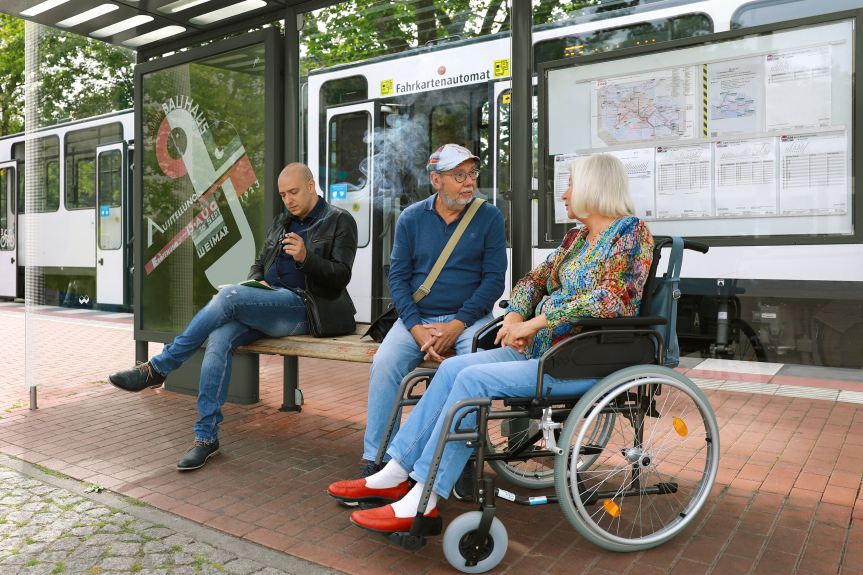
Public transportation systems in many cities offer accessible options to accommodate the needs of elderly travelers. Buses, trams, and trains often have designated seating areas for individuals with mobility challenges, as well as ramps or lifts for easy boarding. Many public transportation agencies also provide reduced fares or special passes for seniors. Research the accessibility features of public transportation at your destination, including schedules, routes, and any additional services provided for elderly passengers.

Wheelchair-accessible Taxis and Ride-Sharing Services:

Wheelchair-accessible taxis and ride-sharing services have become increasingly available in many cities worldwide. These services offer convenient door-to-door transportation for elderly travelers with mobility challenges. Make sure to research and pre-book accessible taxis or ride-sharing services that provide vehicles equipped with wheelchair ramps or lifts. These services often require advanced booking, so plan accordingly to ensure a seamless travel experience.

Accessible Rental Vehicles:

If you prefer to have the flexibility of driving during your trip, consider renting an accessible vehicle. Many rental companies offer vehicles equipped with ramps or lifts, allowing for easy wheelchair access. It is advisable to book these vehicles well in advance, as they may be in high demand. Ensure that the rental vehicle meets your specific needs and familiarize yourself with any operational instructions or safety features before hitting the road.

Senior Transportation Programs:

Various senior transportation programs are available in different communities to cater to the specific needs of elderly travelers. These programs often provide door-to-door transportation services for seniors, especially for medical appointments, grocery shopping, or social outings. Research local senior centers, community organizations, or non-profit agencies that offer transportation services and inquire about their eligibility requirements and availability.

Cruises and Guided Tours:

Cruises and guided tours can be excellent travel options for elderly individuals, as they provide comprehensive transportation services and accessibility features. Many cruise lines offer accessible cabins, wheelchair-accessible facilities, and on-board transportation assistance. Similarly, guided tours often prioritize accessibility, providing transportation that accommodates elderly travelers with mobility challenges. Research and choose reputable cruise lines or tour operators that have a strong commitment to accessibility and inclusive travel experiences.

Air Travel Assistance:

Airports have special services and assistance programs to support elderly travelers with mobility challenges. Airlines provide wheelchair assistance upon request, both within the airport terminals and during boarding and disembarking. It is advisable to inform the airline about any specific needs or requirements in advance to ensure a smooth and comfortable journey. Many airports also offer accessible transportation options within the terminals, such as shuttle services or electric carts.

Ensuring accessible transportation options for elderly travelers is essential to promote inclusive and enjoyable travel experiences. By researching public transportation accessibility, utilizing wheelchair-accessible taxis or ride-sharing services, considering accessible rental vehicles, exploring senior transportation programs, choosing cruise lines or guided tours with a focus on accessibility, and taking advantage of air travel assistance, caregivers can help make travel easier and more accessible for their aging loved ones. Remember to plan ahead, communicate specific needs, and prioritize the comfort and well-being of elderly travelers throughout their journey. With the right transportation options in place, seniors can embark on memorable adventures with ease and confidence.

Planning a Summer Vacation with an Aging Loved One? Download the FREE Checklist!

Are you embarking on a summer vacation adventure with a loved one in need of care? Whether you’re a caregiver or know someone who is, we understand the unique challenges and considerations that come with vacationing while ensuring your loved one is safe.

Make your vacation experience stress-free and enjoyable for both you and your loved one, we’re excited to offer you a free downloadable checklist!

Stay Ahead of the Storm: Download Your Free Expert Storm Guide Now!

Photo by ALTEREDSNAPS on Pexels.com

As we know, June โ€“ November is Hurricane Season. As a family caregiver, there are many ways to prepare your loved ones for it. Early preparation helps reduce opportunities for stress and anxiety as storms approach.

One of the best ways to prepare is allowing your loved on to assist in packing their travel bag, checking their contact list and ensuring there are adequate emergency supplies.

Participationโ€ฆ not isolationโ€ฆ go a long way when preparing for major storms. This Seniors Storm Guide gives essential information to refer to again and again!


Safety First: Preparing for Emergencies While on Vacation with Your Aging Loved One

By Roz Jones

Going on vacation is a time to relax, unwind, and create lasting memories. However, as a caregiver, it’s essential to prioritize safety and be prepared for emergencies, even when you’re away from home. By taking proactive steps and planning ahead, you can ensure the well-being of your loved ones and have peace of mind during your vacation. In this blog, we will explore key strategies and practical tips for caregivers to prepare for emergencies while enjoying their well-deserved time off.

Conduct a thorough pre-vacation assessment:
Before you embark on your vacation, conduct a comprehensive assessment of your loved one’s health and safety needs. Review their medical conditions, medications, and any specific care requirements. Discuss their needs with their healthcare provider, and ensure you have updated copies of their medical records and emergency contact information. This assessment will help you anticipate potential emergencies and plan accordingly.

Create an emergency plan:
Developing a clear and concise emergency plan is crucial, both for your peace of mind and the well-being of your loved one. Discuss emergency protocols with family members, friends, or neighbors who can assist in case of an emergency. Ensure they are familiar with your loved one’s medical conditions, medications, and any necessary procedures. Provide them with a list of emergency contact numbers and detailed instructions on how to handle specific situations.

Pack a well-stocked emergency kit:
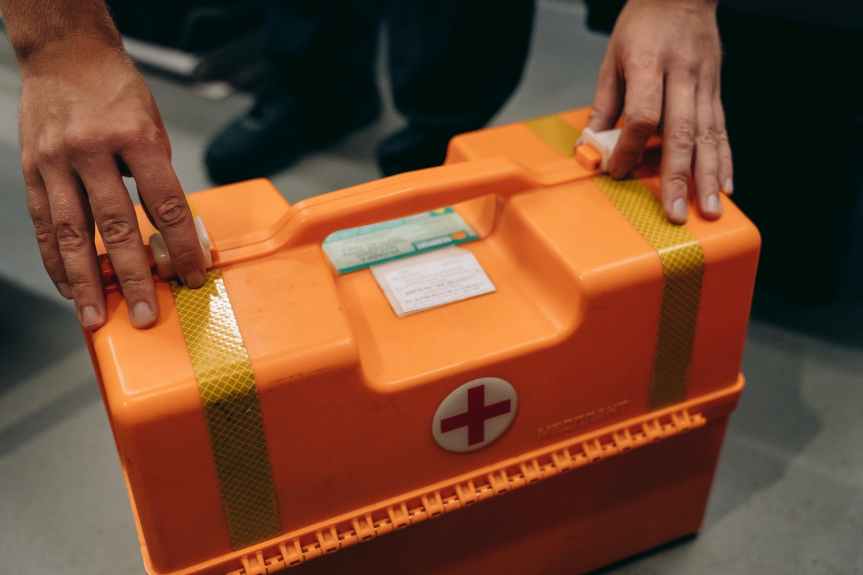
When you’re on vacation, having a well-stocked emergency kit can be a lifesaver. Include essential items such as prescribed medications, first aid supplies, important documents (health insurance cards, identification), a list of emergency contacts, and any medical equipment or assistive devices your loved one requires. Keep the kit easily accessible and make sure others are aware of its location in case they need to access it quickly.

Research local healthcare facilities:
Before you travel, research and identify healthcare facilities in the destination area. Find out where the nearest hospitals, urgent care centers, and pharmacies are located. Make a note of their contact information and their accessibility for individuals with specific needs. Having this information readily available will save precious time in case of a medical emergency.

Consider travel insurance options:
Travel insurance can provide added security and peace of mind for both you and your loved one. Look into travel insurance plans that offer coverage for medical emergencies, trip cancellations, and interruptions. Read the fine print and ensure that the policy covers any pre-existing medical conditions. Having the right travel insurance can provide financial protection and assistance in case of unexpected situations.

As a caregiver, prioritizing safety and preparing for emergencies while on vacation is essential. By conducting a pre-vacation assessment, creating an emergency plan, packing a well-stocked emergency kit, researching local healthcare facilities, and considering travel insurance options, you can ensure the well-being of your loved one and enjoy your vacation with peace of mind. Remember, with proper preparation and a proactive approach, you can navigate potential emergencies confidently and create beautiful memories while keeping safety first.

Planning a Summer Vacation with an Aging Loved One? Download the FREE Checklist!

Are you embarking on a summer vacation adventure with a loved one in need of care? Whether you’re a caregiver or know someone who is, we understand the unique challenges and considerations that come with vacationing while ensuring your loved one is safe..

Make your vacation experience stress-free and enjoyable for both you and your loved one, we’re excited to offer you a free downloadable checklist!

Stay Ahead of the Storm: Download Your Free Expert Storm Guide Now!

Photo by ALTEREDSNAPS on Pexels.com

As we know, June โ€“ November is Hurricane Season. As a family caregiver, there are many ways to prepare your loved ones for it. Early preparation helps reduce opportunities for stress and anxiety as storms approach.

One of the best ways to prepare is allowing your loved on to assist in packing their travel bag, checking their contact list and ensuring there are adequate emergency supplies.

Participationโ€ฆ not isolationโ€ฆ go a long way when preparing for major storms. This Seniors Storm Guide gives essential information to refer to again and again!

Shop The Caregiver Cafe E-Commerce Store!

We founded The Caregiver Cafe Shopify Store with one simple goal: to help you experiment with your passion while at the same time providing amazing prices. We were tired of cookie-cutter stores with lackluster selections, and boring gifts. Instead of offering a huge unoriginal collection, we carefully curate just a few unique pieces perfectly suited for people the taste buds like you.

We focus on items that get you excited about shopping again, as we believe buying online should always be fun!


Subscribe to The Caregiver Cafe Weekly Newsletter!

Caregiving can be a roller coaster of ups and downs. The information that you will receive from The Caregiver Cafe Weekly Specials Newsletter will support you as a caregiver. Remember…

1. YOU ARE NOT ALONE: The problems you face as a caregiver are experienced by other caregivers. Knowing that you’re not alone can be comforting. 

2. Tools and Resources:  Find caregiver stress management tools and gain perspective from other caregivers’ experiences.

3. LEARN TO: Ask for help, accept help when it is offered, and acknowledge yourself on this caregiving journey. Hear from experts on how to balance caregiving responsibilities by taking care of your needs and involving others to help manage the natural stress and isolation of being a caregiver.