Memories and Milestones of President Jimmy Carter: A Gentle Goodbye — Lessons from Hospice Care

By Roz Jones

As we conclude our series on the extraordinary life of President Jimmy Carter, I want to reflect on his final chapter—a journey through hospice care that was marked by grace, dignity, and love.

When President Carter entered hospice in February 2023, it was a decision that spoke volumes about his character. True to form, he approached end-of-life care as he did everything else: with thoughtfulness and humility. For nearly a year, he remained in the care of his loved ones, supported by a compassionate hospice team that honored his wishes to remain at home.

Hospice care is often misunderstood, but President Carter’s experience highlighted its profound value. It’s not about giving up; it’s about creating a space where life’s final moments can be meaningful and peaceful. With hospice, President Carter was able to spend time with Rosalynn, his family, and close friends—sharing stories, reminiscing, and simply being present.

As caregivers, many of us have walked this road ourselves. It’s never easy, but it’s also a time of connection and reflection that can leave lasting memories. President Carter’s hospice journey reminds us to approach these moments with an open heart, focusing on the quality of life rather than the length of time left.

The Carter family’s decision to be transparent about his care also opened the door for important conversations about end-of-life planning. It’s a reminder for all of us to have those discussions early, ensuring that our loved ones’ wishes are honored.

President Jimmy Carter’s legacy isn’t just in the policies he created or the homes he built—it’s also in the example he set for living and dying with purpose. His life was a testament to the power of love, service, and faith.

As we say goodbye, let’s carry his lessons with us: to serve others, to love deeply, and to approach caregiving with the same compassion he showed in every aspect of his life. Thank you for joining me for this series. I’m here to support you in your caregiving journey, just as President Jimmy Carter inspired us to support one another. Book a consultation with me at the link.

Subscribe to The Caregiver Cafe Weekly Newsletter!

Caregiving can be a roller coaster of ups and downs. The information that you will receive from The Caregiver Cafe Weekly Specials Newsletter will support you as a caregiver. Remember…

1. YOU ARE NOT ALONE: The problems you face as a caregiver are experienced by other caregivers. Knowing that you’re not alone can be comforting. 

2. Tools and Resources:  Find caregiver stress management tools and gain perspective from other caregiver’s experiences.

3. LEARN TO: Ask for help, accept help when it is offered, and acknowledge yourself on this caregiving journey. Hear from experts on how to balance caregiving responsibilities by taking care of your needs and involving others to help manage the natural stress and isolation of being a caregiver. 

Memories and Milestones: The Carter Legacy of Caregiving

By Roz Jones

When I think about President Jimmy Carter and Rosalynn Carter, I’m reminded of the true meaning of partnership. Together, they spent decades not just as husband and wife, but as advocates for one of the most vital and often overlooked roles in society—caregiving.

As caregivers, we know the challenges that come with supporting our loved ones. It’s not just about tending to physical needs but also about creating an environment of dignity and compassion. That’s what the Carters worked tirelessly to promote through the Rosalynn Carter Institute for Caregivers (RCI).

Founded in 1987, RCI became a beacon of hope and advocacy for caregivers. Rosalynn, with President Jimmy Carter always by her side, championed the importance of providing resources, training, and emotional support for those caring for aging loved ones, individuals with disabilities, or those facing chronic illness.

The Carters believed caregiving was not just a personal responsibility but a societal one. Through their work, they raised awareness of the emotional and financial toll caregiving takes, while also pushing for systemic changes to support caregivers.

What stands out most to me is how they lived what they preached. Even in their later years, as Rosalynn began facing her own health challenges, President Jimmy Carter became her advocate and caregiver, embodying the same values they had championed for decades.

Their story resonates deeply with those of us in The Caregiver Cafe community. Whether you’re caring for a parent, spouse, or friend, the Carters remind us that caregiving is an act of love, one that has the power to transform both the giver and the receiver.

As we move toward the conclusion of this series, we’ll reflect on President Jimmy Carter’s graceful transition through hospice care and the lessons we can learn from his journey. Stay tuned for the final blog of the Memories and Milestones of President Jimmy Carter series, where we’ll explore the role of hospice in his life and what it can teach us about end-of-life care.

Subscribe to The Caregiver Cafe Weekly Newsletter!

Caregiving can be a roller coaster of ups and downs. The information that you will receive from The Caregiver Cafe Weekly Specials Newsletter will support you as a caregiver. Remember…

1. YOU ARE NOT ALONE: The problems you face as a caregiver are experienced by other caregivers. Knowing that you’re not alone can be comforting. 

2. Tools and Resources:  Find caregiver stress management tools and gain perspective from other caregiver’s experiences.

3. LEARN TO: Ask for help, accept help when it is offered, and acknowledge yourself on this caregiving journey. Hear from experts on how to balance caregiving responsibilities by taking care of your needs and involving others to help manage the natural stress and isolation of being a caregiver. 

Memories and Milestones of Jimmy Carter: The Carter Presidency

By Roz Jones

As we continue to honor President Jimmy Carter’s life and legacy, we turn our focus to the time when he led our nation from the Oval Office. His presidency may have been a single term, but his impact during those four years still resonated over decades.. 

I was struck by how President Carter, a humble man from rural Georgia, approached the presidency with an unshakable moral compass. He prioritized people and principles over politics, and his leadership laid the foundation for lasting change.

One of President Carter’s most notable achievements was the establishment of the Department of Energy in 1977. Long before renewable energy became a global priority, President Carter recognized the need for energy conservation and sustainability. I remember seeing images of him installing solar panels on the White House roof—a bold and forward-thinking act that underscored his commitment to the environment.

He also championed human rights, making them a cornerstone of his foreign policy. From brokering the Camp David Accords to his efforts for peace in the Middle East, President Carter demonstrated the power of diplomacy driven by empathy and understanding.

For us caregivers, there’s a lesson in his approach. He didn’t shy away from tough conversations or complex issues. Instead, he leaned into them with the belief that every challenge could be met with courage and care. It’s a reminder that in our roles, whether caring for a loved one or navigating a crisis, leading with heart can make all the difference.

President Carter’s presidency also had its share of challenges, but even in the face of adversity, he never wavered in his mission to serve. That’s a legacy worth remembering—not just as Americans, but as people striving to make a difference in our own spheres.

In the next post, we’ll explore how President Carter’s post-presidency work with Habitat for Humanity became another shining chapter in his life of service. Stay with me as we continue this journey of memories and milestones. Don’t miss the next blog of the Memories and Milestones of President Jimmy Carter, where I’ll dive into his incredible work building homes and hope with Habitat for Humanity. If you missed the previous blog, A Life Well Lived “His Way”, check it out now.

Subscribe to The Caregiver Cafe Weekly Newsletter!

Caregiving can be a roller coaster of ups and downs. The information that you will receive from The Caregiver Cafe Weekly Specials Newsletter will support you as a caregiver. Remember…

1. YOU ARE NOT ALONE: The problems you face as a caregiver are experienced by other caregivers. Knowing that you’re not alone can be comforting. 

2. Tools and Resources:  Find caregiver stress management tools and gain perspective from other caregiver’s experiences.

3. LEARN TO: Ask for help, accept help when it is offered, and acknowledge yourself on this caregiving journey. Hear from experts on how to balance caregiving responsibilities by taking care of your needs and involving others to help manage the natural stress and isolation of being a caregiver. 

7 Morning Musts for Caregivers

By Roz Jones

Starting your day on the right foot isn’t just a luxury; it’s a vital element for your success, especially in the demanding role of caregiving. Let’s delve into seven-morning musts that will set the tone for a positive and productive day, allowing you to provide the best care for your loved ones.

Rise and Shine

The snooze button might seem tempting, but those extra minutes won’t contribute to a more rested you. Opt for an early rise to embrace the day with energy and purpose. Prioritize a good night’s sleep to ensure you’re ready to face your caregiving responsibilities with vitality.

Find Your Zen Zone

Create a tranquil space for meditation, prayer, or affirmations. Initiating your day with positive thoughts and intentions will cultivate the right mindset. Quiet moments for reflection will empower you to navigate challenges with grace and resilience.

Hydrate for Health

Before reaching for that morning coffee, prioritize hydration. A tall glass of water kickstarts your body’s systems, enhancing cognitive function and decision-making. A well-hydrated caregiver is better equipped to handle the day’s demands.

Break the Fast

Your body needs fuel after hours of fasting. Choose a nutritious breakfast that aligns with your dietary needs. Providing your body with the right nutrients ensures sustained energy levels throughout your caregiving duties.

Move and Unwind

Combat the physical strain of caregiving by incorporating morning stretches or a quick workout. Getting your blood flowing not only revitalizes your body but also contributes to your overall well-being.

Calendar Check

Take a moment to review your schedule for the day. Checking your calendar in the morning helps you stay organized, avoid oversights, and approach your caregiving tasks with a clear understanding of what lies ahead.

Self-Care Session

Dedicate a few minutes to yourself. Engage in activities you enjoy, be it reading, journaling, or listening to a podcast. Prioritizing personal time enhances your mental energy and brings purpose to your day, reinforcing your ability to provide exceptional care.

While this routine might not encompass your entire morning, incorporating these practices sets a positive tone for the day. Witness the transformative impact on your caregiving journey as you embrace these morning musts with intention and commitment.


Check out my previous blog 7 Things to Do Every Morning Which Start Your Day Off Right and elevate your morning routine experience.

Shop The Caregiver Cafe E-Commerce Store!

We founded The Caregiver Cafe Shopify Store with one simple goal: to help you experiment with your passion while at the same time providing amazing prices. We were tired of cookie-cutter stores with lackluster selections, and boring gifts. Instead of offering a huge unoriginal collection, we carefully curate just a few unique pieces perfectly suited for people the taste buds like you.

We focus on items that get you excited about shopping again, as we believe buying online should always be fun!


It Takes Two – Part 2

Christine Psalms continues her story with us in this episode.

As a caregiver for both her parents, Christine shares:
How she worked on herself to prepare to be her father’s caregiver
How therapy, counseling  and journaling changed her life as  a caregiver
Navigating relationships with loved ones without resentment

Subscribe to The Caregiver Cafe Weekly Newsletter!

Caregiving can be a roller coaster of ups and downs. The information that you will receive from The Caregiver Cafe Weekly Specials Newsletter will support you as a caregiver. Remember…

1. YOU ARE NOT ALONE: The problems you face as a caregiver are experienced by other caregivers. Knowing that you’re not alone can be comforting. 

2. Tools and Resources:  Find caregiver stress management tools and gain perspective from other caregiver’s experiences.

3. LEARN TO: Ask for help, accept help when it is offered, and acknowledge yourself on this caregiving journey. Hear from experts on how to balance caregiving responsibilities by taking care of your needs and involving others to help manage the natural stress and isolation of being a caregiver. 

Aging in Place: The Benefits for Seniors and Caregivers Alike

By Roz Jones

Aging in place is a term used to describe the process of aging at home, rather than moving into an assisted living facility or nursing home. It’s become more popular in recent years as people are beginning to recognize the benefits of staying in one’s own home as they age. In this blog post, we’ll discuss why aging in place is beneficial not only for seniors but also for their caregivers.

The Benefits of Aging In Place for Seniors
Aging in place can be beneficial to seniors because it allows them to maintain their independence while still having access to the support they need. It also allows them to remain connected with their family, friends, and community. Additionally, it can improve physical and mental health by providing a safe environment that encourages physical activity and social engagement.

For many seniors, aging in place is less expensive than other long-term care options such as assisted living facilities or nursing homes. Because they remain in their own homes, there are no additional costs associated with relocation or new housing arrangements. Furthermore, when seniors stay in their own homes, they may be eligible for government programs that help cover the cost of caregiving services or assistive devices such as medical alert systems and mobility aides.

The Benefits of Aging In Place for Caregivers
Caregivers often feel a great sense of relief knowing that their loved one is safe and taken care of while remaining close by. This peace of mind allows them to focus on providing emotional support through regular visits and activities instead of worrying about whether their loved one is receiving adequate care elsewhere. Additionally, because aging in place eliminates the cost associated with relocating a senior loved one into an assisted living facility or nursing home, caregivers have more financial resources available to provide better care and assistance at home.

Whether you’re a senior looking for ways to stay independent or a caregiver searching for ways to provide better care for your elderly loved ones, aging in place may be worth considering as an option. Not only does it allow seniors to maintain their independence while still having access to the support they need; but it also provides caregivers with greater peace of mind knowing that their loved ones are safe and comfortable at home rather than having to move into an unfamiliar setting such as an assisted living facility or nursing home. If you’re interested in exploring this option further, contact your local Area Agency on Aging office or elder law attorney who can provide you with more information about your specific needs and situation.


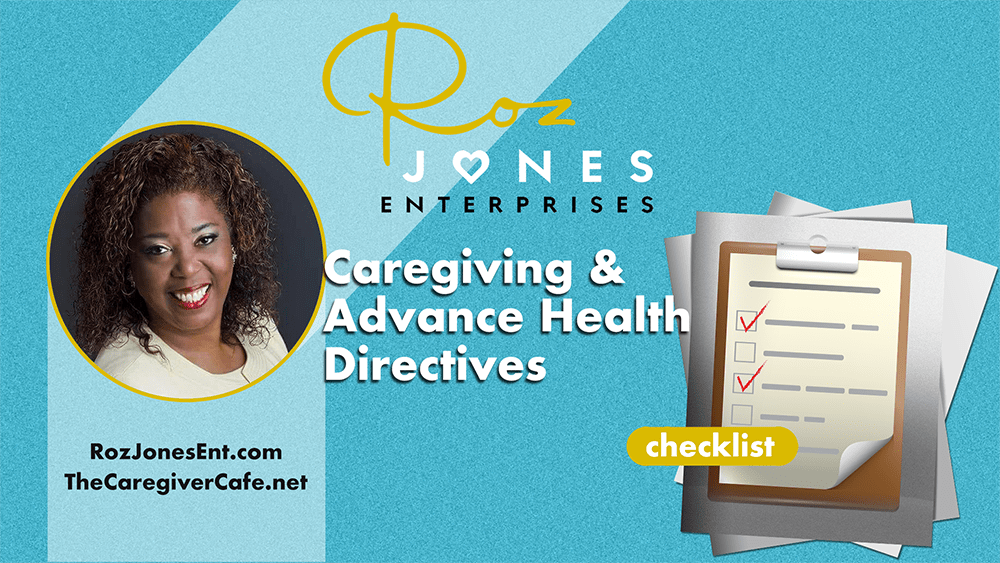
Secure Your Loved One’s Future & Protect Their Health by Purchasing the Caregiving & Advance Health Directives Checklist!

When creating an Advance Directive, it’s important for you to identify the treatments you want and don’t want at the end of life. In order to begin this process, you will need to complete state specific forms. This worksheet can prepare you for those decisions you’re going to make on those forms, and for conversations you need to have with family and doctors.


Shop The Caregiver Cafe E-Commerce Store!

We founded The Caregiver Cafe Shopify Store with one simple goal: to help you experiment with your passion while at the same time providing amazing prices. We were tired of cookie-cutter stores with lackluster selections, and boring gifts. Instead of offering a huge unoriginal collection, we carefully curate just a few unique pieces perfectly suited for people the taste buds like you.

We focus on items that get you excited about shopping again,
as we believe buying online should always be fun!


Did you know patterns have a great influence on your life? Check out my latest podcast episode with Dr. Jacob Kendall to learn how these patterns can influence the life you live and how you can recognize these patterns to better your life expectancy!

Patterns have a great influence on the life you live and if you are keen to recognize your patterns you can increase your life expectancy and change your life.

In this episode, I talk to Dr. Jacob and patterns and their influence on how long and short we live.

Subscribe to The Caregiver Cafe Weekly Newsletter!

Caregiving can be a roller coaster of ups and downs. The information that you will receive from The Caregiver Cafe Weekly Specials Newsletter will support you as a caregiver. Remember…

1. YOU ARE NOT ALONE: The problems you face as a caregiver are experienced by other caregivers. Knowing that you’re not alone can be comforting. 

2. Tools and Resources:  Find caregiver stress management tools and gain perspective from other caregiver’s experiences.

3. LEARN TO: Ask for help, accept help when it is offered, and acknowledge yourself on this caregiving journey. Hear from experts on how to balance caregiving responsibilities by taking care of your needs and involving others to help manage the natural stress and isolation of being a caregiver.