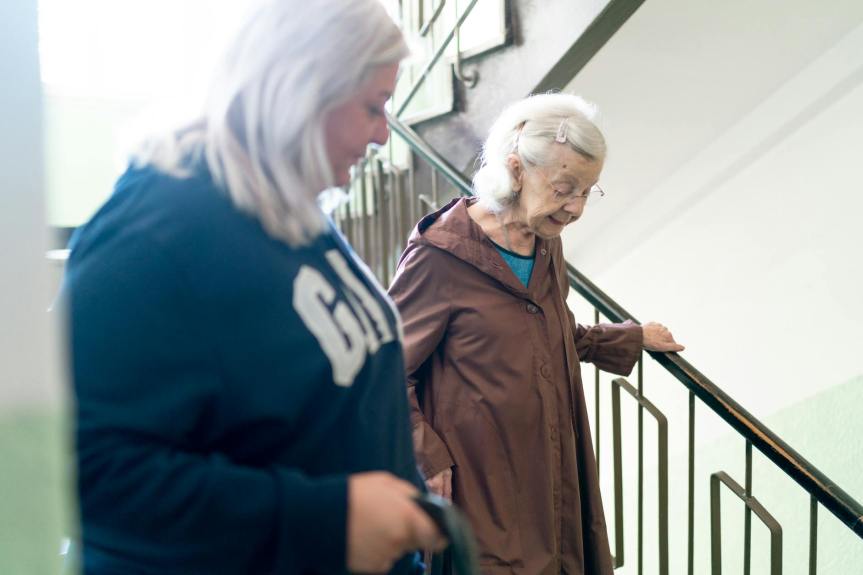
When Helping Starts to Hurt: Emotional Boundaries for Caregivers of a Former Spouse

By Roz Jones

Caring for a former spouse is not the kind of caregiving situation most people prepare for.

You may have thought that chapter of your life was closed. You may have gone through the divorce, divided the household, rebuilt your routines, created distance, and learned how to live without being responsible for that person every day.

Then illness, aging, disability, surgery, memory changes, or a medical crisis enters the picture.

And suddenly, here you are again.

Answering calls.
Checking in.
Taking them to appointments.
Helping with meals.
Listening to their fears.
Trying to make sure they are safe.
Trying to do the right thing without getting pulled back into everything you worked so hard to heal from.

In my previous blog, Navigating Boundaries When Caregiving for a Former Spouse, I talked about defining your caregiving role, setting communication boundaries, making time for yourself, seeking support, and considering legal and financial boundaries.

Now I want to go a little deeper.

Because sometimes the hardest boundaries are not the ones written on paper.

Sometimes the hardest boundaries are the ones you have to keep in your heart.

You Can Care Without Returning to the Relationship

Let’s start there.

Providing care does not mean you are stepping back into the marriage.

It does not mean you are available the way you used to be.
It does not mean you are responsible for their loneliness.
It does not mean you have to comfort every fear.
It does not mean you have to explain yourself to everyone who has an opinion.
It does not mean the old relationship gets to come back just because care is needed.

Caregiving can blur the line between compassion and emotional re-entry.

You may start by helping with one thing, and before you know it, you are being treated like the spouse again. You are the first call, the emotional support, the problem-solver, the scheduler, the reminder, the listener, and the one expected to make everything okay.

Caregiver, let me say this clearly:

You can be kind without becoming consumed.

You can help without going backward.

You can care without reopening a door that needed to stay closed.

Watch for Old Patterns Trying to Come Back

Every relationship has patterns.

Maybe you were always the fixer.
Maybe you were always the one who stayed calm.
Maybe you were the one who made the appointments, handled the bills, smoothed things over with the children, or carried the emotional weight of the household.

Now caregiving can make those old roles show up again.

You may find yourself doing too much before anyone asks. You may feel guilty for saying no. You may feel like if you do not step in, everything will fall apart. You may feel responsible for their comfort, their choices, their emotions, or their relationship with other family members.

That is where you have to pause.

Ask yourself:

Am I helping because this is truly needed?
Or am I falling back into an old role?

Am I responding from compassion?
Or am I responding from guilt?

Am I making a choice?
Or am I feeling pressured?

Am I supporting their care?
Or am I becoming responsible for their whole life again?

Those are honest questions.

And honest questions can save you from silent resentment.

Guilt Is Not a Care Plan

Guilt can be loud in this kind of caregiving situation.

You may feel guilty because you left.
Guilty because the marriage ended.
Guilty because they are sick.
Guilty because they do not have enough support.
Guilty because the children are watching.
Guilty because you still care, but you cannot give everything.

But guilt is not a good leader.

Guilt will tell you to say yes when your body is tired.
Guilt will tell you to answer the phone when you need peace.
Guilt will tell you to ignore your current life.
Guilt will tell you that having limits makes you wrong.

It does not.

A boundary made from wisdom is not cruelty.

A no spoken with honesty is not abandonment.

You are allowed to make caregiving decisions from a grounded place, not from guilt.

Try saying:

“I care about your well-being, but I need to be honest about what I can do.”
“I am not able to be available every day.”
“I can help with this specific need, but I cannot take on everything.”
“I need other people involved so this does not fall only on me.”

That is not harsh.

That is clear.

Do Not Let Caregiving Become Emotional Debt

Sometimes former spouses have unfinished emotional business.

There may be apologies that never came.
There may be wounds that were never acknowledged.
There may be years of being misunderstood, dismissed, betrayed, disappointed, or overextended.

Then caregiving begins, and suddenly you are expected to show up with tenderness, patience, and grace.

That can be complicated.

You may want to help because it is the right thing to do, but still feel anger about the past. You may feel compassion one day and resentment the next. You may feel sad for them while also remembering what they put you through.

That does not make you a bad caregiver.

It makes you human.

But you have to be careful not to pay emotional debt that was never yours to pay.

Caregiving should not require you to pretend the past did not happen.

You do not have to be cruel.
You do not have to bring up old arguments.
You do not have to punish them.

But you also do not have to erase your own experience in order to provide care.

Sometimes the boundary is simply this:

“I can help with your care needs, but I am not available to revisit or repair the entire relationship.”

That is a valid boundary.

Protect Your Current Relationships and Household

If you have a current partner, children, grandchildren, family members, or others who depend on you, caregiving for a former spouse may affect them too.

This is something caregivers do not always talk about.

Your current partner may feel unsure about how much emotional energy is going toward your former spouse. Your children may have mixed feelings. Your household may feel the stress of your time, attention, and availability being stretched.

That does not mean you should not help.

It means you need to be honest about the impact.

Before you keep saying yes, ask:

Is this caregiving role creating tension in my current home?
Am I emotionally unavailable to the people in my life now?
Am I hiding how much I am doing?
Am I giving more than I can explain peacefully?
Is my current life being organized around my former spouse’s needs?

Caregiving is important.

But your current life matters too.

Do not sacrifice the relationships you are living in now to maintain a role from the past.

Keep the Conversations Focused on Care

When emotions run high, conversations can drift.

A call about medication becomes a conversation about the divorce.
A ride to the doctor becomes a discussion about what went wrong.
A check-in becomes a request for emotional closeness.
A family update becomes a replay of old wounds.

This is where you need conversational boundaries.

You can keep the focus on care without being cold.

You might say:

“I want to stay focused on what you need for the appointment.”
“I am not going to discuss the past right now.”
“I hear that you are feeling emotional, but I am not the best person to process that with.”
“I want to help with your care, but I need our conversations to stay respectful.”
“We can talk about the next step, but I am not available for an argument.”

Sometimes the most loving thing you can do is refuse to let every conversation become emotionally unsafe.

Know the Signs That It Is Becoming Too Much

Caregiving can become unhealthy when it starts taking more from you than you can recover from.

Pay attention to the signs.

You feel anxious when their name appears on your phone.
You feel responsible for their mood.
You feel pulled back into old relationship dynamics.
You are hiding the amount of care you are giving.
You are neglecting your own health, rest, work, or relationships.
You feel resentful but keep saying yes.
You feel like you cannot stop because everyone expects you to continue.
You are constantly explaining, defending, or justifying your boundaries.

Caregiver, those signs matter.

Your body may tell you the truth before your mouth is ready to say it.

If caregiving starts costing you your peace, your sleep, your emotional stability, or your current relationships, it is time to reassess the arrangement.

Not because you do not care.

Because care needs to be sustainable.

Let Other People Be Responsible Too

One of the quiet traps in caregiving is believing that because you can do something, you must do it.

No.

Just because you are capable does not mean you are the only option.

Other relatives, adult children, community resources, paid caregivers, case managers, neighbors, church members, or professional services may need to be part of the support system.

You are allowed to say:

“I cannot be the only person in this role.”
“We need to divide responsibilities.”
“This requires more support than I can provide.”
“I am willing to help, but I need backup.”
“I need us to identify who else can step in.”

Do not let other people’s absence become your full-time assignment.

Give Yourself Permission to Feel More Than One Thing

This type of caregiving is emotionally layered.

You can care about your former spouse and still feel tired.
You can have compassion and still need distance.
You can remember the good and still honor why the relationship ended.
You can want them safe and still not want to be pulled back in.
You can help and still wish the situation were different.

All of that can be true at the same time.

You do not have to make your feelings neat for other people to understand.

You just need to be honest with yourself.

Caregiving for a former spouse requires more than a kind heart.

It requires emotional honesty.

It requires you to notice when old patterns are returning. It requires you to separate compassion from obligation. It requires you to protect your current life while still making thoughtful choices about care.

You are allowed to support someone without becoming who you used to be to them.

You are allowed to care without carrying everything.

You are allowed to have boundaries that protect your peace.

And caregiver, please remember this:

Helping should not hurt you so deeply that you lose yourself in the process.

If it is starting to hurt, that does not mean you have failed.

It means something needs to change.

Purchase Moments of Grace
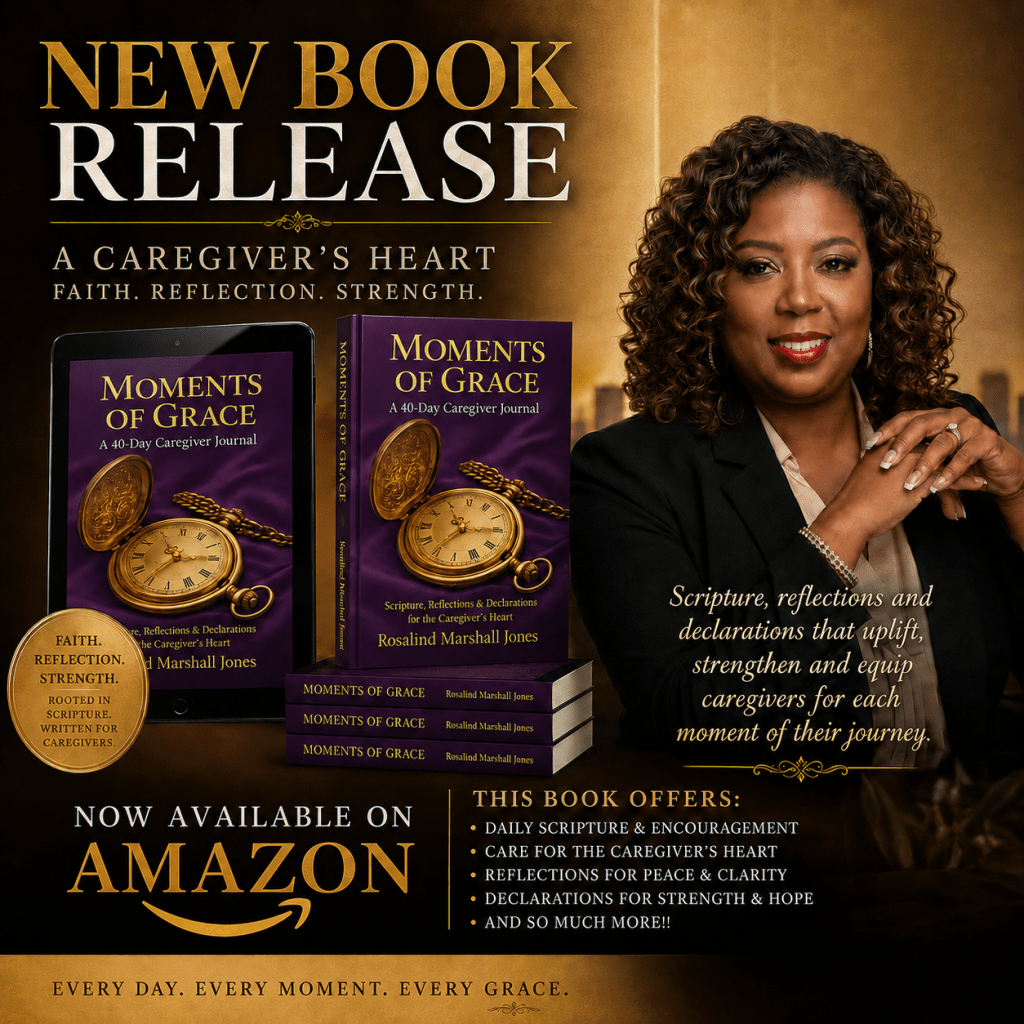
When caregiving comes with history, emotions can be heavy.

You may find yourself carrying guilt, grief, frustration, compassion, exhaustion, and responsibility all at the same time. That is a lot for one heart to hold.

That is why I created Moments of Grace: A Caregiver’s Guided Journal for Reflection, Prayer, and Peace.

This journal was made for caregivers who need a quiet place to breathe, reflect, release what they are carrying, and reconnect with themselves in the middle of the caregiving journey.

If you are caring for a former spouse, an aging parent, a loved one, or someone whose needs are stretching you emotionally, this journal can help you slow down and remember that your feelings matter too.

Purchase Moments of Grace today and give yourself permission to pause, reflect, and receive a little grace along the

Prepare Before the Emergency Comes
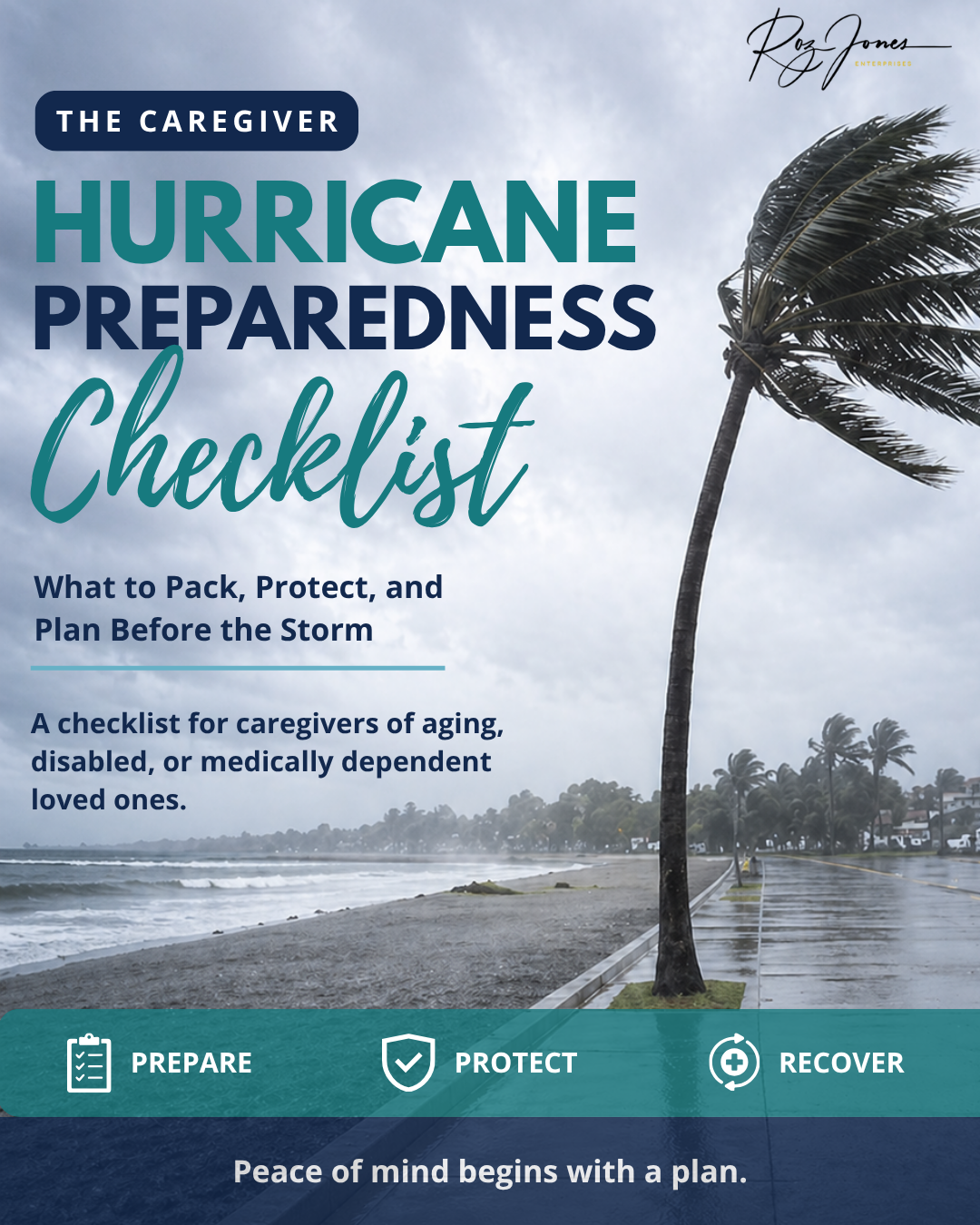
The Caregiver Hurricane Preparedness Checklist.

Emotional boundaries matter.

But practical preparation matters too.

If you are caring for an aging loved one, a former spouse, or someone with changing health needs, it is important to know where the essentials are before an emergency happens.

Medication lists.
Emergency contacts.
Important documents.
Evacuation details.
Medical equipment needs.
Insurance information.
Care instructions.

These are not things you want to search for during a storm, power outage, hospitalization, or sudden crisis.

The Caregiver Hurricane Preparedness Checklist was created to help caregivers organize the details that matter before they are needed.

For only $1.99, this checklist gives you a simple place to start so you can feel more prepared, less scattered, and more confident when unexpected situations arise.

Purchase the Caregiver Hurricane Preparedness Checklist for $1.99 today and take one more step toward protecting your loved one before an emergency.

Need Help Sorting Through the Care Plan?
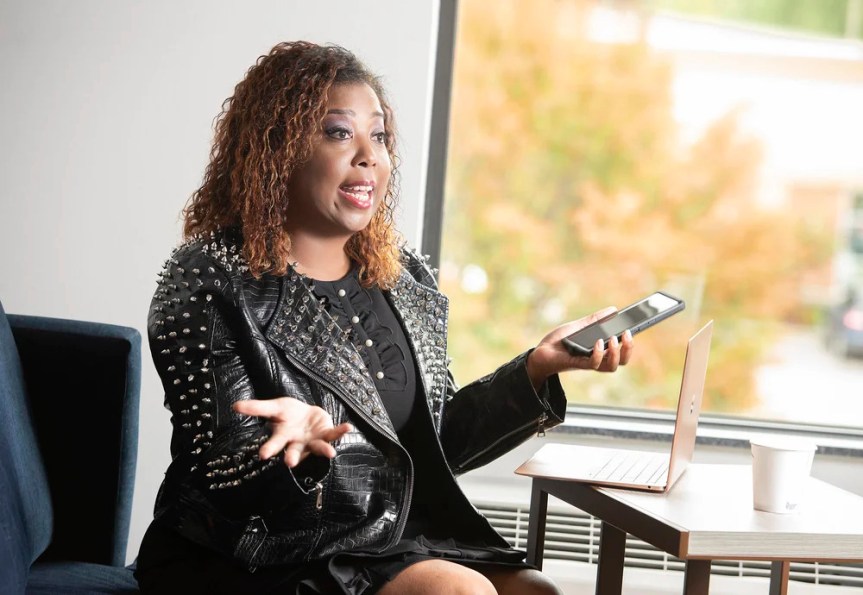
Roz Jones is a dedicated caretaker turned CEO with over a decade of experience in helping families care for and make decisions for loved ones and their legacies.Roz is a compassionate, innovative healthcare industry leader.

If you are caring for a former spouse, aging loved one, or family member and the boundaries are starting to feel complicated, you do not have to figure it out alone.

Book a Family Care Planning Session with Roz Jones and get support creating a caregiving plan that is clear, compassionate, and realistic.

Together, we can talk through what is working, what is becoming too heavy, and what boundaries need to be strengthened so you can continue to care without losing yourself in the process.

Subscribe to The Caregiver Cafe Weekly Newsletter!

Caregiving can be a roller coaster of ups and downs. The information that you will receive from The Caregiver Cafe Weekly Specials Newsletter will support you as a caregiver. Remember…

1. YOU ARE NOT ALONE: The problems you face as a caregiver are experienced by other caregivers. Knowing that you’re not alone can be comforting. 

2. Tools and Resources:  Find caregiver stress management tools and gain perspective from other caregiver’s experiences.

3. LEARN TO: Ask for help, accept help when it is offered, and acknowledge yourself on this caregiving journey. Hear from experts on how to balance caregiving responsibilities by taking care of your needs and involving others to help manage the natural stress and isolation of being a caregiver. 

Caregiving in a Digital World

By Roz Jones

Years ago, caring for an aging loved one may have meant keeping a paper calendar on the refrigerator, writing medication instructions in a notebook, and waiting for the doctor’s office to call back.

Now, caregivers are managing patient portals, telehealth appointments, medication apps, pharmacy texts, smartwatches, video calls, passwords, emergency alerts, and online forms — all while still doing the hands-on work of care.

And let me tell you, technology can be a blessing.

But it can also become one more thing the caregiver has to manage.

That is why we have to talk about caregiving in a digital world with honesty. Because the goal is not to have the newest device, the most expensive system, or an app for everything.

The goal is to help your aging loved one stay safe, connected, and respected — without making their life or your life more complicated.

This blog is a continuation of my earlier conversation, Tech-Essentials: Must-Have Technology for Aging Loved Ones. If you have not read that piece yet, I encourage you to revisit it as a starting point for understanding how technology can support aging loved ones in practical ways.

Technology Should Support the Care Plan, Not Replace It

Before we talk about phones, tablets, watches, reminders, or smart home tools, we need to start here:

Technology is not the care plan.

It is a support tool.

It cannot replace a calm conversation.
It cannot replace checking in.
It cannot replace family involvement.
It cannot replace listening to your loved one’s concerns.
It cannot replace knowing what they actually need.

Technology works best when it is connected to a real care need.

Are they missing medication?
Are they forgetting appointments?
Are they feeling isolated?
Are you worried about falls?
Are they having trouble reaching someone in an emergency?
Are important documents hard to access?
Are family members struggling to stay updated?

Start with the need first. Then choose the tool.

Too often, families buy devices because they sound helpful, but nobody thinks through whether the aging loved one will actually use them. Then the caregiver ends up troubleshooting, reminding, resetting passwords, charging devices, and answering questions about a tool that was supposed to make life easier.

That is not support. That is more work.

Keep It Simple

In a digital world, simple is powerful.

Your aging loved one does not need ten apps if one shared calendar will do. They do not need five devices if one phone with clear settings can meet the need. They do not need complicated technology that makes them feel frustrated, embarrassed, or dependent.

They need tools that fit their life.

That may mean setting up larger text on their phone.
Saving emergency contacts as favorites.
Putting appointment reminders in one calendar.
Using a tablet for video calls and telehealth visits.
Choosing a medication reminder that is easy to understand.
Keeping written instructions nearby for passwords, portals, and devices.

The more complicated the system, the less likely it is to be used consistently.

And consistency matters.

A tool only helps if your loved one can use it, trust it, and feel comfortable with it.

Smartphones Can Be Lifelines

For many aging loved ones, a smartphone is not just a phone.

It can be their connection to the family.
Their appointment reminder.
Their photo album.
Their emergency contact list.
Their way to attend telehealth visits.
Their access point to transportation, prescriptions, messages, and health information.

But the phone needs to be set up for them, not for you.

Make the screen easier to read.
Remove apps they do not use.
Put the most important contacts on the home screen.
Turn on helpful accessibility settings.
Make sure emergency contacts are saved correctly.
Write down the passcode and store it safely.
Practice how to answer a video call or join a telehealth appointment.

Do not assume they know how to use every feature just because they have the phone.

Sit with them. Walk through it. Let them practice. Be patient.

Sometimes the technology is not the problem. The problem is that nobody slowed down long enough to teach it in a way that felt respectful.

Tablets Can Help With Connection and Care

A tablet can be a beautiful tool for aging loved ones, especially when the screen on a phone feels too small.

It can be used for video calls, telehealth appointments, reading, music, games, church services, family photos, and entertainment. It can also help reduce isolation, especially for loved ones who live alone, have limited mobility, or are not able to get out as much as they used to.

But again, set it up with intention.

Keep the home screen clean.
Save the apps they actually use.
Make the volume and text size comfortable.
Practice video calls before a real appointment.
Keep the charger in the same place.
Write down simple instructions in plain language.

Do not hand them the tablet and expect them to figure it out.

What feels simple to you may feel overwhelming to them.

Wearables and Emergency Devices Can Support Independence

Many caregivers worry about falls, heart concerns, wandering, or emergencies when their loved one is home alone.

That is where wearable devices and medical alert systems can help.

Some watches and emergency response devices can detect falls, track location, send alerts, or connect your loved one with help quickly. For some families, that brings peace of mind. For some aging adults, it allows them to keep more independence.

But the right device has to match the person.

Will they wear it every day?
Can they charge it?
Is it comfortable?
Can they press the button if needed?
Does it work outside the home?
Who receives the alert?
Is there a monthly fee?
What happens if the internet or power goes out?

Do not choose a device based only on what it promises.

Choose one based on how your loved one lives.

And please remember: safety tools should not make your loved one feel like they are being watched or controlled. Talk to them about why the tool matters. Include them in the decision when possible. Their dignity still matters.

Voice Assistants Can Make Daily Life Easier

Voice-activated devices can be helpful when they are used simply.

They can remind your loved one to take medication, drink water, check the calendar, call a family member, turn on lights, play music, or set a timer.

For someone with mobility challenges, vision changes, or forgetfulness, hands-free support can make daily life feel a little easier.

But not everyone will enjoy using a voice assistant.

Some people may feel uncomfortable.
Some may forget the command words.
Some may get frustrated when the device does not understand them.
Some may not like the idea of having a listening device in their home.

So start small.

Use it for one or two things. Practice together. Keep written instructions nearby. And if your loved one does not like it, pay attention to that.

Technology should reduce stress, not create more of it.

Medication Management Needs a System

Medication is one of the biggest areas where caregivers need support.

There may be multiple prescriptions, changing dosages, refill dates, side effects, pharmacy calls, and instructions from different providers. One missed dose or double dose can create serious concerns.

Digital tools can help with this, but the system needs to be clear.

That may look like:

A medication reminder on the phone.
A smart pill dispenser.
A pharmacy-filled pill pack.
A shared medication list.
A refill reminder.
A caregiver alert when a dose is missed.

But do not overcomplicate it.

The best medication system is the one your loved one and the caregiver can actually follow.

Also, keep a printed medication list somewhere easy to access. Digital tools are helpful, but during a power outage, emergency room visit, evacuation, or phone issue, you may need the information quickly.

Technology is useful. A backup plan is wisdom.

Digital Tools Can Help Families Share the Load

One of the most helpful parts of caregiving in a digital world is that family members do not always have to be in the same home to contribute.

A sibling who lives out of state can help manage online bill payments.
An adult child can help schedule grocery delivery.
A cousin can update the shared calendar.
A family member can help organize documents in a secure folder.
Someone else can attend a telehealth visit by phone or video.
Another person can research services, transportation, or respite options.

This matters because caregiving should not fall on one person simply because they live closest or answer the phone fastest.

Digital tools can help make the invisible work visible.

Use a shared calendar.
Create a secure document folder.
Keep emergency contacts updated.
Use a group message for care updates.
Assign tasks clearly.

But do not let the group chat become the care plan.

Put responsibilities in writing. Make sure everyone knows what they are responsible for. Technology can help coordinate care, but people still have to show up and do their part.

Protect the Passwords and Paperwork

In caregiving, digital access matters.

You may need passwords for health portals, pharmacy accounts, insurance websites, online banking, bill pay, email, phone accounts, or emergency contact systems.

But passwords should not be scattered across text messages, sticky notes, and old notebooks.

Create a safe system.

Keep a secure password manager or a protected document.
Make sure the right trusted person knows how to access it.
Update emergency contacts.
Keep copies of important documents.
Back up medical, legal, and insurance information.
Print the most essential information in case technology fails.

This is especially important during emergencies.

If the power goes out, the phone dies, the internet is down, or your loved one has to evacuate quickly, you do not want to be searching through emails and drawers trying to find what you need.

Digital caregiving still needs an emergency plan.

Do Not Let Technology Replace Human Connection

This is the heart of it.

A video call is helpful, but it does not replace being remembered.
A medication reminder is helpful, but it does not replace being cared for.
A fall alert is helpful, but it does not replace someone checking in.
A shared calendar is helpful, but it does not replace family responsibility.
A portal message is helpful, but it does not replace advocacy.

Technology should make connection easier, not colder.

Your aging loved one still needs your voice.
They still need patience.
They still need respect.
They still need to be included in decisions.
They still need to feel like a person, not a project.

And caregivers need support too.

Because managing digital tools, appointments, alerts, passwords, and family updates can become its own kind of caregiver labor.

Purchase Moments of Grace

Caregiving asks a lot of you — emotionally, physically, mentally, and spiritually. That is why Roz Jones created Moments of Grace: A 40-Day Caregiver Prayer Journal, a faith-filled journal designed to help caregivers pause, reflect, release, and reconnect with God in the middle of the caregiving journey.

Through daily prayers, comforting scriptures, guided journal prompts, and uplifting affirmations, Moments of Grace offers caregivers a quiet place to be honest about what they are carrying while receiving encouragement for the road ahead.

Whether you are caring for an aging parent, spouse, loved one, patient, or family member, this journal is a reminder that your spirit needs care too.

Prepare Before the Storm, Not During It

The Caregiver Hurricane Preparedness Checklist.

Caregiving in a digital world also means thinking about what happens when technology is not available.

What happens if the power goes out?
What happens if your loved one cannot charge their phone?
What happens if the internet is down?
What happens if a storm is coming and you need to evacuate?
What happens if medication, paperwork, emergency contacts, and transportation plans are not ready?

This is why preparation matters.

The Caregiver Hurricane Preparedness Checklist was created to help caregivers get organized before hurricane season becomes urgent. It walks you through important details like emergency supplies, medication planning, important documents, communication, transportation, and the needs of your aging loved one.

Purchase the Caregiver Hurricane Preparedness Checklist for $1.99 and take one practical step toward keeping your loved one safe, connected, and prepared before the next storm is in the forecast.

Need Help Building a Digital Care Plan?

Roz Jones is a dedicated caretaker turned CEO with over a decade of experience in helping families care for and make decisions for loved ones and their legacies.Roz is a compassionate, innovative healthcare industry leader.

Sometimes the hardest part is knowing where to start.

You may know your loved one needs more support, but you are not sure which tools make sense. You may be juggling appointments, passwords, family updates, documents, and emergency planning. You may feel like the care plan is living in your head, your phone, your email, and a pile of papers on the table.

That is too much for one person to carry alone. A Family Care Planning Session with Roz Jones can help you look at the bigger picture. Together, we can talk through your loved one’s needs, family responsibilities, safety concerns, emergency plans, documents, routines, and the tools that may help make caregiving more organized and less overwhelming.

Subscribe to The Caregiver Cafe Weekly Newsletter!

Caregiving can be a roller coaster of ups and downs. The information that you will receive from The Caregiver Cafe Weekly Specials Newsletter will support you as a caregiver. Remember…

1. YOU ARE NOT ALONE: The problems you face as a caregiver are experienced by other caregivers. Knowing that you’re not alone can be comforting. 

2. Tools and Resources:  Find caregiver stress management tools and gain perspective from other caregiver’s experiences.

3. LEARN TO: Ask for help, accept help when it is offered, and acknowledge yourself on this caregiving journey. Hear from experts on how to balance caregiving responsibilities by taking care of your needs and involving others to help manage the natural stress and isolation of being a caregiver. 

When Caring Comes With History

By Roz Jones

Caregiving is already layered.

But when you are caring for a former spouse, there can be even more emotions, questions, and decisions sitting at the table with you.

You may no longer be married.

You may no longer share a home.

You may have rebuilt your life in a different direction.

And still, here you are, helping someone you once loved, built with, raised children with, or shared years of life with to navigate aging, illness, disability, or a season where they simply cannot manage everything on their own.

That is not always easy to explain to other people.

Some may ask, “Why are you doing all of that?”

Some may assume you are obligated.

Some may assume you should walk away.

But caregiving does not always fit neatly into people’s opinions.

Sometimes care comes with history.

Sometimes care comes with unfinished emotions.

Sometimes care comes with adult children, shared finances, medical decisions, family expectations, or old wounds that still need boundaries around them.

And if you are stepping into a caregiving role for a former spouse, I want you to hear me clearly:

You can care without losing yourself.

You can support without becoming financially responsible for everything.

You can show compassion without ignoring the legal, emotional, and practical realities of the situation.

Caregiving After Divorce Requires Clarity

In my previous blog, Legal and Financial Considerations for Caregiving for a Former Spouse, I talked about the importance of understanding legal authority, financial responsibilities, power of attorney, guardianship, insurance, long-term care coverage, and reimbursement options.

Those pieces matter.

Because love, history, guilt, or family pressure cannot replace paperwork.

If your former spouse becomes unable to make decisions, someone needs the legal authority to speak with doctors, access records, manage bills, handle insurance, or make care decisions.

And that “someone” may or may not be you.

That is why clarity is so important.

Before you step fully into the role, ask yourself:

  • Do I have the legal authority to make decisions?
  • Am I listed on any medical or financial documents?
  • Are there adult children, siblings, or other relatives involved?
  • Who is responsible for paying for care?
  • What happens if their needs increase?
  • What boundaries do I need in place?
  • What am I willing to do, and what am I not willing to take on?

These questions may feel uncomfortable, but they are necessary.

Because caregiving without clarity can quickly become confusion.

And confusion can become conflict.

Do Not Let Emotions Replace a Care Plan

Let’s be honest.

Caring for a former spouse can stir up a lot.

Old love.

Old pain.

Old resentment.

Old loyalty.

Old guilt.

And sometimes, old family dynamics that everyone thought were done but somehow find their way back into the room.

That is why you need more than a kind heart.

You need a care plan.

A care plan helps you separate what is emotional from what is practical.

It helps you identify who is doing what, who needs to be contacted, where documents are stored, what medical conditions need to be monitored, what medications are being taken, and what needs to happen in an emergency.

This is especially important when other family members are involved.

If adult children are depending on you, if relatives are calling you for updates, or if your former spouse is relying on you more and more, everything needs to be documented.

Not because you are being cold.

Because you are being wise.

Protect Your Own Financial Well-Being

One of the biggest mistakes caregivers make is silently absorbing costs.

A prescription here.

Groceries there.

A bill that needs to be paid “just this once.”

Gas money.

Medical supplies.

Home repairs.

Transportation.

Emergency expenses.

And before you know it, you are financially involved in ways you never planned for.

When the person you are caring for is a former spouse, this can get even more complicated. There may be divorce agreements, shared property issues, old debts, benefits, insurance policies, or family expectations connected to the past.

Please do not guess your way through that.

Talk to a legal professional.

Talk to a financial advisor.

Keep receipts.

Document expenses.

Know what you are paying for and why.

And most importantly, know what you can afford to do without putting your own household, retirement, credit, or peace of mind at risk.

You are allowed to be generous.

But you are not required to become financially unstable in order to prove that you care.

Emergency Planning Matters, Too

Now let’s take this one step further.

Legal and financial planning is not only about doctor’s offices, bank accounts, and long-term decisions.

It also matters when an emergency happens.

A hurricane.

A power outage.

A hospitalization.

An evacuation.

A fall.

A sudden change in health.

A storm does not wait for families to figure out who has the paperwork.

An emergency does not pause while you search through drawers, text messages, file folders, or old emails trying to find the insurance card, medication list, emergency contacts, or advance directive.

That is why caregivers need to be prepared before the crisis comes.

If you are caring for a former spouse, ask:

  • Where are their important documents?
  • Who has access to them?
  • Are copies stored digitally and physically?
  • Who should be contacted first in an emergency?
  • Do they have a current medication list?
  • Do they use medical equipment that requires electricity?
  • Do they have transportation if evacuation is needed?
  • Are emergency contacts updated?
  • Do family members know the plan?

These details may seem small until they are needed.

Then they become everything.

Boundaries Are Part of the Plan

I want caregivers to understand this:

Boundaries are not a lack of love.

Boundaries are structure.

And when you are caring for a former spouse, structure is what helps keep the care from becoming emotionally overwhelming or financially harmful.

You may need boundaries around time.

You may need boundaries around money.

You may need boundaries around communication.

You may need boundaries with adult children or extended family.

You may need boundaries around what you are willing to manage alone.

A simple boundary may sound like:

“I can help with appointments, but I cannot be responsible for paying medical bills.”

Or:

“I am willing to be part of the care team, but we need to include the children in these decisions.”

Or:

“I can help organize documents, but I need legal authority in place before I can speak with providers.”

Or:

“I want to support you, but I cannot be the only person responsible for this care plan.”

That is not being difficult.

That is being honest.

And honesty protects everyone.

Keep the Family Conversations Clear

If there are children involved, especially adult children, do not assume everyone is on the same page.

Caregiving can bring up old family roles quickly.

One person may think you are taking over.

Another may expect you to handle everything.

Someone else may disagree with your choices.

And the former spouse receiving care may have their own opinions, fears, and preferences.

This is why family care conversations matter.

Everyone needs to understand:

  • What the care needs are
  • What documents are in place
  • Who has decision-making authority
  • Who is responsible for what
  • What financial resources are available
  • What emergency plan needs to be followed
  • What support the caregiver needs

The goal is not to control everyone.

The goal is to reduce confusion before confusion becomes a crisis.

Need Help Getting Prepared?

The Caregiver Hurricane Preparedness Checklist.

If you are caring for an aging loved one, a former spouse, or someone whose care needs are becoming more complex, now is the time to get organized.

Do not wait until the storm is already here.

Do not wait until the hospital calls.

Do not wait until the family is confused and emotions are high.

Start with a plan.

To help you prepare, I created the Caregiver Hurricane Preparedness Checklist, a simple and practical resource to help caregivers organize the essentials before an emergency happens.

For only $1.99, you can use this checklist to think through important documents, medications, emergency contacts, evacuation needs, supplies, and care details that should not be left to memory.

When You Can’t Do it All Give Roz a Call!

Roz Jones is a dedicated caretaker turned CEO with over a decade of experience in helping families care for and make decisions for loved ones and their legacies.Roz is a compassionate, innovative healthcare industry leader.

If you need more personalized support, I invite you to book a Family Care Planning Session with me.
Together, we can talk through your caregiving situation, identify what needs to be organized, and create a plan that supports your loved one without leaving you overwhelmed, confused, or carrying everything by yourself.

Subscribe to The Caregiver Cafe Weekly Newsletter!

Caregiving can be a roller coaster of ups and downs. The information that you will receive from The Caregiver Cafe Weekly Specials Newsletter will support you as a caregiver. Remember…

1. YOU ARE NOT ALONE: The problems you face as a caregiver are experienced by other caregivers. Knowing that you’re not alone can be comforting. 

2. Tools and Resources:  Find caregiver stress management tools and gain perspective from other caregiver’s experiences.

3. LEARN TO: Ask for help, accept help when it is offered, and acknowledge yourself on this caregiving journey. Hear from experts on how to balance caregiving responsibilities by taking care of your needs and involving others to help manage the natural stress and isolation of being a caregiver. 

Protect the Paperwork Before the Storm

By Roz Jones

When we talk about disaster preparedness, most people think about bottled water, batteries, flashlights, canned goods, medications, and evacuation bags.

And yes, all of that matters.

But caregivers, there is another part of preparedness that often gets overlooked until it is too late: the documents, passwords, records, and digital information that help you care for your aging loved one when life gets disrupted.

Because after a storm, flood, power outage, evacuation, or medical emergency, you may need quick access to information like insurance cards, medication lists, medical records, banking contacts, advance directives, prescriptions, home insurance, or power of attorney documents.

And if all of that is sitting in one folder, on one phone, in one drawer, or on one computer that gets damaged, lost, or locked, that can create a whole new crisis on top of the one you are already managing.

So today, we are talking about how caregivers can back up and safely store important information before disaster strikes.

Why Data Backup Matters for Caregivers

Caregivers carry a lot of invisible responsibility.

You may be the one keeping up with appointment notes, prescription refills, insurance information, doctors’ names, pharmacy contacts, health history, bills, passwords, home care information, and emergency contacts.

That information matters every day, but it becomes even more important during hurricane season or any emergency.

  • If you have to evacuate quickly, can you access your loved one’s medication list?
  • If their wallet gets misplaced, do you have copies of their ID and insurance cards?
  • If the power is out, can you still reach the pharmacy or oxygen provider?
  • If your phone breaks, does someone else know where the documents are?
  • If your loved one is hospitalized, can you pull up the paperwork that allows you to help make decisions?

These are the questions caregivers need to answer before the emergency.

Start With a Caregiver Document Checklist

Before choosing a storage system, first decide what needs to be saved.

Start with the documents and information that would be hardest to replace during an emergency.

That may include:

  • Photo ID
  • Insurance cards
  • Medicare or Medicaid cards
  • Medication list
  • Medical history
  • Doctor and pharmacy contacts
  • Emergency contacts
  • Advance directives
  • Power of attorney documents
  • Living will
  • Home insurance or rental documents
  • Banking and financial contact information
  • Utility account information
  • Medical equipment provider information
  • Veteran benefit information, if applicable
  • Facility or home care agency contacts
  • Recent care notes or discharge instructions

Keep the list simple enough that you will actually use it.

The goal is not to create a perfect filing system. The goal is to make sure the right information is available when it is needed.

Use the 3-2-1 Backup Rule

Caregivers, one copy is not enough.

If something is important, it should not live in only one place.

A simple backup method many experts recommend is the 3-2-1 backup rule. That means keeping three copies of important files, using two different types of storage, with one copy stored off-site or away from the original location. CISA and other backup guidance use this approach as a way to reduce the risk of losing critical data during disasters, device failures, or cyber incidents.

For caregivers, that might look like this:

One printed copy in a waterproof folder
One digital copy stored securely in the cloud
One backup copy on an external hard drive or secure digital vault

This way, if one copy is damaged, lost, or unavailable, you still have another way to access what you need.

Cloud Storage Can Be Helpful If You Secure It

Cloud storage can be a practical option for caregivers because it lets you access documents from different devices and locations.

Options may include Google Drive, Dropbox, iCloud, OneDrive, or another secure document storage system.

This can be helpful when you need to pull up a medication list at the doctor’s office, share a document with a sibling, or access insurance information during an evacuation.

But convenience should not come at the expense of safety.

If you use cloud storage, make sure you:

  • Use a strong, unique password
  • Turn on multi-factor authentication
  • Limit who has access
  • Organize files clearly
  • Avoid sharing sensitive documents through unsecured links
  • Review access permissions regularly
  • Remove access for anyone who no longer needs it

The FTC recommends using strong passwords and two-factor authentication to help protect online accounts that may contain personal information.

So yes, use the tools. But use them wisely.

Consider a Digital Vault for Sensitive Information

Some caregivers may benefit from using a digital vault.

A digital vault is a secure online place where you can store important documents, passwords, account information, and instructions for trusted people who may need access in the future.

This can be helpful if you are managing documents for an aging loved one and want everything organized in one secure location.

AARP notes that digital vaults can help organize important documents that may otherwise be scattered across physical files, email inboxes, cloud accounts, and online storage platforms.

This can be especially useful for:

  • Advance directives
  • Insurance documents
  • Financial records
  • Legal paperwork
  • Account information
  • Funeral or end-of-life wishes
  • Medical care instructions
  • Property documents

If you choose this option, make sure the platform is reputable, secure, and easy enough for your family to understand. The fanciest system is not always the best system. The best system is the one your caregiver team can actually use.

External Hard Drives and USB Drives Still Have a Place

Not everything has to be online.

External hard drives and password-protected USB drives can still be useful backup options, especially if you want a physical copy of important digital files.

But they need to be handled carefully.

If you use an external drive or USB drive:

  • Password-protect it
  • Store it in a waterproof container
  • Keep it in a safe place
  • Label it clearly without exposing sensitive information
  • Update it regularly
  • Do not make it the only backup
  • Keep one copy outside the home, if possible

USB drives can be lost, damaged, or stolen. External drives can fail. That is why they should be part of the plan, not the whole plan.

Use a Password Manager Instead of a Password List

Caregivers often end up managing passwords for portals, pharmacies, insurance accounts, utility accounts, banking, email, medical apps, and patient platforms.

Writing every password on a loose piece of paper or saving them in a document called “passwords” is risky.

A password manager can help store and organize passwords securely. It can also help create stronger passwords instead of using the same password over and over.

Also, make sure there is a plan for trusted access.

If something happens to you, who can access the information needed to care for your loved one?
If something happens to your loved one, who has legal authority to manage accounts or documents?
If the person with all the passwords is unavailable, what happens next?

These are not always easy conversations, but they are necessary ones.

Protect Medical and Financial Information

Caregivers often handle sensitive information, so privacy matters.

Be careful about where and how you store:

  • Social Security numbers
  • Bank account information
  • Insurance records
  • Medical records
  • Legal documents
  • Passwords
  • Tax documents
  • Health portal logins

Do not text sensitive documents casually.
Do not email private information without thinking it through.
Do not share login information with people who do not need access.
Do not leave printed copies sitting out in plain view.

And when you do share information, share only what is necessary.

Caregiving requires coordination, but coordination should still protect your loved one’s dignity and privacy.

Make the Information Easy to Find in an Emergency

A backup system only works if people know how to use it.

Create a simple emergency document guide that says:

  • Where the printed folder is located
  • Where the digital copies are stored
  • Who has access
  • Who the backup caregiver is
  • Where passwords or vault access instructions are kept
  • Which documents are most important in an emergency
  • Who to call first

Do not make people search through ten folders, three inboxes, and five devices while the power is out.

Keep it simple.
Keep it organized.
Keep it updated.

That is the part that saves time when emotions are high.

Review and Update Everything Regularly

Your backup plan should not be something you create once and forget.

Review it at least twice a year, and definitely before hurricane season if your loved one lives in Florida or another storm-prone area.

Also check that your backup files actually open.

That part matters.

A backup you cannot access is not really a backup.

If you have not read the previous blog, Data Backup and Storage Solutions for Caregiver, start there.

That blog walks through practical ways caregivers can protect an aging loved one’s important information, including cloud storage, external hard drives, password-protected USB drives, online backup services, and backup recovery tools.

Once you have those digital backup systems in place, this blog helps you take the next step: making sure those documents, passwords, emergency contacts, and care records are easy to access when hurricane season, power outages, evacuations, or medical emergencies happen.

Need help turning this into a real plan?

Photo by Connor Scott McManus on Pexels.com

Reading about hurricane preparations is a good first step. But caregivers also need something they can print, fill out, and keep close when the pressure is on. Roz is creating a printable Caregiver Hurricane Preparedness Checklist to help families prepare with more clarity and less last-minute panic.

This front-and-back checklist will include space for emergency contacts, medical information, supply reminders, care bag items, and recovery steps. Want first access when it is ready? Complete the interest form below.

← Back

Thank you for your response. ✨

Are you currently caring for an aging loved one?

When You Can’t Do it All Give Roz a Call!

Roz Jones is a dedicated caretaker turned CEO with over a decade of experience in helping families care for and make decisions for loved ones and their legacies.Roz is a compassionate, innovative healthcare industry leader.

If your family needs support talking through care decisions, roles, and next steps, book a family care planning session with Roz Jones to create more clarity before a crisis forces rushed decisions.

Subscribe to The Caregiver Cafe Weekly Newsletter!

Caregiving can be a roller coaster of ups and downs. The information that you will receive from The Caregiver Cafe Weekly Specials Newsletter will support you as a caregiver. Remember…

1. YOU ARE NOT ALONE: The problems you face as a caregiver are experienced by other caregivers. Knowing that you’re not alone can be comforting. 

2. Tools and Resources:  Find caregiver stress management tools and gain perspective from other caregiver’s experiences.

3. LEARN TO: Ask for help, accept help when it is offered, and acknowledge yourself on this caregiving journey. Hear from experts on how to balance caregiving responsibilities by taking care of your needs and involving others to help manage the natural stress and isolation of being a caregiver. 

Florida Hurricane Resources Every Caregiver Should Know

By Roz Jones

Preparing for hurricane season can feel overwhelming, especially when you are caring for an aging loved one. There are supplies to gather, medications to track, documents to protect, phone numbers to update, and decisions to make before the storm is anywhere near the forecast.

And caregivers, I want you to hear me clearly: you do not have to figure it all out at the last minute.

The goal is not to panic.
The goal is to prepare.

When you know where to turn for information, support, alerts, and local resources, you give yourself and your loved one a stronger foundation before hurricane season gets active.

Because preparation is not just what you pack.
Preparation is also knowing who to call, where to go, what to ask, and how to keep your loved one included in the plan.

Florida Hurricane Season Is the Time to Prepare Early

Florida hurricane season runs from June 1 through November 30, but caregivers should not wait until a storm is already forming to get ready.

If your aging loved one lives in Florida, now is the time to review their emergency plan, update contact information, check medication refills, confirm transportation options, and learn what resources are available in their county.

This is especially important because not every older adult can simply “grab a bag and go.”

Some need help getting out of the home.
Some rely on oxygen or other medical equipment.
Some need refrigerated medication.
Some have mobility challenges.
Some may become confused, anxious, or overwhelmed when routines change.

That is why hurricane preparedness for caregivers must be personal. It has to match your loved one’s real life, not just a general checklist.

Start With FloridaDisaster.org

If you are caring for an aging loved one in Florida, FloridaDisaster.org should be one of your first stops.

This site provides statewide emergency preparedness information, planning tools, county emergency management contacts, evacuation guidance, and resources for people with access and functional needs.

Use this resource to:

  • Find your loved one’s local county emergency management office
  • Review hurricane preparedness guidance
  • Check evacuation and shelter information
  • Learn about planning for special needs
  • Create or update a family emergency plan

This is especially helpful if your loved one lives alone or if you are caregiving from another city or state. You need to know which county office to contact and what local support may be available before there is an active storm.

Know the Florida Special Needs Registry

This one is important.

If your aging loved one has medical needs, mobility challenges, relies on electricity for medical equipment, or may need help during evacuation or sheltering, look into the Florida Special Needs Registry.

This registry helps connect individuals with special needs to their local emergency management agency so emergency planners have information that may help them prepare and respond during a disaster.

But caregiver, please understand this clearly: registration does not mean every detail is automatically handled.

After registering, follow up with the local county emergency management office. Ask what happens next. Ask what your loved one should bring. Ask whether transportation assistance is available. Ask whether a caregiver can come with them. Ask what kind of medical support the shelter can and cannot provide.

That follow-up matters.

Do not just register and assume everything is finished. Make the call. Get the details. Write them down.

Contact the Local County Emergency Management Office

Florida is one state, but hurricane preparation is local.

What happens in one county may not look the same in another. Evacuation zones, shelter openings, transportation support, alert systems, and local updates are often handled at the county level.

Your loved one’s county emergency management office can help you understand:

  • Evacuation zones
  • Shelter locations
  • Special needs shelter registration
  • Transportation assistance
  • Local emergency alerts
  • Pet-friendly shelter options
  • Road closure updates
  • County-specific hurricane guidance

This is the information you want before the storm is approaching, not when everyone else is trying to get through on the phone.

Caregiving requires details. During hurricane season, those details can make all the difference.

Sign Up for Emergency Alerts

A caregiver should not have to depend on social media rumors or last-minute family messages to know what is happening.

Sign up for local emergency alerts in the county where your loved one lives. Many Florida counties offer phone, text, or email alerts for weather warnings, evacuation orders, shelter openings, boil water notices, road closures, and other urgent updates.

Also make sure your aging loved one has more than one way to receive information.

That may include:

  • A charged cell phone
  • A written list of emergency contacts
  • A battery-powered radio
  • A weather radio
  • A trusted neighbor
  • A family communication chain
  • Local news access

And remember, if your loved one has hearing, vision, memory, or mobility challenges, the alert system needs to match their actual ability to receive and respond to information.

An alert only helps if they can hear it, read it, understand it, or have someone nearby who can help them act on it.

Use Ready.gov for the Basics

Ready.gov is a helpful resource for general disaster preparedness, including emergency kits, communication plans, and family readiness.

This can be a good starting point if you are building your hurricane plan from scratch.

But caregiver, do not stop at the general checklist.

Use the basic emergency kit as your foundation, then personalize it for your loved one’s care needs.

Ask yourself:

Do they need medication at a certain time?
Do they need supplies for incontinence care?
Do they have dietary restrictions?
Do they need glasses, hearing aids, dentures, or mobility equipment?
Do they use medical equipment that requires electricity?
Do they become confused or anxious when routines change?
Do they need documents that allow someone else to speak on their behalf?

A basic checklist is helpful. A personalized checklist is safer.

The American Red Cross Can Help With Emergency Readiness

The American Red Cross offers disaster preparedness information, shelter guidance, first aid resources, and support during and after disasters.

For caregivers, the Red Cross can be especially helpful when thinking through emergency supplies, basic first aid, sheltering, family communication, and preparedness for older adults.

The Red Cross also reminds families to consider assistive devices, prescriptions, medical equipment, and support networks when preparing older adults for emergencies.

That support network piece is important.

Caregiver, you should not be the only person who knows the plan.

Someone else should know where the documents are.
Someone else should know the medication list.
Someone else should know who to call.
Someone else should know where your loved one would go if evacuation is needed.

Check With the Florida Department of Health

The Florida Department of Health works with county health departments and local emergency management agencies around emergency preparedness, including special needs shelter planning.

If your loved one may need a special needs shelter, contact the county early to ask about registration, eligibility, transportation, caregiver access, and what supplies your loved one needs to bring.

Ask questions like:

  • Does my loved one qualify for a special needs shelter?
  • How do we register?
  • What happens after registration?
  • Can a caregiver stay with them?
  • Are pets allowed?
  • What medical support is provided?
  • What medical support is not provided?
  • What should we bring?
  • How will we be notified if evacuation is recommended?

Special needs shelters are a resource, but they are not a full replacement for a care plan.

So ask the questions now, while there is still time to prepare.

Do Not Forget the Florida Department of Elder Affairs

The Florida Department of Elder Affairs is another helpful resource for older adults, caregivers, and families preparing for hurricane season.

Through elder-focused programs and local aging resources, caregivers may be able to find information about disaster planning, transportation, local support, and services for older adults.

If you are not sure where to begin, look into your local Area Agency on Aging or Florida’s Elder Helpline. These resources can help connect caregivers and older adults with local support before and after a disaster.

This can be especially helpful if your loved one lives alone, has limited family nearby, or needs help navigating services.

Review Nursing Home or Assisted Living Plans

If your aging loved one lives in an assisted living facility, nursing home, independent senior community, or another residential care setting, do not assume the facility has everything handled.

Ask for the emergency plan.

Ask:

  • Will the facility evacuate or shelter in place?
  • Where will residents be taken if evacuation is needed?
  • How will families be notified?
  • How are medications transported?
  • What happens if the power goes out?
  • Is there generator support?
  • How are residents with dementia supported?
  • Who should families contact during and after the storm?
  • How often will updates be provided?

When you are caregiving, questions are part of the job.

Build Your Own Caregiver Resource List

Once you gather resources, put them all in one place.

Create a printed and digital list with:

  • County emergency management office
  • Local emergency alert sign-up
  • Special Needs Registry information
  • Nearest hospital
  • Primary doctor
  • Pharmacy
  • Home health agency
  • Oxygen or medical equipment provider
  • Insurance contact
  • Utility company
  • Transportation contact
  • Trusted neighbors
  • Family contacts
  • Facility contact, if applicable

Keep one copy with you.
Keep one copy with your loved one.
Share one copy with a trusted backup caregiver.

And please make sure the print is large enough for your loved one to read.

If you have not read the first blog, Resources for Disaster Preparedness and Planning, start there.

That blog shares helpful emergency preparedness resources, including Ready.gov, FEMA, the American Red Cross, CDC, Elder Care Locator, AARP, state and local emergency management agencies, emergency alert systems, and community emergency response teams.

Once you have reviewed those general disaster preparedness resources, use this Florida-focused hurricane guide to take the next step: confirming local support, checking evacuation information, signing up for alerts, and making sure your aging loved one is prepared before hurricane season becomes active.

Need help turning this into a real plan?

Photo by Connor Scott McManus on Pexels.com

Reading about hurricane preparations is a good first step. But caregivers also need something they can print, fill out, and keep close when the pressure is on. Roz is creating a printable Caregiver Hurricane Preparedness Checklist to help families prepare with more clarity and less last-minute panic.

This front-and-back checklist will include space for emergency contacts, medical information, supply reminders, care bag items, and recovery steps. Want first access when it is ready? Complete the interest form below.

← Back

Thank you for your response. ✨

Are you currently caring for an aging loved one?

When You Can’t Do it All Give Roz a Call!

Roz Jones is a dedicated caretaker turned CEO with over a decade of experience in helping families care for and make decisions for loved ones and their legacies.Roz is a compassionate, innovative healthcare industry leader.

If your family needs support talking through care decisions, roles, and next steps, book a family care planning session with Roz Jones to create more clarity before a crisis forces rushed decisions.

Subscribe to The Caregiver Cafe Weekly Newsletter!

Caregiving can be a roller coaster of ups and downs. The information that you will receive from The Caregiver Cafe Weekly Specials Newsletter will support you as a caregiver. Remember…

1. YOU ARE NOT ALONE: The problems you face as a caregiver are experienced by other caregivers. Knowing that you’re not alone can be comforting. 

2. Tools and Resources:  Find caregiver stress management tools and gain perspective from other caregiver’s experiences.

3. LEARN TO: Ask for help, accept help when it is offered, and acknowledge yourself on this caregiving journey. Hear from experts on how to balance caregiving responsibilities by taking care of your needs and involving others to help manage the natural stress and isolation of being a caregiver.