Celebrating Progress in Caregiving Conversations

By Roz Jones

Communication isn’t always perfect, and as caregivers, it’s easy to get caught up in what’s not going right. But let’s take a step back and recognize something important: every effort you make to connect with your aging loved one is a step forward. Celebrating small wins can be a powerful way to stay motivated and nurture your bond.

I’ve often found that even the smallest breakthroughs can bring the biggest sense of accomplishment. Whether it’s sharing a heartfelt laugh, navigating a tough topic without tension, or simply having a calm and meaningful conversation, these moments matter. They remind us why we’re putting in the effort and strengthen the foundation of our relationship.

Here are some ways to celebrate those small but impactful wins:

Tips to Accomplish This:

  1. Reflect on Successes: Think back to one meaningful conversation you’ve had recently. Maybe your loved one shared something personal, or you both enjoyed a moment of genuine connection. Ask yourself, what made it special? Taking time to reflect helps you recognize progress and stay encouraged.
  2. Share Positive Moments: Relive a happy memory together or bring up a lighthearted moment that made you both smile. Laughter and joy are contagious and can remind you both of the value of spending time together.
  3. Express Gratitude: A simple “thank you” can go a long way. Thank your loved one for their openness, their patience, or their willingness to engage in conversations. Let them know how much you appreciate their effort to connect with you.

Remember, caregiving is a journey, and it’s not about achieving perfection. Celebrating these small wins creates a ripple effect of positivity, motivating you to keep building on your progress. So, take a moment to appreciate how far you’ve come and to honor the effort you’re both putting into strengthening your relationship.

Subscribe to The Caregiver Cafe Weekly Newsletter!

Caregiving can be a roller coaster of ups and downs. The information that you will receive from The Caregiver Cafe Weekly Specials Newsletter will support you as a caregiver. Remember…

1. YOU ARE NOT ALONE: The problems you face as a caregiver are experienced by other caregivers. Knowing that you’re not alone can be comforting. 

2. Tools and Resources:  Find caregiver stress management tools and gain perspective from other caregiver’s experiences.

3. LEARN TO: Ask for help, accept help when it is offered, and acknowledge yourself on this caregiving journey. Hear from experts on how to balance caregiving responsibilities by taking care of your needs and involving others to help manage the natural stress and isolation of being a caregiver. 

Managing Difficult Topics

By Roz Jones

Difficult conversations, like discussing future care plans or financial matters, can be emotionally charged. Preparing for these talks can make them more productive and even strengthen your bond with your loved one when approached thoughtfully.

When I’ve had to navigate these discussions, I’ve learned that preparation is key. It’s not just about knowing what to say but also about how to say it. Taking the time to organize my thoughts, choosing the right moment, and approaching the conversation calmly has made all the difference. These steps have turned potentially tense moments into opportunities for understanding and collaboration.

Here’s how you can prepare effectively:

Tips to Accomplish This:

  1. Plan Ahead: Take a few moments to jot down the main points you need to discuss. Having a list will help you stay focused and avoid getting sidetracked. For example, if you’re discussing future care plans, include specific questions or options you’d like to explore together. Clarity and structure can reduce anxiety for both of you.
  2. Pick the Right Time: Timing can make or break a conversation. Choose a moment when both you and your loved one are rested and not feeling rushed. For example, you might pick a quiet afternoon or after a shared meal when you’re both more relaxed. Avoid times when stress or fatigue might cloud the discussion.
  3. Collaborate, Don’t Dictate: Use inclusive language like, “How can we work together on this?” or “What are your thoughts on this option?” This approach shows that you value their input and are working as a team rather than making decisions for them. Collaboration fosters trust and ensures they feel heard and respected.

Difficult topics can often feel overwhelming, but with the right preparation, they can lead to meaningful conversations and stronger connections. Remember, the goal is not to have a perfect discussion but to create an open, respectful dialogue where both of you feel supported.

Subscribe to The Caregiver Cafe Weekly Newsletter!

Caregiving can be a roller coaster of ups and downs. The information that you will receive from The Caregiver Cafe Weekly Specials Newsletter will support you as a caregiver. Remember…

1. YOU ARE NOT ALONE: The problems you face as a caregiver are experienced by other caregivers. Knowing that you’re not alone can be comforting. 

2. Tools and Resources:  Find caregiver stress management tools and gain perspective from other caregiver’s experiences.

3. LEARN TO: Ask for help, accept help when it is offered, and acknowledge yourself on this caregiving journey. Hear from experts on how to balance caregiving responsibilities by taking care of your needs and involving others to help manage the natural stress and isolation of being a caregiver. 

Speaking with Empathy

By Roz Jones

Caregiving often brings tough conversations, from discussing health changes to making decisions about care. Speaking with empathy can help reduce tension and build trust.

I know how challenging these conversations can be. It’s easy to let frustration slip into our tone or words, but a little empathy can go a long way in diffusing tension and creating connection.

Tips to Accomplish This:

  1. Use Empathetic Language: Phrases like, “I can see this is hard for you,” or “I understand this is a big change” can help your loved one feel understood.
  2. Pause Before Responding: Take a breath before speaking to ensure your words come from a place of kindness rather than frustration.
  3. Acknowledge Their Feelings: Validating emotions like fear, sadness, or frustration shows your loved one that their feelings matter, even if you don’t have all the answers.

Empathy creates a bridge between you and your loved one, making even the toughest conversations a little easier. When you approach a discussion with empathy, you’re not just hearing words—you’re connecting to the emotions and experiences behind those words. Empathy means stepping into their shoes and seeing the world through their eyes, even if just for a moment.

As caregivers, showing empathy can be transformative. It softens the edges of hard conversations, reduces misunderstandings, and builds trust. For example, if your loved one expresses fear or sadness about a health diagnosis, responding with empathy might sound like, “I can only imagine how overwhelming this feels for you. Let’s take it one step at a time together.” This kind of response helps your loved one feel supported rather than judged or dismissed.

Here’s how you can practice empathy effectively:

  1. Be Fully Present: Give them your undivided attention, maintaining eye contact and showing that you’re fully there with them.
  2. Acknowledge Their Emotions: Use validating statements like, “That sounds really tough,” or, “I understand why you feel this way.”
  3. Avoid Jumping to Solutions: Empathy doesn’t mean fixing the problem right away—it’s about creating a space where feelings are acknowledged and understood first.

Empathy takes practice, but the effort you put into it will create a more connected and trusting relationship with your loved one.

Subscribe to The Caregiver Cafe Weekly Newsletter!

Caregiving can be a roller coaster of ups and downs. The information that you will receive from The Caregiver Cafe Weekly Specials Newsletter will support you as a caregiver. Remember…

1. YOU ARE NOT ALONE: The problems you face as a caregiver are experienced by other caregivers. Knowing that you’re not alone can be comforting. 

2. Tools and Resources:  Find caregiver stress management tools and gain perspective from other caregiver’s experiences.

3. LEARN TO: Ask for help, accept help when it is offered, and acknowledge yourself on this caregiving journey. Hear from experts on how to balance caregiving responsibilities by taking care of your needs and involving others to help manage the natural stress and isolation of being a caregiver. 

How to Have Better Conversations with Strangers

By Roz Jones

Talking to someone you don’t know can be scary. If you are a full-time caregiver, interacting with new people outside of your loved ones may be an unusual event. There are a lot of unknowns. Whether you’re approaching someone at a networking event, meeting a friend of a friend you’ve never met, or speaking to a stranger on the elevator, here are some tips:

Be brave and just do it, even though it’s uncomfortable. The other person is probably as nervous as you are. They will most likely like you more than you think – and you’ll enjoy it more than you think! Don’t be afraid to talk to someone who is different from you as well. It can be an enlightening experience for you both.

Don’t be afraid to skip to the questions that will make your conversation partner think. You can skip the stock questions like “what do you do?” or “where do you live?” Start with a statement if that feels more comfortable. Be authentic in your reply, question, or statement.

Be curious and ask questions. Ask about their clothing, why they decided to come to the event or any other conversation starter. Questions can kick off the conversation and keep one going.

Give them a compliment. This shifts the focus off of you and makes them feel good. We tend to be in our heads overthinking what we’re doing wrong or what we might do wrong. Focusing the attention on the other person helps you get past that.


I’ve just launched Shop With Roz, my online store filled with supplies and gifts for every caregiver. You can find a wide variety of products in the store to help yourself and your loved one. Check it out here!

After you have a look through the store, see any products you use and love as a caregiver, and think we should share them with everyone? Let me know!

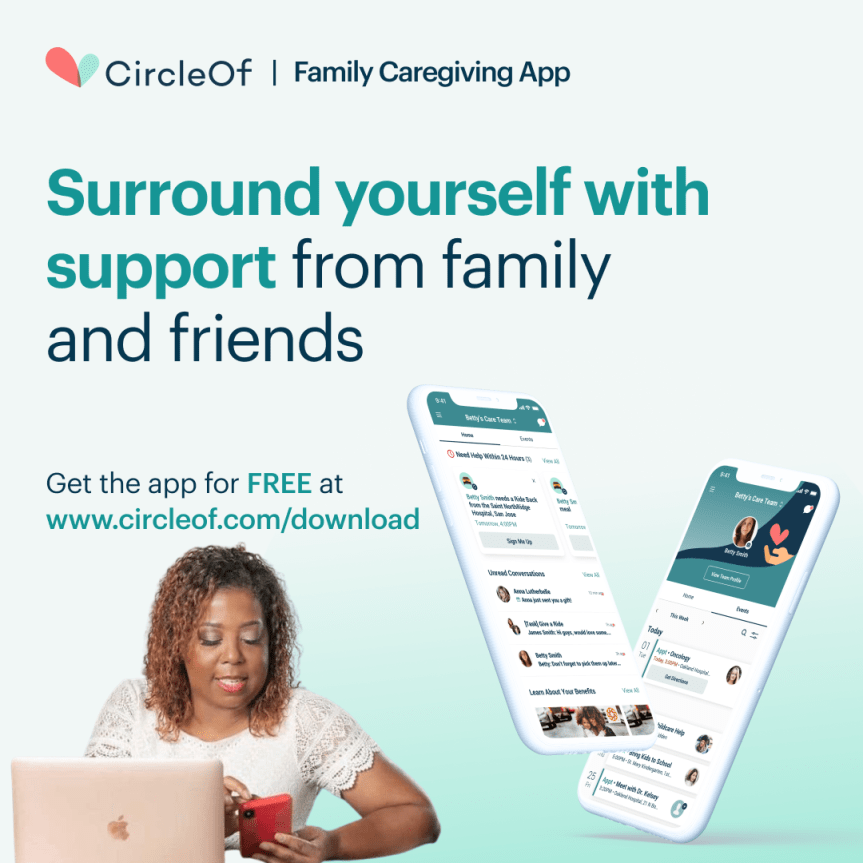
It’s here, I am so excited to share a new caregiver app called CircleOf….This app will allow you to surround yourself with resources and experts from your community including ME!!!! As you are looking through the app, you will see my familiar face. I’m excited about this partnership and new ways to support you as you support your loved one. Here’s the link so you can explore the app. I would love your feedback and spread the word by sharing the link to family and friends.

Visit http://www.rozjonesent.com for more information on addressing mental health as a caregiver and check out my upcoming book!

How to Talk to Your Kids About Tough Topics

By Roz Jones

You might find it uncomfortable talking about some subjects with your kids. It might be because of your own background, your cultural or religious values. As a caregiver, one challenge may be even finding the time to sit down to have the conversation. Even though it’s difficult, it’s important to talk about the tough topics that affect our kids. It’s a good idea to identify the topics that might confuse, scare, or overwhelm your child.

Here are some tips for addressing the sticky topics with your kids:

  • If something sad happens within your family, like an illness, a death, or a divorce, try to be the one to talk to them about it first. Set aside time with your child where you can both be comfortable, and choose a safe environment where you can talk to them about it.
  • Keep your answers simple and appropriate for their age. Children under six aren’t necessarily going to understand or be patient while you give them a long, drawn out explanation.
  • Be honest and talk as truthfully as you can about the topic.
  • Come back to the topic. It will take time for your child to understand. Let them know they are welcome to come back and ask you questions about the topic at any time.
  • If the topic is one that is bothering them, be open and ask open-ended questions to help them describe how they feel or what they think.
  • Listen to your child. Make eye contact and get as close to their level as you can. 
  • Above all, remain calm even if the topic is sad or difficult for you personally. It’s also okay to have feelings and let your child know how you feel.

I’ve just launched Shop With Roz, my online store filled with supplies and gifts for every caregiver. You can find a wide variety of products in the store to help yourself and your loved one. Check it out here!

After you have a look through the store, see any products you use and love as a caregiver, and think we should share them with everyone? Let me know!

It’s here, I am so excited to share a new caregiver app called CircleOf….This app will allow you to surround yourself with resources and experts from your community including ME!!!! As you are looking through the app, you will see my familiar face. I’m excited about this partnership and new ways to support you as you support your loved one. Here’s the link so you can explore the app. I would love your feedback and spread the word by sharing the link to family and friends.

Visit www.rozjonesent.com for more information on addressing mental health as a caregiver and check out my upcoming book!