
Navigating VA Benefits: Respite Care Options for Veterans in Hospitals

By Roz Jones

Respite care is not only a valuable resource for caregivers but also a way to ensure that our veterans receive the high-quality care they deserve. Join me as we navigate the journey of accessing respite care benefits through the Department of Veterans Affairs (VA).

The Essence of Respite Care

Caregiving is a noble endeavor, but it can also be physically and emotionally demanding. Respite care provides caregivers with a temporary break, allowing them to rest, recharge, and prioritize their well-being. For veterans who require hospital care, respite care ensures that they continue to receive necessary medical attention while caregivers take a well-deserved pause. It’s a win-win situation that safeguards the health of both caregivers and veterans.

The Role of VA Benefits

Respite care for veterans in hospitals is a crucial service made possible through VA benefits. The Department of Veterans Affairs recognizes the importance of respite care and offers programs to support caregivers and veterans. These programs provide funding and assistance for temporary caregiving arrangements, ensuring that veterans receive uninterrupted care even when their primary caregivers take a break.

Exploring Respite Care Options

Let’s delve into the respite care options available for veterans in hospitals and how caregivers can access these resources:

  • Hospital Respite Care: VA benefits encompass hospital respite care, allowing veterans to receive temporary medical care in a hospital setting. This care is provided by trained medical professionals, ensuring that veterans’ medical needs are met.
  • Caregiver Support Programs: The VA offers caregiver support programs that guide caregivers through the process of accessing respite care benefits. These programs provide information, assistance with documentation, and connections to available resources.
  • Application Process: Caregivers can initiate the application process by contacting their local VA medical center or clinic. VA representatives will provide guidance on eligibility criteria, required documentation, and the application process itself.
  • Coordination and Scheduling: Once eligibility is determined, caregivers and VA representatives will work together to coordinate and schedule hospital respite care. This ensures a seamless transition for both the caregiver and the veteran.

Advocating for Caregivers and Veterans

As caregivers, your dedication to our veterans is invaluable, and accessing respite care benefits is a proactive way to ensure you can continue providing the best care possible. By taking care of yourselves, you’re enhancing your ability to care for our veterans effectively. Remember, seeking support and utilizing available resources is a sign of strength, not weakness. The VA benefits are designed to acknowledge and honor your commitment.

Accessing respite care benefits through VA programs is a powerful way to prioritize the well-being of both caregivers and veterans. By connecting with the appropriate VA services and tapping into available benefits, caregivers can access the support they need to continue their essential role in the lives of our veterans.

If you have an aging loved one who is a veteran, I have some valuable information to share with you. Your aging loved one may be eligible for important Veterans Benefits. Check out Patriot Angels, a company that specializes in assisting veterans and their families. To explore these benefits and find out if your loved one qualifies, I encourage you to get in touch with them. When you reach out, remember to ask for Mali Covington, and kindly let her know that you were referred by Roz Jones with Roz Jones Enterprises. This could be a significant step towards ensuring your loved one receives the support they deserve!

Planning a Summer Vacation with an Aging Loved One? Download the FREE Checklist!

Are you embarking on a summer vacation adventure with a loved one in need of care? Whether you’re a caregiver or know someone who is, we understand the unique challenges and considerations that come with vacationing while ensuring your loved one is safe..

Make your vacation experience stress-free and enjoyable for both you and your loved one, we’re excited to offer you a free downloadable checklist!

Stay Ahead of the Storm: Download Your Free Expert Storm Guide Now!

Photo by ALTEREDSNAPS on Pexels.com

As we know, June โ€“ November is Hurricane Season. As a family caregiver, there are many ways to prepare your loved ones for it. Early preparation helps reduce opportunities for stress and anxiety as storms approach.

One of the best ways to prepare is allowing your loved on to assist in packing their travel bag, checking their contact list and ensuring there are adequate emergency supplies.

Participationโ€ฆ not isolationโ€ฆ go a long way when preparing for major storms. This Seniors Storm Guide gives essential information to refer to again and again!
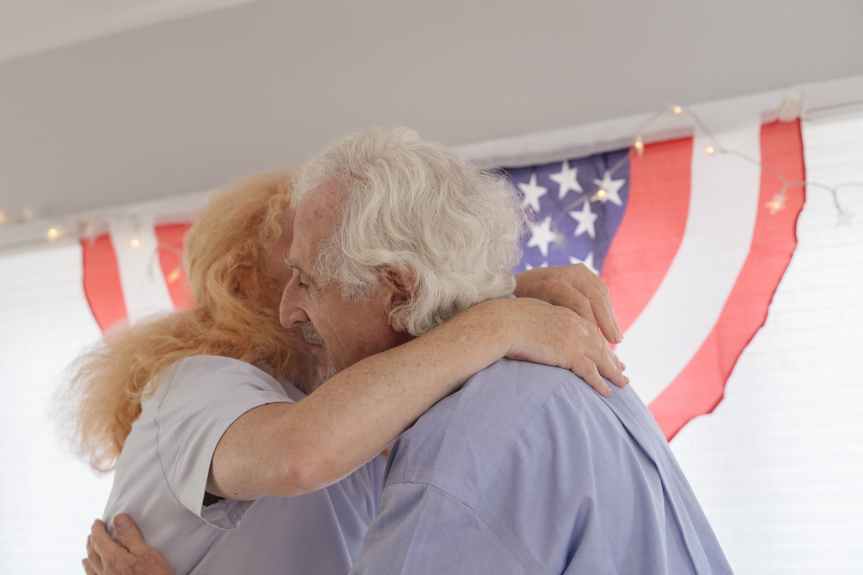


We All Need A Break: How Hospital Respite Care Can Help Veterans

By Roz Jones

As caregivers, friends, and family members, it’s essential that we understand the resources available to veterans, particularly when it comes to their health and well-being. Join me as we delve into the realm of hospital respite care, a cornerstone of VA benefits that can make a significant difference in the lives of our veterans.

Understanding Hospital Respite Care

Caregiving for veterans is a role of honor, but it comes with its challenges. Hospital respite care is a vital service that aims to support both veterans and caregivers by providing a temporary break for caregivers while ensuring that veterans receive the care they need. This service is especially beneficial when veterans require hospital-level medical attention, and caregivers could use some time to rest and recharge.

The Role of VA Benefits

VA benefits are a testament to our nation’s gratitude for veterans’ service and sacrifices. These benefits encompass a wide range of services, including healthcare, financial assistance, education support, and more. Hospital respite care is one of the ways that VA benefits address the unique needs of veterans and caregivers, ensuring that high-quality care is provided on all fronts.

The Benefits of Hospital Respite Care

Let’s take a closer look at how hospital respite care can benefit veterans and caregivers alike:

  • Support for Caregivers: Caregiving can be physically and emotionally demanding. Hospital respite care offers caregivers the opportunity to take a well-deserved break, allowing them to recharge and prioritize their own well-being.
  • Continuity of Care: For veterans with medical needs that require hospital care, hospital respite care ensures that their medical treatment remains uninterrupted even when their primary caregivers take a break.
  • Quality Care: Hospital respite care is provided by trained medical professionals, ensuring that veterans receive the necessary medical attention and expertise during their stay.
  • Preventing Burnout: Caregiver burnout is a real concern, and hospital respite care serves as a preventive measure to help caregivers avoid exhaustion and maintain their ability to provide quality care.

Accessing Hospital Respite Care

Understanding how to access hospital respite care through VA benefits is essential for caregivers and veterans. Here’s a general guide to navigating the process:

  • Connect with VA Services: Reach out to your local VA medical center or clinic to inquire about hospital respite care options and the application process.
  • Eligibility Assessment: The VA will assess the veteran’s eligibility for hospital respite care benefits. Eligibility criteria may include the need for medical care, service-connected disabilities, and other factors.
  • Documentation: Prepare the necessary documentation, which may include medical records, service records, and other relevant information.
  • Application Process: Follow the steps provided by the VA facility to initiate the application process for hospital respite care benefits.

Hospital respite care is a beacon of support for both veterans and caregivers, ensuring that high-quality care is provided while caregivers take much-needed breaks. Through VA benefits, our nation acknowledges the dedication of caregivers and the sacrifices of veterans, offering resources that enhance their well-being.

If you have an aging loved one who is a veteran, I have some valuable information to share with you. Your aging loved one may be eligible for important Veterans Benefits. Check outย Patriot Angels,ย a company that specializes in assisting veterans and their families. To explore these benefits and find out if your loved one qualifies, I encourage you to get in touch with them. When you reach out, remember to ask for Mali Covington, and kindly let her know that you were referred by Roz Jones with Roz Jones Enterprises. This could be a significant step towards ensuring your loved one receives the support they deserve!

Planning a Summer Vacation with an Aging Loved One? Download the FREE Checklist!

Are you embarking on a summer vacation adventure with a loved one in need of care? Whether you’re a caregiver or know someone who is, we understand the unique challenges and considerations that come with vacationing while ensuring your loved one is safe..

Make your vacation experience stress-free and enjoyable for both you and your loved one, we’re excited to offer you a free downloadable checklist!

Stay Ahead of the Storm: Download Your Free Expert Storm Guide Now!

Photo by ALTEREDSNAPS on Pexels.com

As we know, June โ€“ November is Hurricane Season. As a family caregiver, there are many ways to prepare your loved ones for it. Early preparation helps reduce opportunities for stress and anxiety as storms approach.

One of the best ways to prepare is allowing your loved on to assist in packing their travel bag, checking their contact list and ensuring there are adequate emergency supplies.

Participationโ€ฆ not isolationโ€ฆ go a long way when preparing for major storms. This Seniors Storm Guide gives essential information to refer to again and again!


Creating a Detailed Care Plan: Ensuring Continuity of Care

By Roz Jones

When caregivers go on vacation, ensuring the continuity of care for their aging parents is of utmost importance. In this four-part blog series, we have been exploring strategies to help caregivers plan for and ensure peace of mind while caring for their aging parents during their vacation. In this third blog, we will focus on creating a detailed care plan that encompasses all the necessary information to ensure the well-being and comfort of aging parents. By having a comprehensive care plan in place, caregivers can have confidence that their loved ones will continue to receive the care they need even in their absence.

Assessing Care Needs:

Start by assessing the specific care needs of your aging parents. Consider their medical conditions, medications, daily routines, dietary restrictions, and any specialized care they require. This assessment will form the foundation of your care plan and help you address their unique needs effectively.

Daily Routines:

Outline the daily routines and activities that your aging parents are accustomed to. Include information about meal times, medication schedules, personal care routines, exercise or mobility routines, and any other activities that are important for their well-being. Ensure that the care plan reflects their preferences and habits as closely as possible to provide a sense of familiarity and comfort.

Medication Management:

Carefully document the medication schedule, dosage instructions, and any special considerations for each medication. Include information about medication allergies, potential side effects, and emergency procedures in case of medication-related issues. It’s crucial to share this information with designated caregivers or healthcare professionals who will be assisting with medication administration.

Emergency Procedures:

Incorporate detailed emergency procedures into the care plan to ensure preparedness in case of unforeseen situations. Include emergency contact numbers for healthcare providers, family members, neighbors, and any other relevant individuals. Provide clear instructions on what to do in case of medical emergencies, power outages, natural disasters, or any other emergencies that may arise.

Communication and Contact Information:

Include a list of important contact information, such as primary healthcare providers, specialists, pharmacies, and medical insurance details. Additionally, provide contact information for the designated caregivers who will be taking care of your aging parents during your vacation. Ensure that all parties involved have each other’s contact information and are aware of the care plan.

Creating a detailed care plan is crucial for ensuring the continuity of care for aging parents while caregivers are on vacation. By assessing care needs, outlining daily routines, managing medications, preparing for emergencies, and sharing contact information, caregivers can provide comprehensive guidance to designated caregivers and healthcare professionals. A well-prepared care plan will ensure that aging parents receive the support and assistance they need, giving caregivers peace of mind to enjoy their vacation. In the next blog, we will discuss the importance of effective communication and regular check-ins during the vacation period to maintain a strong connection with aging parents.

Planning a Summer Vacation with an Aging Loved One? Download the FREE Checklist!

Are you embarking on a summer vacation adventure with a loved one in need of care? Whether you’re a caregiver or know someone who is, we understand the unique challenges and considerations that come with vacationing while ensuring your loved one is safe..

Make your vacation experience stress-free and enjoyable for both you and your loved one, we’re excited to offer you a free downloadable checklist!

Stay Ahead of the Storm: Download Your Free Expert Storm Guide Now!

Photo by ALTEREDSNAPS on Pexels.com

As we know, June โ€“ November is Hurricane Season. As a family caregiver, there are many ways to prepare your loved ones for it. Early preparation helps reduce opportunities for stress and anxiety as storms approach.

One of the best ways to prepare is allowing your loved on to assist in packing their travel bag, checking their contact list and ensuring there are adequate emergency supplies.

Participationโ€ฆ not isolationโ€ฆ go a long way when preparing for major storms. This Seniors Storm Guide gives essential information to refer to again and again!


The Connection Between Rehabilitation and Hospital Discharge: A Caregiver’s Guide

By Roz Jones

Rehabilitation is an important aspect of the recovery process for many patients, as it helps patients regain their strength, independence, and mobility. Rehabilitation can also be an important aspect of preventing readmissions, as patients who receive rehabilitation services have a lower risk of readmission. Caregivers play an essential role in ensuring that their loved ones receive the necessary rehabilitation services during the hospital discharge process. In this post, we will discuss the connection between rehabilitation and hospital discharge from a caregiver’s perspective.

  1. Understanding the rehabilitation plan: Caregivers should understand the patient’s rehabilitation plan, including the types of rehabilitation services, the frequency, and the duration of the services.
  2. Coordinating rehabilitation services: Caregivers should work with the healthcare team to schedule any necessary rehabilitation services, such as physical therapy, occupational therapy, or speech therapy.
  3. Identifying potential barriers to rehabilitation: Caregivers should be aware of any potential barriers to rehabilitation, such as lack of transportation or financial assistance, and work with the healthcare team to address them.
  4. Providing support during rehabilitation: Caregivers should provide emotional and practical support during the rehabilitation process, such as accompanying the patient to therapy sessions, and helping them with exercises and activities at home.
  5. Monitoring progress: Caregivers should monitor the patient’s progress during the rehabilitation process, and communicate any concerns or changes to the healthcare team.
  6. Supporting adherence to the rehabilitation plan: Caregivers should support the patient in sticking to the rehabilitation plan, and encourage them to maintain the progress made during rehabilitation.

By understanding the rehabilitation plan, coordinating rehabilitation services, identifying potential barriers, providing support, monitoring progress and supporting adherence to the rehabilitation plan, caregivers can play a vital role in ensuring that their loved ones receive the necessary rehabilitation services during the hospital discharge process. It’s important to remember that rehabilitation is an essential part of recovery and it can be the key to prevent readmissions and to ensure continuity of care. Caregivers should work closely with healthcare providers to ensure that their loved one receives the best possible care during this transition.


Join Me for The Hospital to Home… Get Your Ducks In A Row Webinar!

February 18, 2023, 9:00 AM Central Time | 10:00 AM Eastern Time

Being prepared for hospital discharge keeps you informed and helps you to provide care, and support your loved one’s needs while preventing injury and re-hospitalization.

Purchase your tickets today to secure your seat! This is something you don’t want to miss!


Stay Connected!

Navigating the Hospital Discharge Process as a New Caregiver

By Roz Jones

Becoming a caregiver for a loved one during a hospital stay can be overwhelming, especially when it comes to navigating the discharge process. New caregivers may be unfamiliar with the healthcare system and may not know what to expect during the discharge process. In this post, we will discuss strategies for navigating the hospital discharge process as a new caregiver.

  1. Get organized: It is important for caregivers to keep track of important information such as medications, follow-up appointments, and home care services. Keeping a binder or a folder can help caregivers keep all the important information in one place.
  2. Communicate with the healthcare team: It is important for caregivers to communicate with the healthcare team to ensure that they understand the patient’s care plan, any potential complications, and the steps required for a safe discharge.
  3. Ask for clarification: Caregivers should feel free to ask for clarification on any medical jargon or information that they do not understand.
  4. Utilize available resources: Caregivers should take advantage of any available resources such as patient education classes, support groups, or social workers.
  5. Get familiar with insurance and financial assistance: Caregivers should take the time to understand their loved one’s insurance coverage and explore any financial assistance options.
  6. Seek help: Caregivers should not hesitate to seek help from family, friends, or professional caregivers to help them manage the discharge process.

By getting organized, communicating with the healthcare team, asking for clarification, utilizing available resources, getting familiar with insurance and financial assistance, and seeking help, new caregivers can navigate the hospital discharge process with more confidence. It’s important to remember that the hospital discharge process can be overwhelming, but by taking the necessary steps and seeking help, caregivers can ensure that their loved one receives the best possible care during this transition.


Join Me for The Hospital to Home… Get Your Ducks In A Row Webinar!

February 18, 2023, 9:00 AM Central Time | 10:00 AM Eastern Time

Being prepared for hospital discharge keeps you informed and helps you to provide care, and support your loved one’s needs while preventing injury and re-hospitalization.

Purchase your tickets today to secure your seat! This is something you don’t want to miss!


Stay Connected!