Your Insurance Coverage May Not Cover You When You Travel

By Roz Jones

When it comes to traveling with aging loved ones, ensuring their safety, well-being, and peace of mind is of utmost importance. One essential aspect of travel planning is securing appropriate travel insurance. Travel insurance provides financial protection and access to necessary medical services in case of unforeseen events during the trip. In this blog, we will explore the importance of travel insurance for aging loved ones and provide key information to help you make informed decisions when choosing the right coverage.

Understanding the Need for Travel Insurance:

As we age, our health becomes more unpredictable, making travel insurance a crucial consideration. Travel insurance offers coverage for various unexpected situations, such as trip cancellations, medical emergencies, lost baggage, or travel delays. For aging loved ones, the risk of health-related incidents during travel is higher, making it essential to have adequate coverage to mitigate potential financial burdens and ensure access to necessary medical care while away from home.

Assessing Medical Coverage:

When choosing travel insurance for aging loved ones, it is crucial to carefully assess the medical coverage provided. Look for policies that offer comprehensive medical coverage, including emergency medical treatment, hospital stays, and medical evacuation if needed. Consider their pre-existing medical conditions and ensure that the policy covers any potential health issues that may arise during the trip.

Trip Cancellation and Interruption Coverage:

Trip cancellation and interruption coverage is particularly important for aging loved ones who may face higher risks of unexpected health issues or changes in their condition. This coverage helps reimburse non-refundable trip expenses in case of trip cancellation or provides compensation for additional expenses incurred due to trip interruptions. Make sure to review the policy’s terms and conditions, including the covered reasons for trip cancellation or interruption.

Evaluating Coverage for Lost Baggage and Personal Belongings:

Protecting personal belongings, including luggage and valuables, is another important aspect of travel insurance. Aging loved ones may have specific items they rely on for daily care or comfort. Look for policies that provide adequate coverage for lost or damaged baggage, as well as coverage for essential items such as mobility aids, prescription medications, or assistive devices. Understand the policy’s limitations, deductibles, and the process for filing claims.

Considering Emergency Assistance Services:

Emergency assistance services are valuable in situations where immediate support and guidance are needed. Look for policies that offer 24/7 emergency assistance services, including access to a helpline for medical advice, coordination of medical services, or help with travel arrangements in case of emergencies. These services can provide peace of mind and ensure that your aging loved one receives prompt assistance when needed.

Reading and Comparing Policies:

Before making a decision, carefully read and compare different travel insurance policies. Pay attention to the coverage limits, exclusions, deductibles, and any additional riders or optional coverage available. Consider the specific needs of your aging loved one and choose a policy that best aligns with those needs and your travel plans.

Travel insurance is an essential component of travel planning, particularly when traveling with aging loved ones. It provides financial protection, access to medical care, and peace of mind during the trip. By understanding the need for travel insurance, assessing medical coverage, evaluating trip cancellation and interruption coverage, considering coverage for lost baggage and personal belongings, and reviewing emergency assistance services, you can make informed decisions to ensure the safety and well-being of your aging loved ones while traveling. Remember, comprehensive travel insurance offers valuable protection, allowing you and your loved ones to enjoy your adventures with confidence.

Planning a Summer Vacation with an Aging Loved One? Download the FREE Checklist!

Are you embarking on a summer vacation adventure with a loved one in need of care? Whether you’re a caregiver or know someone who is, we understand the unique challenges and considerations that come with vacationing while ensuring your loved one is safe..

Make your vacation experience stress-free and enjoyable for both you and your loved one, we’re excited to offer you a free downloadable checklist!

Stay Ahead of the Storm: Download Your Free Expert Storm Guide Now!

Photo by ALTEREDSNAPS on Pexels.com

As we know, June โ€“ November is Hurricane Season. As a family caregiver, there are many ways to prepare your loved ones for it. Early preparation helps reduce opportunities for stress and anxiety as storms approach.

One of the best ways to prepare is allowing your loved on to assist in packing their travel bag, checking their contact list and ensuring there are adequate emergency supplies.

Participationโ€ฆ not isolationโ€ฆ go a long way when preparing for major storms. This Seniors Storm Guide gives essential information to refer to again and again!


Safety First: Preparing for Emergencies While on Vacation with Your Aging Loved One

By Roz Jones

Going on vacation is a time to relax, unwind, and create lasting memories. However, as a caregiver, it’s essential to prioritize safety and be prepared for emergencies, even when you’re away from home. By taking proactive steps and planning ahead, you can ensure the well-being of your loved ones and have peace of mind during your vacation. In this blog, we will explore key strategies and practical tips for caregivers to prepare for emergencies while enjoying their well-deserved time off.

Conduct a thorough pre-vacation assessment:
Before you embark on your vacation, conduct a comprehensive assessment of your loved one’s health and safety needs. Review their medical conditions, medications, and any specific care requirements. Discuss their needs with their healthcare provider, and ensure you have updated copies of their medical records and emergency contact information. This assessment will help you anticipate potential emergencies and plan accordingly.

Create an emergency plan:
Developing a clear and concise emergency plan is crucial, both for your peace of mind and the well-being of your loved one. Discuss emergency protocols with family members, friends, or neighbors who can assist in case of an emergency. Ensure they are familiar with your loved one’s medical conditions, medications, and any necessary procedures. Provide them with a list of emergency contact numbers and detailed instructions on how to handle specific situations.

Pack a well-stocked emergency kit:
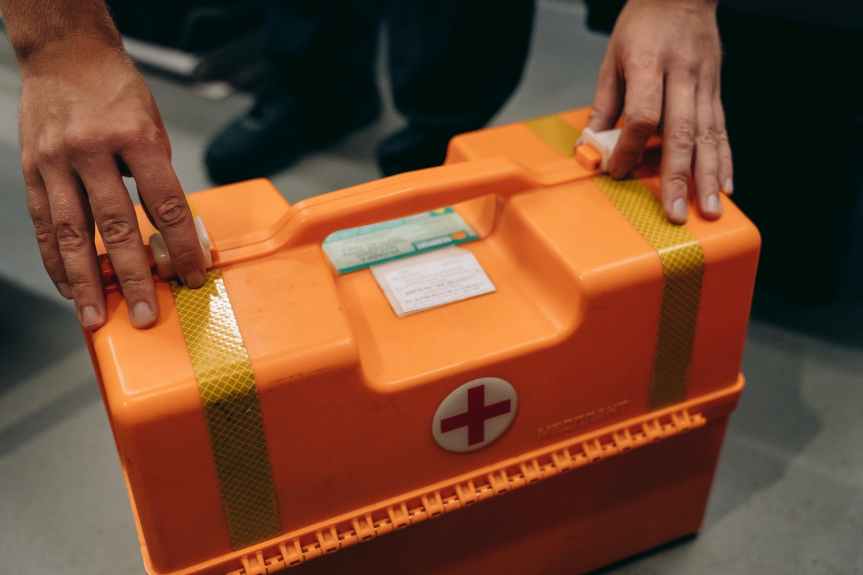
When you’re on vacation, having a well-stocked emergency kit can be a lifesaver. Include essential items such as prescribed medications, first aid supplies, important documents (health insurance cards, identification), a list of emergency contacts, and any medical equipment or assistive devices your loved one requires. Keep the kit easily accessible and make sure others are aware of its location in case they need to access it quickly.

Research local healthcare facilities:
Before you travel, research and identify healthcare facilities in the destination area. Find out where the nearest hospitals, urgent care centers, and pharmacies are located. Make a note of their contact information and their accessibility for individuals with specific needs. Having this information readily available will save precious time in case of a medical emergency.

Consider travel insurance options:
Travel insurance can provide added security and peace of mind for both you and your loved one. Look into travel insurance plans that offer coverage for medical emergencies, trip cancellations, and interruptions. Read the fine print and ensure that the policy covers any pre-existing medical conditions. Having the right travel insurance can provide financial protection and assistance in case of unexpected situations.

As a caregiver, prioritizing safety and preparing for emergencies while on vacation is essential. By conducting a pre-vacation assessment, creating an emergency plan, packing a well-stocked emergency kit, researching local healthcare facilities, and considering travel insurance options, you can ensure the well-being of your loved one and enjoy your vacation with peace of mind. Remember, with proper preparation and a proactive approach, you can navigate potential emergencies confidently and create beautiful memories while keeping safety first.

Planning a Summer Vacation with an Aging Loved One? Download the FREE Checklist!

Are you embarking on a summer vacation adventure with a loved one in need of care? Whether you’re a caregiver or know someone who is, we understand the unique challenges and considerations that come with vacationing while ensuring your loved one is safe..

Make your vacation experience stress-free and enjoyable for both you and your loved one, we’re excited to offer you a free downloadable checklist!

Stay Ahead of the Storm: Download Your Free Expert Storm Guide Now!

Photo by ALTEREDSNAPS on Pexels.com

As we know, June โ€“ November is Hurricane Season. As a family caregiver, there are many ways to prepare your loved ones for it. Early preparation helps reduce opportunities for stress and anxiety as storms approach.

One of the best ways to prepare is allowing your loved on to assist in packing their travel bag, checking their contact list and ensuring there are adequate emergency supplies.

Participationโ€ฆ not isolationโ€ฆ go a long way when preparing for major storms. This Seniors Storm Guide gives essential information to refer to again and again!


Shop The Caregiver Cafe E-Commerce Store!

We founded The Caregiver Cafe Shopify Store with one simple goal: to help you experiment with your passion while at the same time providing amazing prices. We were tired of cookie-cutter stores with lackluster selections, and boring gifts. Instead of offering a huge unoriginal collection, we carefully curate just a few unique pieces perfectly suited for people the taste buds like you.

We focus on items that get you excited about shopping again, as we believe buying online should always be fun!


Subscribe to The Caregiver Cafe Weekly Newsletter!

Caregiving can be a roller coaster of ups and downs. The information that you will receive from The Caregiver Cafe Weekly Specials Newsletter will support you as a caregiver. Remember…

1. YOU ARE NOT ALONE: The problems you face as a caregiver are experienced by other caregivers. Knowing that you’re not alone can be comforting. 

2. Tools and Resources:  Find caregiver stress management tools and gain perspective from other caregivers’ experiences.

3. LEARN TO: Ask for help, accept help when it is offered, and acknowledge yourself on this caregiving journey. Hear from experts on how to balance caregiving responsibilities by taking care of your needs and involving others to help manage the natural stress and isolation of being a caregiver. 

Pros of Installing Security Cameras in the Home for Your Aging Loved One

By Roz Jones

As your aging loved one gets older, you may start to worry about their safety and security in their home. One way to alleviate some of these worries is by installing security cameras in their home. Here are some of the pros of having security cameras installed in the home for your aging loved one:

  1. Increased Safety: Security cameras can provide an added level of safety to your loved one’s home. With security cameras, you can deter potential burglars and intruders from targeting your loved one’s home. If there is any suspicious activity, security cameras can provide early warning, allowing your loved one to take necessary precautions.
  1. Monitoring Caregivers: If your aging loved one receives care from a caregiver, security cameras can help monitor the quality of care they receive. With security cameras, you can monitor the caregiver’s actions and ensure that they provide adequate care for your loved one. This can be particularly useful if you have concerns about the caregiver’s reliability or if your loved one requires a high level of care.
  1. Remote Monitoring: Security cameras can be accessed remotely, allowing you to keep an eye on your loved one’s safety and well-being even when you’re away from home. With remote access, you can check in on your loved one’s activities and make sure they are safe and secure.
  1. Evidence Collection: In case of a break-in or other criminal activity, security cameras can provide valuable evidence to the authorities. With clear footage, the police can identify the perpetrator and prosecute them accordingly.
  1. Peace of Mind: Having security cameras installed in the home can give you peace of mind knowing that your loved one is safe and secure. You can check on them at any time, even when you’re away, and know that they are being monitored for any potential safety hazards.

Overall, installing security cameras in the home of your aging loved one can provide several benefits, including increased safety, remote monitoring, and evidence collection. With these benefits, you can have peace of mind knowing that your loved one is safe and secure.


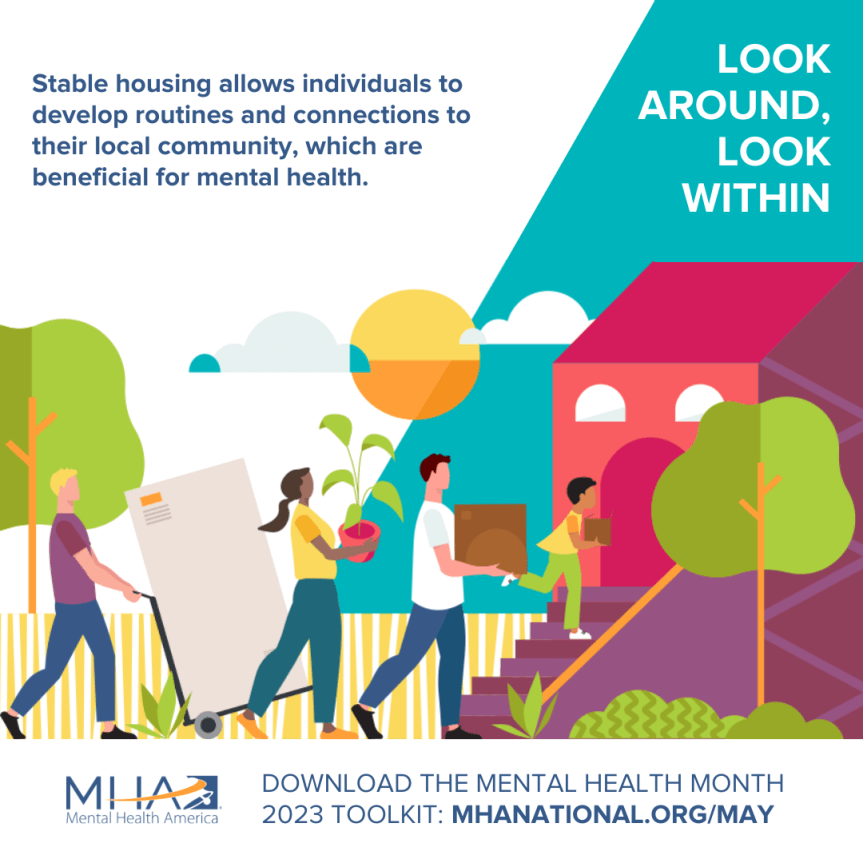
Unlock and Shape Your Home Environment with this Worksheet

Shape your home environment with this worksheet from Mental Health America! Learn how you can fall in love with your home to protect your mental health! Download today!


Shop The Caregiver Cafe E-Commerce Store!

We founded The Caregiver Cafe Shopify Store with one simple goal: to help you experiment with your passion while at the same time providing amazing prices. We were tired of cookie-cutter stores with lackluster selections, and boring gifts. Instead of offering a huge unoriginal collection, we carefully curate just a few unique pieces perfectly suited for people the taste buds like you.

We focus on items that get you excited about shopping again, as we believe buying online should always be fun!


Listen to the latest Caregiver Cafe Podcast!

Managing the responsibilities of caregiving can be overwhelming, especially if you have other commitments such as work and family.

Transitioning your parents to a more supportive environment, like an assisted living facility or your home can help alleviate some of the caregiving burden and ensure they receive the care they need.

In this episode, we get down to how to handle such a major shift in both you and your parents’ life.

Press play to listen in.

Subscribe to The Caregiver Cafe Weekly Newsletter!

Caregiving can be a roller coaster of ups and downs. The information that you will receive from The Caregiver Cafe Weekly Specials Newsletter will support you as a caregiver. Remember…

1. YOU ARE NOT ALONE: The problems you face as a caregiver are experienced by other caregivers. Knowing that you’re not alone can be comforting. 

2. Tools and Resources:  Find caregiver stress management tools and gain perspective from other caregiver’s experiences.

3. LEARN TO: Ask for help, accept help when it is offered, and acknowledge yourself on this caregiving journey. Hear from experts on how to balance caregiving responsibilities by taking care of your needs and involving others to help manage the natural stress and isolation of being a caregiver. 

How to Talk to Your Loved Ones About Advance Directives

By Roz Jones

Advance directives are an essential tool for ensuring that an individual’s healthcare preferences are respected in the event they are unable to communicate. There are different types of advance directives that may best fit your situation. However, it can be challenging to talk to loved ones about end-of-life care and medical decision-making. In this blog, we will explore the importance of discussing advance directives with family members and loved ones, as well as tips for starting the conversation.

The Importance of Discussing Advance Directives with Family Members & Loved Ones

One of the most important reasons to talk to loved ones about advance directives is to ensure that everyone is on the same page when it comes to medical decision-making. This can prevent confusion and conflict in difficult situations and can provide peace of mind for both the individual and their loved ones. The main benefit of advance directives is that they can eliminate confusion during times that require critical decision-making.

To start the conversation about advance directives, it’s important to choose a time and place where everyone feels comfortable and there are no distractions. It may be helpful to begin the conversation by discussing a news article or a personal experience that highlights the importance of advance directives. It’s also important to approach the conversation with empathy and understanding and to acknowledge that it can be a difficult topic to discuss. Ensure you understand the legal and ethical issues involved with advance directives before talking with your loved one because questions will arise. An inability to answer will spell doom or fear in their minds which you don’t want.

Tips for Starting the Conversation About Advance Directives

Some tips for facilitating the conversation include asking open-ended questions, actively listening to each other’s concerns and preferences, and providing resources and information to help everyone make informed decisions. It may also be helpful to involve a healthcare provider or a legal professional to provide guidance and answer any questions.

Discussion of the Emotional Benefits of Having the Conversation

Discussing advance directives can have emotional benefits as well. It can provide a sense of control and empowerment for individuals and can bring families closer together by fostering open and honest communication.

It’s important to talk to loved ones about advance directives to ensure that everyone is on the same page when it comes to medical decision-making. By approaching the conversation with empathy and understanding, and providing resources and information, families can make informed decisions and find peace of mind.


Secure Your Loved One’s Future & Protect Their Health by Purchasing the Caregiving & Advance Health Directives Checklist!

When creating an Advance Directive, itโ€™s important for you to identify the treatments you want and donโ€™t want when it comes to hospice or end-of-life care . In order to begin this process, you will need to complete state-specific forms. This worksheet can prepare you for those decisions youโ€™re going to make on those forms, and for conversations you need to have with family and doctors.


Stay Connected!

Legal and Ethical Considerations for Advance Directives

By Roz Jones

Advance directives are legal documents that provide guidance to healthcare providers and loved ones on an individual’s healthcare preferences in the event they are unable to communicate.

The benefits of advance directives, especially as it relates to hospice care contribute to its importance.

In this blog, we will explore the legal and ethical considerations surrounding advance directives, as well as the role of healthcare providers in honoring them.

Legal and Ethical Considerations Surrounding Advance Directives

One important legal consideration is that advance directives are legally binding documents. This means that healthcare providers must follow the instructions outlined in the document, as long as they are in compliance with state laws and medical ethics. Failure to follow an advance directive can result in legal consequences.

The Role of Healthcare Providers in Honoring Advance Directives

Another legal consideration is the issue of informed consent. Healthcare providers must ensure that individuals understand the implications of their advance directive and have made an informed decision. This includes ensuring that individuals are not being coerced or influenced by others to make certain decisions.

In addition to legal considerations, there are ethical considerations when it comes to advance directives. Healthcare providers must balance the principle of patient autonomy with their obligation to provide the best possible care. This can be a difficult balance, particularly in situations where an individual’s healthcare preferences conflict with medical best practices.

Another ethical consideration is the issue of cultural and religious beliefs. Advance directives must take into account an individual’s cultural and religious background, as these can impact their healthcare preferences. Healthcare providers must be respectful of these beliefs and work with individuals and their families to ensure that their healthcare wishes are respected.

Advance directives have important legal and ethical considerations that must be taken into account by healthcare providers and loved ones. By following state laws and medical ethics, healthcare providers can ensure that they are honoring the preferences of their patients and providing the best possible care. Speak to healthcare providers to be able to choose the best option for them. Educate your loved one on advance directives for the best outcome.


Secure Your Loved One’s Future & Protect Their Health by Purchasing the Caregiving & Advance Health Directives Checklist!

When creating an Advance Directive, itโ€™s important for you to identify the treatments you want and donโ€™t want at the end of life. In order to begin this process, you will need to complete state-specific forms. This worksheet can prepare you for those decisions youโ€™re going to make on those forms, and for conversations you need to have with family and doctors.


Stay Connected!