The Emotional Challenges of Caregiving for a Former Spouse or Baby Daddy

By Roz Jones

When a former spouse or baby daddy becomes ill or disabled, it can be a difficult and emotional time. Suddenly, you may find yourself in the role of caregiver for someone who was once your partner. This can bring up a variety of unique emotional challenges that can be difficult to navigate. In this blog, we will discuss the emotional challenges of caregiving for a former spouse and provide tips for managing emotions and maintaining boundaries.

Introduction to the Emotional Challenges of Caregiving for a Former Spouse

One of the main emotional challenges of caregiving for a former spouse is the history and baggage that may come with the relationship. Past hurts, resentments and unresolved issues can all resurface during this time. It’s important to acknowledge and process these emotions in order to move forward and provide effective care.

Another emotional challenge is the shift in roles and dynamics. The caregiving relationship can blur the lines between caregiver and partner, leading to confusion and discomfort. Additionally, there may be feelings of guilt or obligation to provide care, even if the relationship ended poorly.

Tips for Managing Emotions and Maintaining Boundaries

To manage these emotions, it’s important to prioritize self-care. This can include seeking support from friends and family, joining a support group, or seeking professional counseling. It’s also important to forgive yourself if you wronged them as you also forgive them if they wronged you. You must also set boundaries. You also want to communicate clearly with your former spouse about what you are and are not able to provide in terms of care.

Caregiving for a former spouse can bring up a variety of emotional challenges. By prioritizing self-care and setting clear boundaries, it is possible to provide effective care while maintaining your own emotional well-being. Remember, it’s okay to seek support and resources to help navigate this difficult time.


Transform Your Home Into a Sanctuary of Calm: Download Mental Health America’s Healthy Home Environments Document Today!

Are you looking for ways to improve your mental health and well-being? If so, we have just the thing for you! Mental Health Americaโ€™s new document โ€˜Healthy Home Environments,โ€ provides valuable insights into how you can optimize your living space to promote better mental health.

Whether you are living with a mental health condition or just looking for ways to enhance your overall well-being, this document offers practical tips and strategies that anyone can benefit from. From decluttering your space to incorporating natural elements, this document is packed with actionable steps you can take to transform your home into a sanctuary of calm and tranquility. Donโ€™t miss out on this opportunity to improve your mental health and download โ€œHealthy Home Environmentsโ€ today!


Stay Connected!

Coping with Caregiver Guilt When Choosing Adult Daycare for Your Aging Loved One

By Roz Jones

As a caregiver for an aging loved one, it’s natural to feel a sense of responsibility for their well-being. You want to make sure they receive the best possible care and support. However, when the time comes to consider adult daycare as an option, many caregivers can experience feelings of guilt and uncertainty. You may feel like you’re abandoning your loved one or failing as a caregiver.

It’s important to remember that choosing adult daycare is a positive and necessary decision for both you and your loved one. Adult daycare provides a safe and stimulating environment for your loved one, where they can socialize with others, engage in activities, and receive professional care and support.

To cope with caregiver guilt, it’s important to seek support. Talk to other caregivers, friends, or family members who can offer empathy and understanding. Joining a support group can also be helpful in connecting with others who are going through similar experiences.

Practicing self-care is another important coping strategy. Caregiving can be stressful, and it’s easy to neglect your own needs. Make sure to take breaks and prioritize activities that bring you joy and relaxation.

Staying involved in your loved one’s care can also help alleviate feelings of guilt. Attend their adult daycare program with them, participate in their activities, and stay informed about their care plan. This will help you feel connected and reassured that your loved one is receiving the best possible care.

It’s important to remember that choosing adult daycare is a positive and necessary decision for both you and your loved one. Adult daycare provides a safe and supportive environment for your loved one, and it allows you to maintain your own well-being as a caregiver. Explaining the benefits and factors that led to your choice of an adult care home will provide the logical basis for your decision. This goes a long way to helping you overcome undue guilt. Coping with caregiver guilt takes time and effort, but with the right support and self-care strategies, you can overcome these feelings and focus on providing the best possible care for your loved one.


May is Mental Health Month: Take Control of Your Mental Health with 31 Daily Tips

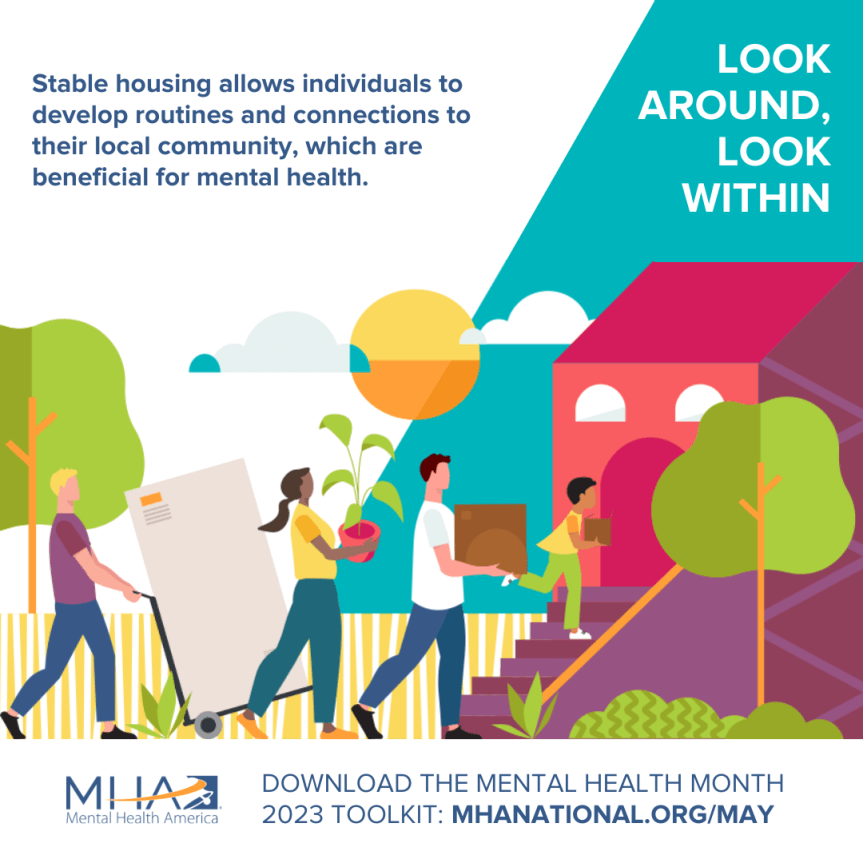
Mental Health America is proud to announce May as Mental Health Month, a time to prioritize and take control of your well-being. This year’s theme is Take Some Time To Look Around, Look Within emphasizing the importance of creating a supportive and uplifting environment for yourself and those around you. To help you achieve this goal, MHA has created a daily calendar with 31 tips for improving your mental health for the month.

Whether you’re struggling with anxiety, depression, stress, or simply looking for ways to maintain a healthy mindset the Mental Health Calendar has something for everyone with each day featuring a different tip or activity to promote self-care, resilience, and positive thinking.

Download the Mental Health Calendar now to learn how to cultivate a more supportive and nurturing environment for yourself and your aging loved one, while also building stronger relationships with those around you!


Stay Connected!

Help! My Baby Daddy is Sick and Needs Me to Take Care of Him!

By Roz Jones

When a former spouse or baby daddy is sick and needs your care, it can be a challenging situation to navigate. Whether you have a good or strained relationship with your ex, providing care for them can be emotionally and mentally taxing. In this blog, we will explore some tips and resources that can help you provide care for your former spouse while taking care of yourself.

Assess Your Ability to Provide Care
Before committing to caregiving, it’s important to assess your ability to provide care. This includes evaluating your availability, financial resources, and emotional capacity. If you have other caregiving responsibilities, work commitments, or health issues, you may need to consider alternative care options such as hiring a professional caregiver or enlisting the help of family and friends. It’s also important to set boundaries and establish clear expectations for caregiving, to prevent burnout and resentment.

Communicate with Your Ex
Open and honest communication is key to successful caregiving. If you have a good relationship with your ex, it may be easier to discuss caregiving arrangements and establish a plan of care. However, if your relationship is strained, it may be helpful to forgive yourself and them. You could also enlist the help of a mediator or therapist to facilitate communication. It’s important to listen to your ex’s needs and preferences and to communicate your own boundaries and limitations.

Seek Support
Caregiving can be emotionally and mentally challenging, and it’s important to seek support when needed. This can include reaching out to friends and family for help, joining a support group for caregivers, or seeking professional counseling. It’s also important to prioritize self-care, such as getting enough rest, exercise, and healthy meals.

Access Resources
There are many resources available for caregivers, including government programs, nonprofit organizations, and community services. These resources can provide financial assistance, respite care, and emotional support. Some resources to consider include the Family Caregiver Alliance, the National Alliance for Caregiving, and the National Council on Aging.

Providing care for a former spouse can be a challenging and complex situation. By assessing your ability to provide care, communicating with your ex, seeking support, and accessing resources, you can provide the best care possible while taking care of your own needs.


May is Mental Health Month: Take Control of Your Mental Health with 31 Daily Tips

Mental Health America is proud to announce May as Mental Health Month, a time to prioritize and take control of your well-being. This year’s theme is Take Some Time To Look Around, Look Within emphasizing the importance of creating a supportive and uplifting environment for yourself and those around you. To help you achieve this goal, MHA has created a daily calendar with 31 tips for improving your mental health for the month.

Whether you’re struggling with anxiety, depression, stress, or simply looking for ways to maintain a healthy mindset the Mental Health Calendar has something for everyone with each day featuring a different tip or activity to promote self-care, resilience, and positive thinking.

Download the Mental Health Calendar now to learn how to cultivate a more supportive and nurturing environment for yourself and your aging loved one, while also building stronger relationships with those around you!


Stay Connected!

How to Balance Caregiving and Entrepreneurship

For those who are balancing caregiving and entrepreneurship: tips for business owners, it can be difficult to find a balance between the two. As a business owner, you have to prioritize your tasks and manage your time to make sure both responsibilities are given the attention they need. Earlier we showed you how to be productive at the workplace as a caregiver. In this blog post, we’ll explore some strategies for balancing caregiving and entrepreneurship, so you can be successful in both roles to start building supportive relationships.

What is Caregiving?

Caregiving is a profession that involves assisting someone else, who is usually incapacitated, in their daily lives. For business owners, balancing caregiving and entrepreneurship can be a challenge. Caregiving is a demanding job that requires patience, understanding, and compassion, as well as an understanding of the particular needs of the person being cared for. Caregiving can involve providing companionship, helping with daily activities, providing transportation, providing meals, managing finances, or assisting with medical care. It can be a full-time job, or it can be done in addition to a regular job.

It is important for business owners who are also caregiving to prioritize self-care. Caregiving can be emotionally and physically draining, and it is important for those providing care to take care of themselves as well. Business owners should make sure to set aside time for themselves, even if it is only a few minutes each day. They should also make sure to take breaks from caregiving and find ways to reduce stress. And if you’re combining caregiving with a 9-5 some strategies could apply.

Business owners should also make sure to create an efficient schedule that allows them to balance caregiving and entrepreneurship. They should plan ahead, delegate tasks when possible, and look for ways to streamline their business operations. Finally, business owners should seek out resources and support networks to help them manage their caregiving duties.

How to Run a Successful Business as a Caregiver

As a business owner, it can be difficult to balance the demands of caregiving and entrepreneurship. With the right strategies and guidance, however, it is possible to successfully manage both. Here are some tips to help you achieve a healthy balance between caregiving and running a successful business.

First and foremost, it is essential to have a clear understanding of your business goals. Identify your long-term objectives and create a business plan that will help you reach them. Additionally, it is important to develop a strong financial plan. Create a budget, forecast revenue, and manage expenses to keep your business on track.

In addition to financial planning, you should also invest in a secure IT system to protect your data and manage your client information. Furthermore, it is important to build a strong team of qualified and reliable employees and contractors to help you manage daily operations and provide quality care for your clients.

To ensure that your business succeeds, it is important to promote yourself and your services. Develop a marketing plan to reach your target audience and advertise your services. Additionally, make sure to offer quality services to your clients.

Finally, it is important to be flexible and stay informed of the latest trends, regulations, and updates in your industry. By being flexible and keeping up-to-date with industry trends, you can remain competitive.

Balancing caregiving and entrepreneurship can be a challenge, but by following these tips, business owners can successfully manage both. With the right strategies, business owners can reach their goals, offer quality services, and remain competitive in their industry.

Growing a Business

As a business owner, balancing caregiving and entrepreneurship can be an overwhelming task. You want to make sure that you are providing the best possible care for your family while also taking care of your business. The key to success is to develop a comprehensive plan that outlines how you will manage both roles. Here are some tips to help you balance caregiving and entrepreneurship:

Develop a comprehensive business plan that outlines how you will balance your responsibilities as a caregiver and a business owner. This plan should include setting boundaries between business and caregiving, as well as time management strategies. Utilize technology and tools to automate as much of your business process as possible. This will help to free up time for caregiving. Additionally, take advantage of online resources to stay on top of industry developments.

Schedule time for yourself and your family to ensure that your caregiving and business roles donโ€™t merge. Prioritize time management to ensure that both your business and caregiving duties are fulfilled. Create a support system of family, friends, and colleagues who can help you manage the demands of both roles. Develop a plan to delegate tasks to employees and other caregivers to ensure that all needs are met.

Invest in a business coach or mentor to provide guidance and support. This can help you stay focused on both your caregiving and business roles. Additionally, seek out resources that can help you with financial and legal matters related to your business. These resources can be invaluable in ensuring that your business and caregiving responsibilities are managed effectively.

Balancing caregiving and entrepreneurship can be a challenge, but it is possible with the right plan and support. By utilizing technology, delegating tasks, and investing in support, you can be successful in both roles. With the right strategies and resources, you can ensure that your business and your family are taken care of.

Starting a Business

As a business owner and a caregiver, you face the unique challenge of balancing two responsibilities. It can often feel like a juggling act, with the demands of your business and caregiving constantly competing for your attention. To make things easier, it’s important to make a plan and set realistic expectations for what you can accomplish.

Outsourcing certain tasks can help you free up time and energy so you can focus on the most important aspects of your business. Taking advantage of technology and streamlining operations can also help you maximize your productivity. Additionally, setting aside time for yourself to rest and recharge is essential for maintaining your health and balance.

Having a strong support system is also critical for managing the demands of caregiving and entrepreneurship. Family, friends, and professionals can all provide valuable assistance, whether it’s advice, assistance with tasks, or just an outlet to talk and destress. Utilizing these support systems can help you stay organized, plan for contingencies, and set boundaries between your caregiving and business responsibilities.

Finally, staying educated on best practices in entrepreneurship and taking advantage of online resources can be invaluable. Many websites offer helpful advice and support specifically tailored to entrepreneurs and caregivers. Finding these resources in your native language can be especially beneficial, as it can make understanding complex concepts easier.

Balancing caregiving and entrepreneurship is no easy task, but it is possible. With the right plan and support system, you can make managing both responsibilities much easier.

Develop a Routine.

As an entrepreneur and a caregiver, it can be challenging to juggle both responsibilities at the same time. To help you balance both roles, here are some tips to help you stay organized and avoid burnout.

The first step is to create a daily routine and stick to it. Designate separate days for your business and caregiving activities and set aside specific times to focus on each activity. This will help you stay on track and make sure youโ€™re fully focused when youโ€™re working on either task.

Technology can also be a great asset when it comes to staying organized. Make use of online calendars, task management apps, and other digital tools to keep yourself on schedule. You can also take advantage of online resources to maximize efficiency and free up more time in your day.

Itโ€™s also important to delegate tasks to trusted professionals and family members whenever possible. This will help you free up more time and energy to focus on the tasks that only you can do.

Finally, make sure you take regular breaks throughout the day and prioritize self-care. Seek out support from other business owners and caregivers, and make time for yourself. This will help you avoid burnout and stay in a positive frame of mind.

Set Priorities – Entrepreneurship takes balancing

As an entrepreneur and caregiver, you may feel overwhelmed and like you’re constantly juggling two full-time responsibilities. Balancing caregiving and entrepreneurship can be challenging and draining, but it is possible. Here are some tips to help you stay organized and better manage your caregiving and business responsibilities.

First, take time to reflect and determine whatโ€™s most important to you. What are your goals and values? Prioritizing these will help you stay focused on what matters and make sure youโ€™re staying true to yourself.

Next, make a list of all the tasks you need to accomplish and prioritize them according to importance and urgency. This will help you allocate time to each task in an effective way. Itโ€™s also important to be realistic about how much time you can devote to each task.

Donโ€™t be afraid to delegate or ask for help. Having a supportive network is essential for success, both in business and caregiving. This could include family, colleagues, or a mentor.

Itโ€™s essential to set aside time for yourself and your family. This is your time to unwind and recharge, so make sure youโ€™re taking full advantage of it. Schedule regular check-ins with yourself to ensure that youโ€™re on track and that your priorities are still aligned with your goals.

Finally, take breaks throughout the day. This will help keep you motivated and focused on the tasks at hand. Even if itโ€™s just a few minutes here and there, itโ€™s important to give yourself time to rest and reset.

Balancing caregiving and entrepreneurship is no easy feat, but with the right strategies and support network, it is possible. Itโ€™s important to stay organized and prioritize your tasks to make sure youโ€™re taking care of both your business and caregiving responsibilities.

Donโ€™t Do It Alone.

Balancing caregiving and entrepreneurship can be a daunting task for business owners, but it doesnโ€™t have to be. With the right tips and strategies, you can remain focused and productive while taking care of your home life too.

First, donโ€™t go it alone. Reaching out for help from family, friends, or a trusted business advisor can make the process easier and give you the support you need.

Next, utilize technology to help you manage your time and stay organized. Apps, video conferencing, and other digital tools can help you save time and stay efficient in your day-to-day tasks.

Take breaks whenever you can. As a business owner and caregiver, itโ€™s important to step away from your work and recharge. This will help you focus and be more productive when youโ€™re back at it.

Finally, set boundaries between your caregiving responsibilities and business operations. Itโ€™s important to keep your work and home lives separate, even if they do overlap. This will help you stay focused and organized so you can properly balance both aspects of your life.

Balancing caregiving and entrepreneurship is a challenge, but it can be done. With these tips and strategies, you can remain productive and successful in both aspects of your life.

You Can Compromise, but Not on Self-care

Balancing caregiving and entrepreneurship is no easy feat, but it is possible. As a business owner, itโ€™s important to understand how to prioritize your own needs and make sure you are taking care of yourself. Here are some tips for balancing caregiving and entrepreneurship:

Taking care of yourself is essential to staying focused and productive when balancing caregiving and entrepreneurship. You should never compromise on your self-care, no matter how busy you are. Set aside time each day to focus on yourself, even if itโ€™s just 10 minutes. Try to squeeze in activities that make you feel good, such as reading a book, taking a walk, or meditating. Make sure you get enough sleep, eat healthy meals, and stay hydrated.

Donโ€™t be afraid to ask for help when you need it. Itโ€™s important to recognize that you canโ€™t do it all on your own. Ask family and friends for support, or consider hiring a professional to help with tasks such as childcare or housekeeping. Take breaks when you need to and donโ€™t feel guilty about it. Remember that you are doing the best you can and that itโ€™s okay to make mistakes.

By following these tips, you will be better prepared to balance caregiving and entrepreneurship. You donโ€™t have to do it all on your own, and itโ€™s important to prioritize your own health and well-being. With a little bit of self-care and the right support system, you can be successful in both caregiving and entrepreneurship.

Honour Family Time but Establish Boundaries

As a business owner, it can be difficult to balance caregiving and entrepreneurship. You want to ensure that the needs of your family are met, while also working hard to reach your business goals. Here are a few tips to help you manage this delicate balance.

First, make sure that your family understands the need for you to take time away from them in order to be successful in your business. Have an open conversation with your family about the need to disconnect during certain times of the day to focus on work. Let them know that you value their presence, but need to be productive in order to reach your business goals.

It is also important to make sure that you schedule a few hours each day to spend with family and dedicate that time solely to them. If possible, try to be available for family during the evenings and weekends. Set clear boundaries between work and family time, and make sure to stick to them.

Finally, encourage family members to pursue their own hobbies and interests, as this can help them to understand the importance of your work. Remind yourself that your family is your priority and that your business goals should not come at the expense of your family time. By taking the time to properly balance caregiving and entrepreneurship, you will be able to create a healthy and successful business.

Get Started

Balancing caregiving and entrepreneurship can be a daunting task. As a business owner, it’s important to make a plan to ensure you’re able to effectively balance both roles. Here are some tips to help you make the most of it:

Make a plan and set realistic expectations. Take time to consider what it will take to balance caregiving and entrepreneurship. Create a timeline that includes the tasks that need to be done and the time you have available to do them. This will help you stay organized and on top of your responsibilities.

Collaborate with friends and family. Ask for help and delegate tasks when needed. It can be difficult to do everything yourself, so enlist the help of family and friends to get the job done.

Take advantage of technology. Technology can help you stay connected and organized. Use online scheduling tools, video conferencing, and other digital solutions to get it all done.

Get organized. Create a system to help you stay on track and manage your time. Whether it’s a to-do list, calendar, or reminder app, set up a system that works for you.

Set boundaries. Make sure youโ€™re not overextending yourself by taking on too much. Prioritize tasks that need to be done and be mindful of how much time you can dedicate to each.

Take time for yourself. Make sure you carve out time to relax and recharge. Caregiving and entrepreneurship can be demanding, so make sure youโ€™re taking care of yourself too.

Seek support. Connect with other entrepreneurs who are also caregivers to find support and advice. You donโ€™t have to go through it alone. Reach out to others who understand what youโ€™re going through.

Balancing caregiving and entrepreneurship is no easy feat, but it is achievable. With the right planning, technology, and support system in place, you can make it work.

Make sure you purchase my Essential Business Bundle Checklist here or book an appointment with me here.


How to Juggle Caregiving and a 9-5 Job Successfully

Balancing a full-time job while managing the care of a loved one is a difficult task. It can be overwhelming to manage both obligations and still have time to dedicate to yourself. Both obligations are important as you need to earn a living while still taking care of your patient. At some point, you might even want to start your own business as a caregiver.

In this blog post, we will explore the struggle of juggling caregiving and a 9-5 job, and offer some tips and advice on how to manage both tasks. Whether you are caring for an elderly family member or a young child, it is important to take care of yourself while taking care of those who depend on you. This is especially important for the sandwich generation. These are usually people in their 30s or 40s taking care of their own children and aging parents. Maintaining a healthy work-life balance is crucial for your success in both.

What are the Biggest Challenges of Managing a 9-5 Job and Caregiving?

Being a caregiver and having a 9-5 job can be a difficult juggling act, with many people struggling to find the time, energy, and resources to manage both. Not only does this pose a challenge for time management, but it also takes a toll on mental, physical, and emotional health, leading to burnout, financial stress, guilt, and isolation.

Time management is one of the most difficult aspects of juggling caregiving and a 9-5 job. It can be hard to find the time to balance both responsibilities, and many people end up feeling overwhelmed and exhausted. Burnout is a common problem when trying to manage both responsibilities, as the stress of both can be too much to bear.

Caregiving alone is a duty that requires a heavy load of emotional investment. That’s because you cannot give the best level of care without empathy. Combining this with a 9-5 job means that you might not be there for your ill loved one or clients as much as you want. This alone can leave you emotionally drained. Sandwich generation folks can relate to this. Add the demands of your 9-5, then it becomes even more challenging. Also, it can be difficult to find the time to socialize, leading to feelings of isolation and loneliness.

Financially, it can be difficult to make ends meet when juggling both a 9-5 job and caregiving, leading to further stress and worry. If you care for a loved one you might need to get a relative to fill in for you. When that’s not possible, you might need to pay a professional to step in occasionally.

This means you need to find a trustworthy caregiver to attend to your loved one. Usually, a professional with clear records is most suitable. You can then act as a supervisor to this person.

Need a caregiver? Send me a mail.

Itโ€™s also common to feel guilty for not being able to give your all to both, leading to emotional stress and feelings of inadequacy.

In the struggle of juggling caregiving and a 9-5 job, remember that you are not alone. Seek out resources and support to help you manage both. Donโ€™t be afraid to ask for help when you need it.

What Can I Do to Make Sure I Donโ€™t Get Overwhelmed by the Demands of Both My Job and Caregiving?

For many individuals, the struggle of juggling caregiving and a 9-5 job can be tough. Managing two jobs can be overwhelming and can lead to burnout or exhaustion. It is important to prioritize and identify what is most important to you, and to break down tasks into smaller, manageable chunks. Creating a schedule and planning ahead are essential to ensure that you have enough time to complete all of your tasks. Your goal is to be productive in both regards.

Utilizing any resources or support systems that are available can help make the juggling act less overwhelming. Respite care, community organizations, and online support groups can provide you with the assistance you need. Additionally, it is important to make time for yourself and take regular breaks. Ask for help when needed and delegate any tasks that can be completed by someone else. Make the struggle of juggling caregiving and a 9-5 job easier by getting help.

Lastly, taking care of your physical and mental health is crucial. Seek psychiatric care when you start getting emotionally overwhelmed. Make sure you are getting enough rest and eating healthy meals. Incorporating stress management techniques such as meditation, yoga, or deep breathing can also be beneficial. By taking care of yourself and utilizing any available resources, you can make the balancing act of juggling caregiving and a 9-5 job more manageable. You can even retire early with the right plan.

9-5 Jobs That Are Great for Caregivers

Being a caregiver is a rewarding yet demanding job. It can be difficult to manage caregiving duties while also juggling a 9-5 job. However, there are many advantages to having a job with traditional hours. Here are some of the benefits that can help caregivers successfully manage both roles.

Flexible scheduling is an important advantage that many 9-5 jobs offer. Caregivers can often arrange their work hours around their caregiving duties, allowing them to perform both tasks with relative ease. Additionally, many 9-5 jobs involve shorter commute times, which can be especially helpful for caregivers who have limited transportation options.

Social interaction is another important advantage that comes with 9-5 jobs. Having the opportunity to collaborate and interact with colleagues helps to counterbalance the isolation that can come with caregiving. Another benefit of 9-5 jobs is the availability of benefits, such as health insurance, vacation time, and retirement savings plans. These benefits can be especially helpful for caregivers who are managing their own financial obligations. Having such nice benefits helps the struggle of juggling caregiving and a 9-5 job.

Finally, stability is another key advantage of 9-5 jobs. Caregivers who have a predictable work schedule and steady income can reduce the emotional stress that comes from financial uncertainty. Jobs with reasonable pay help in accommodating necessary expenses like medication.

In conclusion, 9-5 jobs offer many benefits that can help caregivers successfully manage both caregiving and working. With the right job, caregivers can enjoy the flexibility, social interaction, benefits, and stability needed to successfully juggle both roles.

Jobs That Have Options for Remote Work

For many people, the struggle of juggling caregiving and a 9-5 job can be overwhelming. With the rise of technology, however, more people are finding ways to manage both. Whether itโ€™s working from home or having flexible hours, there are various options for those looking for a way to balance caregiving and a 9-5 job. This makes keeping appointments easier making you more productive.

One option for those who need to juggle a 9-5 job and caregiving is to become a virtual assistant. Virtual assistants provide a variety of services from home, such as secretarial, clerical, and administrative tasks. Scheduling appointments is also a key duty of virtual assistants. This type of job allows people to work flexible hours while still fulfilling their caregiving responsibilities. With more Americans needing this service to be productive, it is becoming a popular career path.

Another option is to become a graphic designer. Graphic designers can work from home to create and design logos, websites, and other visual materials for brands, businesses, and organizations. This type of job allows people to use their creative skills while still being able to take care of their families. There are a few categories, if any, that do not require graphics designs of some kind. There’s almost no business that doesn’t require employees to take care of their branding and image.

Those who are tech-savvy can also consider becoming a social media manager. Social media managers can work remotely to create and manage social media campaigns for their clients. This type of job provides an opportunity to work from home and be creative while still being able to care for their loved ones. This way you can post a content plan and thereafter administer medication.

Writers and bloggers can also work from home to create content for a variety of topics and platforms. This type of job allows those who are creative to write about topics that interest them while still being able to care for their family. You can do this by working remotely full-time. Writing like all the skills and jobs mentioned here can be learned. Join an online community to help build this important skill and earn.

Tutors can also work from home to provide assistance to students who need help with their studies. This type of job allows those who are passionate about teaching to use their skills while still being able to take care of their loved ones. Many tutors today work full-time from their homes through recorded or streamed content. Many Edutech startups are in demand of tutors of various subjects as part-time and full-time employees.

Online customer service representatives can provide assistance to customers via phone, email, and chat. This type of job provides an opportunity to work from home and help others while still being able to care for their family. Categories under this profession include full-time and part-time employees.

Finally, web developers can work remotely to build, maintain, and troubleshoot websites. This type of job allows those who are tech-savvy to use their skills while still being able to manage their caregiving responsibilities. As caregivers who are developers, you are usually accessed by meeting milestones. This gives you flexibility, but watch it so you can always deliver.

For those who need to juggle a 9-5 job and caregiving, there are various options available. Whether itโ€™s becoming a virtual assistant, graphic designer, social media manager, writer/blogger, or tutor, seek remote work.

Jobs That Have Schedule Flexibility

As a caregiver, you already know the struggle of juggling caregiving and a 9-5 job. Fortunately, there are a few options available to help you manage this difficult juggling act.

One option is to take advantage of telecommuting. Many employers are now offering the option to work remotely, which can reduce the need to balance the demands of caregiving and the 9-to-5 job.

Another option is to take advantage of part-time schedules offered by some employers. This can give caregivers the flexibility to adjust their schedules to accommodate caregiving needs.

For those who prefer more flexibility, many employers are now offering freelance and contract work opportunities. This allows caregivers to choose the hours and workload that best fit their needs. Additionally, some employers are offering the option to work flexible hours, which can allow caregivers to work around the demands of their caregiving responsibilities. This alone can all but ensure the well-being of your ill loved one.

Finally, job sharing is an option that allows two people to share the responsibility of one job. This can reduce the stress of balancing caregiving and a 9-to-5 job.

No matter which option you choose, it is important to remember that you are not alone in the struggle of juggling caregiving and a 9-to-5 job. With the right resources and support, you can find a solution that works for you.

Improve Household Finances

The struggle of juggling caregiving and a 9-5 job can be overwhelming. Itโ€™s easy to feel like you will never be able to make either work. However, there are a few steps you can take to make the juggling act a little easier. Getting the right job can improve your well-being, part-time or full-time.

Creating and sticking to a budget is a great way to keep track of all your expenses. Take some time to go through your finances and see where your money is going. This will help you identify any unnecessary expenses that you can cut back on. Search for coupons or discounts that you can use to help save some money. Additionally, make sure to pay your bills on time to avoid any late fees or penalties.

If you have any loans, consider switching to a credit union or other bank with lower interest rates and better savings rates. Try to pay off debt as quickly as possible to avoid accumulating more. Setting aside some money each month into a savings account is also a great way to build up a financial cushion.

Getting insurance will also ensure that you are safeguarded from any risks that can take a toll on you financially. Property, life, and liability are the most bought insurance by Americans. Most smart employees ensure they take advantage of the perks available in their organizations. Find out the perks employees enjoy in your workplace and enjoy them.

You may also want to look into government assistance programs or other resources that can help with medical or caregiving expenses. Finally, consider talking to a financial advisor or counselor to help put together a plan for long-term financial stability.

The struggle of juggling caregiving and a 9-5 job can be a challenge. However, with careful budgeting and some wise financial decisions, you can make it a little easier. Part-time

Conclusion

As caregivers who want to work a 9-5, it can become overwhelming. Thankfully, with the guidance provided in this post, you can succeed. It is important to find a balance between the two and prioritize self-care to avoid burnout. Creating a plan and having a reliable support system in place can make the juggling act a little easier. Scheduling time to rest and recuperate is essential in managing the added responsibilities.

Knowing your own limits and not overextending yourself is the key to success. Having a plan and understanding when to take breaks can help to make the juggling act more manageable. With the right job and financial planning, you can even retire early.

The struggle of juggling caregiving and a 9-5 job can be difficult, but it is not impossible. It is important to remember to take care of yourself first in order to avoid burnout. Having a plan in place, a reliable support system or community, and knowing your own limits can be the key to making it all work. Scheduling time to rest and recuperate will help to manage the added responsibilities.

Finding a balance between caregiving and a 9-5 job can be a struggle, but understanding when to take breaks and focus on self-care can help to make the juggling act more manageable.