
Gen X Is Caring for Everyone: The Real Weight of Supporting Aging Loved Ones Right Now

By Roz Jones


For a whole lot of Gen X adults, this season is not just busy. It is packed from edge to edge. You may be working full-time, helping your kids or young adults figure out their next steps, trying to hold your household together, and somewhere in the middle of all that, caring for an aging loved one whose needs are growing.

This is not a small role.

This is emotional labor, logistical labor, financial labor, and often invisible labor too.

Many Gen X caregivers did not step into this role with a big family meeting and a clear plan. It happened slowly. A few more check-in calls. A few more errands. More help with paperwork. More reminders. More concern. Then one day, you realize you are not just โ€œhelping out.โ€ You are managing a whole part of someone elseโ€™s life while still trying to manage your own.

That reality is becoming more common across the country, especially as more families care for aging loved ones while also juggling work and other family responsibilities. 

When โ€œHelping Outโ€ Becomes a Second Job

A lot of Gen X caregivers are doing more than keeping an eye on things.

You are scheduling appointments.
You are tracking medications.
You are checking in after work.
You are helping with bills.
You are watching for memory changes.
You are making sure food is in the house.
You are trying to notice what is not being said.

And because so much of this happens quietly, other people may not realize how much you are carrying.

That can make this role feel lonely.

Even when you love your aging loved one deeply, it can still feel overwhelming to be the one everyone calls. The one who remembers. The one who notices. The one who stays calm when something changes. The one who keeps going because there is no other option.

The Emotional Side of Caregiving Is Heavy Too

Caregiving is not just about tasks. It is also about grief.

Sometimes it is grief over what has changed.
Sometimes it is grief over who your aging loved one used to be.
Sometimes it is grief over how your relationship has shifted.
Sometimes it is grief over how much of yourself you have had to put on hold.

And then there is the guilt.

Guilt for being tired.
Guilt for being frustrated.
Guilt for needing space.
Guilt for not doing more.
Guilt for wondering how long you can keep doing this.

Being stretched thin does not mean you do not love your loved one.

It means you are human.

Why This Season Hits Gen X So Hard

Gen X caregivers are often in the middle of everything.

You are old enough to carry serious responsibility, but young enough that the world still expects you to keep producing at full speed. Work does not pause because your aging loved one fell. Bills do not pause because you spent the morning in a waiting room. Your own needs do not disappear, but they often get pushed to the back.

That is why so many caregivers are exhausted before they ever ask for help.

And caregiver stress is not something to brush off. National public health research has found that caregivers report worse mental health and other health burdens more often than noncaregivers. 

You Were Never Meant to Carry This Alone

One of the biggest mistakes caregivers make is thinking love means doing everything themselves.

It does not.

Love can also look like asking for help.
Love can look like building a plan.
Love can look like bringing in support before you are completely burned out.

That may mean asking siblings for a specific responsibility, using home support services, creating a shared calendar, bringing in respite care, or having harder conversations sooner instead of later.

There are also more resources than many families realize for older adults who want to remain at home with support. The National Institute on Aging notes that many older adults want to stay in their homes and maintain independence as they age, often with help from family, friends, and services in the home.

Caregivers Need Support Too

You do not have to wait until you are in crisis to get support.

You do not have to prove how strong you are by running on empty.

And you do not have to figure out every next step by yourself.

Sometimes what caregivers need most is a place to process the stress, the pressure, the guilt, and the decisions with someone who understands the realities of this season.


Schedule a Family Care Planning Session

Roz Jones is a dedicated caretaker turned CEO with over a decade of experience in helping families care for and make decisions for loved ones and their legacies.Roz is a compassionate, innovative healthcare industry leader.

If you are feeling stretched thin while caring for an aging loved one, book a session with me so I can help you navigate this season of your life with clarity, compassion, and practical support.

Purchase the Caregiving & Advance Health Directives Checklist!
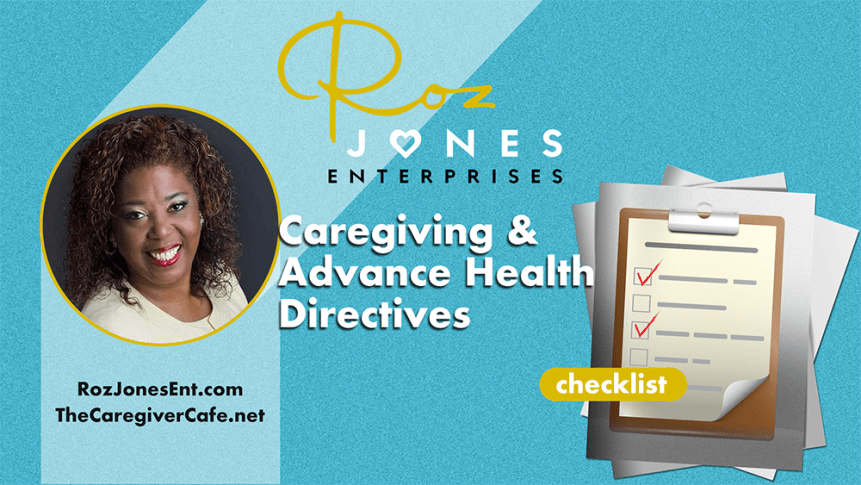
Roz Jones Enterprises Caregiving & Advance Health Directives Checklist.

When creating an Advance Directive with your aging loved one, it’s important for them to identify the treatments they want and don’t want when it comes to hospice or end-of-life care. In order to begin this process, you will need to complete state-specific forms. This checklist can prepare you for those decisions you’re going to make on those forms, and for conversations you need to have with family and doctors.

Subscribe to The Caregiver Cafe Weekly Newsletter!

Caregiving can be a roller coaster of ups and downs. The information that you will receive from The Caregiver Cafe Weekly Specials Newsletter will support you as a caregiver. Remember…

1. YOU ARE NOT ALONE: The problems you face as a caregiver are experienced by other caregivers. Knowing that you’re not alone can be comforting. 

2. Tools and Resources:  Find caregiver stress management tools and gain perspective from other caregiver’s experiences.

3. LEARN TO: Ask for help, accept help when it is offered, and acknowledge yourself on this caregiving journey. Hear from experts on how to balance caregiving responsibilities by taking care of your needs and involving others to help manage the natural stress and isolation of being a caregiver. 
Nurturing Routine and Managing Overstimulation in Loved Ones with Alzheimer’s

By Roz Jones

As caregivers, we understand the challenges that come with caring for someone living with Alzheimer’s. The unpredictability, the emotional rollercoaster, and the ever-changing nature of the disease can be overwhelming. But fear not, because I’m here to share some valuable insights and strategies to help you navigate through these challenges.

Nurturing Routine

Establishing and maintaining a routine is fundamental when caring for individuals with Alzheimer’s. Predictability can provide a sense of security and comfort, even amidst the confusion and uncertainty caused by the disease. Here’s how you can build and maintain a routine:

  • Consistent Schedule: Establish a daily routine for meals, activities, and bedtime. Consistency helps in reducing anxiety and confusion for your loved one.
  • Visual Aids: Use visual cues like calendars, clocks, or whiteboards to help your loved one understand the daily schedule. Highlight important events or activities to reinforce the routine.
  • Simple and Familiar Tasks: Encourage participation in simple tasks or activities that they’re familiar with. It could be folding laundry, gardening, or listening to favorite music. These tasks can boost their confidence and sense of accomplishment.
  • Flexibility within Structure: While a routine is crucial, allow some flexibility. Be adaptable and understanding of changes that might occur due to their condition.
  • Patience and Encouragement: It’s essential to be patient and offer positive reinforcement. Celebrate small victories and reassure your loved one if they struggle with a task.

Remember, a routine can provide a sense of stability, but it’s equally important to approach it with flexibility and understanding.

Managing Overstimulation

Alzheimer’s can make individuals more sensitive to their surroundings, leading to overstimulation. Here’s how you can manage situations when your loved one feels overwhelmed:

  • Recognize Triggers: Be observant and identify triggers that cause distress. It could be loud noises, crowded places, or certain activities. Minimize exposure to these triggers whenever possible.
  • Create Calm Environments: Keep surroundings calm and organized. Reduce noise levels, avoid clutter, and ensure adequate lighting. Creating a peaceful atmosphere can help in managing overstimulation.
  • Offer Breaks and Distractions: When you notice signs of agitation, encourage breaks in a quieter space. Provide activities like reading, gentle walks, or soothing music to divert their attention.
  • Stay Attuned to Body Language: Pay attention to non-verbal cues. If you notice signs of agitation or discomfort, try to address the situation promptly.
  • Practice Relaxation Techniques: Consider incorporating relaxation techniques such as deep breathing exercises or gentle massages to help them relax when feeling overwhelmed.

Remember, every individual with Alzheimer’s is unique, and what works for one person may not work for another. It’s crucial to observe, adapt, and respond to their specific needs and preferences. As caregivers, your dedication and love make a significant difference in the lives of your loved ones. Take care of yourself tooโ€”seek support, take breaks, and don’t hesitate to ask for help when needed.

Stay strong, stay compassionate, and remember, you’re making an incredible difference in their lives every single day.


Shop The Caregiver Cafe E-Commerce Store!

We founded The Caregiver Cafe Shopify Store with one simple goal: to help you experiment with your passion while at the same time providing amazing prices. We were tired of cookie-cutter stores with lackluster selections, and boring gifts. Instead of offering a huge unoriginal collection, we carefully curate just a few unique pieces perfectly suited for people the taste buds like you.

We focus on items that get you excited about shopping again, as we believe buying online should always be fun!


Subscribe to The Caregiver Cafe Weekly Newsletter!

Caregiving can be a roller coaster of ups and downs. The information that you will receive from The Caregiver Cafe Weekly Specials Newsletter will support you as a caregiver. Remember…

1. YOU ARE NOT ALONE: The problems you face as a caregiver are experienced by other caregivers. Knowing that you’re not alone can be comforting. 

2. Tools and Resources:  Find caregiver stress management tools and gain perspective from other caregivers’ experiences.

3. LEARN TO: Ask for help, accept help when it is offered, and acknowledge yourself on this caregiving journey. Hear from experts on how to balance caregiving responsibilities by taking care of your needs and involving others to help manage the natural stress and isolation of being a caregiver. 

Unwrapping Serenity: 5 Tips for Caregivers to Conquer Holiday Stress

By Roz Jones

Welcome back to our series on managing holiday stress for caregivers of aging loved ones. If you’ve been following along, you know that we’ve already covered 10 valuable tips in the previous two articles. Today, we’re diving into the next set of five tips to help you navigate the holiday season with less stress and more joy.

1. Embrace Technology:

Use technology to your advantage. Video calls and social media platforms can help you stay connected with family and friends who may be far away. You can also research apps and devices that offer assistance with caregiving tasks, making your responsibilities more manageable.

2. Plan for Respite:

Respite care is essential during the holidays. Make a plan to take a break and recharge. Whether it’s a few hours to yourself or a day off, respite care services can provide temporary relief, allowing you to rest and regroup.

3. Mindful Breathing:

Practice mindful breathing techniques to reduce stress. Take a moment each day to focus on your breath, inhaling deeply and exhaling slowly. This simple practice can help calm your mind and restore your energy.

4. Create New Traditions:

Don’t be afraid to create new holiday traditions that suit your caregiving situation. It’s okay to adapt and change traditions to fit your current circumstances. Involve your loved one in the decision-making process to make it meaningful for both of you.

5. Stay Informed:

Stay informed about available resources and support groups in your community. Local organizations often host events or offer services to help caregivers during the holidays. Being aware of these resources can be a valuable lifeline. Remember, the holidays should be a time of joy and togetherness, not overwhelming stress. By implementing these tips and the ones from the previous articles, you’ll be better equipped to manage holiday stress while providing the best care for your aging loved one.

Stay Ahead of the Storm: Download Your Free Expert Storm Guide Now!

Photo by ALTEREDSNAPS on Pexels.com

As we know, June โ€“ November is Hurricane Season. As a family caregiver, there are many ways to prepare your loved ones for it. Early preparation helps reduce opportunities for stress and anxiety as storms approach.

One of the best ways to prepare is allowing your loved on to assist in packing their travel bag, checking their contact list and ensuring there are adequate emergency supplies.

Participationโ€ฆ not isolationโ€ฆ go a long way when preparing for major storms. This Seniors Storm Guide gives essential information to refer to again and again!


Shop The Caregiver Cafe E-Commerce Store!

We founded The Caregiver Cafe Shopify Store with one simple goal: to help you experiment with your passion while at the same time providing amazing prices. We were tired of cookie-cutter stores with lackluster selections, and boring gifts. Instead of offering a huge unoriginal collection, we carefully curate just a few unique pieces perfectly suited for people the taste buds like you.

We focus on items that get you excited about shopping again, as we believe buying online should always be fun!


Subscribe to The Caregiver Cafe Weekly Newsletter!

Caregiving can be a roller coaster of ups and downs. The information that you will receive from The Caregiver Cafe Weekly Specials Newsletter will support you as a caregiver. Remember…

1. YOU ARE NOT ALONE: The problems you face as a caregiver are experienced by other caregivers. Knowing that you’re not alone can be comforting. 

2. Tools and Resources:  Find caregiver stress management tools and gain perspective from other caregivers’ experiences.

3. LEARN TO: Ask for help, accept help when it is offered, and acknowledge yourself on this caregiving journey. Hear from experts on how to balance caregiving responsibilities by taking care of your needs and involving others to help manage the natural stress and isolation of being a caregiver. 

Navigating the Holiday Season With Ease: A Caregiverโ€™s Guide – Part 2

By Roz Jones

The holiday season, with its joyous celebrations and cherished traditions, can be both heartwarming and overwhelming. As a caregiver for an aging loved one, you may be feeling the weight of your responsibilities intensify during this festive time. But remember, you’re not alone in this journey. According to a survey by Home Instead Senior Careยฎ, 64 percent of caregivers experience increased stress during the holidays. In the previous article of this series, we discussed five essential tips to help you manage holiday stress. Now, let’s explore five additional strategies to assist you in navigating the holiday season with grace and resilience.

1. Stick to a Routine:

Maintaining a regular routine can provide a sense of normalcy amidst the holiday chaos. Stick to your established caregiving schedule as closely as possible. Consistency can help reduce stress and ensure that both you and your loved one have a familiar structure to rely on.

2. Make Time for Exercise:

While it may seem challenging to find time for exercise amid caregiving duties and holiday preparations, it’s crucial for your well-being. Physical activity is an effective stress reliever. Aim for at least 30 minutes of exercise each day, whether it’s a brisk walk, yoga, or a quick home workout. It can boost your mood and energy levels, helping you tackle your responsibilities with renewed vigor.

3. Eat Healthy:

During the holidays, it’s easy to let healthy eating habits slip away. However, nutritious food plays a vital role in maintaining your energy and focus. Avoid sugary snacks and prioritize balanced meals. Opt for whole foods rich in nutrients to sustain you throughout the day. Proper nutrition can help you stay at your best, both mentally and physically.

4. Seek Support:

Caregiving can be isolating, especially during the holiday season. If you’re feeling overwhelmed, remember that there is support available. Connect with other caregivers who understand your challenges. Consider joining a caregiver support group, either in your community or online. Sharing your experiences and receiving empathy from others can be incredibly comforting.

5. Ask for Help:

Don’t hesitate to lean on your support network of family and friends. Asking for assistance is not a sign of weakness but a demonstration of self-awareness. Whether it’s enlisting someone to watch over your loved one for a few hours, helping with holiday preparations, or simply offering a listening ear, your loved ones can provide valuable support during this demanding time.

Remember that caregiving is a noble but challenging task, particularly during the holiday season. You are not alone in this journey. By implementing these tips, you can proactively manage holiday stress and ensure that you and your loved one have a more peaceful and enjoyable holiday season. For a comprehensive guide on managing holiday stress as a caregiver, please revisit our previous article in this series: Navigating the Holiday Season: A Caregiver’s Guide – Part 2.

Stay Ahead of the Storm: Download Your Free Expert Storm Guide Now!

Photo by ALTEREDSNAPS on Pexels.com

As we know, June โ€“ November is Hurricane Season. As a family caregiver, there are many ways to prepare your loved ones for it. Early preparation helps reduce opportunities for stress and anxiety as storms approach.

One of the best ways to prepare is allowing your loved on to assist in packing their travel bag, checking their contact list and ensuring there are adequate emergency supplies.

Participationโ€ฆ not isolationโ€ฆ go a long way when preparing for major storms. This Seniors Storm Guide gives essential information to refer to again and again!


Stay Connected!

Navigating VA Benefits: Respite Care Options for Veterans in Hospitals

By Roz Jones

Respite care is not only a valuable resource for caregivers but also a way to ensure that our veterans receive the high-quality care they deserve. Join me as we navigate the journey of accessing respite care benefits through the Department of Veterans Affairs (VA).

The Essence of Respite Care

Caregiving is a noble endeavor, but it can also be physically and emotionally demanding. Respite care provides caregivers with a temporary break, allowing them to rest, recharge, and prioritize their well-being. For veterans who require hospital care, respite care ensures that they continue to receive necessary medical attention while caregivers take a well-deserved pause. It’s a win-win situation that safeguards the health of both caregivers and veterans.

The Role of VA Benefits

Respite care for veterans in hospitals is a crucial service made possible through VA benefits. The Department of Veterans Affairs recognizes the importance of respite care and offers programs to support caregivers and veterans. These programs provide funding and assistance for temporary caregiving arrangements, ensuring that veterans receive uninterrupted care even when their primary caregivers take a break.

Exploring Respite Care Options

Let’s delve into the respite care options available for veterans in hospitals and how caregivers can access these resources:

  • Hospital Respite Care: VA benefits encompass hospital respite care, allowing veterans to receive temporary medical care in a hospital setting. This care is provided by trained medical professionals, ensuring that veterans’ medical needs are met.
  • Caregiver Support Programs: The VA offers caregiver support programs that guide caregivers through the process of accessing respite care benefits. These programs provide information, assistance with documentation, and connections to available resources.
  • Application Process: Caregivers can initiate the application process by contacting their local VA medical center or clinic. VA representatives will provide guidance on eligibility criteria, required documentation, and the application process itself.
  • Coordination and Scheduling: Once eligibility is determined, caregivers and VA representatives will work together to coordinate and schedule hospital respite care. This ensures a seamless transition for both the caregiver and the veteran.

Advocating for Caregivers and Veterans

As caregivers, your dedication to our veterans is invaluable, and accessing respite care benefits is a proactive way to ensure you can continue providing the best care possible. By taking care of yourselves, you’re enhancing your ability to care for our veterans effectively. Remember, seeking support and utilizing available resources is a sign of strength, not weakness. The VA benefits are designed to acknowledge and honor your commitment.

Accessing respite care benefits through VA programs is a powerful way to prioritize the well-being of both caregivers and veterans. By connecting with the appropriate VA services and tapping into available benefits, caregivers can access the support they need to continue their essential role in the lives of our veterans.

If you have an aging loved one who is a veteran, I have some valuable information to share with you. Your aging loved one may be eligible for important Veterans Benefits. Check out Patriot Angels, a company that specializes in assisting veterans and their families. To explore these benefits and find out if your loved one qualifies, I encourage you to get in touch with them. When you reach out, remember to ask for Mali Covington, and kindly let her know that you were referred by Roz Jones with Roz Jones Enterprises. This could be a significant step towards ensuring your loved one receives the support they deserve!

Planning a Summer Vacation with an Aging Loved One? Download the FREE Checklist!

Are you embarking on a summer vacation adventure with a loved one in need of care? Whether you’re a caregiver or know someone who is, we understand the unique challenges and considerations that come with vacationing while ensuring your loved one is safe..

Make your vacation experience stress-free and enjoyable for both you and your loved one, we’re excited to offer you a free downloadable checklist!

Stay Ahead of the Storm: Download Your Free Expert Storm Guide Now!

Photo by ALTEREDSNAPS on Pexels.com

As we know, June โ€“ November is Hurricane Season. As a family caregiver, there are many ways to prepare your loved ones for it. Early preparation helps reduce opportunities for stress and anxiety as storms approach.

One of the best ways to prepare is allowing your loved on to assist in packing their travel bag, checking their contact list and ensuring there are adequate emergency supplies.

Participationโ€ฆ not isolationโ€ฆ go a long way when preparing for major storms. This Seniors Storm Guide gives essential information to refer to again and again!