
By Roz Jones
When we think about family history, we often think about photographs, old letters, family trees, and stories shared during holidays or family gatherings. These things help us understand where we come from and the experiences that have shaped the people we love. But family history is not always written down or carefully organized. Sometimes, it lives in the memories of the people sitting around the table, the traditions passed from one generation to the next, and the stories shared during an ordinary conversation.
For many family caregivers, caring for an aging loved one creates opportunities to learn more about these experiences. A conversation may reveal something about a parent’s childhood that was never discussed before. Preparing a familiar meal may lead to a story about the person who first taught the recipe. A photograph may bring back memories of a family home, a meaningful relationship, or a time when life looked very different.
These moments remind us that caregiving involves more than helping someone navigate their current needs. It can also create opportunities to preserve the experiences, traditions, and knowledge that connect generations.
As we recognize National Family Caregivers Month, it is worth considering the important role caregivers can play in keeping these stories alive.
Family History Lives Beyond the Photographs
Photographs can show us what a person looked like, where they lived, or who was present during an important moment. But the stories behind those photographs often provide a deeper understanding of the people and experiences they represent.
A picture of a family gathering may bring back memories of the person who always prepared the food, the relative who made everyone laugh, or the traditions that brought everyone together. A photograph of a childhood home may lead to stories about the neighborhood, friendships, and experiences that shaped someone’s early years.
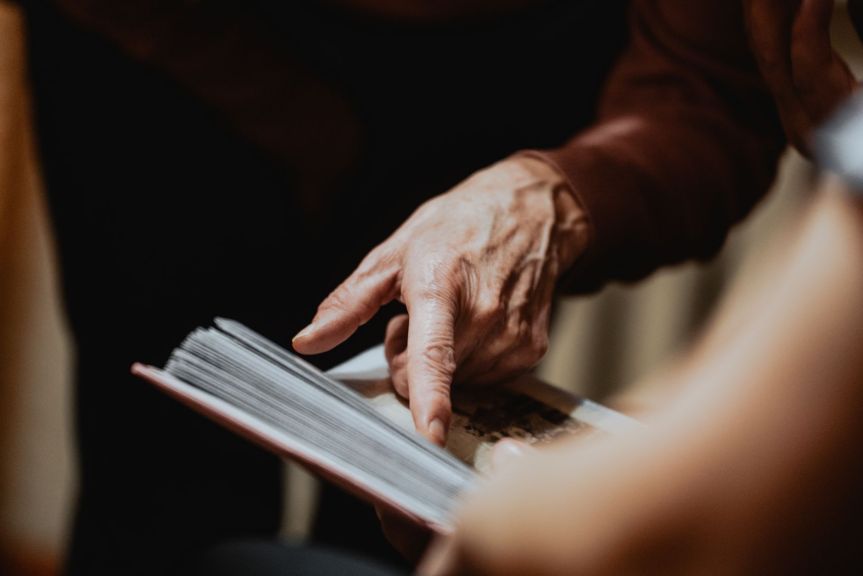
Caregivers may have opportunities to hear these stories while spending time with a loved one. Sometimes, all it takes is asking about a photograph or allowing a conversation to unfold naturally.
These conversations do not have to become formal interviews. They can happen while looking through an album, sorting through familiar belongings, or sharing a quiet afternoon together.
The value is not necessarily in collecting every detail. It is in creating opportunities to understand the person beyond what we may already know and preserving the parts of their story that matter to them.
The Traditions That Connect Generations
Family traditions often carry knowledge that is difficult to capture in a photograph or written record. They may reflect cultural practices, family values, religious or community customs, and the ways people have celebrated important moments throughout their lives.
A recipe may represent more than a favorite meal. It may connect a family to a grandparent who prepared it for every holiday. A particular song may remind someone of childhood celebrations. A familiar saying may carry lessons that have been shared across generations.
Caregivers may help preserve these traditions by finding ways to continue them with loved ones. This might mean preparing a familiar dish together, recording the instructions for a recipe that has never been written down, or inviting younger relatives to participate in a meaningful family custom.
Sometimes, traditions need to change as a person’s circumstances change. A celebration may become smaller, a recipe may need to be adapted, or a familiar activity may require additional assistance. The meaning behind the tradition can still be preserved even when the way it is practiced looks different.
These experiences can help younger generations understand the people, values, and histories that have shaped their families. They also create opportunities for older adults to share knowledge that might otherwise remain with them.
Making Space for Stories That Have Not Been Told
We may know our parents or grandparents through the roles they have played in our lives. We know them as the people who raised us, supported us, prepared meals, attended school events, or offered advice when we needed it. But there may be entire chapters of their lives that we have never explored.
What were their hopes when they were younger? What experiences changed the way they viewed the world? What challenges did they overcome? Which friendships or experiences do they still remember fondly?
As caregiving changes the amount of time families spend together, these questions may create opportunities for conversations that might not have happened otherwise.
There is no need to ask every question at once or expect a loved one to recount their entire life. Some people enjoy talking about the past, while others may prefer to share only certain experiences. Memories can also be complicated, and not every story is one a person wishes to revisit.
The important thing is to approach these conversations with interest and respect. Let the person decide what they want to share, and allow their stories to unfold at their own pace.
Sometimes, a single conversation can offer a new understanding of someone we have known for years.
Preserving Stories in Ways That Feel Natural
Family history does not have to become another major project on a caregiver’s list of responsibilities. Preserving meaningful memories can happen in small ways that fit naturally into time spent together.
Here are a few possibilities:
- Record a conversation. With your loved one’s permission, use a phone to record them sharing a favorite memory or explaining a family tradition. A short recording can preserve their voice and the way they tell a story.
- Add context to photographs. Write down names, dates, locations, and the stories behind important pictures. This can help future generations understand what they are looking at.
- Preserve family recipes. Record ingredients, instructions, and any special techniques that have been passed down through the family.
- Create a collection of meaningful memories. Keep letters, photographs, recipes, or short written recollections in a folder or memory box that family members can revisit.
- Invite younger relatives to participate. Children and grandchildren may enjoy asking questions, learning a traditional skill, or helping organize photographs and recordings.
Choose an approach that feels manageable and enjoyable for everyone involved. There is no requirement to document everything, and not every memory needs to be preserved in multiple formats.
It is also important to consider privacy. Ask before recording conversations or sharing personal stories, particularly when they involve other family members. Some memories may be intended for private family use rather than public sharing. Respecting those preferences is part of preserving someone’s story with care.
When Memories Become More Difficult to Access
For some families, changes in memory, communication, or health may affect how stories are shared over time. A loved one may have difficulty recalling dates, remembering names, or describing experiences in the same detail they once could.
These changes can be difficult for families to navigate, particularly when they realize there are questions they have not asked or stories they have not recorded.
If preserving family history is important to your loved one, consider beginning with the memories and materials already available. Existing photographs, letters, home videos, recipes, and recordings may contain details that can be preserved without asking the person to recall everything again.
When conversations are possible and welcome, focus on familiar subjects that bring meaning to the moment. There is no need to correct every detail or turn a conversation into a test of someone’s memory. The purpose is to share time together and honor the person’s experiences, not to require them to produce a complete or perfectly accurate account of the past.
Every family will approach this differently. What matters is respecting the person and recognizing that their worth is not determined by how much they remember or how clearly they can communicate it.
The Role of Caregivers in Connecting Generations
Caregivers often find themselves in a position where they can help connect different generations of a family. They may share a grandparent’s stories with grandchildren, explain the meaning behind a tradition, or help younger relatives understand why a particular memory or family experience matters.
These connections can help children and grandchildren develop a stronger sense of belonging. They may learn about the places their relatives grew up, the challenges earlier generations faced, the traditions that shaped their family, or the experiences that influenced the choices their loved ones made.
Preserving family history also allows families to recognize that each generation contributes something of its own. Older adults may share knowledge and experiences, while younger relatives bring their own questions, perspectives, and ways of preserving memories.
Caregivers can help create opportunities for these exchanges without being responsible for carrying the entire process themselves. Family members can contribute by sharing photographs, writing down stories they remember, asking questions, or helping preserve materials that are meaningful to the family.
The result does not have to be a formal family archive. Sometimes, it is simply a collection of stories and traditions that continue to be shared.
Every Story Does Not Have to Be Preserved to Be Meaningful
It can be tempting to treat family history as something that must be documented before time runs out. While preserving memories can be valuable, it is important not to turn the process into another source of pressure for caregivers or the people receiving care.
There may be stories that are never recorded. Some traditions may change or fade. Certain memories may remain private, and some conversations may happen only once.
That does not mean those experiences have been wasted or that a family has failed to preserve its history.
The time spent listening to a loved one’s story can be meaningful even if no recording is made. Preparing a familiar meal together can create a connection without requiring anyone to write down the recipe. Sharing a laugh about a family memory can matter even if the details are never added to an album.
Preserving family history is not only about creating something that future generations can hold. It is also about recognizing the value of the knowledge, relationships, and experiences that are being shared in the present.
Honoring the Knowledge Caregivers Help Preserve
National Family Caregivers Month gives us an opportunity to recognize the many ways caregivers contribute to the lives of their loved ones. Some contributions involve direct physical assistance or coordinating care. Others involve maintaining relationships, preserving traditions, and creating opportunities for meaningful conversations.
Caregivers may help ensure that a family recipe is passed down, that a grandchild learns the story behind an old photograph, or that a loved one’s experiences are remembered beyond the immediate circle of people who knew them.
These efforts help preserve connections between generations. They remind us that the person receiving care has a history, a perspective, and a lifetime of experiences that extend far beyond their current circumstances.
As we recognize caregivers this November, let us also recognize the knowledge they help carry forward. The stories, traditions, and lessons shared between generations can become an important part of a family’s continuing history.
Sometimes, preserving that history begins with something simple: taking the time to listen when a loved one has a story to tell.
Tune in to The Caregiver Café Podcast
The Importance of Transparency

In this episode of The Caregiver Café with Roz Jones, Roz is joined again by Reverend Dr. Herbert A. Brisbon III for a conversation about something that can make or break the caregiving experience: transparency. Caring for an aging loved one requires honest conversations about health, medications, finances, expectations, limitations, and what both the caregiver and the person receiving care are realistically able and willing to do.
Give Yourself a Moment of Grace

For more encouragement through the emotional parts of the caregiving journey, Moments of Grace offers reflections for caregivers navigating responsibility, change, difficult days, and the moments of grace that can still be found along the way.
Subscribe to The Caregiver Cafe Weekly Newsletter!

1. YOU ARE NOT ALONE: The problems you face as a caregiver are experienced by other caregivers. Knowing that you’re not alone can be comforting.
2. Tools and Resources: Find caregiver stress management tools and gain perspective from other caregiver’s experiences.
3. LEARN TO: Ask for help, accept help when it is offered, and acknowledge yourself on this caregiving journey. Hear from experts on how to balance caregiving responsibilities by taking care of your needs and involving others to help manage the natural stress and isolation of being a caregiver.

