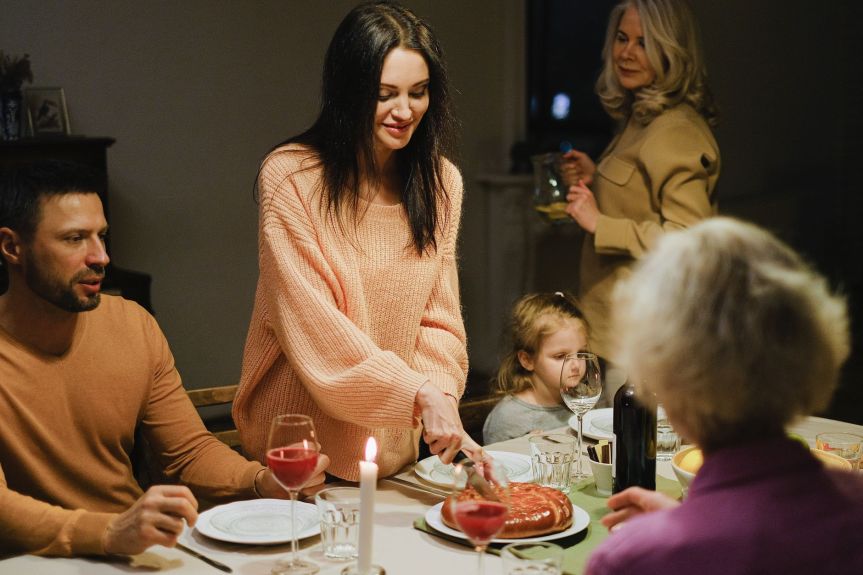
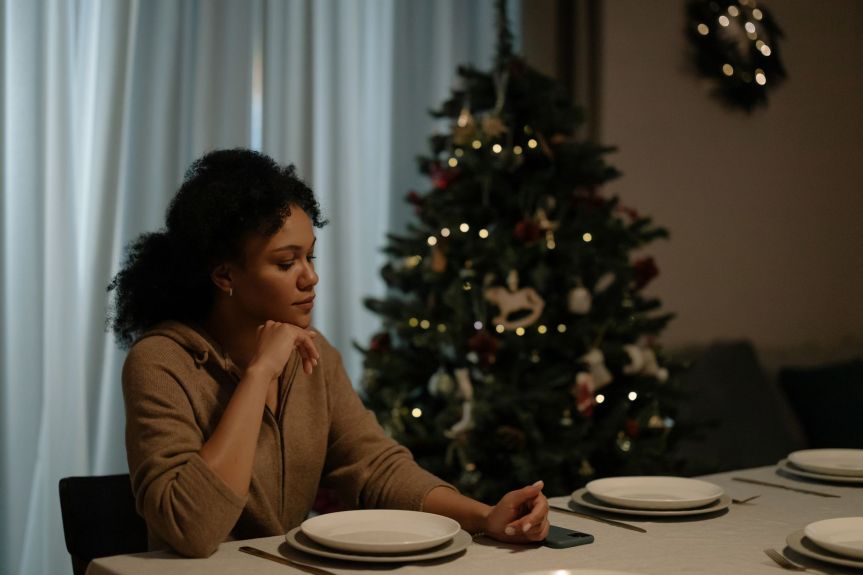
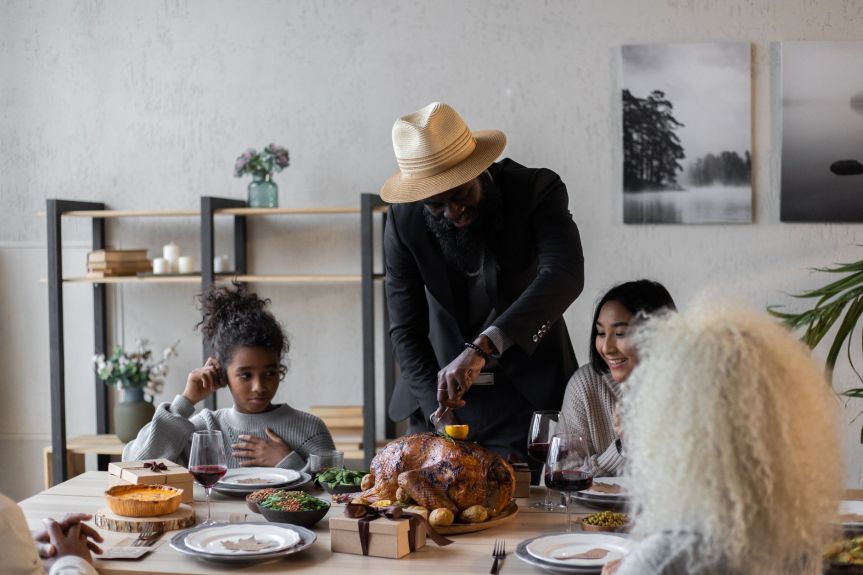
Some days, the idea of gathering everyone in a circle to share what we’re thankful for sounds lovely, and also completely out of reach. Your father is tired and confused by late afternoon. Your sister is on edge about who’s doing more. You’re running on four hours of sleep, and the last thing you feel is grateful. Gratitude circles are often described as warm, effortless moments, but for many caregivers the reality is a little messier.
Here’s what I want you to consider: a gratitude circle doesn’t have to be polished to be meaningful. It can be short, quiet, and adapted to what your loved one can manage on a given day. It can also make room for hard feelings instead of covering them up. Let’s talk about how to make this practice work in real caregiving situations, not just ideal ones.
Adapt the circle to your loved one’s abilities
The traditional version assumes everyone can follow a conversation, find the right words, and sit comfortably for a while. Many aging adults can’t, at least not every day, and that doesn’t mean they can’t take part.
If your loved one lives with memory loss or dementia, ask simple, concrete questions instead of open-ended ones. “What was your favorite part of lunch?” or “Who do you like seeing?” is easier to answer than “What are you grateful for?” Photos, a familiar song, or a favorite blanket can help bring feelings to the surface. Avoid quizzing them or correcting what they say. Whatever they offer is the contribution, even if it doesn’t match what you remember. Short, calm sessions in the part of the day when they’re usually at their best tend to go better than a long gathering.
If hearing loss is a factor, reduce background noise, sit facing your loved one, and make sure hearing aids are in and working. If speech has been affected by a stroke or another condition, give extra time, offer choices they can point to or nod at, and let a hand squeeze or a smile count as a turn. If stamina is the issue, fifteen minutes in the morning may be plenty.
Include the people who can’t be in the room
Distance shouldn’t leave anyone out of the circle. A video call works well if someone helps your loved one get set up, and it’s worth testing the technology before the day so no one is struggling with a screen while everyone waits. Relatives who can’t join live can record a short voice or video message to be played during the circle, or mail handwritten notes that you read aloud. Many older adults treasure a physical card they can hold and reread afterward, and it gives them something to return to on harder days.
Set a few ground rules when family tensions are present
Gratitude circles can go sideways when old conflicts are in the room. If you expect strain, say upfront what the circle is for: one person speaks at a time, no one corrects or debates what another person says, and no one uses their turn to settle a score. If a particular relative is likely to turn it into a complaint session, talk with them beforehand and ask them to come with one specific thing they appreciate. A circle can’t resolve every disagreement about care, and it shouldn’t try to. Those conversations need their own time. This one is simply a pause in the middle of them.
Be honest about the hard days
Here’s something I don’t hear said enough: you can be thankful and still be exhausted, frustrated, or grieving in the same moment. Gratitude is not a requirement to ignore difficulty, and it shouldn’t be used to silence anyone who’s struggling. If a family member says they’re grateful and also overwhelmed, that’s honest, and it’s worth hearing.
Specific prompts tend to work better than broad ones. Instead of “What are you thankful for?”, try asking who made your week easier, what small thing went right today, or what moment with your loved one you’d like to remember. These questions give people something concrete to reach for, and they keep gratitude grounded in real life. Research on gratitude practices has linked them to better emotional well-being for many people, though it’s no substitute for support or professional help when caregiving takes a heavier toll.
Make it a rhythm, not an event
A one-time circle can be moving. A recurring one can change the tone of a household. Choose a rhythm you can keep, whether that’s once a week, the first Sunday of the month, or the evening of a doctor’s visit when everyone needs to decompress. Keep it brief and informal enough that it doesn’t become another obligation. Some families write down what’s shared in a notebook, so there’s a record to look back on during harder stretches. National Family Caregivers Month, which falls this November, can be a natural time to begin if you haven’t started yet.
In this episode of The Caregiver Café with Roz Jones, Roz is joined by Christine M. Psalms, mompreneur coach, dance studio owner, wife, mother of four, and caregiver, for a conversation about what it looks like when caregiving begins to shift from something you notice into something you have to actively manage. Christine shares how her journey began when she realized her mother was slowing down, forgetting things, avoiding doctor’s appointments, and showing subtle signs that something had changed.
For more encouragement through the emotional parts of the caregiving journey, Moments of Grace offers reflections for caregivers navigating responsibility, change, difficult days, and the moments of grace that can still be found along the way.
Subscribe to The Caregiver Cafe Weekly Newsletter!
Caregiving can be a roller coaster of ups and downs. The information that you will receive from The Caregiver Cafe Weekly Specials Newsletter will support you as a caregiver. Remember…
1. YOU ARE NOT ALONE: The problems you face as a caregiver are experienced by other caregivers. Knowing that you’re not alone can be comforting.
2. Tools and Resources: Find caregiver stress management tools and gain perspective from other caregiver’s experiences.
3. LEARN TO: Ask for help, accept help when it is offered, and acknowledge yourself on this caregiving journey. Hear from experts on how to balance caregiving responsibilities by taking care of your needs and involving others to help manage the natural stress and isolation of being a caregiver.
Somewhere around the second hour of Thanksgiving, most caregivers notice the same thing: they haven’t sat down, haven’t finished a plate, and have been quietly watching the clock for someone else’s sake. The holiday is Thursday, November 26, and it’s worth deciding now how you want that day to go, rather than finding out in the middle of it.
Here’s what I want you to consider: a tradition only works if the person at the center of it can actually take part. Cooking together is lovely, but not if your mother tires after fifteen minutes on her feet. A family walk is a great idea, but not if your father is a fall risk on uneven ground. The goal isn’t to scale back the holiday. It’s to build it around the people who will be there, and that includes you.
Plan around your loved one’s best hours
Most aging adults have a time of day when they feel their best, and a time when they don’t. For someone living with dementia, late afternoon can bring increased confusion and agitation, often called sundowning. For someone managing pain or fatigue, a long afternoon gathering can leave them depleted by evening. If you know your loved one is sharpest in the late morning, consider moving the meal to midday, or hold the part of the day that matters most, whether that’s the blessing, the storytelling, or the family photo, during those hours.
Build in a quiet space as well. A bedroom or sitting room where your loved one can rest, away from noise and crowds, lets them step out without feeling like they’re leaving the celebration. Tell guests ahead of time that a break is part of the plan, so nobody takes it personally.
Adjust the menu without losing the meaning
Food is often where tradition lives, and it’s also where caregivers worry most. If your loved one follows a low-sodium, diabetic, or texture-modified diet, you don’t have to cook an entirely separate holiday. Start with the dishes that matter most to them and ask your doctor or a registered dietitian how to adapt those, rather than removing them. Mashed or softened versions of favorite sides, smaller portions of dessert, and lower-sodium gravy can keep familiar flavors on the plate. If swallowing is a concern, ask the care team or a speech-language pathologist what textures are safe before the day arrives.
Food safety deserves a mention, too, because older adults are at higher risk of serious illness from foodborne bacteria. The USDA recommends cooking turkey to a safe internal temperature of 165°F, measured with a food thermometer, and refrigerating perishable food within two hours of serving. Leftovers are generally best eaten within three to four days. If you’re sending plates home with relatives or delivering meals to neighbors, label them with the date and keep them cold until delivery.
Make the space safer and easier to move through
A holiday gathering can quietly turn a familiar home into an obstacle course. Extra chairs, coats on the floor, cords from a slow cooker, and rearranged furniture can all create hazards for someone with a walker, cane, or unsteady gait. Before guests arrive, walk the path your loved one will take from the front door to the table to the bathroom, and clear it. Make sure there’s good lighting along that path, a sturdy chair with arms at the table, and enough room to maneuver a walker or wheelchair. If the gathering is at someone else’s home, call ahead and ask about steps, bathroom access, and seating.
Divide the work before the day, not during it
This is the part many caregivers skip, and it’s often what leads to exhaustion. If you’ve been carrying most of the care, Thanksgiving is not the day to also become the host, cook, cleanup crew, and the one who watches Mom every minute. Have the conversation a couple of weeks ahead. Assign real, specific tasks: someone handles the grocery run, someone picks up your loved one, someone stays beside them during the meal so you can eat sitting down, and someone owns cleanup. Vague offers like “let me know if you need anything” tend to go nowhere. Specific requests usually get a yes.
Out-of-town relatives can help, too. A sibling in another state can order groceries for delivery, coordinate a medication refill, or research a ride service, even if they can’t be at the table.
Give yourself a place in the day
Caregivers often spend the holiday in motion, refilling plates and watching the clock, and then wonder why they feel more depleted than celebratory. Decide in advance what you want from the day. Maybe it’s an uninterrupted conversation with a cousin you rarely see, a quiet walk after dinner, or simply the chance to finish a meal while it’s warm. Tell someone, and ask them to cover for you during that time.
It also helps to give your feelings somewhere to land. The holidays can stir up gratitude and grief in the same afternoon, especially if your loved one has changed or if this is a season of firsts. That’s a normal response, and it deserves some room.
Carry the spirit forward
November is also National Family Caregivers Month, so the days around Thanksgiving are a good time to notice how much caregiving takes, and to ask for what would make it lighter. The best holidays aren’t the ones that look perfect. They’re the ones where the people who matter are included, safe, and cared for, and the caregiver is one of those people.
In this episode of The Caregiver Café with Roz Jones, Roz is joined by Christine M. Psalms, mompreneur coach, dance studio owner, wife, mother of four, and caregiver, for a conversation about what it looks like when caregiving begins to shift from something you notice into something you have to actively manage. Christine shares how her journey began when she realized her mother was slowing down, forgetting things, avoiding doctor’s appointments, and showing subtle signs that something had changed.
For more encouragement through the emotional parts of the caregiving journey, Moments of Grace offers reflections for caregivers navigating responsibility, change, difficult days, and the moments of grace that can still be found along the way.
Subscribe to The Caregiver Cafe Weekly Newsletter!
Caregiving can be a roller coaster of ups and downs. The information that you will receive from The Caregiver Cafe Weekly Specials Newsletter will support you as a caregiver. Remember…
1. YOU ARE NOT ALONE: The problems you face as a caregiver are experienced by other caregivers. Knowing that you’re not alone can be comforting.
2. Tools and Resources: Find caregiver stress management tools and gain perspective from other caregiver’s experiences.
3. LEARN TO: Ask for help, accept help when it is offered, and acknowledge yourself on this caregiving journey. Hear from experts on how to balance caregiving responsibilities by taking care of your needs and involving others to help manage the natural stress and isolation of being a caregiver.
Thanksgiving is often described as a time of joy, gratitude, and family togetherness. Yet for caregivers and aging loved ones, the holiday season can bring feelings that are much more complicated. Alongside the excitement of gathering with family, there may be sadness, loneliness, grief, frustration, or anxiety about the changes that come with aging and caregiving.
Sometimes, the most meaningful thing we can offer one another during the holidays is the freedom to feel what we feel without being expected to put on a happy face.
Understand That the Holidays Can Bring Mixed Emotions
For an aging loved one, Thanksgiving may bring back memories of holidays spent with a spouse, siblings, friends, or other family members who are no longer here. Changes in health or mobility may also make it difficult to participate in traditions that once brought them joy. Even when surrounded by loved ones, an older adult may feel a sense of loss for the life they once knew.
Caregivers experience their own emotional challenges. Watching a parent or loved one age can bring uncertainty, sadness, and grief, even while that person is still present. Caregivers may also feel overwhelmed by the responsibility of coordinating care while trying to make the holiday special for everyone else.
These emotions do not mean that anyone is ungrateful for the time they have together. Two things can be true at once. You can appreciate the opportunity to celebrate Thanksgiving and still miss someone who is no longer there. You can love your aging loved one and still feel exhausted by the responsibilities of caring for them.
Making room for these feelings allows families to approach the holiday with greater understanding and compassion.
Listen Without Trying to Fix Everything
When an aging loved one expresses sadness, frustration, or worry, it can be tempting to offer reassurance immediately. We may tell them to focus on the positive, remind them of what they still have, or encourage them to enjoy the holiday.
Although these responses often come from a place of love, they can unintentionally make someone feel that their emotions are unwelcome.
Sometimes, listening is more helpful than trying to change how someone feels. Give your loved one an opportunity to share memories, talk about what has been difficult, or express concerns about the future. You do not have to find the perfect words or solve every problem. Being present and allowing them to speak honestly can help them feel heard and valued.
The same understanding should extend to caregivers. If a family member is overwhelmed, resist the urge to assume they are simply stressed about the holiday preparations. They may be carrying months or years of responsibility that are not immediately visible to others.
A sincere conversation, an offer of practical assistance, or a willingness to listen without judgment can make a meaningful difference.
Let Thanksgiving Traditions Evolve With Your Family
Traditions often give holidays their meaning, but they can also become a source of pressure when family circumstances change. An aging loved one may no longer have the energy to attend a full-day gathering, prepare a favorite recipe, or participate in activities they once enjoyed.
Rather than insisting that Thanksgiving look the way it always has, consider what would make the day meaningful now.
Perhaps your family can share a favorite memory, look through old photographs, listen to familiar music, or prepare a smaller version of a traditional meal. If a loved one becomes tired easily, a shorter gathering may be more comfortable. If certain traditions bring up painful memories, it is okay to create new ones.
The purpose of a tradition is to bring connection and meaning to our lives, not to create another obligation that leaves everyone feeling overwhelmed.
As you make plans, invite your aging loved one to share what matters most to them. Their preferences should remain part of the conversation, even when adjustments are necessary.
Remember the Emotional Needs of the Caregiver
During National Family Caregivers Month, we must also acknowledge the emotional weight caregivers carry. Caregiving can involve uncertainty, difficult decisions, changing relationships, and the experience of watching someone you love navigate the realities of aging.
During the holidays, those feelings may become more pronounced. Caregivers may feel pressure to keep everyone happy, maintain family traditions, and manage responsibilities that others do not fully understand. They may put their own emotions aside because they believe there is no room for their needs during an already busy season.
But caregivers deserve emotional support, too.
Give yourself permission to acknowledge what you are experiencing. If you feel tired, disappointed, sad, or overwhelmed, you do not have to pretend otherwise to make other people comfortable. Consider reaching out to someone you trust, connecting with a caregiver support group, or speaking with a mental health professional if you need additional support.
It is also important to ask family members for help with practical responsibilities. Sharing caregiving tasks can create more space for rest and give you an opportunity to participate in the holiday rather than spending the entire day attending to everyone else.
You can be grateful for your loved one and still need a break. You can appreciate your family and still need boundaries. Your emotional well-being deserves attention, not just when the holidays are over, but throughout the year.
Create a Thanksgiving Where Feelings Are Welcome
A meaningful Thanksgiving does not require everyone to feel happy all day. Some family members may be joyful, while others may be remembering a loss or adjusting to a difficult change. Allowing those experiences to coexist can make the gathering more compassionate and genuine.
Instead of requiring everyone to express gratitude in a particular way, invite conversations that allow people to share what they are comfortable sharing. Respect those who prefer to listen rather than speak, and recognize when someone needs a quiet moment away from the gathering.
Small gestures can also communicate love. Sitting beside an aging loved one, asking about a cherished memory, offering a comforting meal, or simply spending uninterrupted time together can help someone feel connected without requiring them to explain every emotion they are experiencing.
If emotional distress persists, interferes with daily life, or becomes difficult to manage, consider seeking guidance from a qualified healthcare or mental health professional.
This National Family Caregivers Month, let us remember that caregiving includes tending to the heart as well as the practical responsibilities of daily life. Our aging loved ones deserve the opportunity to express their feelings without judgment, and caregivers deserve that same compassion.
For more ideas on navigating the Thanksgiving season while caring for an aging loved one, revisit our earlier blog, Embracing Thanksgiving Emotions, for additional ways to nurture emotional well-being, honor difficult feelings, and create a more compassionate holiday experience.
Tune in to The Caregiver Café Podcast
Caregiving Is More than a One Child Affair
In this episode of The Caregiver Café with Roz Jones, Roz is joined again by Reverend Dr. Herbert A. Brisbon III for a conversation about why caregiving should be treated as a family affair instead of automatically becoming the responsibility of one child. When an aging loved one begins needing more support, families may assume everyone will contribute equally, but the reality is that each person brings different relationships, responsibilities, finances, locations, and emotional capacity to the caregiving table.
For more encouragement through the emotional parts of the caregiving journey, Moments of Grace offers reflections for caregivers navigating responsibility, change, difficult days, and the moments of grace that can still be found along the way.
Subscribe to The Caregiver Cafe Weekly Newsletter!
Caregiving can be a roller coaster of ups and downs. The information that you will receive from The Caregiver Cafe Weekly Specials Newsletter will support you as a caregiver. Remember…
1. YOU ARE NOT ALONE: The problems you face as a caregiver are experienced by other caregivers. Knowing that you’re not alone can be comforting.
2. Tools and Resources: Find caregiver stress management tools and gain perspective from other caregiver’s experiences.
3. LEARN TO: Ask for help, accept help when it is offered, and acknowledge yourself on this caregiving journey. Hear from experts on how to balance caregiving responsibilities by taking care of your needs and involving others to help manage the natural stress and isolation of being a caregiver.
Thanksgiving is a time when families gather around the table to share food, laughter, memories, and traditions. For families caring for aging loved ones, however, preparing the holiday meal may require a little more thought. Changes in health, appetite, mobility, and dietary needs can influence what an older adult eats and how they experience the celebration.
As we recognize National Family Caregivers Month, it is important to acknowledge the care that goes into creating a meal that everyone can enjoy. Caregivers often spend hours planning menus, shopping for ingredients, preparing dishes, and making accommodations for the people they love. These efforts are meaningful, but they should not come at the expense of the caregiver’s own well-being.
A nourishing Thanksgiving is about more than what is served on the plate. It is also about making sure our aging loved ones feel included, respected, and connected to the traditions that bring families together.
Honor Traditions While Making Room for Change
Food often carries memories. A particular side dish may remind your loved one of childhood, a family recipe may connect generations, or the smell of a familiar meal may bring back memories of holidays spent with people who are no longer here.
As our loved ones age, their dietary needs may change, but the importance of these traditions does not have to disappear. Families can find ways to preserve the meals that hold special meaning while making thoughtful adjustments when needed.
If a loved one needs to limit sodium, manage blood sugar, or follow another dietary recommendation, consider discussing appropriate ingredient substitutions with their healthcare provider or a registered dietitian. Depending on their needs, herbs and spices may add flavor without relying heavily on salt, while familiar vegetables can be prepared in ways that are easier to enjoy.
The goal is not to take away the foods that make Thanksgiving special. It is to find ways to honor those traditions while supporting your loved one’s health and comfort.
Pay Attention to More Than the Menu
For caregivers of aging loved ones, preparing a healthy meal involves understanding more than nutritional guidelines. Appetite changes, difficulty chewing or swallowing, medication-related concerns, and certain medical conditions can affect how a person eats.
Some older adults may prefer smaller portions throughout the day rather than one large meal. Others may need softer food textures or assistance with eating. These considerations are worth discussing with the appropriate healthcare professional, particularly when there are concerns about weight loss, dehydration, or swallowing difficulties.
It is also important to remember that hydration deserves attention during the holiday gathering. Offering beverages regularly and making them accessible can help, although some loved ones may have fluid restrictions that need to be followed.
Most importantly, involve your loved one in decisions about the meal whenever possible. Ask what they would enjoy, what feels comfortable to eat, and how they would like to participate. Their preferences matter, and the Thanksgiving table should remain a place where they feel included rather than singled out because of their dietary needs.
Let Family Support Extend to the Kitchen
Preparing a holiday meal while managing caregiving responsibilities can be exhausting. Caregivers may feel pressure to prepare every traditional dish, accommodate every guest, and make sure their aging loved one has everything they need.
National Family Caregivers Month reminds us that this work deserves recognition and practical support. Preparing a nourishing Thanksgiving meal does not have to be a one-person job. Family members can contribute by preparing a side dish, washing and cutting vegetables, picking up groceries, or helping clean up after dinner. Someone could also sit with an aging loved one while the caregiver takes a break or finishes preparing the meal.
Sharing these responsibilities gives caregivers more room to enjoy the celebration and allows other family members to participate in the care of their loved one. It also creates an opportunity for families to recognize that caregiving is an ongoing commitment that extends well beyond the holiday season. You do not have to prepare an elaborate feast to show your love. Sometimes, a simple meal shared in a comfortable setting is exactly what the day calls for.
Make Room for Connection, Not Perfection
As you prepare for Thanksgiving, remember that the purpose of the meal is not to create a picture-perfect table. It is to bring people together.
Your aging loved one may not eat as much as they once did. They may need to rest before dinner or leave the gathering earlier than other guests. Family traditions may need to change as their needs evolve. These adjustments do not make the holiday less meaningful. In fact, they can remind us to focus on what matters most: the opportunity to spend time together while honoring each person’s needs and circumstances.
Caregivers should also give themselves permission to enjoy the food, conversations, and memories they have worked so hard to create. You deserve to sit down, savor your meal, and be part of the celebration rather than spending the entire day making sure everyone else is taken care of.
This National Family Caregivers Month, let us recognize the thoughtfulness behind every meal prepared, every accommodation made, and every effort to preserve the traditions that connect generations. Let us also remember that caregivers need nourishment, rest, and support of their own. A healthy Thanksgiving is not simply about choosing nutritious ingredients. It is about creating an experience where aging loved ones feel valued, caregivers feel supported, and families have the opportunity to enjoy one another.
For additional ideas on planning a comfortable Thanksgiving celebration, revisit our earlier blog, Nourishing Traditions: Healthy and Delicious Thanksgiving Dishes, for guidance on accommodating dietary needs while preserving the flavors and traditions your family treasures.
Tune in to The Caregiver Café Podcast
Caregiving Is More than a One Child Affair
In this episode of The Caregiver Café with Roz Jones, Roz is joined again by Reverend Dr. Herbert A. Brisbon III for a conversation about why caregiving should be treated as a family affair instead of automatically becoming the responsibility of one child. When an aging loved one begins needing more support, families may assume everyone will contribute equally, but the reality is that each person brings different relationships, responsibilities, finances, locations, and emotional capacity to the caregiving table.
For more encouragement through the emotional parts of the caregiving journey, Moments of Grace offers reflections for caregivers navigating responsibility, change, difficult days, and the moments of grace that can still be found along the way.
Subscribe to The Caregiver Cafe Weekly Newsletter!
Caregiving can be a roller coaster of ups and downs. The information that you will receive from The Caregiver Cafe Weekly Specials Newsletter will support you as a caregiver. Remember…
1. YOU ARE NOT ALONE: The problems you face as a caregiver are experienced by other caregivers. Knowing that you’re not alone can be comforting.
2. Tools and Resources: Find caregiver stress management tools and gain perspective from other caregiver’s experiences.
3. LEARN TO: Ask for help, accept help when it is offered, and acknowledge yourself on this caregiving journey. Hear from experts on how to balance caregiving responsibilities by taking care of your needs and involving others to help manage the natural stress and isolation of being a caregiver.
When we think about family history, we often think about photographs, old letters, family trees, and stories shared during holidays or family gatherings. These things help us understand where we come from and the experiences that have shaped the people we love. But family history is not always written down or carefully organized. Sometimes, it lives in the memories of the people sitting around the table, the traditions passed from one generation to the next, and the stories shared during an ordinary conversation.
For many family caregivers, caring for an aging loved one creates opportunities to learn more about these experiences. A conversation may reveal something about a parent’s childhood that was never discussed before. Preparing a familiar meal may lead to a story about the person who first taught the recipe. A photograph may bring back memories of a family home, a meaningful relationship, or a time when life looked very different.
These moments remind us that caregiving involves more than helping someone navigate their current needs. It can also create opportunities to preserve the experiences, traditions, and knowledge that connect generations.
As we recognize National Family Caregivers Month, it is worth considering the important role caregivers can play in keeping these stories alive.
Family History Lives Beyond the Photographs
Photographs can show us what a person looked like, where they lived, or who was present during an important moment. But the stories behind those photographs often provide a deeper understanding of the people and experiences they represent.
A picture of a family gathering may bring back memories of the person who always prepared the food, the relative who made everyone laugh, or the traditions that brought everyone together. A photograph of a childhood home may lead to stories about the neighborhood, friendships, and experiences that shaped someone’s early years.
Caregivers may have opportunities to hear these stories while spending time with a loved one. Sometimes, all it takes is asking about a photograph or allowing a conversation to unfold naturally.
These conversations do not have to become formal interviews. They can happen while looking through an album, sorting through familiar belongings, or sharing a quiet afternoon together.
The value is not necessarily in collecting every detail. It is in creating opportunities to understand the person beyond what we may already know and preserving the parts of their story that matter to them.
The Traditions That Connect Generations
Family traditions often carry knowledge that is difficult to capture in a photograph or written record. They may reflect cultural practices, family values, religious or community customs, and the ways people have celebrated important moments throughout their lives.
A recipe may represent more than a favorite meal. It may connect a family to a grandparent who prepared it for every holiday. A particular song may remind someone of childhood celebrations. A familiar saying may carry lessons that have been shared across generations.
Caregivers may help preserve these traditions by finding ways to continue them with loved ones. This might mean preparing a familiar dish together, recording the instructions for a recipe that has never been written down, or inviting younger relatives to participate in a meaningful family custom.
Sometimes, traditions need to change as a person’s circumstances change. A celebration may become smaller, a recipe may need to be adapted, or a familiar activity may require additional assistance. The meaning behind the tradition can still be preserved even when the way it is practiced looks different.
These experiences can help younger generations understand the people, values, and histories that have shaped their families. They also create opportunities for older adults to share knowledge that might otherwise remain with them.
Making Space for Stories That Have Not Been Told
We may know our parents or grandparents through the roles they have played in our lives. We know them as the people who raised us, supported us, prepared meals, attended school events, or offered advice when we needed it. But there may be entire chapters of their lives that we have never explored.
What were their hopes when they were younger? What experiences changed the way they viewed the world? What challenges did they overcome? Which friendships or experiences do they still remember fondly?
As caregiving changes the amount of time families spend together, these questions may create opportunities for conversations that might not have happened otherwise.
There is no need to ask every question at once or expect a loved one to recount their entire life. Some people enjoy talking about the past, while others may prefer to share only certain experiences. Memories can also be complicated, and not every story is one a person wishes to revisit.
The important thing is to approach these conversations with interest and respect. Let the person decide what they want to share, and allow their stories to unfold at their own pace.
Sometimes, a single conversation can offer a new understanding of someone we have known for years.
Preserving Stories in Ways That Feel Natural
Family history does not have to become another major project on a caregiver’s list of responsibilities. Preserving meaningful memories can happen in small ways that fit naturally into time spent together.
Here are a few possibilities:
Record a conversation. With your loved one’s permission, use a phone to record them sharing a favorite memory or explaining a family tradition. A short recording can preserve their voice and the way they tell a story.
Add context to photographs. Write down names, dates, locations, and the stories behind important pictures. This can help future generations understand what they are looking at.
Preserve family recipes. Record ingredients, instructions, and any special techniques that have been passed down through the family.
Create a collection of meaningful memories. Keep letters, photographs, recipes, or short written recollections in a folder or memory box that family members can revisit.
Invite younger relatives to participate. Children and grandchildren may enjoy asking questions, learning a traditional skill, or helping organize photographs and recordings.
Choose an approach that feels manageable and enjoyable for everyone involved. There is no requirement to document everything, and not every memory needs to be preserved in multiple formats.
It is also important to consider privacy. Ask before recording conversations or sharing personal stories, particularly when they involve other family members. Some memories may be intended for private family use rather than public sharing. Respecting those preferences is part of preserving someone’s story with care.
When Memories Become More Difficult to Access
For some families, changes in memory, communication, or health may affect how stories are shared over time. A loved one may have difficulty recalling dates, remembering names, or describing experiences in the same detail they once could.
These changes can be difficult for families to navigate, particularly when they realize there are questions they have not asked or stories they have not recorded.
If preserving family history is important to your loved one, consider beginning with the memories and materials already available. Existing photographs, letters, home videos, recipes, and recordings may contain details that can be preserved without asking the person to recall everything again.
When conversations are possible and welcome, focus on familiar subjects that bring meaning to the moment. There is no need to correct every detail or turn a conversation into a test of someone’s memory. The purpose is to share time together and honor the person’s experiences, not to require them to produce a complete or perfectly accurate account of the past.
Every family will approach this differently. What matters is respecting the person and recognizing that their worth is not determined by how much they remember or how clearly they can communicate it.
The Role of Caregivers in Connecting Generations
Caregivers often find themselves in a position where they can help connect different generations of a family. They may share a grandparent’s stories with grandchildren, explain the meaning behind a tradition, or help younger relatives understand why a particular memory or family experience matters.
These connections can help children and grandchildren develop a stronger sense of belonging. They may learn about the places their relatives grew up, the challenges earlier generations faced, the traditions that shaped their family, or the experiences that influenced the choices their loved ones made.
Preserving family history also allows families to recognize that each generation contributes something of its own. Older adults may share knowledge and experiences, while younger relatives bring their own questions, perspectives, and ways of preserving memories.
Caregivers can help create opportunities for these exchanges without being responsible for carrying the entire process themselves. Family members can contribute by sharing photographs, writing down stories they remember, asking questions, or helping preserve materials that are meaningful to the family.
The result does not have to be a formal family archive. Sometimes, it is simply a collection of stories and traditions that continue to be shared.
Every Story Does Not Have to Be Preserved to Be Meaningful
It can be tempting to treat family history as something that must be documented before time runs out. While preserving memories can be valuable, it is important not to turn the process into another source of pressure for caregivers or the people receiving care.
There may be stories that are never recorded. Some traditions may change or fade. Certain memories may remain private, and some conversations may happen only once.
That does not mean those experiences have been wasted or that a family has failed to preserve its history.
The time spent listening to a loved one’s story can be meaningful even if no recording is made. Preparing a familiar meal together can create a connection without requiring anyone to write down the recipe. Sharing a laugh about a family memory can matter even if the details are never added to an album.
Preserving family history is not only about creating something that future generations can hold. It is also about recognizing the value of the knowledge, relationships, and experiences that are being shared in the present.
Honoring the Knowledge Caregivers Help Preserve
National Family Caregivers Month gives us an opportunity to recognize the many ways caregivers contribute to the lives of their loved ones. Some contributions involve direct physical assistance or coordinating care. Others involve maintaining relationships, preserving traditions, and creating opportunities for meaningful conversations.
Caregivers may help ensure that a family recipe is passed down, that a grandchild learns the story behind an old photograph, or that a loved one’s experiences are remembered beyond the immediate circle of people who knew them.
These efforts help preserve connections between generations. They remind us that the person receiving care has a history, a perspective, and a lifetime of experiences that extend far beyond their current circumstances.
As we recognize caregivers this November, let us also recognize the knowledge they help carry forward. The stories, traditions, and lessons shared between generations can become an important part of a family’s continuing history.
Sometimes, preserving that history begins with something simple: taking the time to listen when a loved one has a story to tell.
Tune in to The Caregiver Café Podcast
The Importance of Transparency
In this episode of The Caregiver Café with Roz Jones, Roz is joined again by Reverend Dr. Herbert A. Brisbon III for a conversation about something that can make or break the caregiving experience: transparency. Caring for an aging loved one requires honest conversations about health, medications, finances, expectations, limitations, and what both the caregiver and the person receiving care are realistically able and willing to do.
For more encouragement through the emotional parts of the caregiving journey, Moments of Grace offers reflections for caregivers navigating responsibility, change, difficult days, and the moments of grace that can still be found along the way.
Subscribe to The Caregiver Cafe Weekly Newsletter!
Caregiving can be a roller coaster of ups and downs. The information that you will receive from The Caregiver Cafe Weekly Specials Newsletter will support you as a caregiver. Remember…
1. YOU ARE NOT ALONE: The problems you face as a caregiver are experienced by other caregivers. Knowing that you’re not alone can be comforting.
2. Tools and Resources: Find caregiver stress management tools and gain perspective from other caregiver’s experiences.
3. LEARN TO: Ask for help, accept help when it is offered, and acknowledge yourself on this caregiving journey. Hear from experts on how to balance caregiving responsibilities by taking care of your needs and involving others to help manage the natural stress and isolation of being a caregiver.