When Grandparents Become the Plan

By Roz Jones

Sometimes grandparents expect to be the steady presence in a child’s life.

And sometimes, without much warning, they become the primary caregivers.

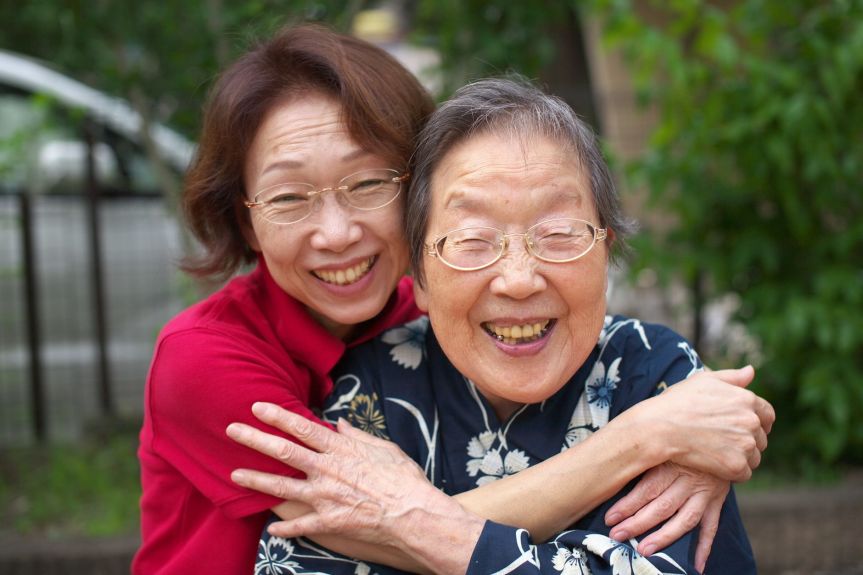
That shift can happen because of a family crisis, illness, financial instability, mental health concerns, substance use, incarceration, military deployment, death, or simply because the children need a safer and more stable place to land. However it happens, when grandparents step in to raise grandchildren, they are often carrying far more than people can see. National kinship care resources note that grandparents and other relatives frequently become the first safe option for children when parents cannot care for them, often with little time to prepare.

And when that happens, the conversation cannot stop at “they stepped up.”

We also need to ask:
Who is supporting them now?

Grandparents Raising Grandchildren Need More Than Praise

A lot of grandparents raising grandchildren get called strong, selfless, and loving.

And yes, many of them are all of those things.

But praise is not the same as support.

Many grandfamilies are navigating school enrollment, legal paperwork, health appointments, financial strain, transportation needs, behavior changes, grief, and the physical demands of parenting at a later stage in life. Federal and national kinship-care resources continue to emphasize that kinship caregivers often need help with both child-related and adult-related supports, including access to benefits, legal guidance, and service coordination.

So if you are someone caring for an aging loved one who is now raising grandchildren, or if you are a caregiver trying to support a grandparent in this role, this is important to understand: love may be what brought them into the role, but love alone is not enough to sustain it.

The Hidden Weight of Kinship Care

Grandparents who step into parenting again are often managing two caregiving realities at once.

They may be caring for grandchildren while also dealing with their own aging, chronic health conditions, fatigue, or financial concerns. And caregivers supporting them may find themselves trying to meet the needs of both generations at the same time.

That kind of layered care can wear people down.

The CDC reported in 2024 that caregivers, compared with noncaregivers, experienced worse outcomes on many health indicators, including mental health measures and several chronic physical conditions.

That does not mean grandparents raising grandchildren are not capable. It means they should not be expected to do this without real support.

Practical Support Still Matters

When a grandparent is raising grandchildren, practical help can make a bigger difference than people realize.

That may look like helping with grocery runs, rides to school, after-school pickup, household tasks, meal support, or help organizing medical and school paperwork. Sometimes what keeps a household stable is not one big intervention. It is consistent, everyday support that lowers the pressure just enough for a grandparent to breathe.

For caregivers supporting grandfamilies, this is one of the most useful questions to ask:

What would make this week easier?

Not next year.
Not in theory.
This week.

Because when families are overwhelmed, practical support is often what keeps things from slipping further.

Emotional Support Cannot Be an Afterthought

Grandparents raising grandchildren may feel joy, purpose, and deep love.

They may also feel grief, anger, sadness, resentment, guilt, fear, or exhaustion.

All of that can be true at the same time.

Some are grieving what their grandchildren have already been through. Some are grieving the reality that this is not the season of life they expected. Some feel isolated because their peers are traveling, retiring, or slowing down, while they are packing lunches, dealing with schools, and starting over.

Caregivers supporting them need to make room for the full emotional picture, not just the inspiring parts.

Listening without judgment matters. So does noticing when a grandparent looks burned out, shut down, depressed, or overwhelmed. Caregiving research continues to show that caregivers often experience elevated emotional strain, and grandparents raising grandchildren can face parenting stress on top of their own health and life transitions. 

Support Has to Include Resources

One of the biggest mistakes families make is assuming grandparents will “figure it out.”

Some do, but often at great cost.

Grandparents raising grandchildren may need help understanding legal custody, school enrollment, insurance coverage, financial assistance, counseling options, food access, or respite support. National grandfamily resources point to kinship navigator programs as an important tool because they connect relative caregivers to benefits, services, referrals, and follow-up support for both the children and the adults caring for them.

Financial help matters too. Grandfamilies.org notes that child-only TANF grants remain a key source of support for many kinship families, but the program is still underused relative to the number of families who may qualify.

In other words, support should not stop at encouragement.
It should include helping grandparents get connected to what may already exist.

The Relationship Between Grandparent and Grandchild Still Needs Care

When grandparents become full-time caregivers, the relationship can shift fast.

Love is still there, but the role changes. A grandparent may suddenly be the rule-maker, homework checker, appointment scheduler, disciplinarian, and emotional safe place all at once. That can be hard on both sides.

Children may be carrying trauma, confusion, anger, loyalty conflicts, or grief. Grandparents may be trying to provide stability while also adjusting to the emotional weight of what brought the children into their care in the first place.

That is why support has to include the relationship itself.

Encouraging moments of connection, not just management, matters. Quality time matters. Predictability matters. Patience matters. So does helping grandparents understand that behavior is often carrying a story beneath it.

Self-Care Has to Be Reframed

Telling grandparents to “practice self-care” is not enough if no one is helping make that possible.

Rest does not happen because someone deserves it.
It happens because support is in place.

If a grandparent cannot get a break, cannot leave the house easily, is worried about money, and is carrying the emotional load of the entire household, generic self-care advice can feel disconnected from reality.

For caregivers supporting them, self-care may need to look more concrete:

Can you give them two hours to themselves?
Can you cover one evening a week?
Can you help them get connected to respite, counseling, or community support?
Can you reduce one pressure point they keep carrying alone?

That is often what real support looks like.

This Is a Family System Issue

When grandparents are raising grandchildren, the impact usually stretches across the whole family system.

There may be tension with the children’s parents. There may be legal uncertainty. There may be sibling disagreements, financial stress, or questions about who is responsible for what. And when those things go unnamed, the grandparent often ends up absorbing the strain.

That is why families need honest conversations about roles, responsibilities, expectations, and support. Not everything should fall on the grandparent just because they were willing to step in first.

Stepping in should not mean being left alone.If this topic is close to home, I encourage you to also read my previous blog, Grandparents Raising Grandchildren: How the Caregiver Can Support

Schedule a Family Care Planning Session

Roz Jones is a dedicated caretaker turned CEO with over a decade of experience in helping families care for and make decisions for loved ones and their legacies.Roz is a compassionate, innovative healthcare industry leader.

If your family needs support talking through next steps, book a Family Care Planning Session with Roz Jones to walk through your concerns, questions, and planning needs with more clarity and care.

Purchase the Caregiving & Advance Health Directives Checklist!

Roz Jones Enterprises Caregiving & Advance Health Directives Checklist.

If you want a practical tool to help guide the conversation and make these decisions feel less overwhelming, purchase the Caregiving & Advance Health Directives Checklist at the link below.

Subscribe to The Caregiver Cafe Weekly Newsletter!

Caregiving can be a roller coaster of ups and downs. The information that you will receive from The Caregiver Cafe Weekly Specials Newsletter will support you as a caregiver. Remember…

1. YOU ARE NOT ALONE: The problems you face as a caregiver are experienced by other caregivers. Knowing that you’re not alone can be comforting. 

2. Tools and Resources:  Find caregiver stress management tools and gain perspective from other caregiver’s experiences.

3. LEARN TO: Ask for help, accept help when it is offered, and acknowledge yourself on this caregiving journey. Hear from experts on how to balance caregiving responsibilities by taking care of your needs and involving others to help manage the natural stress and isolation of being a caregiver. 

Planning Before the Crisis

By Roz Jones

If you are caring for an aging loved one, or if you are someone trying to prepare your own wishes so your family is not left guessing later, advance directives can feel like a hard topic to even bring up.

That makes sense.

These conversations touch fear, vulnerability, health changes, and the reality that life will not always stay the same. A lot of people avoid them not because they do not care, but because they do. Deeply.

But that is also exactly why this matters.

Advance directives are not just legal documents. They are one way to make sure a person’s voice stays part of the conversation, even during moments when they may not be able to speak for themselves.

What Advance Directives Really Mean

At their core, advance directives help put medical wishes into writing ahead of time.

They can help answer questions like:

Who should speak for me if I cannot speak for myself?
What kinds of treatment would I want or not want?
What matters most to me if my health changes?

For the person aging, this is about protecting choice.

For the caregiver, this is about having guidance instead of having to make painful guesses in the middle of a crisis.

That matters more than people sometimes realize.

Why Your Aging Loved One May Need This

Aging does not take away a person’s right to decide how they want to be cared for.

Your aging loved one may already have strong feelings about medical care, life support, hospital treatment, comfort, dignity, and who they trust to make decisions. The problem is not always that they do not have wishes. The problem is that those wishes often have not been clearly shared, written down, or discussed with the right people.

When that happens, families are left trying to figure things out under pressure.

Advance directives help aging loved ones stay centered in their own care. They create space for a person to say, while they are able, “This is what matters to me.”

Why Caregivers Need This Too

If you are a caregiver, you already know how much can end up resting on your shoulders.

You may be the person making calls, tracking medications, keeping up with appointments, watching for changes, checking on safety, and trying to hold everything together emotionally at the same time. In the middle of all that, the last thing you need is to be forced into making major medical decisions without clear direction.

That kind of uncertainty can weigh heavily on caregivers.

It can create guilt.
It can create conflict among family members.
It can leave one person carrying the emotional burden of decisions no one prepared for.

Advance directives cannot remove all the pain from a hard season, but they can give caregivers something steady to lean on. They can offer clarity when emotions are high. They can help families move from guessing to honoring what their loved one actually wanted.

This Is Not Only About End-of-Life

One of the biggest reasons families delay this conversation is because they think advance directives are only about death.

That is part of the picture, but not the whole picture.

Advance directives matter anytime someone may not be able to communicate their wishes for themselves. That could happen during a serious illness, after a fall, during hospitalization, after a stroke, with memory loss, or because of another unexpected medical event.

So this is not just about preparing for the end.
It is about preparing for the unknown.

And when you are caring for an aging loved one, you know how quickly things can change.

Why Families Put It Off

Many people assume there will be more time.

More time to ask the questions.
More time to fill out the forms.
More time to come back to the conversation when things feel less busy, less emotional, less uncomfortable.

But in caregiving, waiting often creates more pressure, not less.

Conversations that could have happened slowly and thoughtfully end up happening in hospital rooms, after emergencies, or during moments when everyone is tired and overwhelmed. That is when stress is high, opinions collide, and people are most likely to feel lost.

Planning ahead does not make a hard situation easy.
But it can make it clearer.

How to Start Without Making It Feel Scary

This conversation does not have to begin with legal language or stacks of paperwork.

It can begin with care.

You might say:

I want to make sure we understand what matters to you.
Have you thought about who you would want speaking for you if needed?
Are there medical decisions you feel strongly about?
What would you want us to know now, before there is ever a crisis?

That kind of opening feels different.

It does not sound like fear.
It sounds like love.
It sounds like respect.
It sounds like preparation.

And for caregivers who are making plans for themselves too, these same questions matter just as much. You do not have to wait until you are older, sicker, or in crisis to decide you want your wishes known.

Clarity Is a Gift to Everyone Involved

One of the most loving things a person can do for their family is make their wishes clear.

One of the most loving things a caregiver can do is help create space for that clarity.

Advance directives are not about expecting the worst. They are about reducing confusion if life takes a difficult turn. They are about helping aging loved ones keep their voice. They are about helping caregivers feel less alone in decision-making. They are about giving families a stronger foundation in moments that can otherwise feel chaotic.

That is why this matters. If you want to understand the basics more clearly, read my previous blog What are Advance Directives and Why Do They Matter?

Schedule a Family Care Planning Session

Roz Jones is a dedicated caretaker turned CEO with over a decade of experience in helping families care for and make decisions for loved ones and their legacies.Roz is a compassionate, innovative healthcare industry leader.

If your family needs support talking through next steps, book a Family Care Planning Session with Roz Jones to walk through your concerns, questions, and planning needs with more clarity and care.

Purchase the Caregiving & Advance Health Directives Checklist!

Roz Jones Enterprises Caregiving & Advance Health Directives Checklist.

If you want a practical tool to help guide the conversation and make these decisions feel less overwhelming, purchase the Caregiving & Advance Health Directives Checklist at the link below.

Subscribe to The Caregiver Cafe Weekly Newsletter!

Caregiving can be a roller coaster of ups and downs. The information that you will receive from The Caregiver Cafe Weekly Specials Newsletter will support you as a caregiver. Remember…

1. YOU ARE NOT ALONE: The problems you face as a caregiver are experienced by other caregivers. Knowing that you’re not alone can be comforting. 

2. Tools and Resources:  Find caregiver stress management tools and gain perspective from other caregiver’s experiences.

3. LEARN TO: Ask for help, accept help when it is offered, and acknowledge yourself on this caregiving journey. Hear from experts on how to balance caregiving responsibilities by taking care of your needs and involving others to help manage the natural stress and isolation of being a caregiver. 

Nurturing the Caregiver’s Soul: Self-Care Rituals Amidst the School Year Hustle

By Roz Jones

In the midst of the school year’s hustle, caregivers stand as the pillars of strength for their loved ones’ lives. As the world hums with back-to-school activities, it’s essential to carve out moments for self-care, ensuring your well-being remains a priority. This blog is a heartfelt guide, extending an invitation to caregivers to pause, breathe, and indulge in self-care activities that rejuvenate the spirit amidst the hustle and bustle of the school year.

Tune into Melodic Relaxation

Dive into the world of soothing melodies that resonate with your soul. Listen to calming music, nature sounds, or even guided meditations. Allow the rhythms of sound to wash over you, soothing your spirit and guiding you to a place of tranquility. 

Nourish Your Senses in an Aromatherapy Escape

Envelop yourself in the world of aromatherapy, where scents become a portal to serenity. Light scented candles, diffuse essential oils, or draw a fragrant bath. Let the gentle aromas wash away stress and envelop you in a cocoon of relaxation. 

Cultivate Presence and Stillness

Engage in mindfulness exercises that ground you in the present moment. Practice deep breathing, guided meditation, or simply sit in quiet contemplation. These mindful interludes bring clarity, alleviate stress, and grant you a sense of inner calm.

Savor the Pleasure of Nourishing Foods

Create a culinary masterpiece that nurtures both body and soul. Experiment with new recipes or indulge in comfort foods. As you savor each bite, relish the joy of nourishing yourself and those you care for.

Unplug and Reconnect with Real Life

Take a break from screens and immerse yourself in the tangible world. Engage in activities that don’t involve technology – whether it’s crafting, gardening, or having heartfelt conversations. Disconnecting from the virtual realm offers a rejuvenating respite.

Seek Support and Laughter

Amidst the school year hustle, prioritize connecting with friends and fellow caregivers. Share stories, laughter, and experiences, offering each other a supportive network that understands the journey. These moments of connection bring solace and a reminder that you’re not alone.

As the school year propels forward, remember that self-care is your compass to navigate the hustle with grace and resilience. These activities are not just luxuries, but essential acts of self-love that renew your spirit, ensuring you have the strength and vitality to embrace your role as a caregiver with love and unwavering devotion.

Happy National Relaxation Day

Planning a Summer Vacation with an Aging Loved One? Download the FREE Checklist!

Are you embarking on a summer vacation adventure with a loved one in need of care? Whether you’re a caregiver or know someone who is, we understand the unique challenges and considerations that come with vacationing while ensuring your loved one is safe..

Make your vacation experience stress-free and enjoyable for both you and your loved one, we’re excited to offer you a free downloadable checklist!

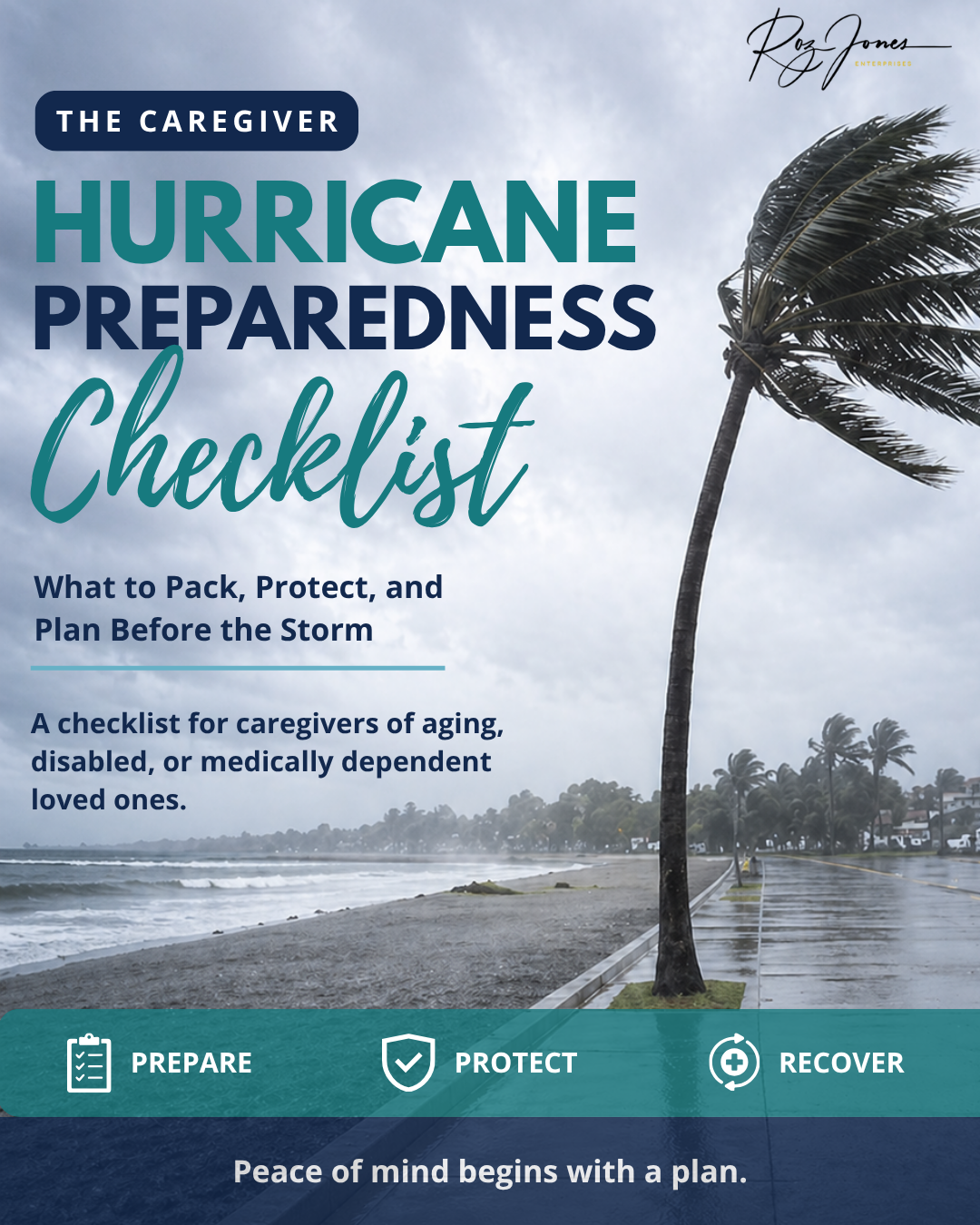
Stay Ahead of the Storm: Download Your Free Expert Storm Guide Now!

Photo by ALTEREDSNAPS on Pexels.com

As we know, June – November is Hurricane Season. As a family caregiver, there are many ways to prepare your loved ones for it. Early preparation helps reduce opportunities for stress and anxiety as storms approach.

One of the best ways to prepare is allowing your loved on to assist in packing their travel bag, checking their contact list and ensuring there are adequate emergency supplies.

Participation… not isolation… go a long way when preparing for major storms. This Seniors Storm Guide gives essential information to refer to again and again!