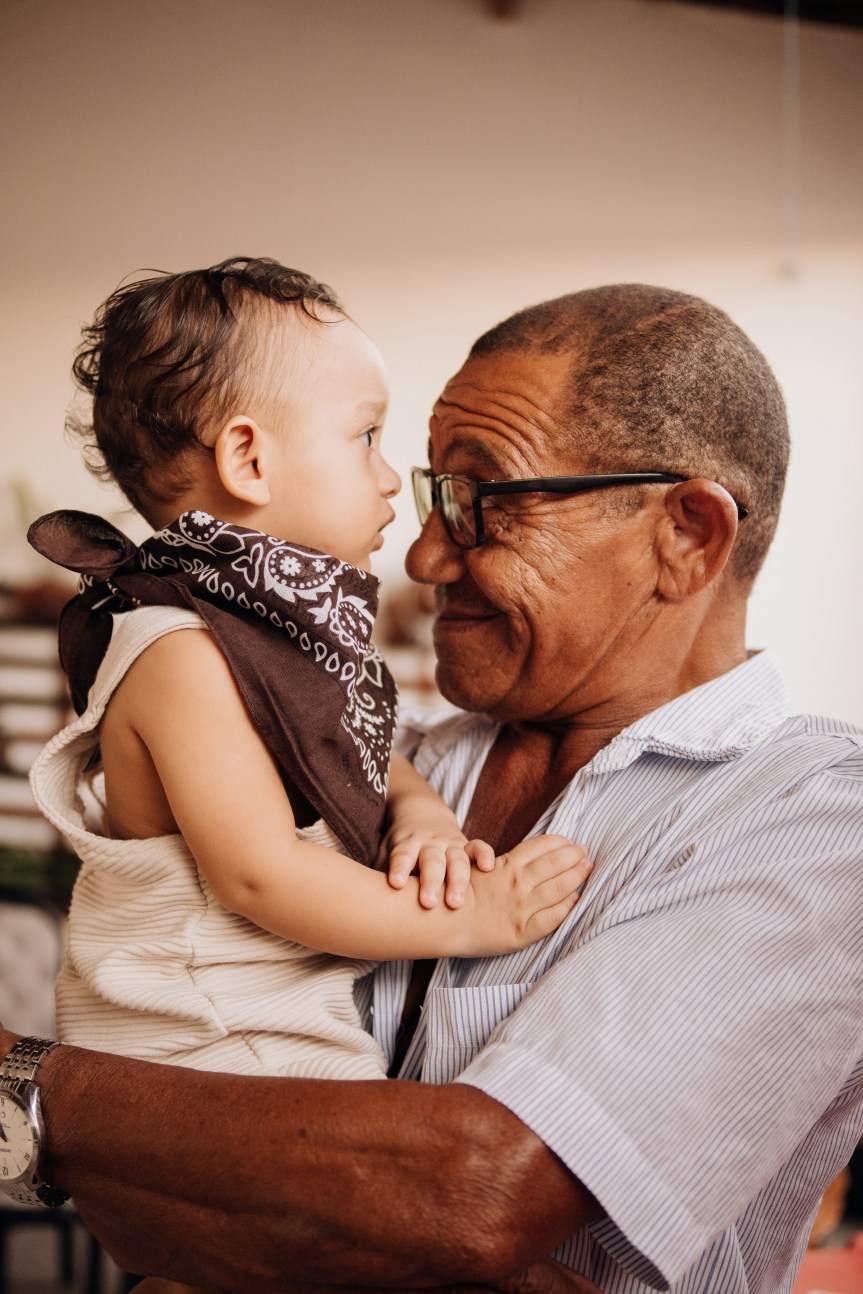
Beyond Activities: Helping Aging Loved Ones Feel Seen, Heard and Connected

By Roz Jones

Family bonding is not only about what families do together.

It is also about how aging loved ones feel when the family is gathered around them.

Do they feel included?
Do they feel heard?
Do they feel remembered?
Do they feel like their life still matters?
Do they feel like they are still part of the family story?

As loved ones age, families often focus on care needs. The appointments. The medications. The meals. The mobility concerns. The daily routines. Those responsibilities are important, and caregivers know how much attention they require.

But caregiving also includes emotional connection.

Aging loved ones need more than assistance. They need belonging. They need meaningful interaction. They need opportunities to share who they are, what they have lived through, and what still matters to them.

Family bonding does not always have to be planned around a major outing or a large gathering. Sometimes the most meaningful moments happen in simple, quiet ways. A song. A story. A photograph. A favorite saying. A familiar prayer. A hand held a little longer than usual.

These moments may seem small, but they can help aging loved ones feel grounded, valued, and loved.

Preserve Their Stories While You Can

Every aging loved one carries a history.

They have lived through seasons the younger generation may never fully understand. They may remember family traditions, childhood lessons, first jobs, hard years, joyful years, people who have passed on, and moments that shaped the family long before the caregiver stepped into this role.

Those stories matter.

Caregivers can create moments of connection by inviting aging loved ones to share parts of their life story. This does not have to be formal. It can happen during a quiet afternoon, a family visit, a phone call, or while looking at old pictures.

The family might ask about where they grew up, who influenced them, what they were proud of, what they learned the hard way, what they wish younger family members knew, or what traditions they hope the family will continue.

When memory changes are present, the conversation may need to be gentle and flexible. The goal is not to test their memory or correct every detail. The goal is to listen.

Sometimes a story may come out slowly.

Sometimes it may come out in pieces.

Sometimes the same story may be repeated more than once.

That does not make it less valuable.

Repeated stories may be the ones that still hold meaning. They may be the memories that feel safest, strongest, or most connected to identity.

Listening is an act of care.

Create a Family Memory Project

Families can help aging loved ones feel honored by creating a simple memory project.

This could be a photo album with captions, a family recipe collection, a box of handwritten notes, a recorded conversation, a voice memo, a short video, or a family timeline.

The project does not have to be perfect.

It simply needs to make room for the loved oneโ€™s life to be acknowledged.

A caregiver might ask family members to write down favorite memories. Grandchildren might contribute drawings or questions. Adult children might record short reflections. The loved one might share names, places, sayings, stories, or lessons they want remembered.

These projects can become a gift for the whole family.

They also remind the aging loved one that their life has impact.

They are not just being cared for.

They are being honored.

Use Music to Bring Comfort and Connection

Music has a way of reaching places that words sometimes cannot.

A familiar song can bring a smile. A hymn can bring peace. A favorite artist can bring back a memory. A song from childhood, church, a wedding, a family gathering, or a meaningful season of life can create connection almost instantly.

Caregivers can use music as a gentle way to bond with aging loved ones.

This may look like creating a playlist of favorite songs, playing soft music during a visit, singing together, listening to old records, or asking what music they loved when they were younger.

Music can also support mood and routine. A calming song may help during moments of anxiety. Familiar music may bring comfort during personal care. A favorite upbeat song may encourage movement or laughter.

The most important part is to choose music connected to the loved oneโ€™s life, not just what is convenient.

Music can help families remember that the person in front of them has a full history, full emotions, and full humanity.

Make Room for Spiritual and Emotional Rituals

For many aging loved ones, faith, prayer, devotion, meditation, or quiet reflection has been part of their life for years.

Caregivers can create bonding moments by honoring those spiritual and emotional rhythms.

This may include reading a short prayer, sitting together in silence, listening to a favorite sermon, playing gospel music, lighting a candle safely, holding hands, saying grace, or creating a quiet moment of gratitude.

For some families, this may not be religious. It may be emotional or reflective. It may look like naming one good thing from the day, sharing something they are thankful for, or simply taking a few quiet breaths together.

These rituals can bring peace.

They can also create consistency in a season where so much may feel uncertain.

Caregivers do not need to have all the right words. Sometimes presence is enough.

A calm voice, a steady hand, and a peaceful space can become part of the care.

Invite Younger Generations In

Family bonding is also about helping younger generations stay connected to aging loved ones.

Children, teens, and young adults may not always know how to interact with an aging family member, especially if there are changes in memory, mobility, hearing, or communication. They may feel unsure, nervous, or afraid of saying the wrong thing.

Caregivers can help bridge that gap.

Younger family members can ask simple questions, share school updates, show photos, read a short note, help with a small project, play a favorite song, or simply sit nearby.

The goal is not to force a perfect interaction.

The goal is to make connection feel possible.

A grandchild does not need to know how to have a long conversation to make an aging loved one feel loved. A hug, a drawing, a short visit, or a shared laugh can matter deeply.

These moments also help younger family members understand that aging loved ones are not just elderly relatives. They are people with stories, wisdom, humor, personality, and history.

That is how family connection continues across generations.

Respect Their Need for Quiet

Family bonding does not always mean more noise, more activity, or more conversation.

Sometimes aging loved ones need quiet companionship.

Sitting together without rushing can be meaningful. Watching the birds outside the window can be meaningful. Holding hands while resting can be meaningful. Sharing the same room without needing to fill every moment with words can be meaningful.

Caregivers should pay attention to how much stimulation their loved one can handle.

Aging loved ones may become tired more quickly. They may need breaks between visitors. They may enjoy family time but still need moments of calm. They may withdraw when the environment becomes too loud, too busy, or too confusing.

Quiet does not always mean disinterest.

Sometimes quiet is how the loved one is preserving energy.

A caregiver who understands this can help the family adjust expectations.

Connection does not have to be loud to be real.

Let Them Teach What They Know

Aging loved ones often still have wisdom, skills, and life lessons to share.

Even if they cannot do everything they once did, they may still be able to teach, guide, explain, or offer perspective.

Caregivers can create bonding moments by inviting loved ones to share what they know.

This may include family sayings, advice, cultural traditions, household tips, faith lessons, work stories, parenting wisdom, relationship lessons, or memories of how the family made it through difficult seasons.

Questions can be simple.

What is something you learned from your mother?
What advice would you give the younger generation?
What did family mean to you growing up?
What helped you through hard times?
What do you want us to remember?

These questions remind aging loved ones that they still have something to give.

That matters.

Caregiving should not only focus on what the loved one needs from others. It should also make room for what they can still offer.

Create a Comfort Routine Around Visits

Family visits can feel more meaningful when there is a gentle rhythm.

A comfort routine helps aging loved ones know what to expect. It can also make visits feel less rushed and more intentional.

This might include greeting them the same way, sitting in a favorite spot, playing a familiar song, bringing a favorite blanket, sharing a short update, looking at one photo, or ending the visit with a prayer or kind word.

Simple routines can bring a sense of safety.

They can also help family members be more present.

Instead of rushing in, talking over one another, and leaving quickly, the family can create a rhythm that honors the loved oneโ€™s pace.

Caregiving often asks families to slow down.

That slowing down can become a gift.

Pay Attention to Emotional Needs

Aging loved ones may not always say when they feel lonely, forgotten, afraid, frustrated, or sad.

Sometimes those feelings show up in other ways. They may become quiet. They may seem irritated. They may repeat concerns. They may ask when someone is coming. They may say they do not want to be a burden.

Caregivers can support family bonding by noticing the emotions underneath the behavior.

An aging loved one may need reassurance. They may need to be reminded that they are not forgotten. They may need someone to sit with them, listen to them, or help them feel connected to the family.

Emotional care is still care.

Aging loved ones need to know that their presence matters, even when their abilities change.

They need to know they are loved, not just managed.

Final Thoughts

Family bonding with aging loved ones does not have to be complicated.

It does not always require a big event, a full schedule, or a perfect plan. Sometimes the most meaningful connection happens through stories, music, spiritual rituals, memory projects, quiet companionship, and the simple act of listening.

Caregivers can help families move beyond simply being around an aging loved one and begin being present with them.

That presence matters.

It helps aging loved ones feel included.
It helps them feel remembered.
It helps them feel valued.
It helps them feel connected to the family they helped build.

As care needs change, the way families bond may also need to change. But connection is still possible. Joy is still possible. Meaning is still possible.

The goal is not to recreate the past exactly as it was.

The goal is to honor the person in front of you now.

For more on this topic, read the previous blog, โ€œEmbracing Family Bonding: Creating Lasting Memories with Aging Loved Ones,โ€ where I share additional ways family time can support connection with aging loved ones.

Tune in to The Caregiver Cafรฉ Podcast

In this episode of The Caregiver Cafรฉ with Roz Jones, Roz sits down with her dear friend Susan Palmer for a heartfelt Caregiver Chronicles conversation about caring for her mother at home.

Susan shares how caregiving became part of her life, first through planning and preparing a space for her mom, and then through unexpected changes after the pandemic, a fall, hospital stays, and increased care needs. Together, Roz and Susan talk honestly about what it means when caregiving happens because you are the closest, the one available, or the one everyone assumes will step in.

This conversation walks through the real-life details many families face: creating a safe home environment, preventing falls, using tools like walkers, risers, belts, shower chairs, and hospital-style beds, managing medications and hydration, and learning how to support a loved one with dignity during private care moments.

Roz also reminds listeners that caregiving is not meant to be carried alone. Support matters. Respite matters. Family conversations matter. And taking care of yourself is part of taking care of the person you love.

Susanโ€™s story is filled with honesty, humor, tenderness, and practical wisdom for anyone caring for an aging loved one at home.

So pour yourself something warm and join Roz and Susan at The Caregiver Cafรฉ as they talk about whatโ€™s roasting, whatโ€™s in the cup, and what it really means to care with kindness, preparation, and grace.

Give Yourself a Moment of Grace
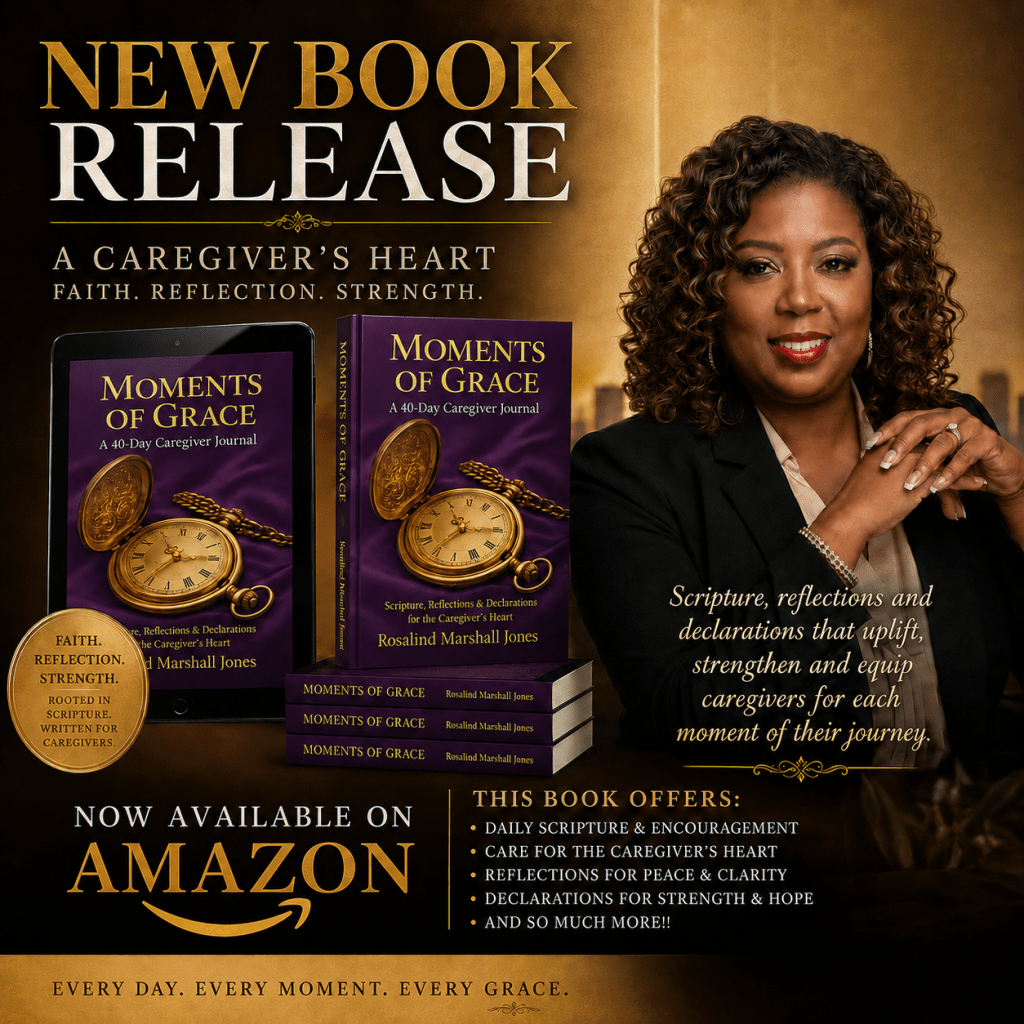
If you need encouragement for the emotional side of caregiving, purchase Roz Jonesโ€™ book, Moments of Grace. This book offers support, reflection, and reminders of grace for the caregiver who is carrying a lot.

This journal was created to help caregivers pause, breathe, reflect, and find strength in the middle of the caregiving journey.

Purchase Moments of Grace today and give yourself permission to breathe in the middle of the caregiving journey.

Prepare Before the Emergency Comes
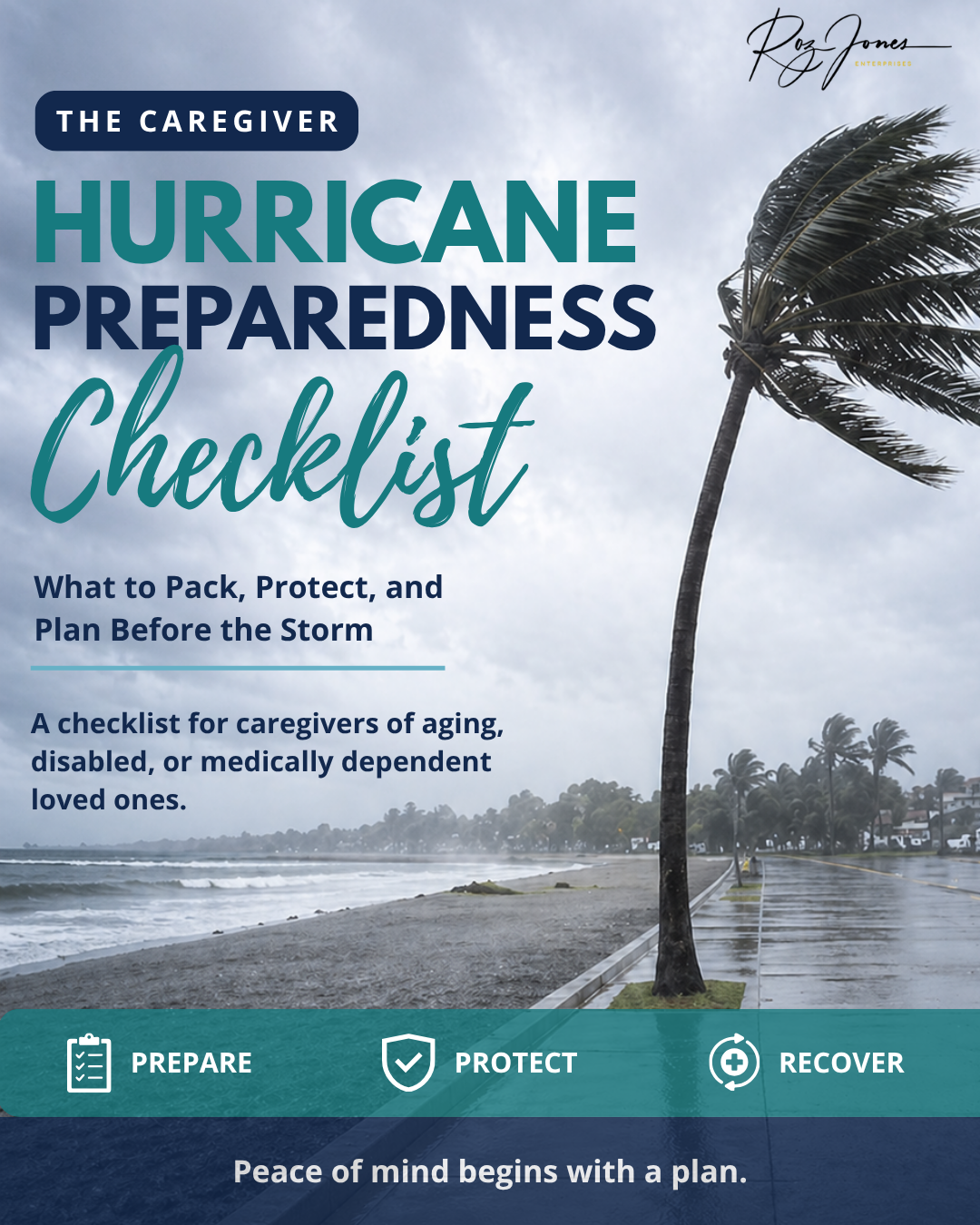
The Caregiver Hurricane Preparedness Checklist.

If you are caring for a loved one and want to be better prepared for storms, power outages, and unexpected caregiving emergencies, purchase the Caregiver Hurricane Preparedness Checklist. This resource can help you think through important details before a crisis is already at the door.

For only $1.99, this checklist gives you a simple starting point so you are not trying to gather everything during a storm, power outage, hospitalization, or sudden change in your loved oneโ€™s care.

Purchase the Caregiver Hurricane Preparedness Checklist for $1.99 today and take one more step toward peace of mind.

Need Help Sorting Through the Care Plan?

Roz Jones is a dedicated caretaker turned CEO with over a decade of experience in helping families care for and make decisions for loved ones and their legacies.Roz is a compassionate, innovative healthcare industry leader.

If your family needs help thinking through care decisions, caregiving responsibilities, or next steps, book a session with Roz Jones. You do not have to navigate this season alone.

Together, we can talk through what is working, what is becoming too heavy, and what boundaries need to be strengthened so you can continue to care without losing yourself in the process.

Subscribe to The Caregiver Cafe Weekly Newsletter!

Caregiving can be a roller coaster of ups and downs. The information that you will receive from The Caregiver Cafe Weekly Specials Newsletter will support you as a caregiver. Remember…

1. YOU ARE NOT ALONE: The problems you face as a caregiver are experienced by other caregivers. Knowing that you’re not alone can be comforting. 

2. Tools and Resources:  Find caregiver stress management tools and gain perspective from other caregiver’s experiences.

3. LEARN TO: Ask for help, accept help when it is offered, and acknowledge yourself on this caregiving journey. Hear from experts on how to balance caregiving responsibilities by taking care of your needs and involving others to help manage the natural stress and isolation of being a caregiver. 
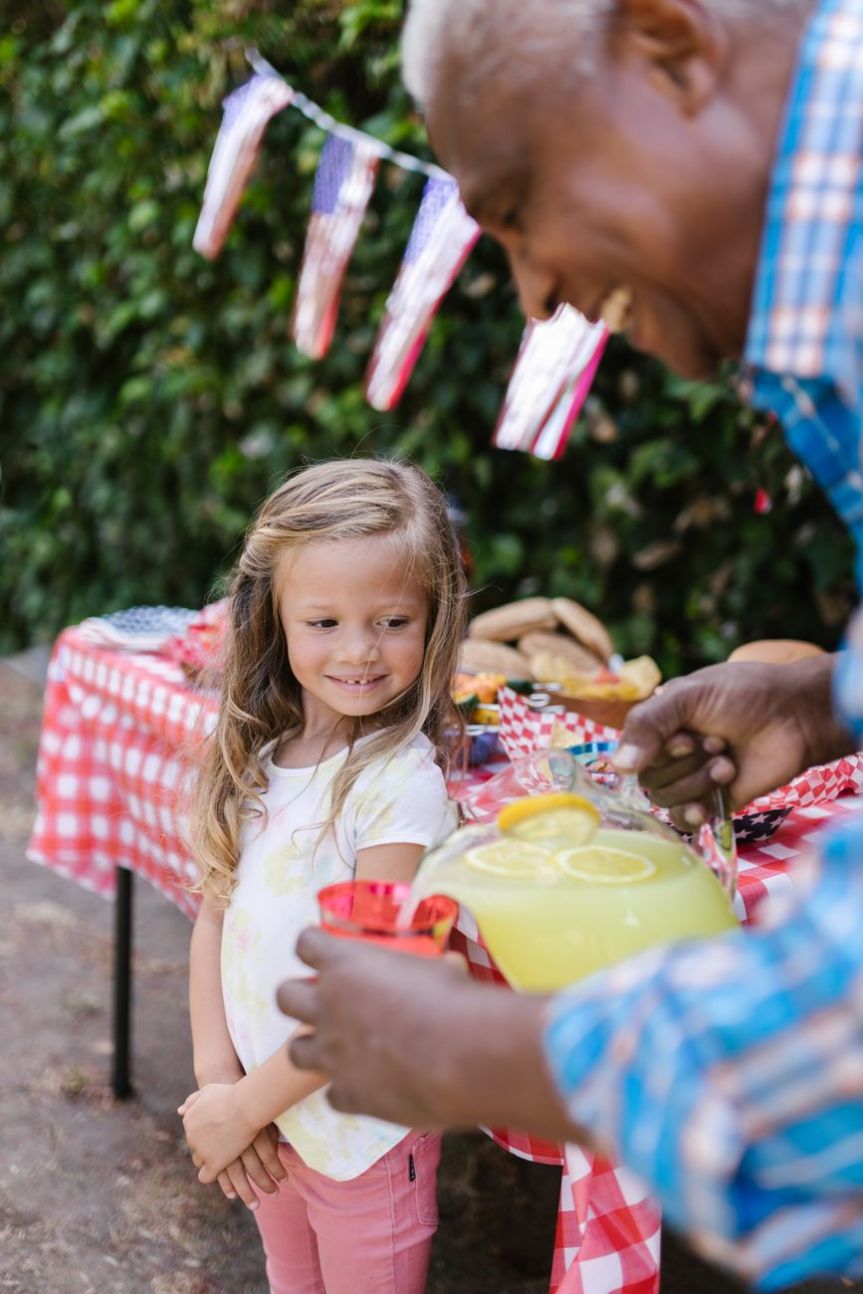
Honoring Independence and Connection: Summer Activities for Aging Loved Ones

By Roz Jones

Caregiving is not only about helping an aging loved one get through the day.

It is also about helping them remain connected to the parts of life that bring peace, purpose, memory, and joy. As loved ones age, their routines may change. Their energy may shift. Their physical abilities may look different than they once did. But the need for meaningful engagement does not disappear.

Aging loved ones still need opportunities to think, create, remember, participate, and feel connected to the world around them.

That is why activities matter in caregiving.

They are not just something to fill time. They can become a source of comfort. They can support emotional well-being. They can encourage gentle movement. They can help preserve dignity. They can create moments of connection between caregivers and the people they love.

Reading and gardening are beautiful examples of this. Both can be adapted to meet a loved one where they are. Both can bring calm into the day. Both can help caregivers create meaningful moments without needing an overly complicated plan.

And as Independence Day approaches, these simple activities can also help families honor tradition, connection, and a loved oneโ€™s changing independence in a safe and meaningful way.

The key is to focus less on doing the activity perfectly and more on creating an experience that feels supportive, familiar, and life-giving.

Begin with What Still Brings Interest

When choosing activities for an aging loved one, caregivers should begin with interest.

What has always brought them joy?
What did they love when they were younger?
What topics do they still talk about?
What makes them smile?
What helps them feel calm?
What gives them a sense of purpose?

A loved one who enjoyed reading may not be able to sit with a long novel anymore, but they may still enjoy short stories, devotionals, poetry, magazines, audiobooks, or being read to. A loved one who once kept a large garden may not be able to bend, dig, or spend long hours outside, but they may still enjoy watering plants, choosing flowers, touching herbs, or sitting near something growing.

The activity may need to change, but the connection to what they love can remain.

Caregivers do not have to force something new when there is already meaning in what is familiar.

Make Reading More Accessible

Reading can offer comfort, stimulation, and connection for aging loved ones. It can open the door to memories, conversation, imagination, and reflection.

But caregivers may need to adjust how reading happens.

Vision changes, fatigue, memory concerns, hearing loss, or difficulty concentrating may make traditional reading harder. That does not mean reading has to be removed from the routine. It simply means the activity may need to be adapted.

Large-print books can help. Audiobooks can be a wonderful option. Short stories may feel more manageable than longer chapters. Devotionals, prayer books, poetry, newspapers, or magazines may be easier to enjoy in small portions. Reading aloud can also create a peaceful shared experience between the caregiver and the loved one.

The goal is not to finish a book quickly.

The goal is to create a moment.

A caregiver might read a few pages after breakfast. A loved one might listen to an audiobook while resting. The family might read a devotional together in the evening. A grandchild might read a favorite story during a visit.

Reading can become more than an activity. It can become a rhythm of connection.

Use Stories to Encourage Conversation

Books, poems, devotionals, and articles can gently open the door to meaningful conversation.

A story may remind an aging loved one of childhood. A poem may bring up a favorite memory. A devotional may lead to a conversation about faith. A newspaper article may help them feel connected to the world. A recipe in a magazine may bring back memories of family meals, holidays, or traditions.

Around Independence Day, reading can also become a way to revisit family history. A caregiver may read a short patriotic poem, a favorite prayer, a family recipe, or a story connected to past summer gatherings. For some aging loved ones, the Fourth of July may bring back memories of cookouts, parades, church picnics, military service, neighborhood celebrations, or children playing outside while the adults prepared the meal.

Caregivers can use these memories as invitations, not tests.

Instead of asking questions that may feel like pressure, caregivers can make room for natural conversation.

โ€œThis reminds me of something you used to say.โ€
โ€œI remember you telling me about that.โ€
โ€œThis sounds like something you would have loved.โ€
โ€œThat part made me think of our family.โ€

These moments can be especially meaningful when a loved one is living with memory changes. The purpose is not to correct every detail. The purpose is to connect with the person.

Sometimes the memory may not be exact, but the emotion behind it is still real.

Create a Peaceful Reading Space

Environment matters.

A loved one may enjoy reading more when the space feels comfortable and calm. Good lighting, a supportive chair, a soft blanket, reading glasses, a side table, and reduced background noise can make the experience easier.

Caregivers can create a simple reading corner without needing anything fancy. A favorite chair by a window, a basket of books, a lamp, and a warm drink may be enough.

For loved ones who tire easily, shorter reading sessions may work best. Ten minutes can be meaningful. One page can still matter. A few lines of scripture, poetry, or reflection can bring comfort into the day.

Caregiving often teaches families that small moments are not small at all.

A quiet reading moment can be a gift.

Bring Gardening Down to a Manageable Size

Gardening can be deeply meaningful for aging loved ones, especially those who once enjoyed caring for flowers, vegetables, herbs, or outdoor spaces.

But gardening does not have to mean maintaining a full yard.

It can be simple.

A few potted plants.
A windowsill herb garden.
A small container on the porch.
A raised garden bed.
A hanging basket.
A vase of fresh flowers.
A tomato plant in a sunny spot.
A small watering can near the door.

For aging loved ones with limited mobility, container gardening or raised beds can make participation easier. For those who cannot safely bend or stand for long periods, gardening tasks can be done seated at a table.

They may help choose the seeds. They may place soil in a pot. They may water a plant. They may smell herbs. They may help decide where flowers should go. They may simply sit outside and enjoy watching something grow.

That still counts.

Gardening is not only about the harvest. It is about the experience of nurturing life.

Use Gardening for Seasonal Connection

Gardening can also help families bring seasonal meaning into the home.

For Independence Day, caregivers may consider creating a small red, white, and blue flower arrangement, planting a container garden for the porch, placing fresh flowers on the table, or letting an aging loved one help choose herbs or plants for the holiday meal.

These simple activities can help a loved one feel included without requiring them to do too much.

If they once hosted the family cookout, tended the yard, prepared the food, or decorated the table, small gardening-related tasks may reconnect them to those familiar roles. They may no longer be able to manage the whole celebration, but they can still participate in a way that honors their abilities.

Aging changes what independence looks like.

It does not remove the need to feel useful, included, and respected.

Use Gardening for Sensory Connection

Gardening offers many forms of gentle sensory engagement.

The smell of basil, mint, rosemary, or lavender can be calming. The color of flowers can bring joy. The feeling of soil, leaves, or petals can provide stimulation. The sound of birds, wind, or water can create peace. The warmth of sunlight can lift the mood.

For aging loved ones living with dementia or other memory changes, sensory experiences can be especially meaningful. A familiar scent or texture may bring comfort even when words are harder to find.

Caregivers can use gardening as a way to support connection without demanding too much.

A loved one does not have to remember the name of every flower to enjoy the garden. They do not have to complete every task to feel included. They do not have to do things the way they once did for the moment to have value.

The garden can meet them where they are.

Allow the Activity to Support Purpose

Purpose is important in caregiving.

Many aging loved ones spent years working, raising families, serving others, managing homes, cooking meals, tending gardens, leading households, and making decisions. As they age, they may begin to feel like everything is being done for them.

That can be difficult.

Activities like reading and gardening can help restore a sense of participation.

A loved one may feel useful when asked to choose what book to read next. They may feel included when asked which flowers to plant. They may feel proud when a plant blooms. They may feel connected when their opinion is valued.

Caregivers can look for small ways to give their loved one choice and involvement.

Would they prefer flowers or herbs?
Would they like fiction or a devotional?
Would they rather sit outside or by the window?
Would they like to water the plant today?
Would they like to listen while someone reads?

Choice helps preserve dignity.

Even small choices can remind an aging loved one that their voice still matters.

Include Them in Independence Day Traditions

Summer holidays can bring up many memories for aging loved ones.

For some, the Fourth of July may bring back memories of family cookouts, neighborhood gatherings, fireworks, parades, church picnics, military service, summer meals, children playing outside, or time spent in the garden before company arrived.

Caregivers can use Independence Day as an opportunity to create connection in ways that are safe, comfortable, and meaningful.

This may look like reading a short patriotic poem, looking through old family photos from past summer gatherings, listening to familiar music, helping arrange flowers for the table, watering plants before guests arrive, or sitting outside in the shade while the family prepares the meal.

If fireworks are too loud, overwhelming, or unsafe, families can find gentler ways to mark the day. Watching fireworks on television, using soft lighting, enjoying red, white, and blue flowers, making a simple dessert together, or sharing family stories can still make the day feel special.

The goal is not to force an aging loved one into every activity.

The goal is to help them feel included.

Independence Day can also be a reminder that independence may look different as loved ones age. A parent may no longer host the cookout, prepare every dish, or stay outside late into the evening. But they can still have choices. They can still participate. They can still be honored. They can still be part of the family rhythm.

Caregiving invites families to protect safety while still preserving dignity, voice, and connection.

Adjust for Safety and Comfort

Activities should always be adapted to the loved oneโ€™s needs.

For reading, caregivers may need to consider lighting, font size, hearing, attention span, and fatigue. For gardening, caregivers should consider balance, heat, hydration, sun exposure, allergies, tools, and safe seating.

During summer gatherings, safety becomes even more important. Heat, crowds, noise, fireworks, uneven grass, long periods outside, and changes in routine can be difficult for aging loved ones.

Caregivers can plan ahead by keeping water nearby, offering shade, choosing supportive seating, limiting time outdoors during the hottest part of the day, and creating a quiet indoor space if the celebration becomes overstimulating.

If a loved one becomes tired, confused, irritated, withdrawn, or uncomfortable, it may be time to pause.

This does not mean the activity failed.

It means the caregiver is paying attention.

Meaningful activities can support the emotional, physical, and mental well-being of aging loved ones. They can bring comfort, memory, purpose, creativity, and connection into the caregiving journey.

Reading and gardening are simple ways to create those moments, especially during the summer season when families may be gathering, traveling, celebrating, or spending more time outdoors.

As Independence Day approaches, caregivers may find themselves planning cookouts, visits, travel, or time with family. These moments can be meaningful, but they may also require extra care.

The noise may be too much. The heat may be too strong. The schedule may be too long. The environment may need to be adjusted.

Still, with preparation and patience, the holiday can become a time of connection instead of stress.

Aging loved ones do not have to participate in the same way they once did for the day to matter. Sometimes being included, being asked, being remembered, and being seated comfortably where they can enjoy the family is enough.

That is care.

That is dignity.

That is love in this season.

For more on this topic, read the previous blog, โ€œRediscovering the Joy of Reading and Gardening: Activities for Caregivers and Aging Loved Ones,โ€ where I share additional ways reading and gardening can bring joy, stimulation, creativity, and connection into the caregiving routine.

Tune in to The Caregiver Cafรฉ Podcast

In this episode of The Caregiver Cafรฉ with Roz Jones, Roz sits down with her dear friend Susan Palmer for a heartfelt Caregiver Chronicles conversation about caring for her mother at home.

Susan shares how caregiving became part of her life, first through planning and preparing a space for her mom, and then through unexpected changes after the pandemic, a fall, hospital stays, and increased care needs. Together, Roz and Susan talk honestly about what it means when caregiving happens because you are the closest, the one available, or the one everyone assumes will step in.

This conversation walks through the real-life details many families face: creating a safe home environment, preventing falls, using tools like walkers, risers, belts, shower chairs, and hospital-style beds, managing medications and hydration, and learning how to support a loved one with dignity during private care moments.

Roz also reminds listeners that caregiving is not meant to be carried alone. Support matters. Respite matters. Family conversations matter. And taking care of yourself is part of taking care of the person you love.

Susanโ€™s story is filled with honesty, humor, tenderness, and practical wisdom for anyone caring for an aging loved one at home.

So pour yourself something warm and join Roz and Susan at The Caregiver Cafรฉ as they talk about whatโ€™s roasting, whatโ€™s in the cup, and what it really means to care with kindness, preparation, and grace.

Give Yourself a Moment of Grace

If you need encouragement for the emotional side of caregiving, purchase Roz Jonesโ€™ book, Moments of Grace. This book offers support, reflection, and reminders of grace for the caregiver who is carrying a lot.

This journal was created to help caregivers pause, breathe, reflect, and find strength in the middle of the caregiving journey.

Purchase Moments of Grace today and give yourself permission to breathe in the middle of the caregiving journey.

Prepare Before the Emergency Comes

The Caregiver Hurricane Preparedness Checklist.

If you are caring for a loved one and want to be better prepared for storms, power outages, and unexpected caregiving emergencies, purchase the Caregiver Hurricane Preparedness Checklist. This resource can help you think through important details before a crisis is already at the door.

For only $1.99, this checklist gives you a simple starting point so you are not trying to gather everything during a storm, power outage, hospitalization, or sudden change in your loved oneโ€™s care.

Purchase the Caregiver Hurricane Preparedness Checklist for $1.99 today and take one more step toward peace of mind.

Need Help Sorting Through the Care Plan?

Roz Jones is a dedicated caretaker turned CEO with over a decade of experience in helping families care for and make decisions for loved ones and their legacies.Roz is a compassionate, innovative healthcare industry leader.

If your family needs help thinking through care decisions, caregiving responsibilities, or next steps, book a session with Roz Jones. You do not have to navigate this season alone.

Together, we can talk through what is working, what is becoming too heavy, and what boundaries need to be strengthened so you can continue to care without losing yourself in the process.

Subscribe to The Caregiver Cafe Weekly Newsletter!

Caregiving can be a roller coaster of ups and downs. The information that you will receive from The Caregiver Cafe Weekly Specials Newsletter will support you as a caregiver. Remember…

1. YOU ARE NOT ALONE: The problems you face as a caregiver are experienced by other caregivers. Knowing that you’re not alone can be comforting. 

2. Tools and Resources:  Find caregiver stress management tools and gain perspective from other caregiver’s experiences.

3. LEARN TO: Ask for help, accept help when it is offered, and acknowledge yourself on this caregiving journey. Hear from experts on how to balance caregiving responsibilities by taking care of your needs and involving others to help manage the natural stress and isolation of being a caregiver. 
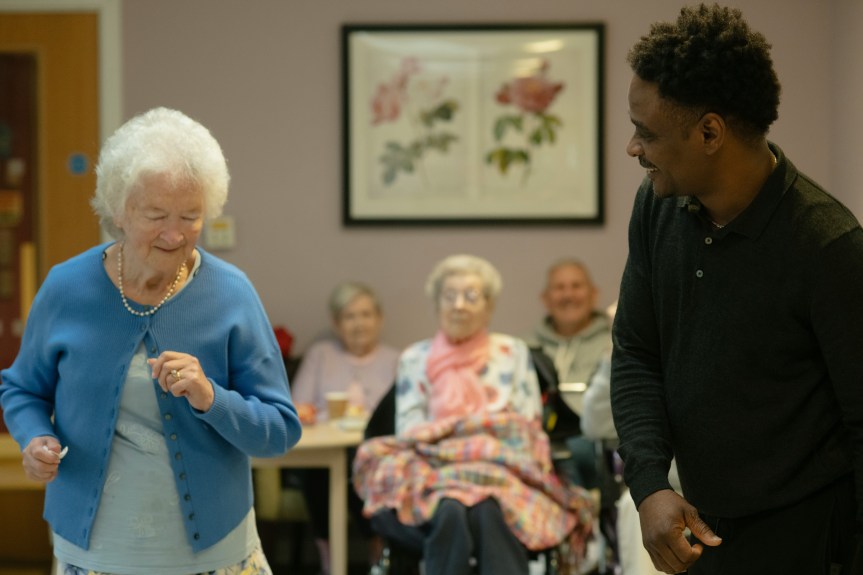
Creating Meaningful Moments at Home and Away: Activities for Aging Loved Ones

By Roz Jones

Another part of caregiving that deserves attention is connection.

Aging loved ones still need moments that bring joy. They still need opportunities to use their mind, move their body, feel included, and experience life beyond the care routine. Whether a loved one is living at home, recovering from an illness, managing memory changes, or adjusting to a slower pace, meaningful activities can help bring comfort, stimulation, and dignity into the day.

The goal is not to keep them busy just for the sake of being busy.

The goal is to create moments that remind them they are still seen, valued, and part of the family.

In caregiving, even simple activities can become meaningful when they are done with intention.

Start with What Your Loved One Can Enjoy Now

One of the most helpful things a caregiver can do is pay attention to what their loved one can enjoy in this current season.

Activities may need to change over time. A loved one who once enjoyed long walks may now prefer sitting outside on the porch. A parent who used to play competitive card games may now do better with matching games, puzzles, or simple conversation cards. A spouse who once loved cooking may now enjoy helping wash vegetables, folding napkins, or choosing the music during mealtime.

The activity does not have to look exactly like it used to in order to still have value.

Caregivers can begin by asking a few simple questions.

What brings comfort?
What feels familiar?
What causes frustration?
What helps them feel calm?
What activities can be adjusted instead of removed completely?

When caregivers focus on ability instead of limitation, they can create moments that feel respectful and encouraging.

Bring Movement into the Day Gently

Movement is important for aging loved ones, but it does not always have to mean a structured workout or a long outdoor walk.

Some loved ones may enjoy a short walk around the block. Others may only be able to walk to the mailbox, move from room to room, or complete gentle seated movements. What matters most is safety, consistency, and comfort.

Movement can look like stretching while seated, standing at the counter with support, walking through the garden, dancing slowly to a favorite song, or taking a few steps outside for fresh air.

For many aging loved ones, movement also supports mood. A change of scenery can bring relief. Fresh air can lift the spirit. Natural light can help with routine. A few minutes outside can turn an ordinary day into a better one.

Caregivers should always consider mobility, balance, weather, hydration, footwear, and fatigue before encouraging movement. The goal is not to push too hard. The goal is to support the body in a way that feels safe and manageable.

Use Familiar Activities to Spark Memory and Conversation

Familiar activities can be powerful.

A favorite song, an old recipe, a family photo album, a familiar board game, or a childhood story can open the door to connection. Even when memory changes are present, familiar sounds, smells, and routines may still bring comfort.

Caregivers can use simple activities to encourage conversation without putting pressure on the loved one to remember everything correctly.

Looking through photo albums can lead to stories.
Listening to old music can bring smiles.
Sorting recipe cards can bring up family traditions.
Watching a favorite movie can create calm.
Playing a simple game can offer laughter and connection.

The purpose is not to test memory.

The purpose is to create space for the loved one to participate in a way that feels good to them.

Aging loved ones do not always need complicated activities. Sometimes they need familiar moments that remind them of who they are and what they have loved.

Make Games Easier, Not Childish

Board games, card games, word games, and puzzles can be wonderful for older adults, but caregivers may need to adjust the experience.

Some games may take too long. Some instructions may be too complicated. Some pieces may be too small. Some boards may be difficult to see. Some loved ones may feel embarrassed if they cannot play the way they used to.

Caregivers can make games more enjoyable by choosing larger print cards, fewer rules, shorter rounds, or team-style play. The game can be adapted so the loved one feels included instead of corrected.

This matters.

There is a difference between simplifying an activity and making a loved one feel like a child.

Dignity should remain at the center.

Choose games that match their interest and ability. Allow room for laughter. Let the rules bend when needed. Celebrate participation more than winning. The value is in the connection, not the score.

Create Activities Around Daily Life

Caregivers do not always have to create a separate activity schedule.

Sometimes meaningful engagement can be built into the daily routine.

An aging loved one may enjoy helping fold towels, watering plants, matching socks, stirring ingredients, setting the table, choosing a meal, feeding a pet, or organizing greeting cards. These small tasks can support independence and give the loved one a sense of purpose.

Purpose matters at every age.

Many aging loved ones spent years taking care of homes, families, jobs, communities, and responsibilities. When everything is suddenly done for them, it can feel like part of their identity has been taken away.

Including them in small, safe tasks can help preserve dignity.

The task may take longer. It may not be done perfectly. It may require patience. But the emotional benefit can be worth it.

Caregiving is not always about doing everything for someone. Sometimes it is about finding safe ways to let them still be part of the doing.

Think About Activities When Traveling

Activities do not only matter at home. They matter when families travel too.

If a caregiver is vacationing with an aging loved one, planning meaningful activities ahead of time can make the trip feel calmer and more enjoyable. A loved one may not be able to participate in every outing, but they can still enjoy parts of the experience.

A beach trip may include sitting in the shade and listening to the waves.
A family reunion may include a quiet space to rest between visits.
A road trip may include favorite music and familiar snacks.
A hotel stay may include a simple card game in the room.
A visit with grandchildren may include storytelling, coloring, or looking through family photos.

When caregivers plan activities around the loved oneโ€™s energy and comfort, travel can feel less overwhelming.

The trip does not have to be packed with events to be meaningful. A slower pace can create more room for connection.

Families preparing to travel with an aging loved one should also think through mobility needs, medication schedules, rest breaks, weather, emergency plans, and familiar comfort items before leaving home.

Watch for Signs of Overstimulation

Even enjoyable activities can become too much.

Caregivers should watch for signs that a loved one is tired, frustrated, confused, overwhelmed, or uncomfortable. This may show up as irritability, silence, restlessness, repeated questions, withdrawal, agitation, or physical complaints.

When this happens, it may be time to pause.

A quiet room, a snack, water, a bathroom break, a nap, or a familiar object may help the loved one reset. Caregivers should not take it personally if an activity does not go as planned.

Some days will be better than others.

The same activity that worked yesterday may not work today. That is part of caregiving.

Flexibility is important. Grace is important. Paying attention is important.

Let Joy Be Simple

Caregivers can sometimes feel pressure to make every moment meaningful.

But joy does not have to be complicated.

Joy may be a warm cup of tea.
A slow walk outside.
A familiar hymn.
A favorite dessert.
A puzzle on the table.
A phone call with family.
A porch chair in the sunshine.
A board game with adjusted rules.
A quiet moment where no one is rushing.

These simple moments matter.

They remind aging loved ones that life is still happening with them, not just around them.

They also remind caregivers that connection can still be found inside the routine.

Meaningful activities can support the emotional, physical, and mental well-being of aging loved ones. They can bring movement, comfort, memory, purpose, and connection into the caregiving journey.

The best activities are not always the most elaborate ones. They are the ones that meet the loved one where they are, honor their dignity, and create space for shared moments.

Caregivers do not have to fill every hour.

They only need to look for small opportunities to bring joy, comfort, and connection into the day.

For more on this topic, read the previous blog, โ€œPromoting Well-being Through Outdoor Walks and Board Games: A Guide for Caregivers,โ€ where I share additional ways outdoor walks and board games can support the well-being of aging loved ones.

Tune in to The Caregiver Cafรฉ Podcast

In this episode of The Caregiver Cafรฉ with Roz Jones, Roz sits down with her dear friend Susan Palmer for a heartfelt Caregiver Chronicles conversation about caring for her mother at home.

Susan shares how caregiving became part of her life, first through planning and preparing a space for her mom, and then through unexpected changes after the pandemic, a fall, hospital stays, and increased care needs. Together, Roz and Susan talk honestly about what it means when caregiving happens because you are the closest, the one available, or the one everyone assumes will step in.

This conversation walks through the real-life details many families face: creating a safe home environment, preventing falls, using tools like walkers, risers, belts, shower chairs, and hospital-style beds, managing medications and hydration, and learning how to support a loved one with dignity during private care moments.

Roz also reminds listeners that caregiving is not meant to be carried alone. Support matters. Respite matters. Family conversations matter. And taking care of yourself is part of taking care of the person you love.

Susanโ€™s story is filled with honesty, humor, tenderness, and practical wisdom for anyone caring for an aging loved one at home.

So pour yourself something warm and join Roz and Susan at The Caregiver Cafรฉ as they talk about whatโ€™s roasting, whatโ€™s in the cup, and what it really means to care with kindness, preparation, and grace.

Give Yourself a Moment of Grace

If you need encouragement for the emotional side of caregiving, purchase Roz Jonesโ€™ book, Moments of Grace. This book offers support, reflection, and reminders of grace for the caregiver who is carrying a lot.

This journal was created to help caregivers pause, breathe, reflect, and find strength in the middle of the caregiving journey.

Purchase Moments of Grace today and give yourself permission to breathe in the middle of the caregiving journey.

Prepare Before the Emergency Comes

The Caregiver Hurricane Preparedness Checklist.

If you are caring for a loved one and want to be better prepared for storms, power outages, and unexpected caregiving emergencies, purchase the Caregiver Hurricane Preparedness Checklist. This resource can help you think through important details before a crisis is already at the door.

For only $1.99, this checklist gives you a simple starting point so you are not trying to gather everything during a storm, power outage, hospitalization, or sudden change in your loved oneโ€™s care.

Purchase the Caregiver Hurricane Preparedness Checklist for $1.99 today and take one more step toward peace of mind.

Need Help Sorting Through the Care Plan?

Roz Jones is a dedicated caretaker turned CEO with over a decade of experience in helping families care for and make decisions for loved ones and their legacies.Roz is a compassionate, innovative healthcare industry leader.

If your family needs help thinking through care decisions, caregiving responsibilities, or next steps, book a session with Roz Jones. You do not have to navigate this season alone.

Together, we can talk through what is working, what is becoming too heavy, and what boundaries need to be strengthened so you can continue to care without losing yourself in the process.

Subscribe to The Caregiver Cafe Weekly Newsletter!

Caregiving can be a roller coaster of ups and downs. The information that you will receive from The Caregiver Cafe Weekly Specials Newsletter will support you as a caregiver. Remember…

1. YOU ARE NOT ALONE: The problems you face as a caregiver are experienced by other caregivers. Knowing that you’re not alone can be comforting. 

2. Tools and Resources:  Find caregiver stress management tools and gain perspective from other caregiver’s experiences.

3. LEARN TO: Ask for help, accept help when it is offered, and acknowledge yourself on this caregiving journey. Hear from experts on how to balance caregiving responsibilities by taking care of your needs and involving others to help manage the natural stress and isolation of being a caregiver. 

Enjoying Family Moments Ahead of the School Year

By Roz Jones

With the upcoming school year fast approaching, it’s an opportune time to cherish those invaluable family moments before the school routine takes over. To make the most of this period, a little thoughtful planning can go a long way. Here are some insightful suggestions for caregivers to ensure your family enjoys every moment before the school year begins:

Nature Escapades:
For families with young children, the great outdoors offers boundless possibilities. Explore nature trails, organize a family picnic at a nearby park, or engage in a friendly game of frisbee. The natural world becomes a playground of shared adventures and bonding opportunities.

Creative Workshops:
Nurture your family’s artistic side with creative workshops. Gather everyone around the kitchen table for a crafting session, pottery class, or painting day. Unleash imaginations and create keepsakes that capture these special moments.

Cooking Adventures:
Turn the kitchen into a hub of family fun by embarking on cooking adventures together. Each family member can take turns suggesting a recipe to try, fostering collaboration and culinary exploration. The end result? Delightful meals and cherished memories.

Science Exploration:
Ignite curiosity by delving into science experiments as a family. From making homemade volcanoes to creating simple circuits, there’s a plethora of hands-on activities that spark learning and excitement.

Book Club Bonanza:
Select a family-friendly book and designate a weekly reading time. Follow it up with lively discussions about the plot, characters, and favorite parts. This literary journey not only strengthens family bonds but also cultivates a love for reading.

Fitness Challenges:
Make staying active a family affair by embracing fitness challenges. Whether it’s a friendly race in the park, family yoga sessions, or a dance-off in the living room, these activities keep everyone moving and create lasting memories.

As you savor these precious moments, don’t forget to prioritize self-care and preparation for the busy days ahead. Lean on the support of extended family or friends when needed, and carve out moments of respite. Remember, nurturing yourself is integral to nurturing others.

As summer’s end draws near, seize the chance to strengthen family bonds and create cherished memories. While time may march forward, the moments you share will linger as a source of warmth and joy. And if you’re seeking more ideas to elevate your journey, don’t miss the original blog post ‘Making the Most of Your Family Time Before the School Year Begins’ for additional inspiration.


Planning a Summer Vacation with an Aging Loved One? Download the FREE Checklist!

Are you embarking on a summer vacation adventure with a loved one in need of care? Whether youโ€™re a caregiver or know someone who is, we understand the unique challenges and considerations that come with vacationing while ensuring your loved one is safe..

Make your vacation experience stress-free and enjoyable for both you and your loved one, weโ€™re excited to offer you a free downloadable checklist!

Stay Ahead of the Storm: Download Your Free Expert Storm Guide Now!

Photo by ALTEREDSNAPS on Pexels.com

As we know, June – November is Hurricane Season. As a family caregiver, there are many ways to prepare your loved ones for it. Early preparation helps reduce opportunities for stress and anxiety as storms approach.

One of the best ways to prepare is allowing your loved on to assist in packing their travel bag, checking their contact list and ensuring there are adequate emergency supplies.

Participation… not isolation… go a long way when preparing for major storms. This Seniors Storm Guide gives essential information to refer to again and again!


Shop The Caregiver Cafe E-Commerce Store!

We founded The Caregiver Cafe Shopify Store with one simple goal: to help you experiment with your passion while at the same time providing amazing prices. We were tired of cookie-cutter stores with lackluster selections, and boring gifts. Instead of offering a huge unoriginal collection, we carefully curate just a few unique pieces perfectly suited for people the taste buds like you.

We focus on items that get you excited about shopping again, as we believe buying online should always be fun!


Creating a Supportive Environment for Caregivers

Creating a supportive environment for caregivers is crucial to alleviate stress, prevent burnout, enhance caregiving skills, foster social connections, provide access to resources, and implement policies that acknowledge and accommodate caregivers’ needs.ย 

By creating such an environment, we can better support and empower caregivers in their crucial role.

Tap into this episode to figure out how you can provide support to caregivers.ย 

Subscribe to The Caregiver Cafe Weekly Newsletter!

Caregiving can be a roller coaster of ups and downs. The information that you will receive from The Caregiver Cafe Weekly Specials Newsletter will support you as a caregiver. Remember…

1. YOU ARE NOT ALONE: The problems you face as a caregiver are experienced by other caregivers. Knowing that you’re not alone can be comforting. 

2. Tools and Resources:  Find caregiver stress management tools and gain perspective from other caregiver’s experiences.

3. LEARN TO: Ask for help, accept help when it is offered, and acknowledge yourself on this caregiving journey. Hear from experts on how to balance caregiving responsibilities by taking care of your needs and involving others to help manage the natural stress and isolation of being a caregiver. 

Youโ€™ve Served Us Now Itโ€™s Time for Us to Serve You: VA Benefits for Eligible Veterans & Their Spouses

By Roz Jones

As caregivers, friends, and family members, it’s essential that we understand and advocate for the benefits available to those who have selflessly served our country. Join me as we explore the range of benefits provided by the Department of Veterans Affairs (VA) and learn how these resources can make a meaningful impact on the lives of our veterans and their spouses.

Honoring Service with Comprehensive Care

Our veterans have made immense sacrifices to protect our freedoms and uphold our values. In recognition of their service, the VA offers an array of benefits designed to support their health, well-being, and overall quality of life. From medical care and disability compensation to education assistance and home loans, these benefits are a testament to our nation’s commitment to caring for those who have served.

Understanding VA Benefits

Navigating the world of VA benefits can be a complex journey, but understanding the available resources is a vital step in ensuring that veterans receive the care and support they deserve. Let’s explore some key VA benefits that play a crucial role in addressing the unique needs of veterans:

  • Healthcare: The VA provides comprehensive healthcare services, including preventive care, treatment, and mental health support. Eligible veterans can access medical centers, clinics, and specialized services tailored to their needs.
  • Disability Compensation: Veterans who experience service-connected disabilities may be eligible for disability compensation. This benefit provides financial support to those whose disabilities are a result of their military service.
  • Education and Training: The VA offers education and training benefits, including the GI Bill, which assists veterans in pursuing higher education, vocational training, and career development.
  • Home Loans: VA home loan programs help veterans secure affordable home financing options, making homeownership more accessible for those who have served.
  • Pension Programs: Veterans who meet certain age, income, and service requirements may qualify for VA pension programs that provide financial assistance.
  • Caregiver Support: The VA recognizes the vital role of caregivers and offers support through programs such as the Program of Comprehensive Assistance for Family Caregivers (PCAFC), which provides financial assistance, training, and other resources to caregivers of veterans.

Navigating VA Benefits

As caregivers, friends, and family members, we play an integral role in advocating for and assisting our veterans in accessing these benefits. Here’s how you can navigate the process:

  • Connect with Local VA Facilities: Reach out to your local VA medical center or office to learn about available benefits and how to apply.
  • Gather Documentation: Depending on the benefit, veterans may need to provide documentation such as service records, medical records, and financial information.
  • Use Online Resources: The VA’s official website offers a wealth of information and resources to guide you through the application process.
  • Seek Assistance: If the application process seems overwhelming, don’t hesitate to seek assistance from veteran service organizations, community organizations, or legal professionals specializing in veterans’ benefits.

A Tribute to Service and Sacrifice

Understanding and utilizing VA benefits is a powerful way to honor the service and sacrifice of our veterans. As caregivers, it’s essential that we advocate for our veterans and ensure they receive the support they’ve earned. By connecting with VA services, navigating benefits, and advocating for our heroes, we can contribute to a brighter and more supportive future for those who have given so much.

If you have an aging loved one who is a veteran, I have some valuable information to share with you. Your aging loved one may be eligible for important Veterans Benefits. Check outย Patriot Angels,ย a company that specializes in assisting veterans and their families. To explore these benefits and find out if your loved one qualifies, I encourage you to get in touch with them. When you reach out, remember to ask for Mali Covington, and kindly let her know that you were referred by Roz Jones with Roz Jones Enterprises. This could be a significant step towards ensuring your loved one receives the support they deserve!

Planning a Summer Vacation with an Aging Loved One? Download the FREE Checklist!

Are you embarking on a summer vacation adventure with a loved one in need of care? Whether you’re a caregiver or know someone who is, we understand the unique challenges and considerations that come with vacationing while ensuring your loved one is safe..

Make your vacation experience stress-free and enjoyable for both you and your loved one, we’re excited to offer you a free downloadable checklist!

Stay Ahead of the Storm: Download Your Free Expert Storm Guide Now!

Photo by ALTEREDSNAPS on Pexels.com

As we know, June โ€“ November is Hurricane Season. As a family caregiver, there are many ways to prepare your loved ones for it. Early preparation helps reduce opportunities for stress and anxiety as storms approach.

One of the best ways to prepare is allowing your loved on to assist in packing their travel bag, checking their contact list and ensuring there are adequate emergency supplies.

Participationโ€ฆ not isolationโ€ฆ go a long way when preparing for major storms. This Seniors Storm Guide gives essential information to refer to again and again!