In the realm of healthcare, it is crucial to provide holistic care to patients, especially those in hospice care. Hospice care focuses on the physical, emotional, and spiritual well-being of individuals nearing the end of their lives. Understanding and addressing the emotional and spiritual needs of hospice patients is of utmost importance to ensure their comfort and enhance their quality of life.
Inspired by the compassionate teachings of Jimmy, this article delves into the significance of emotional and spiritual support for hospice patients, highlighting the positive impact it can have on their overall well-being.
Introduction: The Essence of Hospice Care
Hospice care embodies a compassionate approach to end-of-life care, focusing on the physical, emotional, and spiritual needs of individuals facing terminal illnesses. It aims to provide comfort, support, and dignity during this delicate phase of life. While physical care is undoubtedly important, it is equally vital to acknowledge the emotional and spiritual dimensions of a person’s experience.
The Emotional Needs of Hospice Patients
Hospice patients often experience heightened levels of anxiety and fear as they confront their mortality. Addressing these emotions is essential to promote emotional well-being. Creating a safe space where patients can express their fears and concerns can provide immense relief. Empathetic listening and reassurance can help ease their worries and enhance their emotional stability.
Grief and loss are integral parts of the hospice journey, both for patients and their loved ones. Supporting patients through the grieving process involves acknowledging their emotions, providing them with opportunities to reminisce and share memories, and facilitating connections with their families and friends. Bereavement support for the patient’s loved ones is equally crucial during this challenging time.
Hospice patients may experience a range of emotions, including sadness, anger, frustration, and even guilt. It is essential to validate these emotions and offer non-judgmental support. Emotional support can be provided through compassionate conversations, counseling services, and therapeutic interventions tailored to the individual’s needs.
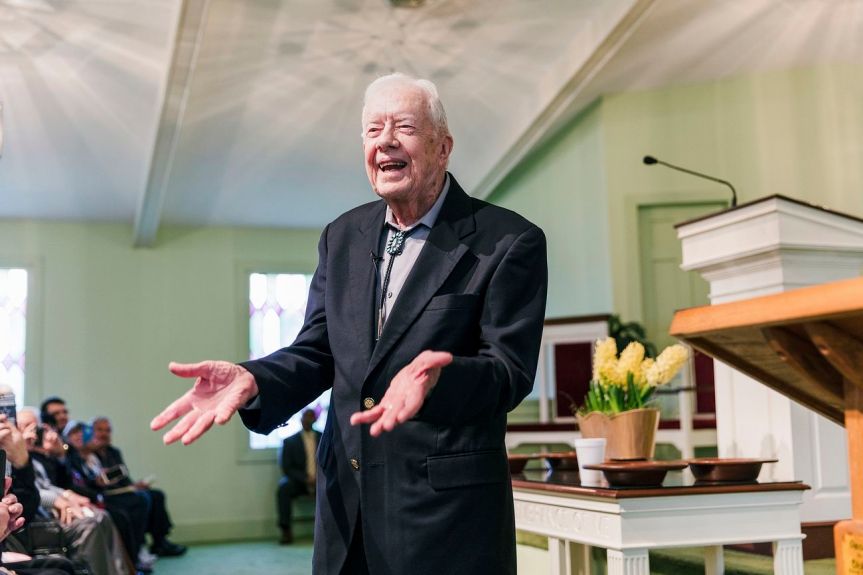
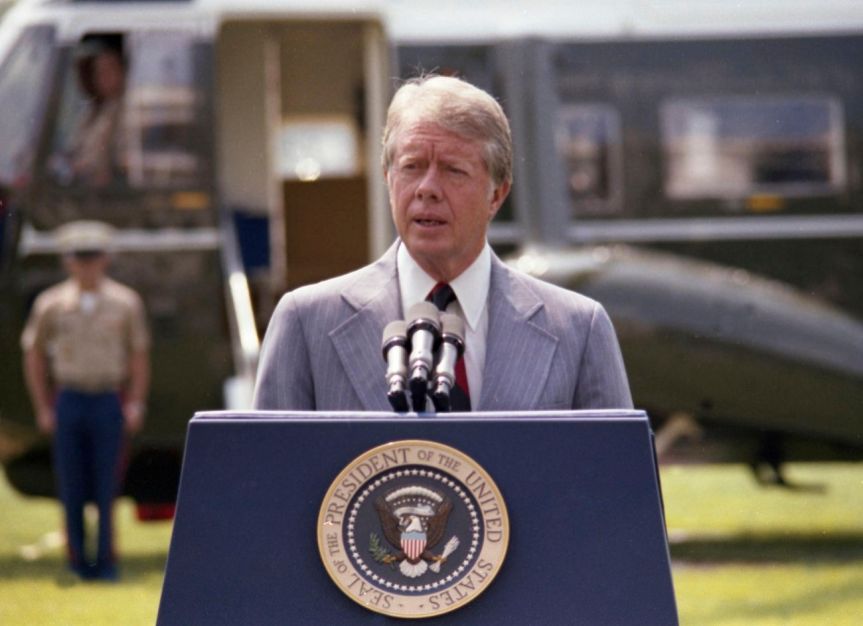
Following the teachings of Jimmy Carter regarding human rights and human dignity it becomes easier to appreciate that even in hospice, people deserve every measure it takes for attaining their emotional needs.
The Spiritual Needs of Hospice Patients
As individuals approach the end of their lives, they often reflect on the meaning and purpose of their existence. Hospice care should incorporate opportunities for patients to explore their values, beliefs, and personal philosophies. Engaging in meaningful conversations and encouraging patients to share their life stories can foster a sense of fulfillment and peace.
Facing mortality often prompts existential questions related to the nature of life, death, and the afterlife. Hospice staff should be prepared to engage in discussions surrounding these profound inquiries and provide support without imposing personal beliefs. Creating an environment where patients feel safe to explore their spiritual concerns is crucial for their emotional and spiritual well-being.
Respecting the diverse spiritual and religious backgrounds of hospice patients is essential. Hospice care should accommodate and facilitate the practice of rituals, prayers, and other spiritual customs based on individual preferences. Chaplaincy services and access to religious texts can provide solace and nourish the spiritual needs of patients.
Based on Jimmy Carter’s faith, we know he must have had Christian leaders providing closure, hope, and faith as he transcended this realm.
Integrating Emotional and Spiritual Care in Hospice Settings
A multidisciplinary approach is vital in providing comprehensive emotional and spiritual care to hospice patients. Collaborative care teams should include professionals such as doctors, nurses, social workers, counselors, chaplains, and volunteers. Working together, these individuals can address the diverse needs of patients and offer holistic support.
Training programs that focus on emotional intelligence, communication skills, and spiritual care should be provided to hospice staff. Empowering them with the necessary tools to navigate sensitive conversations and engage in active listening can significantly enhance the care provided to patients. Ongoing education ensures that staff remains attuned to the evolving needs of hospice patients.
Creating a culture of compassion and acceptance within hospice settings is crucial. Patients should feel valued, respected, and empowered to express their emotions and spiritual beliefs freely. Fostering an environment that celebrates diversity and honors individual perspectives allows for personalized care and cultivates a sense of belonging.
The Role of Jimmy’s Teachings in Hospice Care
Jimmy’s teachings emphasize the importance of compassion and empathy in caregiving. By approaching hospice care with an open heart and genuine empathy, healthcare providers can establish meaningful connections with patients and their families. Demonstrating kindness and understanding promotes emotional well-being and creates a sense of comfort.
Active listening is a fundamental aspect of effective communication in hospice care. Jimmy Carter’s life teachings encourage healthcare providers to listen attentively, seeking to understand patients’ emotional and spiritual concerns fully. Clear and compassionate communication ensures that patients feel heard and their needs are appropriately addressed.
Practicing mindfulness and being fully present with patients is central to Jimmy’s teachings. By being in the present moment and giving undivided attention, caregivers can create a supportive environment where patients feel valued and understood. Mindfulness also allows healthcare providers to respond sensitively to patients’ emotional cues and adjust care accordingly.
Conclusion
Understanding and addressing the emotional and spiritual needs of hospice patients is essential for providing holistic care. By embracing the teachings of Jimmy and integrating emotional and spiritual support into hospice settings, healthcare providers can enhance the quality of life for patients during their end-of-life journey. Compassion, empathy, and active listening play pivotal roles in creating an environment that fosters emotional well-being and spiritual comfort.
FAQs
1. How can emotional support benefit hospice patients?
Emotional support provides comfort, validation, and a safe space for patients to express their feelings. It can help alleviate anxiety, reduce emotional distress, and enhance overall well-being.
2. What are some ways to address existential questions with hospice patients?
Engaging in open and non-judgmental conversations, exploring patients’ beliefs and values, and providing resources for spiritual reflection can help address existential questions sensitively.
3. How can hospice staff promote a culture of compassion and acceptance?
Hospice staff can cultivate a culture of compassion and acceptance by valuing diversity, respecting individual beliefs, and creating an environment where patients feel safe to express themselves authentically.
4. What is the significance of active listening in hospice care?
Active listening allows healthcare providers to understand patients’ needs, fears, and concerns fully. It helps build trust, fosters connection and ensures that care is tailored to meet individual emotional and spiritual requirements.
5. How can mindfulness enhance the caregiving experience in hospice settings?
Mindfulness enables healthcare providers to be fully present and attuned to patients’ emotional and spiritual needs. It enhances their ability to respond with empathy, adapt care plans, and create a supportive and compassionate environment.





 The Caregiver Cafe