The Benefits of Hospice Care for Patients and Their Families

Hospice care provides specialized support and comfort for individuals facing terminal illnesses and their families. It focuses on enhancing the quality of life during the final stages of a person’s journey. Hospice care aims to alleviate physical and emotional distress, while also providing assistance with practical matters. In this article, we will explore the numerous benefits of hospice care for patients and their families.

Table of Contents

1. Introduction
2. Understanding Hospice Care
3. Expert Medical Care and Pain Management
4. Emotional and Psychological Support
5. Enhancing Quality of Life
6. Respite Care for Families
7. Spiritual and Religious Support
8. Bereavement Support
9. Individualized Care Plans
10. Coordination of Services
11. Making Informed Decisions
12. A Sense of Community
13. Cost Savings
14. Honoring Personal Choices
15. Conclusion
16. FAQs (Frequently Asked Questions)

Introduction

Hospice care is a specialized type of care that focuses on providing comfort and support to patients who are facing a life-limiting illness. It is a comprehensive approach that addresses the physical, emotional, and spiritual needs of patients and their families. Hospice care can be provided in a variety of settings including the patient’s home, a hospice facility, or a hospital. This type of care offers many benefits to both patients and their families, including pain management, emotional support, and assistance with daily living tasks. In this article, we will explore the benefits of hospice care in more detail and discuss how it can improve the quality of life for patients and their loved ones.

Understanding Hospice Care

Hospice Care is designed for patients who are nearing the end of their lives. It is a service dedicated to providing patients with the best quality of life possible in the last stages of their illness. Hospice care services are provided by trained professionals who focus on managing patients’ symptoms and providing them with emotional and spiritual support. Hospice care may be appropriate for patients who no longer respond to curative treatments and those who prefer palliative care (end-of-life comfort care).

One of the most significant benefits of hospice care is the management of pain and other symptoms. Professionals who work in hospice care are trained to provide comprehensive pain management services to help alleviate patients’ pain, as well as other symptoms, such as nausea, constipation, and shortness of breath. The patient’s comfort is the primary focus of hospice care, so they can receive relief from pain and other symptoms to ensure they are comfortable, peaceful, and pain-free.

Another significant benefit of hospice care is the emotional and spiritual support that it provides to patients and their families. Hospice teams include professionals who specialize in providing patients and family members with emotional and spiritual support. This provision of support helps families deal with the emotional and spiritual demands of caring for a loved one who is seriously ill or dying.

Expert Medical Care and Pain Management

Expert medical care and pain management are critical components of hospice care. In hospice care, healthcare professionals work collaboratively to provide patients with the best medical care possible. They aim to alleviate the symptoms and manage pain efficiently.

Hospice care physicians are experts in the management of pain and other symptoms that patients may experience in the final stages of life. They strive to keep patients as comfortable and pain-free as possible while ensuring that they maintain their dignity and quality of life.

Hospice care providers administer expert medical care, including medication and therapeutic interventions, to manage patients’ pain, anxiety, and other symptoms. This particular component of hospice care ensures that patients’ physical needs are met and managed effectively, making them feel more comfortable and secure in their final days.

The Expert Medical Care and Pain Management services provided in hospice not only benefit the patients but also help their families cope with the tremendous physical and emotional strain of caring for their unwell loved ones.

Emotional and Psychological Support

Emotional and psychological support are crucial aspects of hospice care. Hospice care professionals not only focus on the patients’ physical needs but also recognize that emotional and psychological pain can be just as debilitating. Patients who are nearing the end of their life often experience feelings of anxiety, fear, depression, and loneliness.

Hospice care teams include social workers, counselors, and spiritual leaders who provide emotional and psychological support to patients and their families. They assist in the development of coping strategies to make the patients feel more comfortable and in control. Hospice care providers also offer grief counseling to the families of patients after they pass away.

This provision helps families deal with the grief and anxiety that may come after the loss of their loved one. Emotional and psychological support is an essential component of hospice care that helps patients remain dignified and comforted, making their last days more pleasant. Psychological also enables patients to feel acknowledged and listened to, knowing their feelings and concerns matter. Enhancing Quality of Life

One of the primary goals of hospice care is to enhance the quality of life for patients. By focusing on providing comfort and alleviating pain, hospice care helps patients make the most of their remaining time. This may include activities, therapies, and treatments that improve overall well-being and promote a sense of fulfillment.

Respite Care for Families

Caring for a loved one with a terminal illness can be physically and emotionally demanding for families. Hospice care provides respite care, offering temporary relief and support to family caregivers. This enables family members to take a break, recharge, and tend to their own needs, knowing their loved one is in capable hands.

Spiritual and Religious Support

Hospice care recognizes the importance of spirituality and religion in the lives of patients and families. Chaplains or spiritual counselors are available to provide support and guidance based on individual beliefs and faith traditions. This support can bring solace and comfort during challenging times.

Bereavement Support

Bereavement support is a vital aspect of hospice care that extends beyond the death of a patient. Hospice care recognizes the fact that the loss of a loved one can profoundly impact the lives those left behind, and bereavement support aims to help them through the grieving process.

Hospice care providers offer bereavement support services to the families of patients who have passed away. These services can include counseling, support groups, and other resources that can help families deal with the emotional and psychological issues that come with grief and loss.

Bereavement support is tailored to the specific needs of each family, and it can last for months or even years, depending on the family’s needs. Hospice care professionals aim to provide as much support as possible during the grieving process, recognizing that losing a loved one is not a quick fix.

They help families navigate the often-difficult journey of grief, making them feel acknowledged, cared for, and supported along the way. Hospice care’s ongoing bereavement support is an essential aspect of ensuring that patients’ legacies are honored, and their families can move on with practical strategies to cope with the changes that death brings.

Individualized Care Plans

Individualized care plans are an essential component of hospice care. Hospice care recognizes that every patient is unique and has specific needs that must be addressed. Tailoring a care plan to the specific needs of each patient is essential to provide the highest quality of care to patients and their families. Individualized care plans allow hospice care providers to address every aspect of the patients’ physical, emotional, and spiritual needs.

Hospice care teams develop personalized care plans in consultation with patients and their families to ensure that their specific needs are met. The care plans cover everything from medical care and pain management to emotional and spiritual support and even bereavement support for families. Each care plan is unique, developed to meet each patient’s specific needs and preferences, and reviewed regularly to ensure that it is still meeting the patient’s evolving needs.

Individualized care plans also recognize that patients and their families have different wishes regarding how they want to spend their final days. Hospice care helps patients achieve their wishes while also making sure that high-quality care is provided. This provision ensures that patients remain dignified, respected, and in control in their final days. In sum, individualized care plans are a critical part of hospice care, which provides patients with the comprehensive, personalized care they need to feel comfortable and in control, making their final days as meaningful and significant as possible.

Coordination of Services

The interdisciplinary team works together to manage medical care, therapy, counseling, and other services, streamlining the process and minimizing stress for patients and families. Hospice care involves coordination among various healthcare providers, ensuring seamless communication and collaboration.

Making Informed Decisions

The interdisciplinary team provides comprehensive information about treatment options, prognosis, and available resources, allowing patients and families to make choices that align with their values and goals. Hospice care empowers patients and their families to make informed decisions regarding their care.

A Sense of Community

Support groups and social activities offered by hospice programs provide an opportunity to share stories, seek advice, and find emotional support within a compassionate community. Hospice care fosters a sense of community and belonging. Patients and families often find solace in connecting with others who are going through similar experiences.

Cost Savings

Cost savings are another potential benefit of hospice care. Hospice care can be more cost-effective than traditional healthcare services in many cases while providing superior quality care to the patients. Hospice care providers typically offer comprehensive services that are entirely focused on the patient’s comfort and well-being in the last stages of life.

Hospice care can help patients reduce hospital visits, treatment costs, and other expenses associated with traditional healthcare services, by allowing them to avoid unnecessary treatments. This provision can potentially lower healthcare costs and reduce the burden for both the patient and their families.

Furthermore, in the case of Medicaid, hospice providers receive a fixed payment amount that is intended to cover all aspects of a patient’s care, including medication and therapeutic supplies, medical equipment, nursing care, and other necessary services. This payment model eliminates unnecessary medical interventions and ensures that patients receive the care they need while keeping costs low.

Honoring Personal Choices

Each person has unique likes, dislikes, and beliefs that impact their view of the world. When it comes to end-of-life care, it is especially important to honor personal choices and preferences to ensure that patients remain comfortable, dignified, and in control. Hospice care professionals work closely with patients and their families to understand their wishes and preferences, and to incorporate them into the care plan. This provision ensures that the patients can make informed decisions about their care, including the care setting, care provider, and the type of care they receive.

Personal choices also factor in when considering cultural and spiritual needs. Hospice care acknowledges and respects the spiritual and cultural diversity of patients and their families, providing tailored care that is sensitive to their unique needs. It can contribute significantly to ensuring that patients are content knowing that they practice or receive care in a religious-based setting or approach.

When patients are nearing the end of their life, they appreciate having greater control over the way they experience their life’s remaining time, which honors personal choices and greatly benefits the patient’s emotional and psychological well-being. Hospice care providers work closely with patients and their families to listen, acknowledge, and honor their choices, thus giving them a sense of control and treating them with the dignity and respect they deserve.

Conclusion

Hospice care provides invaluable support for patients and their families during the challenging journey of a terminal illness. Through expert medical care, emotional and psychological support, and a personalized approach, hospice care enhances the quality of life, ensures comfort, and promotes dignity. It addresses the physical, emotional, and spiritual needs of patients while offering respite care and bereavement support for families. Hospice care empowers individuals to make informed decisions, honors personal choices, and fosters a sense of community during this difficult time.

FAQs (Frequently Asked Questions)

1. Is hospice care only for cancer patients?

No, hospice care is available for individuals with any terminal illness, not limited to cancer. It caters to a wide range of conditions and focuses on end-of-life care.

2. When is the right time to consider hospice care?

The decision to opt for hospice care depends on the individual’s medical condition and prognosis. It is typically recommended when the focus shifts from curative treatments to comfort and quality of life.

3. Is hospice care provided only in specialized facilities?

Hospice care can be provided in various settings, including the patient’s home, nursing homes, assisted living facilities, or dedicated hospice centers. The choice depends on the patient’s needs and preferences.

4. Can family members be involved in the care process?

Absolutely! Family members are encouraged to be actively involved in the care process. They can participate in decision-making, provide emotional support, and assist with day-to-day activities as desired.

5. Does hospice care continue after the patient’s passing?

Yes, hospice care extends support to the family even after the patient’s passing. Bereavement support services are available to help families cope with grief and navigate the grieving process.
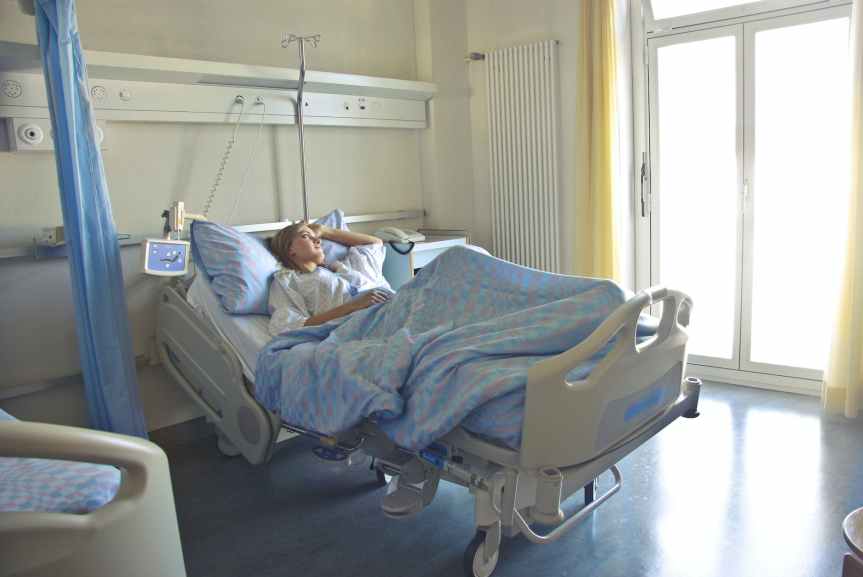

What is hospice care and how does it differ from other types of medical care?

Hospice care is a special type of medical care for individuals who are facing a terminal illness or who are in the end stages of a chronic condition. It is designed to provide comfort and support to those individuals and their families, rather than attempting to cure the illness.

It is different from other forms of medical care in that it focuses on providing quality of life and comfort instead of attempting to cure the illness. In this blog post, we will explore what hospice care is and how it differs from other forms of medical care.

With advance directives, your patient or loved one can have a say on how they want their hospice care to be.

The Purpose and Philosophy of Hospice Care

Hospice care is a specialized form of medical care that focuses on providing comfort and support for those who are terminally ill. Unlike other types of medical care, hospice care does not focus on trying to cure the illness but instead on providing compassionate care and support. The goal of hospice care is to help patients and their families make the most of the time they have left together and to provide comfort and dignity in the face of a terminal illness.

It’s provided by a team of professionals, including doctors, nurses, social workers, and counselors, who work together to address the physical, emotional, and spiritual needs of patients and their families. This includes the kind of funerals they intend to have. Hospice care is provided in the patient’s home or in a hospice facility and is tailored to meet the patient’s individual needs.

How Does Hospice Care Differ from Other Types of Medical Care?

Hospice care is a specialized type of medical care focused on providing comfort and quality of life for those with a terminal illness and a life expectancy of six months or less. Unlike other types of medical care that focus on treating or curing the underlying illness, hospice care focuses on providing comfort and pain relief to the patient and their loved ones.

Patients of any age can undergo hospice care and it is provided in the patient’s home or in a hospice facility by a team of medical professionals and volunteers.

Hospice care includes physical, emotional, social, and spiritual support for the patient and their family, as well as grief and bereavement counseling. The goal of hospice care is not to prolong life, but to make the patient as comfortable as possible in their remaining time. Hospice care provides the patient and their loved ones the opportunity to enjoy their remaining time together, free from pain and suffering.

The Services Offered in Hospice Care

Because hospice care focuses on treating the whole person, not just their illness its services include providing physical, emotional, and spiritual support to the patient and their family. It also includes services such as pain and symptom management, respite care, end-of-life counseling, and bereavement support. Hospice care is available to individuals of all ages, regardless of their ability to pay. It is covered by Medicare, Medicaid, and many private insurance plans.

Hospice care is an important option for those facing a terminal illness and their families. It emphasizes quality of life and provides comfort and support during a difficult time. By understanding what hospice care is and how it differs from other types of medical care, individuals and their families can make informed decisions about their care and treatment.

While hospice care shares some similarities with other types of medical care, there are distinct differences that set it apart:

1. Focus on Comfort and Quality of Life

Unlike curative or rehabilitative care, hospice care prioritizes comfort and quality of life over curative measures. The emphasis is on managing symptoms, controlling pain, and providing emotional support to enhance the patient’s well-being.

2. End-of-Life Planning

Hospice care places significant importance on end-of-life planning. The interdisciplinary team helps patients and their families make informed decisions about advance directives, such as living wills and healthcare proxies, ensuring that their wishes are respected and followed.

3. Emotional and Spiritual Support

While other medical care settings also recognize the importance of emotional support, hospice care places a particular emphasis on addressing the emotional and spiritual needs of patients and their families. It offers dedicated counseling and spiritual guidance to foster peace and acceptance. Hospice care is very taxing and require mental health care for everyone involved.

4. Caregiver Support

Hospice care recognizes the vital role of caregivers and provides extensive support to family members and loved ones. This support includes counseling, respite care, and bereavement services to help them cope with the challenges they face.

5. Home-Based Care

Unlike hospital or nursing home care, hospice care often takes place in the patient’s home. This environment allows individuals to remain in familiar surroundings, surrounded by their loved ones, providing a sense of comfort and security.

The Multidisciplinary Hospice Care Team

For hospice care, a multidisciplinary team of healthcare professionals, including a doctor, nurse, social worker, chaplain, and other professionals, work together to provide comprehensive care. The focus of hospice care is on providing comfort and quality of life, not on curing or prolonging life.

1. Physicians

Hospice physicians specialize in end-of-life care and are responsible for coordinating the patient’s medical treatment plan. They work closely with other healthcare providers to ensure that pain and symptoms are properly managed.

2. Nurses

Hospice nurses are highly skilled professionals who provide round-the-clock care. They administer medication, monitor vital signs, and offer emotional support to patients and their families. Nurses play a crucial role in managing pain and ensuring the patient’s comfort.

3. Certified Nursing Assistants (CNAs)

CNAs assist with activities of daily living (ADLs), such as bathing, dressing, and personal hygiene. They provide essential support to patients, allowing them to maintain their dignity and independence.

4. Social Workers

Social workers offer emotional and practical assistance to patients and their families. They provide counseling, help with end-of-life planning, and connect individuals with community resources and support networks.

5. Chaplains or Spiritual Counselors

Chaplains or spiritual counselors provide spiritual support based on the patient’s beliefs and values. They offer guidance, perform religious rituals if desired, and help patients and families find solace and meaning during their final journey.

6. Bereavement Counselors

Bereavement counselors offer support to families and loved ones after the patient’s passing. They assist with the grieving process and provide resources for coping with loss and adjusting to life without their loved ones.

Frequently Asked Questions

FAQ 1: What conditions qualify for hospice care?

Patients with various life-limiting conditions may qualify for hospice care. Some common conditions include cancer, heart disease, chronic obstructive pulmonary disease (COPD), Alzheimer’s disease, and end-stage renal disease.

FAQ 2: How is hospice care funded?

Hospice care is typically covered by Medicare, Medicaid, and most private insurance plans. In certain cases, charitable organizations and community resources may provide financial assistance to individuals who do not have coverage.

FAQ 3: Can hospice care be provided at home?

Yes, hospice care can be provided in the comfort of the patient’s own home. This allows them to remain in a familiar environment surrounded by their loved ones.

FAQ 4: Is hospice care only for the elderly?

No, hospice care is not limited to the elderly. Individuals of all ages who have a terminal illness and a prognosis of six months or less to live can benefit from hospice care.

FAQ 5: Can patients receive curative treatments while in hospice care?

In general, the focus of hospice care is on comfort and quality of life rather than curative treatments. However, patients can choose to discontinue hospice care and pursue curative treatments if their condition improves or if they decide to change their care plan.

FAQ 6: What happens after a patient’s passing in hospice care?

After a patient’s passing, hospice care extends its support to the patient’s family members. Bereavement services, counseling, and resources are provided to help loved ones cope with their loss.

Part B Medicare: An Overview

By Roz Jones

As a caregiver, you may be responsible for managing your loved one’s health care. If your loved one is enrolled in Medicare, you may be wondering what Part B covers and how it works. Here’s a quick overview of Part B Medicare.

What is Part B Medicare & What Does it cover?

Part B is sometimes called “Medigap” coverage because it helps cover some of the costs not covered by Part A. This can include things like outpatient care, preventive services, and durable medical equipment. 

Who is eligible for Part B Medicare?

In order to be eligible for Part B Medicare, your loved one must be 65 years of age or older and a United States citizen or legal permanent resident. Your loved one may also be eligible if you are under 65 years old and have a disability.

What Doesn’t Medicare Cover?

There are some services that Part B does not cover. It is important to note that Part B Medicare does not cover hospitalization costs of nursing home care. These include long-term care, dental care, eyeglasses, and hearing aids. Additionally, Part B has a deductible that must be met before coverage begins. Once the deductible is met, Part B pays for 80% of covered services. Your loved one is responsible for the other 20%. 

How much does Part B Medicare cost?

Part B also has an out-of-pocket maximum. This is the most your loved one will have to pay for covered services in a year. Once the out-of-pocket maximum is met, Part B pays for 100% of covered services for the rest of the year. 

As a caregiver, it is important to be aware of the different types of coverage that are available through Medicare. In this blog post, we’ve given you an overview of what Part B Medicare is and what it covers. We hope this information will be helpful to you as you navigate the world of healthcare with your loved ones.

If you would like to learn more about Part B Medicare, be sure to sign up for my newsletter below!


Are you a Caregiver who is struggling with being confident in the decisions you have to make for your aging clients or loved ones? Check out the latest episode of The Caregiver Cafe Podcast to learn why you should trust your gut!

As a caregiver, should you trust your gut when making decisions that affect your loved one?
Research has shown that when people base decisions on their instincts, they often come up with the correct answers to problems.

In this episode, I share why you should trust your gut when responsible for the health and well-being of a loved one.

Press play to listen in.

ATTENTION: INSTAGRAM UPDATE!!!

Thank you for your patience with me as I attempted to gain access to my Instagram account @rozjonesenterprises! Unfortunately, I have been prompted to create a NEW Instagram account.

Be sure to follow my new Instagram page @rozcaregiverconsulting and check out my top business mistakes as a Business Owner!

(Click the link above to access my new Instagram page with ease!)


Subscribe to The Caregiver Cafe Weekly Newsletter!

Caregiving can be a roller coaster of ups and downs. The information that you will receive from The Caregiver Cafe Weekly Specials Newsletter will support you as a caregiver. Remember…

1. YOU ARE NOT ALONE: The problems you face as a caregiver are experienced by other caregivers. Knowing that you’re not alone can be comforting. 

2. Tools and Resources:  Find caregiver stress management tools and gain perspective from other caregiver’s experiences.

3. LEARN TO: Ask for help, accept help when it is offered, and acknowledge yourself on this caregiving journey. Hear from experts on how to balance caregiving responsibilities by taking care of your needs and involving others to help manage the natural stress and isolation of being a caregiver. 

Medicare, Medicaid, and Hospice Care: What Services Are Covered?

By Roz Jones

When a loved one is nearing the end of their life, it’s important to know what kind of care is available to them and how it will be covered. Hospice care is a type of skilled care that focuses on providing comfort and support to patients who are facing a terminal illness. While hospice care can be provided in a variety of settings, including hospitals, nursing homes, and at home, most hospice care is provided in the home.

Medicare and Medicaid are two government-sponsored programs that can help cover the cost of hospice care. In general, Medicare will cover hospice care for patients with a life expectancy of six months or less, while Medicaid will cover hospice care for patients with a life expectancy of two months or less.

What Services Are Covered Under Medicare?
Medicare will cover all services related to the terminal illness and its management, including:

  • Doctor services
  • Nursing care
  • Medical equipment (like hospital beds)
  • Prescriptions
  • Home health aides
  • Social work services
  • Dietician services
  • Spiritual counseling
  • Grief counseling
  • Short-term inpatient care (for pain and symptom management)

What Services Are Covered Under Medicaid?

In addition to the services covered under Medicare, Medicaid will also cover:

  • RN Case Management Services (which may include physician services, social work services, homemaker services, and physical therapy)
  • Respite Care (to give caregivers a much-needed break)

When it comes time to make decisions about end-of-life care, it’s important to know what options are available and how they will be covered. Hospice care is a type of skilled care that focuses on providing comfort and support to patients who are facing a terminal illness. Medicare and Medicaid are two government-sponsored programs that can help cover the cost of hospice care. In general, Medicare will cover hospice care for patients with a life expectancy of six months or less, while Medicaid will cover hospice care for patients with a life expectancy of two months or less. Knowing what services are covered under each program can help you make the best decision for your loved one’s care.

Are you interested in learning more about this topic? Subscribe to The Caregiver Cafe Newsletter below!


Follow My Pinterest to Stay Updated On Tips About Caregiving!

(Click the link below to follow my Pinterest Account)


ATTENTION: INSTAGRAM UPDATE!!!

Thank you for your patience with me as I attempted to gain access to my Instagram account @rozjonesenterprises! Unfortunately, I have been prompted to create a NEW Instagram account.

Be sure to follow my new Instagram page @rozcaregiverconsulting!

(Click the link above to access my new Instagram page with ease!)


Subscribe to The Caregiver Cafe Weekly Newsletter!

Caregiving can be a roller coaster of ups and downs. The information that you will receive from The Caregiver Cafe Weekly Specials Newsletter will support you as a caregiver. Remember…

1. YOU ARE NOT ALONE: The problems you face as a caregiver are experienced by other caregivers. Knowing that you’re not alone can be comforting. 

2. Tools and Resources:  Find caregiver stress management tools and gain perspective from other caregivers’ experiences.

3. LEARN TO: Ask for help, accept help when it is offered, and acknowledge yourself on this caregiving journey. Hear from experts on how to balance caregiving responsibilities by taking care of your needs and involving others to help manage the natural stress and isolation of being a caregiver.