
How to Navigate Family Dynamics as a Caregiver and Business Owner

Are you a business owner who is also a caregiver for family members? Then you know how difficult it can be to balance the demands of both roles. Navigating family dynamics can be a challenge. But there are strategies that can help you create a healthy and supportive environment for both yourself and your family. And if you are thinking of making that transition into business, keep in mind there are challenges. Challenges that require leadership in uncomfortable situations.

Knowing that disagreements will arise as a result of occasional unavailability can help you in addressing them ahead. This can even be more difficult than combining a 9-5 job with caregiving

Relationships get strained when you don’t pay attention to loved ones. Understanding body language, as well as tone, can contribute to ensuring a stable family. Critical decisions will have to be made depending on the situation.

Accepting that mistakes will be made will also prepare you for managing disagreements when they arise. Be ready to have an uncomfortable conversation or two. Balance your attention to your business as well as your family.

In this blog post, we’ll delve into the complexities of balancing caregiving and business ownership, and provide tips on how to find a balance that works for you.

Introduction

Navigating family dynamics as a caregiver and business owner is a unique challenge. As a caregiver, you are tasked with the responsibility of providing care for a family member or friend. On the other hand, as a business owner, you are responsible for managing a business and all the associated responsibilities. Balancing both roles can be extremely difficult and requires careful consideration of your own needs and expectations.

Understanding the unique challenges that arise from managing both roles is essential to developing a successful strategy for managing family dynamics. Caregivers often face conflicting demands of providing care while also managing their own individual responsibilities. Business owners may find it difficult to manage family dynamics while also managing the demands of running a business. In both roles, it is important to prioritize self-care and communication in order to manage family dynamics in a healthy manner.

Establishing boundaries and expectations is essential to balancing both roles. This involves setting clear expectations for family members. You must also create boundaries to ensure that your responsibilities as a caregiver and business owner are not infringed upon. Also, consider how much time you can dedicate to both roles. Ensure that you are not overextending yourself.

Discussing strategies to manage stress and prioritize responsibilities is also important in order to successfully manage family dynamics. Learn to delegate tasks and ask for help when needed to help reduce stress. Ensure that all responsibilities are managed effectively. You cannot do everything alone. Additionally, it is important to take time for yourself to relax and rejuvenate. Take breaks and engage in activities that bring you joy and relaxation. This can help to reduce stress levels and create a better balance between the two roles.

Navigating family dynamics as a caregiver and an entrepreneur is a unique challenge. Take the time to understand the unique demands of both roles. Establish boundaries and expectations. Learn strategies to manage stress and prioritize responsibilities. This can help to ensure that both roles are managed successfully.

Navigating the Family Dynamics of Caregiving

Being a caregiver and a business owner can be a complicated balancing act. Navigating family dynamics is an important part of the process. Here are some tips to help you manage the unique situation that you are in:

Recognize that all family members have different needs and roles in the caregiving process. Understanding that these roles can change over time is key. Flexibility is essential in order to adjust to new responsibilities. Communicate openly and honestly with family members about expectations and responsibilities. Assigning tasks and responsibilities to family members in a fair and equitable way is important. Respect the feelings and opinions of family members even if they differ from your own. Donโ€™t be afraid to ask for help when needed and be willing to accept help from others.

Creating boundaries between caregiving and business tasks is important in order to ensure that both roles are fulfilled. Seek outside resources and support whenever possible to help lighten the load. Most importantly, make sure to practice self-care and take time for yourself to maintain balance and sanity. Caregiving can be a rewarding experience, but it is essential to maintain your own health and well-being. By following these tips, you can successfully navigate family dynamics as a caregiver and business owner.

The Sudden Caregiver: a Guide for Entrepreneurs to Put More Self-care Into Caregiving

As a caregiver and business owner, managing family dynamics can be a tricky balance. Itโ€™s important to develop a plan to manage your caregiving and business responsibilities. You also want to set boundaries and communicate them to your family members. Discussing caregiving responsibilities with your family and making sure everyone is on the same page is key, as well as prioritizing your own self-care and making time for yourself. Utilizing resources like โ€œThe Sudden Caregiver: a Guide for Entrepreneurs to Put More Self-care Into Caregivingโ€ can help provide ideas for both self-care and caregiving.

Creating a support system of family and friends to lean on during difficult times can be hugely beneficial. Taking breaks and allowing yourself time to recharge is also helpful. Staying organized and using a calendar to keep track of important dates and tasks can help make things easier to manage. Additionally, itโ€™s important to stay connected with your family members and be open to conversations about caregiving. Having realistic expectations and being prepared to ask for help can make the whole process more manageable.

Navigating family dynamics as a caregiver and business owner can be a challenging endeavor, but with the right plan and resources, it can be done. Taking the time to discuss caregiving roles and responsibilities with family members. Prioritizing self-care and creating a support system is vital. Just as staying organized and connected is key. With the right approach and understanding, you can effectively manage the caregiving and business roles youโ€™ve taken on.

What Strategies Can You Use to Balance Your Family Responsibilities As Caregivers and Business Owners?

Being a caregiver and business owner can be a challenging and rewarding experience. However, navigating family dynamics while juggling both roles can be difficult. Here are some tips to help you balance caregiving and business ownership while keeping your family relationships healthy.

First, prioritize and delegate tasks. Make a list of the tasks that must be completed and assign them to the right person. Utilize technology to make communication and task tracking easier. Create an efficient workspace to help you manage tasks, reduce distractions, and increase productivity.

Next, set boundaries to determine when you will be available for family, business, and caregiving responsibilities. Make sure to take time for yourself each day to practice self-care and recharge. Ask family, friends, or other caretakers to provide assistance when needed. Create a routine and stick to it to ensure all tasks are completed in a timely manner.

Finally, consider joining a support group of people in similar situations. It can be a great way to gain emotional support and exchange ideas. Caregiving and business ownership can be overwhelming, but with the right strategies, you can make it work. With some careful planning and a bit of help from others, you can successfully navigate family dynamics while balancing both roles.

How Can I Ensure That I Am Still Providing Quality Care to My Family Members While Running My Business?

Navigating family dynamics as a caregiver and business owner can be a difficult and overwhelming task. Itโ€™s important to prioritize your time and set aside specific times each day to dedicate to your family and business. Family relationships are priceless. This is why many caregivers are family members who don’t get paid. Open communication is also essential. Decisions are not made in a vacuum. Make sure to keep your family up to date on your business plan, progress, and goals.

Establishing boundaries is also key in ensuring that your family knows what is expected of you. Conversely, it lets them know what is not expected of you. Itโ€™s ok to ask for help and donโ€™t be afraid to delegate tasks. Ask your family for assistance when needed. Additionally, make sure to set aside time to spend with your family, away from the business. Where possible, make them a part of your business. Involve them in tasks and roles that they can help with. Staying organized is also important for both your family and business life. Make sure to keep both well-organized and efficient. Finally, donโ€™t forget to take care of yourself. Make sure to take care of yourself mentally, physically, and emotionally.

Conclusion

Being a caregiver and a business owner can be extremely demanding and overwhelming. It is important to remember that you have limited time and energy, so it is essential to prioritize your family and your business. In order to successfully navigate family dynamics, it is important to keep communication open. Also, be prepared to discuss any issues or concerns that arise. Plan ahead and be organized with your time and responsibilities.

It is also important to make sure to take regular breaks and practice self-care to ensure that you are able to cope with the demands of caregiving and running a business. There might be times when you need to ask for help or delegate certain tasks to others. Donโ€™t be afraid to have honest conversations with your family about what is and isnโ€™t working.

Finally, if necessary, seek out support from friends, family, or professionals. By following these steps, you will be better equipped to navigate family dynamics as a caregiver and business owner.
How to Talk to Your Loved Ones About Advance Directives

By Roz Jones

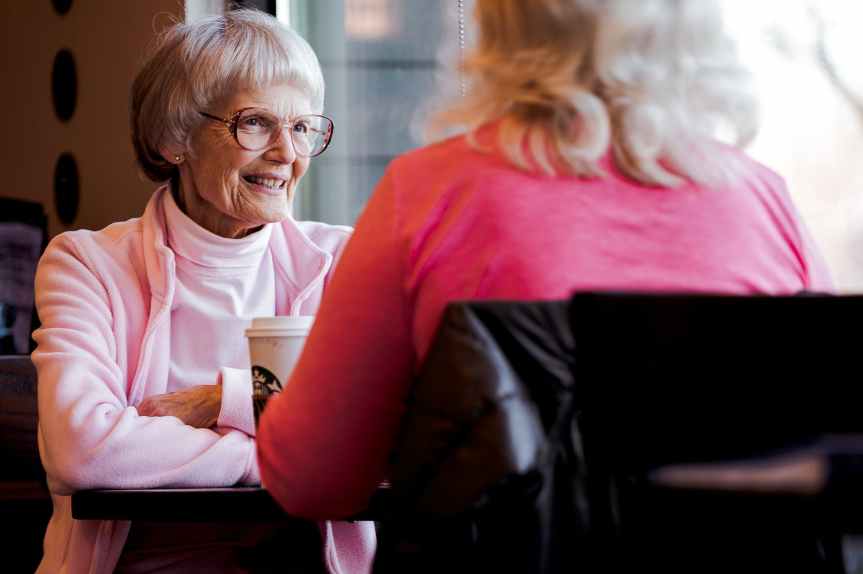
Advance directives are an essential tool for ensuring that an individual’s healthcare preferences are respected in the event they are unable to communicate. There are different types of advance directives that may best fit your situation. However, it can be challenging to talk to loved ones about end-of-life care and medical decision-making. In this blog, we will explore the importance of discussing advance directives with family members and loved ones, as well as tips for starting the conversation.

The Importance of Discussing Advance Directives with Family Members & Loved Ones

One of the most important reasons to talk to loved ones about advance directives is to ensure that everyone is on the same page when it comes to medical decision-making. This can prevent confusion and conflict in difficult situations and can provide peace of mind for both the individual and their loved ones. The main benefit of advance directives is that they can eliminate confusion during times that require critical decision-making.

To start the conversation about advance directives, it’s important to choose a time and place where everyone feels comfortable and there are no distractions. It may be helpful to begin the conversation by discussing a news article or a personal experience that highlights the importance of advance directives. It’s also important to approach the conversation with empathy and understanding and to acknowledge that it can be a difficult topic to discuss. Ensure you understand the legal and ethical issues involved with advance directives before talking with your loved one because questions will arise. An inability to answer will spell doom or fear in their minds which you don’t want.

Tips for Starting the Conversation About Advance Directives

Some tips for facilitating the conversation include asking open-ended questions, actively listening to each other’s concerns and preferences, and providing resources and information to help everyone make informed decisions. It may also be helpful to involve a healthcare provider or a legal professional to provide guidance and answer any questions.

Discussion of the Emotional Benefits of Having the Conversation

Discussing advance directives can have emotional benefits as well. It can provide a sense of control and empowerment for individuals and can bring families closer together by fostering open and honest communication.

It’s important to talk to loved ones about advance directives to ensure that everyone is on the same page when it comes to medical decision-making. By approaching the conversation with empathy and understanding, and providing resources and information, families can make informed decisions and find peace of mind.


Secure Your Loved One’s Future & Protect Their Health by Purchasing the Caregiving & Advance Health Directives Checklist!

When creating an Advance Directive, itโ€™s important for you to identify the treatments you want and donโ€™t want when it comes to hospice or end-of-life care . In order to begin this process, you will need to complete state-specific forms. This worksheet can prepare you for those decisions youโ€™re going to make on those forms, and for conversations you need to have with family and doctors.


Stay Connected!

Legal and Ethical Considerations for Advance Directives

By Roz Jones

Advance directives are legal documents that provide guidance to healthcare providers and loved ones on an individual’s healthcare preferences in the event they are unable to communicate.

The benefits of advance directives, especially as it relates to hospice care contribute to its importance.

In this blog, we will explore the legal and ethical considerations surrounding advance directives, as well as the role of healthcare providers in honoring them.

Legal and Ethical Considerations Surrounding Advance Directives

One important legal consideration is that advance directives are legally binding documents. This means that healthcare providers must follow the instructions outlined in the document, as long as they are in compliance with state laws and medical ethics. Failure to follow an advance directive can result in legal consequences.

The Role of Healthcare Providers in Honoring Advance Directives

Another legal consideration is the issue of informed consent. Healthcare providers must ensure that individuals understand the implications of their advance directive and have made an informed decision. This includes ensuring that individuals are not being coerced or influenced by others to make certain decisions.

In addition to legal considerations, there are ethical considerations when it comes to advance directives. Healthcare providers must balance the principle of patient autonomy with their obligation to provide the best possible care. This can be a difficult balance, particularly in situations where an individual’s healthcare preferences conflict with medical best practices.

Another ethical consideration is the issue of cultural and religious beliefs. Advance directives must take into account an individual’s cultural and religious background, as these can impact their healthcare preferences. Healthcare providers must be respectful of these beliefs and work with individuals and their families to ensure that their healthcare wishes are respected.

Advance directives have important legal and ethical considerations that must be taken into account by healthcare providers and loved ones. By following state laws and medical ethics, healthcare providers can ensure that they are honoring the preferences of their patients and providing the best possible care. Speak to healthcare providers to be able to choose the best option for them. Educate your loved one on advance directives for the best outcome.


Secure Your Loved One’s Future & Protect Their Health by Purchasing the Caregiving & Advance Health Directives Checklist!

When creating an Advance Directive, itโ€™s important for you to identify the treatments you want and donโ€™t want at the end of life. In order to begin this process, you will need to complete state-specific forms. This worksheet can prepare you for those decisions youโ€™re going to make on those forms, and for conversations you need to have with family and doctors.


Stay Connected!

5 Reasons to Forgive Yourself

By Roz Jones

We all make mistakes in life. Sometimes we may fail to achieve our goals or disappoint ourselves in some way. When this happens, it’s important to forgive ourselves and move on. Here are five reasons why forgiving yourself is crucial:

Everyone Makes Mistakes

We are all human and we all make mistakes. It’s impossible to go through life without making any mistakes at all. When you forgive yourself for your mistakes, you can learn from them and move on. You can find comfort in the fact that you’re not alone – other people have made similar mistakes and learned from them too.

Trouble Trusting Yourself

If you can’t forgive yourself for your mistakes, you may have trouble trusting yourself in the future. You may start to doubt your abilities and become overly cautious, which can hold you back from achieving your goals. Forgiving yourself allows you to regain trust in yourself and move forward with confidence.

Health Problems

Holding onto negative feelings and self-blame can cause a lot of stress on your body and mind. This stress can lead to health problems such as anxiety and depression. By forgiving yourself, you can let go of that stress and find inner peace. This will allow your body and mind to feel good and healthy.

Future Success

If you don’t forgive yourself, you may be too afraid to take risks in the future. You may be too focused on avoiding mistakes that you won’t take any action at all. Forgiving yourself allows you to move forward and take risks without fear. This will help you achieve your goals and find success in the future.

You Deserve It

You deserve to be happy and enjoy your life. Holding onto self-blame and negative feelings will only prevent you from experiencing happiness and fulfillment. Forgiving yourself is an act of self-love and self-care. You deserve to move on from your mistakes and focus on creating a positive and fulfilling life for yourself.

In conclusion, forgiving yourself is essential for your mental, emotional, and physical well-being. Everyone makes mistakes, and it’s important to learn from them and move forward. By forgiving yourself, you can regain trust in yourself, find inner peace, and achieve future success. Most importantly, you deserve to be happy and live a fulfilling life.


Secure Your Loved One’s Future & Protect Their Health by Purchasing the Caregiving & Advance Health Directives Checklist!

When creating an Advance Directive, it’s important for you to identify the treatments you want and don’t want at the end of life. In order to begin this process, you will need to complete state specific forms. This worksheet can prepare you for those decisions you’re going to make on those forms, and for conversations you need to have with family and doctors.


Shop The Caregiver Cafe E-Commerce Store!

We founded The Caregiver Cafe Shopify Store with one simple goal: to help you experiment with your passion while at the same time providing amazing prices. We were tired of cookie-cutter stores with lackluster selections, and boring gifts. Instead of offering a huge unoriginal collection, we carefully curate just a few unique pieces perfectly suited for people the taste buds like you.

We focus on items that get you excited about shopping again,
as we believe buying online should always be fun!


Subscribe to The Caregiver Cafe Weekly Newsletter!

Caregiving can be a roller coaster of ups and downs. The information that you will receive from The Caregiver Cafe Weekly Specials Newsletter will support you as a caregiver. Remember…

1. YOU ARE NOT ALONE: The problems you face as a caregiver are experienced by other caregivers. Knowing that you’re not alone can be comforting. 

2. Tools and Resources:  Find caregiver stress management tools and gain perspective from other caregivers’ experiences.

3. LEARN TO: Ask for help, accept help when it is offered, and acknowledge yourself on this caregiving journey. Hear from experts on how to balance caregiving responsibilities by taking care of your needs and involving others to help manage the natural stress and isolation of being a caregiver. 

Types of Advance Directives and How to Choose the Right One

By Roz Jones

Advance directives are legal documents that outline a person’s healthcare wishes in the event that they become unable to communicate. There are different types of advance directives available, each with its own unique benefits and considerations. In this blog, we will explore the different types of advance directives and how to choose the right one for your loved one’s situation.

Different types of Advance Directives

The two most common types of advance directives are living wills and durable power of attorney for healthcare. A living will is a document that outlines a person’s wishes for end-of-life care, including whether they want life-prolonging treatments such as mechanical ventilation or artificial nutrition and hydration. A durable power of attorney for health care allows a person to appoint a trusted individual to make healthcare decisions on their behalf if they become incapacitated and unable to make decisions for themselves.

Considerations for choosing the right type of advance directive for your loved one

When choosing the right type of advance directive, there are several factors to consider. First, it’s important to consider personal values and beliefs when making decisions about healthcare. For example, some individuals may prioritize the quality of life over life-prolonging treatments, while others may want all available treatments to be pursued.

It’s also important to consider the potential scenarios in which the advance directive may come into play. For example, if an individual has a chronic illness or is nearing the end of their life, a living will may be more appropriate. On the other hand, if an individual is at risk of sudden incapacitation due to an accident or illness, a durable power of attorney for health care may be more appropriate.

Another consideration is to ensure that the chosen advance directive complies with state laws. Each state has its own laws and regulations regarding advance directives, so it’s important to research and follow the appropriate guidelines.

Choosing the right type of advance directive is an important decision that should be based on personal values, potential scenarios, and compliance with state laws. By taking the time to carefully consider these factors, individuals can ensure that their healthcare wishes are respected and upheld in the event that they are unable to communicate. Also, talk to them about the benefits of advance directives.


Secure Your Loved One’s Future & Protect Their Health by Purchasing the Caregiving & Advance Health Directives Checklist!

When creating an Advance Directive, itโ€™s important for you to identify the treatments you want and donโ€™t want at the end of life. In order to begin this process, you will need to complete state-specific forms. This worksheet can prepare you for those decisions youโ€™re going to make on those forms, and for conversations you need to have with family and doctors.


Stay Connected!