

By Roz Jones
We’ve talked about what respite care looks like and why guilt shouldn’t be the thing standing between you and a break. But there’s another obstacle that stops caregivers before they even get that far, and it’s rarely talked about: how am I going to pay for this?
Respite care can cost real money. If you’re not a veteran with access to VA benefits, and you’re not sure where else to look, it’s easy to assume respite simply isn’t in the budget. Before you write it off, let’s walk through where families actually find help paying for it.
Start With Your Area Agency on Aging
If you take away only one thing from this post, let it be this: call your local Area Agency on Aging before you assume respite is out of reach.
The National Family Caregiver Support Program, funded through the Older Americans Act, flows through Area Agencies on Aging in every state. It’s designed specifically to support family caregivers with in-home and out-of-home respite, caregiver training, counseling, and supplemental services. Many families are surprised to learn that respite through this program generally doesn’t come with an income requirement — it’s based on your loved one’s level of need, not your bank account.
Availability and how much support you can access will vary depending on where you live and local funding, so this isn’t a guarantee of free care everywhere. But it’s often the first place caregivers should ask, not the last.
Look Into Medicaid Home and Community-Based Services
If your loved one is enrolled in Medicaid or may qualify, ask specifically about Home and Community-Based Services (HCBS) waivers. These state-run programs are built to help people stay in their own homes instead of a nursing facility, and respite care is commonly one of the covered services alongside personal care and adult day programs.
Eligibility depends on both income and a functional assessment showing your loved one needs a nursing-facility level of care, and requirements shift from state to state. Because these waivers serve a capped number of people, waitlists are common in many states, so it’s worth applying and asking questions even if a wait is involved. Your state Medicaid office or Area Agency on Aging can walk you through what’s available where you live.
Ask About Disease-Specific Grants
If your loved one is living with Alzheimer’s or another form of dementia, dedicated respite grant programs may be available through national and local organizations, including the Alzheimer’s Association and its affiliates. These grants are typically awarded as hours of respite care rather than cash, and eligibility, award amounts, and application windows vary by program and state. A quick call to your local Alzheimer’s Association chapter or a search for dementia-specific caregiver grants in your state can point you toward options you didn’t know existed.
Check Long-Term Care Insurance and Employer Benefits
If your loved one has a long-term care insurance policy, read it or ask their agent directly whether respite or informal in-home care is a covered benefit. Some policies include it; others don’t, and the difference is easy to miss in the fine print.
On your side of things, it’s worth asking your own employer about caregiver-related benefits, too. Some companies offer paid caregiver leave, backup care benefits, or an Employee Assistance Program that includes counseling or referrals to local respite resources. The Family and Medical Leave Act may also allow job-protected time off to arrange or manage care, even though it’s unpaid. None of these replace respite care itself, but they can create the breathing room to arrange it.
When You’re Paying Out of Pocket
Sometimes, after checking every program, private pay is still the most realistic option, at least for now. If that’s where you land, a few questions can help you get more for your money:
- Ask about sliding-scale fees. Some agencies and nonprofits adjust cost based on income, even if they don’t advertise it upfront.
- Compare hourly rates against package or block rates. Some providers offer a lower rate for a set weekly or monthly commitment than for occasional hours.
- Ask what’s included. A lower hourly rate isn’t a deal if it doesn’t cover the specific tasks your loved one needs help with.
- Get the cost in writing before care begins, including any minimum hours, cancellation policies, or holiday rates.
Build the Cost Into the Plan Now, Not Later
Here’s the shift I want to encourage: don’t wait until you’re desperate for a break to figure out how you’ll pay for one. Research funding sources, make the calls, and get on any waitlists now, while you still have the bandwidth to compare options and ask good questions. That way, when you truly need relief, the paperwork isn’t the thing standing in your way.
Paying for respite care is one more piece of a sustainable care plan, right alongside deciding who provides it and how your loved one will be prepared for the transition. It isn’t a luxury line item. It’s part of what keeps you able to keep showing up.
For an introduction to respite care and the different forms it can take, read the previous blog, Caring for the Caregiver: The Vital Role of Respite Care in Supporting Aging Loved Ones..
Prepare for Your Next Trip

Planning to travel with an aging loved one? Download the free Vacationing with an Aging Loved One Checklist to help you prepare for medications, mobility needs, comfort, safety, and unexpected changes.
Tune in to The Caregiver Café Podcast
Dad’s Dementia: Grieving the Living with Phil Hill

In this episode of The Caregiver Café with Roz Jones, Roz is joined by security expert and former family caregiver Phil Hill for an honest conversation about caring for a parent through cognitive decline, dementia, and the final years of life.
Phil shares how he first began noticing changes in his father, including confusion, difficulty navigating familiar places, changes in his appearance, and trouble managing responsibilities that had once been routine. Those early signs led to doctor visits, cognitive testing, difficult decisions about driving, and eventually moving his father into his home.
As the primary caregiver, Phil had to learn how to coordinate support among family members while also caring for his wife, his children, his business, and himself. He explains how even small contributions from relatives, such as taking his father to the barber shop, spending an afternoon with him, or providing companionship, gave him valuable moments of rest.
Roz and Phil also discuss the emotional side of caregiving. Watching a parent decline can bring grief long before the person passes away. Caregivers may lose sleep, experience exhaustion, make difficult safety decisions, and manage behaviors their loved one may not fully understand or remember.
Give Yourself a Moment of Grace

Caregiving includes demanding days, unexpected changes, and moments of connection that may be easy to overlook. Moments of Grace offers encouragement to caregivers who need a reminder to pause and recognize the meaningful moments along the journey.
Preparing for hurricane season?
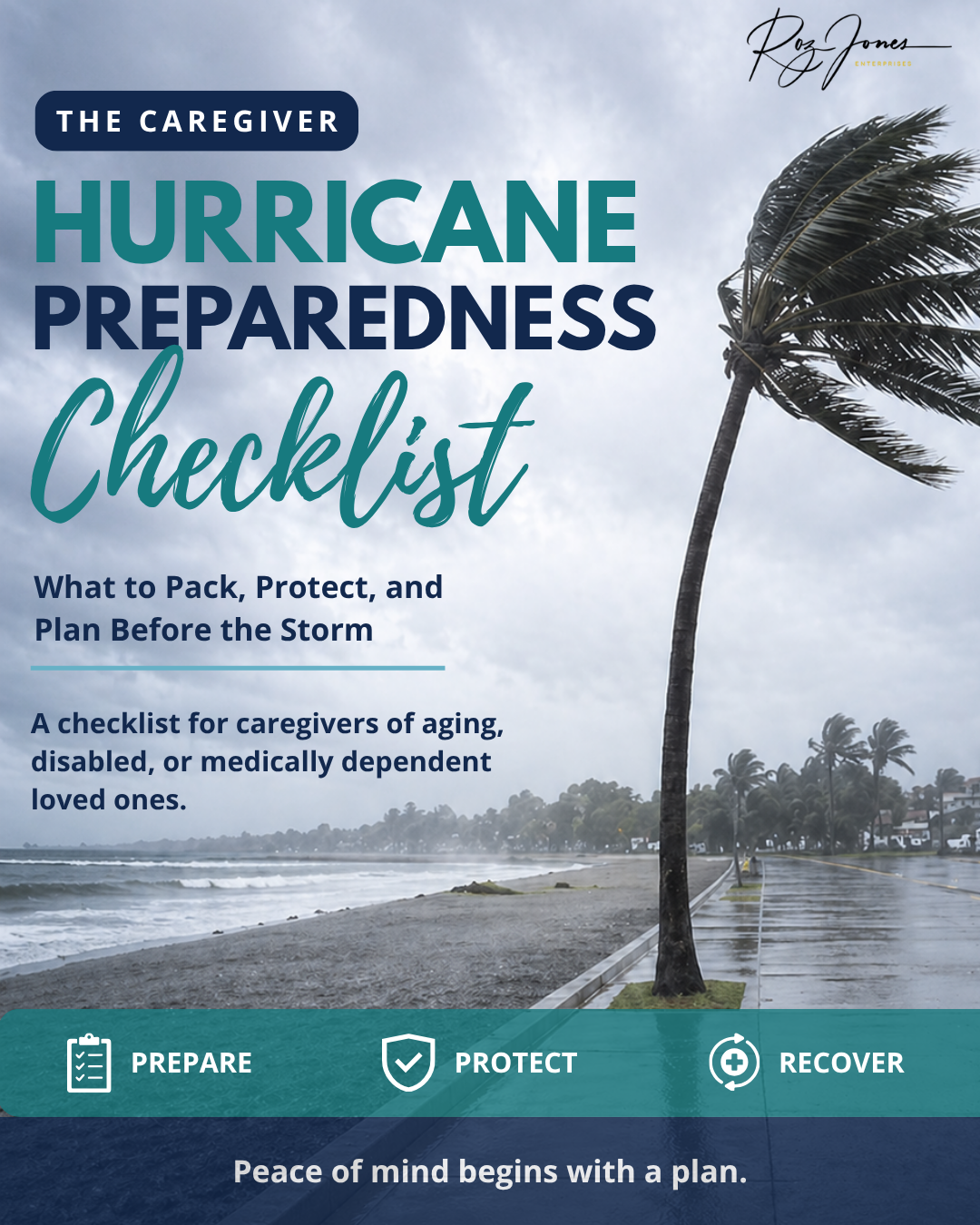
Are you preparing for hurricane season? Purchase the Caregiver Hurricane Preparedness Checklist to organize the information and supplies your family may need before severe weather arrives.
Subscribe to The Caregiver Cafe Weekly Newsletter!

1. YOU ARE NOT ALONE: The problems you face as a caregiver are experienced by other caregivers. Knowing that you’re not alone can be comforting.
2. Tools and Resources: Find caregiver stress management tools and gain perspective from other caregiver’s experiences.
3. LEARN TO: Ask for help, accept help when it is offered, and acknowledge yourself on this caregiving journey. Hear from experts on how to balance caregiving responsibilities by taking care of your needs and involving others to help manage the natural stress and isolation of being a caregiver.

