
The Emotional Challenges of Caregiving for a Former Spouse or Baby Daddy

By Roz Jones

When a former spouse or baby daddy becomes ill or disabled, it can be a difficult and emotional time. Suddenly, you may find yourself in the role of caregiver for someone who was once your partner. This can bring up a variety of unique emotional challenges that can be difficult to navigate. In this blog, we will discuss the emotional challenges of caregiving for a former spouse and provide tips for managing emotions and maintaining boundaries.

Introduction to the Emotional Challenges of Caregiving for a Former Spouse

One of the main emotional challenges of caregiving for a former spouse is the history and baggage that may come with the relationship. Past hurts, resentments and unresolved issues can all resurface during this time. It’s important to acknowledge and process these emotions in order to move forward and provide effective care.

Another emotional challenge is the shift in roles and dynamics. The caregiving relationship can blur the lines between caregiver and partner, leading to confusion and discomfort. Additionally, there may be feelings of guilt or obligation to provide care, even if the relationship ended poorly.

Tips for Managing Emotions and Maintaining Boundaries

To manage these emotions, it’s important to prioritize self-care. This can include seeking support from friends and family, joining a support group, or seeking professional counseling. It’s also important to forgive yourself if you wronged them as you also forgive them if they wronged you. You must also set boundaries. You also want to communicate clearly with your former spouse about what you are and are not able to provide in terms of care.

Caregiving for a former spouse can bring up a variety of emotional challenges. By prioritizing self-care and setting clear boundaries, it is possible to provide effective care while maintaining your own emotional well-being. Remember, it’s okay to seek support and resources to help navigate this difficult time.


Transform Your Home Into a Sanctuary of Calm: Download Mental Health America’s Healthy Home Environments Document Today!
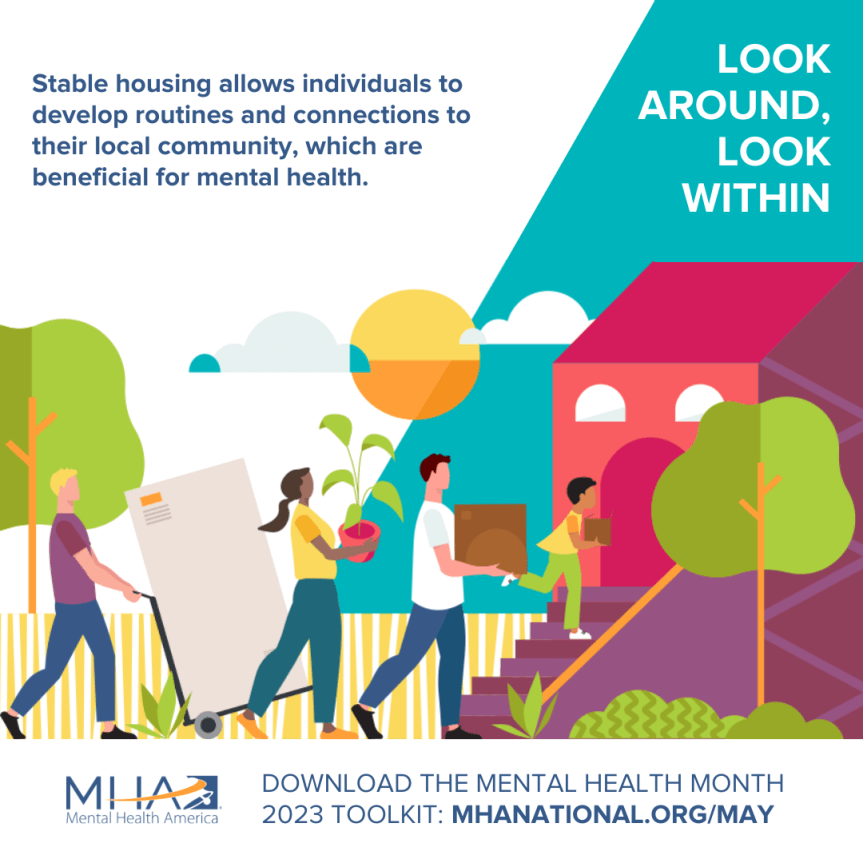
Are you looking for ways to improve your mental health and well-being? If so, we have just the thing for you! Mental Health Americaโ€™s new document โ€˜Healthy Home Environments,โ€ provides valuable insights into how you can optimize your living space to promote better mental health.

Whether you are living with a mental health condition or just looking for ways to enhance your overall well-being, this document offers practical tips and strategies that anyone can benefit from. From decluttering your space to incorporating natural elements, this document is packed with actionable steps you can take to transform your home into a sanctuary of calm and tranquility. Donโ€™t miss out on this opportunity to improve your mental health and download โ€œHealthy Home Environmentsโ€ today!


Stay Connected!

Secure Digital Communication Tools for Caregivers

By Roz Jones

As a caregiver for an aging loved one, it’s important to protect their financial information and personal data from cyber threats. With advancements in technology, there are many digital communication tools available to caregivers that offer enhanced security features. Here are five secure digital communication tools that caregivers can use to protect their loved ones’ information:

  • Encrypted messaging apps: Encrypted messaging apps like WhatsApp and Signal use end-to-end encryption to protect messages from being intercepted or accessed by third parties. Caregivers can use these apps to communicate with their loved ones about sensitive information like financial accounts, medical records, and passwords.
  • Virtual private networks (VPNs): VPNs create a secure, encrypted connection between a caregiver’s device and the internet. This can help protect sensitive information like online banking and shopping activity from being intercepted by hackers or cybercriminals. Caregivers can use VPNs on their phones, tablets, and computers to add an extra layer of security to their online activity.
  • Video conferencing platforms with end-to-end encryption: Video conferencing platforms like Zoom and Google Meet offer end-to-end encryption for video calls, which can protect conversations from being intercepted by third parties. Caregivers can use these platforms to communicate with healthcare providers, financial advisors, and other professionals who may need access to their loved ones’ information.
  • Secure email services: Secure email services like ProtonMail and Tutanota offer end-to-end encryption for emails, which can help protect sensitive information from being accessed by unauthorized parties. Caregivers can use these services to communicate with their loved ones’ healthcare providers and financial advisors.
  • Two-factor authentication for online accounts: Two-factor authentication adds an extra layer of security to online accounts by requiring a second form of authentication in addition to a password. Caregivers can enable two-factor authentication on their loved ones’ online accounts, such as email, banking, and social media accounts, to help prevent unauthorized access.

Caregivers can take advantage of a variety of secure digital communication tools to protect their aging loved ones’ information from cyber threats. Encrypted messaging apps, VPNs, video conferencing platforms with end-to-end encryption, secure email services, and two-factor authentication are just a few of the tools available to caregivers. By using these tools, caregivers can help ensure that their loved ones’ sensitive information remains safe and secure. These strategies can also be used to protect you financially. To go a step further incorporate data backup methods and services to store sensitive and valuable information.


Transform Your Home Into a Sanctuary of Calm: Download Mental Health America’s Healthy Home Environment Document

Are you looking for ways to improve your mental health and well-being? If so, we have just the thing for you! Mental Health America’s new document ‘Healthy Home Environments,” provides valuable insights into how you can optimize your living space to promote better mental health.

Whether you are living with a mental health condition or just looking for ways to enhance your overall well-being, this document offers practical tips and strategies that anyone can benefit from. From decluttering your space to incorporating natural elements, this document is packed with actionable steps you can take to transform your home into a sanctuary of calm and tranquility. Don’t miss out on this opportunity improve your mental health and download “Healthy Home Environments” today!


Shop The Caregiver Cafe E-Commerce Store!

We founded The Caregiver Cafe Shopify Store with one simple goal: to help you experiment with your passion while at the same time providing amazing prices. We were tired of cookie-cutter stores with lackluster selections, and boring gifts. Instead of offering a huge unoriginal collection, we carefully curate just a few unique pieces perfectly suited for people the taste buds like you.

We focus on items that get you excited about shopping again, as we believe buying online should always be fun!


Are you or someone you know currently caring for an ex-partner? Check out my latest podcast episode where we dive into the complex emotions and relationship dynamics that can arise when providing care for an ex-spouse or partner. Listen as I share insight on how to navigate these challenges, including addressing past issues, maintaining open communication, and building a support system. Tune in now to gain a new perspective on this unique caregiving role!

Caregiving for an ex-partner can be a complex and challenging situation, as it may involve navigating complex emotions and past relationship dynamics. However, it is not an uncommon scenario, especially if the ex-partner is in need of significant care due to illness or disability.

In this eye-opening episode, we tackle the challenges of caregiving for an ex-partner by addressing past issues, maintaining open communication, and having a support system in place.

Whether you’re stepping into the unusual shoes of caring for an ex-spouse or want to help a friend facing this situation, our valuable insights will help make this experience less complicated and frustrating.

Don’t miss out on this enlightening discussion โ€“ tune in now!

Subscribe to The Caregiver Cafe Weekly Newsletter!

Caregiving can be a roller coaster of ups and downs. The information that you will receive from The Caregiver Cafe Weekly Specials Newsletter will support you as a caregiver. Remember…

1. YOU ARE NOT ALONE: The problems you face as a caregiver are experienced by other caregivers. Knowing that you’re not alone can be comforting. 

2. Tools and Resources:  Find caregiver stress management tools and gain perspective from other caregiver’s experiences.

3. LEARN TO: Ask for help, accept help when it is offered, and acknowledge yourself on this caregiving journey. Hear from experts on how to balance caregiving responsibilities by taking care of your needs and involving others to help manage the natural stress and isolation of being a caregiver. 

Factors to Consider When Choosing an Adult Daycare for an Aging Loved One

By Roz Jones

Choosing an adult daycare for an aging loved one can be a challenging decision. It’s essential to consider several factors that can impact your loved one’s comfort, safety, and quality of care. Managed properly, it can even give rise to caregiver guilt. In this article, we will discuss the key factors to consider when selecting an adult daycare for your aging loved one.

First and foremost, location is an essential factor to consider. Look for a daycare center that is close to your loved one’s home or your workplace. This will make it easier for you to drop off and pick up your loved ones and visit them during the day.

The cost of the daycare program is another critical factor to consider. Adult daycare fees can vary greatly depending on the location and services offered. Check if the daycare accepts Medicaid or other insurance programs, as this can significantly reduce out-of-pocket expenses.

When researching adult daycare facilities, pay attention to the services they offer. Some centers provide specialized care for seniors with Alzheimer’s or dementia, while others offer rehabilitation and therapy services. Consider your loved one’s specific needs and choose a daycare center that can meet them.

Staff credentials and licensing are also important factors to consider. Look for daycare centers that have licensed nurses and trained staff. Ask about the staff-to-patient ratio, as this can affect the quality of care your loved one receives.

Finally, touring the daycare center is crucial to making an informed decision. During your visit, ask about the center’s activities, meals, and rules. Observe the staff and how they interact with the patients. Ask about the center’s policies on medication management and emergency procedures.

By considering these factors and asking the right questions, you can choose an adult daycare that provides the best care and support for your aging loved one.

Online Resources for Finding Adult Daycare:

SeniorLiving.org

ElderCare.gov

SeniorNavigator.org


May is Mental Health Month: Take Control of Your Mental Health with 31 Daily Tips

Mental Health America is proud to announce May as Mental Health Month, a time to prioritize and take control of your well-being. This year’s theme is Take Some Time To Look Around, Look Within emphasizing the importance of creating a supportive and uplifting environment for yourself and those around you. To help you achieve this goal, MHA has created a daily calendar with 31 tips for improving your mental health for the month.

Whether you’re struggling with anxiety, depression, stress, or simply looking for ways to maintain a healthy mindset the Mental Health Calendar has something for everyone with each day featuring a different tip or activity to promote self-care, resilience, and positive thinking.

Download the Mental Health Calendar now to learn how to cultivate a more supportive and nurturing environment for yourself and your aging loved one, while also building stronger relationships with those around you!


Stay Connected!

Understanding the Benefits of Adult Daycare for Aging Loved Ones

By Roz Jones

As we age, it becomes increasingly important to maintain our physical and mental well-being. For our aging loved ones who may be living alone or have limited social connections, this can be a challenge. Adult daycare centers can provide a solution, offering a safe and engaging environment where your aging loved one can socialize and participate in activities that promote cognitive and physical health.

One of the primary benefits of adult daycare is socialization. For aging loved ones who live alone or have limited social connections, adult daycare centers offer an opportunity to connect with others and make new friends. Socialization is important for mental and emotional health, as it helps prevent feelings of isolation and depression.

In addition to socialization, adult daycare centers provide a range of activities that promote cognitive stimulation. These activities can include games, puzzles, and other mental exercises that help aging loved ones stay sharp and engaged. Physical activities, such as exercise classes and walking groups, are also often offered, helping aging loved ones maintain their physical health.

Adult daycare centers can also provide respite care for family caregivers. Caring for an aging loved one can be challenging and time-consuming, and many caregivers struggle to find time for their own needs. Adult daycare centers offer a temporary break from caregiving responsibilities, allowing family caregivers to recharge and take care of themselves. As a caregiver, you also want to avoid unfounded caregiver guilt when you do this.

Finally, adult daycare centers can be a great alternative to full-time residential care for aging loved ones. Many aging loved ones prefer to live in their own homes for as long as possible, and adult daycare centers can help make that a reality by providing a safe and engaging environment during the day. This allows aging loved ones to maintain their independence and stay connected to their communities.

Adult daycare centers offer a range of benefits for aging loved ones and their families. Various factors need to be examined when deciding what center to register your aged loved ones. From socialization and cognitive stimulation to respite care and an alternative to full-time residential care, adult daycare can be a great solution for aging loved ones looking to maintain their physical and mental well-being.


May is Mental Health Month: Take Control of Your Mental Health with 31 Daily Tips

Mental Health America is proud to announce May as Mental Health Month, a time to prioritize and take control of your well-being. This year’s theme is Take Some Time To Look Around, Look Within emphasizing the importance of creating a supportive and uplifting environment for yourself and those around you. To help you achieve this goal, MHA has created a daily calendar with 31 tips for improving your mental health for the month.

Whether you’re struggling with anxiety, depression, stress, or simply looking for ways to maintain a healthy mindset the Mental Health Calendar has something for everyone with each day featuring a different tip or activity to promote self-care, resilience, and positive thinking.

Download the Mental Health Calendar now to learn how to cultivate a more supportive and nurturing environment for yourself and your aging loved one, while also building stronger relationships with those around you!


Stay Connected!

Help! My Baby Daddy is Sick and Needs Me to Take Care of Him!

By Roz Jones

When a former spouse or baby daddy is sick and needs your care, it can be a challenging situation to navigate. Whether you have a good or strained relationship with your ex, providing care for them can be emotionally and mentally taxing. In this blog, we will explore some tips and resources that can help you provide care for your former spouse while taking care of yourself.

Assess Your Ability to Provide Care
Before committing to caregiving, it’s important to assess your ability to provide care. This includes evaluating your availability, financial resources, and emotional capacity. If you have other caregiving responsibilities, work commitments, or health issues, you may need to consider alternative care options such as hiring a professional caregiver or enlisting the help of family and friends. It’s also important to set boundaries and establish clear expectations for caregiving, to prevent burnout and resentment.

Communicate with Your Ex
Open and honest communication is key to successful caregiving. If you have a good relationship with your ex, it may be easier to discuss caregiving arrangements and establish a plan of care. However, if your relationship is strained, it may be helpful to forgive yourself and them. You could also enlist the help of a mediator or therapist to facilitate communication. It’s important to listen to your ex’s needs and preferences and to communicate your own boundaries and limitations.

Seek Support
Caregiving can be emotionally and mentally challenging, and it’s important to seek support when needed. This can include reaching out to friends and family for help, joining a support group for caregivers, or seeking professional counseling. It’s also important to prioritize self-care, such as getting enough rest, exercise, and healthy meals.

Access Resources
There are many resources available for caregivers, including government programs, nonprofit organizations, and community services. These resources can provide financial assistance, respite care, and emotional support. Some resources to consider include the Family Caregiver Alliance, the National Alliance for Caregiving, and the National Council on Aging.

Providing care for a former spouse can be a challenging and complex situation. By assessing your ability to provide care, communicating with your ex, seeking support, and accessing resources, you can provide the best care possible while taking care of your own needs.


May is Mental Health Month: Take Control of Your Mental Health with 31 Daily Tips

Mental Health America is proud to announce May as Mental Health Month, a time to prioritize and take control of your well-being. This year’s theme is Take Some Time To Look Around, Look Within emphasizing the importance of creating a supportive and uplifting environment for yourself and those around you. To help you achieve this goal, MHA has created a daily calendar with 31 tips for improving your mental health for the month.

Whether you’re struggling with anxiety, depression, stress, or simply looking for ways to maintain a healthy mindset the Mental Health Calendar has something for everyone with each day featuring a different tip or activity to promote self-care, resilience, and positive thinking.

Download the Mental Health Calendar now to learn how to cultivate a more supportive and nurturing environment for yourself and your aging loved one, while also building stronger relationships with those around you!


Stay Connected!